REVIEW · COLOSSEUM, FORUM & PALATINE TOURS
Rome: Colosseum, Vatican Museums & Historic Center in a Day
Book on GetYourGuide →Operated by Walks of Italy · Bookable on GetYourGuide
Rome in one push: big sights, fewer crowds. This all-in-one day strings together the Colosseum and the Vatican Museums with expert guidance (Marco C. gets high praise for making Roman history feel real), and then keeps you moving through the center. The tradeoff is simple: this is a long, hot walking day, and you will not go inside the Roman Forum.
I also love the structure. You get a start along the classic sights like Trevi Fountain and Piazza Venezia, then a focused Colosseum visit in a small group, and finally a big Vatican hit that includes the Raphael Rooms and the Sistine Chapel. One more plus: you do not white-knuckle Rome’s transfer times, because the day includes an organized private ride to the Vatican.
Quick reality check before you commit: it is a lot of pavement, with limited shade at the Colosseum, so your comfort depends on your shoes and your willingness to keep pace. If you are coming, plan for a full day of walking and bring ID—this is not the kind of tour where you can casually wander off.
In This Review
- Key points to know before you go
- Meeting at Piazza Navona: starting on the right foot
- Trevi Fountain, Piazza Venezia, and the historic center sweep
- Pantheon-area stops and the pace you should expect
- Lunch break near the Colosseum: one hour, and it’s on you
- Entering the Colosseum: small-group time with a Forum overlook
- The short transfer to the Vatican that saves your sanity
- Vatican Museums in two hours: Raphael, Maps Gallery, and ancient sculpture
- A 2026 Sistine Chapel note you should know
- Sistine Chapel walkthrough: 45 minutes to see what everyone talks about
- How much walking is actually involved
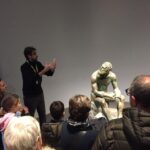
- Guide quality is the difference between seeing Rome and understanding it
- Price and value: is it worth doing this as one big combo?
- Who this tour suits best (and who should skip it)
- Should you book this Rome in a Day tour?
- FAQ
- How long is the tour?
- Where does the tour start?
- Do we go inside the Roman Forum?
- What’s included in the Vatican Museums and Sistine Chapel?
- Is lunch included?
- Is this tour stroller- or wheelchair-friendly?
Key points to know before you go
- Skip-the-crowd focus where it counts most at the Colosseum and the Vatican Museums
- Historic center first, ancient Rome second so you get your bearings early
- Colosseum tour includes a Forum view, not an inside Forum visit so expectations stay realistic
- Sistine Chapel time is built in with a guided walkthrough
- Private transport to the Vatican saves real time compared with piecing together rides yourself
- Guides make the pacing work, and you’ll hear strong Rome-and-art stories from people like Valeria and Ambra
Meeting at Piazza Navona: starting on the right foot
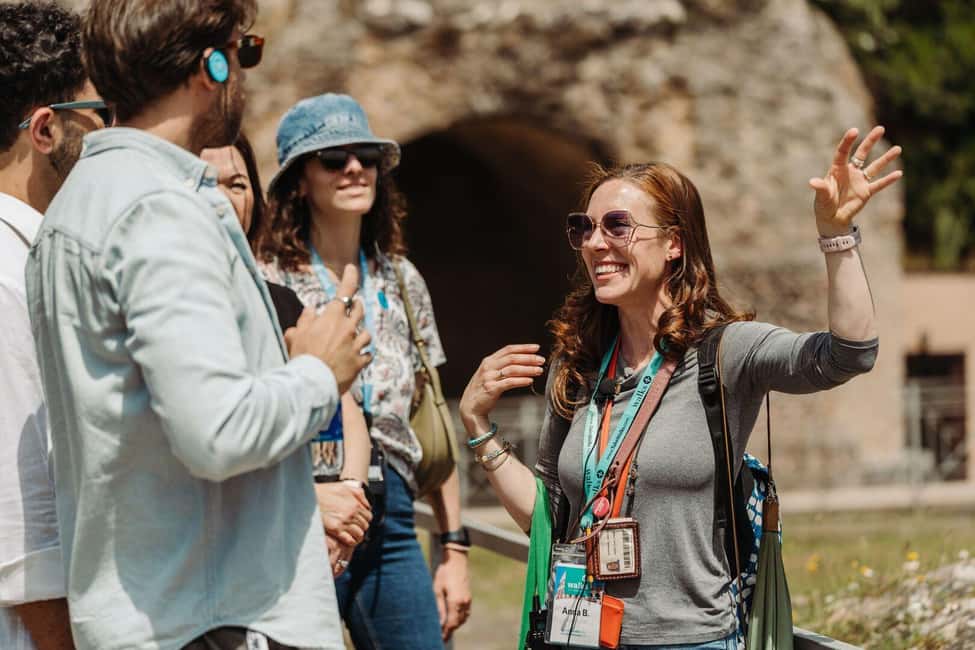
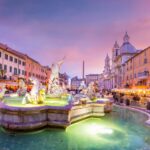
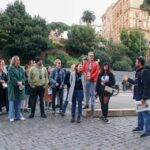
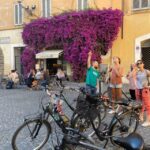
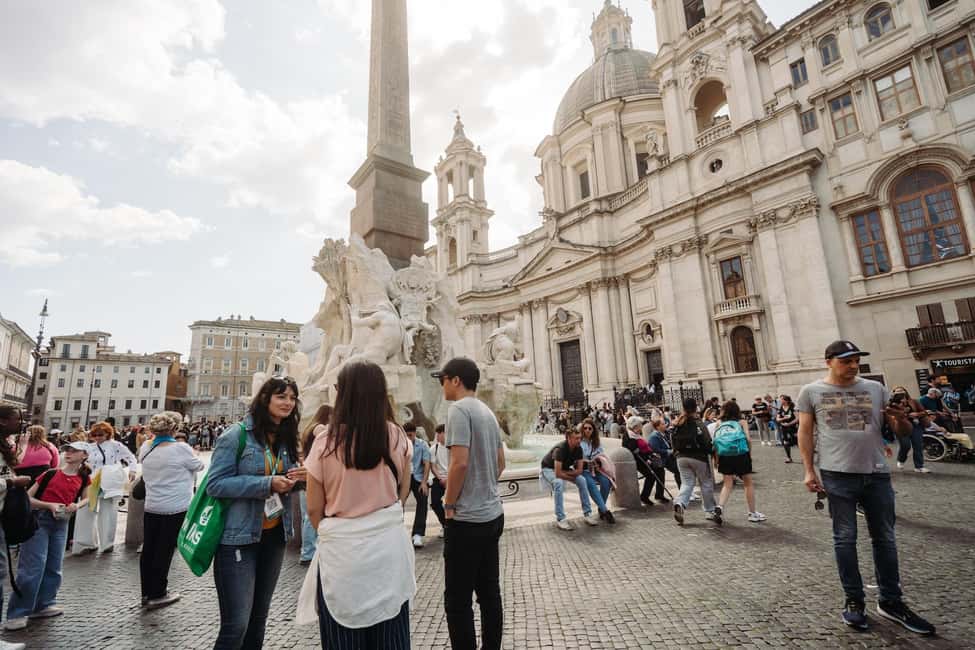
You begin at Piazza Navona 2, in front of Museo di Roma. Show up 15 minutes early and look for your guide holding a green Walks sign. I like this start because Piazza Navona is easy to orient yourself around, and it puts you right into Rome’s street-life rhythm before the crowds and queues really build.
From here, the day is designed to keep you from backtracking. You’re not just being dropped at “big stops.” You’re guided across short distances, with enough context that places like Piazza Venezia and the Trevi Fountain stop feel less random and more connected.
You can also read our reviews of more historical tours in Rome

Trevi Fountain, Piazza Venezia, and the historic center sweep
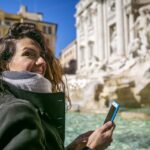
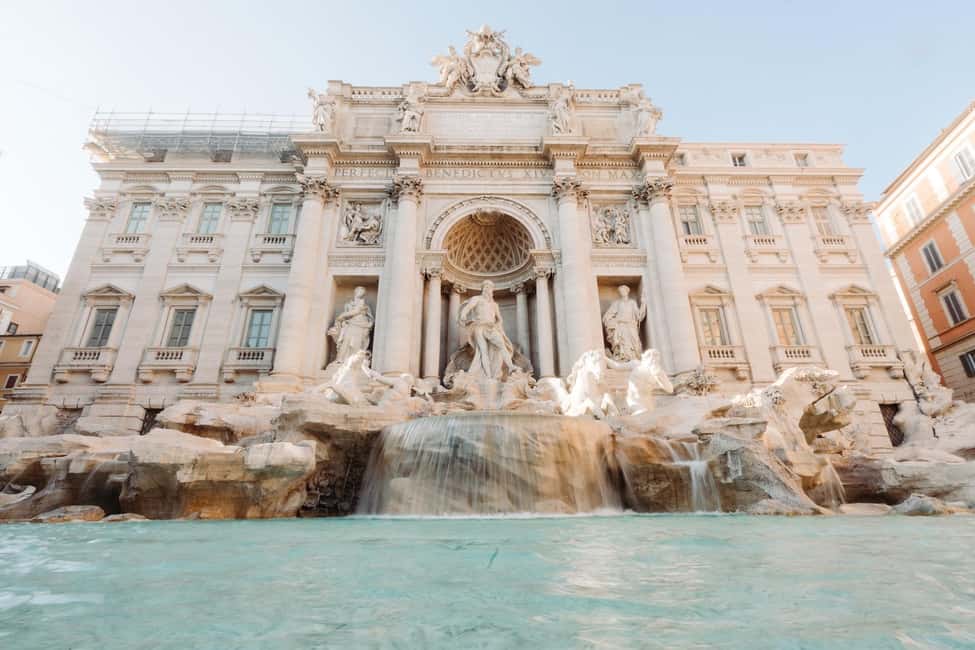
The first chunk of the day is a guided walking tour through Rome’s showpieces—Trevi Fountain, Piazza Navona-area landmarks, Piazza Venezia, and more. Trevi Fountain gets a 30-minute guided stop, which is a smart window: long enough to appreciate what you’re seeing, but not long enough to melt your plans.
You’ll also pass key viewpoints and iconic squares where you can understand how Rome’s layers sit on top of each other—stone-age beginnings, medieval growth, and Renaissance polish. This is the part of the day where a good guide really matters, because the route helps you see patterns instead of just collecting photos.
Practical tip: if you’re tempted to keep checking your phone for angles, resist. This tour moves. Save your serious camera time for the moments your guide points out, then put the camera away when the group starts walking again.
Pantheon-area stops and the pace you should expect
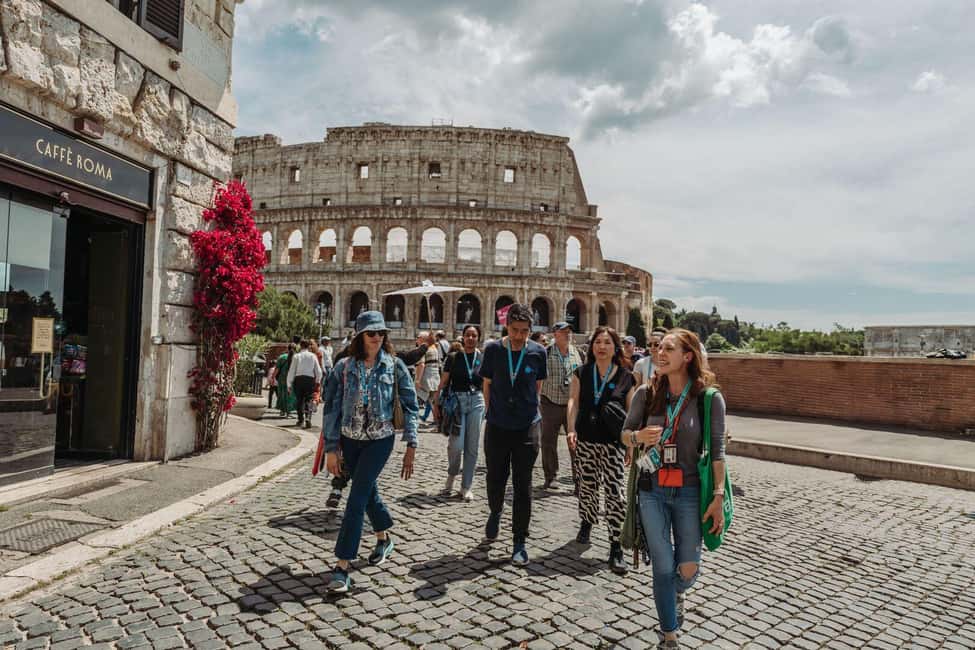
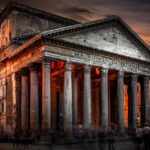
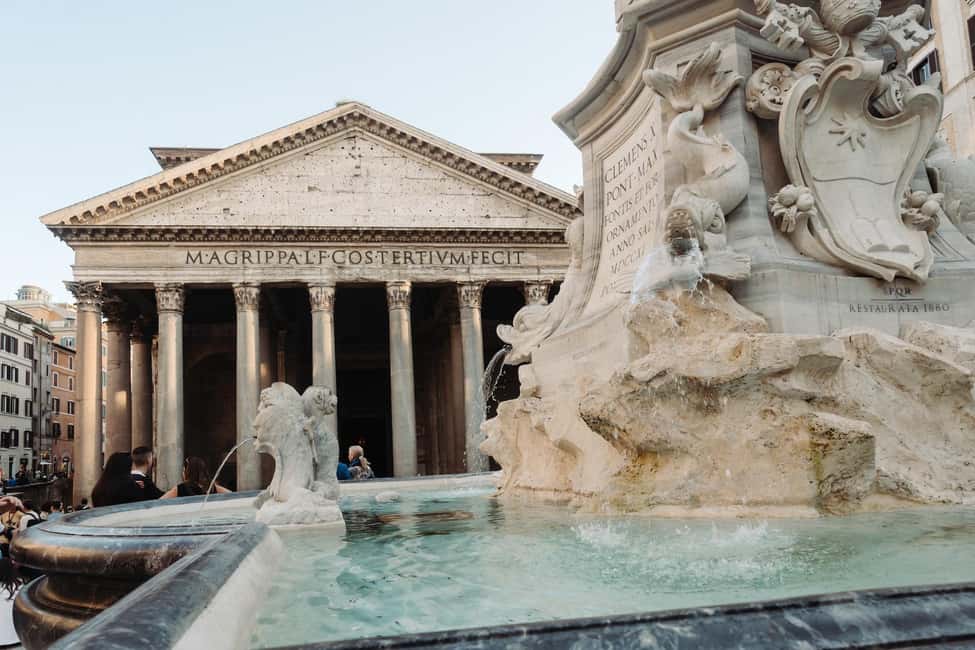
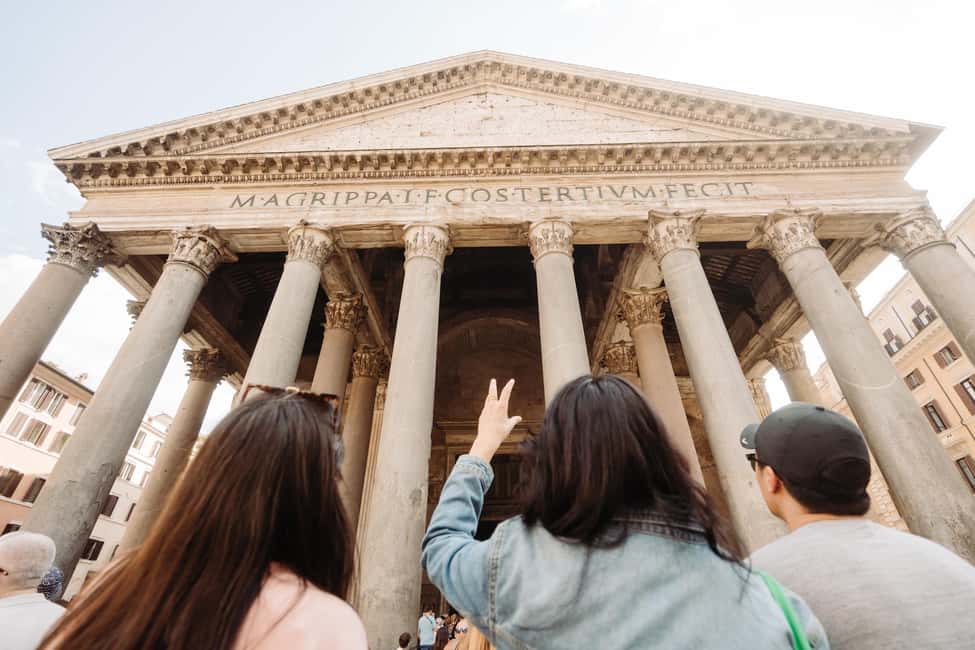
The historic center portion includes major landmarks like the Pantheon area as you move between piazzas. The point is not to do a slow, gallery-style visit. The point is to hit the biggest visual highlights while your energy is still decent and the day’s logistics are working in your favor.
A theme across excellent guide reviews is pacing and crowd control. People praise guides for keeping the group hydrated and in the shade when possible. That matters a lot on days when the sun is relentless, because the walking portion can feel longer than the total tour duration sounds.
If you run hot or hate crowds, this is still doable, but you need to go in with the mindset of speed plus focus, not speed plus wandering.
Lunch break near the Colosseum: one hour, and it’s on you
Midday, you get an about one-hour lunch break. Lunch itself is not included, but your guide gives recommendations. I like this setup because it keeps you from spending the afternoon stuck in a long meal line. It also gives you flexibility: you can choose something quick near the route, or take the chance to sit down and reset.
Just remember: you will probably be carrying energy into the Colosseum and then still have the Vatican Museums after. If you eat something very heavy, that might be a second stressor on top of the walking and heat.
If you’re trying to plan around the clock, think of lunch as your recovery period, not a food event. Save the real Rome meals for the evening.
Entering the Colosseum: small-group time with a Forum overlook
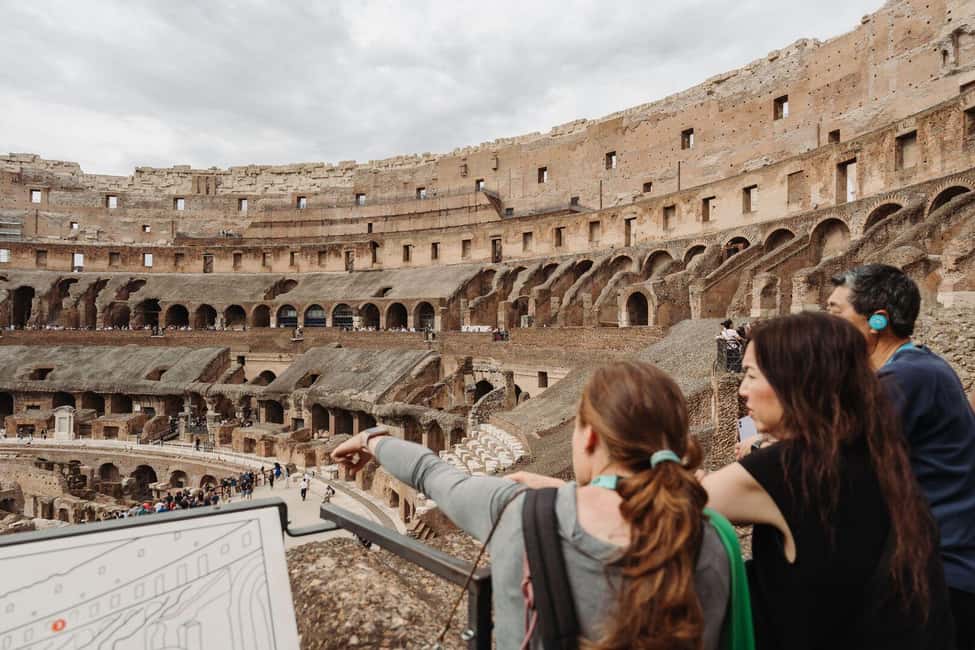
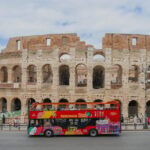
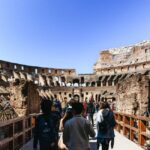
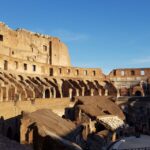
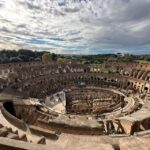
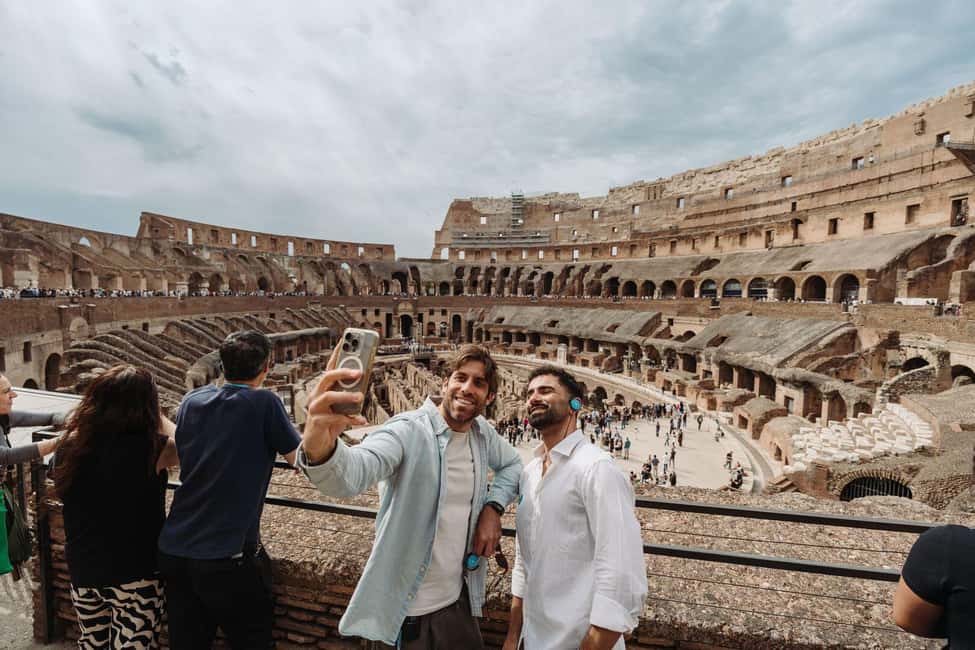
The Colosseum is the headline, and this tour gives it real time: a guided visit of about 105 minutes. That’s enough time to go beyond the basic postcard view and hear the stories that make the arena make sense—gladiators, emperors, and how life worked in this part of ancient Rome.
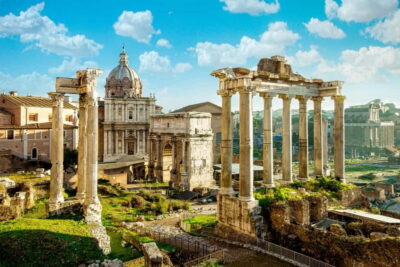
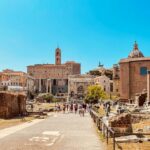
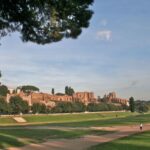
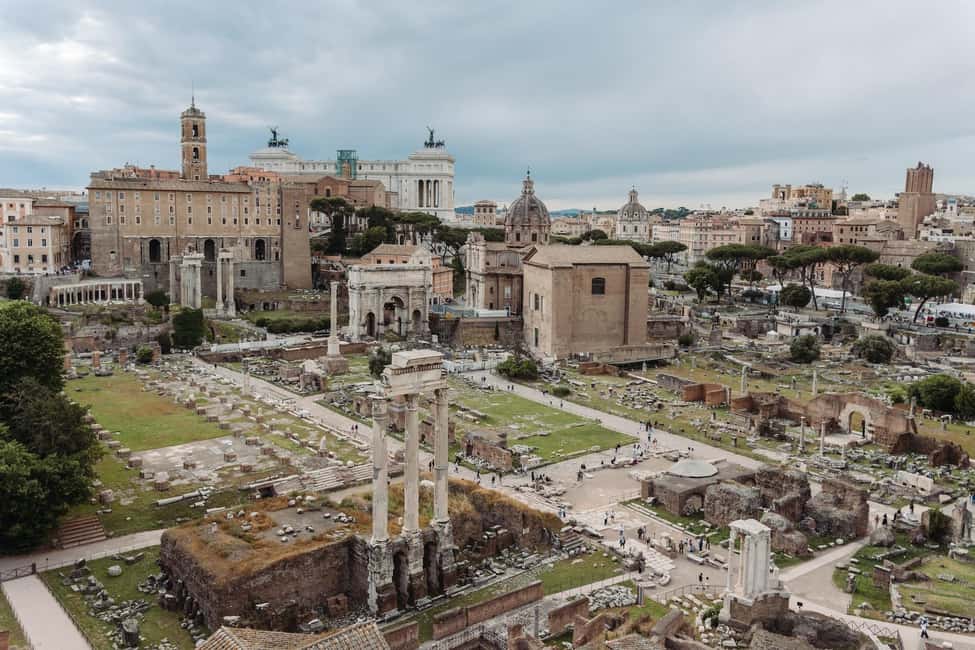
I also like one specific detail: the day opts for a special overlook of the Roman Forum. You’ll pass by the Forum, but you will not go inside it as part of this program. This is good for two reasons. You avoid losing time to more ticketing and more maze-like walking, and you keep the experience focused on the Colosseum first.
Shade note, since it comes up for a reason: the Colosseum area can be rough in summer. Bring water, and if you have one, a hat for sun shade can help your mood a lot.
You can also read our reviews of more museum experiences in Rome


The short transfer to the Vatican that saves your sanity
After the Colosseum, you head toward the Vatican with private transport from central Rome. Reviews also mention an air-conditioned ride as a comfort win. Either way, this part of the day is about one thing: keeping you from spending your limited Rome hours fighting traffic, finding stops, and timing connections.
That quick ride matters because it sets you up for a smoother Vatican entry experience. You’re not arriving as a tired bundle of confusion. You’re arriving as part of a planned flow.
If you’ve been in Rome long enough to feel how long “just getting across town” can take, you’ll understand why this logistical piece is more valuable than it sounds.
Vatican Museums in two hours: Raphael, Maps Gallery, and ancient sculpture
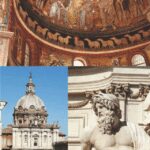
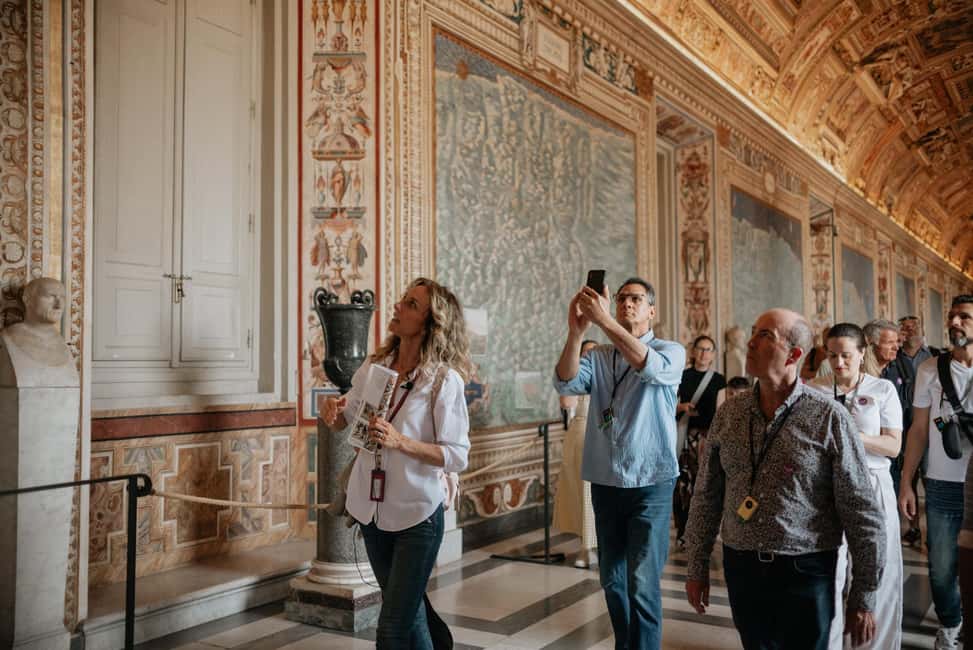
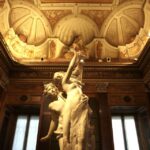
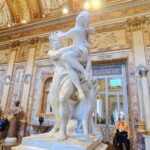
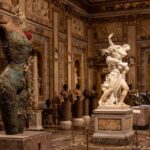
The Vatican Museums get about two hours with a guided tour focused on major highlights. You’ll see the Raphael Rooms, the Gallery of the Maps, and collections including ancient Greek and Roman sculptures. This is a smart mix, because it gives you both art drama and the classical context that makes the Vatican’s collections feel less random.
You also pass by the Courtyard of the Pigna, which is one of those iconic spaces that helps you breathe and reset your eyes during the bigger museum push.
The biggest practical point: the Vatican Museums can feel packed and warm. Even when the tour is well organized, you still need to pace yourself mentally. This is not the place to expect lots of spontaneous detours. Follow your guide, keep your spot, and let the timing work for you.
A 2026 Sistine Chapel note you should know
Between Jan 12 and Mar 31, 2026, the Vatican Museums run a preservation project tied to Michelangelo’s Last Judgment. The Sistine Chapel stays open, but the fresco is temporarily covered by scaffolding during this period. If your dates fall in that window, this tour is still a solid choice—you just want the expectation set.
Sistine Chapel walkthrough: 45 minutes to see what everyone talks about
After the museums, the program brings you into the Sistine Chapel for about 45 minutes with a guided visit. This portion is timed for impact: enough structure to understand what you’re looking at, but not so long that you lose the chance to move on with the rest of your day.
The ceiling—Michelangelo’s work—is the star here, and guides usually frame it in a way that helps you notice details without needing a lecture hall. Reviews consistently mention people being engaged and able to stay focused, even on hot days.
One small reality: noise and crowds can make it hard to hear every word at every moment. If you tend to struggle with audio in busy spaces, pick a spot early within your group when your guide pauses, and don’t worry if you catch only part of a sentence. You’re still absorbing the visuals plus the main ideas.
How much walking is actually involved
This is the part you should not guess about. People report walking nearly 9 miles on days like this, and the tour is built around continuous movement. With a duration listed as about 7.5 hours, you might be thinking it’s a “standard day.” In Rome terms, it’s a real workout day.
The good news is that the pacing keeps you from standing around doing nothing. The day is efficient. But your feet still pay the price.
My practical advice:
- Wear comfortable sneakers you already know you can trust.
- Bring water and use breaks to reset your legs, not just your brain.
- Expect uneven surfaces around piazzas and historic streets, so keep your attention on where you’re stepping.
Guide quality is the difference between seeing Rome and understanding it
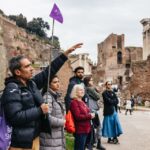
You do not just want a route—you want someone who can explain why it looks the way it does. The best guide reviews in this group point to strong storytelling and clear direction. People mention guides like Luigi, Valeria, Hilaria, Marco, Ambra, Kylie, and Elizabeth, with praise for keeping kids engaged too.
Some guides are described as having backgrounds in archaeology or related art and history fields, and that shows up in how they connect details. You’re more likely to remember the Colosseum because the guide talks about how it functioned, not just because it’s tall and famous.
Even the best guide can’t control crowds. But they can control your experience: where you stand, when you move, and what you focus on in each stop.
Price and value: is it worth doing this as one big combo?
You may feel the price is on the high side, and that’s understandable. One review even said it felt costly. The argument for value here is practical, not emotional:
- You get the major hits in one day: Colosseum, Vatican Museums, Sistine Chapel, plus a historic-center walk.
- You get organized entry time and guided structure that helps you use a single day wisely.
- You also get private transfer between Rome center and the Vatican, so you’re not burning hours piecing together transport.
If you only have one or two days in Rome, a tour like this can make sense because it buys you momentum. If you’re staying longer and you love slow travel, you might prefer splitting this into separate days. But if your goal is maximum first-look impact, this combo is built for that mission.
Who this tour suits best (and who should skip it)
This works well for:
- First-timers who want Rome’s biggest icons in a single day
- History and art lovers who like guided context
- People who can handle heat and long walking stretches
- Families with kids who do better with stories and structure (some reviews mention great engagement for teens too)
This is not a great match if:
- You need a wheelchair-friendly or mobility-friendly option. This tour is not suitable for mobility impairments, wheelchairs, or strollers.
- You want a slow pace or lots of unstructured wandering.
- You get stressed in crowded indoor spaces like the Vatican Museums, where it can feel hot and packed.
Also note the day’s dress rules: long pants and a long-sleeved shirt are required. Shorts, short skirts, sleeveless shirts, baby strollers, and large bags or luggage are not allowed. Bring your passport or ID card.
Should you book this Rome in a Day tour?
If you have limited time and you want a guided hit list that actually makes sense, I think you’ll be happy with this plan. The strongest selling points are the Colosseum focus, the Vatican Museums highlight lineup, and the fact that logistics are handled, including a private ride to the Vatican.
Skip it if you’re looking for a restful day. This is a full-on walking itinerary with indoor crowds at the Vatican and sun exposure at the Colosseum.
If you do book, make your success easy: great shoes, water, a hat if you run hot, and a mindset of watch-and-listen as the day moves.
FAQ
How long is the tour?
The tour runs about 7.5 hours.
Where does the tour start?
Meet at Piazza Navona 2, in front of Museo di Roma. Arrive 15 minutes early and look for your guide holding a green Walks sign.
Do we go inside the Roman Forum?
No. The day includes passing by the Roman Forum, but it opts for a special overlook instead of entering the Roman Forum.
What’s included in the Vatican Museums and Sistine Chapel?
You get a guided tour of the Vatican Museums (about 2 hours) with highlights like the Raphael Rooms and the Gallery of the Maps, plus a guided visit to the Sistine Chapel (about 45 minutes).
Is lunch included?
Lunch is not included. You get about a one-hour lunch break, with recommendations from your guide.
Is this tour stroller- or wheelchair-friendly?
No. The tour is not suitable for guests with mobility impairments, wheelchairs, or strollers. You also need to follow the dress rules, including no shorts and a long-sleeved shirt requirement.