REVIEW · CARACALLA BATHS & CIRCUS MAXIMUS TOURS
Rome: Caracalla, Colosseum, Circus Maximus Private Tour
Book on GetYourGuide →Operated by Tour in the City - Travel Agency Rome - · Bookable on GetYourGuide
Three Roman powerhouses in one guided loop. This private 3-hour walk threads together the Colosseum, Circus Maximus, and the Baths of Caracalla so you see how Rome entertained, impressed, and managed crowds on a big scale. I like that you get skip-the-ticket-line treatment and a guide who keeps the story moving site to site.
What I love most is the professional art historian guide approach and the small practical upgrades like headsets (especially helpful for groups over 8). One possible drawback: plan for airport-style security at the Colosseum, and in high season the wait can run up to 30 minutes.
In This Review
- Key Things You’ll Notice
- A Private Rome Loop of Colosseum, Circus Maximus, and Caracalla
- Where You Meet and How Security Affects Your Timing
- Entering the Colosseum: More Than Gladiator Photos
- Circus Maximus: Chariot Racing and a Stadium Built for Madness
- Baths of Caracalla: Roman Public Life at Peak Scale
- What Makes a Private Guide Worth It Here
- Value and Price: What $215.23 Buys You
- Practical Tips That Keep the Day Comfortable
- Who This Tour Is Best For
- Should You Book This Private Rome Sites Tour?
- FAQ
- How long is the Rome Caracalla, Colosseum, Circus Maximus Private Tour?
- How much does the tour cost per person?
- Where do we meet for the tour?
- What sites are included in the tour?
- Is the tour private?
- What’s included in the price?
- Do I need to bring ID?
- Are selfie sticks allowed inside the Colosseum?
Key Things You’ll Notice
- Private guiding across three major ruins, not a generic quick stop-and-snap route
- Skip-the-ticket-line entry plus headset support for better listening
- The Colosseum explained through construction methods and gladiator-era stories
- Circus Maximus framed as Rome’s first and largest chariot-racing stadium (over 250,000 spectators)
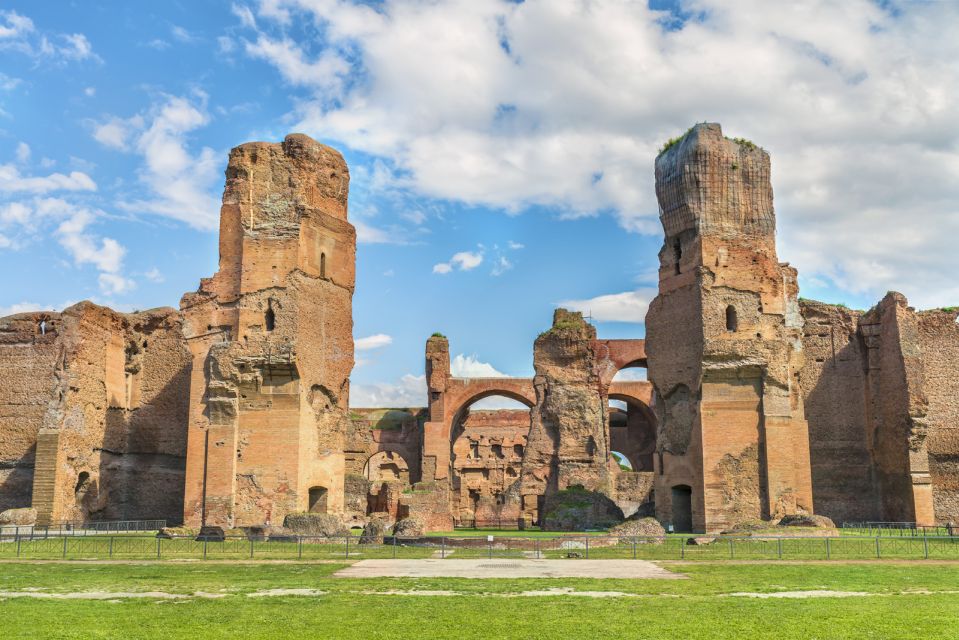
- Baths of Caracalla read as Roman daily life, built 212–217 AD under Septimius Severus and Caracalla
A Private Rome Loop of Colosseum, Circus Maximus, and Caracalla
If you want a Rome day that feels focused instead of scattered, this tour fits the bill. You cover three of the most recognizable sites in a tight window, guided by an art historian who connects what you see to what it meant in its own time.
The big win is not just the buildings. It’s the way the tour lines up the themes: spectacle (Colosseum), speed and mass crowds (Circus Maximus), and public bathing as everyday status (Baths of Caracalla). You end up with a clearer mental map of how ancient Rome functioned when people gathered, watched, and cooled off.
And yes, the ruins are impressive on their own. But with a guide, you don’t just stare at stones. You start noticing details—like why certain spaces were designed the way they were, and what kind of crowd energy those places were built to handle.
You can also read our reviews of more private tours in Rome

Where You Meet and How Security Affects Your Timing
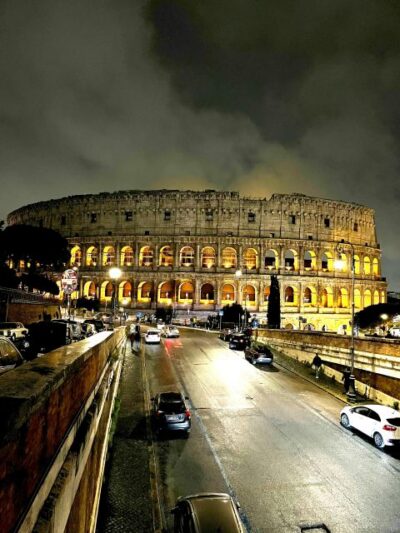
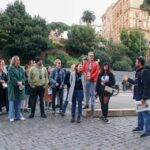
You’ll meet at the tour supplier’s office at Via della Polveriera 11, above and behind the Colosseum Metro Station. The spot is about 100 meters (roughly 300 feet) from the bridge area—you’ll cross a small pedestrian bridge up from and to the side of the 2nd level of the Colosseum Metro, then go straight ahead.
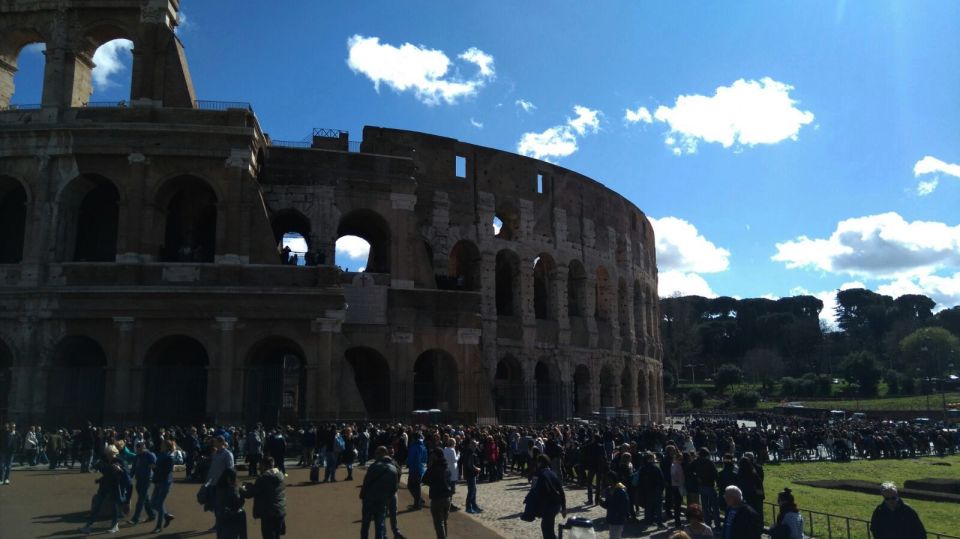
A key reality check: everyone must pass through airport-style security. During high season, expect waits of up to 30 minutes. This is why arriving early matters. Aim to be at the meeting point at least 30 minutes before departure so the day starts with momentum, not stress.
Also keep in mind the practical entry rules: you can’t bring large bags, backpacks, or suitcases into the Colosseum area, and there’s no cloakroom service for big items. You’ll want a small, manageable bag you can breeze through security with.
Entering the Colosseum: More Than Gladiator Photos
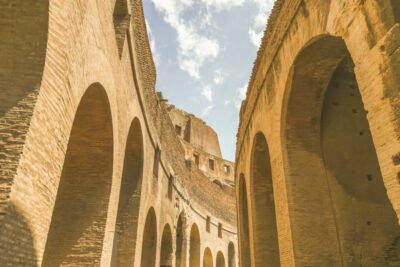
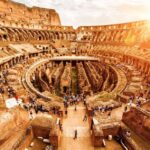
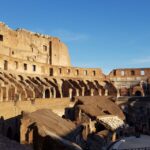
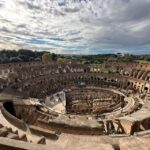
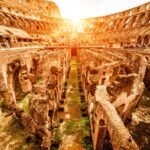
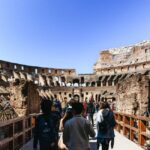
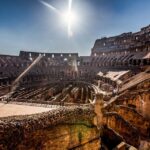
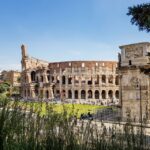
The tour begins inside the Colosseum with a guided visit, which is where a private format shines. Stand inside one of the largest and most famous monuments in the world and you immediately feel the scale. But the guide helps you turn that feeling into understanding.
You’ll learn about construction methods, and you’ll get stories tied to gladiators and the entertainments organized there. That matters because the Colosseum can look like a single dramatic shell from the outside. Inside, it starts to make sense as a designed machine for controlled spectacle—seating levels, movement, and the way crowds would have poured in and reacted.
A few things to plan for once you’re inside:
- Selfie sticks are not allowed for security reasons, so leave them behind.
- Expect the day to include moderate walking, and you’ll want comfortable shoes.
- You’ll need a passport or ID card for entry.
If you like your Roman sites with a clear storyline, this is the part where it clicks. You’re not just viewing a landmark—you’re learning how it worked as theater, not museum-piece.
Circus Maximus: Chariot Racing and a Stadium Built for Madness
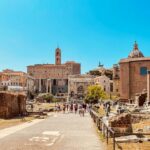
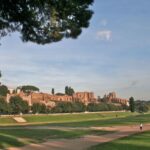
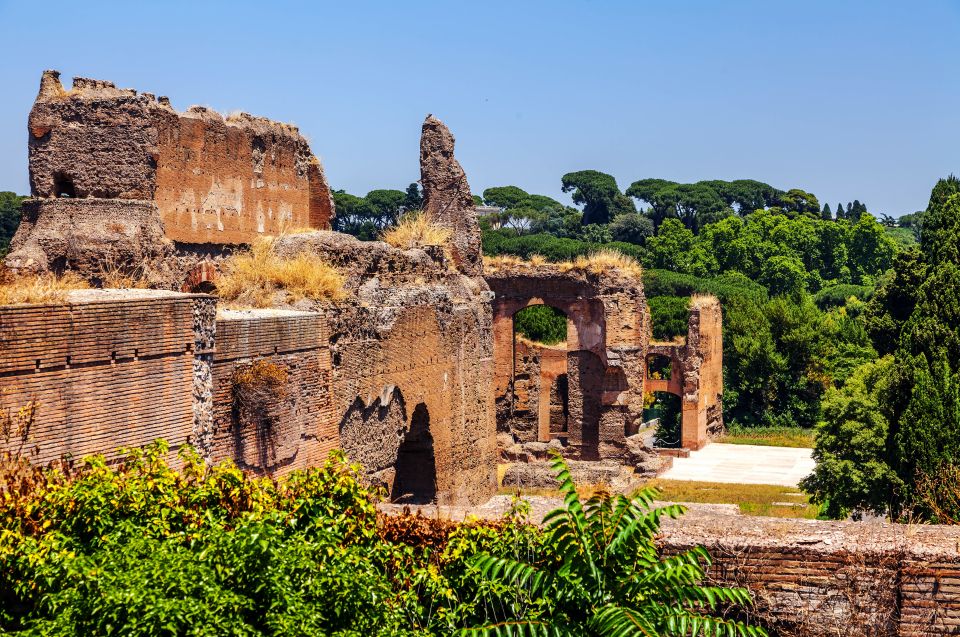
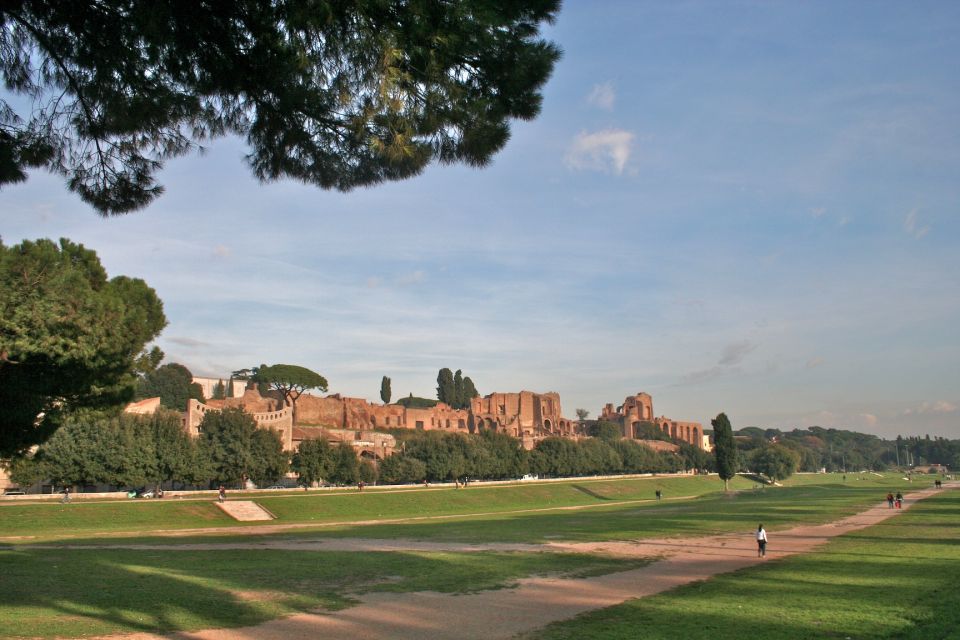
Next comes Circus Maximus, the famous place for Roman chariot races. This site doesn’t survive like a fully intact arena, so it’s easy to underestimate it. A good guide solves that problem by anchoring the imagination to the numbers.
Circus Maximus was Rome’s first and largest stadium. The capacity was more than 250,000 spectators, which is hard to picture until someone gives you a sense of how big the crowd culture was. Once you hear that, the place feels different. Even in ruined form, you start thinking in terms of mass movement and noise levels.
As you move through the area, focus on how the track and viewing zones would have shaped the racing experience. The guide’s job here is to translate the leftover footprint into what a race day would have felt like: racing momentum, faction energy, and the tension of who would take the lead.
One small practical note: because this stop is all about atmosphere and layout, it’s the kind of site where listening matters. That’s where headsets help if you’re in a group size that triggers them.
Baths of Caracalla: Roman Public Life at Peak Scale
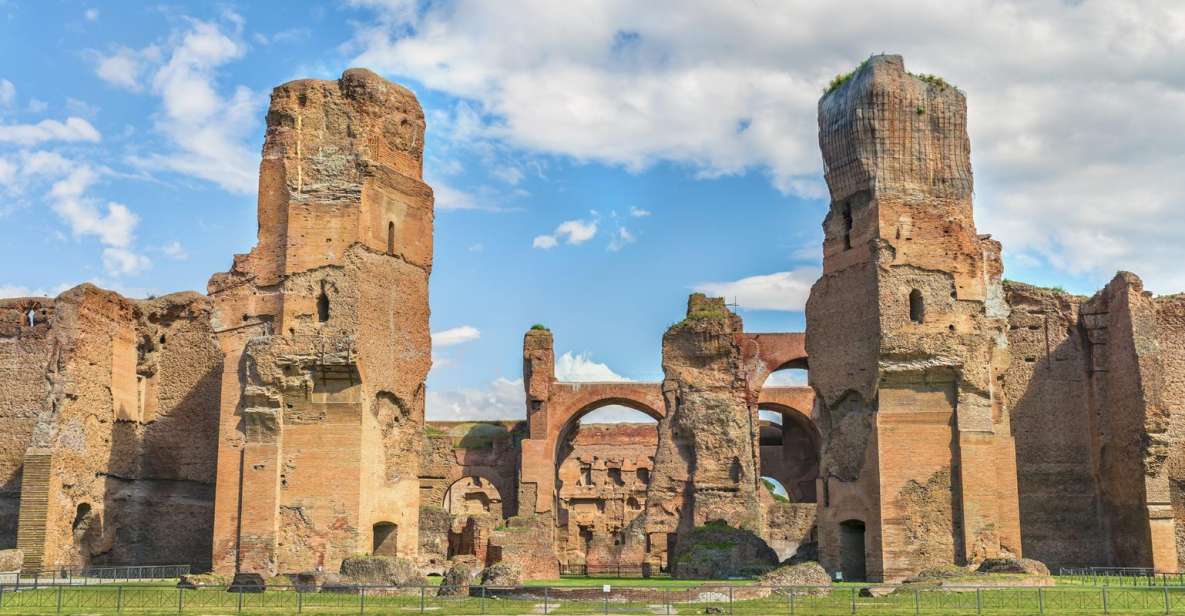
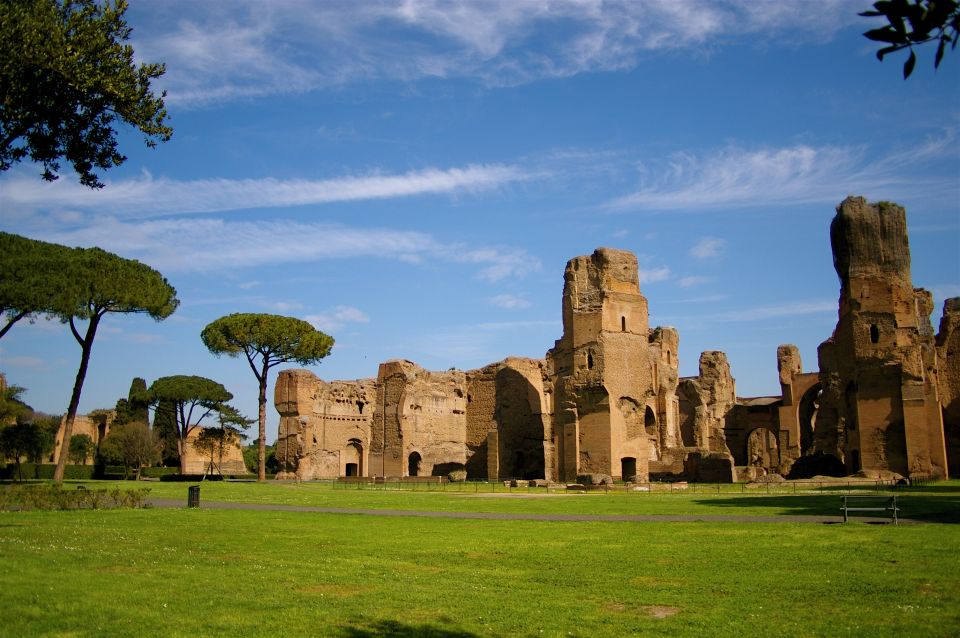
The last stop is the Baths of Caracalla, often treated like a highlight in its own right. The big reason is simple: they’re among the best preserved Roman baths in Rome.
These baths were built between AD 212 and 217, during the reigns of Septimius Severus and Caracalla. And they weren’t small. They could host more than 1,500 bathers at a time. That single number changes how you read the architecture. You’re not looking at a private luxury villa. You’re looking at an urban service and social system.
Here’s what I think you’ll appreciate most: bathing is easy to romanticize, but it also reflects power and public life. Public baths were a place to meet, talk, relax, and show up as part of the city. In other words, they were culture in daily form.
Your guided walk highlights the site’s Roman architecture and explains why the complex is such a strong example of how Romans engineered comfort at scale. Even if you’re not a bathing expert, the guide helps you understand what you’re seeing: spaces meant for circulation, routines, and the flow of many people.

What Makes a Private Guide Worth It Here
With three major stops in three hours, the timing can get tight on group tours. A private format helps because your guide can set the pace and keep the story coherent.
You’ll also have multiple language options—Spanish, English, French, German, Italian, Portuguese, and Russian—so you’re more likely to get a smooth explanation rather than struggling through a mix of explanations.
The guide is listed as a professional art historian, which tends to show up in the way the tour connects visuals to meaning. Instead of just naming things, you’ll hear why construction mattered and how entertainment and public life were engineered into Roman spaces.
And yes, the small extra detail—headsets for groups over 8—is surprisingly important. In these ruins, it’s easy to lose sound when people spread out. Headsets help you keep listening without constantly backtracking to find your guide.
If one theme stands out from the experience, it’s leadership. The best tours don’t just inform. They manage time, movement, and attention. This one is built to keep you walking, learning, and not getting stuck waiting for the group to regroup.
Value and Price: What $215.23 Buys You
At $215.23 per person for about 3 hours, the price can look high if you compare it to basic entry tickets. But here’s the value logic.
This cost comes with:
- A private guided format
- A professional art historian guide
- Entrance fees included
- A walking tour across three major archaeological sites
- Headsets if your group size is over 8
What you’re paying for is time saved and context added. Entrance fees alone aren’t trivial, and three sites in one guided loop would take you longer to plan and piece together on your own. Add an expert to interpret what you’re seeing, and the cost starts to make sense—especially if you hate doing the Rome logistics dance while trying to understand what you’re looking at.
Also, food and drinks aren’t included, and there’s no hotel pickup or drop-off. You’re meant to arrive near the Colosseum, do the loop, and finish near the Baths of Caracalla area. That’s good for flexibility, but it also means you should plan a quick snack or drink strategy before or after.
Practical Tips That Keep the Day Comfortable
This is a walking tour with moderate walking. That doesn’t mean it’s an endurance event, but you should treat it like real city walking on uneven stone.
Bring:
- Passport or ID card
- Comfortable shoes
- Smart casual clothing
Not allowed:
- Pets
- Sunglasses (yes, they list this rule, so plan to follow site requirements)
- Selfie sticks
- Weapons or sharp objects
- Smoking
- Luggage or large bags (no big-item cloakroom service for the Colosseum)
Also: plan on a dress code that’s more than casual. Smart casual is the call.
One more important note: the itinerary can shift due to weather or events outside the agency’s control. When Rome is sunny, it’s great. When it’s windy or rainy, you’ll still want to stay comfortable and adaptable.
Who This Tour Is Best For
This tour works especially well if:
- You want to hit Colosseum + Circus Maximus + Baths of Caracalla in one guided session
- You prefer a private guide who keeps you oriented and on track
- You’re the kind of person who likes understanding how sites were built and used, not only admiring them
- You want an organized plan that handles entrance time, story flow, and pacing
It’s also a strong choice for a first-time visitor because these three places cover different angles of Roman life: entertainment, spectacle, and public routine.
If you’re sensitive to waiting, remember the security check can take time in high season. If you’re traveling with a lot of bags, remember the no large-bag policy and the lack of cloakroom support for big items. Light packing is your friend here.
Should You Book This Private Rome Sites Tour?
Yes—if you want a tight, guided Rome loop that prioritizes understanding and efficiency, this is a smart pick. The mix of Colosseum, Circus Maximus, and the Baths of Caracalla gives you variety without exhausting you across the whole city. The included entrance fees and the private, art-historian-led format add real value for the price.
Skip this only if your top priority is maximum time in one site over the others. Three hours goes fast. This tour is designed for breadth and storytelling, not lingering for hours inside one location.
If you like clear explanations, strong guide leadership, and a plan that gets you inside the big-ticket sights without unnecessary fuss, you’ll likely feel glad you booked.
FAQ
How long is the Rome Caracalla, Colosseum, Circus Maximus Private Tour?
The tour runs for 3 hours.
How much does the tour cost per person?
The listed price is $215.23 per person.
Where do we meet for the tour?
You meet at the tour supplier’s office at Via della Polveriera 11, above and behind the Colosseum Metro Station.
What sites are included in the tour?
You’ll visit the Colosseum, Circus Maximus, and the Baths of Caracalla.
Is the tour private?
Yes. It’s a private tour for your group.
What’s included in the price?
Included are a professional art historian guide, a private walking tour, entrance fees, and headsets for groups over 8.
Do I need to bring ID?
Yes. You should bring a passport or ID card for entry and the Colosseum security check requires photographic ID.
Are selfie sticks allowed inside the Colosseum?
No. Selfie sticks are not allowed inside the Colosseum for security reasons, and there are restrictions on luggage and large bags.