REVIEW · ROME
Jubilee tour: art and popes in Rome in the golden age of Christendom
Book on GetYourGuide →Operated by Roman Art and History · Bookable on GetYourGuide
Rome’s Jubilee story lives in stone.
This 3-hour walk strings together Jubilee celebrations and the art of popes, from ancient Rome’s power to Renaissance religious drama. I especially like how the route keeps the focus on meaning, not just monuments: you’ll hear why these places mattered for major Jubilees across centuries, and you’ll also spot the artistic names you came for (Michelangelo, Bernini, Caravaggio) in specific, scene-based ways. One drawback: the Pantheon entry isn’t included, so you’ll need to handle a reservation in advance to visit that stop smoothly.
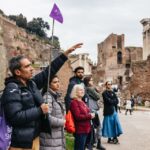
You’ll move at a steady city-walk pace through central Rome, with stops that explain how church politics, scandals, and patronage shaped what you see. I also like that the tour is semi-private with a guide trained in art and church history, which helps the storytelling stay clear and practical, even when the subject matter turns complicated. If you have mobility limits, get motion sick, or have trouble with uneven walking surfaces, this probably won’t be your best fit.
In This Review
- Key things to notice on this Jubilee walk
- Starting at Accademia di San Luca: where artists meet papal power
- Trevi Fountain and the Jubilee of 1650: art rivalry at full volume
- Pontifical Gregorian University to Piazza Colonna: popes, schooling, and street theology
- Sant’Ignatius: when the church and the new world share a stage
- Santa Maria Sopra Minerva: first-Jubilee celebrations and Saint Catherine nearby
- Pantheon: a world-class stop, with one important planning catch
- Sant’Ivo alla Sapienza: where Jubilees were organized
- Caravaggio’s turbulent Rome: art made from tension
- Price and timing: is $71 worth your 3 hours?
- Who this tour fits best (and who should skip it)
- A quick note on the guide experience
- Should you book this Jubilee tour?
- FAQ
- Where is the meeting point?
- How long is the tour?
- Is the Pantheon entrance included?
- What languages are offered?
- Is this a large-group tour?
- Is the tour suitable for wheelchair users?
Key things to notice on this Jubilee walk
- Jubilee history through Rome’s real sites: not abstract dates, but places where decisions, celebrations, and power played out.
- A popes-and-art route, not a museum shuffle: your guide connects key artworks and artists to the Jubilee theme.
- Trevi Fountain’s 1650 artistic rivalry: you’ll hear how competing artists and ambitions shaped what people expected from a Jubilee.
- Two church interiors included: Sant’Ignatius and Santa Maria Sopra Minerva help you understand the faith behind the art.
- Pantheon requires your own reservation: entry is timed and handled separately, so plan that before tour day.
Starting at Accademia di San Luca: where artists meet papal power
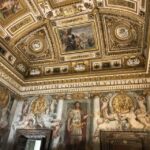
The tour kicks off at Piazza dell’Accademia di San Luca, right by the meeting spot in front of the Hotel all’Accademia. That starting point matters. Accademia di San Luca is tied to Rome’s long tradition of organizing artists and setting standards, and the tour frames it as a kind of nerve center for creativity in the service of the Pope.
From the first minutes, the guide’s angle is clear: the Jubilee isn’t only a religious event. It’s also a cultural engine. Rome used Jubilees to draw pilgrims, project authority, and commission art that would teach theology without saying it too plainly. If you like walking tours where the “why” is as important as the “what,” this one hits that sweet spot.
Practical note: you’ll want comfortable shoes from step one. Central Rome sidewalks can be a mix of smooth pavement and uneven edges, and you’ll be outside the whole time.
You can also read our reviews of more tours and experiences in Rome.
Trevi Fountain and the Jubilee of 1650: art rivalry at full volume
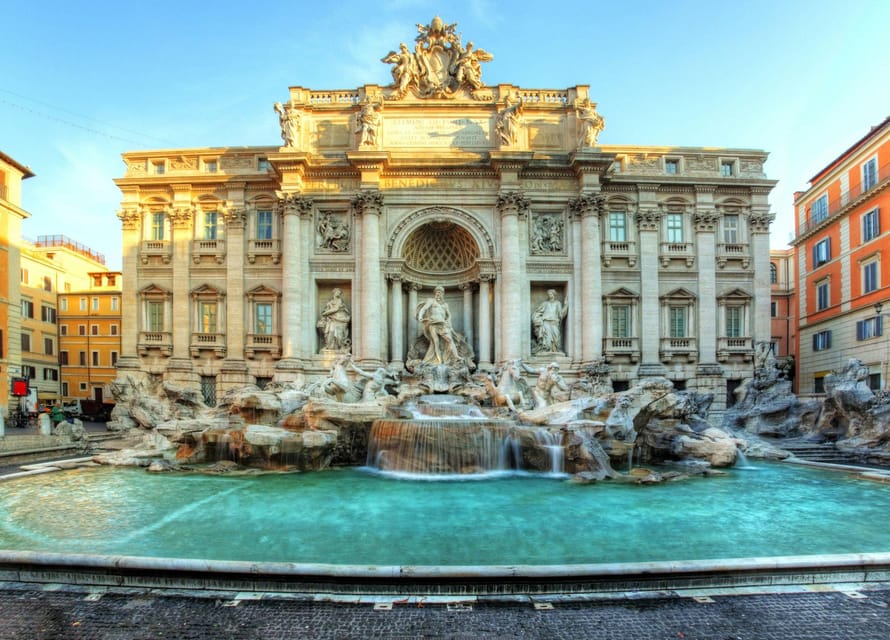
Next you’ll reach the Trevi Fountain, where the guide focuses on the Jubilee of 1650 and a rivalry between two famous artists. Even if you already know Trevi for selfies, this stop works better when you treat it like a political billboard. For Jubilees, water, streets, and public art weren’t just decoration. They were part of the spectacle that made pilgrims feel Rome was answering their spiritual journey with material grandeur.
Here’s what I like about this approach: your guide doesn’t expect you to know everything about Baroque art history on day one. Instead, the story stays tied to what you can see and why it was worth arguing about. When the guide connects an artistic competition to a Jubilee moment, you start noticing the way Rome builds persuasive visuals.
Time at the fountain is short (about 15 minutes), so don’t count on lingering for photos at multiple angles. If you want a classic shot, do it early, then use the rest of the time for the explanation and details.
Pontifical Gregorian University to Piazza Colonna: popes, schooling, and street theology
After Trevi, you’ll head toward Piazza della Pilotta, where the Pontifical Gregorian University anchors the conversation about culture in Baroque Rome. This is a smart choice because it widens the Jubilee story. The tour isn’t only about art makers and church leaders. It’s also about education, ideas, and institutions that shaped what Catholic Rome taught during major moments of pilgrimage.
From there, you move through areas that feel like Rome’s layers in motion: Galleria Sciarra’s frescoes, then Piazza Colonna and Piazza di Pietra, where the tour frames a key junction—Ancient Rome on one side, and the origins of Christianity on the other. That contrast is the point. The Jubilee concept ties Rome’s imperial legacy to its Christian mission, and these squares help you understand how the city kept repurposing its own walls and symbols.
If you’re the type who enjoys turning corners and making mental connections, you’ll probably love this section. The guide gives you enough context to read the streets, not just pass them.
Sant’Ignatius: when the church and the new world share a stage
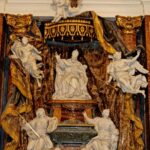
One of the best “value for meaning” stops is inside St. Ignatius (Sant’Ignazio). The tour includes an entry here, and the focus is on how popes, Jesuits, knights, and artists connect to the story of the New World. That may sound like a sudden topic jump, but it fits the Jubilee theme: Jubilees were moments when Rome multiplied its global messaging through preaching, politics, and art.
What’s great about including this church (instead of just pointing at it outside) is that it forces you to slow down. Interiors tend to make the guide’s storytelling land. You start to see church design as a communication tool—an atmosphere made to direct attention, shape emotion, and make doctrine feel human.
This stop can be a relief if you’ve been outdoors too long. You still get the Jubilee framework, but now it’s wrapped in space and detail rather than street-level views.
Santa Maria Sopra Minerva: first-Jubilee celebrations and Saint Catherine nearby
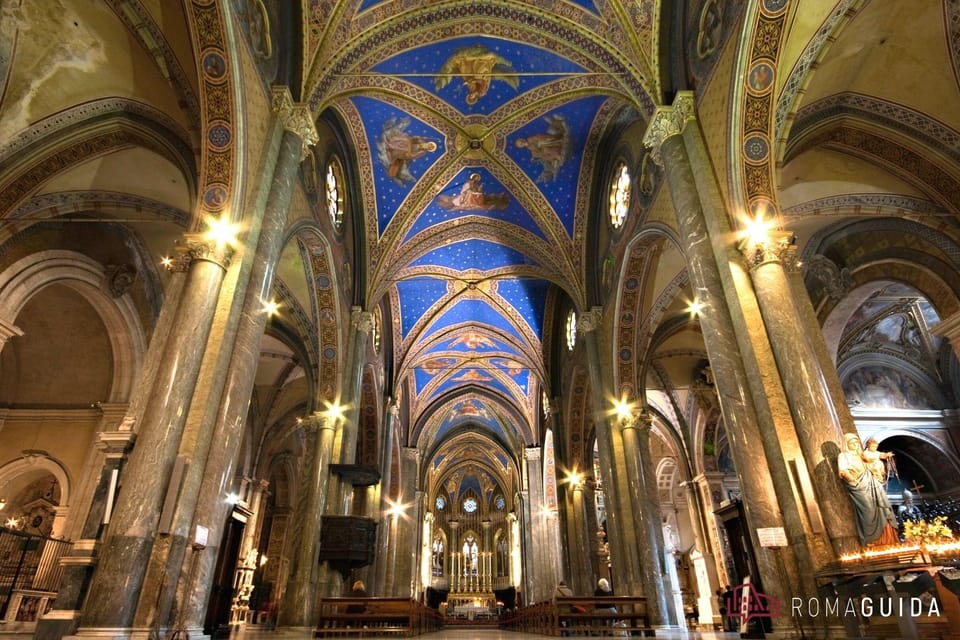
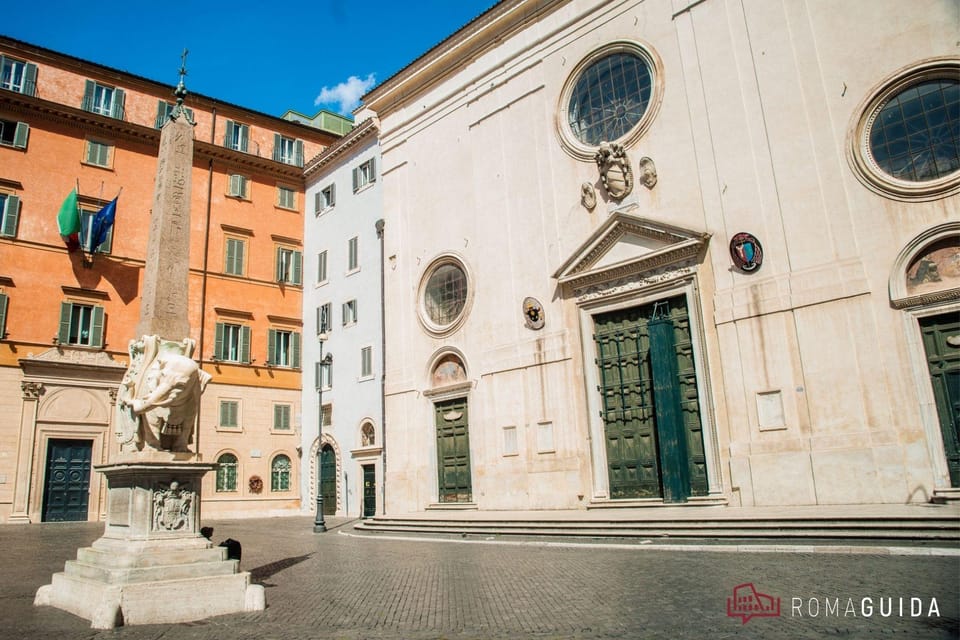
The second church stop is Santa Maria Sopra Minerva, also included. The tour highlights that this is connected to the celebrations of the first Jubilee in history, in the year 1300. It’s a powerful anchor because you’re not only moving through Renaissance Rome. You’re traveling back to the moment the Jubilee idea became a known tradition.
The tour also notes that St. Catherine of Siena, patroness of Italy, rests here. If you’ve encountered her name elsewhere in Italy, you’ll appreciate how the guide ties her presence into the broader Italian Catholic identity. Even if you’re not a saint-speech type, having that human connection helps you treat the Jubilee as lived belief, not just a historic label.
In practical terms, expect this to be another indoor window where the pace naturally slows. That’s good. In a 3-hour tour, your brain needs a couple of “sit and process” moments.

Pantheon: a world-class stop, with one important planning catch
Then comes the Pantheon—one of Rome’s most famous symbols. The tour explains its millennial timeline, from the Roman Empire through to the Renaissance era, when it became part of the Jubilee story again.
This is a big deal stop, but here’s the practical consideration that can make or break your day: Pantheon entrance is not included. The information you’re given is clear that reservations are required through the Pantheon’s official website. So you’ll want to handle that before your tour day, even if you’re feeling last-minute about everything else.
Why does this matter? Because this tour makes the Pantheon a highlight, and a reservation issue can turn a smooth experience into a stressful scramble. If you’ve ever waited at a major site for entry that didn’t happen on time, you already know how quickly that ruins the story a guide is trying to tell.
Plan for this by reserving your entry time aligned with the tour window (or at least early enough that you don’t miss it). If your schedule is tight, this is the one logistics detail worth treating seriously.
Sant’Ivo alla Sapienza: where Jubilees were organized
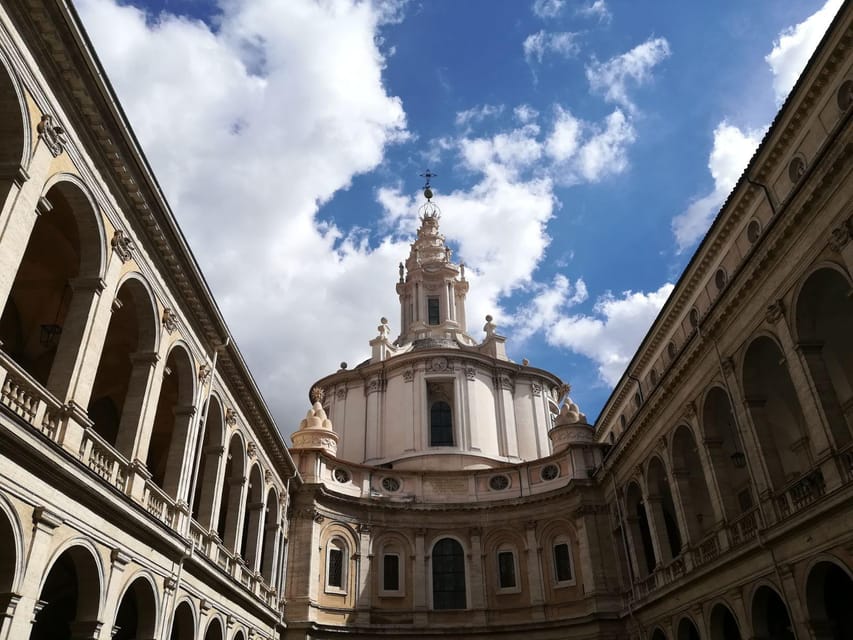
A few steps away, you’ll see the patio of S. Ivo alla Sapienza. The guide’s framing here is fun and specific: in the rooms around this area, major Jubilees of the past were decided and organized. That turns Sant’Ivo from “another church-related sight” into a practical reminder of how the Jubilee machine worked behind the scenes.
What you’ll likely enjoy is the shift in emphasis. So much of Rome’s art history story is about artists. This stop reminds you that institutions, planning, and administration matter too. The Jubilee didn’t just happen because people wanted it. Someone had to coordinate the flow of pilgrims, the messaging, and the visible proof that Rome was ready.
Time here is built into the tour with two guided moments (one shorter and one longer), so you’ll have a chance to hear the context and then look again with a better lens.
Caravaggio’s turbulent Rome: art made from tension
The tour ends by returning to Caravaggio’s world—his talent and passion framed as the story of a rebel artist in the 1600s. The guide connects that energy to the churches of S. Agostino and S. Luigi, using the “between-places” feel of the neighborhood to explain how Caravaggio’s reputation wasn’t polite or predictable.
This stop is where the Jubilee theme can feel most personal. Jubilees were about order, pilgrimage, and public faith. Caravaggio’s work is often about emotional intensity and discomfort. That contrast is what makes the story interesting: Rome needed both the grand spectacle and the charged human realism that art like Caravaggio could deliver.
You’ll finish at Via degli Acquasparta. By then, you’ll have walked through Rome’s key Christian-era symbolic zones while still seeing the city like an art student with a mission.
Price and timing: is $71 worth your 3 hours?
At $71 per person for a 3-hour guided walk, the value depends on two things: (1) how much you care about tying art to church history and (2) whether you can manage the Pantheon reservation requirement without stress.
What you get for the price is solid: an experienced guide focused on art and history, a structured walk through many key Rome locations connected to Jubilees, and entry to two churches. For a central-Rome experience that mixes outdoor explanation with interior time, you’re buying context as much as you’re buying sightseeing.
The Pantheon is the only major site with a reservation and ticket requirement not included, and that’s the main “gotcha” to keep in mind. If you handle that in advance, the tour stays a clean, well-paced storytelling loop.
One more thing: since it’s semi-private for small groups, you usually get better attention than you would on big coach-style tours. That matters when the guide is explaining complex themes like popes, rivalries, and Jubilee scandals and secrets.
Who this tour fits best (and who should skip it)
This is a good choice if you want Rome with a storyline. You’ll likely enjoy it if you’re the type who likes connecting dots between art, politics, and religion. The guide-led focus on major artists tied to Jubilee moments makes it a great match for people who don’t want a purely museum-based day.
You should consider skipping if:
- you need wheelchair access (this isn’t suitable for wheelchair users)
- you have motion sickness (the walking format can be rough for some)
- you want a mostly outdoor photo walk with minimal talking
- you have mobility limitations that make uneven sidewalks hard
And if you’re traveling as a mature adult, note that the tour data lists an upper age limit of 95+.
A quick note on the guide experience
In the reviews tied to this tour, one English-speaking guide name comes up strongly: Diana. Feedback highlighted that the information on the Jubilee was excellent and that Diana was both knowledgeable and fun. That’s the kind of pairing you want here, because the subject can get heavy if the guide sticks only to dates.
Also, one rare negative example involved a guide not arriving at the meeting point. You can protect yourself with two practical habits: arrive a bit early and take a quick photo at the meeting point area so you have a reference if anything feels off.
Should you book this Jubilee tour?
Book it if you want Rome’s Jubilee era explained through places, art, and the footsteps of famous popes—plus two church entries that ground the whole story. The $71 price makes sense if you’re comfortable doing one planning task for the Pantheon and you don’t mind walking a fair amount in central Rome for three hours.
Skip it if you want a light, low-explanation day, or if the included walking and the Pantheon reservation requirement would be a headache. This is for people who like their history with strong visuals and clear, human context.
FAQ
Where is the meeting point?
You meet in front of the Hotel all’Accademia.
How long is the tour?
The tour lasts about 3 hours.
Is the Pantheon entrance included?
No. Pantheon entry isn’t included, and nominal reservations are required via the Pantheon’s official website.
What languages are offered?
The live tour guide is available in English and Italian.
Is this a large-group tour?
It’s a semi-private tour for small groups, with the possibility of an exclusive private tour.
Is the tour suitable for wheelchair users?
No. It’s not suitable for wheelchair users and people with mobility impairments. It’s also not suitable for people with motion sickness or those over 95 years old.