REVIEW · VATICAN & SISTINE CHAPEL TOURS
“Rome and Vatican: 753BCE – 2025AD” Jubilee Year Guidebook
Book on GetYourGuide →Operated by Taras Dzyubanskyy · Bookable on GetYourGuide
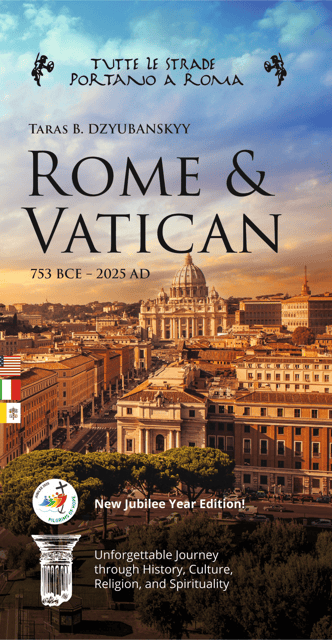
One hour can make the Vatican feel way more organized. This Jubilee Year 2025 Rome and Vatican guidebook is built to help you connect the Eternal City’s monuments with what matters in the Vatican. You’ll read and plan with a book authored by Dr. Taras Dzyubanskyy, a theologian and seasoned guide in Vatican and Rome topics.
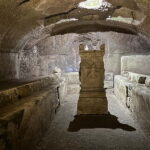
I especially like how the guidebook pairs practical planning tools with big-picture context. You get detailed maps and walking tour ideas for Rome’s ancient streets, plus insider-style notes on major stops. A second thing I like is the focus on the Vatican’s deeper layers, including the Vatican Necropolis and the humble Tomb of Peter, tied to the historical Jewish origins of Christianity.
One possible drawback: this is a book-based experience with no live guide included. If you want someone physically leading you through rooms, answering questions on the spot, and steering you in real time, you’ll need to plan differently.
In This Review
- Key points to know before you go
- What this 1-hour experience is really about
- The book’s value: why Dr. Taras Dzyubanskyy matters
- Rome and the Vatican in one plan: how the guidebook connects them
- Tracing Rome’s ancient streets with maps and walking tours
- St Peter’s tomb and the Vatican Necropolis: the part most people skim past
- St. Peter’s Basilica and the Sistine Chapel: what to look for
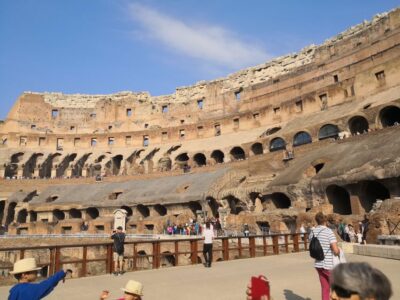
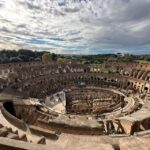
- Colosseum and the heavy hitters of Rome
- Practical planning: what to bring and what to wear
- Ticket-line help and pacing reality
- A couple of potential snags to watch for
- Price and value: is $29 a fair deal?
- Who should book this guidebook experience?
- Should you book this Rome and Vatican guidebook?
- FAQ
- FAQ
- How long is this experience?
- Where does it take place?
- What do I get for the price?
- Is there a live guide included?
- Who is the guidebook authored by?
- Does it include skip the ticket line?
- What should I bring?
- What clothing rules should I follow?
- Is flash photography allowed?
- What’s the cancellation policy?
- Is it wheelchair accessible?
Key points to know before you go
- Jubilee Year 2025 framing: the book is tailored for what you’re seeing during that special year.
- Walking tools you can use immediately: maps and walking tours designed to help you navigate Rome’s ancient streets.
- Vatican Necropolis + Tomb of Peter context: you’re guided through themes that are easy to miss when you just follow the crowd.
- Major icon stops explained in plain language: chapters cover must-sees like the Sistine Chapel and St. Peter’s Basilica.
- Christianity’s Jewish roots included: it doesn’t treat religion as a one-note story; it connects origins to later traditions.
- You’re paying for a take-home guide: the key deliverable is the book itself, not a live-led tour.
What this 1-hour experience is really about
This is not a traditional guided walk. Think of it like paying for a structured, take-home guide that’s meant to make your visit smarter and less stressful.
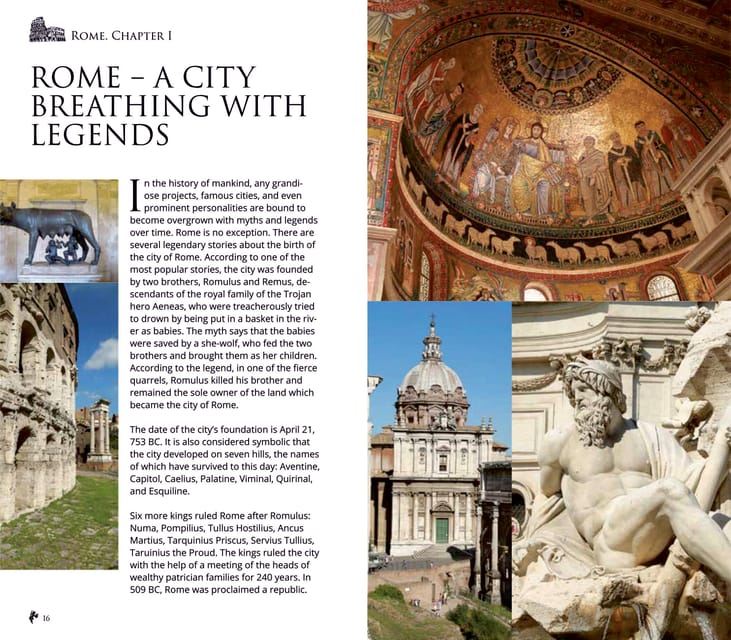
The experience centers on receiving the guidebook Discover Rome and the Vatican: The Ultimate Traveler’s Guide and using it to shape what you look for. It’s designed for both first-timers and repeat visitors, because the book doesn’t just list sights—it explains what you’re looking at and why it matters.
Since the time window is listed as 1 hour, you should treat it as a fast-start tool. Read a few relevant chapters before you go, then use the book again while you’re on-site to keep your visit coherent.
You can also read our reviews of more tours and experiences in Rome.
The book’s value: why Dr. Taras Dzyubanskyy matters
Dr. Taras Dzyubanskyy is the author you’ll see behind the text. In one of the provided reviews, a verified booking called him an excellent writer and an expert tour guide specifically for St Peter’s tomb and the necropolis. That’s a strong signal that the Vatican sections aren’t generic filler.
What I like about having a specialist author is that you can often feel the difference when topics get technical. The guidebook doesn’t just say where to go; it provides religious and historical context that helps you make sense of symbols, names, and places.
It also matters for the way the book links themes across locations. You’re not only reading about the Vatican as a separate world—you’re also reading about Rome’s monuments and how the story of Christianity develops in historical terms.
Rome and the Vatican in one plan: how the guidebook connects them
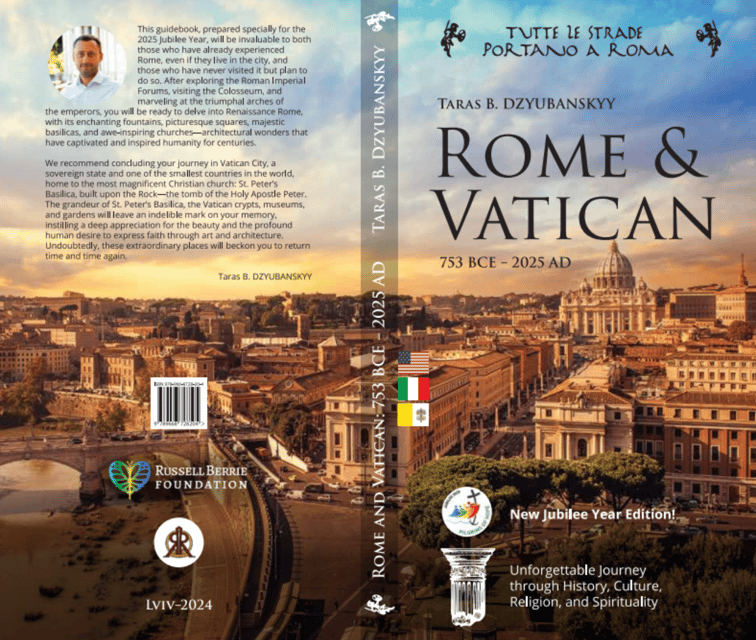
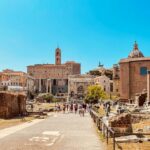
The structure you’re likely to use is simple: Rome first as a physical map of the past, then the Vatican as a focal point of faith and memory. The book covers monuments, landmarks, and edifices of the Eternal City, and it also covers major Vatican highlights.
On the Rome side, you get chapters aimed at major famous sites, but it’s not just name-dropping. The book references standout targets like the Colosseum, and it pairs that kind of recognition with historical commentary and practical guidance.
On the Vatican side, the tone shifts from sightseeing facts to meaning. The guidebook specifically highlights the Sistine Chapel and St. Peter’s Basilica, and it also addresses two themes that can make or break your visit: the Vatican necropolis and the Tomb of Peter, plus the historical Jewish origins of Christianity.
Tracing Rome’s ancient streets with maps and walking tours
If you like arriving on a day with a game plan, you’ll appreciate that the book includes detailed maps and walking tours. This matters in Rome because you can spend a lot of energy simply moving between sights.
Here’s how I’d use the book in a practical way:
- Pick one or two Rome areas you want to hit.
- Use the walking tour ideas to choose routes that feel logical on foot.
- Use the book’s commentary to decide what to stop and look at, instead of just passing through.
The benefit is that you’ll see Rome as a connected grid of old neighborhoods and monumental sites, not as a list of isolated photos. That’s usually when the “wow” lasts longer.
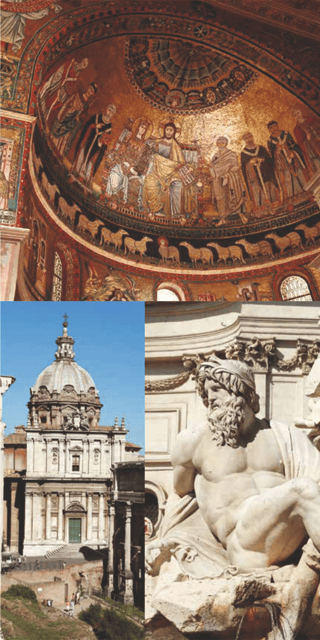
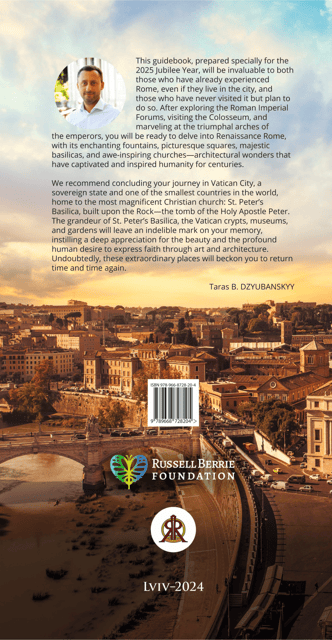
Also, the guidebook mentions stunning photography, which can help you know what you’re looking at before you arrive. In a city like Rome, that alone can cut down the time you spend hunting for the exact viewpoint that matches what you expected.
St Peter’s tomb and the Vatican Necropolis: the part most people skim past
This is one of the core reasons the experience gets high praise. The book focuses on the Vatican Necropolis and the humble Tomb of Peter, and it frames these elements in a way that supports understanding, not just observation.
Why this matters: necropolis-type sites and burial-related stories can feel abstract if you don’t have context. The guidebook’s attention helps you understand what you’re seeing in historical and spiritual terms, so it doesn’t become a quick stop you barely remember later.
A verified review specifically highlighted Dr. Taras Dzyubanskyy’s expertise with St Peter’s tomb and the necropolis. That’s exactly the kind of specialized focus you want here—because these aren’t just “pretty rooms.” They’re tied to religious memory and early Christian history.
If you’re the type who likes asking why something exists in the first place, this section is where you’ll likely feel the biggest payoff.

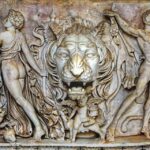
St. Peter’s Basilica and the Sistine Chapel: what to look for
The guidebook calls out major must-sees such as the Sistine Chapel and St. Peter’s Basilica, and it includes commentary meant to bring those places to life.
I like this approach because these sites can be overwhelming fast. When everything is famous, your brain can treat it like one blur. Guided explanations—especially ones that point to specific elements and meaning—help you slow down without feeling like you need a PhD to appreciate it.
For you, the practical takeaway is simple:
- Before you enter, skim the relevant chapter so you know what topics the guidebook emphasizes.
- While you’re there, use that chapter to anchor your attention on a few key details, rather than trying to process everything at once.
The listing also notes that the guide includes must-see highlights and historical insight along with maps and walking tours. That combo tends to work well when you want your day to feel planned rather than chaotic.
Colosseum and the heavy hitters of Rome
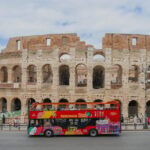
The guidebook references major landmarks like the Colosseum, and it frames Rome’s monuments, landmarks, and edifices in chapters that include historical insights.
Here’s why that matters for value: most people expect the Colosseum to be impressive. Fewer people leave with a clearer sense of how Roman monuments fit into the larger story of the city. Even short explanations about what you’re looking at—architecture, era, purpose—can make the visit feel more grounded.
Also, when you’re planning a Jubilee Year 2025 visit, Rome’s layers matter even more. The book’s Rome chapters give you the chance to see the Eternal City as a lived historical timeline, not just a postcard set.
Practical planning: what to bring and what to wear
Rome and the Vatican can be strict about attire and site rules, and the guide experience lists clear expectations. Follow them and you’ll save yourself awkward moments.
Bring:
- Comfortable shoes
- Camera
- Water
Not allowed:
- Shorts
- Short skirts
- Sleeveless shirts
- Flash photography
- Backpacks
My practical advice: pack light and dress with covered shoulders and full-length bottoms. In places like St. Peter’s and surrounding religious areas, that kind of outfit choice keeps the day simple and respectful.
And since flash photography isn’t allowed, plan your camera settings accordingly (or just treat your phone camera like a natural-light tool).
Ticket-line help and pacing reality
The experience lists skip the ticket line. That’s often where real time savings happen in big cities with big-demand sites.
But here’s the honest way to think about it: your overall pacing depends on where you plan to go and how you combine the book with your on-site schedule. The data confirms the skip-line feature exists, but it doesn’t spell out which specific sites it applies to, beyond the book’s focus on major Vatican and Rome landmarks.
So I’d treat this as a time-saver option, not a guarantee that you can stroll straight into every single room on your wish list.
A couple of potential snags to watch for
The overall rating shown is 2.4 based on 3 reviews, which tells me you should pay attention to details before you assume a smooth run.
Two specific signals stand out from the provided feedback:
- One verified booking praised Dr. Taras Dzyubanskyy for his expertise with St Peter’s tomb and the necropolis, calling him excellent.
- One review (verified booking) described confusion related to a souvenir shop: they were sent to a shop that didn’t carry the item, and they weren’t sure where to pick it up.
That second point doesn’t mean the guidebook itself is bad. It does mean you should be organized about any pickup or associated items tied to the experience. If something needs collecting in a shop setting, check the exact pickup instructions before you show up.
Price and value: is $29 a fair deal?
At $29 per person for a 1-hour guided-by-book experience, you’re mostly paying for a Jubilee Year 2025 focused guidebook plus the included value items listed (including ticket-line help).
Here’s when that price feels like a win:
- You want a take-home reference that you can reread later.
- You like pre-planning and want maps and walking tour ideas.
- You care about deeper Vatican topics like the necropolis and the Tomb of Peter, not just the headline stops.
Here’s when it might not feel like value:
- You want a live guide physically with you.
- You don’t plan to read or use the book actively while you’re there.
In other words, the value depends on how you travel. If you’re the type who likes structure, this is a low-cost way to bring clarity to a complicated day.
Who should book this guidebook experience?
You’ll be a great fit if:
- You want a Jubilee Year 2025-specific guide rather than a generic Rome/Vatican book.
- You appreciate context—especially around early Christian history and the Jewish origins of Christianity mentioned in the guide.
- You want help with navigation through maps and walking tours.
- You care about learning what you’re seeing at major sites like the Sistine Chapel and St. Peter’s Basilica.
You might skip it if:
- You expect a live, in-person guide for a full guided route.
- You need a visit designed for wheelchair users or mobility impairment support. The data includes a wheelchair-accessible label, but it also clearly lists not suitable for wheelchair users and people with mobility impairments. That conflict is worth resolving directly with the provider before you book.
Should you book this Rome and Vatican guidebook?
I’d book it if you want a practical, take-home tool that helps you understand the Vatican beyond the postcard level—especially if you’re interested in the Vatican Necropolis and the story around the Tomb of Peter.
I wouldn’t book it if you’re searching for a live guided experience with someone steering you at every step. With no live guide included, your results depend on your willingness to read and use the book while you’re moving around Rome and the Vatican.
If you do book, do one smart thing first: confirm any pickup details tied to associated items, since at least one review flagged confusion around a souvenir shop and where to collect an item.
FAQ
FAQ
How long is this experience?
It’s listed as valid for 1 hour.
Where does it take place?
The location is listed as Lazio, Italy, covering Rome and the Vatican.
What do I get for the price?
You get the guidebook Discover Rome and the Vatican: The Ultimate Traveler’s Guide.
Is there a live guide included?
No, a live guide is not included.
Who is the guidebook authored by?
The guidebook is authored by Dr. Taras Dzyubanskyy.
Does it include skip the ticket line?
The experience listing states skip the ticket line is included.
What should I bring?
You should bring comfortable shoes, a camera, and water.
What clothing rules should I follow?
Shorts, short skirts, and sleeveless shirts are not allowed.
Is flash photography allowed?
No, flash photography is not allowed.
What’s the cancellation policy?
Free cancellation is available up to 24 hours in advance for a full refund.
Is it wheelchair accessible?
The listing includes a wheelchair-accessible label, but it also states it’s not suitable for wheelchair users and people with mobility impairments. You should confirm suitability with the provider before booking.