REVIEW · CASTEL SANT'ANGELO TOURS & TICKETS
Castel Sant’ Angelo: The most famous Fortress of Rome
Book on GetYourGuide →Operated by Vivicos International Travel · Bookable on GetYourGuide
Rome has a fortress with secrets. Castel Sant’Angelo mixes Roman tomb drama with papal fortress muscle, so your visit feels like walking through centuries of power in one spot. I especially like that the route is built for a self-paced 2-hour visit, letting you slow down for the scenes that grab you most, and then finish with the views from Angel’s Terrace. One thing to keep in mind: the optional audio guide needs a smartphone and headphones, and you’ll want to sort it out before you start.
You’ll see the classic highlights—Papal Rooms, a spiral staircase, and the Hall of Hadrian’s Ashes—without being rushed into a rigid script. The fortress is also famous for its behind-the-scenes connection to the Vatican via an elevated walkway, which adds context to what you’re seeing as you move through rooms built for escape and control. My only caution is practical: double-check your tickets are usable for entry and audio, because a few past booking hiccups have come down to QR code or audio access issues.
In This Review
- Key things I’d plan for before you go
- Castel Sant’Angelo: why this fortress feels different
- What you’ll see in roughly 2 hours
- Papal Rooms: where the fortress shows its administrative life
- Spiral Staircase: a small workout with big atmosphere
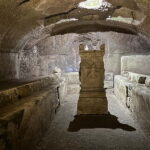
- Hall of Emperor Hadrian’s Ashes: the Roman anchor
- Angel’s Terrace: the view that makes the climb worth it
- The big historical threads worth noticing
- From tomb to fortress: one building, two missions
- Papal escape route: the elevated walkway to the Vatican
- Prison history: famous names, heavy mood
- Skip the line: how to make your time count
- Audio guide: value, languages, and the smartphone rule
- Tickets and price: what you’re really paying for
- Who this experience fits best
- A balanced reality check: what can go wrong
- Should you book Castel Sant’Angelo tickets with audio?
- FAQ
- How long is the Castel Sant’Angelo visit?
- What is included with the ticket?
- Is a live guide included?
- Do I need a smartphone for the audio guide?
- Do I need Wi‑Fi to use the audio guide?
- Are strollers, luggage, and pets allowed?
Key things I’d plan for before you go
- Skip-the-line entrance saves time so you can focus on the fortress
- Angel’s Terrace views are the payoff if you like rooftop panoramas
- Papal Rooms + Spiral Staircase give you variety without long detours
- Hadrian’s Ashes hall adds a Roman anchor to the experience
- Audio guide is optional but requires smartphone and headphones
- Nominative tickets mean you should enter full names exactly right
Castel Sant’Angelo: why this fortress feels different
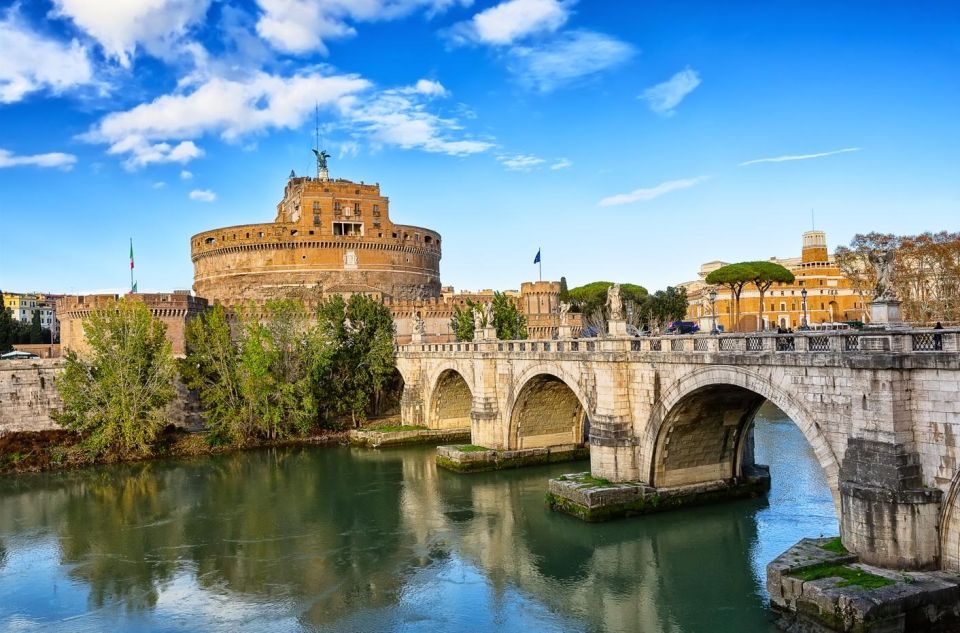
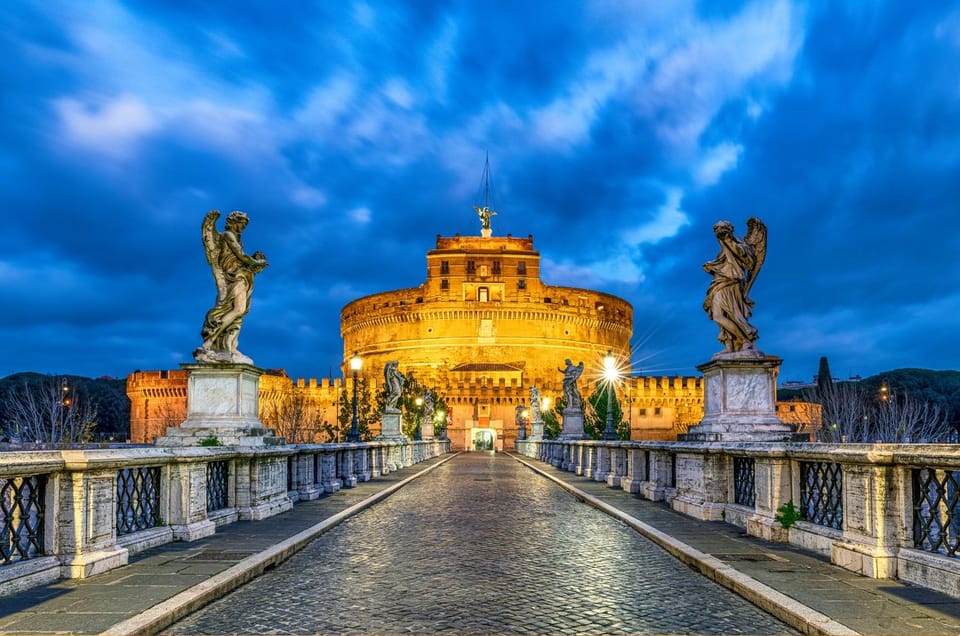
Castel Sant’Angelo is one of those Roman sights that doesn’t just look old. It explains itself. This structure started as the tomb of Emperor Hadrian, then later became a papal fortress in the early Renaissance. That change matters, because you can feel the shift in purpose as you move through rooms: from imperial monument to defensive stronghold, with all the symbolism and anxiety that go with it.
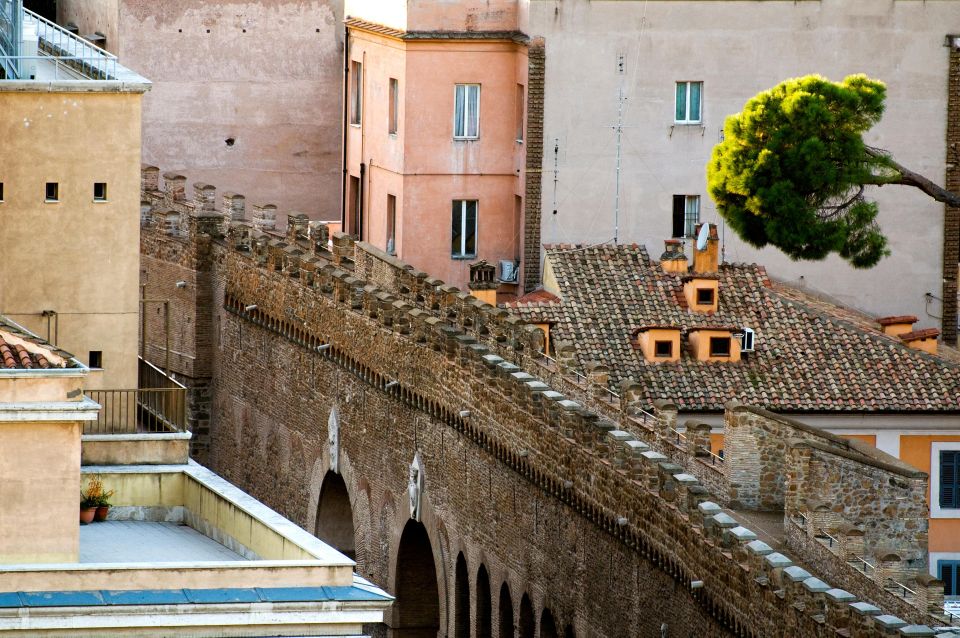
Even better, it connects to the Vatican Palace through an elevated walkway. That single detail turns the visit from sightseeing into a story about planning, risk, and escape routes—so you’re not just admiring stone. You’re understanding why certain corridors, platforms, and defensive areas exist.
And yes, the fortress gets attention because it’s beautiful. But it also gets attention because it’s grim in the right way: it housed prisons and carried out executions. That dark side isn’t a gimmick. It’s part of how the building functioned for centuries, and it gives the whole place emotional weight.
You can also read our reviews of more tours and experiences in Rome.

What you’ll see in roughly 2 hours
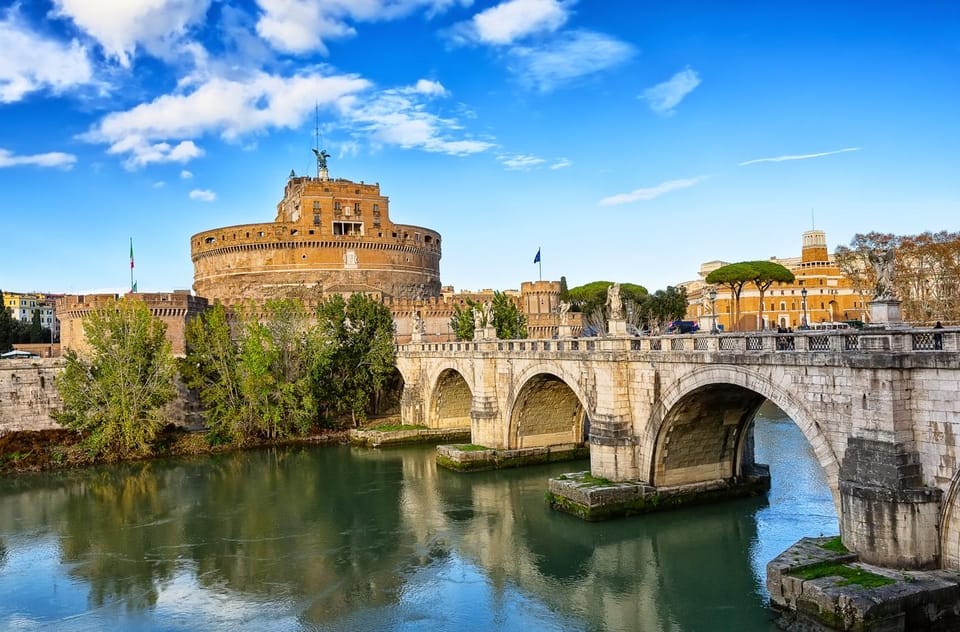
You’re signing up for a visit designed to fit a tight window—about 2 hours—which is perfect if you’re also doing Vatican area sights. The big idea is simple: you’ll pass through the main sections at a pace that’s comfortable, then close with the terrace views.
Here’s the core flow you can expect:
Papal Rooms: where the fortress shows its administrative life
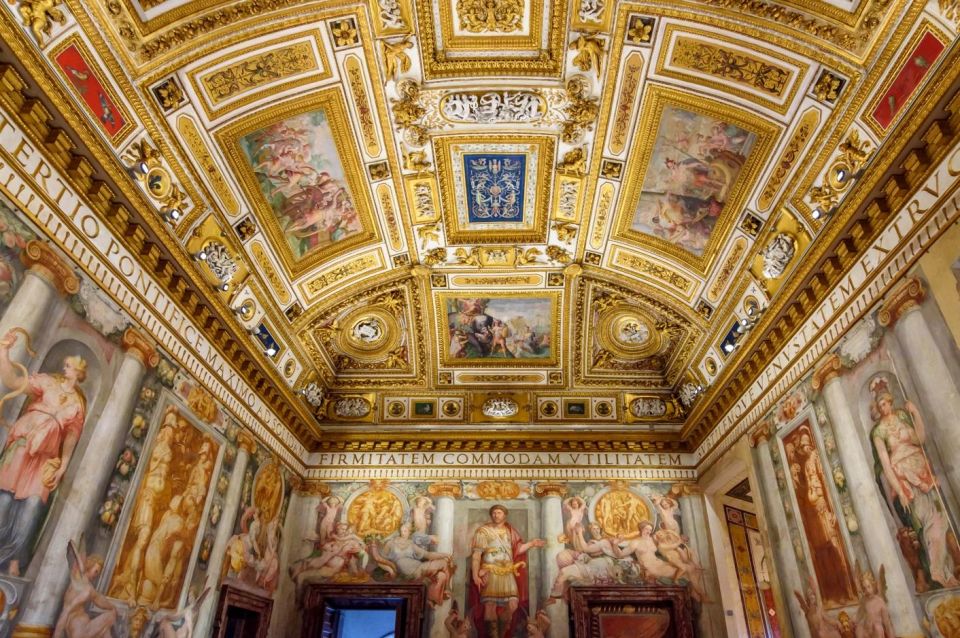
The Papal Rooms are your first real shift from the monument outside into the working world of papal power. Instead of imagining a fortress only as battlements, you’ll see spaces tied to how authority was exercised from within.
This is a good place to pause. Even if you don’t read every label, you’ll pick up the difference between a tomb’s purpose and a fortress’s purpose. The rooms help you understand how a structure can be repurposed without losing its bones.
Spiral Staircase: a small workout with big atmosphere
Then comes the Spiral Staircase. It’s not only a way up; it’s the kind of architectural move that makes you feel the building’s defensive logic. The spiral layout can influence movement, sight lines, and crowd flow.
Practical note: if you’re someone who dislikes stairs, plan for slower pacing here. The visit is only 2 hours, so you may feel it more than you expect.
Hall of Emperor Hadrian’s Ashes: the Roman anchor
In the Hall of Emperor Hadrian’s Ashes, the fortress goes back to its original identity: the imperial monument side. This stop is valuable because it keeps Castel Sant’Angelo from becoming a generic fortress visit.
If you like history that connects dots, this hall is your strongest proof that the site isn’t just repurposed architecture—it’s literally built on the idea of memory and legitimacy.

Angel’s Terrace: the view that makes the climb worth it
Finally, you reach Angel’s Terrace, the part most people remember. From up here you get sweeping views of Rome, and the change in perspective is dramatic. You don’t just see landmarks—you see how the city spreads around the fortress.
This is where the “most famous fortress” label starts to make sense. In a short visit, this terrace gives you both beauty and context: you’re looking out from the same structure that once mattered for escape and control.
The big historical threads worth noticing
If you want your visit to feel richer without adding time, keep an eye out for these storylines that tie the stops together.
From tomb to fortress: one building, two missions
Built in Roman times as Hadrian’s tomb, the structure was converted into a papal fortress in the early Renaissance. You’ll feel that transformation in how the visit is organized and in what the spaces emphasize.
The value for you: you’re not memorizing random facts. You’re watching a single location change roles as Rome changed.
Papal escape route: the elevated walkway to the Vatican
Castel Sant’Angelo’s connection to the Vatican Palace through an elevated walkway is a detail that makes everything else click. When you’re standing in fortress spaces, you can imagine the logic of moving between powerful points without going through open streets.
That’s why this place isn’t just “near the Vatican.” It’s part of the same power system, physically connected.
Prison history: famous names, heavy mood
The fortress prisons held famous prisoners, including Benvenuto Cellini and Cagliostro. Knowing these names before you walk through makes the darker side of the building feel more specific.
Even if you’re not a history fanatic, that specificity matters. It turns vague “prisons and executions” talk into something you can mentally picture while you’re inside.
Skip the line: how to make your time count
The experience includes skip-the-line entry through a separate entrance. In Rome, that’s not a small perk. It means you spend less time stuck near gates and more time actually absorbing the building’s layout.
With only 2 hours available, you’ll appreciate any time you save at the start. You’re aiming to arrive, enter, get your bearings fast, and then keep a smooth flow to the terrace.
If you’re visiting during a busy period, skip-the-line is the difference between rushing and enjoying.
Audio guide: value, languages, and the smartphone rule
You can choose an audioguide option, in languages including Spanish, French, Italian, English, German, and Chinese. This matters because Castel Sant’Angelo can reward the curious. A self-paced audio layer turns “I walked through rooms” into “I understood what I saw.”
One key practical requirement: you need a smartphone and headphones to use the audio guide properly. If you don’t have headphones, you’ll lose a big chunk of the value.
Also, if your option includes the audio, download it before you start when you have Wi‑Fi. After that, it works without Wi‑Fi. That single step can save you from the most common travel frustration: getting to the site and realizing the app won’t cooperate.
Tickets and price: what you’re really paying for
The listed price is $39 per person for a 2-hour visit. The entrance ticket cost for Castel Sant’Angelo is €16 per person, and additional charges apply for service and processing fees.
So where does the extra value usually come from?
- You get a packaged ticket for the site.
- You get skip-the-line handling.
- If you choose it, you get the audio guide option.
In plain terms: you’re paying for convenience and time savings, not for a private, full escorted tour (because a live guide is not included).
One more important detail: the ticket is nominative, so you need to include each participant’s full name correctly. If the name doesn’t match, you may have trouble using the entry.
Who this experience fits best
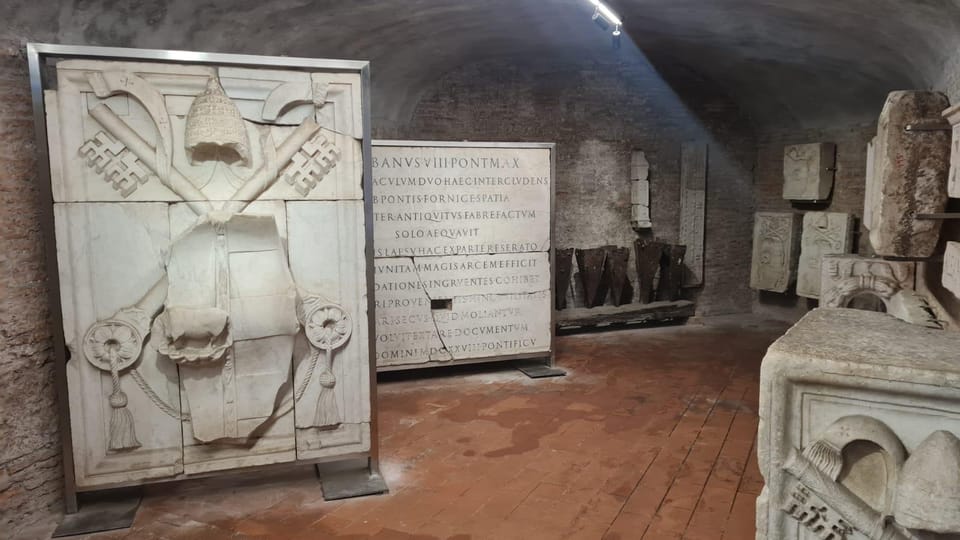
This is a great match if you like heritage sites where you can control your pace. The fortress is built for a walk-through route that works well when you don’t want a crowd-driven schedule.
You’ll likely enjoy it most if you:
- want a compact plan near the Vatican area
- like architecture plus story (Roman to papal transformation)
- enjoy panoramic views and want to end with the terrace payoff
- prefer flexibility over a live guide
If you need a live guide to keep attention, this may feel too self-directed since a live guide is not included.
A balanced reality check: what can go wrong
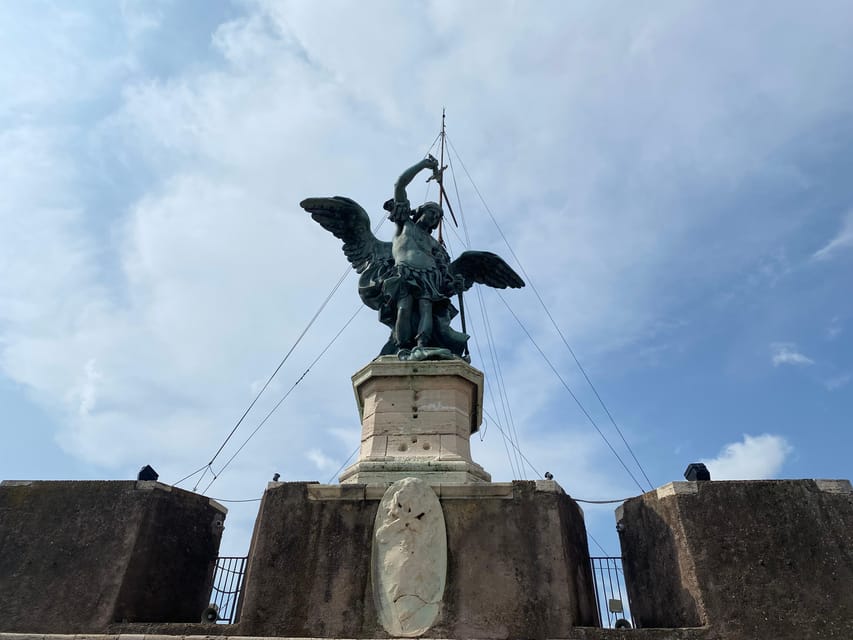
Most of the experience should run smoothly, especially because the structure of the visit is straightforward and self-paced. Still, a couple of booking issues have shown up in the past, mainly around audio or ticket access.
Here’s how you protect yourself:
- Make sure your audio guide option is fully available and matches the number of tickets you purchased.
- Check that you can access entry details such as usable QR codes before you arrive.
- If anything looks off, address it early rather than waiting until you’re at the entrance.
Taking those small steps keeps you from losing time on-site—time you don’t really have, since the visit window is short.
Should you book Castel Sant’Angelo tickets with audio?
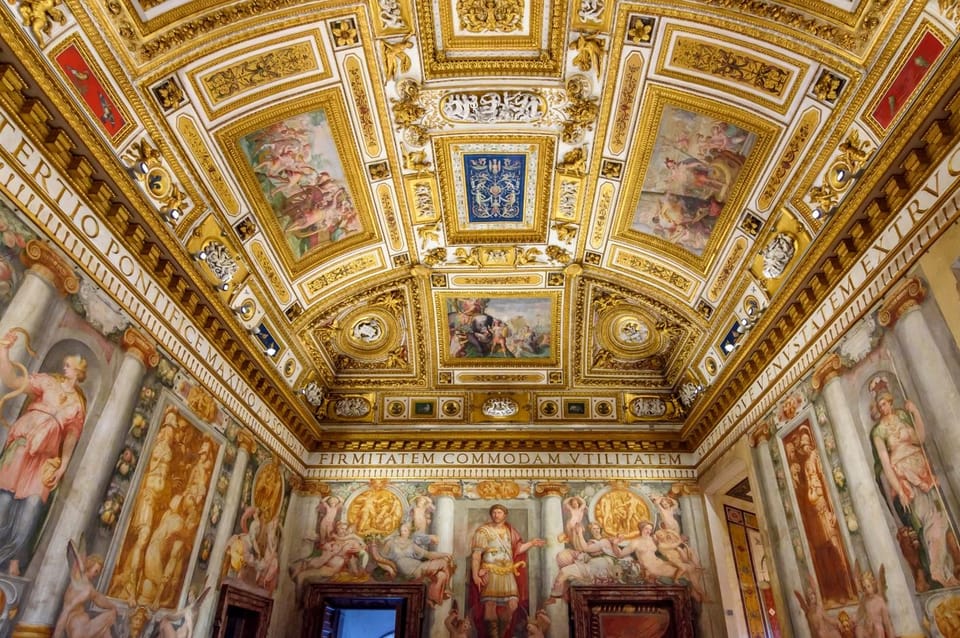
I’d book if your goal is a high-impact visit in about two hours, with skip-the-line entry and the option to add an audio guide for more context. The terrace views and the shift from Roman to papal purpose make it one of those Rome stops that pays you back quickly.
Skip it (or at least think hard) if you:
- don’t want to use a smartphone or don’t have headphones
- want a fully guided experience with a person leading every step
- dislike any chance of last-minute ticket/audio access problems
If you like practical sightseeing—clear route, strong highlights, and a finish at a viewpoint—you’ll probably feel satisfied with this plan.
FAQ
How long is the Castel Sant’Angelo visit?
The experience is valid for 2 hours.
What is included with the ticket?
The Castel Sant’Angelo ticket is included (if you select that option). An audioguide is also included only if you select the audio option.
Is a live guide included?
No. A live guide is not included.
Do I need a smartphone for the audio guide?
Yes. If you choose the audio guide option, you must have a smartphone and headphones to use it.
Do I need Wi‑Fi to use the audio guide?
You should download the audioguide before you start when you have Wi‑Fi. After downloading, it works without Wi‑Fi.
Are strollers, luggage, and pets allowed?
Baby strollers and luggage/large bags are not allowed. Pets are not allowed (assistance dogs are allowed).