REVIEW · COOKING CLASSES
Fettuccine, Ravioli & Tiramisu Cooking Class in Rome
Book on GetYourGuide →Operated by Master pasta makers srl · Bookable on GetYourGuide
A warm kitchen class beats another museum day. In this Rome experience near Piazza Navona, you’ll make a full Italian meal from scratch and eat it right after.
I like that it’s hands-on, not just watching, and that the instruction is in English.
One thing to consider: the pace and the restaurant setting can feel busy for some people, and a few have noted that what you eat may not be 100 percent the exact portion you shaped.
In This Review
- Key highlights before you go
- A Pasta-Making Rome Class Steps From Piazza Navona
- What You Learn: Tiramisù First, Then Fettuccine and Ravioli
- A small reality check on portions
- Choosing Your Sauce: Cacio e Pepe, Amatriciana, or Tomato & Basil
- Ravioli Station: Butter and Sage, Not Just a Shape
- Tiramisù: Coffee-Cream Timing and the Most Social Part of the Class
- Wine, Water, and the Limoncello or Coffee Finale
- Instructors and the Vibe: Mimi, Lori, Maria, Tommy, and Tomi
- Price and Value: Is $82 Worth It in Rome?
- Who This Class Is Perfect For (and Who Should Think Twice)
- Practical Tips for Your 3 Hours of Italian Cooking
- So, Should You Book This Rome Pasta and Tiramisù Class?
- FAQ
- Where is the cooking class in Rome?
- How long is the experience?
- How much does it cost?
- What dishes do you make?
- What sauces are included for the fettuccine?
- What sauce is used for the ravioli?
- What drinks are included?
- Is the class taught in English?
- Is it wheelchair accessible?
Key highlights before you go
- Three dishes, one meal: tiramisù, fresh fettuccine, and ravioli, made from scratch
- Choose your fettuccine sauce: tomato & basil, cacio e pepe, or amatriciana
- Ravioli finishing move: butter and sage sauce
- You eat what you make, paired with wine or a non-alcoholic drink
- Guides who keep it fun: instructors like Mimi, Lori, Maria, Tommy, and Tomi show up as frequent favorites
- Easy location: steps from Piazza Navona, at Restaurant Gusto (Via Giuseppe Zanardelli 14)
A Pasta-Making Rome Class Steps From Piazza Navona
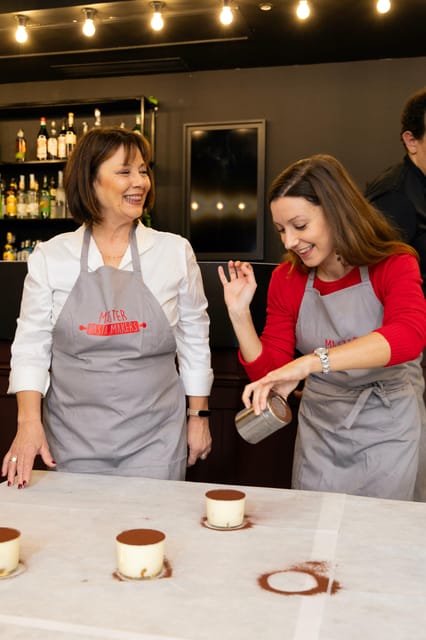
This is a 3-hour cooking class in Rome in the Lazio region, set near Piazza Navona—the kind of location that makes it easy to pair with a morning of walking and sightseeing. Your meeting point is at Via Giuseppe Zanardelli 14, Restaurant Gusto, so you’re not dealing with long transfers or complicated logistics.
The big appeal here is the combination of teaching and timing. You’re not only learning how Italian dishes come together; you also sit down soon after and eat them while everything is at its best. That matters in a city where you can spend hours going from one “good meal” stop to the next.
You can also read our reviews of more cooking classes in Rome

What You Learn: Tiramisù First, Then Fettuccine and Ravioli
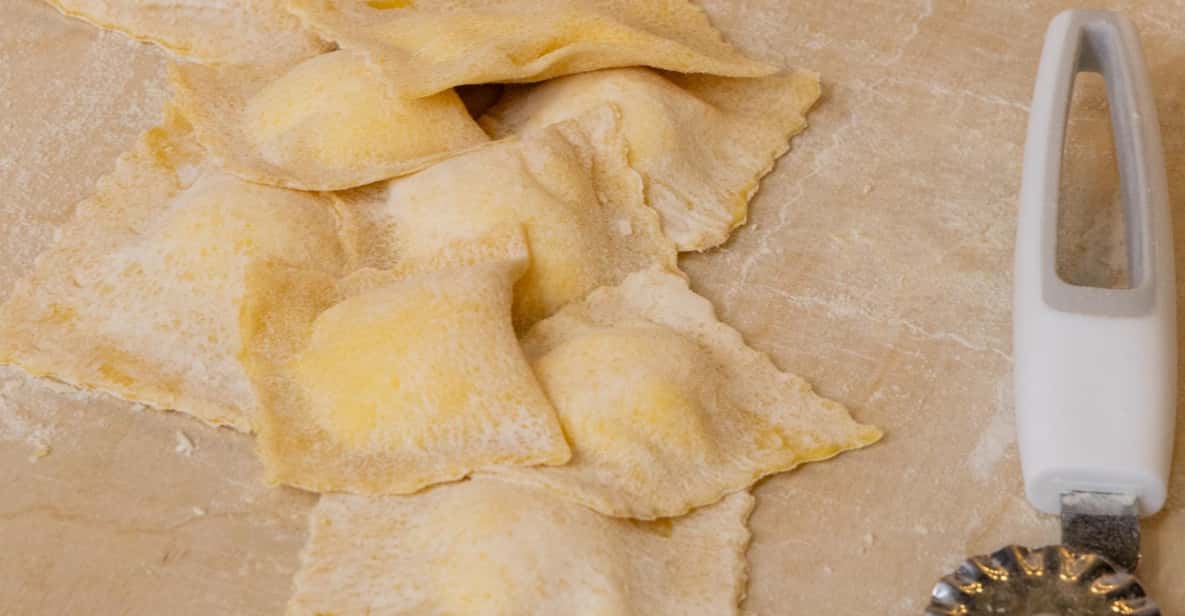
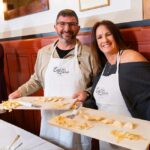
You start with tiramisù, then move into fresh pasta: fettuccine and ravioli. The chef guides you through the core physical skills—kneading and rolling pasta dough—so you understand what the dough should feel like, not just what it looks like.
Expect the class to be structured like a real kitchen workflow. You’ll work in stages, so you’re always moving forward: make the dough, handle the shapes, prepare components, and then assemble your dishes. That’s why it works well as a “Rome moment” rather than a short demo. You end up with the memory of having done the work yourself.
A small reality check on portions
One caution from experiences shared by others: in a few situations, people felt the pasta they ate wasn’t strictly the exact batch they personally made, and it could be combined with others. It’s not something you should panic about, but it’s a good thing to keep in mind if you’re the type who likes a perfectly one-to-one experience.
Choosing Your Sauce: Cacio e Pepe, Amatriciana, or Tomato & Basil
Your fettuccine comes with a sauce choice: Cacio e Pepe, Amatriciana, or tomato & basil. That choice is more than a menu perk. It changes the whole experience because each sauce teaches a different flavor logic.
- Tomato & basil is classic, straightforward, and herb-forward. It’s a safe bet if you want something bright and familiar.
- Cacio e Pepe is all about simplicity and technique—cheese and pepper doing the heavy lifting.
- Amatriciana brings a richer, savory profile, usually leaning toward a deeper, more robust taste.
You’ll likely get the best value from this class if you pick the sauce that matches what you want to eat afterward. It’s a quick way to make your Rome learning feel personal, not generic.
Ravioli Station: Butter and Sage, Not Just a Shape
Ravioli sounds simple until you’re actually trying to fill, fold, and seal without overstuffing or breaking anything. Here, the emphasis is on the process. You’ll learn the mechanics of making ravioli from scratch and then serving them with butter and sage sauce.
Butter and sage is one of those Italian “supporting characters” that makes the whole dish feel complete. It’s comforting, fragrant, and good at letting the pasta flavor come through. If you’re hoping to leave Rome with more than just a recipe card—this is the sauce you’ll actually remember and want to try again at home.
You can also read our reviews of more tours and experiences in Rome

Tiramisù: Coffee-Cream Timing and the Most Social Part of the Class
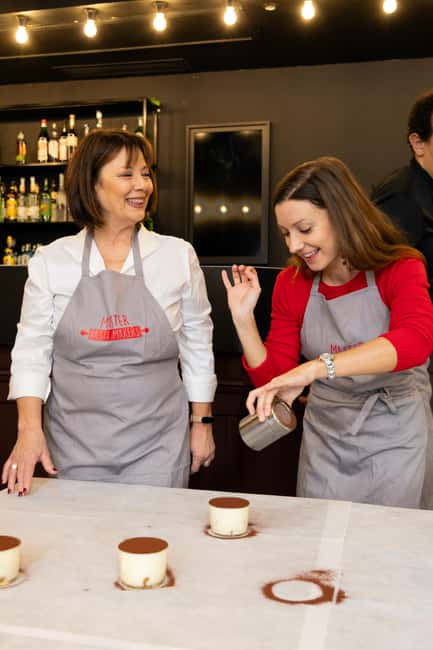
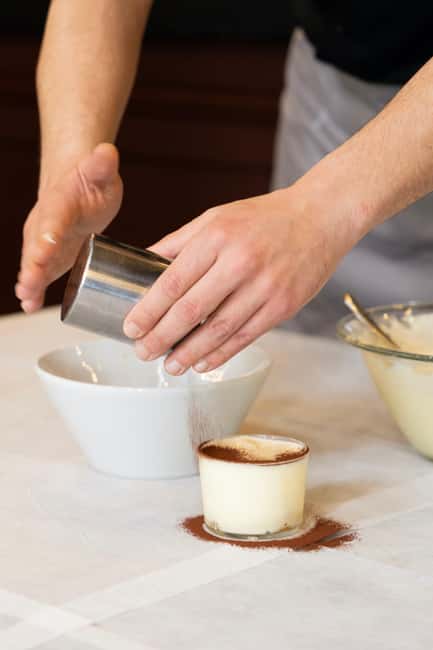
Tiramisu is a crowd-pleaser for a reason: it’s part spoonable dessert, part Italian ritual. In this class you’ll make it first, which is smart. Even if the dessert isn’t finished the way it would be hours later at a restaurant, you still practice the key steps and learn how the components fit together.
That said, not every participant will feel like tiramisù is the star of the show. A few people have found it more of a side note compared with the pasta-making portion. If you’re the kind of traveler who wants the biggest learning payoff from dough to plate, the fettuccine and ravioli sections are where the class often shines.
Wine, Water, and the Limoncello or Coffee Finale
After you cook, you sit down to enjoy your meal in a welcoming setting. Included is a glass of wine (or a non-alcoholic drink), plus unlimited water throughout the experience. You’ll finish with either limoncello or Italian coffee, which gives the meal a satisfying, traditional closing rhythm.
This matters because many classes leave you hungry or underwhelmed. Here, you’re getting a full Italian meal structure: pasta plus dessert, with drinks to match the pace. In a city full of “grab-and-go” food stops, it’s nice to have a structured sit-down moment.
Instructors and the Vibe: Mimi, Lori, Maria, Tommy, and Tomi
The class experience is heavily shaped by the instructor. In the feedback pattern that shows up most often, guides are upbeat, entertaining, and very willing to talk through what you’re doing.
A few instructor names come up repeatedly:
- Mimi: praised for turning out delicious food and teaching well
- Lori: described as fantastic, with a great overall experience
- Maria: noted for being perky and making the class enjoyable
- Tommy/Tomi: mentioned for keeping things entertaining while teaching
That energy is not a small detail. When you’re rolling pasta and shaping ravioli, confidence matters. A dynamic instructor helps you fix mistakes quickly and keeps the class moving at a pace that still feels fun.
One other note to keep your expectations realistic: some people have felt the pace could be brisk, almost like a guided sprint. If you want slow, custom attention, you may find a group class format less relaxing than a private lesson.
Price and Value: Is $82 Worth It in Rome?
At $82 per person for a 3-hour, three-dish cooking class, the value comes from what’s included, not just the activity.
You’re getting:
- instruction from an expert chef in English
- a full meal you helped make: fettuccine, ravioli, and tiramisù
- a fettuccine sauce choice
- ravioli served with butter and sage sauce
- wine (or non-alcoholic option)
- a finish of limoncello or Italian coffee
- unlimited water during the experience
That’s a lot bundled together. If you’d otherwise pay for a good sit-down meal in the city and still wanted a memorable experience, this format stacks the benefits: food + skill + a social setting, all in one ticket.
Where it may not feel like “premium value” is if you mainly want the longest possible time cooking or if you’re hoping for a totally quiet, spacious environment. The class is designed for group flow.
Who This Class Is Perfect For (and Who Should Think Twice)
This is a solid fit if you:
- want a hands-on Rome activity instead of another walking tour
- like learning practical cooking skills you can repeat at home
- enjoy Italian comfort food and want the classics made fresh
- are coming with a partner or friends and want a shared “we did this” memory
- prefer an English-language experience with an instructor who keeps things lively
It may be less ideal if you:
- get frustrated with fast group pacing
- hate busy restaurant settings (some have described tight space and heat)
- expect a perfectly quiet, slow, one-on-one-style lesson
- want every single bite to be the exact portion you personally shaped, no mixing involved
Also note: it’s not suitable for children under 4.
Practical Tips for Your 3 Hours of Italian Cooking
A few practical ideas can make this kind of class smoother.
1) Wear clothes that can handle kitchen chaos
Pasta rolling and sauce work can get messy. Choose something you’re comfortable with, and consider shoes you don’t mind if you step on spilled flour.
2) Plan your day so you arrive hungry
You’ll cook and then eat what you made, with wine or a non-alcoholic drink and a dessert finish. Treat this as a meal anchor, not a quick snack stop.
3) Pick your sauce decision early
If you’re torn between Cacio e Pepe, Amatriciana, and tomato & basil, decide in advance. It helps you stay focused when the class timing moves quickly.
4) Ask questions about dough feel
Even if the chef moves at a group pace, you can usually get good answers about dough texture and rolling. That’s the real skill you’ll reuse later.
So, Should You Book This Rome Pasta and Tiramisù Class?
I’d book this class if you want a fun, structured, English-taught Rome experience where you learn real pasta skills and eat a complete Italian meal you helped create. The strongest part is often the pasta-making—fettuccine and ravioli—plus the satisfying wine-and-dessert flow.
I wouldn’t book it if you’re looking for a calm, spacious, unhurried lesson, or if you need an ultra-precise one-to-one link between the ravioli you formed and the exact portion served to you. In that case, a different format—more private—might fit better.
If you’re flexible, hungry, and game to roll dough with your hands, this is the kind of ticket that turns Rome into something you can cook at home too.
FAQ
Where is the cooking class in Rome?
The class meeting point is at Via Giuseppe Zanardelli 14, Restaurant Gusto, near Piazza Navona.
How long is the experience?
It lasts 3 hours.
How much does it cost?
The price is $82 per person.
What dishes do you make?
You make tiramisù, fresh fettuccine, and ravioli from scratch.
What sauces are included for the fettuccine?
You can choose Tomato & Basil, Cacio e Pepe, or Amatriciana.
What sauce is used for the ravioli?
Ravioli is served with butter and sage sauce.
What drinks are included?
You get a glass of wine or a non-alcoholic drink, unlimited water, and you finish with limoncello or Italian coffee.
Is the class taught in English?
Yes, the instructor works in English.
Is it wheelchair accessible?
Yes, it is wheelchair accessible.