REVIEW · COOKING CLASSES
Rome: Roman Master Chef Cooking Class with Wine
Book on GetYourGuide →Operated by The Roman Food Tour · Bookable on GetYourGuide
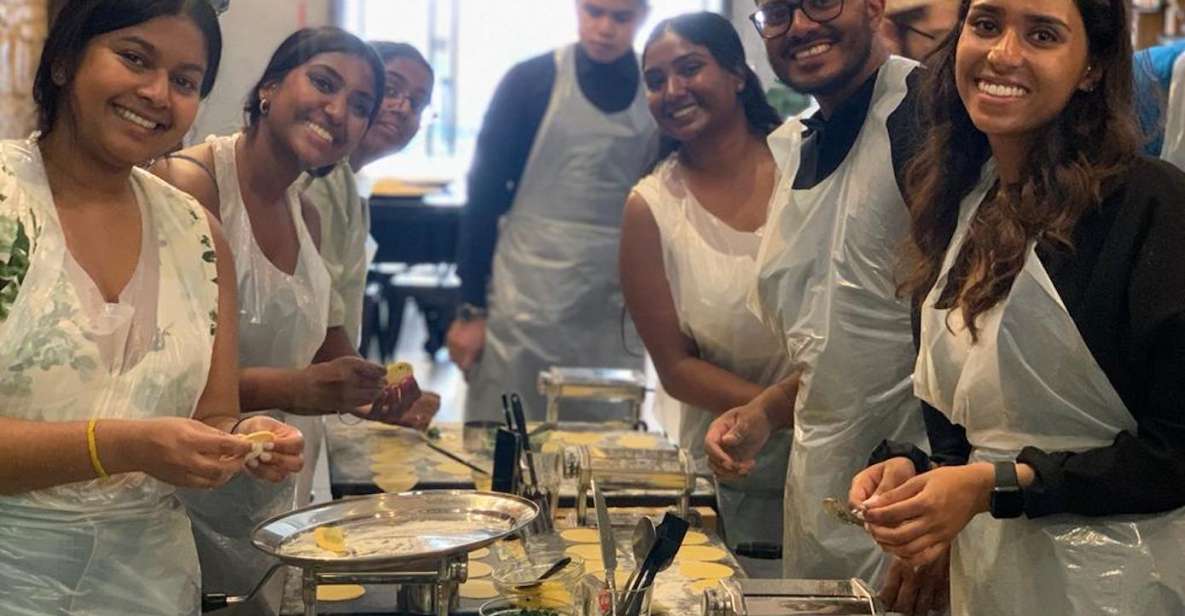
Fresh pasta beats a cooking demo. This class turns Rome into your kitchen, where you roll up your sleeves for handmade fettuccine and build tiramisu while a chef keeps things friendly and very doable. I especially like that you’re not just watching: you get step-by-step guidance, and the meal comes with Italian drinks, including wine and limoncello. You’ll likely meet lively hosts such as Sid, Eleonor, Eddie, and Giacomo, who make the lesson feel more like a shared table than a classroom.
One thing to keep in mind: timing can be a little fluid. A recent schedule started later than expected for one group, so if you have a hard next appointment, give yourself a buffer.
In This Review
- Key things to know before you cook
- A Roman cooking class inside a real restaurant setting
- What to expect from the vibe
- Pricing and value: what $32 buys in Rome
- Timing and flow: how the class usually unfolds
- A practical tip
- Making Roman fettuccine from scratch: the technique you’ll actually use
- Why this matters for you
- Group size and attention
- Tiramisu: coffee flavor, cocoa, and the layer-by-layer method
- What to watch for (so yours comes out right)
- Drinks during class: wine, limoncello, and the social rhythm
- One careful note
- What you eat at the end: your work becomes your meal
- Dietary options: what you can request ahead
- The English instruction makes it easier than most
- Who this Rome cooking class is best for
- You might skip it if…
- Should you book this Roman Master Chef class?
- FAQ
- How long is the Rome Roman Master Chef Cooking Class?
- What does it cost?
- Where does the class take place?
- Is the class taught in English?
- What dishes will I make?
- What drinks are included?
- Are there dietary options?
- What if I need to cancel?
Key things to know before you cook
- You cook real Roman-style dishes rather than a simplified souvenir version
- Fresh fettuccine from scratch teaches technique, not just steps
- Tiramisu is hands-on, with coffee flavor and cocoa layered into the dessert
- Wine and limoncello are part of the class flow, not an add-on after
- You take recipes home, so your kitchen can keep going after Rome
- English instruction makes it easy to follow along and ask questions
A Roman cooking class inside a real restaurant setting
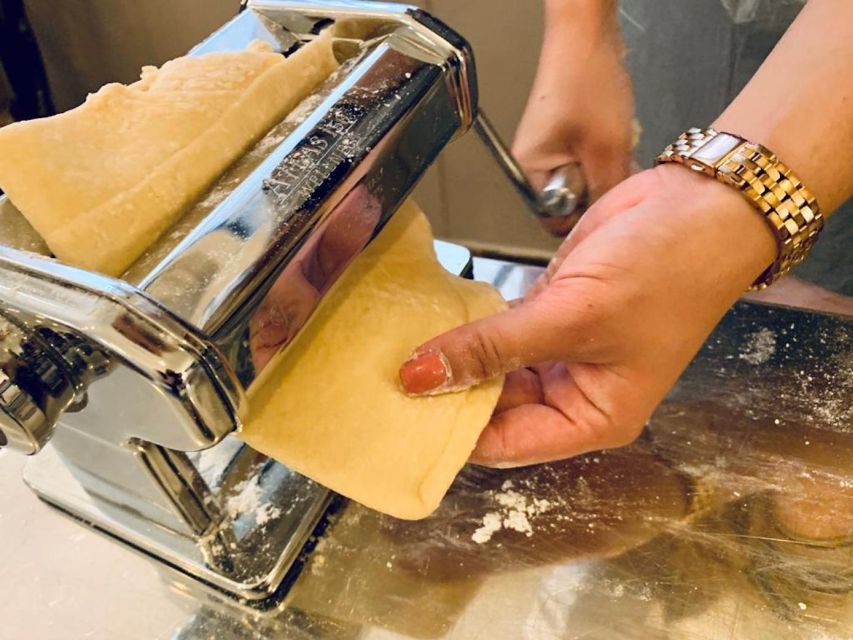
This experience is designed for the full Rome moment: you’re cooking in a Roman restaurant setting, not in a hotel conference room. That matters, because the pace feels like an actual meal—ingredient prep, teamwork, then tasting what you made.
You’ll be with a local chef instructor who walks you through what to do and why you’re doing it. I like the way the format sets you up for success: the tools and ingredients are ready, so you spend your time learning pasta technique and dessert building instead of scrambling for basics.
It also helps that the teaching style tends to be interactive. In the classes I’ve seen people describe, hosts were funny and engaging, and they actively pulled everyone into the cooking rather than letting a few confident cooks dominate the station.
You can also read our reviews of more cooking classes in Rome

What to expect from the vibe
- Expect music and a lively atmosphere rather than stiff formality
- You can anticipate plenty of back-and-forth, especially around timing and consistency
- The class is meant to be social, so you’ll likely meet people from different places
Pricing and value: what $32 buys in Rome
At about $32 per person for a 2.5–3 hour session, the math is pretty strong—especially because the experience includes more than just instruction. You’re getting the cooking class itself, a chef guide and host, plus the core ingredients for fettuccine and tiramisu.
On top of that, you’re served drinks during the lesson: fine wine, limoncello, and non-alcoholic options like coffee, soft drinks, and water. For many food activities in Rome, alcohol is usually extra. Here, it’s part of the experience rhythm.
The other value piece is what you carry home. You’re not just leaving with photos and a memory—you get recipes you can use later. That’s the difference between a one-time show and a skill you can repeat.
Timing and flow: how the class usually unfolds
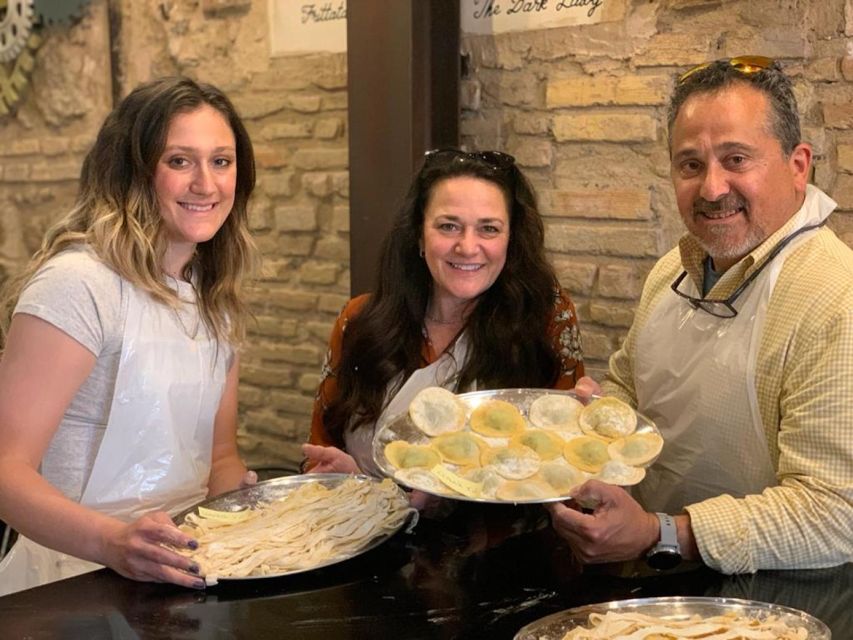
You’ll start by gathering everything you need—tools and ingredients—then the chef takes over with a clear sequence. The idea is to keep the class moving: you learn a step, you do a step, and you keep going until you have a finished pasta course and dessert.
After the hands-on portion, you sit down to enjoy what you made. The setting can be inside the restaurant or on an outdoor terrace, depending on the setup that day. Either way, the payoff is the same: you taste your work in a real Roman dining environment.
A practical tip
If you’re sensitive to late starts, plan your next activity with a cushion. One group noted the class began later than expected, which can happen when you’re coordinating a restaurant experience.
You can also read our reviews of more wine tours in Rome




Making Roman fettuccine from scratch: the technique you’ll actually use
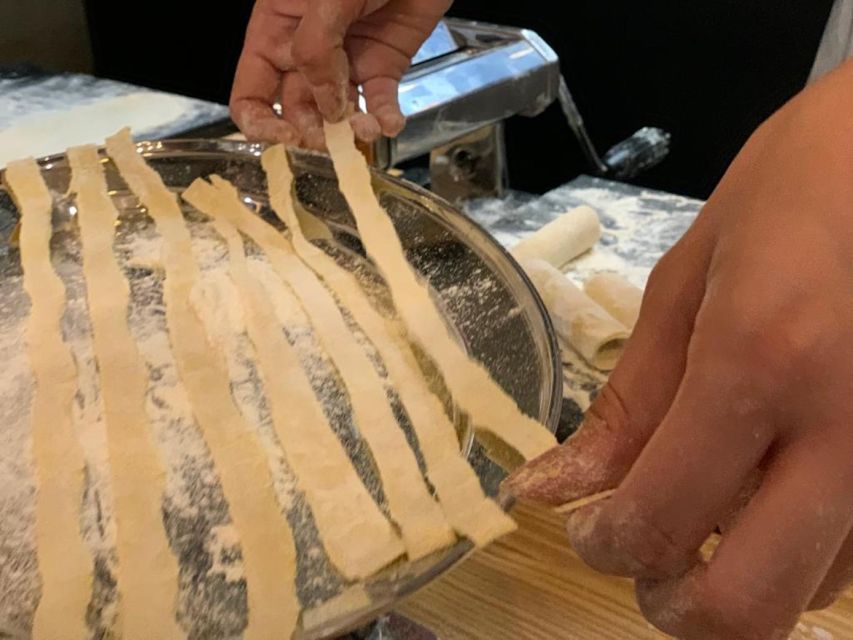
The headliner is the pasta. You’re making handmade fettuccine entirely from scratch, which means you get more than just “mix and roll.” You learn how to handle the dough, how it should feel as you work it, and how to get it ready for cutting into fettucine shape.
This is where the chef guidance really matters. Pasta dough can be forgiving, but it’s still hands-on. In a well-run class, you don’t just get a list of steps—you get corrections in real time, so your dough ends up elastic enough and workable enough for shaping.
Why this matters for you
If you’ve ever tried making pasta at home and ended up with something too dry, too sticky, or impossible to roll, a class like this can save you trial-and-error. You’ll leave understanding what the dough should look and feel like, not just what to do.
And since fettuccine is a versatile format, your takeaway isn’t limited to one meal. If you can learn fettuccine basics, you can apply the same logic to other fresh pasta projects later.
Group size and attention
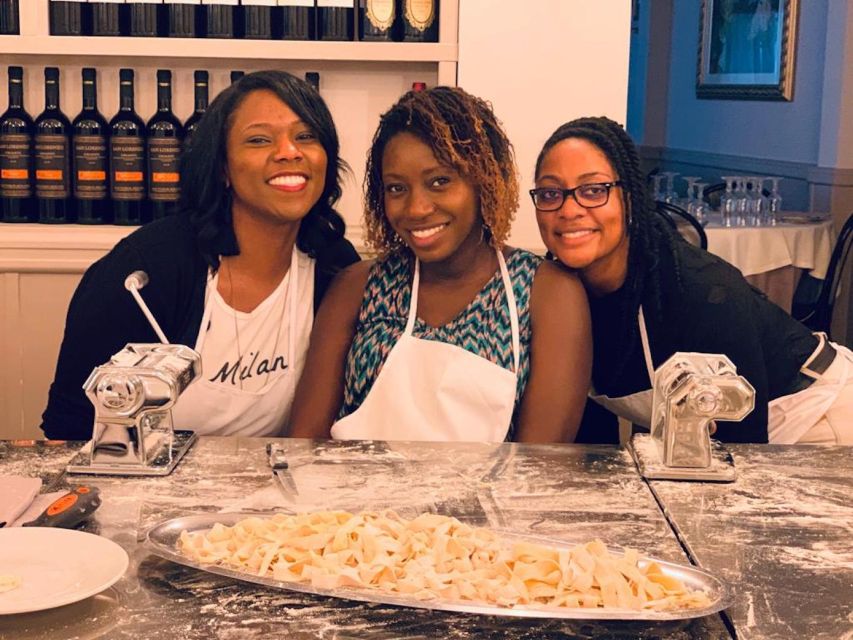
One review mentioned about a dozen people in class. That’s a sweet spot: small enough that the chef can notice what’s happening at your station, but big enough to keep the energy social.
Tiramisu: coffee flavor, cocoa, and the layer-by-layer method
Then you shift from savory to dessert with tiramisu, the coffee-flavored Italian classic with cocoa. You’re not just assembling a purchased kit. You make it yourself with the guidance of your instructor, which is the fastest way to understand what makes tiramisu set and stay creamy.
Tiramisu is all about layering and timing. In a good class, you learn how to handle the structure: when to layer, how to build the balance of coffee and cream, and how the cocoa finishes the top.
What to watch for (so yours comes out right)
Even without getting technical, there are a couple things you’ll likely hear the chef emphasize:
- Consistency: the cream mixture needs to be smooth enough to spread
- Layering: you’re building structure, not just piling ingredients
- Cocoa finishing: it’s the last touch that sets the look and taste
If you’ve only had tiramisu from cafes, making it at home in Rome’s kitchen teaches you the difference between dessert that’s merely sweet and dessert that’s balanced.
Drinks during class: wine, limoncello, and the social rhythm
This is a cooking class that treats the drinks like part of the lesson. You’ll sip fine Italian wine and limoncello as you cook, plus coffee, soft drinks, and water.
That changes the whole experience in a small but real way. You’re more relaxed. You’re more willing to ask questions. And you’re more likely to taste your progress as you go, rather than waiting until the end.
Some classes start with Prosecco in the flow, followed by moving into the tiramisu and pasta phases. The exact order can vary by day, but the key idea stays consistent: the table stays warm while you cook.
One careful note
If you’re planning to walk around Rome afterward, think about moderation. Wine and limoncello are included, so it can add up faster than you expect.
What you eat at the end: your work becomes your meal
Once your hands-on cooking ends, you sit down and enjoy what you made. That’s an important detail. A lot of classes end with you packing up food to go. Here, you get to taste it in a restaurant setting right away.
I like how this reinforces learning. When you taste your own pasta and tiramisu immediately after, you can connect technique to outcome. If something is slightly off, you also understand what to adjust next time.
And because this is a Roman restaurant environment, the experience feels like an authentic meal night—not a detached activity.
Dietary options: what you can request ahead
Dietary options are available, including vegetarian, vegan, lactose intolerant, and other diets. The key is simple: inform the activity provider when booking so the chef can plan substitutions from the start.
That matters most for pasta dough and desserts, where ingredients can vary. If you have lactose intolerance or follow a plant-based diet, booking with clear needs helps you actually enjoy the food, not just watch someone else eat.
The English instruction makes it easier than most
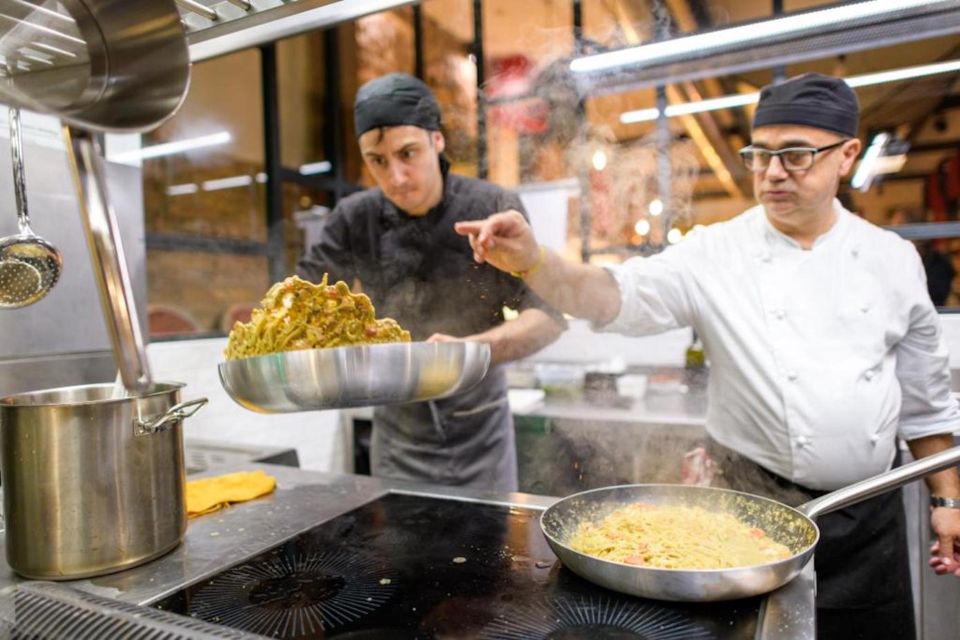
The class is taught in English, and the way the chef communicates seems to be geared toward helping you succeed. You’re not left guessing. Instructions are clear, and the tone is friendly enough that questions don’t feel like interruptions.
If you’ve been nervous about cooking classes abroad, this is one of the safer bets. You’ll spend your attention on dough and timing, not translating.
Who this Rome cooking class is best for
This is a strong match if you want an activity that’s:
- Practical, so you can recreate it at home
- Hands-on, so you learn by doing
- Social but structured, with a chef who keeps things on track
It’s also ideal for a first-time visitor to Rome who wants more than sightseeing. It gives you a bite of Roman food culture without requiring long research or big planning.
You might skip it if…
- You hate alcohol in activities. Wine and limoncello are part of the experience flow
- You’re only looking for a quick photo stop. This is about cooking and eating
Should you book this Roman Master Chef class?
If your goal is to leave Rome with a real skill and recipes you can use, I’d book it. At $32 for 2.5–3 hours, with wine, limoncello, and made-from-scratch fettuccine plus tiramisu, you’re getting more value than you typically find in similar food experiences that focus on tasting alone.
I’d especially choose it if you want a lesson that feels welcoming and fun, with instructors who keep everyone involved. And if you’re diet-conscious, take advantage of the available options by making your needs clear during booking.
In short: this is a class built for learning, eating, and leaving with something you can make again back home.
FAQ
How long is the Rome Roman Master Chef Cooking Class?
The class runs for about 2.5 to 3 hours.
What does it cost?
It’s listed at $32 per person.
Where does the class take place?
It takes place in Rome, in the Lazio region of Italy. The exact meeting point may vary depending on the option booked.
Is the class taught in English?
Yes. The instructor teaches in English.
What dishes will I make?
You’ll make homemade fettuccine pasta from scratch and tiramisu. Some sessions may include additional pasta, but fettuccine and tiramisu are the core.
What drinks are included?
You’ll have fine wine and limoncello, plus coffee, soft drinks, and water.
Are there dietary options?
Yes. Dietary options are available for vegetarian, vegan, lactose intolerant, and other diets supported. Inform the provider of your needs when booking.
What if I need to cancel?
You can cancel up to 24 hours in advance for a full refund. The experience also offers reserve now & pay later.