REVIEW · COOKING CLASSES
Rome: Pasta Making Class with Wine, Limoncello, and Dessert
Book on GetYourGuide →Operated by Experience in Florence · Bookable on GetYourGuide
Fresh pasta in Rome feels way more real than photos. You learn dough skills with professional instructors in Palazzo Grazioli, a short walk from the Pantheon area. I especially like how the class stays practical and hands-on, with teachers such as Fabrizio and Olga guiding every step.
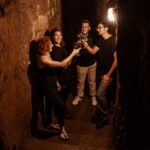
Two big reasons I’d do this again: you sit down to eat the pasta you made, and you get a proper pairing with organic Tuscan wine plus a limoncello finish. The communal table setup also turns the experience into an easy social night, not a stiff cooking demo.
One thing to consider: this class is not a match if you need vegan food, or you must avoid gluten or lactose. It also isn’t suitable for wheelchair users, since you’ll be working on the spot and moving around inside.
In This Review
- Key highlights worth your attention
- Rome’s Palazzo Setting Makes Pasta Feel Like a Local Night
- What You Make in 3 Hours: Ravioli, Tortelli, and Fettuccine
- The Sauce Strategy: Why Tomato Simmering Time Matters
- How the Cooking Works: Your Pasta Becomes Part of the Same Pot
- Wine, Limoncello, and Dessert: The Pace of a Real Meal
- Price and Value: Is $48 a Fair Deal in Rome?
- Who Should Book This (and Who Should Skip It)
- Practical Tips So You Get the Full Experience
- Should You Book This Rome Pasta Making Class?
- FAQ
- What pasta shapes do I make?
- How long is the class?
- Is the class hands-on?
- What food and drinks are included?
- Is alcohol included for everyone?
- Can I bring dietary restrictions?
- Where do I meet the instructor?
Key highlights worth your attention
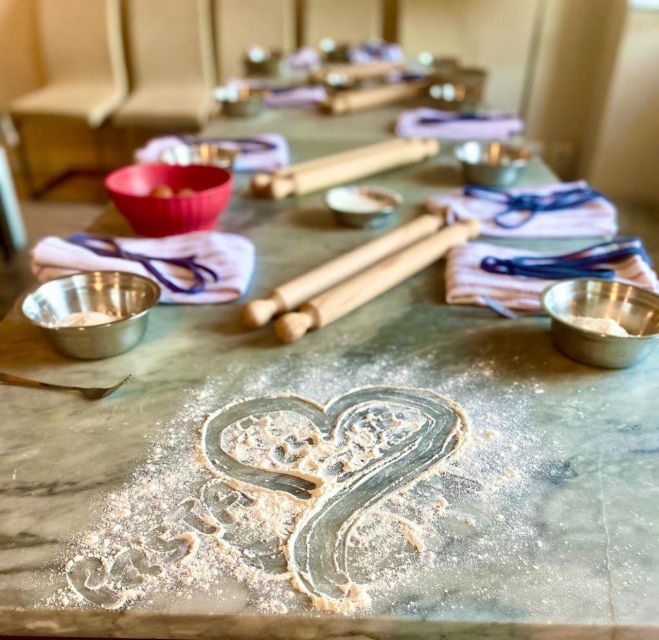
- Hands-on dough work: eggs + flour, then kneading, rolling, and shaping your own pasta
- Three distinct shapes: ravioli, tortelli, and fettuccine, with the filled ones getting special sauce
- Instructor coaching in English: teachers help you hit the right thickness and timing
- Organic Tuscan wine: Dalle Nostre Mani served with dinner-style pacing
- Limoncello shot and dessert: a sweet, citrus finish after you cook and eat together
- Small group (up to 10): easier questions, more personal attention, better odds of learning the technique
Rome’s Palazzo Setting Makes Pasta Feel Like a Local Night
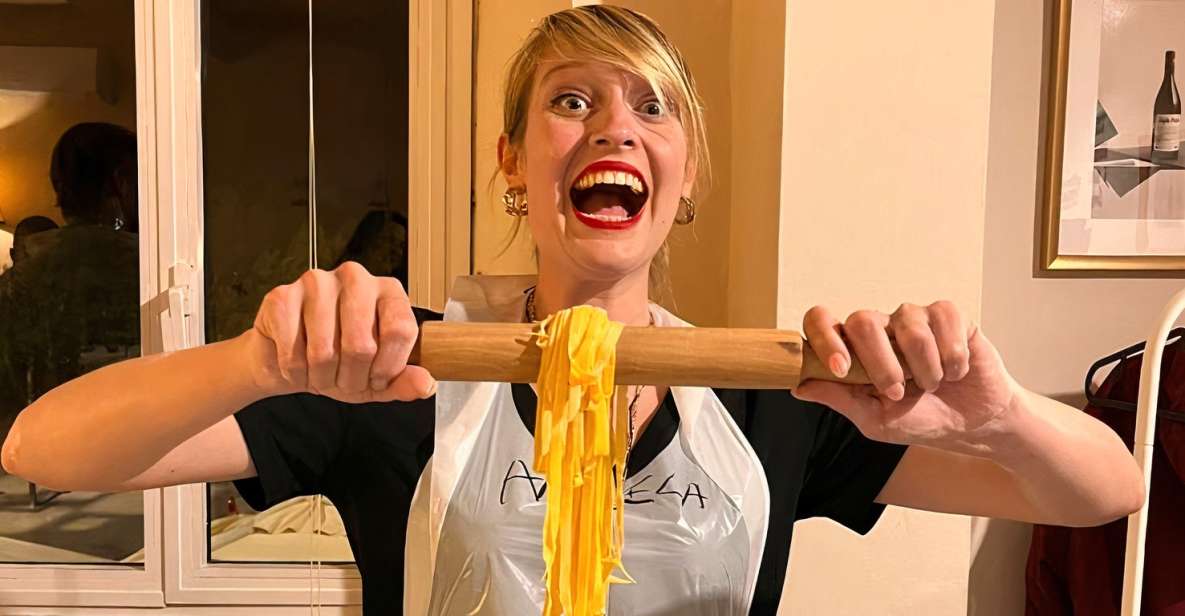
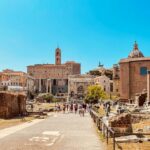
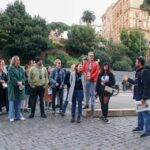
The location is one of the smartest parts of this class. You meet directly at Via della Gatta 14, inside the historic Palazzo Grazioli area, and you ring the bell at Pastamania. It’s close enough to major sights that you can slot this between Roman sightseeing blocks, but inside it feels more like a real kitchen moment than another tourist stop.
There’s also a fun little street detail to look for before you start: Via della Gatta gets its name from a legendary marble cat statue on that charming corner. It’s the kind of small Roman quirk that makes the walk over feel like part of the outing, not just logistics.
What I like most is the combination of central and authentic. You get the convenience of being near places you’ve already planned to see, while the experience itself stays focused on how Italians actually cook and eat: together, hands busy, food coming in a sequence that makes sense.
You can also read our reviews of more cooking classes in Rome

What You Make in 3 Hours: Ravioli, Tortelli, and Fettuccine
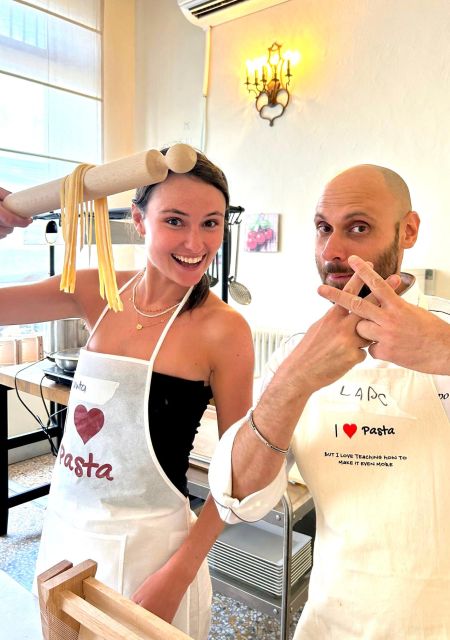
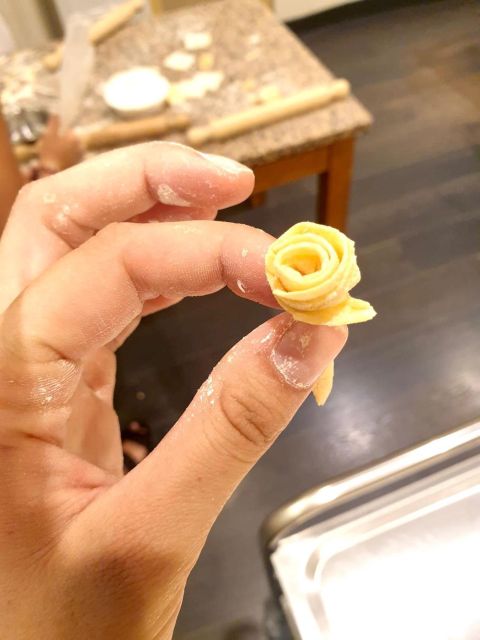
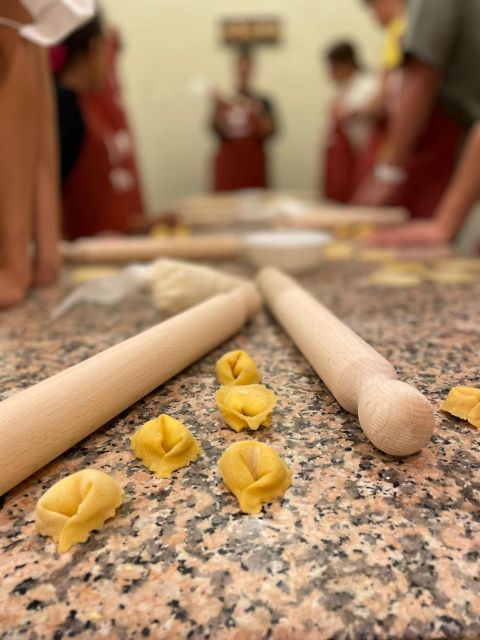
This is not a one-shape, one-step workshop. Over about 3 hours, you make three fresh pasta types with an English-speaking instructor. The base technique you’ll practice is the same for all of them—fresh dough from eggs and flour—but the shaping is where you really feel the difference.
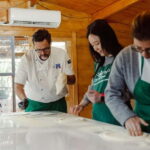
Here’s the usual flow: first, you put on your apron and start working with the dough. Then you knead and roll it until it’s the right consistency to cut and shape. In many classes like this, the instructor takes over after the first few minutes. In this one, you stay involved, and teachers keep checking what you’re doing so you don’t get stuck at one step.
The two filled shapes—ravioli and tortelli—are typically the ones where you notice the most coaching. Filling and sealing are delicate, and you want the pasta to close cleanly so it cooks without breaking. The third shape, fettuccine, is more about rolling and cutting thin, even ribbons.
Also, don’t show up with a tight schedule. You’ll be moving through stages, and the best part is watching how each instructor explains the why behind the technique, not just the how. When teachers such as Christian or Giorgio lead a group, the vibe tends to be light and interactive, which matters because pasta can be a bit of a workout for your hands.
The Sauce Strategy: Why Tomato Simmering Time Matters
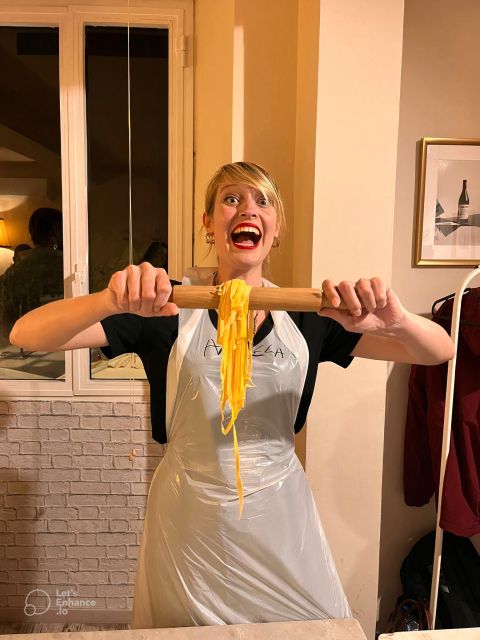
You don’t just make pasta and hope for the best. The sauce plan is built into the class structure.
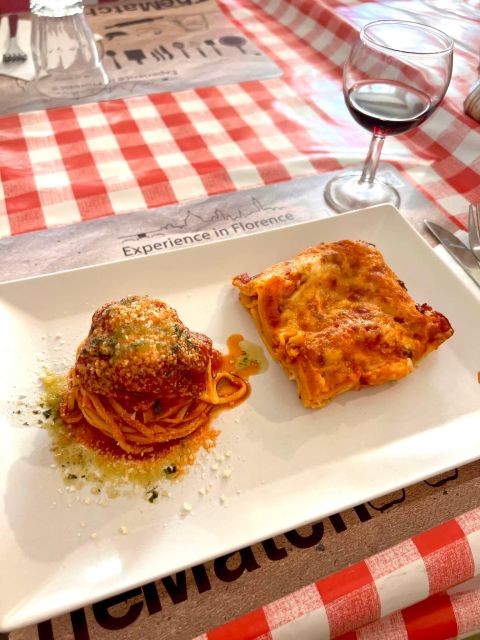
The class uses a signature tomato sauce that’s simmering in advance, so it’s ready when it’s time to serve. That matters because tomato sauces aren’t fast. When you taste it as part of your meal, you’ll notice the difference between raw-tasting flavors and something that’s had time to round out.
Then there’s the sauce paired with the filled pasta: butter and sage prepared right before serving. That short timing is a big clue about the cooking logic. Butter and sage can go from perfect to heavy if you overcook them. Seeing it made close to the moment you’ll eat it helps you understand how Italian cooks manage timing in real kitchens.
If you want to reproduce this at home later, pay attention to the textures as you’re watching: the tomato sauce should taste unified and not sharp; the butter-sage should smell fragrant without tasting scorched. The class also provides detailed English recipe booklets, which makes it easier to follow your notes at home.
How the Cooking Works: Your Pasta Becomes Part of the Same Pot
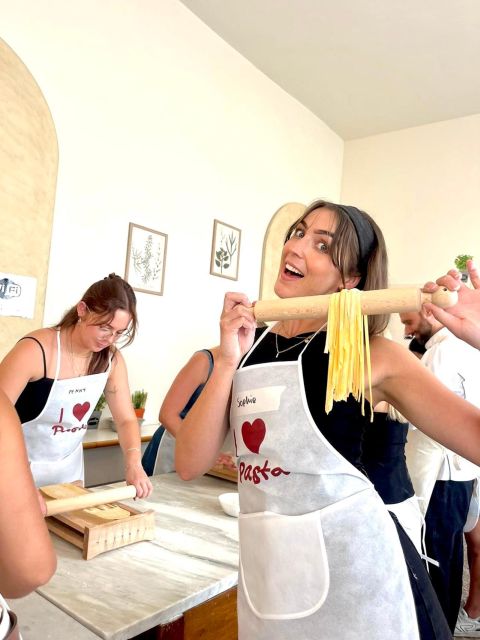
After you shape everything, the class doesn’t just send you off with a plate of dry knowledge. The idea is that each participant makes their pasta, then the group cooks the meal together in the same pot, like an Italian home dinner.
That communal setup changes the whole feel. You’re not waiting alone while someone else eats. You’re part of the final push: the instructor coordinates the cooking so the pasta doesn’t overstay its welcome and the fillings stay intact for serving.
One practical bonus: because your instructor cooks alongside you, you learn what good timing looks like. Fresh pasta cooks fast. Having it cooked right after it’s made helps you connect the dots between dough thickness, shape, and how long it should boil.
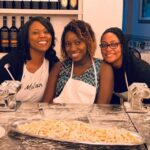
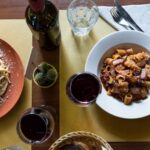
And then comes the part you came for: you sit down and eat the fresh pasta you just made, paired with the sauces the instructors have prepared for the class.
Wine, Limoncello, and Dessert: The Pace of a Real Meal
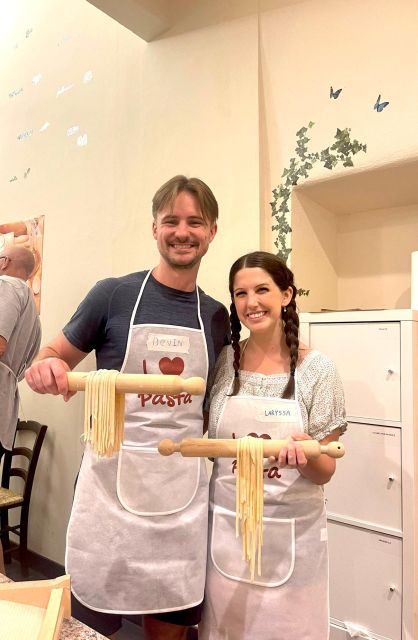
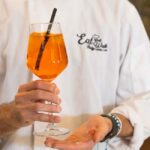
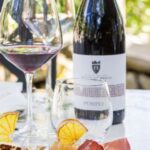
This is a dinner-style cooking class, not a “snack then leave” format. You’ll sip organic Tuscan wine during the meal. The wine is Dalle Nostre Mani, produced organically, and it’s served as part of the table experience, not tacked on as an afterthought.
Alcohol is only served to participants of legal drinking age, but the class does seem to be flexible for people who don’t drink. In past groups, participants have reported that there are alternatives for non-drinkers, which is a good sign if you want the social side without the alcohol.
After the meal, you finish with a traditional limoncello shot and dessert. The citrus finish is a smart way to close the loop: rich pasta and sauce first, then a bright, clean note to reset your palate. If you have a sweet tooth, you’ll likely love the dessert step, especially since it comes after you’ve already done the hard work.
You can also read our reviews of more wine tours in Rome

Price and Value: Is $48 a Fair Deal in Rome?
At $48 per person for a 3-hour, small-group class in central Rome, the value is solid—mostly because the experience includes the stuff most cooking classes charge extra for.
You’re not only paying for instruction. Your ticket also includes:
- Instructors
- The meal (the pasta you make, cooked and served)
- Tuscan wine
- Dessert
- A limoncello shot
- An English recipe booklet
The most cost-effective part is that you’re getting three pasta shapes for one price. Fresh pasta is labor-heavy, and even when ingredients are simple, shaping takes time and skill. Add the wine and the full meal service, and the math starts to make sense quickly.
Two notes to keep your expectations realistic:
- Hotel pickup and drop-off aren’t included, so plan to arrive on foot or by your own transit.
- There aren’t unlimited extra drinks beyond what’s included, so if you’re thinking of turning it into a long bar session, this isn’t that kind of class.
Still, for a hands-on, food-forward evening with a proper end-of-meal finish, the price feels fair.
Who Should Book This (and Who Should Skip It)
This class works for lots of groups: individuals, couples, friends, and families. It’s also described as a good fit for students and even corporate teams because it’s structured, social, and easy to follow with an English instructor.
It also has clear boundaries:
- Minimum age is 8
- Not suitable for wheelchair users or people with mobility impairments
- Not for vegans
- Not for gluten intolerance
- Not for lactose intolerance
- Nut allergies aren’t compatible
Dietary options are listed as available in general, and vegetarian is supported, but the exclusions above are important. If you’re unsure about your specific needs, check before you book. It’s better to sort that out early than to arrive hoping substitutions will happen.
If you love cooking, this is a great way to pick up technique fast. If you just want to eat, it can still be worth it because you’ll enjoy the meal and learn enough to make a version at home later.
Practical Tips So You Get the Full Experience
You’ll be working with dough, so treat the class like a craft session. Wear comfortable clothing that can handle flour and a bit of mess. Closed-toe shoes are a smart call since you’ll likely stand and move in the kitchen area.
Plan to arrive a few minutes early so you can find Via della Gatta 14 without stress. You ring the bell for Pastamania at the back corner area of Palazzo Grazioli, so having a little buffer keeps things calm.
Bring a mindset shift: this isn’t about making perfect pasta shapes. It’s about learning technique. When instructors like Olga or Christian keep you moving step-by-step, you get better quickly just by doing it.
Finally, if you have any allergies or dietary restrictions, communicate them when booking. The class says it supports some diets, but it can’t accommodate vegan, gluten-sensitive, or lactose-intolerant requests.
Should You Book This Rome Pasta Making Class?
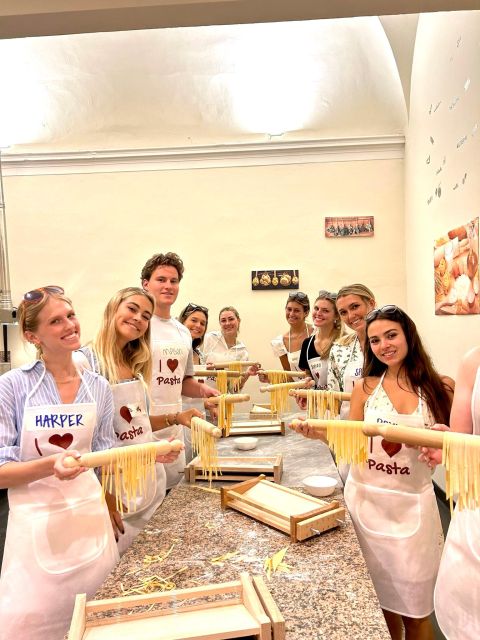
Book it if you want an evening that combines Rome’s best kind of souvenir—food—with real technique you can repeat. The small group size helps, and the format is built around making, cooking, and eating together. With instructors such as Fabrizio, Giorgio, and Olga described as supportive and fun, the experience tends to feel both guided and relaxed.
Skip it if you can’t eat dairy or gluten, need a vegan menu, have nut allergies, or need wheelchair accessibility. Also skip it if you’re looking for a quiet, sit-still activity. This is active cooking work, then a communal dinner.
If your goal is a memorable Rome moment that isn’t just another museum ticket, this is one of the best bets in the center.
FAQ
What pasta shapes do I make?
You make three fresh pasta types: ravioli, tortelli, and fettuccine.
How long is the class?
The experience lasts 3 hours.
Is the class hands-on?
Yes. You put on an apron and make the pasta yourself—kneading, rolling, and shaping it with instructor guidance.
What food and drinks are included?
Your ticket includes the meal (the pasta you make), Tuscan wine, dessert, and a limoncello shot.
Is alcohol included for everyone?
Wine and limoncello are served, but only participants of legal drinking age will be served alcohol.
Can I bring dietary restrictions?
Vegetarian options are supported, and other diets are noted as supported, but vegan, gluten-sensitivity, and lactose intolerance can’t be accommodated. Nut allergies are also not suitable.
Where do I meet the instructor?
Meet at the cooking school at Via della Gatta 14, 00186 Rome, and ring the bell at Pastamania.