REVIEW · COOKING CLASSES
Rome: Combo Pizza and Pasta Cooking Class with Wine
Book on GetYourGuide →Operated by Once in Rome Authentic Experiences · Bookable on GetYourGuide
Wine, dough, and wood-fired pizza—what a combo. This class is interesting because you’re not just watching; you’re making Neapolitan pizza and fresh pasta in a Roman countryside garden while sipping wine. The best part for me is the hands-on pace with real chef coaching, and the setting outside the crowds makes the whole thing feel like a proper evening.
One thing to consider: the experience starts and ends at the metro area (Laurentina), so you’ll want to be comfortable with a short minibus ride and getting back to the station afterward.
In This Review
- Key highlights at a glance
- Why this Rome pizza-and-pasta class works (and doesn’t feel touristy)
- Getting to Laurentina and the ride out to the cooking venue
- The Roman garden setting: wood houses, open air, and chef-led energy
- Neapolitan pizza: dough work, toppings, and wood-fired baking
- Fresh pasta lessons: egg pasta, water dough, and pasta dough made for shaping
- The wine-and-dinner flow: when you’re eating like an Italian
- The dessert and digestivo finale: tiramisù and chilled Limoncello
- Price and value: does $64.06 make sense for what you get?
- Who should book, and who should adjust expectations
- Practical tips for a smoother class day
- Should you book this Rome combo pizza and pasta cooking class?
- FAQ
- How long is the Rome pizza and pasta cooking class?
- What does the price include?
- Where do we meet for the class?
- Is transportation included?
- Are drinks included?
- What are the minimum age requirements?
- Can infants join?
- What do we make and eat during the class?
- Is the class language English and Italian?
- What’s the cancellation policy?
- Do I get anything to take home?
Key highlights at a glance
- Countryside garden setting: an open-air “wood houses” kitchen just outside the city center
- Wood-fired pizza: dough work, topping choices, and baking in a real oven
- Three pasta doughs + shapes: egg pasta, water dough, and pizza-dough pasta turned into tagliatelle, fusilli, and farfalle
- Unlimited local wine: red and white served throughout the meal
- Roman-style finale: homemade tiramisù followed by a chilled Limoncello shot
- You leave with a recap: a document summarizing techniques so you can recreate it later
Why this Rome pizza-and-pasta class works (and doesn’t feel touristy)
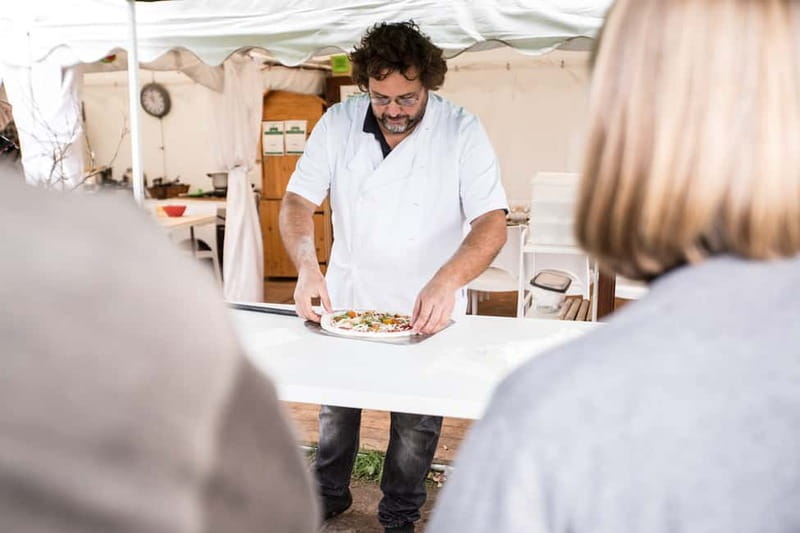
Rome cooking classes come in two types: the ones where you sit and get “taught,” and the ones where you get flour on your hands and learn by doing. This one is built for the second kind.
What you’re really buying is a smooth, guided food evening with three big advantages. First, you learn pizza and pasta techniques in the same session—so it makes sense when you’re comparing styles at Roman restaurants afterward. Second, you get unlimited white and red wine during the class, which changes the mood from lesson mode to dinner mode. Third, you’re out in the open-air countryside kitchen, so the experience feels grounded in place, not trapped in a small studio.
The one “but” is logistics. The meeting point is metro Laurentina, and you’ll be dropped back there too. That’s not a dealbreaker, but it matters if you’re doing a tight day with lots of other timed activities.
You can also read our reviews of more cooking classes in Rome

Getting to Laurentina and the ride out to the cooking venue
Your day starts at metro stop Laurentina. From there, you look for a partner staff member holding a cooking class sign at the exit. If you like clarity, this is helpful—there’s a direct, named pickup point instead of a vague street address.
Then you transfer to the venue outside the city center. The ride is included (round-trip), but it isn’t “walking distance” Rome. Think of it like: you meet at Laurentina, hop in the minibus, and then you’re in the countryside kitchen scene.
A few practical notes from what people report:
- Expect a short ride time before you reach the cooking area.
- The transportation can vary in comfort depending on the vehicle, and weather can affect how chilly it feels inside (especially shoulder seasons).
- At the end, you’ll return to Laurentina again rather than being dropped at your hotel.
If you plan your day around the class start time, the transport is part of the deal. If you hate station-to-station travel, build in a little buffer.
The Roman garden setting: wood houses, open air, and chef-led energy
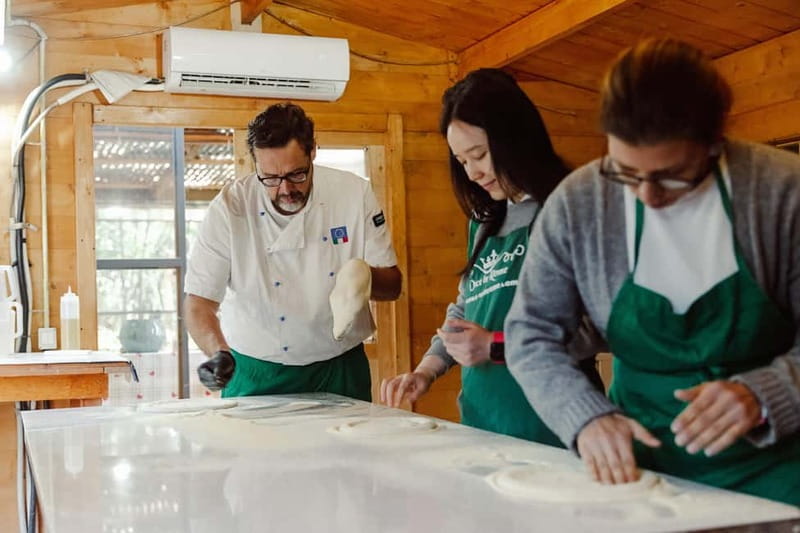
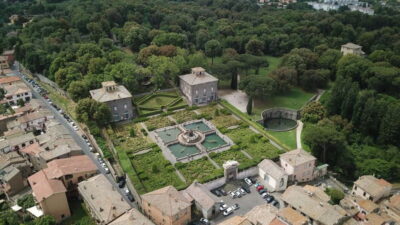
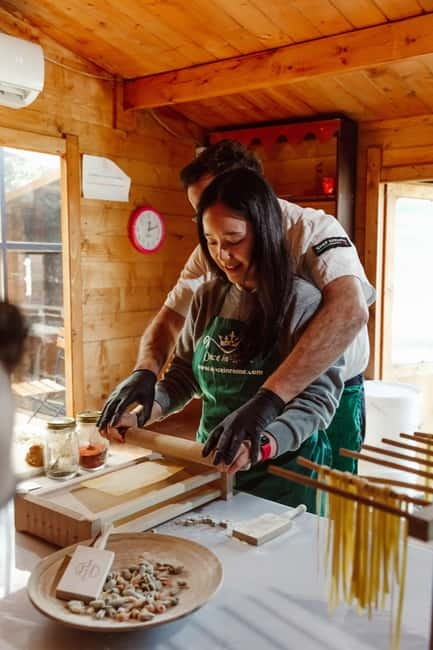
When you arrive, the vibe is part of the experience. It’s described as an open-air countryside kitchen in a “wood houses” setting surrounded by nature. You’re eating outside, working outside, and learning outside—so even if you’re traveling with kids or friends who aren’t “serious food people,” the atmosphere keeps things light.
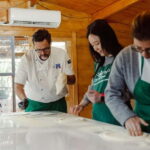
You’re welcomed with a glass of wine and introduced to the chef/instructor. Depending on the group, you might work with hosts people remember by name—Giuseppe, Eduardo, and Alessandro show up in accounts of the class. Even with different personalities, the common thread is a friendly, hands-on teaching style.
This is also where you’ll get a real sense of how Italian kitchens think about technique. It’s not just recipe theater. You’re being guided through dough texture, shaping habits, and oven timing—the skills that make the final pizza and pasta work.
Neapolitan pizza: dough work, toppings, and wood-fired baking
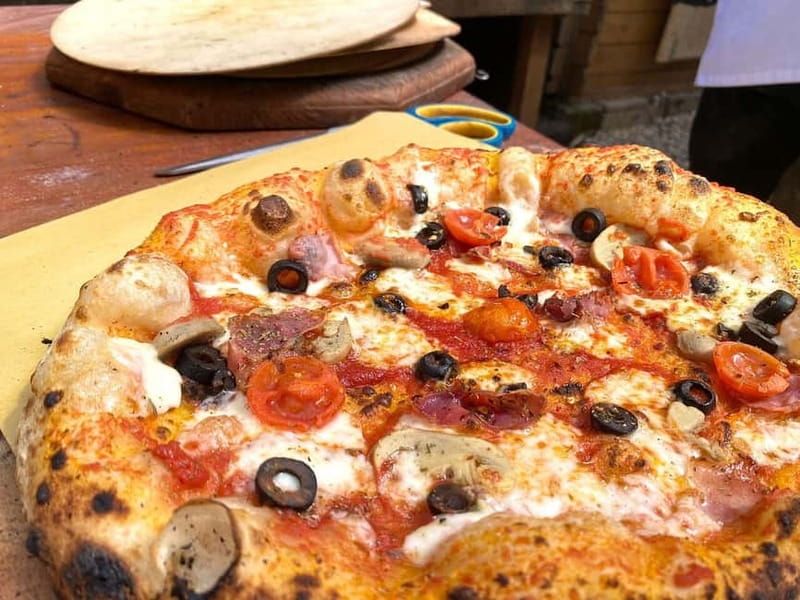
Pizza is where most cooking classes start—but this one treats pizza like a full craft segment, not a quick demo.
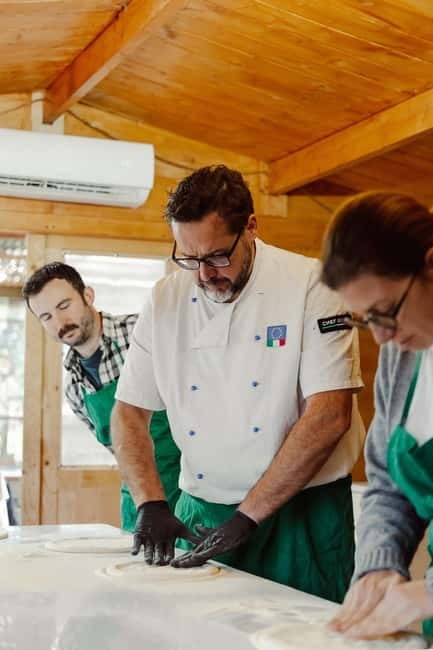
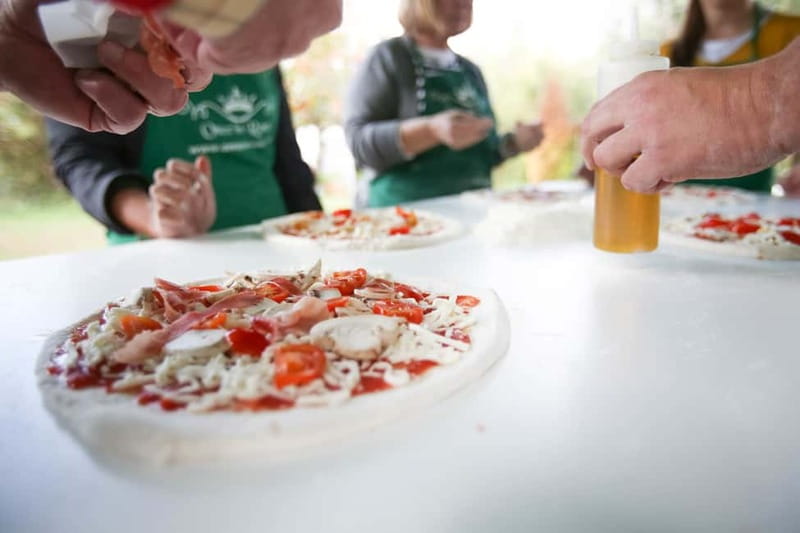
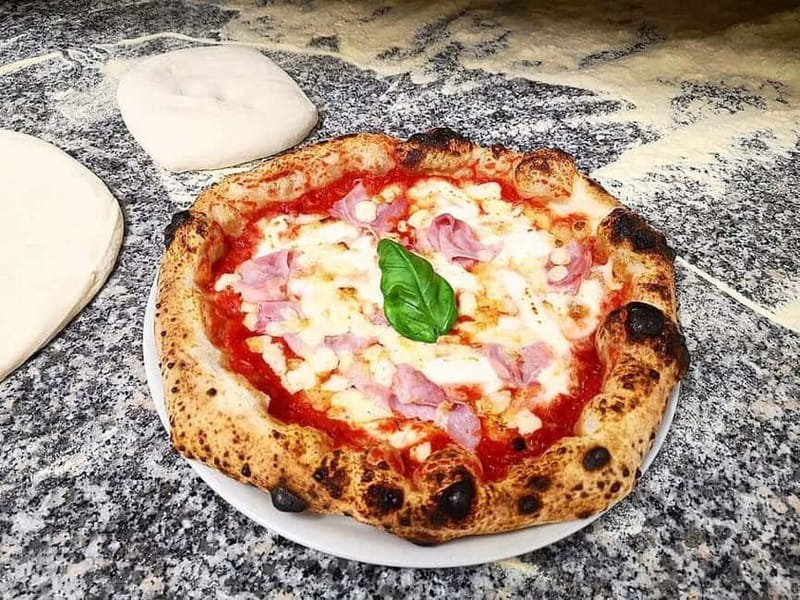
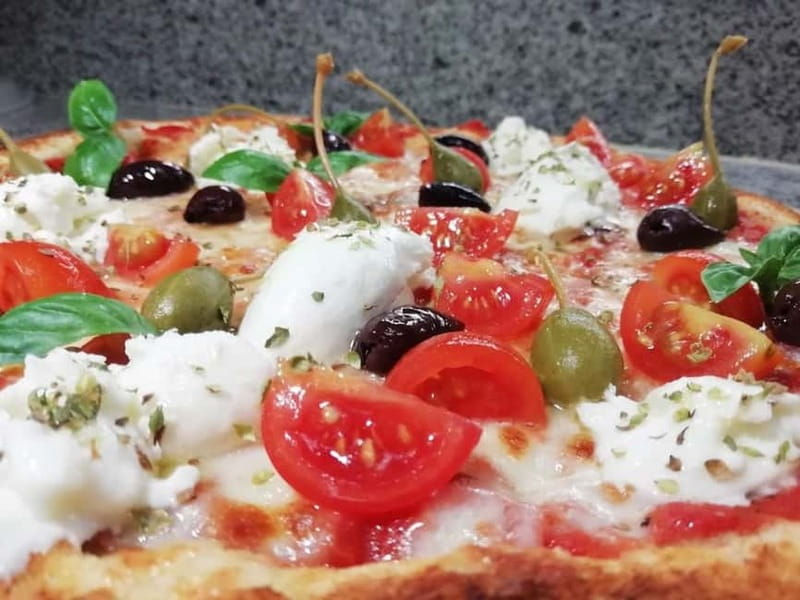
You’ll learn the pizza dough basics from scratch: kneading by hand and building the dough in a way that’s meant to bake up well. Then you choose toppings. That part matters because you’re practicing judgment—what you like, what works, and how toppings affect baking.
After shaping, it goes into a real wood-fired oven. This is one of the biggest value points. A wood-fired oven is the kind of tool you won’t replicate at home easily, so baking the pizza here gives you a reference point you can carry back.
Now, a balanced expectation check: a few people note that the final pizza might not beat the best Roman or Neapolitan pizzerias they’ve had. And honestly, that can be true. Your hands are learning while you’re also eating. The win is that you leave with real pizza-making technique—how dough should feel and how the oven process changes the result.
If you want a “wow, restaurant-level pizza” moment, you’ll likely get flashes of it—especially the satisfaction of tasting what you made right after the bake. If you want perfect pizzeria output, see this as a skills class first, and a dinner second.
Fresh pasta lessons: egg pasta, water dough, and pasta dough made for shaping
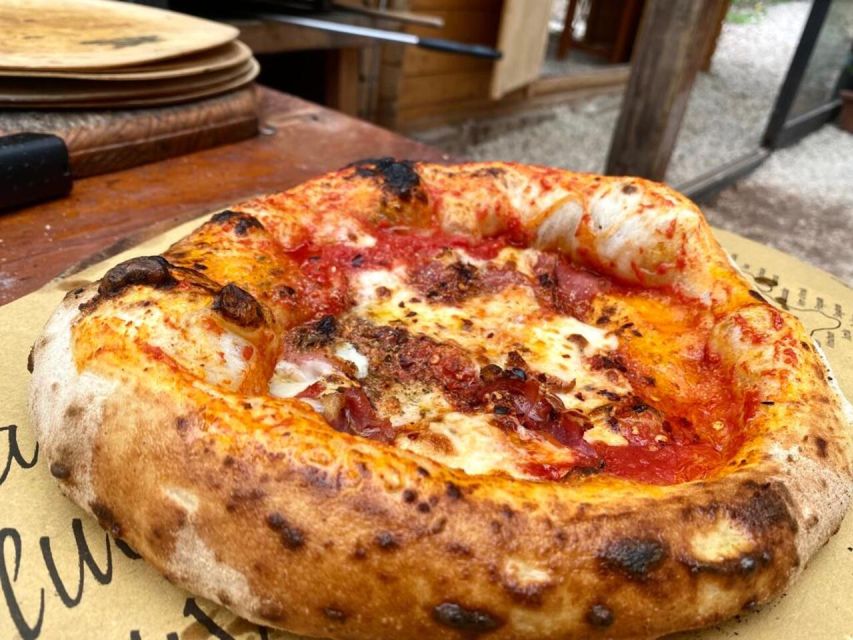
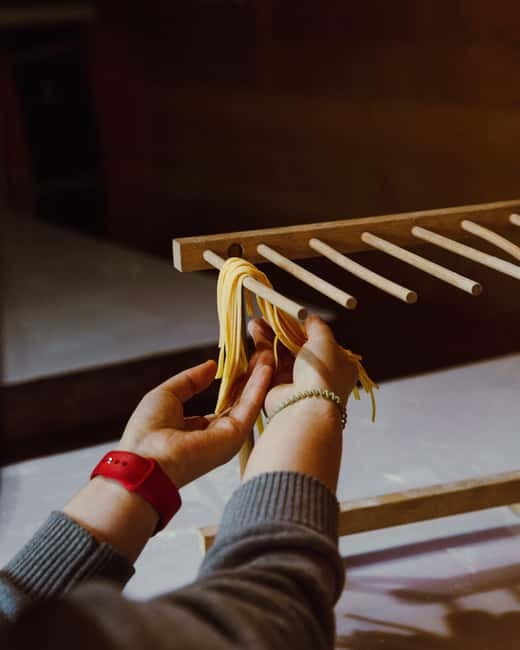
After pizza, the pasta portion keeps the momentum going. The class teaches you how to make three different types of dough, and that variety is what makes the lesson stick.
You learn:
- Traditional egg pasta
- A water-based pasta dough
- A pasta/dough approach using pizza dough (so you understand how dough handling differs across applications)
Then you shape it into multiple formats, including:
- Tagliatelle
- Fusilli
- Farfalle
You’ll also cook sauces to pair with the pasta. The menu is described as seasonal, and you’ll make two seasonal sauces, then eat the pasta you shaped along with those sauces.
This matters more than it sounds. Learning one dough and one shape can feel random later. Learning multiple dough styles and several shapes means you start to understand the logic behind the final texture and how different pastas behave while cooking.
And yes, you’re actually doing the forming. Even if one part of the pizza prep may be partially staged depending on timing (some reports mention the pizza dough might be partially prepared), you still work with dough yourself and you practice the steps that matter for shaping and cooking.
You can also read our reviews of more wine tours in Rome


The wine-and-dinner flow: when you’re eating like an Italian
Throughout the session, you get free-flowing red and white wine. It’s served during the class while you eat what you make. That turns the typical “kitchen workshop” into something closer to a shared meal with instruction around it.
The dining itself happens al fresco—outside on an elegant Roman countryside patio. It’s not just comfort; it keeps the energy social. You’re watching ovens, tasting, and swapping questions with your group while you keep working.
Also, this is a family-friendly experience. The minimum age to take part is 3 years old, and people mention the chefs being patient even with young kids. So if your travel group includes families, this class is structured like one of those rare activities where everyone can participate without feeling like they’re ruining the vibe.
Diet-wise, one important point: vegan participants report that the team took care of their request. If you have dietary needs, mention them in advance—this is the kind of class where clear communication helps the chefs adjust.
The dessert and digestivo finale: tiramisù and chilled Limoncello
You finish the evening with the kind of Italian close that makes people remember the night later.
First comes a homemade tiramisù tasting made fresh on-site. If you’re expecting a huge restaurant portion, you might find the tasting format is more modest (some accounts describe it as a small serving style). Still, it’s homemade and served as part of the class flow, not a random add-on.
Then you get a chilled shot of Limoncello, the iconic digestivo. This is more than a gimmick. It’s a signal that the meal is over, the work is done, and you get to relax with the flavors that scream southern Italy.
If you like closure to your meal experience, this is a nice touch. If you don’t want alcohol, the class does emphasize wine and tastings—so consider that before booking.
Price and value: does $64.06 make sense for what you get?
At $64.06 per person for about 3 hours, this class prices itself like a “mid-range experience with included food.” The real question is whether it’s worth it compared with spending the same money in Rome.
Here’s why it often feels like good value:
- You learn two skill areas—pizza and pasta—instead of only one.
- You eat the dishes you make.
- Wine is included in unlimited free-flow during the class.
- Dessert and Limoncello tastings are included.
- Round-trip transfer from central Rome is included for most travelers.
You’re essentially paying for a packaged evening: instruction + ingredients + kitchen access + wine + dessert. In a city where cooking classes can be expensive and sometimes feel light on actual hands-on work, this one stands out because you’re hands-on for both doughs and shapes.
The cost is also in line with what you’d pay for a good meal plus a guided workshop. If you were going to do a regular dinner anyway, the difference is that here you leave with techniques you can repeat.
Who should book, and who should adjust expectations
This class fits best if you fall into one of these categories:
- You want a hands-on Rome experience, not a passive one.
- You like eating as you learn.
- You’re traveling with a partner, friends, or kids and want a shared activity.
- You want wine included without having to plan it separately.
It might not be ideal if:
- You want to start your cooking from totally raw, step-by-step ingredients with no staging. Some reports suggest the pizza dough might be partly prepared to keep timing on track.
- You want the final pizza to taste exactly like top-tier restaurant pizza. This is still a learning environment, so expect great pizza moments, not a guaranteed match to Rome’s best pizzerias.
- You hate station meetups. The meeting and ending point is Laurentina, with transport back.
A small note on “field comfort”: one report mentions bug bites, so if you’re doing this in warmer months, bring bug spray. It’s the kind of practical detail that saves your legs.
Practical tips for a smoother class day
A few things help you get the most out of the experience:
- Wear clothes you don’t mind getting flour on. This is a working kitchen experience.
- Bring a layer if you run cold. Outdoor seating + possible chilly transport can happen depending on season and weather.
- Go in hungry but don’t stress. You’ll be eating multiple components: pizza, pasta(s), sauces, tiramisù, and wine.
- Ask about dietary needs early. The team has shown flexibility for vegan requests, but it works best when the info is clear ahead of time.
- Plan your evening with a buffer. You’ll finish back at the metro meeting area, so don’t stack another timed activity right after.
Also, keep an eye on what you’re learning. The class gives you a recap document summarizing techniques so you can recreate it at home. If you take notes during the lesson, you’ll get even more value from that paper once you’re back.
Should you book this Rome combo pizza and pasta cooking class?
If your goal is to spend a memorable few hours doing real cooking instead of just touring, I’d say this is a strong pick. The combo of wood-fired pizza, fresh pasta shaping, unlimited wine, and the dessert finale makes it feel like a full Italian meal experience, not a short gimmick.
Book it if:
- You want a hands-on food class with a social dinner rhythm
- You’re excited by technique—dough handling, shaping, and oven baking
- You like the idea of learning pizza and pasta in the same sitting
Skip or reconsider if:
- You can’t do station-based pickup and return
- You’re expecting restaurant-perfection pizza and pasta with no learning curve
- Alcohol tastings and wine free-flow are a mismatch for your travel style
Bottom line: for the money, you’re getting instruction plus an actual meal in a countryside setting just outside Rome. If that sounds like your kind of day, it’s an easy yes.
FAQ
How long is the Rome pizza and pasta cooking class?
The class lasts about 3 hours.
What does the price include?
It includes the pizza and pasta workshop, wine (free-flowing red and white), tiramisù tasting, Limoncello tasting, and round-trip transportation from central Rome with some exceptions.
Where do we meet for the class?
You meet your guide at metro stop Laurentina. Staff with a cooking class sign will be at the exit.
Is transportation included?
Round-trip transport from central Rome is included (with exceptions). The class also ends back at the meeting point.
Are drinks included?
Yes. The class includes free-flowing red and white Italian wine during the workshop.
What are the minimum age requirements?
The minimum age to take part is 3 years old. The minimum drinking age is 18.
Can infants join?
Infants up to 2 years can go for free, but they must be booked for the transportation count and need to sit on the parents’ legs.
What do we make and eat during the class?
You make and bake Neapolitan pizza and make fresh pasta (three dough types and multiple shapes). You also eat the pasta with two seasonal sauces, plus tiramisù and Limoncello at the end.
Is the class language English and Italian?
Yes. Instruction is offered in English and Italian.
What’s the cancellation policy?
You can cancel up to 24 hours in advance for a full refund.
Do I get anything to take home?
Yes. You receive a recap document summarizing the techniques you learned so you can recreate the dishes later.