REVIEW · COLOSSEUM, FORUM & PALATINE TOURS
Rome: Colosseum & Forum Small Group Tour with Palatine Hill
Book on GetYourGuide →Operated by Rome Your Way · Bookable on GetYourGuide
A few sites in Rome feel like they explain the whole city. This one does, with skip-the-line entry to the Colosseum, a walk through the Roman Forum, and a high viewpoint over the ruins.
Two things I really like: you get guided time at the Colosseum (including the first and second tiers) so it’s not just standing in front of big stone, and you’re also taken to the Palatine Hill view so the Forum finally makes visual sense. The stories around gladiator life and Roman politics land much better when you can actually see where it all happened.
The main drawback to plan for is practical: the tour has strict no-shorts and no-backpacks rules, and you’ll be walking on uneven ground for about 3 to 3.5 hours. If you’re carrying extra gear or hoping for a super casual stroll, this may feel restrictive.
In This Review
- Top things you’ll love about this Colosseum & Forum tour
- How the tour sets you up near the Colosseum (and keeps you moving)
- Skip-the-line entry: what you gain by entering faster
- Inside the Colosseum: tiers, gladiators, and real architectural clues
- Palatine Hill viewpoint: the moment the Forum clicks
- Roman Forum walking: temples, power, and daily life in fragments
- Capitoline-area views, Pantheon sighting, and the finish near Piazza Navona
- What to wear and bring so the tour stays comfortable
- Value check: how $63.54 makes sense for this 3 to 3.5-hour day
- Who should book this tour, and who should pick something else
- The guides: why the stories can make or break the day
- Should you book this Colosseum & Forum small-group tour?
- FAQ
- How long is the Colosseum and Forum small-group tour?
- Does this tour really skip the ticket line?
- What’s included in the price?
- Is hotel pickup included?
- What do I need to bring, and what can’t I bring?
- Is the tour wheelchair accessible?
Top things you’ll love about this Colosseum & Forum tour
- Skip-the-line access so you lose less time to Rome’s worst queues
- Guided walk in the Colosseum with stories of gladiator fights and how the building worked
- Photo stops plus real time to look, not just rush-past sightseeing
- Palatine Hill panorama that helps you understand the Forum’s layout
- Headsets when needed so you can hear your guide even in busy areas
How the tour sets you up near the Colosseum (and keeps you moving)
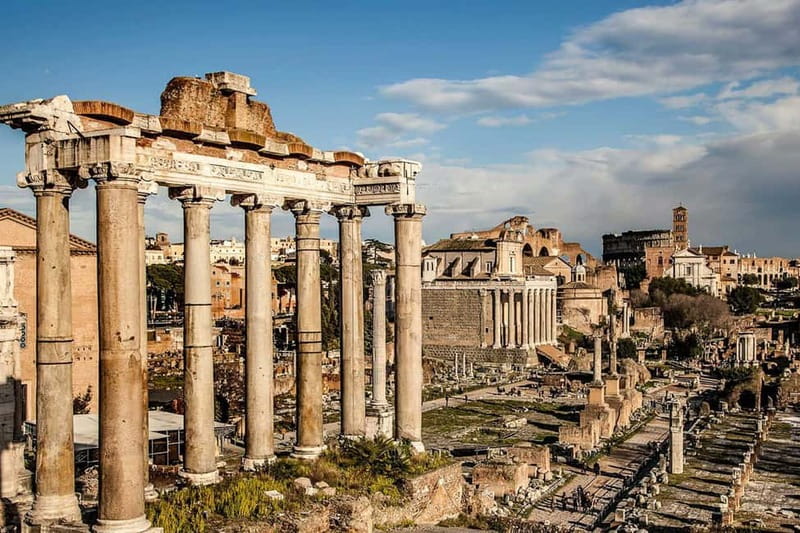
This is a small-group style tour that starts from one of several meeting points near the Colosseum area. You’ll want to arrive a little early and be ready to show your ID, since the tour requires a valid passport or ID card for everyone in the group (children included).
The timing matters here. Departures are either early morning or later afternoon, which is smart because you can dodge peak crowds and heat more often than the midday crush. It also means you’re more likely to keep a steady pace instead of feeling like you’re waiting on the wrong side of a crowd.
You’re not going to get hotel pickup, so you’ll be navigating on your own to the start point. That said, the upside is you’re directly anchored to the Colosseum zone, and you spend your energy on the sights rather than transit.
You can also read our reviews of more tours and experiences in Rome.
Skip-the-line entry: what you gain by entering faster
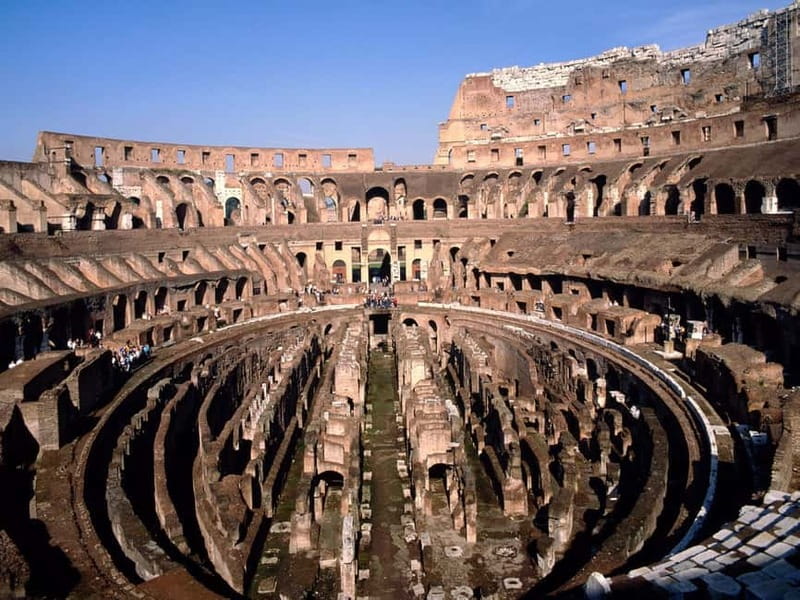
Rome’s ticket lines can eat hours. Here, you’re paying for the shortcut: skip-the-ticket-line entrance plus admission fees handled through the tour.
That value isn’t just convenience. When the group gets in quickly, the tour stays coherent: your guide can explain the Colosseum’s purpose and structure before you’re distracted by the roar of other visitors. It turns the visit from a photo mission into a guided walk with context.
You’ll also be given headsets when needed, which makes a real difference in loud, crowded spaces. I like tours that don’t force you to guess what the guide is saying from ten feet away, and this one is built for hearing clearly.
Inside the Colosseum: tiers, gladiators, and real architectural clues
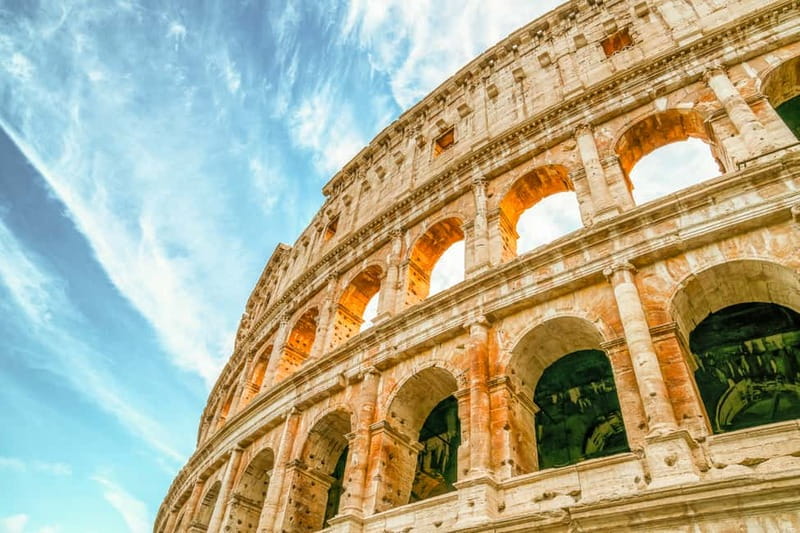
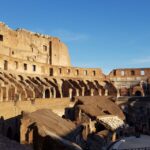
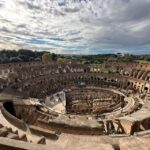
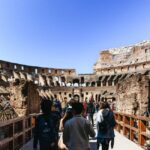
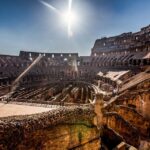
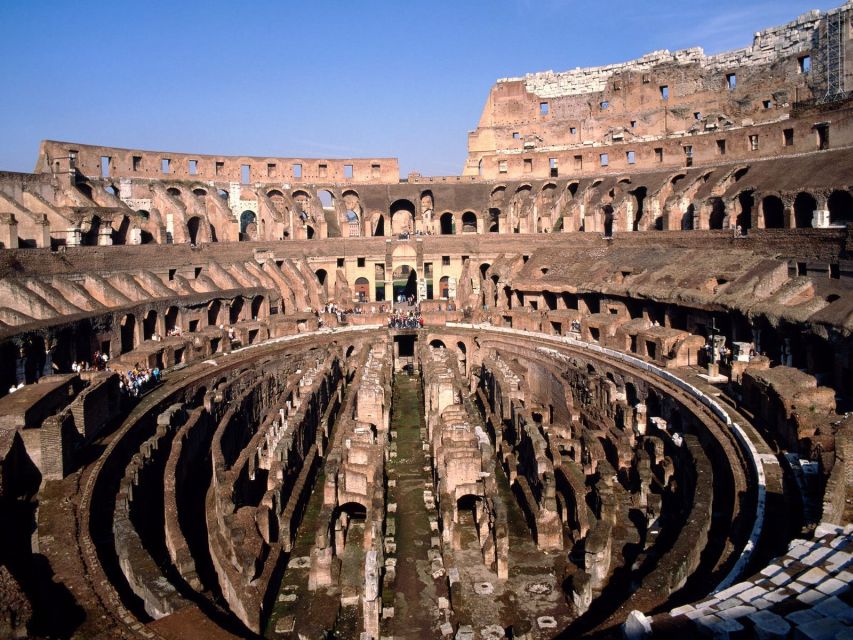
The Colosseum stop is about an hour of guided walking, and the structure of the tour is designed to make the building readable. Instead of treating it like one massive oval, you learn how the space was organized and why the fights mattered.
A big highlight is time in the Colosseum’s first and second tiers while you hear stories about gladiator history. Even if you know the basics, the guide’s job is to connect the spectacle to Roman society—who watched, why it was staged, and how the arena’s design supported the show.
Practical note: the Colosseum can feel big and confusing if you don’t have a route. With a guided flow, you get to see key sections without constantly backtracking. Some of the best moments come when you pause and look up or across—your guide points out what you’d normally miss at first glance.
Palatine Hill viewpoint: the moment the Forum clicks
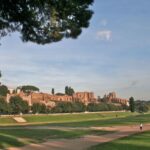
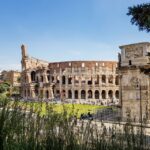
Palatine Hill is where the Roman Forum often turns from a pile of ruins into a story you can picture. This stop includes a guided visit plus a photo stop, and it’s around one hour.
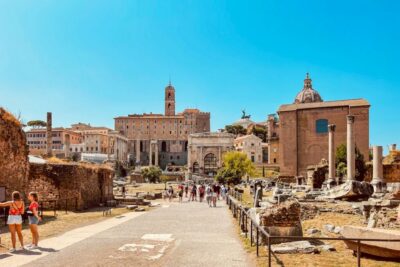
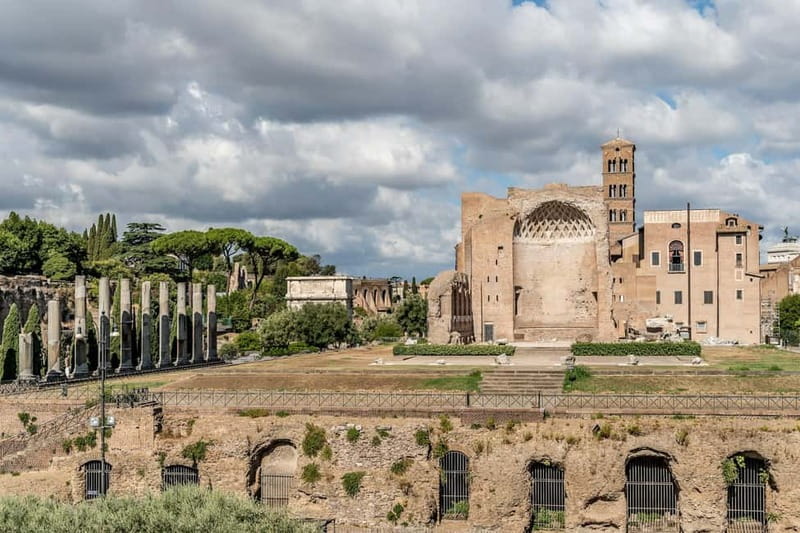
Why it works: you’re getting height. From here, the Forum area reads like a map—temples, routes, and the “why” behind the city’s layout become easier to understand. If you’ve ever visited the Forum and felt like you were staring at scattered columns, this is the fix.
It’s also a good place to slow down. The tour includes breaks built into the pacing (photo time and comfort stops are part of how the best guides run it). If you’re traveling in hot weather, a viewpoint stop can be a welcome rhythm change from dense crowd zones.
Roman Forum walking: temples, power, and daily life in fragments
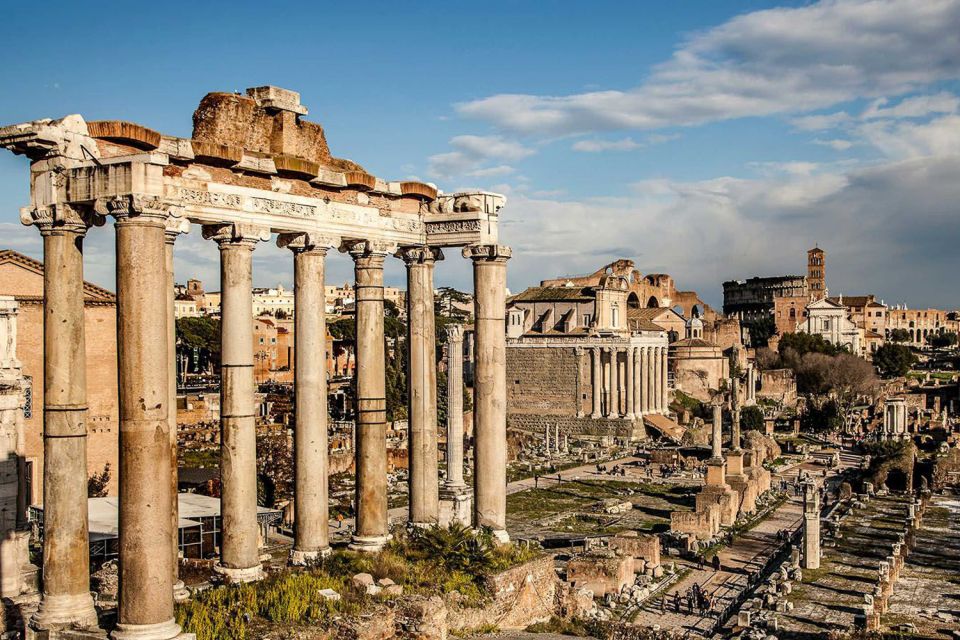
Your Roman Forum portion is another guided walk and guided visit of about one hour. This is where you learn how Rome worked, not just what it built.
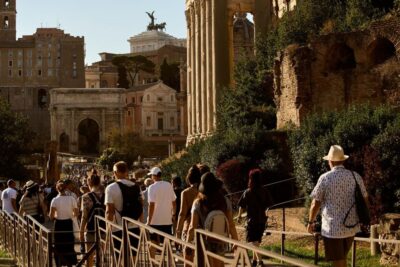
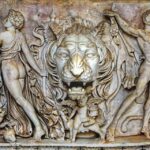
Expect to wander through the ruins while your guide explains details you’d probably skip on your own. You’ll see the kinds of remnants that were once public arenas of power—temples, columns, and sculptures—now reduced to stone footprints. The guide helps you mentally rebuild what those places were for and who used them.
This is also one of the most visually satisfying areas of the tour because you get continual moments of discovery. You look at a column and the guide connects it to a Roman purpose—politics, religion, or social life—so the ruins start speaking.
The Forum is not a quick stop. If you rush it, it turns into background. In this format, the focus is on understanding, not ticking boxes.

Capitoline-area views, Pantheon sighting, and the finish near Piazza Navona
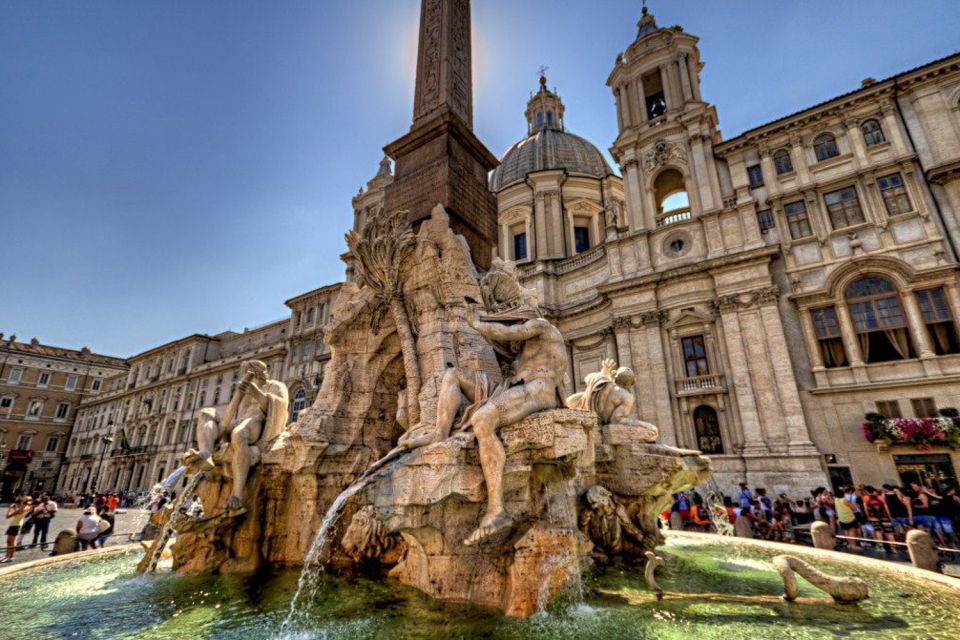
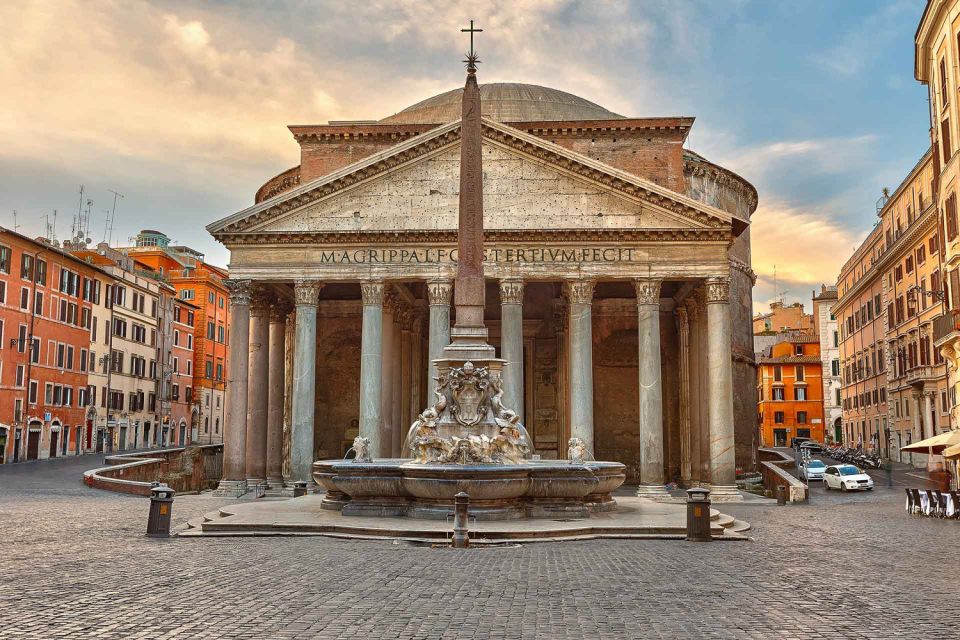
The tour description points to a route that includes viewpoints around Capitoline Hill, plus a connection to the Pantheon and finishing near Piazza Navona (one of the listed drop-off options). Even when the day is structured around Colosseum and Forum, the later part helps you transition back into the classic Rome walking circuit.
Piazza Navona is a smart finish location because it’s central and easy to turn your remaining time into your own plan. You can grab a meal nearby, wander streets at your own pace, or connect to other sights without having to figure out a long ride back across town.
If you’re the type who likes to end with atmosphere—street life, fountains, and a lively square—this finish location tends to feel more natural than returning to a far-off hotel zone.
What to wear and bring so the tour stays comfortable
This tour is built for walking and it’s not wheelchair accessible. The ground can be uneven, and the day is about moving between iconic points, not lingering in quiet museums.
Here’s what you should plan for based on the tour rules:
- Bring a passport or ID card
- Wear clothing that fits the restrictions: no shorts and no sleeveless shirts
- You can’t bring large bags, luggage, trolleys, or backpacks
- Strollers (including baby strollers) aren’t allowed
Now, the subtle part: even if you think you can “manage with a small daypack,” it can still trip the rules. I’d rather you travel light and keep essentials simple—water, your ID, a phone, and maybe a thin layer.
Good shoes are non-negotiable. One solid tip from the way guides run this is that they keep you moving efficiently, but you still need stable footing. Uneven pavement plus packed areas is not the time for fragile sandals.
Value check: how $63.54 makes sense for this 3 to 3.5-hour day
At around $63.54 per person for roughly 3 to 3.5 hours, the price is mainly buying three things:
1) skip-the-line entry handling at major sites
2) a professional guide who explains what you’re seeing
3) convenience add-ons like admission fees and headsets
For first-time visitors, this can be a strong deal because the Colosseum and Roman Forum are the biggest “you’ll get more out of this with context” stops in Rome. If you arrive on your own, you might still enjoy them—but you’ll likely spend time decoding on your own while other tourists and queues slow your momentum.
That’s why I think the value works best if you want understanding, not just screenshots. If your goal is a fast hit of the sights with minimal walking and minimal learning, you might feel boxed in. But if you want the payoff of having someone connect gladiator spectacle and Roman political life to the stones in front of you, this format fits.
Who should book this tour, and who should pick something else
This is a great match if you:
- are visiting Rome for the first time and want a clear introduction
- like history but also want it explained in a way that makes the sites feel real
- prefer guided pacing to wandering without a plan
It may not be ideal if you:
- need wheelchair access (it’s not suitable)
- hate rules about clothing or bags
- want an extremely short visit where you can stay on your own schedule
In other words: this is for people who enjoy structure. A small-group guided walk can feel like a cheat code in places as crowded as the Colosseum and Forum.
The guides: why the stories can make or break the day
The reviews and general pattern point to one key idea: the guide matters a lot here. Names like Marketa, Fluvia, Priscilla, Titiana, Adela, Ava, and Frederico come up with the same theme—clear speaking, strong organization, and a way of turning stone into scenes.
What you should hope for (and what good guides tend to do):
- keep the group together with crowd control
- give timing for photos and comfort breaks
- explain architecture and how the “games” unfolded
- answer questions as you go, rather than rushing everything
I also like that the tour uses headsets, which supports a clear explanation in loud areas. When the communication is good, you stop feeling like you’re missing the plot.
Should you book this Colosseum & Forum small-group tour?
Book it if you want a smarter first visit to Rome’s most loaded ruins—one where you get skip-the-line time and a guide who keeps the story tied to what you’re actually standing in front of.
Hold off if you’re traveling with gear that you can’t bring (since backpacks and large bags aren’t allowed) or if you’re hoping for a relaxed, no-rules stroll. In that case, you’ll likely feel friction.
My take: for the price and time, this tour is one of the best ways to make the Colosseum and Roman Forum click. You’ll leave with clearer mental pictures—and fewer hours lost in lines.
FAQ
How long is the Colosseum and Forum small-group tour?
It runs about 3 to 3.5 hours. Starting times vary, so you’ll want to check availability for the exact departure.
Does this tour really skip the ticket line?
Yes. You get skip-the-line entrance for the Colosseum, and the tour is designed to reduce waiting at the major sites.
What’s included in the price?
Included are a professional guide, skip-the-line entrance, admission fees, and headsets when needed. You also receive instant confirmation.
Is hotel pickup included?
No. There is no hotel pickup or drop-off.
What do I need to bring, and what can’t I bring?
Bring a valid passport or ID card. Shorts, sleeveless shirts, baby strollers, luggage or large bags, and backpacks are not allowed. There’s also no luggage storage.
Is the tour wheelchair accessible?
No, this tour is not suitable for wheelchair users.