REVIEW · MUSEUMS
National Museum of Palazzo Massimo: 2-Hour Private Tour
Book on GetYourGuide →Operated by Rome Guides · Bookable on GetYourGuide
Roman life gets explained up close here. The National Museum of Palazzo Massimo turns ancient habits and everyday beliefs into a walk you can actually follow, with a professional English-speaking guide guiding the story behind the art and artifacts.
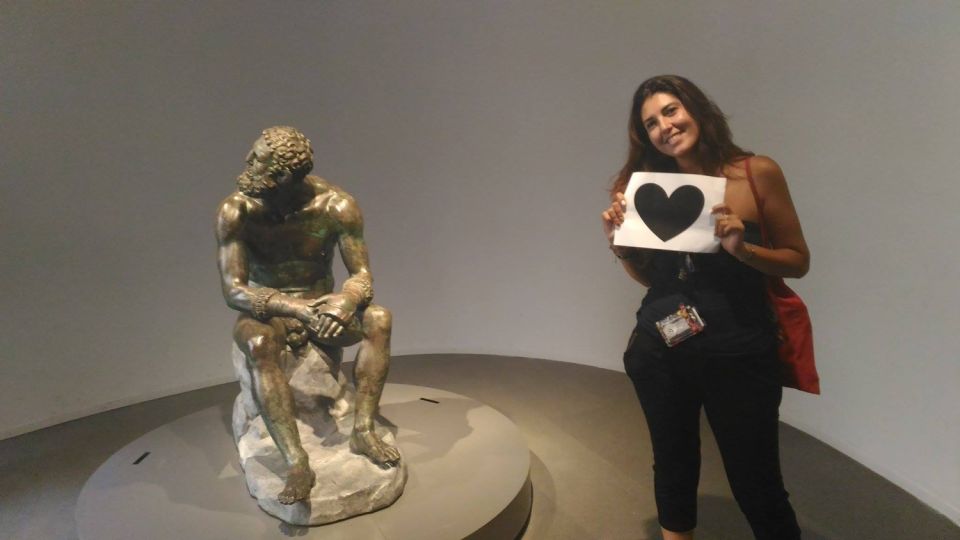
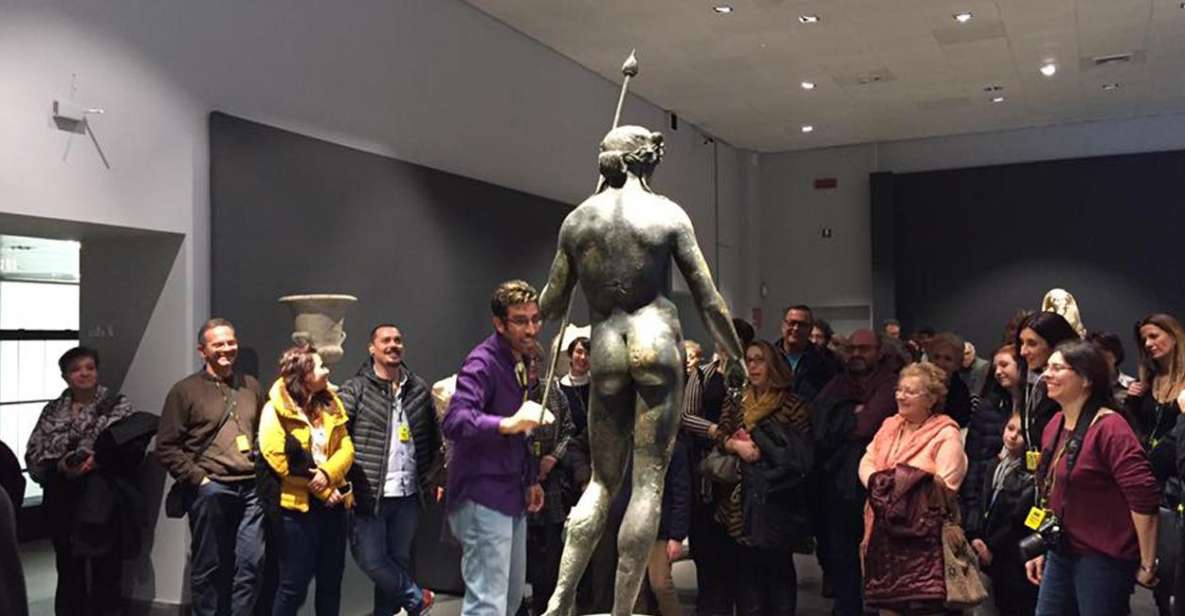
I love that the tour zooms in on specific works you can point to and understand fast, including the Boxer at Rest.
What really seals it for me is how your guide connects objects to how Romans lived: timekeeping with calendars, the way they portrayed heroes, decorating homes, and what they believed about death and religion. One thing to consider: the tour is only 2 hours, so if you like to linger slowly in museums, it can feel a bit quick.
In This Review
- Key Highlights You’ll Remember
- Palazzo Massimo: Why This Museum Works in Just Two Hours
- Meeting Your Guide and Getting Oriented Fast
- Stop 1: Ancient Calendars from Praeneste and Anzio
- Stop 2: The Boxer at Rest and Roman Ideas of Heroism
- Stop 3: Villa of Livia Frescoes and the Language of a Roman Home
- Stop 4: Marble Gods—Roman and Greek in One View
- Stop 5: The Sarcophagus of Portonaccio and What It Says About Death
- The Private Guide Factor: What Makes This Tour Feel Special
- What’s Included (and Why It Matters for Value)
- Who This Tour Suits Best
- Practical Notes for a Smooth Visit
- Should You Book This 2-Hour Private Tour?
- FAQ
- How long is the National Museum of Palazzo Massimo private tour?
- What languages are available for the guide?
- Is this a private group tour?
- What’s included in the price?
- What is not included?
- Where do we meet for the tour?
- When should we arrive?
- Is the tour outdoors?
- Are there luggage restrictions?
Key Highlights You’ll Remember
- Ancient calendars from Praeneste and Anzio show how Romans organized time in real civic life.
- The Boxer at Rest gives you a sharp look at Roman admiration for disciplined bodies and heroic ideals.
- Frescoes from the Villa of Livia help you understand what Roman domestic rooms were meant to communicate.
- Marble gods of Roman and Greek worlds show how cultures borrowed and reshaped religious imagery.
- Portonaccio’s sarcophagus battle scene makes the idea of honoring the dead feel concrete, not abstract.
Palazzo Massimo: Why This Museum Works in Just Two Hours
The National Museum of Palazzo Massimo is a strong pick when you want a Roman museum that feels purposeful. You’re not just looking at “cool stuff.” You’re learning how Romans built meaning into daily life—through public systems like calendars, through art and portraiture, and through home decoration and funerary ritual.
A private format matters here. With a group, you often spend time matching pace to other people. In a private tour, your guide can slow down for the details that click for you—then move on before you get bored. And with a subject like ancient Rome, those small explanations are the difference between staring at objects and understanding what they’re doing.
The tour runs in rain or shine, and you’re told up front to arrive about 15 minutes early so you’re not scrambling at the doorway. You’ll also get entry tickets distributed at the start, and your guide will be waiting in front of the entrance holding a sign with the tour name.
You can also read our reviews of more private tours in Rome

Meeting Your Guide and Getting Oriented Fast
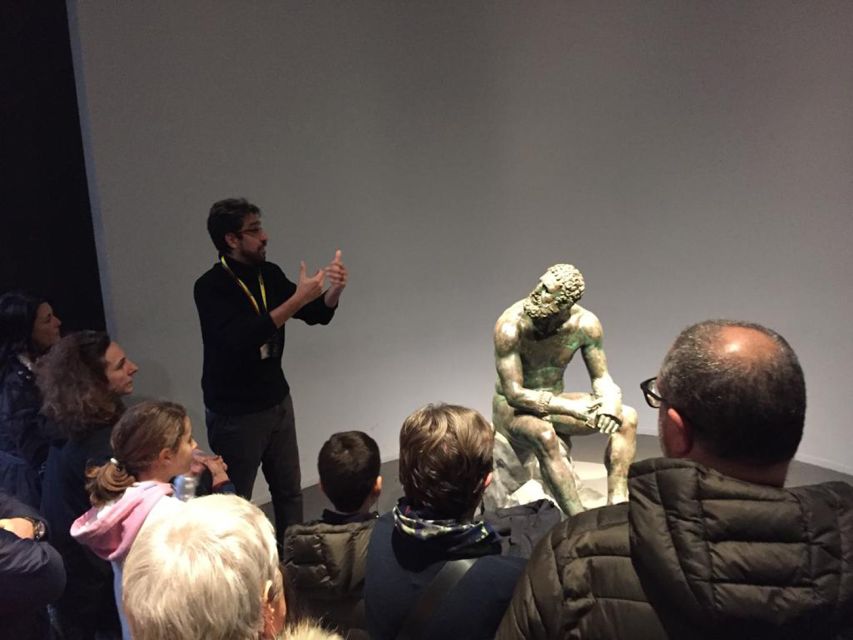
You’ll meet your guide right by the museum entrance with a clearly marked sign. That sounds basic, but it’s a real help at Palazzo Massimo, since the building can feel easy to navigate incorrectly if you’re arriving hungry for answers.
Your guide is English, with Italian also offered. That’s a practical plus: you’ll understand the main thread without forcing yourself to decode museum labels. If you’re traveling with someone who prefers Italian, it also keeps the experience from becoming two separate tours happening in parallel.
One more practical note that improves your visit: no luggage or large bags are allowed. So if you’re the type who carries everything “just in case,” this is a good moment to pack light. Your two-hour window will feel smoother when you’re not dealing with bag rules mid-tour.
Stop 1: Ancient Calendars from Praeneste and Anzio
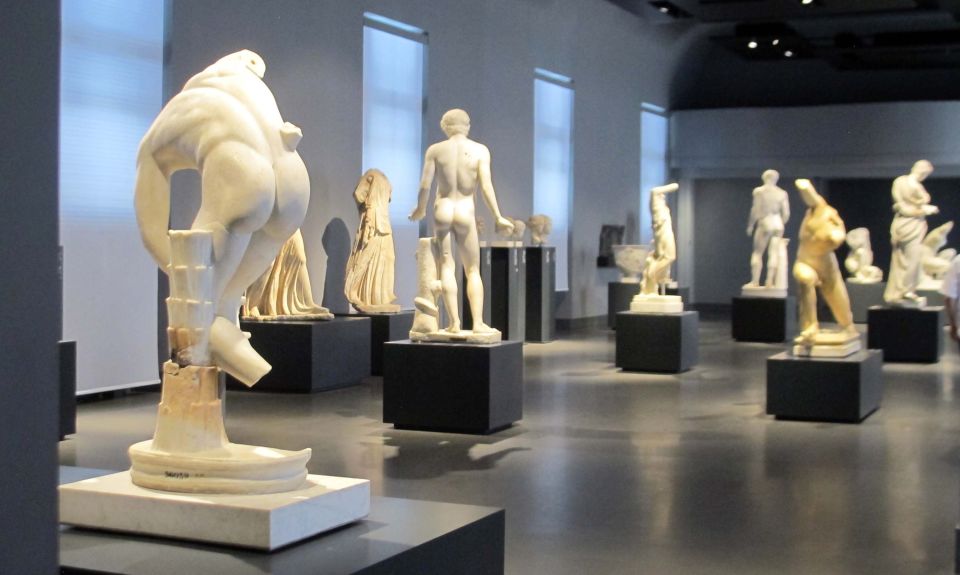
This is one of my favorite angles of the whole experience because it’s tangible. Your guide will point you to ancient calendars found in the cities of Praeneste and Anzio, and then help you connect them to real habits: how time wasn’t an abstract concept, but a civic tool.
When you understand calendars, you start seeing Rome differently. Dates are tied to elections, festivals, religious observances, and public rhythm. So instead of treating the calendar like a nerdy artifact, your guide explains why it mattered—who used it, what it regulated, and how it kept a complex society coordinated.
It also helps you appreciate why Romans linked religion and government so tightly. You’re not just looking at symbols. You’re seeing a system built to keep people aligned with a shared schedule and shared beliefs.
Stop 2: The Boxer at Rest and Roman Ideas of Heroism
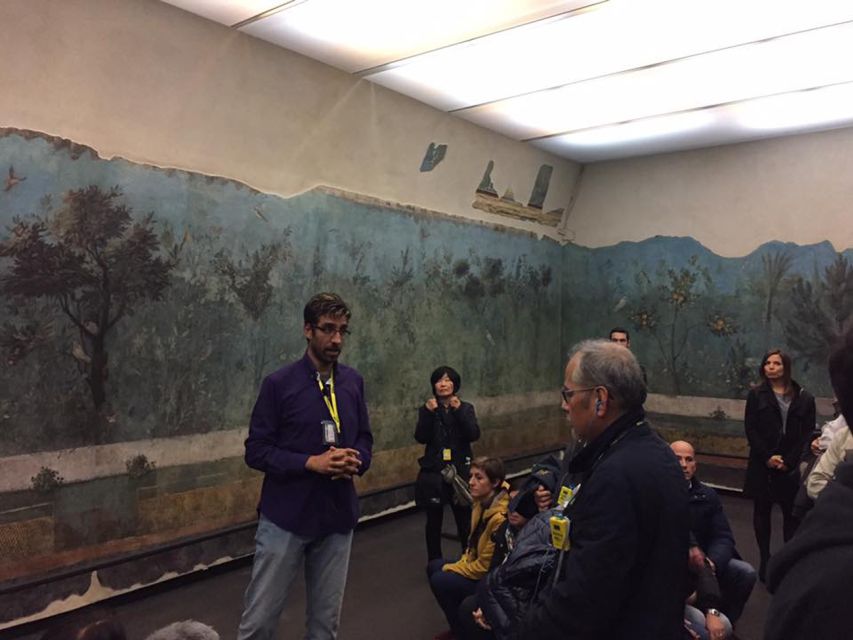
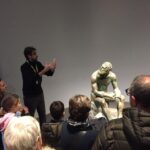
Next comes the famous Boxer at Rest. Even if you’ve seen the statue in photos, seeing it in person hits differently because the details are what carry the story. Your guide frames it as one of the most beautiful statues of ancient Rome, but more importantly, as a window into how Romans admired strength, discipline, and the “ideal human” in a very specific way.
This is where your private guide shines. In a good two-hour tour, the guide shouldn’t just tell you what something is. They should explain what people thought it represented. Here, the story is about portrait ideals and the kind of heroism Romans wanted to honor—something physical, controlled, and recognizable.
You’ll probably find yourself looking longer than you expect. That’s a sign the explanation worked. And from what I’ve seen with tours that go well, moments like the Boxer can turn a museum into a set of clear chapters instead of random highlights.
Stop 3: Villa of Livia Frescoes and the Language of a Roman Home
The tour also includes the frescoes of the Villa of Livia. Frescoes are more than decoration. They’re a form of communication—about taste, status, and the kind of world a household wanted to project.
Your guide will walk you through what you’re seeing and how those images relate to Roman domestic life. The key value here is interpretation. Many people can spot that frescoes are painted walls. Fewer people understand why those images mattered to the residents and how they fit into broader Roman visual culture.
You’ll also hear how Romans used art to shape daily spaces. And that connects back to the broader tour theme: Romans had traditions and institutions that didn’t just live in temples or offices. They lived inside homes.
So when you look at frescoes, you can think of them as an environment—one designed to frame how people experienced the rooms they used every day.
You can also read our reviews of more museum experiences in Rome
Stop 4: Marble Gods—Roman and Greek in One View
Another major highlight is walking among marble statues of Roman and Greek gods. This section is valuable because it gives you a quick reality check: Roman religion was not a sealed-off system. It borrowed, rebranded, and fused imagery.
Your guide will help you examine the statues with that context in mind, so you’re not just memorizing names. You’ll be thinking about what the gods represented, how the images worked, and why you see this blend across Roman art.
For many visitors, this is the moment the museum stops being “a collection” and becomes a cultural map. Gods in marble are a shortcut to understanding what people wanted to believe, what they feared, what they hoped for, and how they expressed those ideas visually.
If you like moments where art ties directly to beliefs, this is one of the strongest parts of the tour.
Stop 5: The Sarcophagus of Portonaccio and What It Says About Death
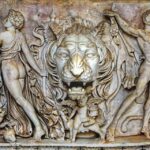
Then you reach the sarcophagus of Portonaccio. The defining detail is the battle scene, and the guide uses it to talk about something Romans treated with major importance: venerating the deceased and the religious aspects surrounding death.
It’s easy to treat funerary art as “sad art.” But your tour framing makes it something else: it becomes part of how Rome managed memory, honor, and identity. A sarcophagus like Portonaccio isn’t just an object at rest. It’s an intentional message meant to preserve status and meaning.
The battle scene is especially useful because it gives you a hook. Instead of seeing ornament only, you can look at action—then connect it to what the family wanted the dead person to be remembered for. That’s the kind of explanation that makes the two hours feel earned.
And yes, this is also where the tour’s pacing matters. With the right guide, you don’t just look at the scene. You understand why the scene was chosen.
The Private Guide Factor: What Makes This Tour Feel Special
Two private-tour experiences can look identical on paper: a museum, a guide, a couple of highlights. The difference is how the guide explains those highlights.
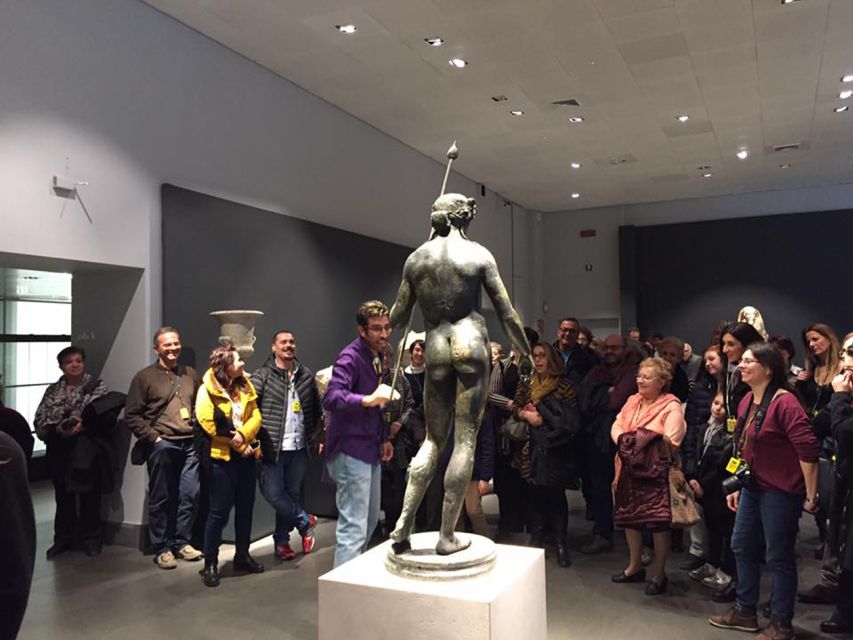
One standout detail from guide performance: Vincenzo comes up as an excellent example of what works. People described him as engaging, lively, and informative, and praised how he helped make key characters and activities from ancient Rome clearer. That’s exactly the kind of guide style that helps you stop feeling like you’re “reading about ancient Rome” and start feeling like you’re seeing how it operated.
The best guides also use animated descriptions without turning the tour into a performance. You want clarity first, energy second. And from the way these tours are experienced, the energy is used to keep you interested while the facts land.
Also, when the tour clicks, time passes fast. That’s not a small thing. It usually means the explanations were well paced for a two-hour visit.
What’s Included (and Why It Matters for Value)
This tour includes entry tickets, the guide, and a private tour format. It does not include hotel pickup or drop-off.
For value, the big question isn’t just the price—it’s what you gain in understanding. At $130.28 per person for a 2-hour private tour, you’re paying for three things at once: access (ticketed entry), interpretation (a guide who connects objects to meaning), and focus (private pacing rather than group logistics).
If you’re the kind of traveler who can read labels and still feel satisfied, you could do the museum on your own. But if you want the museum to explain itself—fast and clearly—this is where the price starts to look more reasonable. Two hours is short enough that guidance helps you avoid wandering aimlessly, and long enough that you can actually learn something beyond surface facts.
Who This Tour Suits Best
I think this private tour fits best if you’re:
- Interested in how ancient Rome worked day-to-day, not just famous emperors and battles.
- Curious about Roman religion, funerary beliefs, and how those beliefs show up in objects.
- Hoping for a guided interpretation of major works like the calendars, Boxer at Rest, Livia frescoes, and Portonaccio.
It may feel less ideal if you want a slow, self-paced museum day where you can spend long stretches staring at everything without interruption.
Practical Notes for a Smooth Visit
A few small realities help you enjoy the tour more:
- Arrive 15 minutes early so you don’t stress at the start.
- Bring a passport or ID card for children.
- Plan for rain or shine.
- Skip large luggage since it’s not allowed.
Also, since it’s a private group, the tour time is focused. That means you should show up ready to pay attention and ask questions, if you have them.
Should You Book This 2-Hour Private Tour?
I’d book it if you want a tight, guided Rome museum experience that explains how Romans lived, believed, and organized their world. The combination of the Roman calendars, Boxer at Rest, Livia frescoes, marble gods, and the Portonaccio sarcophagus gives you a strong spread: public life, heroic ideals, home decoration, religion, and death rituals—all connected through a guide who keeps things moving.
If you’re traveling with someone who gets restless in museums, a private guide can prevent the usual slump by keeping the focus clear. And if you’re a museum person, you’ll appreciate that the highlights are the kind that benefit from interpretation, not just admiration.
If you prefer long unstructured museum time, you might choose a self-guided day instead. But for learning a lot in a short window, this private tour is a smart use of time in Rome.
FAQ
How long is the National Museum of Palazzo Massimo private tour?
It lasts 2 hours.
What languages are available for the guide?
The live guide is available in English and Italian.
Is this a private group tour?
Yes, it’s a private group.
What’s included in the price?
Entry tickets and the guide are included, along with the private tour.
What is not included?
Hotel pickup and drop-off are not included.
Where do we meet for the tour?
You meet in front of the museum entrance, where the guide waits holding a sign with the tour name.
When should we arrive?
Please arrive 15 minutes before the activity starts.
Is the tour outdoors?
The tour takes place rain or shine.
Are there luggage restrictions?
Yes. Luggage or large bags are not allowed.