REVIEW · VATICAN & SISTINE CHAPEL TOURS
Private Vatican Tour with the option to visit St. Peter’s
Book on GetYourGuide →Operated by Gaudium Travel · Bookable on GetYourGuide
Rome’s fastest route into the Vatican starts with timing. This private Vatican tour is built to get you inside the Vatican Museums and the Sistine Chapel without getting stuck in the general entrance crush. I like that you get skip-the-line tickets plus an English guide, so you spend your time looking instead of queuing.
The route also pays attention to the details that usually get missed. You’ll move through standout museum spaces like the pinecone and octagonal courtyards, then hit the Room of the Muses and the Greek Cross Room to see the sarcophagi tied to the Constantine family, before reaching the Sistine Chapel. One thing to weigh: St. Peter’s Basilica is not guaranteed, since access depends on priority ticket availability and last-minute closures.
Key points I’d plan around
- Skip-the-line entry for the Vatican Museums and Sistine Chapel
- A private, English-speaking guide with headsets so you can actually hear the story
- Museum stops with clear “this is why it matters” moments, from early courtyards to cartography
- Sistine Chapel timing that’s designed to help you understand Michelangelo’s workload and themes
- St. Peter’s Basilica is optional with conditions, not a sure thing
In This Review
- A private Vatican route that trades queues for context
- Vatican Museums highlights: courtyards, galleries, and cartography
- Sistine Chapel in about 30 minutes: what to focus on
- St. Peter’s Basilica option: how priority access really works
- Price and value: what $368.18 per person buys you
- Practical tips before you go: dress, ID, and the no-photo rule
- Who should book this tour (and who might skip St. Peter’s expectations)
- Final call: should you book?
- FAQ
- FAQ
- How long is the private Vatican tour?
- What does the tour include for skip-the-line access?
- Is St. Peter’s Basilica included?
- Can the Vatican tour still run if St. Peter’s closes?
- What are the dress requirements?
- Can I take photos or videos in the Sistine Chapel?
- Do I need to bring ID?
- Is the tour wheelchair accessible?
A private Vatican route that trades queues for context
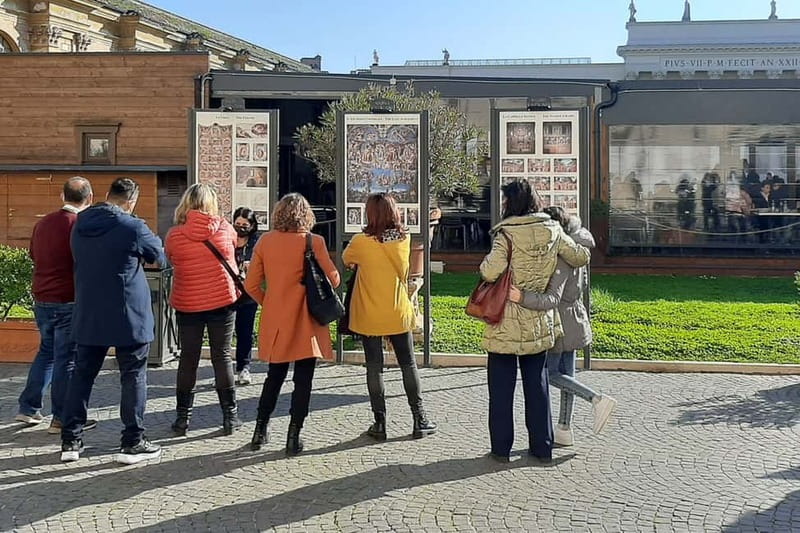
The Vatican is one of those places where speed matters, but not in a boring way. The advantage of this tour is that it’s structured to help you get inside faster and then slow down just enough to make sense of what you’re seeing. You’re not fighting a mass of people for the best angles or the best listening spots.
I also like the human scale here. This is a private group setup, so your guide can steer you through the museums efficiently and keep the pacing workable. In the past, guides with names like Janette, Debra, Lara, and Slob have been singled out for bringing art and history to life with humor and clear explanations. That matters because the Vatican can feel like a blur if you’re left to your own devices.
One more practical detail: you’re given headsets, which is huge when the rooms get crowded. Even so, it’s still a very public space. If you tend to get frustrated by noise, plan your mindset: you’re touring inside the most visited art complex on Earth.
Vatican Museums highlights: courtyards, galleries, and cartography
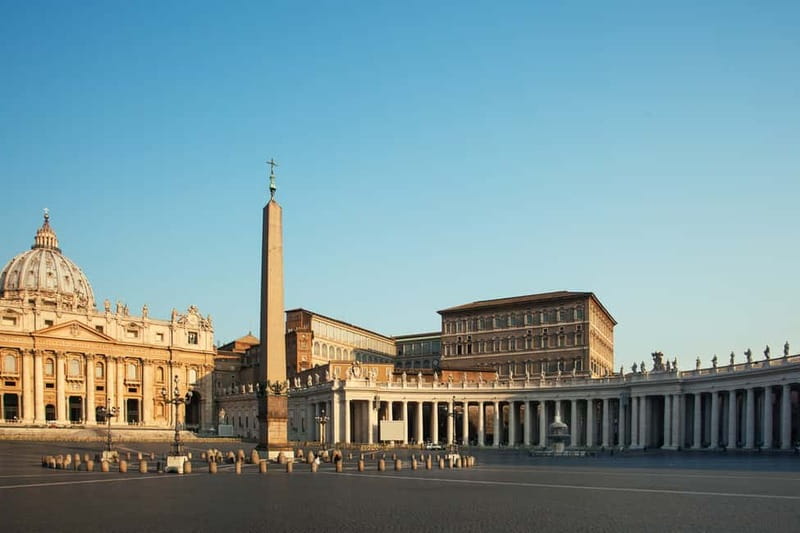
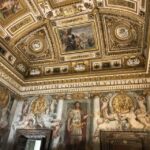
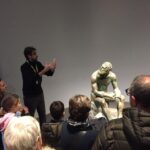
You’ll start with the Vatican Museums visit (about 2 hours with a guided walkthrough). This part is where the tour earns its keep, because it doesn’t just say “look at art.” It steers you toward the specific rooms and themes that make a first visit click.
Expect to see the Pinecone and Octagonal courtyards, which help you orient yourself fast. Then the tour moves into key interior galleries and rooms, including:
- The Room of the Muses
- The Round Room
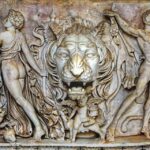
- The Greek Cross Room, where you’ll find the two sarcophagi of the Constantine family
- The Candelabra and Tapestries galleries
- A stop for the private collection of Pope Gregory XIII, including impressive Italian cartography
Why this works for most people: the Vatican Museums are huge, so any “see everything” plan is fantasy. A guided route is a smarter promise. It’s still impossible to experience every corner in one session, but you’ll get a chain of meaningful stops instead of random wandering.
The only real downside to keep in mind is pacing. The museums section is designed for highlights in a limited time window. If you’re the type who likes to linger for 20 minutes on one ceiling, you might wish you had more hours in the galleries. On the other hand, if you want the big recognizable moments and the stories behind them, this tour’s structure fits well.
You can also read our reviews of more private tours in Rome
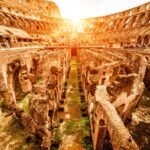
Sistine Chapel in about 30 minutes: what to focus on
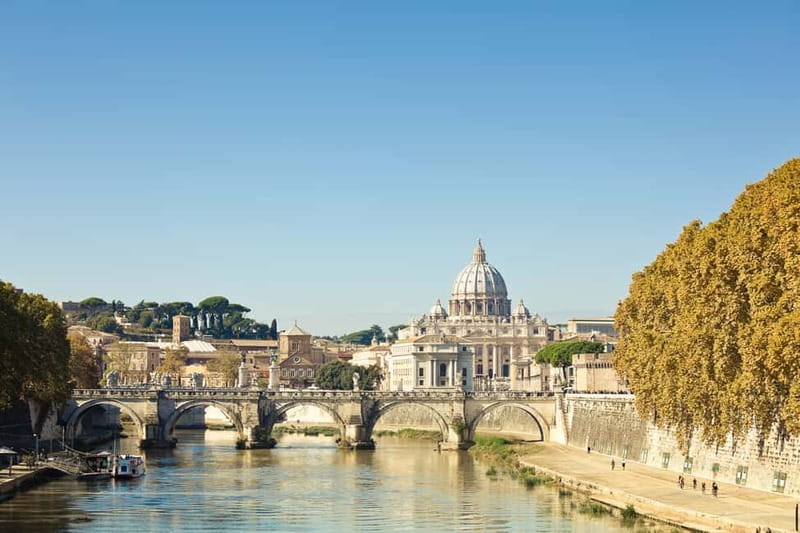
After the museum portion, you’ll head to the Sistine Chapel for about 30 minutes. This is short by design, and that’s not an accident. The Chapel is where people get overwhelmed, because it’s both visually intense and emotionally charged.
No photography or filming is allowed here, so your best “souvenir” is mental. Your guide is there to point you to what matters, including the challenges Michelangelo faced while laboring for countless hours on the scaffolding. That kind of framing changes the experience. Instead of just seeing the final frescoes, you understand the physical reality behind them.
You’ll also hear about the Chapel’s role as the setting where eligible cardinals convene to elect a new pope. If you’re more of an art person, this context might feel surprising. If you’re more of a history person, it adds weight to what you’re looking at.
One listening tip: even with headsets, aim to stand where you can face both your guide and the Chapel’s artwork. Some spaces naturally funnel sound and sight better than others.
St. Peter’s Basilica option: how priority access really works
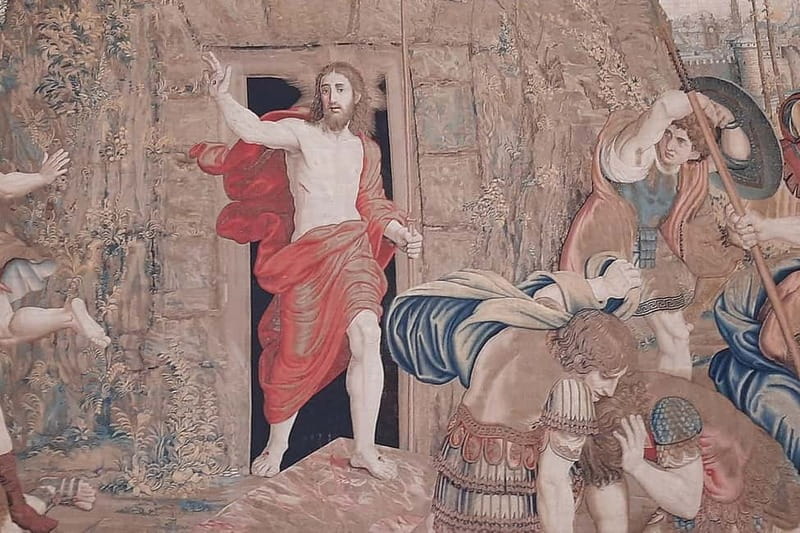
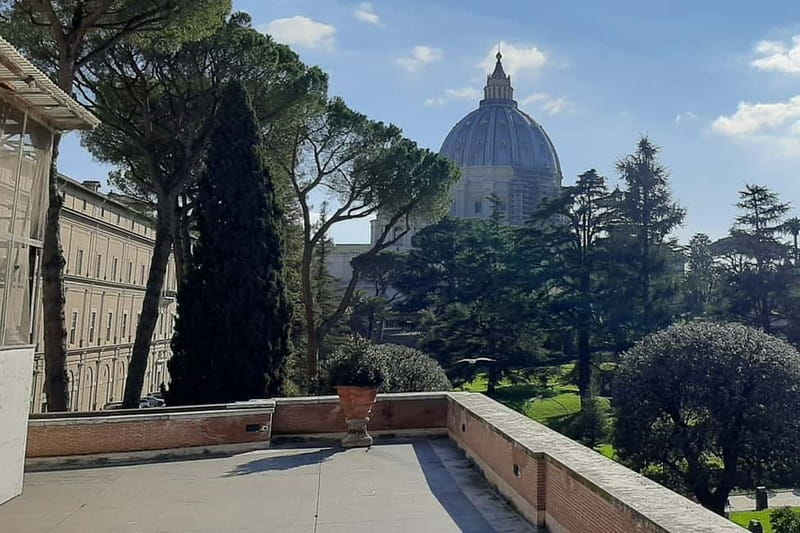
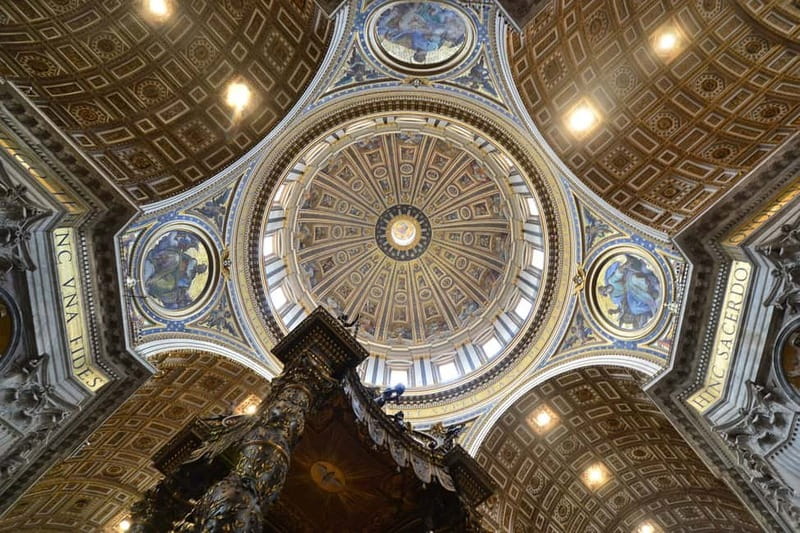
St. Peter’s Basilica is the big finale, but you need to treat it as an option with conditions. The tour can include it through priority entrance tickets that start from March 1, 2025, but they’re nominal, non-refundable, and can be bought up to 48 hours before your visit depending on availability.
So here’s the honest planning reality: access is not guaranteed. Even when you’ve planned for it, there can be reasons outside the operator’s control:
- Unforeseen closures during Jubilee Year 2025, based on last-minute religious events
- Case-by-case Basilica closures, sometimes without notice
- The Basilica is included only when the passage between the Sistine Chapel and St. Peter’s is open
- On Wednesday morning tours starting at 9:30am, St. Peter’s Basilica won’t be included
- During religious holidays, St. Peter’s won’t be included
- The Basilica can close on short notice due to celebrations
If St. Peter’s doesn’t happen, the time gets compensated elsewhere in the tour. That’s helpful, but it also means your “must see” list should not be 100% dependent on the dome day being perfect.
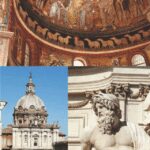
When the Basilica is included, you’ll explore the Papal Tombs and the ground floor of the Basilica. That’s a smart scope for a short tour because it keeps you oriented without turning your visit into a sprint up and down endless stairs.
Price and value: what $368.18 per person buys you
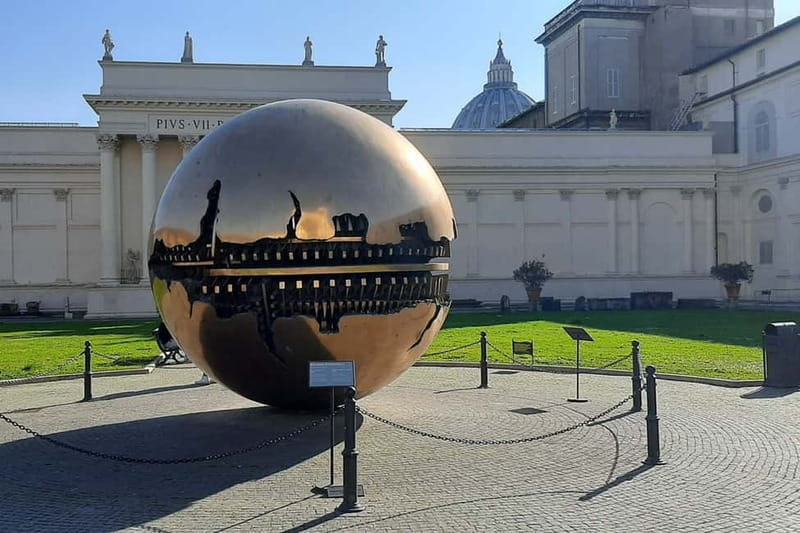
At $368.18 per person, this is not a cheap add-on. The value comes from what you’re buying: time saved and interpretation provided.
Here’s what you pay for in a practical sense:
- Skip-the-line access for the Vatican Museums and Sistine Chapel
- A private guided tour rather than shared group handling
- Headsets so the guide’s story isn’t just background noise
- A route designed around major highlights, including specific rooms like the Greek Cross Room and Constantine family sarcophagi
The tradeoff is that the tour time is limited. Some people felt it was pricy for the time spent, and a few mentioned that in busy areas it was harder to hear the guide even with headsets. Those critiques don’t mean the tour is bad, but it does mean you should decide upfront what you want: a fast, guided hit of top moments, or a slower, deeper personal pace.
From the positive side, the most common praise is simple: guides who keep you moving and explain what you’re seeing, plus the relief of skipping the long entrance lines. If you hate waiting and you like having someone point out what to look for, you’ll likely feel good about the price.
Practical tips before you go: dress, ID, and the no-photo rule
This tour has a few clear constraints. If you’re prepared, you’ll avoid delays and stress.
What to bring
- A passport or ID card. Entrance tickets are nominal, meaning they’re tied to your identity.
- Plan to dress for museum access: covered shoulders and knees are required, and hats are not allowed.
What not to wear
- Shorts
- Short skirts
- Sleeveless shirts
Inside the Vatican
- You must deposit suitcases, large backpacks, and umbrellas in the cloakroom.
- In the Sistine Chapel, no photography or filming is permitted.
Hearing and comfort
- Headsets help, but the Vatican is still crowded at peak times. If you’re sensitive to noise, choose your standing spots carefully and keep expectations realistic.
One more note that matters for planning: the tour is not suitable for wheelchair users based on the information provided.

Who should book this tour (and who might skip St. Peter’s expectations)
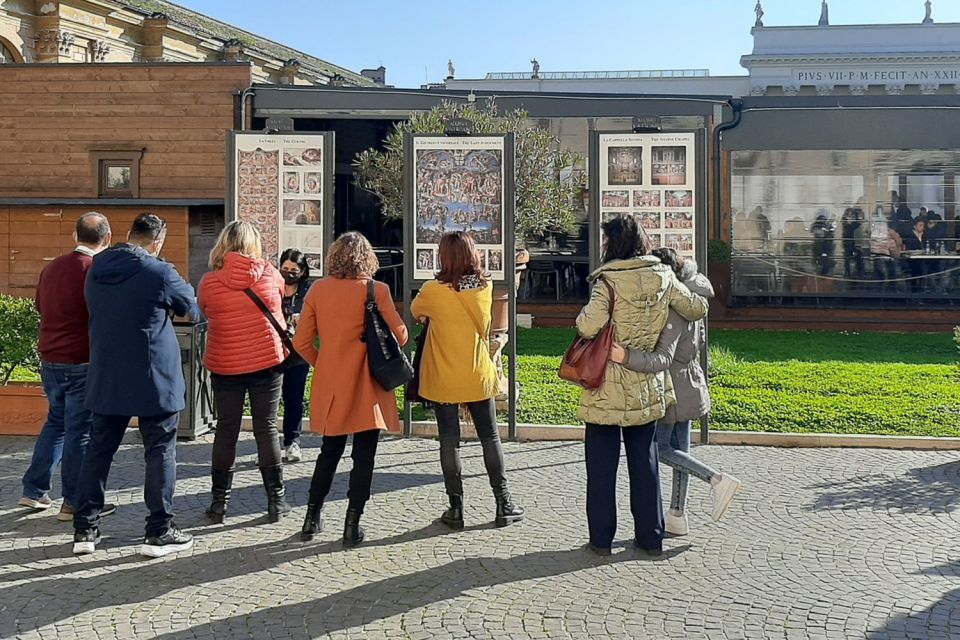
This works best if you want your visit to feel organized and readable. I’d especially recommend it if:
- You’re short on time in Rome and want the Vatican’s key rooms without spending half your day in lines
- You like art and history but don’t want to guess your way through the museums
- You value a guide who can handle questions and keep the mood light
It also seems to work for families, but with a caution. The experience includes a lot of art history and context. If you’re bringing kids, it’s more likely to land well for older children who can stay focused than for very young kids who may find the information heavy.
And if St. Peter’s is your top priority: consider booking with the understanding that conditions can change. If you can enjoy the museums and the Sistine Chapel fully even without the Basilica, you’ll have a better day no matter what.
Final call: should you book?
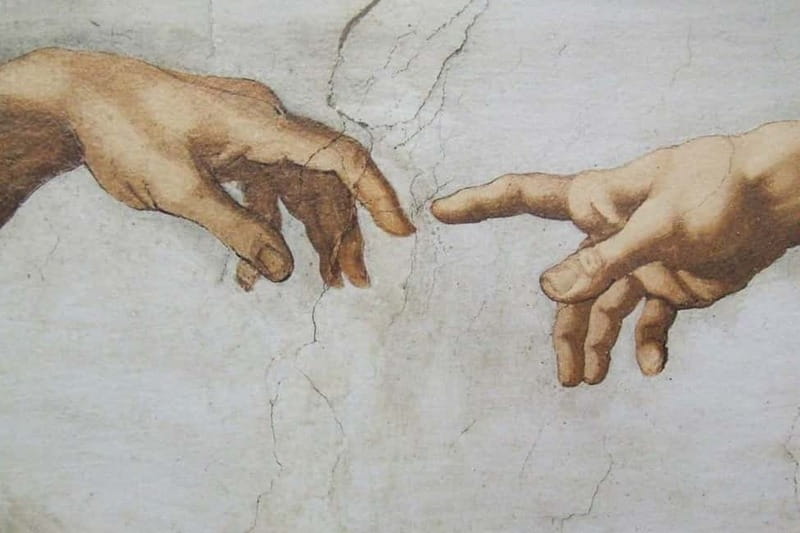
I’d book this tour if your goal is a smooth Vatican visit with real guidance and minimal waiting. The skip-the-line setup is the main win, and the specific museum focus—courtyards, Constantine family sarcophagi, and Pope Gregory XIII’s cartography—helps you leave with more than just photos.
I would pause and double-check your expectations only if St. Peter’s is non-negotiable. Since priority access is not guaranteed and closures can happen on short notice, it’s smart to treat the Basilica as a bonus when it’s available, not the sole reason for the day.
FAQ
FAQ
How long is the private Vatican tour?
The Vatican portion and the overall experience run for about 2.5 hours total. Start times vary, so you’ll need to check availability for what’s offered on your date.
What does the tour include for skip-the-line access?
It includes skip-the-line tickets for the Vatican Museums and the Sistine Chapel. St. Peter’s Basilica access is handled separately and depends on priority entry conditions.
Is St. Peter’s Basilica included?
St. Peter’s Basilica is available as an option, but access is not guaranteed. Priority entrance tickets for St. Peter’s are nominal and non-refundable, and they can be bought up to 48 hours prior depending on availability and opening conditions.
Can the Vatican tour still run if St. Peter’s closes?
The tour will still operate inside the Vatican Museums and the Sistine Chapel. If St. Peter’s Basilica can’t be included due to closures or religious events, the time spent there will be compensated for elsewhere in the tour.
What are the dress requirements?
You must follow the Vatican’s dress rules: shoulders and knees must be covered and hats are not allowed. Shorts, short skirts, and sleeveless shirts are not allowed.
Can I take photos or videos in the Sistine Chapel?
No. Photography or filming is not permitted in the Sistine Chapel.
Do I need to bring ID?
Yes. Bring your passport or driver’s license, since the entrance tickets are nominal.
Is the tour wheelchair accessible?
No, it is not suitable for wheelchair users based on the provided information.