REVIEW · COLOSSEUM, FORUM & PALATINE TOURS
Explore Colosseum and Roman Forum with an Archaeologist
Book on GetYourGuide →Operated by Askos Tours · Bookable on GetYourGuide
Roman ruins hit different when a pro steers you. This 3-hour private tour pairs skip-the-line entry with an archaeologist guide, so you’re not just staring at stones—you’re learning how the sites worked and what you’re actually looking at.
I really liked two parts: the chance to get high up for wide views of the monument and the surrounding imperial landscape, and the way the walk ends in the Roman Forum with time at major landmarks like the Altar of Caesar. One watch-out: you have to show up ready for entry rules—bring the right identification and make sure the booking details match what the ticket office needs, or you could get turned away.
In This Review
- Key points to know before you go
- Start at Colosseo Metro: the meeting point that keeps it simple
- Skip-the-Line Entry: why it’s worth paying for this format
- Inside the Colosseum: what the guide helps you see in 75 minutes
- Second ring views: getting the best perspective without guessing
- The route of triumph: Constantine, Septimius Severus, and Titus
- Arch of Constantine
- Arch of Septimius Severus
- Arch of Titus
- Velian Hill and Domus Aurea tunnel: a change in perspective
- Roman Forum time: how to use 1.5 hours well
- House of the Vestals and the Altar of Caesar: the stops that anchor meaning
- What makes an archaeologist guide different here
- Price and value: is $198.25 a fair deal?
- Walking reality: comfort, pace, and what to expect on your feet
- Quick logistics: dates, IDs, and meeting details
- Should you book this Colosseum and Roman Forum with an archaeologist?
- FAQ
- Where do we meet for the tour?
- How long is the guided experience?
- Is this a private tour?
- What’s included in the price?
- What identification do I need to enter the sites?
- Can I cancel and get a refund?
- What languages are offered?
Key points to know before you go
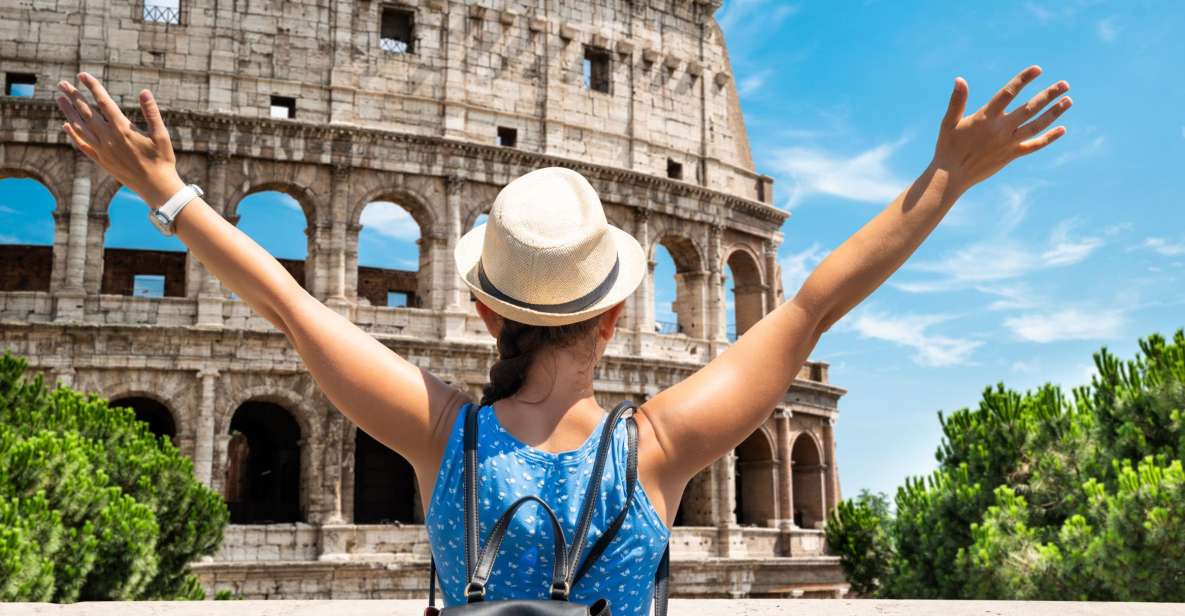
- Skip-the-line Colosseum access helps you start seeing things fast, not waiting.
- Second-ring panoramic views give you a clear sense of scale and layout.
- Big arches and the Domus Aurea tunnel route connect the dots between power, ceremony, and daily life.
- Longer Roman Forum time (about 1.5 hours) means you don’t just pass through.
- Archaeologist-led explanations make architecture and symbols feel practical, not random.
- Private group format keeps the pacing comfortable and easier to follow.
Start at Colosseo Metro: the meeting point that keeps it simple
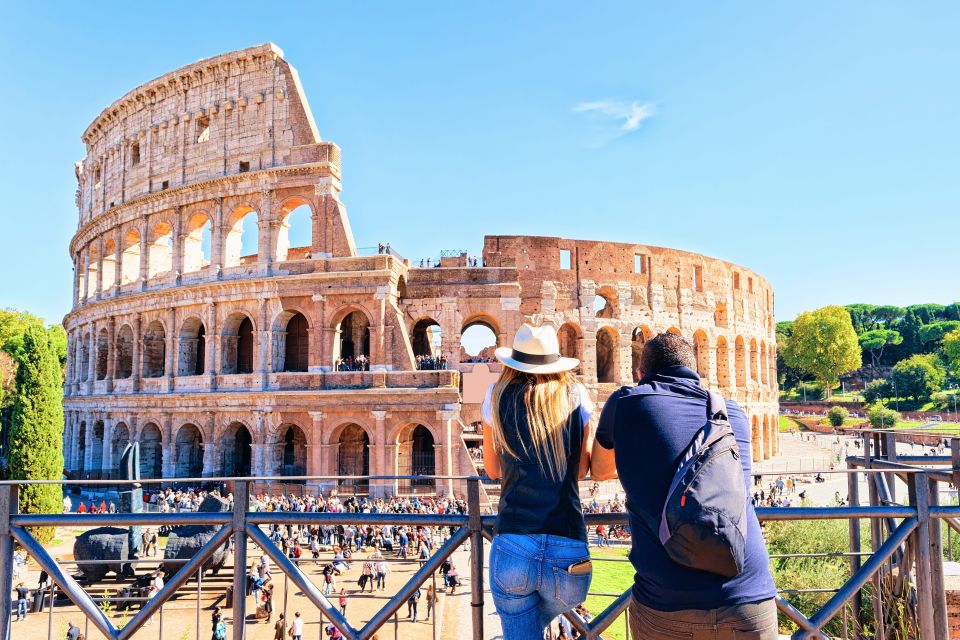
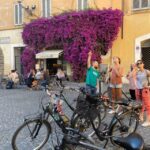
You meet at the green newspaper kiosk outside the exit to Colosseo Metro station. Your guide holds a sign with your name on top, so it’s usually straightforward to spot them without wandering around.
This matters more than you’d think. The Colosseum area can feel like a maze of entrances and lines. Meeting at a clear transit landmark cuts down on stress and helps you use the 3-hour window efficiently.
You can also read our reviews of more tours and experiences in Rome.
Skip-the-Line Entry: why it’s worth paying for this format
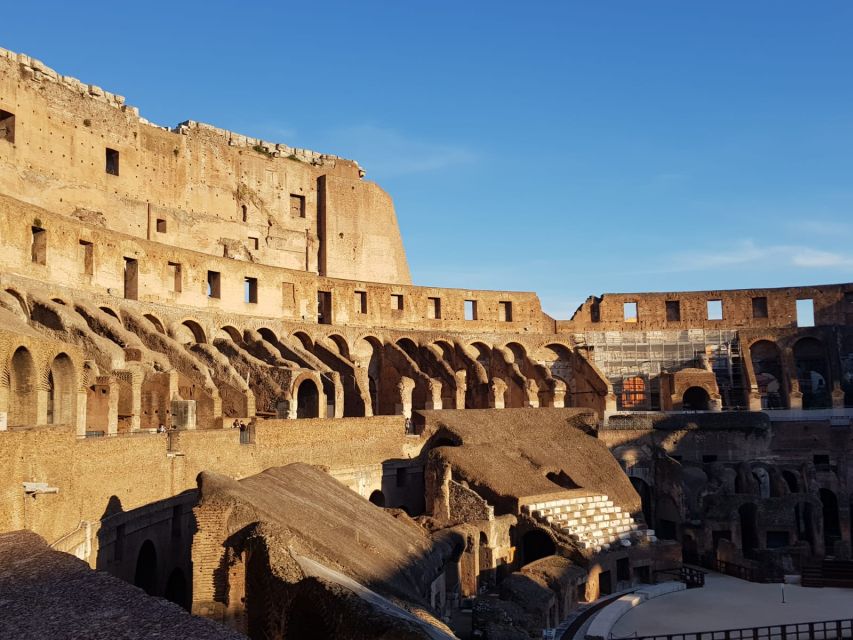
The tour includes admission and skip-the-line tickets for the Colosseum. You also get a dedicated personal guide (so you’re not stuck translating everything on your own with an app).
Here’s the practical value: the Colosseum is one of those places where “sightseeing time” can get eaten by crowd flow. Paying for timed entry plus guidance typically buys you calmer pacing and better focus—because your guide can point out what to notice immediately.
Also, the tour is listed at $198.25 per person. That might sound steep until you add up what you’re getting: skip-the-line access, admission, and a private archaeologist-led walking route that spans multiple major monuments. For many visitors, it’s cheaper than spending a full day piecing together individual tickets, finding meeting points, and losing time to logistics.
Inside the Colosseum: what the guide helps you see in 75 minutes
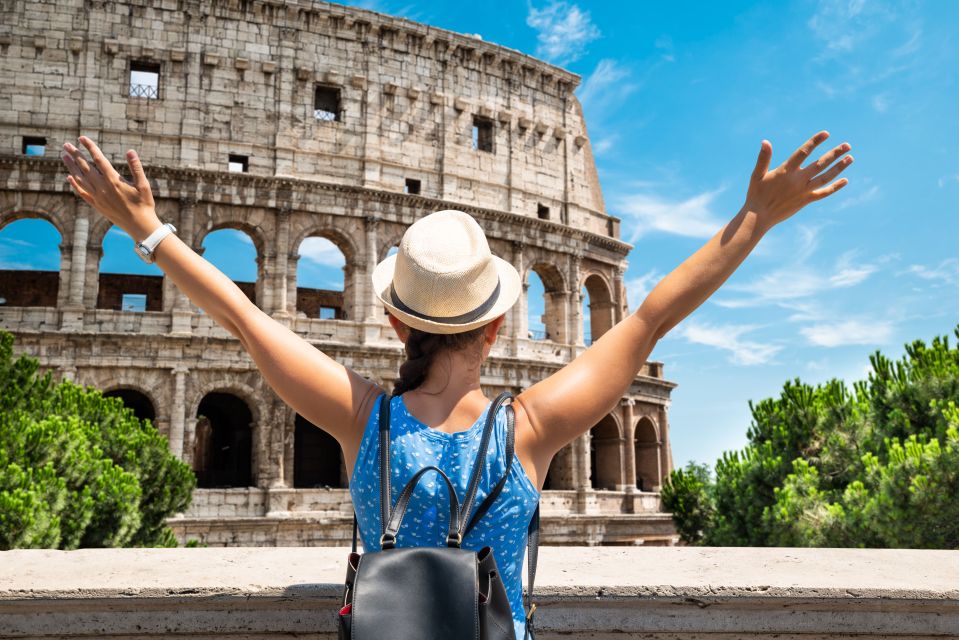
The main Colosseum portion is about 75 minutes, guided. You’ll tour the Colosseum with your archaeologist, which is the sweet spot for most people: long enough to understand the structure, not so long that your brain turns to mush.
What you can expect to focus on:
- How the space was organized and why certain views matter
- What the scale tells you about events and audience movement
- Which features are key reference points for orientation inside the arena
The guide also helps you move with purpose. You’re not just walking in circles; you’re following a “read the building” path that turns the Colosseum into a legible layout.
Second ring views: getting the best perspective without guessing
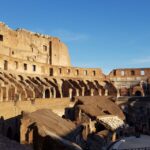
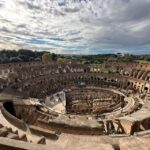
One of the standout parts is going up to the second ring. From there, you get a panoramic view into the Colosseum interior and toward the square below.
This is more than a nice photo moment. From that height, you can better understand:
- How the arena’s interior space relates to the surrounding structures
- How the monument sits in its neighborhood
- How multiple ruins connect visually when you can see them all at once
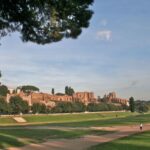
You’re also set up for views that help you interpret the area beyond the Colosseum, including the colossal base associated with the Temple of Venus and Rome, plus remains of colonnade and walls. Seeing those big shapes in context makes the later Forum stops much easier to follow.
The route of triumph: Constantine, Septimius Severus, and Titus
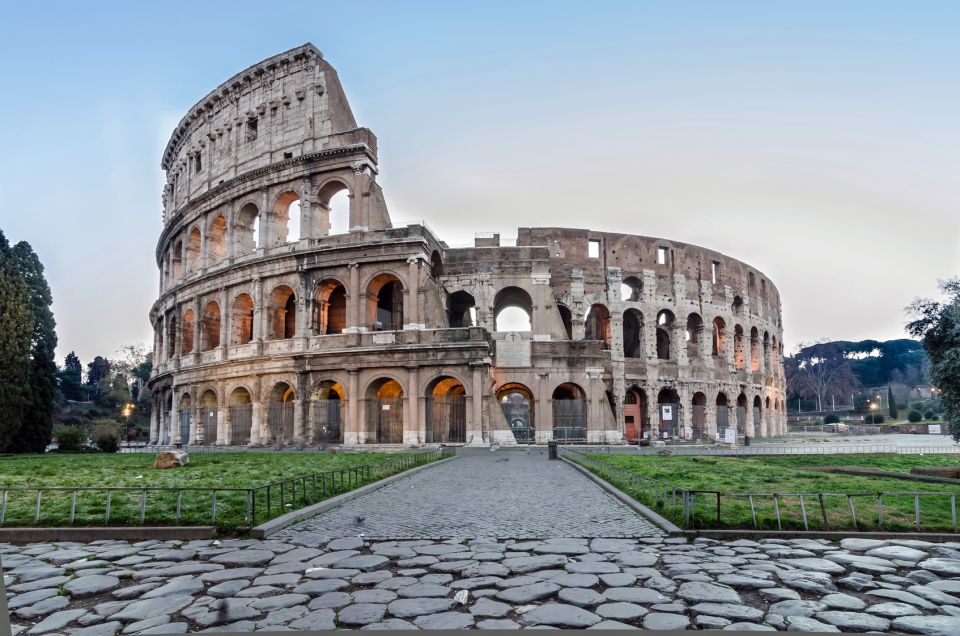
After the Colosseum, you move through the imperial corridor of arches—each one tied to different stories of Roman power.

Arch of Constantine
You’ll stop for a guided visit at the Arch of Constantine. This is a good moment to slow down and let your guide explain how monumental art functioned like political messaging. Arches weren’t only trophies; they were visual statements placed where people would walk, gather, and remember.
Arch of Septimius Severus
Next is a quick, timed stop at the Arch of Septimius Severus (about 10 minutes). The short duration means you should treat it as an “essential highlights” break, not a deep museum stop. Your guide’s job here is to help you focus on the most important details you can actually see at street level.
Arch of Titus
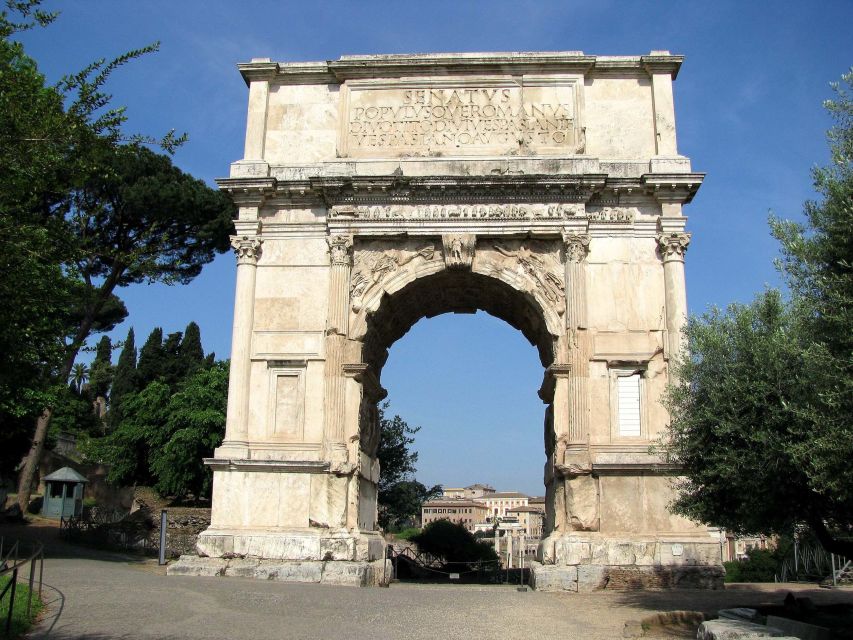
Then you head toward the Arch of Titus. This arch is a classic stop for understanding how Rome used architecture to communicate conquest and legitimacy—again, very different from just admiring the stone. With an archaeologist guiding the story, you’ll connect the arch to the wider landscape you’re walking through.
Velian Hill and Domus Aurea tunnel: a change in perspective
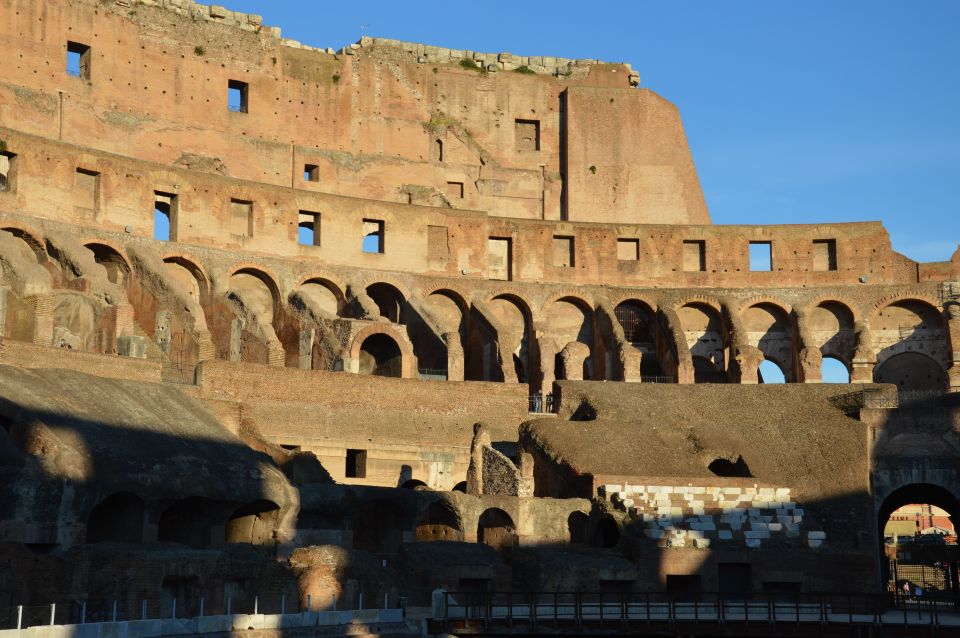
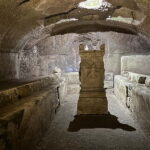
As you continue, you pass by the Velian Hill and then you move through an underground tunnel of the Domus Aurea. That shift—down underground and then back into open space—can be surprisingly helpful for orientation.
The Domus Aurea stop fits the “this is a city, not a postcard” feeling. It reminds you that ancient Rome had layers: structures under structures, and elite life built into the urban fabric.
When you emerge into the Forum’s area, you get those wide, location-based views your brain needs after being on the street and in the arches.
Roman Forum time: how to use 1.5 hours well
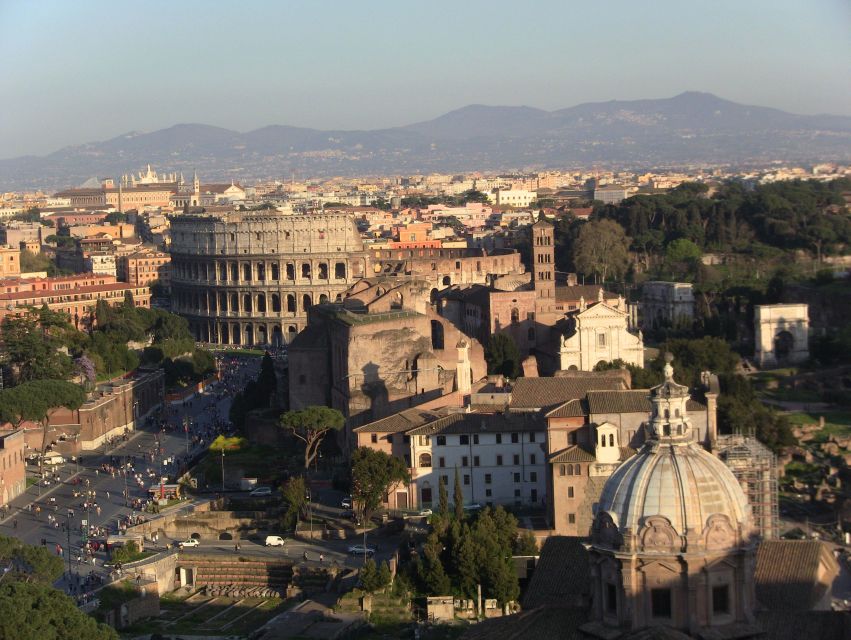
The tour’s Roman Forum segment lasts about 1.5 hours, and that’s the right amount of time to grasp the core of ancient public life. With a guide, you’re not stuck wandering and hoping you’ll stumble onto the right building order.
At this point, you’ll benefit from the earlier orientation work. The arches and panoramic views make the Forum feel less like “random ruins” and more like a civic machine with parts that connect.
Your guide focuses on key structures and the meaning behind them:
- what functions they served
- how they relate to crowd movement and public events
- why certain places were sacred or ceremonial
If you’re the kind of person who loves explanations, this is where the tour earns its keep.
House of the Vestals and the Altar of Caesar: the stops that anchor meaning
Late in the tour, you visit the House of the Vestals. This is one of those places where the details matter, because it represents how Rome mixed religion, politics, and authority. Your archaeologist guide helps you connect the dots between sacred roles and state power.
Then you’ll see major Forum landmarks, including:
- the Basilica of Maxentius
- the House of the Vestals
- the Temple of Antoninus and Faustina
- the revered Altar of Caesar
The Altar of Caesar is a powerful capstone. Even if you don’t memorize every fact, the point lands: Rome turned political figures into cult-like symbols, and the Forum was where that message reached everyone.
What makes an archaeologist guide different here
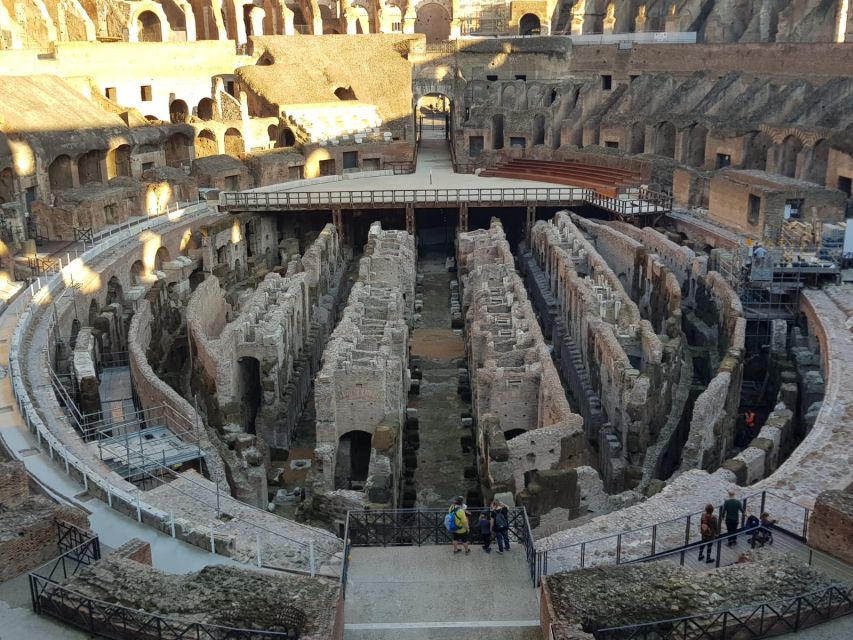
A guide can tell you what something is. An archaeologist-style guide also helps you understand why it looks the way it does and what clues the site preserves.
In practical terms, that means:
- You’ll get interpretation tied to visible features, not just dates
- You’ll learn how to “read” architectural cues
- You’ll stop treating ruins like isolated attractions
I also found the pacing conceptually important. The tour’s rhythm is built around movement: up high for scale, out on the streets for context, then back into the Forum for concentrated meaning. That pacing helps you stay engaged without feeling rushed.
Price and value: is $198.25 a fair deal?
Let’s talk value without pretending Rome is cheap.
At $198.25 per person, you’re paying for three things:
- Skip-the-line entry and admission (the Colosseum ticket component is referenced as 18 euro)
- A dedicated private guide for a full 3 hours
- A route that covers multiple major monuments, not just one site
If you do the sites independently, you’ll still spend time on queues, finding entrances, and trying to match your view to the right building names. Here, your guide acts like a live map and interpretation layer.
That said, it’s worth being honest: if you’re happy going solo with audio and photos, this may feel pricier than you want. But if you want the Colosseum and Forum to make sense—and you’d rather pay to save time and reduce confusion—this format is strong value.
Walking reality: comfort, pace, and what to expect on your feet
The activity level is minimal, but it’s still a walking tour through major exterior spaces plus inside stops. So plan for outdoor walking and standing at viewpoints while you listen.
Also note the tour is not suitable for wheelchair users. If mobility is a concern, you’ll want to consider whether standing and uneven paths will work for you.
What you won’t have is chaos from oversized bags and random distractions. The tour rules say no pets, no weapons or sharp objects, no oversize luggage, and no baby strollers or non-folding strollers. If you’re traveling light, that’s usually easier to manage.
Quick logistics: dates, IDs, and meeting details
The Colosseum is closed on December 25th and January 1st, so you’ll want to avoid those dates.
You also must carry an identification document to access both the Colosseum and Roman Forum. The ticket rules require the full names and ages of all travelers, and if your voucher information doesn’t match what the ticket office needs, entry can be denied. Build in time to double-check that before you go.
Meeting point again, because it’s key: green newspaper kiosk outside the exit to Colosseo Metro station, and the guide will hold a name sign.
Should you book this Colosseum and Roman Forum with an archaeologist?
Book it if:
- you want the Colosseum and Forum to feel understandable, not just photographed
- you prefer a private setup with a guide who can keep the pacing comfortable
- you value skip-the-line time in a site where delays can ruin your day
Consider skipping (or choosing another format) if:
- you’d rather explore completely on your own with minimal guidance
- you’re traveling on a day near the known closures
- you’re not able to meet the ID and ticket-name requirements
My take: this tour is a smart way to get a high-quality “big sites” experience without spending your 3 hours lost in logistics. You trade some flexibility for clarity—and for the Colosseum and Forum, that trade is usually worth it.
FAQ
Where do we meet for the tour?
You meet at the green newspaper kiosk outside the exit to the Colosseo Metro station, and your guide will hold a sign with your name.
How long is the guided experience?
The tour duration is 3 hours.
Is this a private tour?
Yes, the format is a private group.
What’s included in the price?
The tour price includes admission and skip-the-line tickets for the Colosseum (with the Colosseum ticket referenced as 18 euro) plus a dedicated personal tour guide.
What identification do I need to enter the sites?
You must carry an identification document to access the Colosseum and Roman Forum, or you risk being denied entry.
Can I cancel and get a refund?
Yes. Free cancellation is available up to 4 days in advance for a full refund.
What languages are offered?
The live guide is available in English, Italian, Spanish, French, and German.