REVIEW · DINING EXPERIENCES
Rome: Dining Experience at a Local’s Home
Book on GetYourGuide →Operated by Cesarine · Bookable on GetYourGuide
The best Rome dinner is in somebody’s home. I love how this 3-course meal feels personal from the first hello, with a real Cesarine host opening the doors of their house and cooking alongside you. It’s not just eating. It’s watching how Italian families actually plan, taste, and talk while the food happens.
What I really liked most is the family-recipe angle. You get to taste dishes tied to family cookbooks, and the hosts explain what matters and why, from the first starter to the pasta course. When I hear hosts like Marco talk through timing and technique while they work, it makes the whole meal feel practical and alive, not scripted.
One thing to consider: this happens in a private home, so you won’t have a big “tour meeting point” sign. The address is shared after booking, and you’ll need to ring the doorbell when you arrive. That can be a little stressful if you hate finding apartments on back streets late at night.
In This Review
- Key Things That Make This Roman Home Dinner Worth It
- A Real Roman Home Table, Not a Restaurant Line
- Cesarine Hosts: What This Network Really Means
- The 2.5-Hour Flow: Starter, Pasta Workshop, Dessert Finish
- The welcome and starter moment
- The pasta course and the cooking demonstration
- Dessert: the sweet ending with real technique
- Wine, Coffee, and the Pace of an Italian Evening
- What You’ll Actually Learn (From Watching and Helping)
- Price and Value: Why $100 Can Feel Fair in Rome
- Who Should Book This Home Dinner (And Who Might Want a Different Plan)
- Practical Tips for Your First Night at a Cesarine Host’s Door
- Should You Book This Rome Dining at a Local’s Home?
- FAQ
- What food is included in the 3-course menu?
- Are drinks included?
- How long does the experience last?
- How many people are in the group?
- When does the dining usually start?
- Where do I meet the host?
- Can dietary requirements be accommodated?
Key Things That Make This Roman Home Dinner Worth It
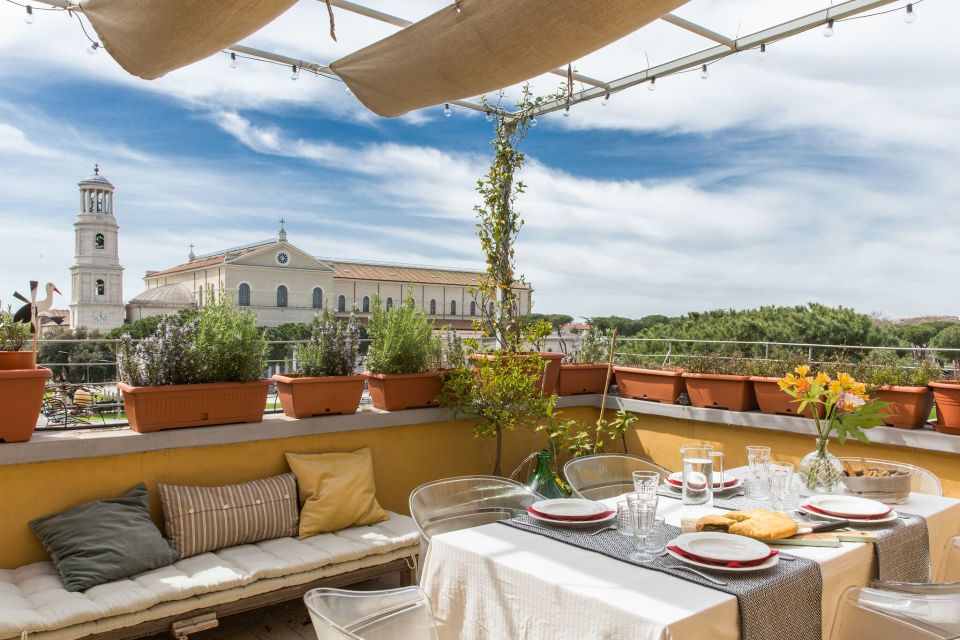
- Cesarine hosts in small groups (up to 8) so conversation doesn’t feel like background noise.
- Show cooking that turns into participation, with hosts letting you help with parts of the meal.
- Family cookbook recipes tied to Italian “Mammas,” so the food feels inherited, not staged.
- Drinks included: water, a regional red/white wine selection, plus coffee with the meal.
- A full 2.5-hour rhythm, not a rushed restaurant stop. It’s built to feel like an evening at home.
A Real Roman Home Table, Not a Restaurant Line
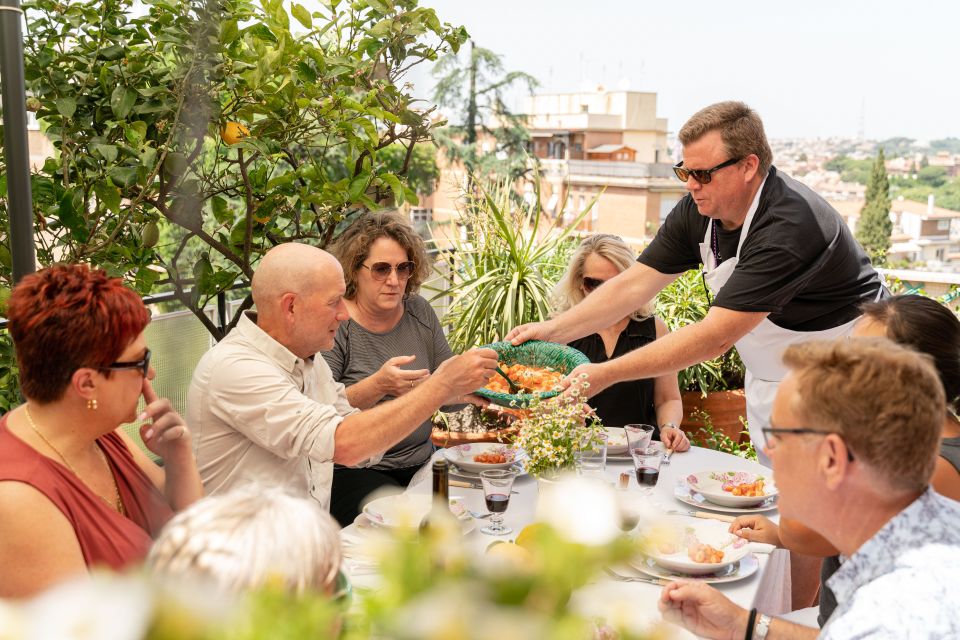
Rome is great for food. But the city also has a downside: a lot of dinners are built for speed, volume, and turnover. This experience flips that. You’re eating at someone’s home table, in a space that feels lived-in, where the pace is set by the host and the family routine.
You’ll sit down for a starter, then a pasta course, then dessert. And the point isn’t only the menu. It’s the way the host talks you through what they’re making while you’re watching, tasting, and (often) helping. The atmosphere tends to feel warm and friendly, even when you’re meeting strangers from another country.
You also get something that restaurants rarely offer: a sense of continuity. Family cooking has habits. The way an ingredient is handled, the order things are done, the small decisions that come from practice. That’s the part that makes the food easier to understand later, even if you don’t cook exactly the same at home.
You can also read our reviews of more tours and experiences in Rome



Cesarine Hosts: What This Network Really Means
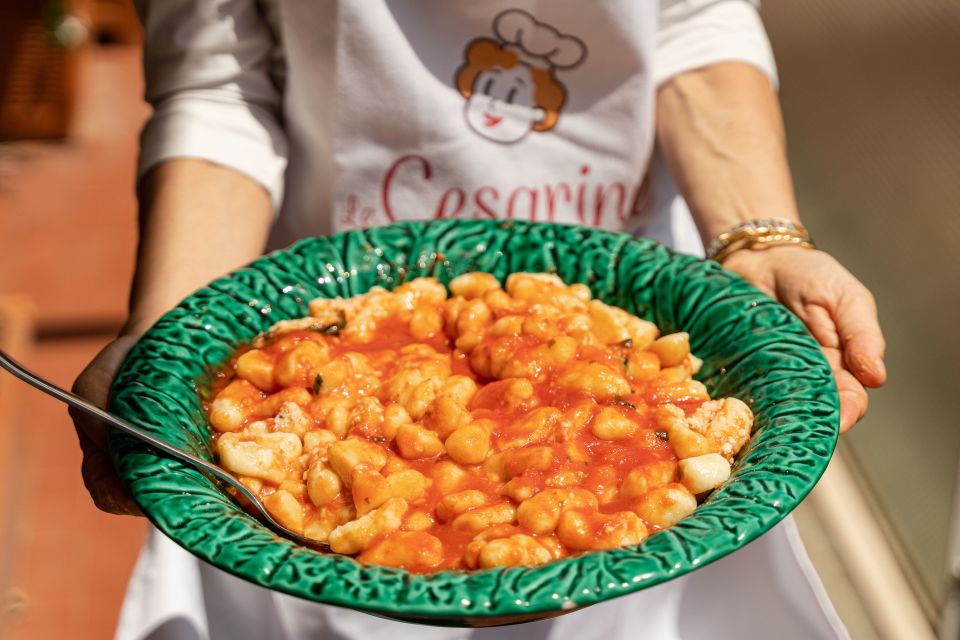
This dinner is run through Cesarine. It’s described as Italy’s oldest network of home cooks, active in about 500 cities across the country. The word Cesarine means home cook, which is a clue to the whole idea: local food, cooked by local people, in local homes.
In practice, what that usually means for you is consistency in the “why.” Hosts aren’t trying to impress you with tricks. They’re sharing regional specialties from their family cookbooks. In a lot of cases, the host connects the recipe to everyday life: holidays, family gatherings, and the kind of meal that shows up when relatives come over.
The reviews you’ll read about this experience also show a theme: hosts like Gianluca and Giorgia, Emanuela, Marco, Emma and Carlo, and others make time for people. They explain what they’re doing, invite you into the process, and keep the evening moving in a friendly way. Even when you’re not a “big talker,” you’ll have built-in topics because the food is happening right next to you.
The 2.5-Hour Flow: Starter, Pasta Workshop, Dessert Finish
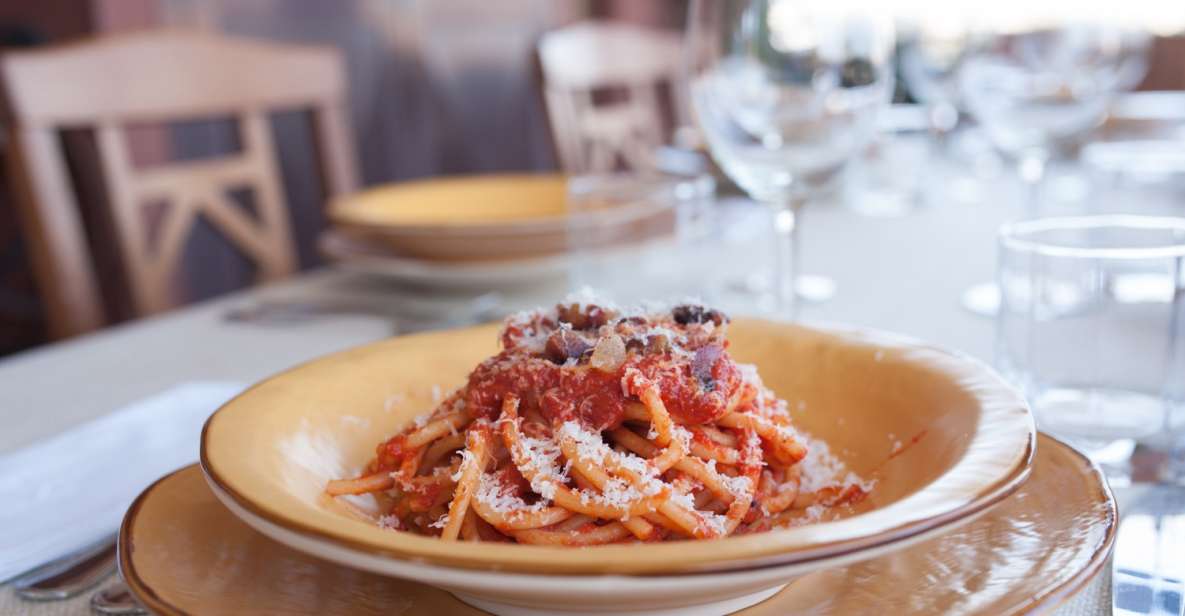
Plan on around 2.5 hours total. Most dinners typically start at 12:00PM or 7:00PM, but times can be adjusted with advance requests.
Here’s how the evening usually feels, course by course:
The welcome and starter moment
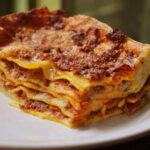
You arrive, ring the doorbell, and your host greets you at their home. Then you typically start with a starter. This is where you get your first taste of what the kitchen will do well—something homemade, often Italian in a classic style. One dinner included an antipasto-style bite with pork cheek, bacon, and bruschetta. Another focused on the flavor of a simple, traditional opening course.
The best part of the starter stage is how it sets the tone. If you’re jet-lagged or unsure of your day, the starter gives you a gentle on-ramp. You can get comfortable with the rhythm of the house before the pasta workshop begins.
The pasta course and the cooking demonstration
The pasta portion is usually the heart of the evening. This is where the show cooking happens, and where you may get hands-on.
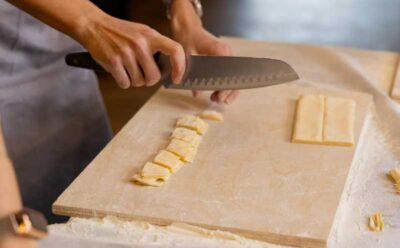
You might help with shaping pasta or slicing ingredients, depending on what the host is making. Several people highlight activities like making gnocchi from scratch, learning how to handle dough, and watching the technique while the host explains key steps. Others mention learning about traditional methods for dishes like pasta and sauce-building.
This is also the point where the dinner stops feeling like entertainment and starts feeling like education. You’re learning through doing, which means you remember it. And if you take notes on what the host emphasizes—texture, timing, doneness—you’ll be able to recreate a version of it later.
You can also read our reviews of more tours and experiences in Rome






Dessert: the sweet ending with real technique
Dessert is the final course, and it’s often something classic and very “Italian at home.” People frequently mention tiramisu, learned in the traditional style. If the host is teaching, it’s rarely just assembly instructions. You’re shown the why: the consistency, the timing, and how the ingredients behave.
If you like dessert, you’ll especially enjoy this portion because you’re not only eating. You’re finishing the meal with a skill you can talk about later. It’s hard to top homemade tiramisu knowledge for travel bragging rights that aren’t annoying.
Wine, Coffee, and the Pace of an Italian Evening
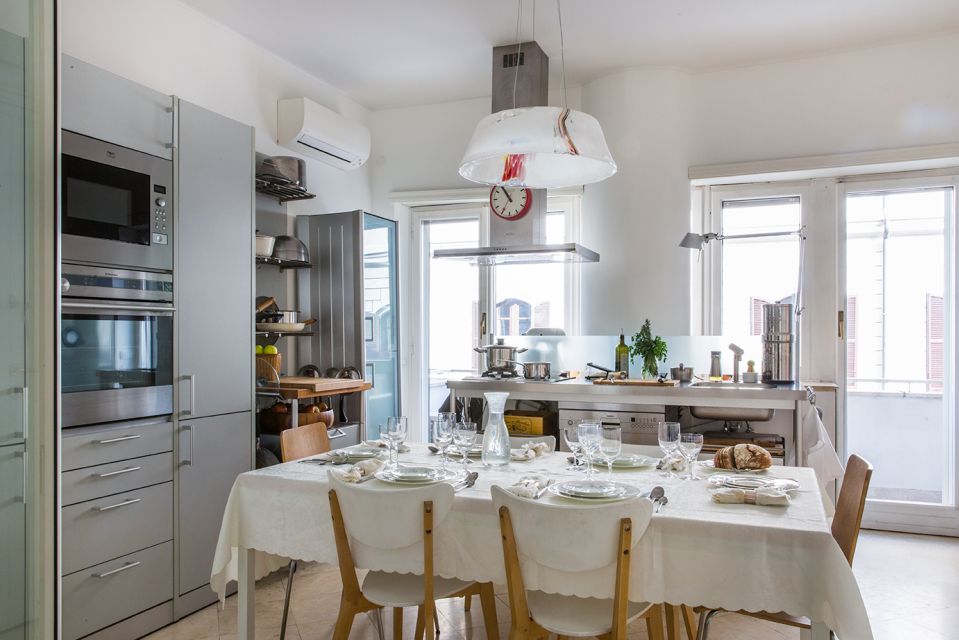
Drinks are included, with water, a selection of red and white wines from regional cellars, and coffee.
This matters more than people think. Food and wine at home aren’t about matching a menu on cue. They’re about companionship and pace. The wine supports the conversation, and the meal structure supports your appetite. You don’t need to guess when to slow down; the host does it for you.
You may also notice little personal touches. Some dinners reference an after-meal finish like limoncello. That’s not listed as a guaranteed inclusion in the core drink set, but it shows up as a home-host style decision. If a host offers something like that, it’s a good sign you’re in a family-style meal moment, not a rigid program.
Bottom line: this isn’t a “drink-only” tour. It’s a dinner where alcohol is part of the table, treated casually and thoughtfully.
What You’ll Actually Learn (From Watching and Helping)
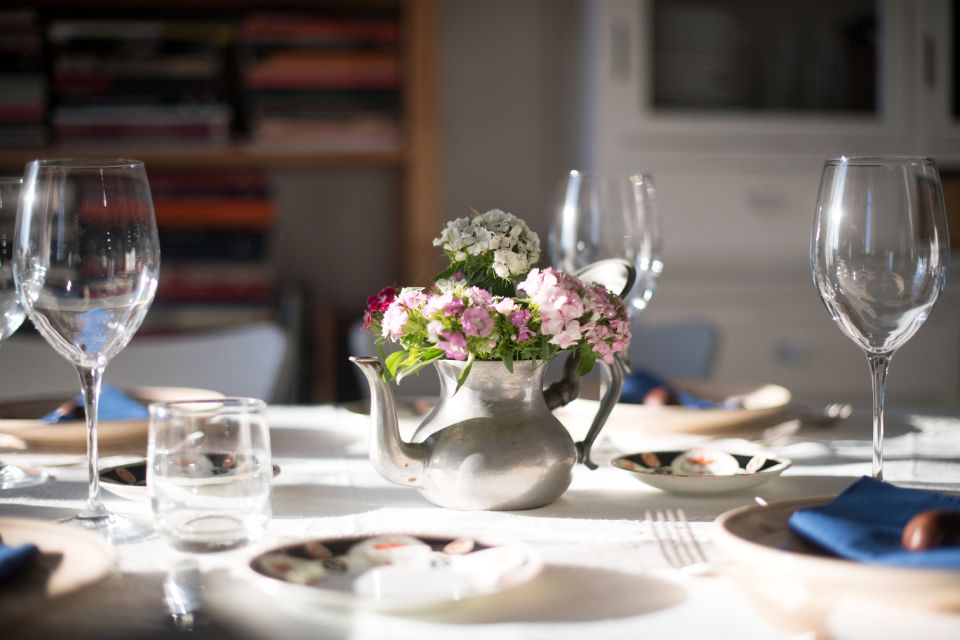
The biggest “value win” here is the participation. Even if you’re not planning to cook when you get home, you’ll still learn things you can apply: how Italians build flavor, how they judge doneness, and why certain ingredients come at certain times.
From what people describe, hosts often:
- Explain ingredients and technique as they cook.
- Let you handle parts of the process (not just stand and watch).
- Share practical pointers during the pasta and dessert stages.
A common highlight is making pasta like gnocchi, where you learn texture cues. Another is dessert, especially tiramisu, where you learn timing and assembly rhythm. One host even drove guests to the metro station afterward when getting a taxi was difficult, which tells you the experience isn’t only about the meal. It’s about how the host takes care of you once you’re in their space.
Also, these evenings often turn into conversation. People mention talking about Rome, cooking, and everyday life while plates move around the table. If you like that kind of connection, you’ll probably feel the time pass quickly—in a good way.
Price and Value: Why $100 Can Feel Fair in Rome
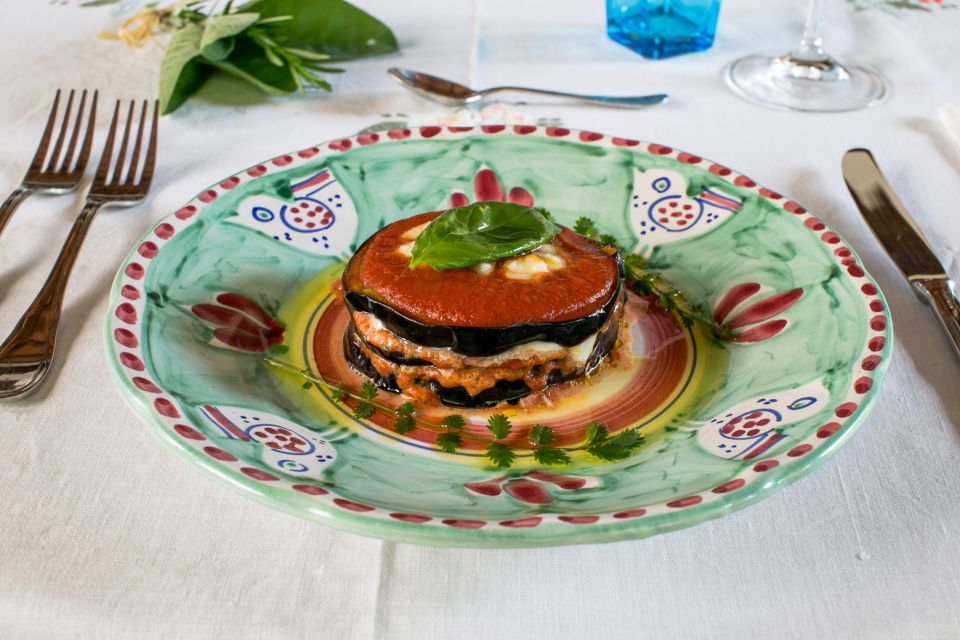
The price is $100 per person for a 2.5-hour, small-group home dinner with:
- A 3-course meal (starter, pasta, dessert)
- Drinks included (water, wine selection, coffee)
- An exclusive cooking demonstration, with participation
Is it more than a typical restaurant dinner? Usually, yes. But this is not the same “product.” You’re paying for access to a private home meal, plus the teaching element, plus the included drinks.
Here’s how to think about value for your trip:
- If you’d otherwise spend $30–$50 on dinner plus another $15–$30 on wine and dessert, you’re already partway there.
- The remaining cost is the host experience: the cooking demo, the family-recipe storytelling, and the hands-on participation.
- The small group size (max 8) adds value because it makes the evening feel less like a show and more like a shared table.
One more way to judge it: you’re not just buying food. You’re buying a skill transfer and a “real Rome” connection. If that matters to you, the price starts to make sense fast.
Who Should Book This Home Dinner (And Who Might Want a Different Plan)
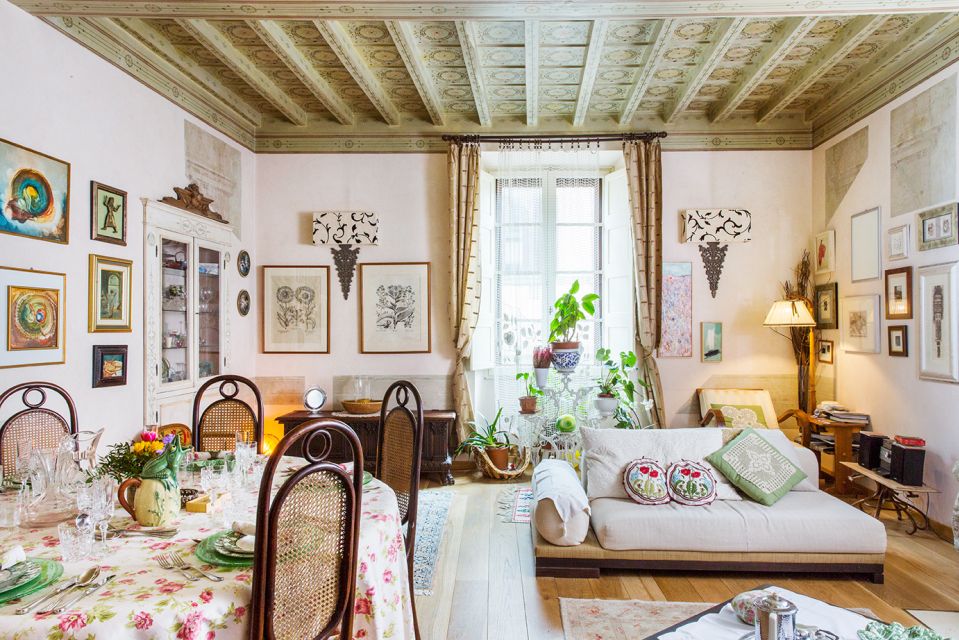
This is best for you if:
- You want authentic local cooking with a family-style setting.
- You like interactive experiences where you can help with food.
- You enjoy small groups and conversation that happens naturally at the table.
- You care about regional Italian recipes tied to real homes and family cookbooks.
It might be a less perfect match if:
- You hate finding apartment buildings or private homes in Rome without a clear street-level meeting spot.
- You want a totally predictable, scripted “tour bus” style schedule.
- You’re looking only for food, not cooking and conversation. A restaurant can be simpler if that’s your priority.
If you’re celebrating something special, this can be a great fit too. People mention anniversaries and memorable moments, and since the meal is hosted in someone’s real home, it tends to feel personal.
Practical Tips for Your First Night at a Cesarine Host’s Door
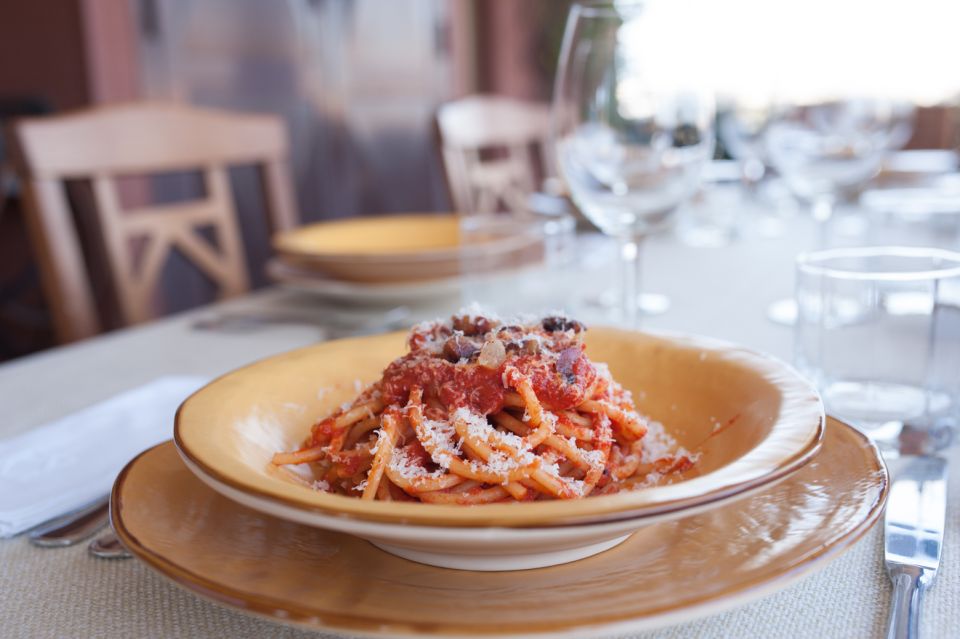
A few smart moves will make the whole thing easier:
- Don’t wait to plan your arrival timing. Ringing the doorbell at the right moment matters because you’re stepping into the host’s house schedule.
- Expect a home address, not a landmark. After booking, you’ll get the host address and contact details by email.
- Go in hungry and ready to participate. You’re likely to help with parts of the meal, especially during the pasta and dessert portions.
- Bring a simple curiosity mindset. If you’re willing to ask about ingredients and technique, you’ll get more out of the conversation.
- Plan around language. The host can work in English and Italian, and if there’s a helper translating in the room, that can smooth the evening.
Diet matters too. The experience can cater to different dietary requirements, but you should confirm directly with the organizer after booking. Don’t assume it will automatically work for every restriction. Ask early so the host can adapt.
Should You Book This Rome Dining at a Local’s Home?
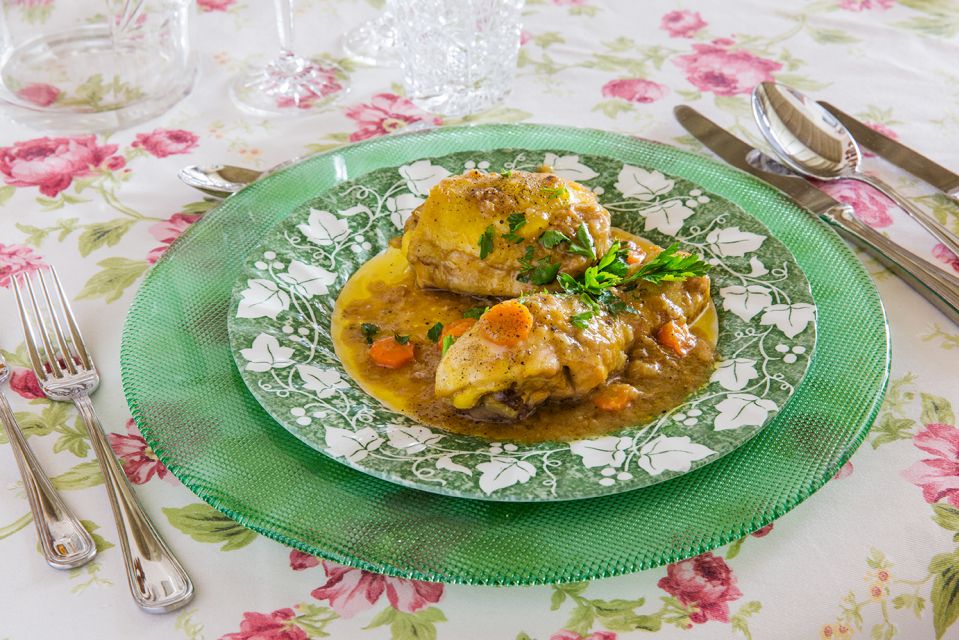
Yes, I’d book it if you want a Rome experience that feels like a real family dinner with teaching built in. You get a 3-course meal, wine and coffee, and the chance to understand how Italian dishes come together in a home kitchen. The small group size makes it feel human, not crowded.
Skip it if you’re the type who needs a simple public meeting point, or if you only want a quick meal with minimal back-and-forth. In those cases, a restaurant might be less hassle and still delicious.
My rule of thumb: if you’re excited by cooking as a cultural experience, this one is a strong fit. You’ll leave with more than full plates—you’ll leave with a clearer idea of how Italians make food feel like family.
FAQ
What food is included in the 3-course menu?
You’ll get a starter, a pasta course, and a dessert as part of the 3-course meal.
Are drinks included?
Yes. Drinks included are water, a selection of red and white wines from regional cellars, and coffee.
How long does the experience last?
The duration is about 2.5 hours.
How many people are in the group?
It’s a small group limited to 8 participants.
When does the dining usually start?
Dining typically begins at 12:00PM or 7:00PM, but tour times are flexible with advance requests.
Where do I meet the host?
The exact meeting point is the host home. After booking, the host address is shared with you, and you’ll ring the doorbell when you arrive.
Can dietary requirements be accommodated?
Dietary requirements can be catered for, but you need to confirm them directly with the organizer after booking.