REVIEW · DOMUS AUREA TOURS
Rome: Domus Aurea, Nero’s Golden House guide tour
Book on GetYourGuide →Operated by Onceuponatimerometours · Bookable on GetYourGuide
Nero’s palace is hiding under Rome. This 1.5-hour Domus Aurea tour mixes an expert-led walk with Oculus VR so you can see what the Golden House may have looked like long ago. I love the way the restoration work is explained in plain language, and I’m also a big fan of the VR part, because it turns ruined rooms into something you can actually picture.
The standout strength here is the combo: a guide who talks you through what you’re seeing, plus the Oculus VR and video narration that put the palace back into context. One thing to consider before you go: the site runs cold (about 10°C), and the experience is done on foot, so you’ll want warm layers and realistic expectations about comfort.
In This Review
- Key Points That Matter Before You Go
- Nero’s Golden House, With VR as Your Time Machine
- Your 1.5-Hour Plan: How the Tour Flows on Site
- Domus Aurea Rooms and Ceilings: What You’re Really Walking Through
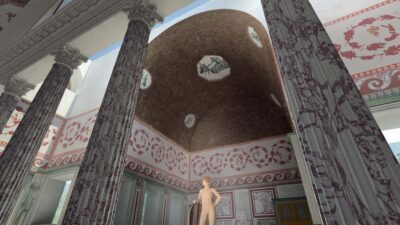
- Oculus VR and Video Narration: Seeing Nero’s House in Context
- Dress for 10°C: Cold-Weather Tips That Actually Help
- Price and Value: Is $59 Worth It?
- Logistics You’ll Want to Handle Early (So Your Tour Starts Smooth)
- Who This Tour Fits Best (and Who Should Skip It)
- The Bottom Line: Should You Book This Domus Aurea VR Tour?
- FAQ
- What is the duration of the Domus Aurea Nero’s Golden House guide tour?
- Where does the tour start?
- Is there a way to avoid long security lines?
- What languages are available for the live guide?
- Does the tour include Oculus VR equipment?
- How cold is it inside the Domus Aurea?
- Can I bring food, drinks, or luggage?
- What documents do I need to bring?
- Is this tour refundable?
- Is the tour suitable for wheelchair users or people with mobility impairments?
Key Points That Matter Before You Go
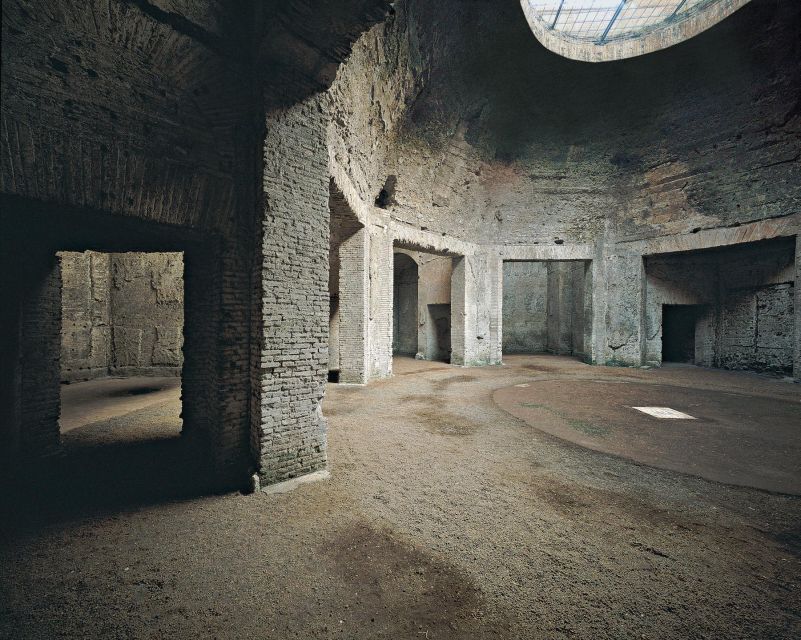
- Oculus VR (with video narration) reconstructs Nero’s Golden House right where you’re standing
- Skip-the-line express security helps you start the tour without a long wait
- A small, guide-led route (often around two dozen) keeps the pace manageable on uneven ground
- Restoration details are explained so you understand what’s original vs. rebuilt
- Cold underground temps (~10°C) make a jacket non-negotiable
- Meeting point can be tricky if you rely only on maps
Nero’s Golden House, With VR as Your Time Machine
If you’ve ever looked at ancient ruins and thought, I can’t picture the full thing, this tour is built for you. The Domus Aurea (Nero’s Golden House) is one of Rome’s most fascinating “broken-but-important” sites. You’re seeing an underground, partially restored world—then, through the Oculus VR and video narration, the tour tries to rebuild the experience your brain expects: ceilings, proportions, and palace scale.
The best part is that the tech doesn’t replace the guide. It supports the story. I like that the route is guided first, so the VR feels like a tool to clarify what you’ve already learned, not a random screen-wash. And I also like that the restoration is treated with care: you get an explanation of the archaeological recovery and restoration approach, not just a quick wow-fact.
You can also read our reviews of more guided tours in Rome

Your 1.5-Hour Plan: How the Tour Flows on Site
This is a tight tour—about 1.5 hours, and it moves steadily from the start to the VR moment and back out. You’ll start at one of two possible meeting points (the exact one depends on the option you book). Expect express security screening so you’re not stuck in the long line.
Once you’re with the group, the flow usually goes like this:
- Your guide sets the scene: who Nero was, why this property mattered, and what you’re about to see beneath the current landscape.
- You walk through the restored remains while your guide explains what’s preserved and what restoration reveals.
- Then comes the Oculus VR segment, using the VR device and narration to show how key areas may have looked in Nero’s era.
- You wrap up with the final context—how the site fits into Rome’s larger story and why the Domus Aurea is still so influential today.
A helpful note: the tour languages include Spanish, Italian, English, and French, so your guide’s explanation should be available in your chosen language. In practice, pay attention early. Some people report audio challenges with certain guides (accent and volume), so positioning matters if you want to catch every detail.
Domus Aurea Rooms and Ceilings: What You’re Really Walking Through
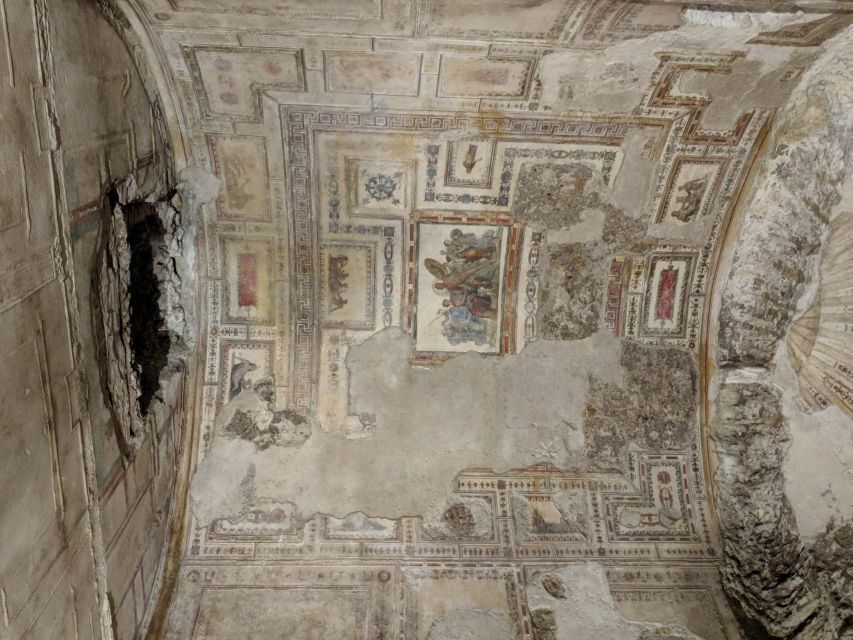
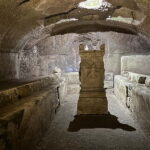
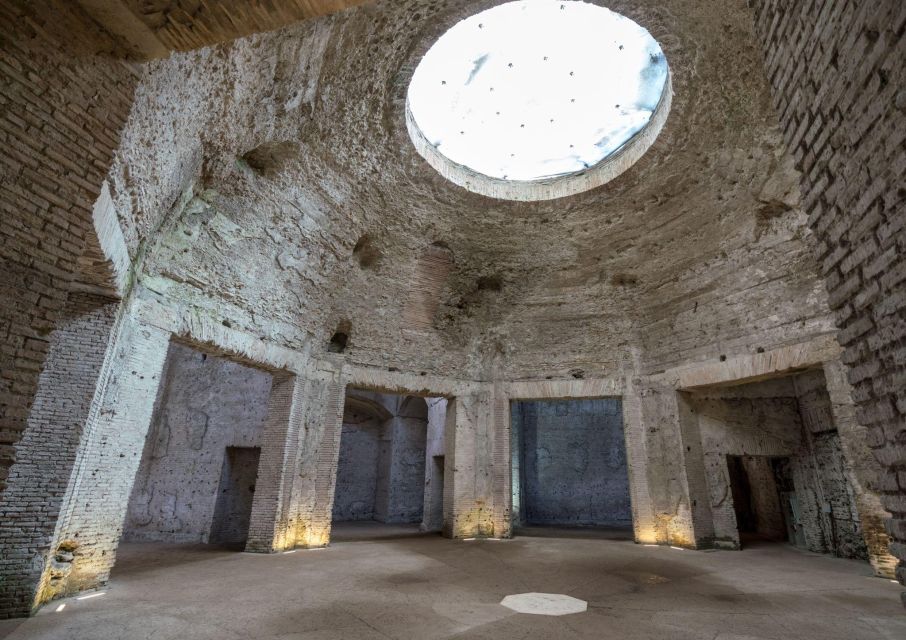
The Domus Aurea site is not a standard “pretty ruins” stop. It feels more like stepping into a preserved slice of the past that happens to be underground. One repeat theme from visitors is the scale—this place is large, and it doesn’t feel like a quick photo-stop. As you walk, you’ll notice that the restoration effort is not slapdash. The work aims to stabilize and show features while protecting the original structure and surfaces.
That matters for you because the Domus Aurea’s “wow” is tied to details: the way spaces connect, the sheer size of the complex, and how the ceiling and wall surfaces influenced later Roman art. A guide who can pace your attention helps a lot. People consistently praise guides—names that show up include Claudia and Simone—for clear storytelling and a good mix of information and personality.
The pacing is also slow by necessity. You’re on a protected archaeological route, and the ground can be uneven. Plan to walk carefully and listen when the guide points things out. If you’re the type who likes to understand what you’re seeing, you’ll likely get a lot out of the explanation of restoration choices.
Oculus VR and Video Narration: Seeing Nero’s House in Context
This is the heart of the tour. The Oculus VR portion is designed to give you a “time-jump” feeling—an effect people describe as emotional and cognitive at the same time. In plain terms: the VR helps your brain rebuild missing pieces so you can understand the palace as more than fragments.
What makes this work for your trip is positioning and sequencing. Because the tour is guided, the VR doesn’t stand alone. You’re seeing features first, then watching the reconstruction overlay your understanding. People who’ve done this say the result is better than they expected, especially when VR is used to show how the palace looked during Nero’s time.
A few practical points to keep in mind:
- You’ll be wearing VR gear, so you may feel slightly disoriented—especially if you’re sensitive to headset weight or movement.
- Audio clarity can vary depending on guide delivery and group placement. If you’re concerned, sit/stand closer to the guide during the audio-heavy explanation parts.
- There’s even a specific suggestion floating around: one visitor wished the VR highlight could include the octagonal room more explicitly. That’s not a promise, but it hints at what the VR is trying to achieve—bringing signature spaces into focus.
Dress for 10°C: Cold-Weather Tips That Actually Help
Here’s the reality check: inside the Domus Aurea, the temperature is around 10 degrees. That’s not a “light jacket” situation. This is why warm clothing is listed as important, and it’s why people repeatedly tell you to pack for the cold.
For your comfort, I’d treat it like a winter museum visit:
- Bring a jacket you can keep on the whole time.
- Wear comfortable shoes with good traction.
- If you run cold, consider layering (thermal base + mid-layer under your jacket).
You’ll also want to move slowly and expect limited chances to warm up. This is a site you visit for atmosphere and understanding, not for quick exits to sunny sidewalks.




Price and Value: Is $59 Worth It?
At $59 per person for about 1.5 hours, this ticket looks like a reasonable splurge when you break down what’s included. You’re paying for:
- Entrance ticket to the Domus Aurea
- A professional guide
- VR devices
- Fees and taxes
- Express security to help you get started fast
The main value question is whether the VR is worth the extra cost compared to a basic-entry ticket. Based on the consistent praise for the Oculus experience, this seems to be a strong reason to choose the guided VR format. If you love ancient sites but struggle to visualize what’s missing, VR can turn that frustration into something satisfying.
Where the value can dip is if you’re expecting a high-comfort tour experience. The cold is real, the route is on foot, and a couple of visitors reported sound/understanding issues during VR audio segments or when the guide needed to be louder. Still, the overwhelming tone is that the palace restoration + VR combo is the point.
One more value tip: plan for good preparation before you arrive. If you read a bit about Nero and the Domus Aurea style beforehand, you’ll get more out of the guide’s explanations during the 1.5-hour window.
Logistics You’ll Want to Handle Early (So Your Tour Starts Smooth)
This is one of those tours where the details matter more than you’d expect. Make sure you:
- Provide first and last name for all participants.
- Bring your ID with you. Entry staff can refuse tickets if names don’t match or if you don’t have ID.
- Share an email address or WhatsApp number as requested.
Also note what you can’t bring: food and drinks, and luggage or large bags. Keep it light. If you show up with a backpack you can’t store, you’ll spend the day frustrated instead of impressed.
Meeting point matters too. The meeting point can vary by option, and some people found it hard to locate. A helpful practical clue that comes up: if you’re using the metro, the meeting spot can be up the steps from the station. Give yourself a little time buffer so you don’t sprint in cold air.
Who This Tour Fits Best (and Who Should Skip It)
This tour is a great fit if you:
- Like guided interpretation, not just standing in silence and taking photos
- Enjoy tech that helps you understand art and architecture
- Want a compact experience that still feels like a real story
It’s less ideal if you:
- Have mobility impairments or use a wheelchair (the tour is not suitable for this)
- Hate cold indoor conditions (it’s about 10°C)
- Need full accessibility-friendly seating or step-free movement (the site and route are not described as compatible)
If you’re deciding on traveling with kids, the data here doesn’t officially ban children, but the practical reality is cold, slow walking, and a setup built around VR. If your kids can handle that, fine—if not, you might want a different Rome plan.
The Bottom Line: Should You Book This Domus Aurea VR Tour?
If you want a Domus Aurea experience that goes beyond ruins-as-a-collection-of-stones, book it. The best reason is simple: Oculus VR plus a guided explanation helps you understand the palace’s scale and design in a way that a standard walkthrough usually can’t. With a strong overall rating (4.6/5 from 449 reviews), and repeated praise for the restoration clarity and VR impact, this tour earns its place on a Rome list.
I’d especially recommend it if you’re traveling with at least one person who loves history but struggles to visualize what ancient spaces looked like at their peak. Just go prepared: warm layers, good shoes, and a few extra minutes for finding the meeting point.
FAQ
What is the duration of the Domus Aurea Nero’s Golden House guide tour?
The tour lasts about 1.5 hours.
Where does the tour start?
The meeting point may vary depending on the option booked, so you should check the exact start location before you go.
Is there a way to avoid long security lines?
Yes. The tour includes an express security check so you can skip the line.
What languages are available for the live guide?
The live tour guide is available in Spanish, Italian, English, and French.
Does the tour include Oculus VR equipment?
Yes. VR devices are included as part of the experience.
How cold is it inside the Domus Aurea?
Inside the Domus the temperature is around 10 degrees, so bring a jacket and wear comfortable shoes.
Can I bring food, drinks, or luggage?
Food and drinks are not allowed. Luggage or large bags are also not allowed.
What documents do I need to bring?
You must bring your ID. You also need to provide first and last names of all participants, or entry staff may refuse entry.
Is this tour refundable?
No. The activity is non-refundable.
Is the tour suitable for wheelchair users or people with mobility impairments?
No. It is not suitable for people with mobility impairments or wheelchair users.