REVIEW · DOMUS AUREA TOURS
Rome: Domus Aurea Guided Tour and Virtual Reality Experience
Book on GetYourGuide →Operated by C.I.S. Tours. · Bookable on GetYourGuide
Nero’s palace comes with VR goggles. This guided visit to the Domus Aurea pairs a real archaeology walk with an Oculus-style reconstruction of how Emperor Nero’s Golden House likely looked, especially around the famous vaulted spaces.
I like the practical mix: you get a guided tour that explains what you’re seeing, then a short VR segment that helps your brain connect the surviving ruins to the original room designs. The biggest practical consideration is the cold; it’s around 10 degrees inside, so plan on a jacket.
In This Review
- Key things I’d watch for
- Where it starts: Colosseum area meeting point and timing
- Getting your ticket right: what’s included for $67
- Oculus VR inside Domus Aurea: the Golden Vault moment
- The guided walk: Octagonal Hall, Cryptoporticus, Hall of Birds
- Octagonal Hall
- Cryptoporticus
- Hall of Birds
- Nero’s concrete, dynastic politics, and the art that ties it together
- How long you’ll be inside, and how to dress for it
- Languages, people, and comfort: who this tour suits
- Price and logistics: is this a good use of your time?
- Extra tips that make the experience smoother
- Should you book the Domus Aurea VR and Guided Tour?
- FAQ
- What does the tour include?
- Where do I meet, and when should I arrive?
- How long is the experience?
- What languages are available for the guide and audio?
- Is it cold inside Domus Aurea?
- Is the tour suitable for everyone?
Key things I’d watch for
- Oculus VR: a short VR presentation that helps you picture Nero’s spaces as they were intended
- Must-see rooms: you’ll pass through highlights like the Octagonal Hall, Cryptoporticus, and Hall of Birds
- Roman art + architecture: the focus includes decoration, painting, and even the way concrete was used here
- Palace ambition: the story includes Nero’s plan to blend palace homes and gardens into one dynastic residence
- Small comfort details matter: comfortable shoes, warm layers, and patience with indoor acoustics help
Where it starts: Colosseum area meeting point and timing
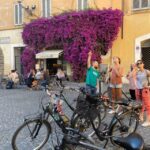
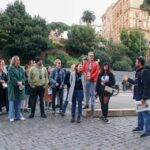
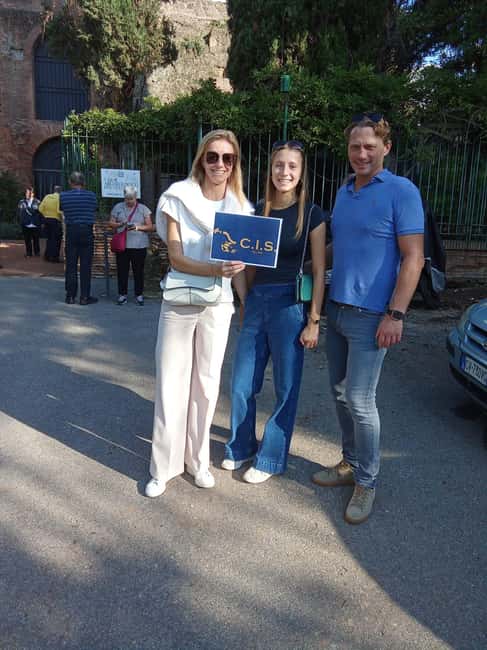
This tour is timed from the Colosseo zone, with the meeting point in front of the Colosseo metro station. Go to the lower floor at street level, near the green kiosk, and look for staff holding a C.I.S Tours sign.
You’ll want to arrive 20 minutes before your booked start. The tickets are nominative, meaning the names of all participants are required, so arrive ready to confirm details. They also include skip-the-line entry, which helps you avoid one of Rome’s biggest time traps: standing still while your reservation starts moving on without you.
Practical tip: wear comfortable shoes. Domus Aurea is an archaeology site, so expect uneven ground and time spent moving between areas. Also, bring a jacket—it’s not a guess, it’s part of the experience.
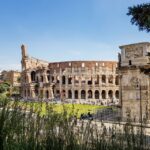
You can also read our reviews of more guided tours in Rome

Getting your ticket right: what’s included for $67
At $67 per person, you’re paying for more than just entry. Your ticket includes the Domus Aurea access, a live guided tour (with live guide language support), and the virtual reality experience. Taxes and fees are also included, and the tour is designed to run about 1.5 hours.
For value, the key is the VR isn’t a separate add-on you might skip. The guide’s explanations and the VR reconstruction are meant to work together, so you’re not just walking past ruins without context. You’re also not stuck translating everything on your own; an audio guide is included in Italian, English, French, and Spanish.
One more detail that affects enjoyment: what happens inside is temperature-dependent. If you run hot, you’ll still feel that indoor chill. If you run cold, you’ll feel it fast. Plan for it.
Oculus VR inside Domus Aurea: the Golden Vault moment
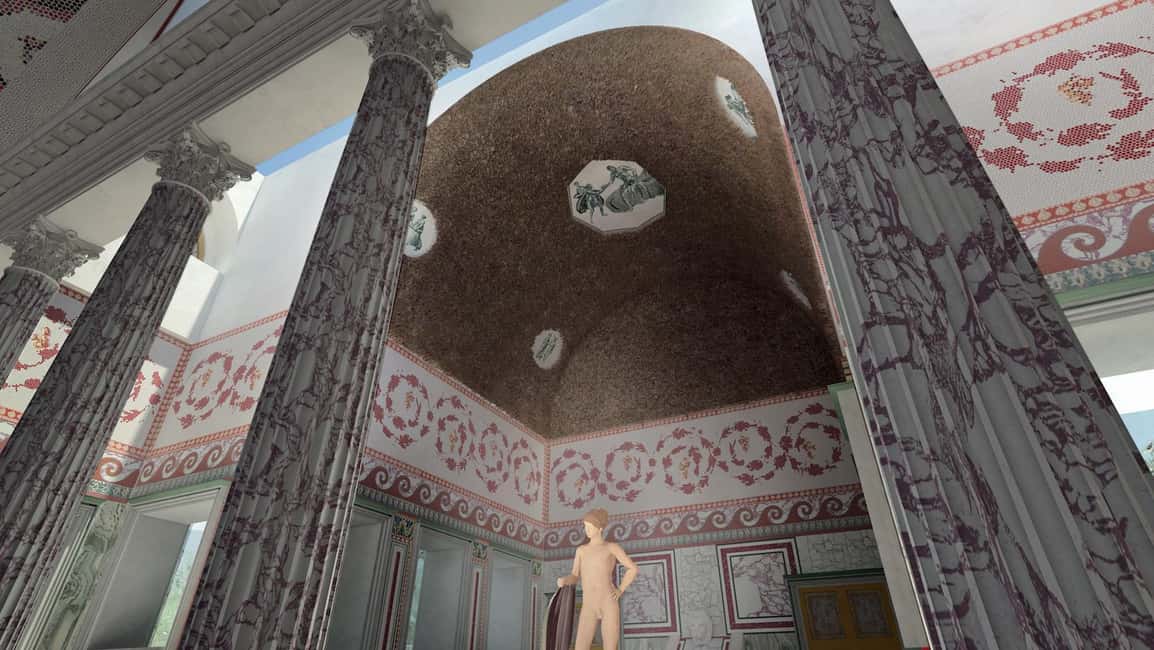
The centerpiece experience is a guided visit integrated with an Oculus-style virtual reality presentation. You’ll step into a VR room experience intended to show the Golden Vault area roughly as historians and archaeologists presume it originally appeared in Nero’s time.
This VR moment matters because Domus Aurea is harder to read than a typical “standing stones” ruin. The site’s power is in what’s missing and what’s preserved. VR helps you mentally rebuild the relationships between surfaces, scale, and decorative intent—especially around the vaulted spaces that are part of Nero’s theatrical reputation.
What to do during VR:
- Look for how the presentation guides your eye to the geometry and verticality of the room.
- Treat the VR as a map, not a perfect photograph. The goal is understanding, not expecting a movie set.
- If you’re prone to motion discomfort, take it slow, and keep your breathing steady. VR duration is short, but the setting is enclosed and cool.
If you’ve ever walked through a museum and felt like the labels came too late, this VR segment is designed to prevent that. It gives you a visual anchor before you move deeper into the real rooms.
The guided walk: Octagonal Hall, Cryptoporticus, Hall of Birds
After the VR segment, the tour becomes more physical and more interpretive. You’ll move through major highlights of the archaeological complex, including the Octagonal Hall, the Cryptoporticus, and the Hall of Birds.
Octagonal Hall
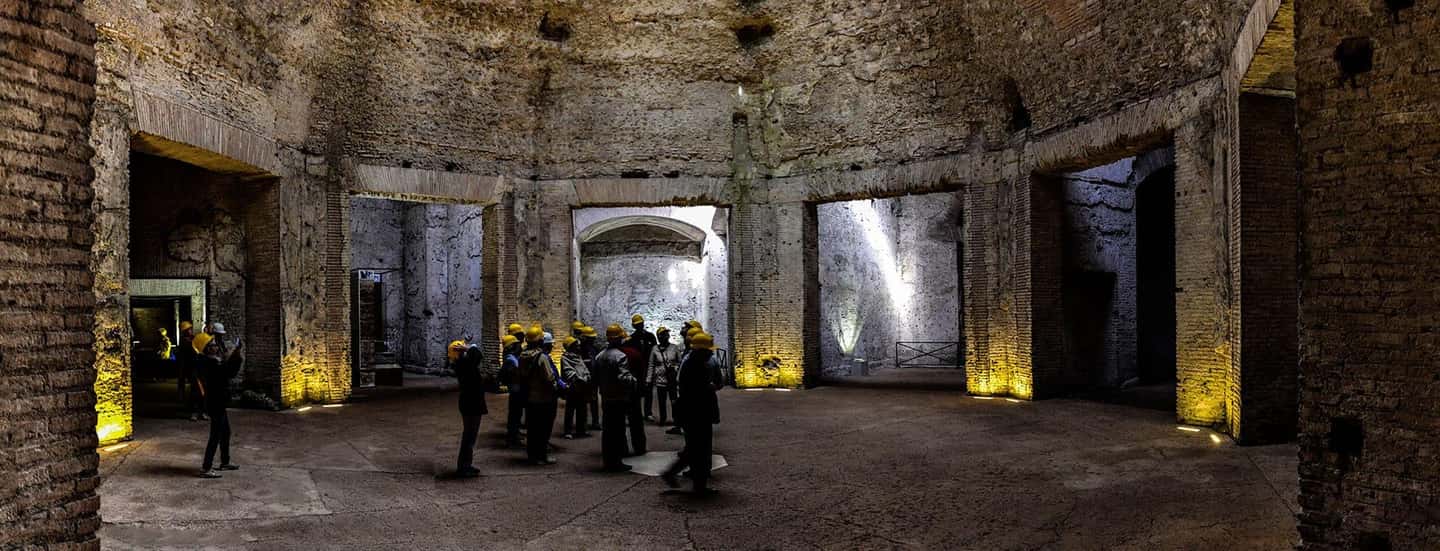
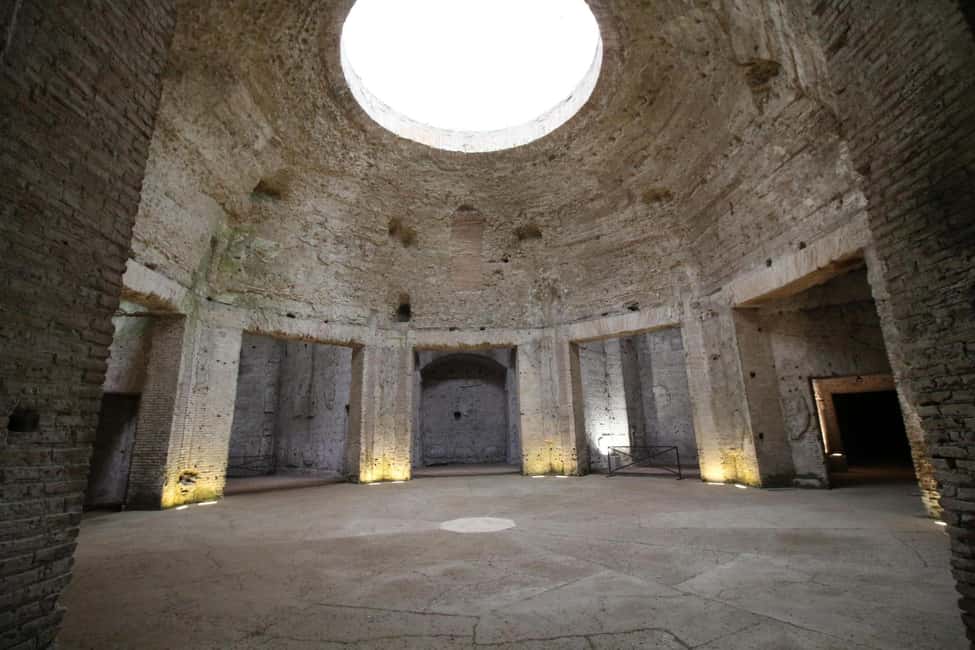
This is one of those rooms that instantly signals ambition. Even in ruin form, the geometry reads as intentional—like someone planned a showpiece rather than a storage space. When the guide explains the design idea, you start seeing how the Domus Aurea functioned as more than a home; it was a statement.

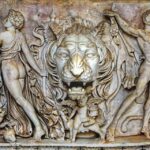
Cryptoporticus
The Cryptoporticus is the kind of space that rewards attention. It’s less about wow-light and more about structure, corridors, and how Roman builders made practical space feel monumental. If you like architectural reading—how people move, where sightlines go—this is a satisfying stop.
Hall of Birds
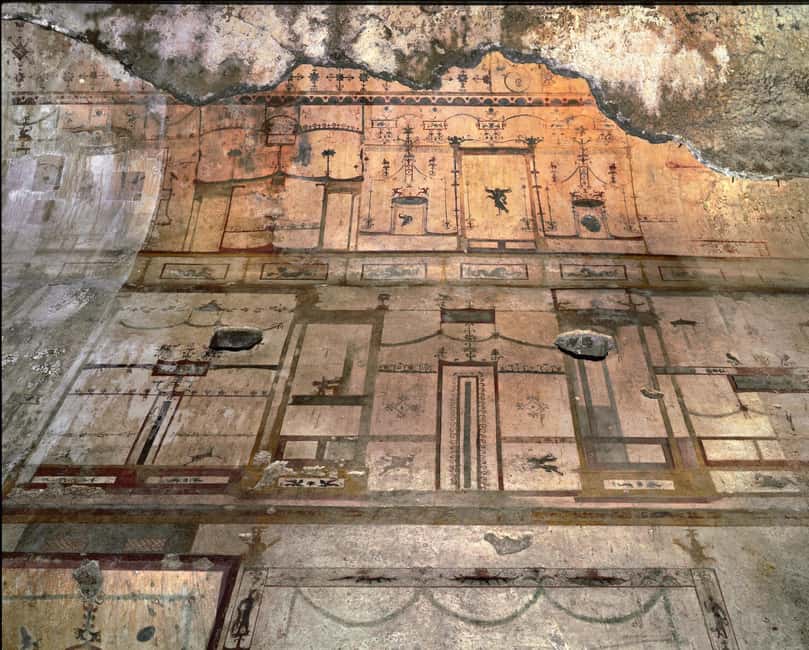
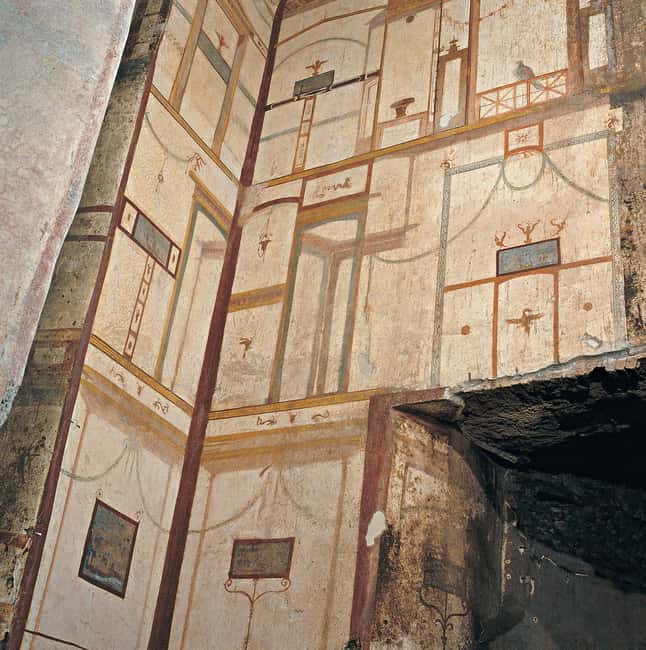
The Hall of Birds is where decoration comes to the front. The tour highlights the site’s decorative apparatus and the importance of its Roman painting. Even if you’re not a painting person, the guide’s framing helps you understand why this room gets attention: it’s not just decoration, it’s part of how power and atmosphere were communicated.
A simple advice: slow down a little as you move. The guide’s best points land when you give your eyes time to match the explanation to the surfaces and remaining fragments.
Nero’s concrete, dynastic politics, and the art that ties it together
This isn’t only a sightseeing tour. It includes the story behind the complex—why Nero wanted it and what Roman design choices allowed him to build.
One big focus is the use of concrete as a building material. Concrete changed what Rome could do with scale and form, and the Domus Aurea is part of the long conversation about how Roman engineering supported grand ideas. When the guide points to how the site is built, the ruins stop being random. They become evidence.
You’ll also hear how Nero’s goal was to create a large dynastic residence by connecting palatine homes with the expansive Esquiline gardens. The comparison to Hellenistic palaces is part of the argument: not just a residence, but a court-centered setting with spaces for daily life and productive activities.
Decorations are woven into the story. The tour notes the Domus Aurea as a standout example of Roman painting, and that emphasis changes how you see the rooms. Instead of thinking, someone once decorated a wall, you start thinking, someone designed an experience—color, pattern, and atmosphere meant to shape how people felt while inside.
How long you’ll be inside, and how to dress for it
The total experience runs about 1.5 hours, with 70 minutes for the guided portion. That’s a decent amount of time to spend moving indoors and outdoors at a Roman pace.
Two practical notes matter most:
1) Cold factor: the temperature is around 10 degrees inside the Domus Aurea. A light jacket might be enough for some people, but if you dislike cold rooms, bring a warmer layer. One traveler advice to self: wear the jacket you actually keep on hand.
2) Sound and audio support: the site isn’t built for easy acoustics. There’s an audio guide included, and it can help if you feel you’re missing details at certain points. If you’re hard of hearing, or you simply like crisp narration, keep that audio guide handy and pay attention to where you stand relative to the guide.
Also, note what you can’t bring: food and drinks are not allowed, and luggage or large bags are off-limits. If you’re carrying a big daypack, you’ll want to make sure it fits your day comfortably within site rules.
Languages, people, and comfort: who this tour suits
This is a guided experience with support in multiple languages: Italian, English, French, and Spanish. The live guide languages match that list, and you also get the audio guide in the same languages.
Now the important part: who should book, and who should skip. The tour is not suitable for:
- People with mobility impairments
- Wheelchair users
- People with claustrophobia
That last point is especially relevant because the experience includes VR and time in enclosed indoor spaces. If you know crowds and tight interiors spike your anxiety, treat that as a real warning, not a footnote.
If you’re fine with walking on uneven ground and you don’t mind cool indoor temperatures, this tour is a strong pick. It’s also ideal if you like a mix of architecture, art, and storytelling rather than only a checklist of ruins.
Price and logistics: is this a good use of your time?
For $67, you’re getting:
- Domus Aurea ticket entry
- A live guided tour
- An Oculus virtual reality segment
- Audio guide support
- Taxes and fees covered
- Skip-the-ticket-line included
You’re not just paying to see ruins. You’re paying for interpretation plus a visual reconstruction. That makes a difference when a site is visually “incomplete” without help. If you only have a short Rome window, the 1.5-hour length is also manageable—long enough to matter, short enough not to hijack your whole day.
The one logistics thing I’d plan around is punctuality. Nominative tickets mean names must match, and the group process starts at the meeting point. If you’re late, you can lose time waiting rather than enjoying the tour itself.
Extra tips that make the experience smoother
- Bring a passport or ID card. Kids also need the right ID.
- Wear comfortable shoes. You’ll walk and stand for periods.
- Bring a jacket even in warmer seasons. Inside stays cold.
- Don’t plan on snacks or drinks. Food and drinks aren’t allowed.
- If you’re carrying a big bag, travel light. Large bags and luggage are not allowed.
One more comfort tip: if the narration feels hard to catch in certain spots, switch to the audio guide for a minute. It’s included for a reason.
Should you book the Domus Aurea VR and Guided Tour?
I’d book this if you want more than a standard ruin walk. The combination of a guided explanation plus a VR reconstruction is exactly what helps Domus Aurea click: you see the scale, understand the layout, and get the story behind the architecture and decoration. The price also feels fair for what’s bundled, especially because skip-the-line entry prevents wasted time.
I would skip it if you have claustrophobia or mobility limitations, since the tour isn’t designed for those needs. And I’d still expect a chill, because 10 degrees inside is real.
If your Rome plan includes time for Colosseum-area classics, this is one of the best ways to turn “I’ve seen ruins” into “I understood what I was looking at.”
FAQ
What does the tour include?
The tour includes a ticket to Domus Aurea, a guided tour, a virtual reality experience, and an audio guide. Taxes and fees are included in the price.
Where do I meet, and when should I arrive?
Meet in front of the Colosseo metro station (lower floor at street level) near the green kiosk. Look for staff with the C.I.S Tours sign, and arrive 20 minutes before the booked activity.
How long is the experience?
The total duration is about 1.5 hours, with 70 minutes for the guided tour portion.
What languages are available for the guide and audio?
The live guide and audio guide are available in Italian, English, French, and Spanish.
Is it cold inside Domus Aurea?
Yes. The temperature inside is around 10 degrees, so bring a jacket.
Is the tour suitable for everyone?
No. It’s not suitable for people with mobility impairments, wheelchair users, or people with claustrophobia. Food and drinks, as well as luggage or large bags, aren’t allowed.