REVIEW · POMPEII & AMALFI COAST DAY TRIPS
From Rome: Pompeii and Herculaneum Tour w/ High-speed Train
Book on GetYourGuide →Operated by ItaliaTours · Bookable on GetYourGuide
Two ruins in one smooth day.
This tour links Rome and Naples by high-speed train, then takes you straight into skip-the-line guided visits to Pompeii and Herculaneum. You get the big payoff of seeing both sites without spending your day stuck in ticket lines or figuring out connections.
I love the way the schedule balances walking with guided storytelling, so Pompeii and Herculaneum feel like living places instead of just stone piles. I also really liked the meal setup: lunch includes a true Neapolitan-style pizza stop plus a full included lunch break at a convenient, comfortable venue.
One thing to plan around: this is a lot of walking, with uneven cobblestones, steps, and hills. If your mobility is limited or you’re not used to long days on foot, you’ll feel it.
In This Review
- Key highlights worth planning for
- Why this day trip works: two cities, one organized flow
- Rome to Naples by high-speed train: less stress, more day left
- Meeting at Caffè Vergnano inside Termini: find your group quickly
- Pompeii guided walk: cobblestones, shopfronts, and real street life
- The pizza break: a Neapolitan meal with old-station character
- Herculaneum walk: ash-and-mud preservation that’s almost unfair
- Timing and pacing across the 11 hours: what it feels like on your legs
- Price and value: is $201.75 worth it?
- Who should book (and who should pass)
- Should you book this Pompeii and Herculaneum tour?
- FAQ
- How long is the Rome to Pompeii and Herculaneum tour?
- What’s included in the tour price?
- Is lunch included, and what kind of food is it?
- What language is the tour guide?
- Where do I meet the group in Rome?
- Is the tour suitable for wheelchair users?
- What if I need to cancel?
Key highlights worth planning for
- High-speed train between Rome and Naples keeps the day from turning into logistics work.
- Skip-the-line entry at both Pompeii and Herculaneum saves time when crowds build.
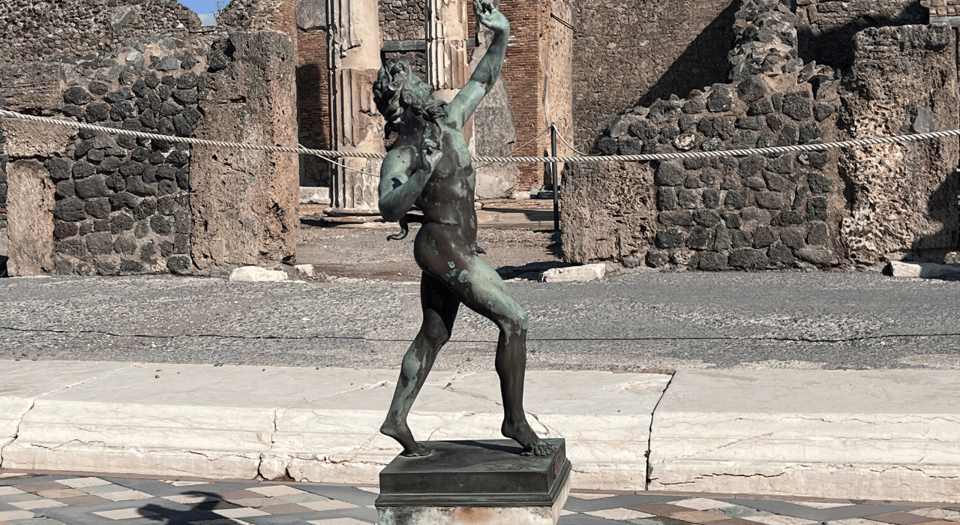
- Guided walks through Pompeii’s streets and public spaces bring daily life into focus.
- Herculaneum’s ash-and-mud preservation makes details survive in a way Pompeii can’t.
- Pizza lunch in a historic rail-station style venue adds a fun, local break.
- Air-conditioned coach transfers help you cool down between sites on a hot day.
Why this day trip works: two cities, one organized flow
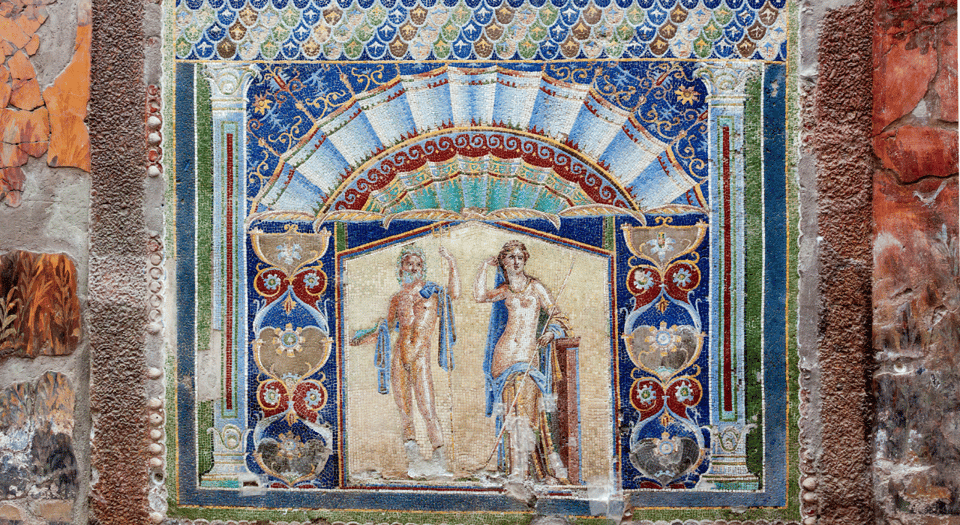
Pompeii and Herculaneum are both famous, but they hit differently. Pompeii is larger and more spread out; Herculaneum is smaller and often feels more personal because the preservation is so tight. Doing them in one day is the smartest way to see the contrast without losing a whole extra day to travel.
What makes this tour feel practical is how it protects you from the usual time-sinks. You’re not hunting for tickets, negotiating station exits, or trying to coordinate buses on your own. Instead, your day is built around a clear rhythm: train, coach transfers, guided site time, then train back.
The overall vibe is “see a lot, but don’t feel rushed the whole time.” Reviews repeatedly mention smooth organization and enough time to ask questions and move between stops without chaos.
You can also read our reviews of more tours and experiences in Rome.
Rome to Naples by high-speed train: less stress, more day left
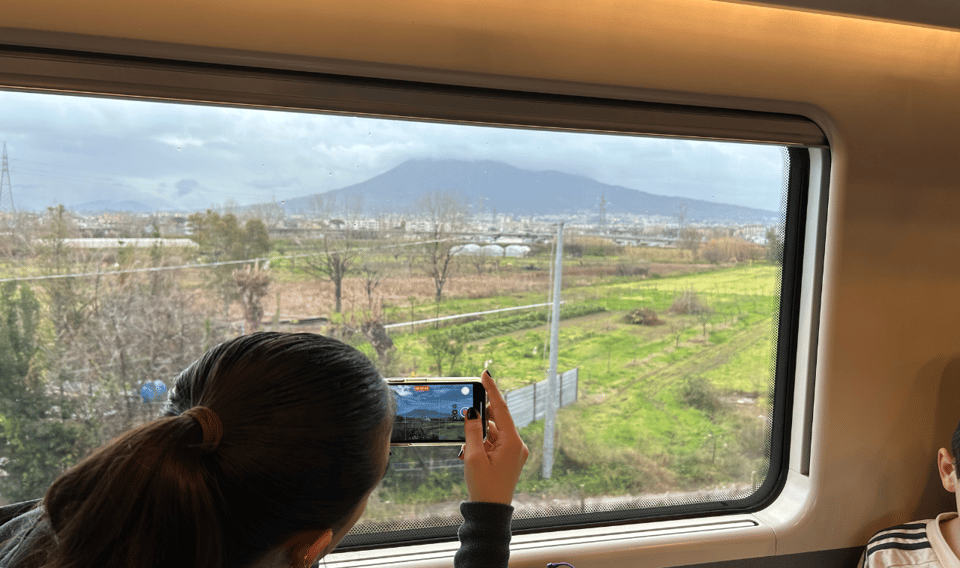
The day starts at Termini Station, then you take the 70-minute train ride to Naples. This is a big deal because it protects your energy for the ruins, not the commute.
You check in at Termini and then get to relax and watch the countryside roll by until it’s time to meet your guide in Naples. When you arrive, there’s a safety briefing (about 30 minutes) before you head out by air-conditioned coach. That briefing time matters more than you’d think: it sets expectations for where you’ll be, where to gather, and how to move as a group.
On the return, you’re brought back to Naples Station for the train ride home (again about 70 minutes). You end right where you started, back at the Termini meeting point, which keeps the last part of the day from turning into a scavenger hunt.
Meeting at Caffè Vergnano inside Termini: find your group quickly
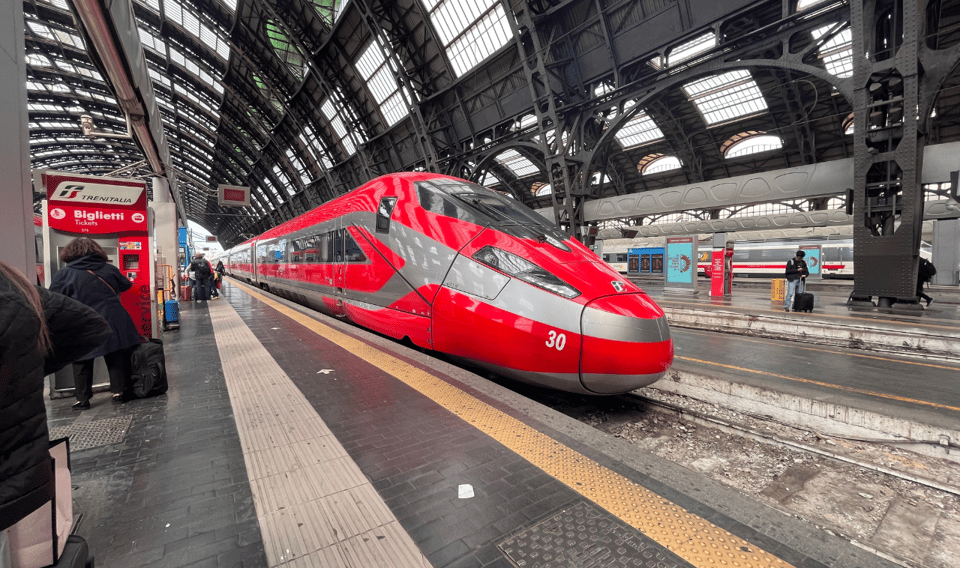
You meet at Caffè Vergnano inside Termini Station on the departures level. Go into the main terminal from one of the entrances, then head toward the shopping area facing track #1.
A representative holding an ItaliaTours sign is there waiting for you. This is one of the most helpful details to remember because Termini can feel like a maze if you arrive already tired.
If you’re traveling solo, this meeting setup can make a big difference. Multiple reviews mention that it’s easy to locate your contact both in Rome and Naples, and that helps you start the day feeling relaxed instead of braced for delays.
Pompeii guided walk: cobblestones, shopfronts, and real street life
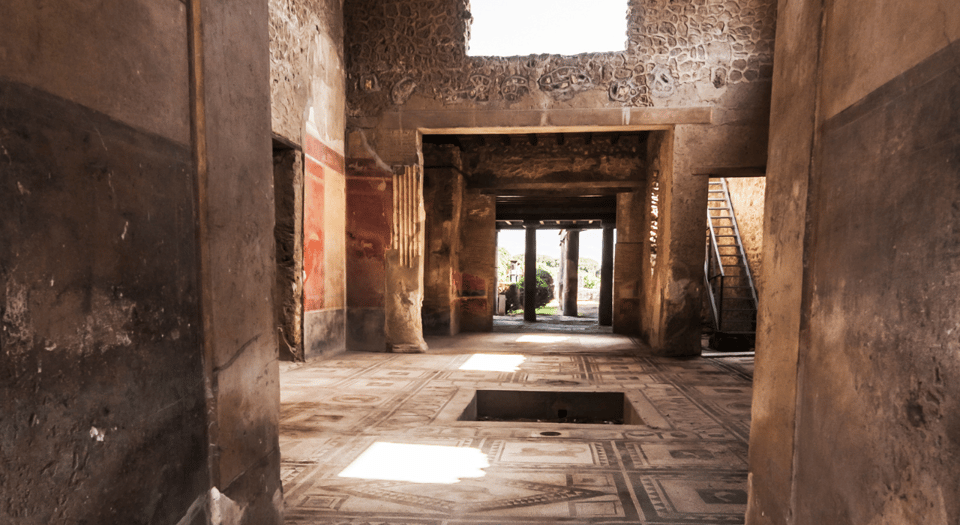
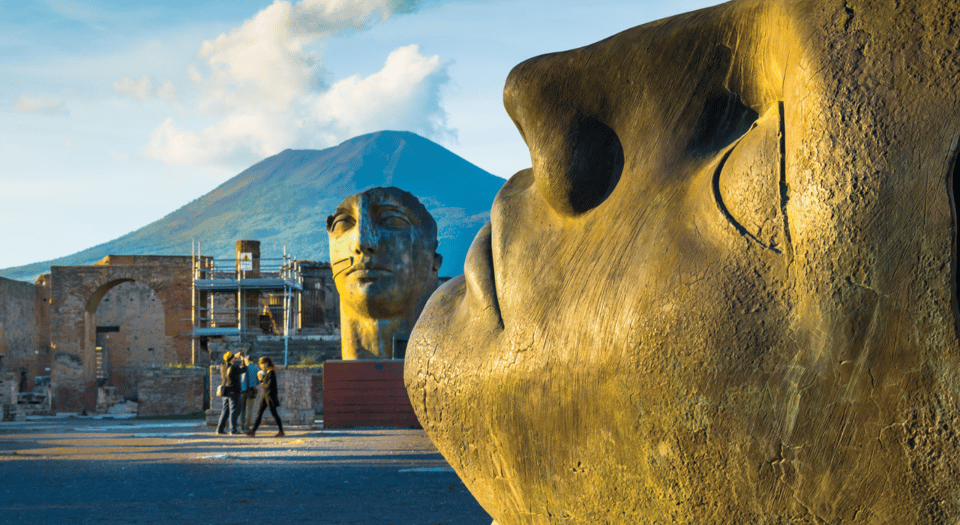
Pompeii is the headline, but the guide is what turns it into a story you can follow. Your Pompeii time is a guided walking tour of about 2.5 hours, supported by skip-the-line entry so you get in faster.
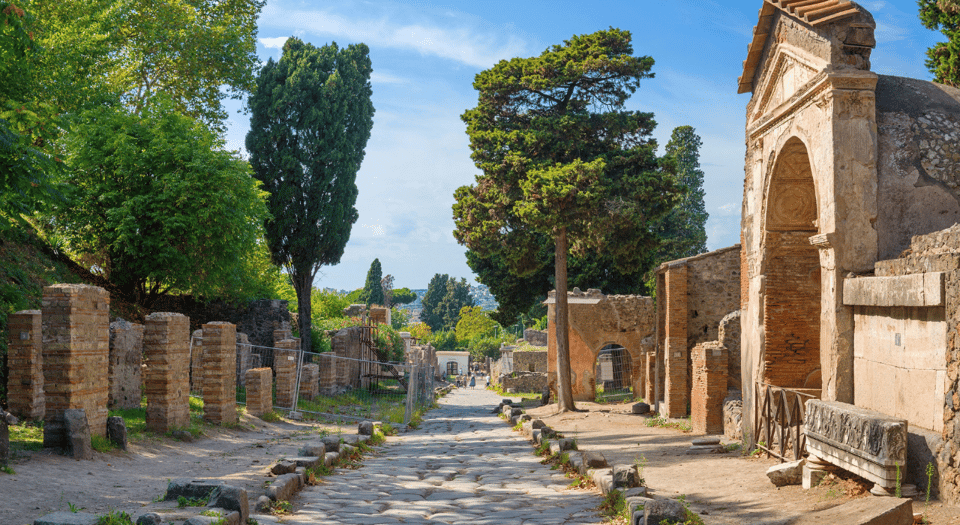
Expect to stroll the ancient streets on Roman cobblestones, with the feeling that you’re walking through an active town frozen mid-moment. Your route is designed to show the key parts of daily life: bakeries, shops, market-style stalls, residences, public baths, and even areas tied to prostitution. It’s not just architecture; it’s routine—where people ate, shopped, relaxed, worked, and socialized.
What I love about doing Pompeii with a guide is how they connect “what you see” to “what it meant.” You’ll get context about Roman settlement around Mount Vesuvius, and that background helps Pompeii stop feeling like a museum scene and start feeling like a place with a future that got cut short.
The main consideration is physical. Pompeii includes steps, ups and downs, and uneven ground. Even if you’re generally fine with walking, plan to go slower than you would on a smooth city sidewalk.
The pizza break: a Neapolitan meal with old-station character
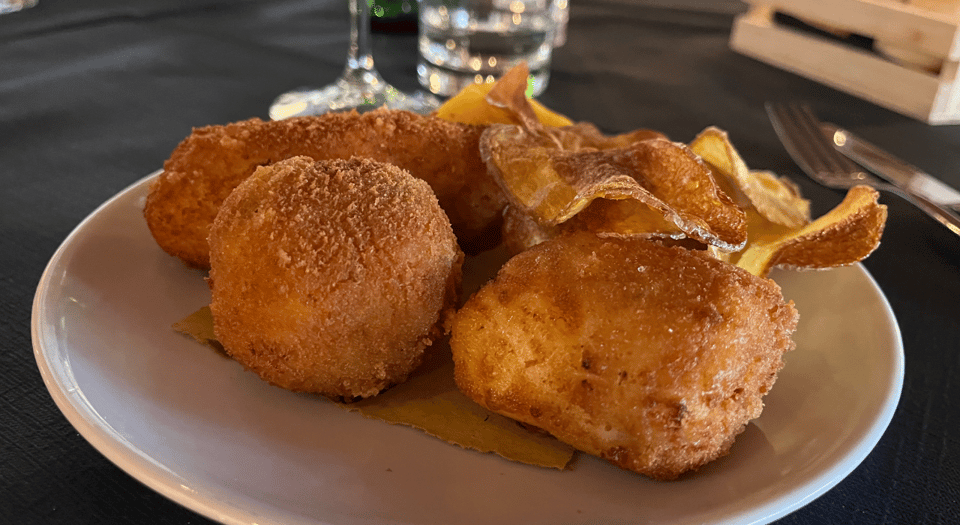
Lunch isn’t an afterthought here. You stop for authentic Neapolitan pizza at a pizzeria converted from an antique rail station, which adds a clever bit of atmosphere to the day.
This is also the point where the tour usually gives you a real reset before the next transfer. One reason the meal lands well is that it’s scheduled between Pompeii and Herculaneum, so you’re not eating right at the start of your ruins time or after you’re already exhausted.
What to keep in mind: you’re on a tight schedule overall, so treat lunch as a proper pause, not a long sit-down linger. If you tend to snack constantly while traveling, this is still a better option than searching for food near the entrances.
If you end up in a group with a strong guide, you may get extra tips about what to look for next once you’re headed toward Herculaneum’s different kind of preservation.

Herculaneum walk: ash-and-mud preservation that’s almost unfair
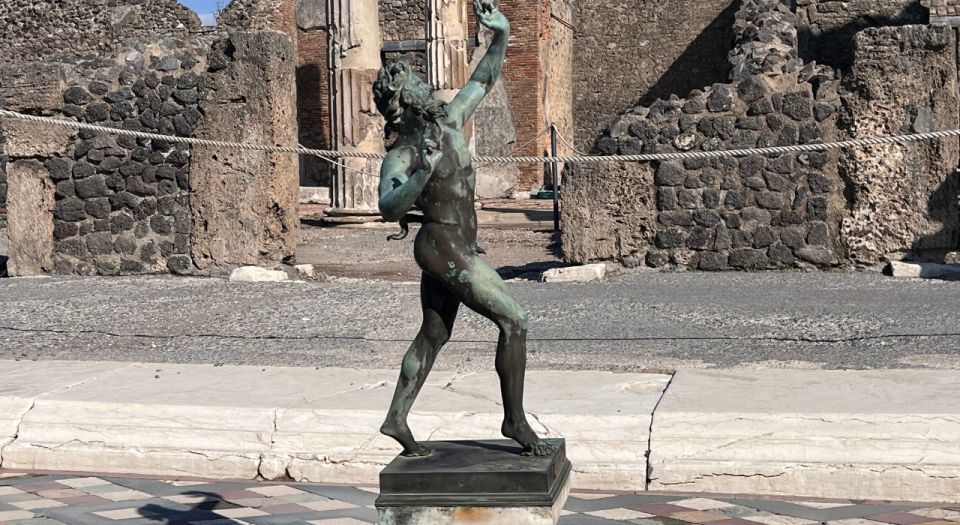
After the Pompeii portion, you transfer to Herculaneum by air-conditioned coach (the ride is short, about 30 minutes), then you get another guided segment.
Herculaneum’s guided time is about 1.5 hours, and it’s a different experience from Pompeii right away. Pompeii was exposed to time and excavation; Herculaneum was buried under a mixture of ash and mud, which solidified and acted like a protective layer.
That’s why Herculaneum can feel more intact. You’ll walk in the footsteps of Romans who once called this lost city home, and your guide helps you notice smaller features that don’t always get attention when you’re moving at your own pace. Reviews mention especially striking details like mosaics and even preserved wooden elements—those are the kinds of sights that make Herculaneum more emotionally direct than just “another ruin.”
One balancing note: some people feel Herculaneum could be longer, because it’s easy to want more time once the preservation starts landing. The upside is that the tour keeps you moving through the essentials without turning your day into a marathon.
Timing and pacing across the 11 hours: what it feels like on your legs
Total duration is listed as 11 hours, and that matters because it’s a full day on the move. You’re not just commuting; you’re walking through two archaeological parks.
A typical flow looks like this: train to Naples, safety briefing, coach to Pompeii, guided Pompeii walking tour, lunch, transfer to Herculaneum, guided Herculaneum, coach back to the station, train back to Rome. The planned coach breaks are useful because they give your feet time to recover.
In the reviews, people consistently praise the smooth transitions—getting on the right trains, staying on schedule, and not losing time to confusion. That’s exactly what you want on a day where the sites themselves are already time-heavy.
Still, go in with realism. Expect uneven ground and steps. Bring shoes you trust on rocky, worn stone. If you’re traveling in summer heat, you’ll be thankful for the air-conditioned coach between stops, and you’ll likely appreciate shade breaks if your guide manages them well.
Price and value: is $201.75 worth it?
The price is $201.75 per person, and the value depends on what you’d otherwise do.
If you tried to DIY this day trip, you’d face a chain of tasks: booking train tickets, timing your Naples transfers, getting entry tickets for two sites, and hiring local guides (or losing the context that makes ruins click). Even if you could piece it together, you’d trade convenience for time and uncertainty.
This tour bundles the heavy-lift items: roundtrip high-speed train, air-conditioned coach transfers, a guide, skip-the-line entry at both Pompeii and Herculaneum, and lunch. For many people, that’s what turns the day into a fun, guided experience instead of a stress test.
Lunch is also a real part of the value here. Reviews mention included meal quality and a full lunch setup, and that matters because when you’re walking for hours, “something quick” stops being enough.
At the end of the day, I’d call the price fair if you want structure and context. If you’re the type who prefers total independence and you already know how to time trains and entry tickets confidently, it might feel less compelling. For most visitors, it’s the convenience plus the dual-guided experience that makes it feel like a good deal.
Who should book (and who should pass)
This is a great pick if you want to see both Pompeii and Herculaneum in one day without wrestling logistics. It’s also a strong choice for solo travelers, because the group structure makes it easier to navigate and less lonely than you might expect.
It’s less ideal if you have mobility limitations or low fitness. The tour is marked as not suitable for wheelchair users and it involves substantial walking. Even if you’re not in a wheelchair, if cobblestones, steps, and long distances wear you down quickly, you’ll likely feel uncomfortable.
If you’re traveling with kids, this could work for older kids who can handle long walks, but you’d need to judge stamina honestly.
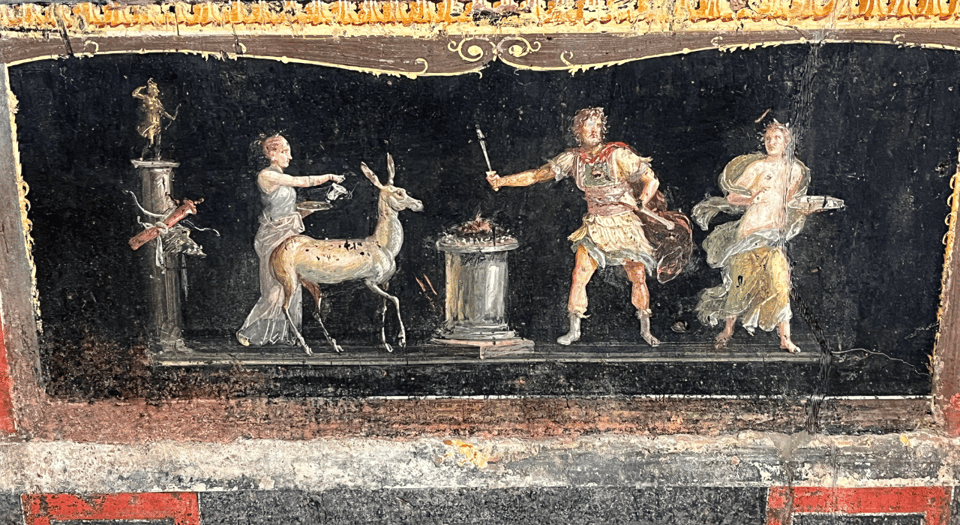
As for guides: names mentioned in reviews include Chiara and Antonio at the sites, and Carla meeting people in Naples. If you get one of these guides (or another excellent one), you’ll probably love the storytelling that connects the streets, public spaces, and the eruption context. Even when guides vary, the tour format is designed to keep you moving through the most important sections efficiently.
Should you book this Pompeii and Herculaneum tour?
Book it if you want a day that feels planned rather than improvised. The combination of train comfort, guided ruins, skip-the-line entry, and a real lunch stop makes it a strong choice for first-time (and second-time) visitors alike.
Skip it if walking long distances on uneven ground is a problem for you. Pompeii and Herculaneum are worth seeing, but the tour’s best feature is also its biggest challenge: you’ll be on foot for a lot of the day.
If you’re deciding between doing only one site or both, this tour is the better bet for most people. Seeing Pompeii and Herculaneum side by side is the fastest way to understand why these two ruined cities feel so different.
FAQ
How long is the Rome to Pompeii and Herculaneum tour?
The total duration is 11 hours. Starting times vary, so you’ll want to check availability for the day you want.
What’s included in the tour price?
It includes roundtrip high-speed train between Rome and Naples, air-conditioned coach transfers, a live English guide, skip-the-line entry tickets for Pompeii and Herculaneum, and lunch.
Is lunch included, and what kind of food is it?
Lunch is included. The plan includes an authentic Neapolitan pizza stop in a historic venue, plus an included lunch break with more than just a quick snack.
What language is the tour guide?
The live tour guide operates in English.
Where do I meet the group in Rome?
Meet at Caffè Vergnano inside Termini Station on the departures level, in the shopping area facing track #1. Look for a representative holding an ItaliaTours sign.
Is the tour suitable for wheelchair users?
No. The tour is not suitable for wheelchair users.
What if I need to cancel?
You can cancel up to 24 hours in advance for a full refund.