REVIEW · WORKSHOPS
Rome: Cooking Lesson to learn the Secrets of Italian Cuisine
Book on GetYourGuide →Operated by Welcome Italy by Spare Tour S.r.l. · Bookable on GetYourGuide
Rome has a way of getting you hungry fast, and this cooking lesson turns that hunger into real know-how. You’ll shop for ingredients with the chef, then head to Cantina del Duca for wine tasting and a hands-on class built around Roman meal basics.
I especially like the structure: you cook your own primo, secondo, and dessert, not just watch. I also like the wine pairing part, with wines from Lazio meant to go with what you make.
One consideration: the experience is listed as not suitable for wheelchair users, so plan accordingly if mobility is a factor.
In This Review
- Key highlights at a glance
- Why a Roman Cooking Lesson Starts at the Market
- Cantina del Duca wine tasting that teaches pairing, not just sipping
- Cooking Your Own Roman Meal: primo, secondo, dessert
- Meat, fish, or vegetarian: you get to steer the menu
- What you get when the class ends: certificate and real skills
- Getting there in 4 hours: pickup inside Rome’s Aurelian Walls
- Is the $258.29 price fair for what you do and eat?
- Should you book this Rome cooking lesson?
- FAQ
- How long is the Rome cooking lesson?
- Where does the class take place?
- What’s included in the price?
- Do I have a choice of ingredients or menu type?
- What languages are offered?
- Is it outdoors?
- Is the activity suitable for wheelchair users?
Key highlights at a glance
- Market shopping with the chef so you learn how ingredients get chosen, not just how dishes get plated
- Cantina del Duca wine tasting with pairings tied to the meal you’re cooking
- A complete Roman sequence: primo, secondo, dessert, plus you eat what you make
- Meat, fish, or vegetarian option so the menu can match your preference
- A participation certificate to mark the day you brought Italian cooking skills home
Why a Roman Cooking Lesson Starts at the Market
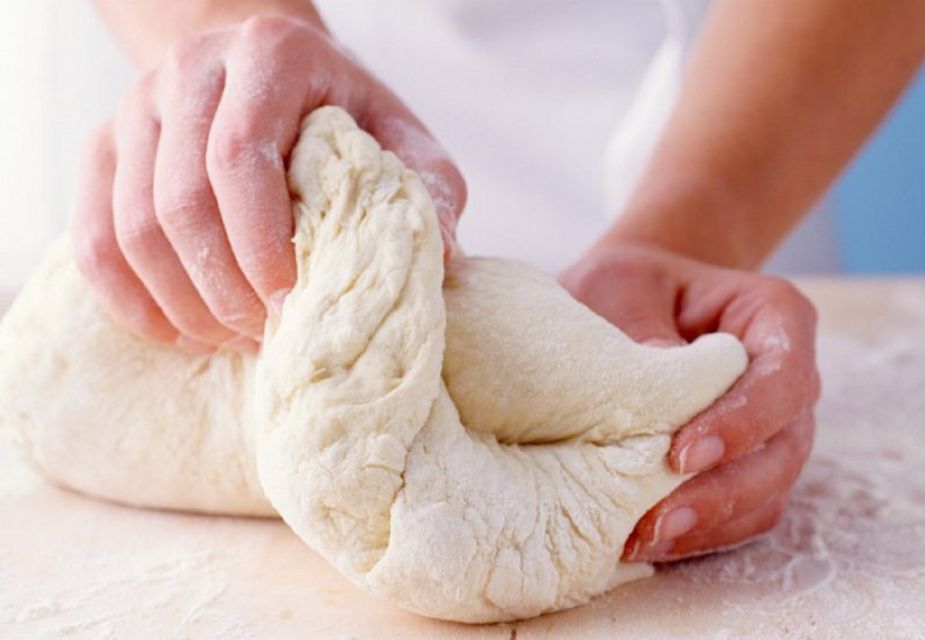
The best cooking classes in Italy don’t start with a cutting board. They start with choices. Here, you begin in Rome with pickup and then move into the food-first part of the experience where the chef helps you understand how Roman cooking thinks about ingredients.
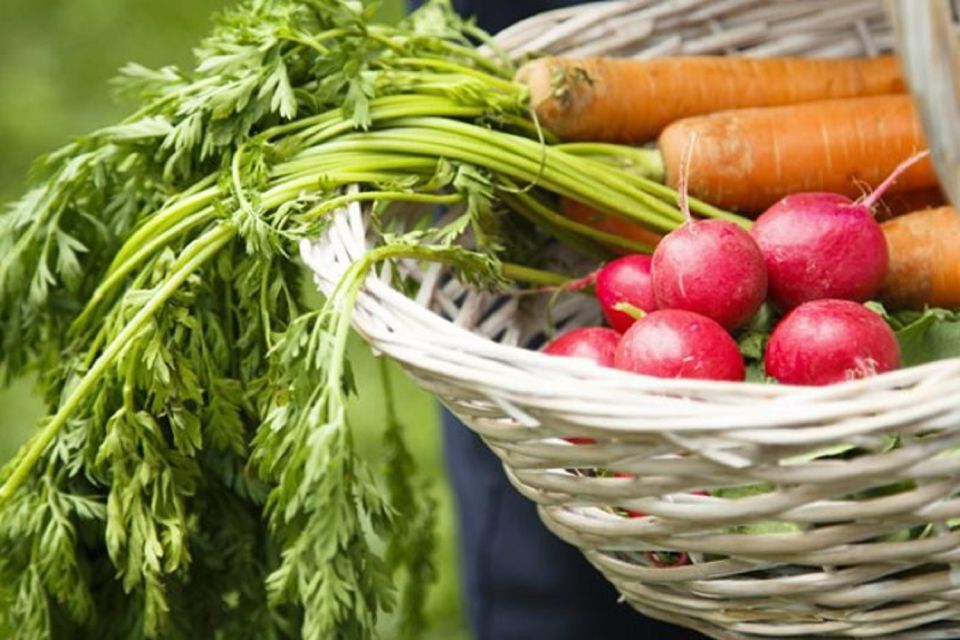
You’ll shop with the chef, which is where a lot of the lesson payoff happens. You get to see what the chef looks for and why. Is it about ripeness, texture, aroma, the right cut, or the timing for cooking? That kind of ingredient logic is the foundation for cooking at home later, even when you’re not in Rome.
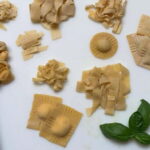
In one class description tied to this experience, the chef taught hands-on dishes like ravioli, gnocchi (with different sauces), and fried zucchini flowers filled with mozzarella. Even if your exact menu differs, the point stays the same: you learn technique plus how to work with ingredients, not just follow steps.
You’ll probably also appreciate the practical rhythm. Market shopping plus cooking means you don’t spend your energy worrying what you’re supposed to do. The chef sets the pace, explains along the way, and keeps it moving so you end up with a full meal you can actually taste.
You can also read our reviews of more tours and experiences in Rome

Cantina del Duca wine tasting that teaches pairing, not just sipping
No Roman meal is complete without wine, and this class treats wine like part of the cooking lesson. You’ll head to Cantina del Duca, where the itinerary includes wine tasting alongside the cooking and food tasting.
What makes this valuable is that the wine isn’t just served alongside dinner. The class is set up so your dishes get paired with wines from the Lazio region as you eat. That gives you a real reference point for flavor matching—how acidity, body, and aromatics can work with pasta, sauces, and Italian starters.
This is the kind of pairing knowledge you can use after your trip. The next time you’re eating at home and wondering what wine to choose, you can think in terms of balance: does the wine cut through richness, or complement herbs and savory flavors? Even if you’re not writing a wine blog, having that mental model makes ordering feel less like guesswork.
Also, by keeping wine in the “while you’re cooking and eating” timeline, you don’t lose the connection between the food decisions and the flavor outcomes. You taste, you connect, and you remember.
Cooking Your Own Roman Meal: primo, secondo, dessert
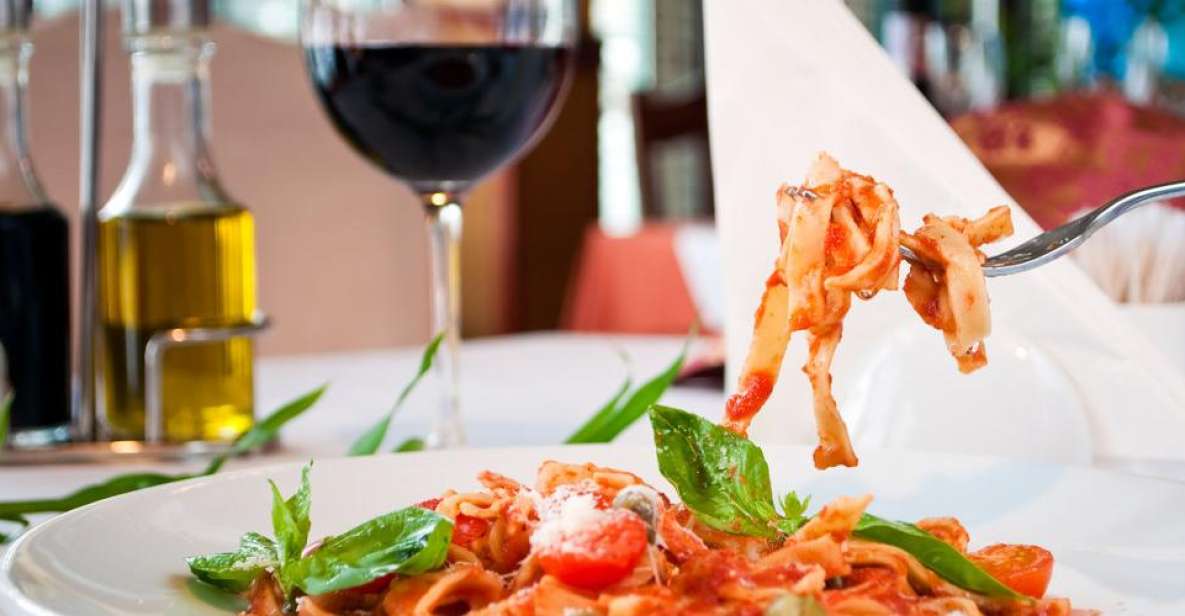
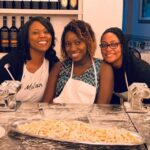
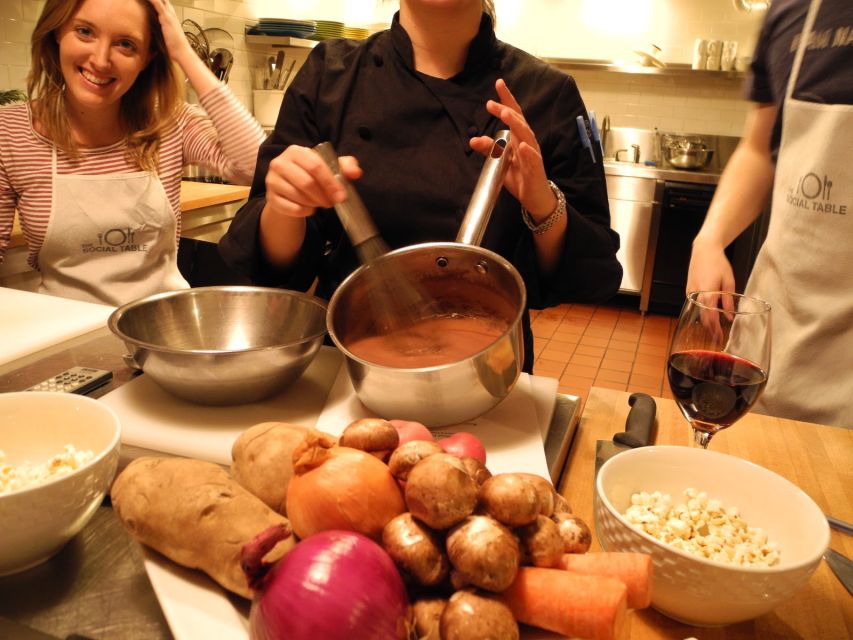
You’ll cook and then eat your own meal, which is where this class really earns its keep. The format is a full Roman set-up: primo, secondo, and dessert. That matters because it teaches how Italian meals move from course to course with different textures and expectations.
Here’s how the experience is designed to feel:
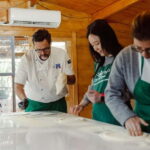
- You’ll work with an international bilingual chef who explains the choices behind Roman dishes—old and new.
- You’ll cook your meal during the class session rather than doing a short sample.
- As you eat, your food is paired with the Lazio wines so you understand the full flavor picture.
The “primo to dessert” structure is also what makes it more than a one-dish pasta class. You’ll be thinking about sauce consistency, timing, and how different courses feel on the palate. That’s the stuff that helps if you want to reproduce the meal later, not just recreate one item.
One detail I like from the class examples shared with this experience: learning dishes that involve both shaping and stuffing, like ravioli, plus small bites like fried zucchini flowers filled with mozzarella. Those teach different skill sets. Pasta folding or shaping is technique-heavy; filled items teach portion control and sealing. Fried vegetables teach how to manage temperature and crispness.
If you’re a beginner, this format is still approachable because you’re guided by a chef in real time. If you already cook, you’ll still get value from the “why” behind the steps—ingredient handling, sauce logic, and the order of operations that can make the difference between good and great.
Meat, fish, or vegetarian: you get to steer the menu
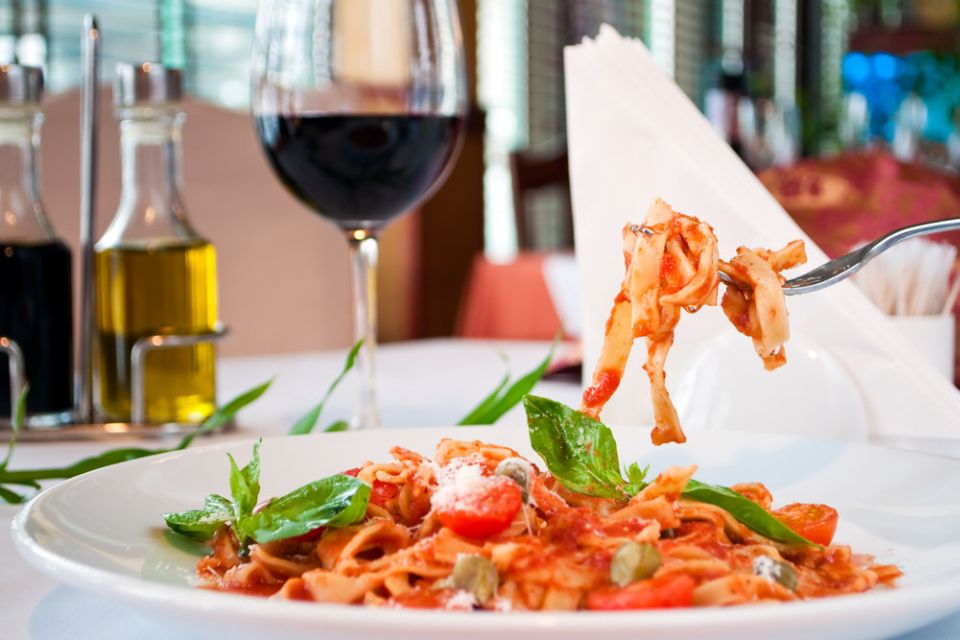
One of the clearest “you” benefits is that you can specify whether you want meat, fish, or vegetarian. That changes the experience in a meaningful way.
Instead of being stuck with a menu that doesn’t fit your appetite or dietary preference, you get to match the meal to what you actually want to cook and eat. That makes the whole thing more satisfying, because you’re not spending half the class mentally adjusting around ingredients you can’t or won’t eat.
It also helps if you’re traveling with others who have different tastes. This class is described as private or small-group available, and a flexible menu option makes it easier for a group to find common ground without turning the evening into a compromise contest.
Just be aware that the overall class still follows the Roman meal rhythm. Even if the proteins or vegetables change, you’re still going through the primo, secondo, dessert flow—so you’ll come away with a broader sense of how Roman meals are built, not just one variation.
What you get when the class ends: certificate and real skills
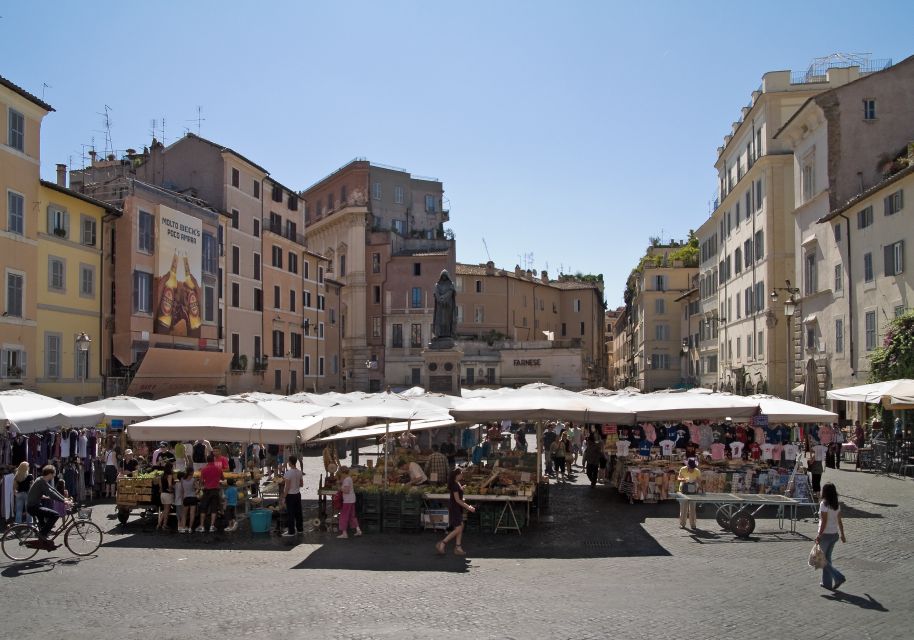
At the end, you receive a certificate of participation. It’s not the reason to book, but it’s a nice touch if you like having a record of what you learned (or if you want something small to bring home besides photos).
More important than the paper is what the class sets you up to do after the trip. The chef-led structure—ingredient selection, cooking steps, and eating the results—means you leave with a clearer understanding of how Italian cuisine works in practice.
If you’ve ever tried to cook Italian food at home and found it never tastes quite right, this style of class helps you correct that. You’re learning from the inside: how ingredients behave, how sauces come together, and how courses fit into an actual meal rather than a random dinner idea.
And you’re not leaving hungry. The class includes a meal and drinks, and you’re tasting what you make. That’s a huge quality-of-life factor on a short Rome visit. You’re not doing a “light snack workshop” that makes you search for dinner afterward.

Getting there in 4 hours: pickup inside Rome’s Aurelian Walls
This is a 4-hour experience with round-trip transportation, and it’s built for practical sightseeing schedules. Pickup is included from accommodations within Rome city center only, specifically inside the Aurelian Walls.
That detail matters. If you’re staying outside that area, you might need to factor in how you’ll get to the pickup zone. If you’re staying central, the logistics tend to feel smoother, because you’re not piecing together multiple transit steps before you even start cooking.
The class runs rain or shine. So if your Rome day looks shaky, this is the kind of activity that still works when outdoor plans go sideways. Since it takes place at the cooking location with wine tasting and meal service, you’re not dependent on the weather for the core experience.
Language support is also part of the value. You’ll have an English-speaking tour escort, and the class languages include English, Spanish, Italian. That makes a difference if you want real explanations rather than just “follow along.”
Group size is listed as private or small groups available. That’s helpful because it usually means you get more direct attention while cooking and asking questions—especially if you want to understand technique instead of just getting through the steps.
Is the $258.29 price fair for what you do and eat?
At $258.29 per person for about 4 hours, you’re paying for more than a recipe sheet. You’re paying for chef instruction, market shopping, cooking time for a full meal, and a wine tasting experience—plus round-trip transportation inside the Aurelian Walls.
Here’s the value equation that makes sense for this kind of class:
- You get hands-on cooking plus eating the results (not just watching).
- You get wine pairing tied to what you cooked, which adds educational value.
- You get transportation included for a specific Rome zone, which reduces hassle.
- You get drinks included and a certificate at the end.
Could you eat pasta and drink wine in Rome for less? Sure. But you’re not buying the same thing. This is about learning how to do it—ingredient thinking, meal structure, and course-by-course technique—while you’re still in the Italian context where those ingredients and flavors make sense.
If you want maximum value, consider how many other “food experiences” you might stack in the same day. Cooking lessons can replace two activities at once: a market-focused food moment and a sit-down tasting. It’s often a better use of limited time than trying to squeeze in everything separately.
The price also feels easier to justify if you’re traveling with a partner or small group, because shared experiences tend to feel more “worth it” when everyone leaves with the same meal knowledge.
Should you book this Rome cooking lesson?
Book this class if you want a practical, chef-led way to understand Roman cooking in one morning or afternoon. It’s a strong fit if you like food education you can reproduce later: ingredient choices, pasta and dish technique, and the way wine pairing is explained through what you’re eating.
I’d think twice if you rely on wheelchair access, since the experience is listed as not suitable for wheelchair users. I’d also double-check the pickup area if you’re staying outside the Aurelian Walls, because transportation is described as included only within Rome city center in that zone.
If your goal is to leave Rome with actual cooking skills—not just a satisfied stomach—this one is hard to beat.
FAQ
How long is the Rome cooking lesson?
The experience lasts about 4 hours.
Where does the class take place?
You’ll be picked up in Rome and then take part in the wine tasting and cooking class at Cantina del Duca, before returning to Rome.
What’s included in the price?
It includes round-trip transportation inside the Aurelian Walls, an English-speaking tour escort, the cooking class, a meal, drinks (including wine tasting), and a certificate of participation.
Do I have a choice of ingredients or menu type?
Yes. You can specify whether you want meat, fish, or vegetarian.
What languages are offered?
The languages for the experience are English, Spanish, and Italian.
Is it outdoors?
The tour operates rain or shine, so you should assume it continues regardless of weather.
Is the activity suitable for wheelchair users?
No. It is listed as not suitable for wheelchair users.