REVIEW · CITY TOURS
Rome: 3-hour guided city tour by electric golf cart
Book on GetYourGuide →Operated by Experiences Of Rome · Bookable on GetYourGuide
Rome looks different at golf-cart speed. This 3-hour electric golf cart tour is a smooth way to cover big sights without getting crushed by the walking, and you get 360-degree photo-friendly viewpoints as you roll through the historic center.
What I like most is how the route stays comfortable while still hitting the postcard targets: Trevi, the Pantheon area, Vatican views, and back down toward Trastevere. One thing to consider is time at each stop is brief, so the tour works best if your goal is seeing and photographing the highlights rather than lingering for hours at a single monument.
In This Review
- Key things to know before you go
- Why this electric golf cart tour works in Rome
- Meeting at Repubblica: starting where you can easily orient
- Pincio Terrace, Piazza del Popolo, and Piazza di Spagna (the view phase)
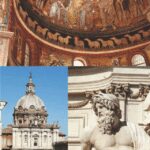
- Trevi Fountain and the Pantheon: the postcard zone, managed
- Vatican City photo stop and Janiculum Hill viewpoints
- Trastevere: the neighborhood stop that feels like Rome
- Aventine Hill, Circus Maximus, and the Colosseum arena-floor photo moment
- The guide makes the difference: Andrea’s kind of Rome talk
- Value and price: is $135.94 per person worth it?
- Small-group comfort: up to 7 people changes the feel
- Tips to make the most of your photo stops
- Should you book this Rome golf cart tour?
- FAQ
- Where does the Rome electric golf cart tour start?
- How long is the tour?
- How big is the group?
- What languages is the live guide available in?
- Is the tour wheelchair accessible?
- What’s included in the price?
Key things to know before you go
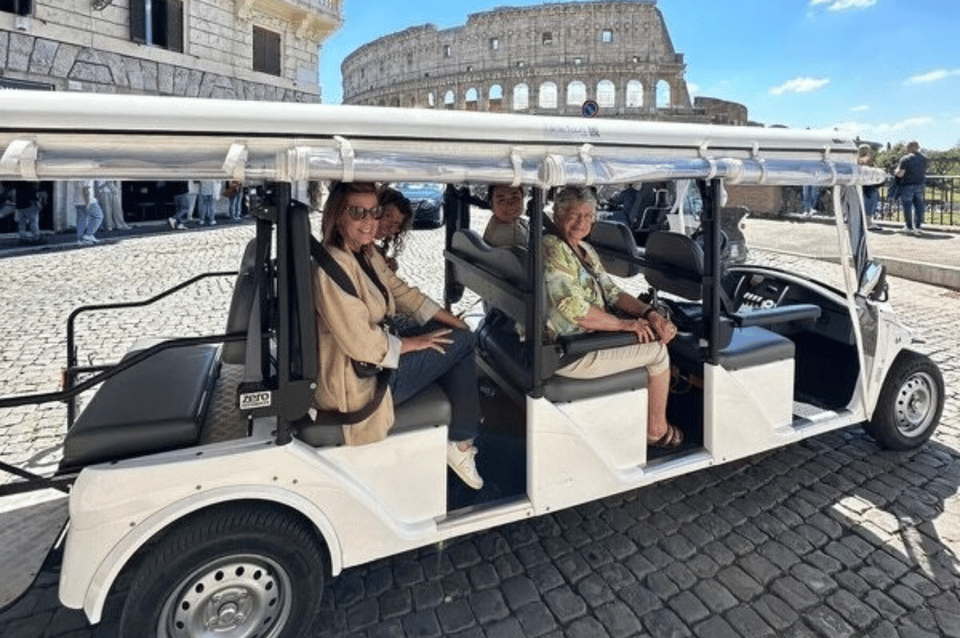
- Small group (up to 7) plus a quiet, easy ride means you can actually hear your guide’s stories.
- 360-degree views help you frame shots from the best angles without constant repositioning.
- Photo stops at major landmarks are built in, from Trevi Fountain to the Colosseum arena-floor photo moment.
- Terraces and higher points (like Pincio and Janiculum) are included without long uphill walks.
- Gelato or coffee stops are part of the rhythm, so you’re not just sightseeing—you’re sampling Rome.
Why this electric golf cart tour works in Rome
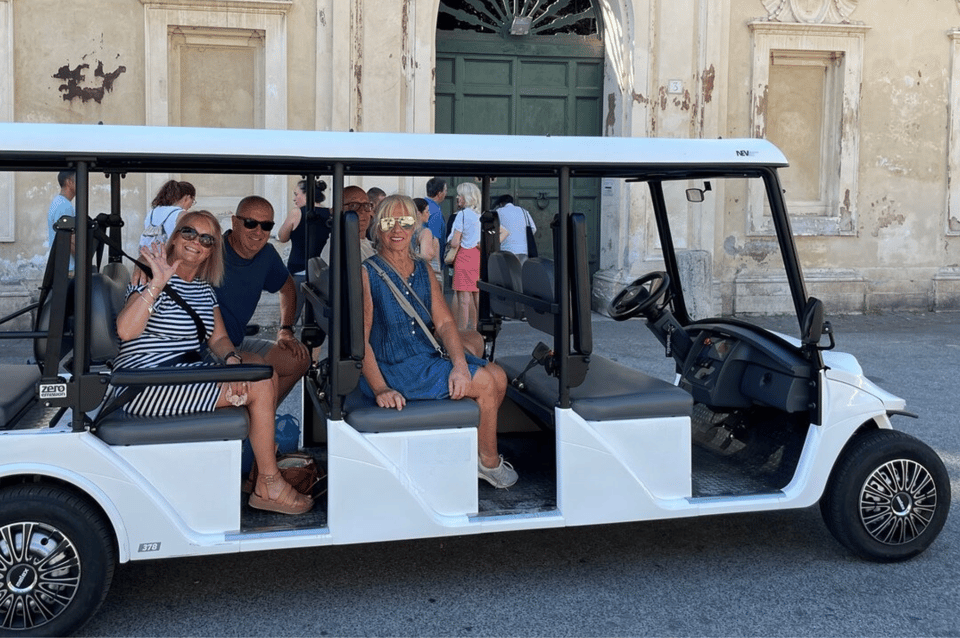
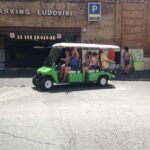
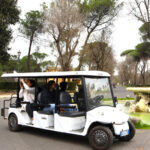
Rome is a city that dares you to over-plan. You pick one neighborhood, then you realize the next must-see is on the other side of traffic, hills, and endless stairs. This tour solves that problem with an environmentally friendly electric golf cart and a route that keeps you close to the action.
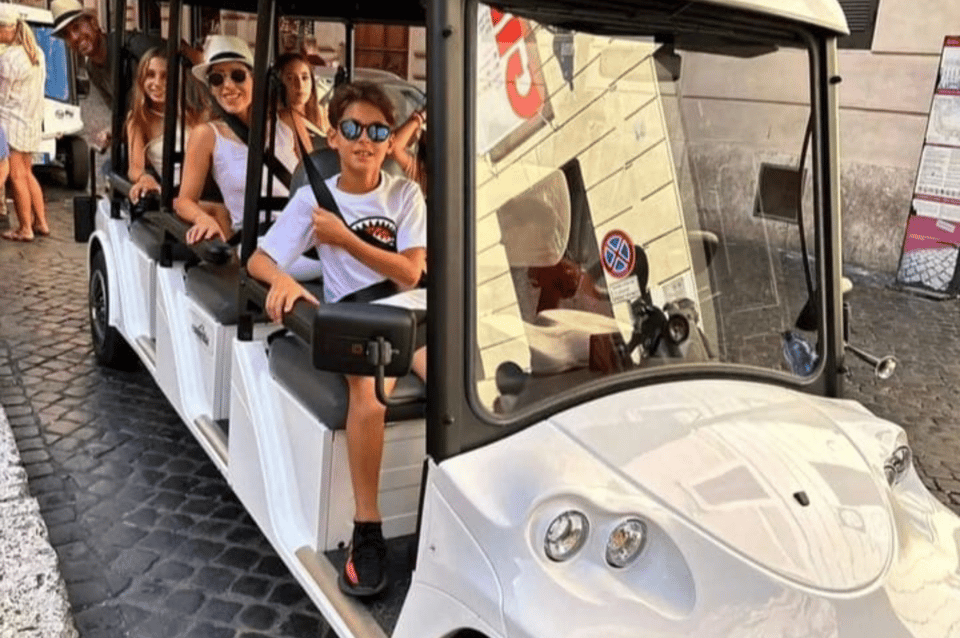
The pace is the real selling point. You’re moving between viewpoints and squares without the slow grind of weaving through crowds on foot. Because the vehicle is comfortable and quiet, you can focus on what matters: your guide’s context and the photos you came for.
You also get access to areas that regular vehicles can’t always reach. That means you’re not just looking at Rome from far away—you’re often positioned under or near the big scenes, which saves both time and energy.
You can also read our reviews of more guided tours in Rome

Meeting at Repubblica: starting where you can easily orient
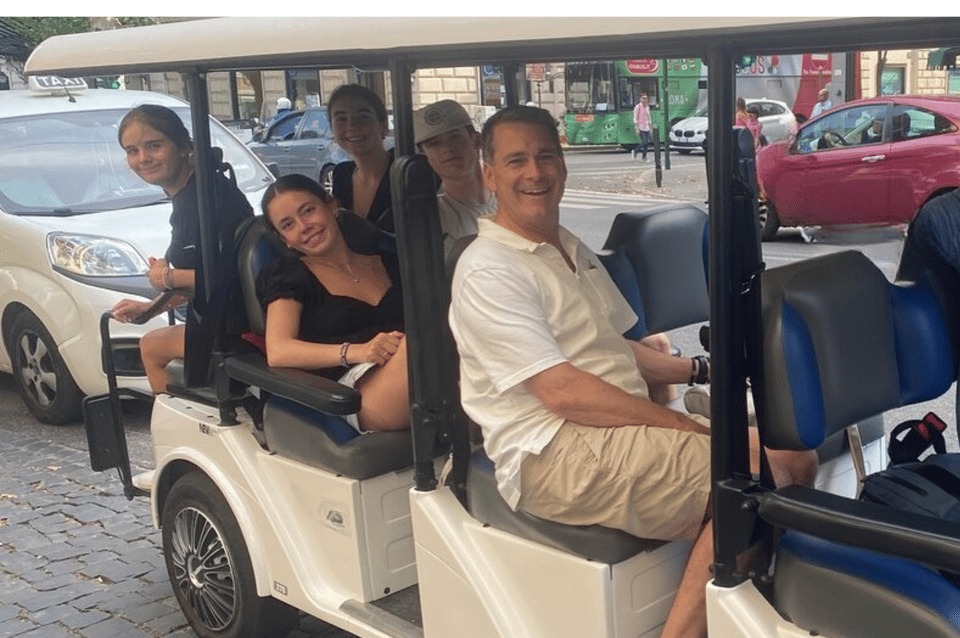
The tour begins in front of the Hotel Anantara Palazzo Naiadi near the Repubblica Metro stop, and it returns you to the same meeting point. That’s practical. Repubblica is a straightforward hub, so it’s easier to line up a hotel, a late lunch, or your next plan without a complicated transfer.
The start location also gives you a clean launch into Rome’s center. From here, the route fans outward to viewpoints, grand piazzas, and then down through neighborhoods where you can feel the city move at street level.
Pincio Terrace, Piazza del Popolo, and Piazza di Spagna (the view phase)
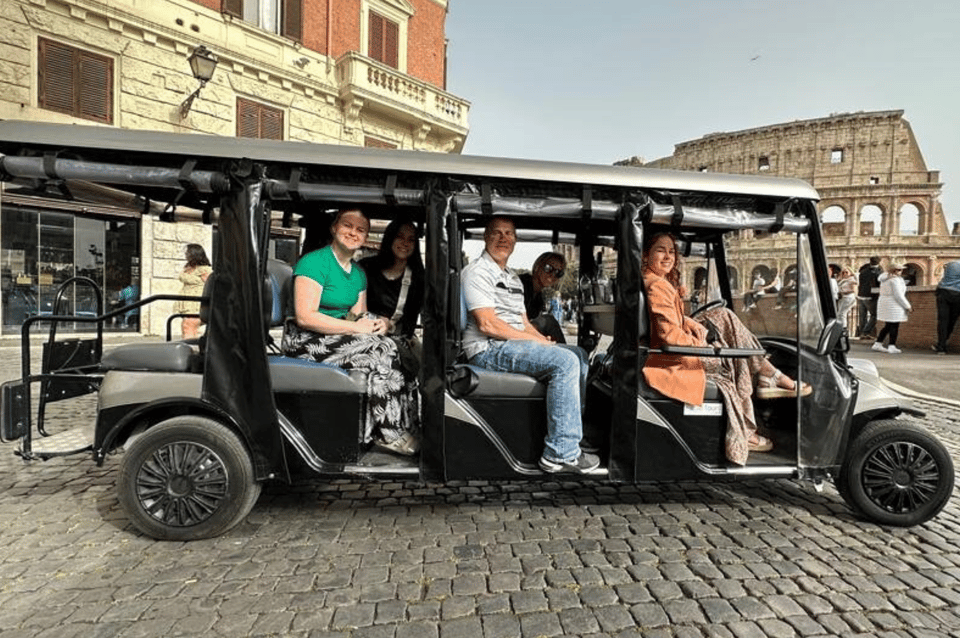
Early stops are all about setting the stage and getting your bearings. You’ll start with a photo stop and short visit at Pincio Terrace, one of Rome’s classic belvederes. Even with a short time window, the payoff is fast: you’re lifted up, you see sweeping city lines, and you understand why people keep coming back for angles that are impossible from the street.
Next is Piazza del Popolo, another major square that acts like a hub for photographers and daydreamers. From there, the route moves to Piazza di Spagna for another photo stop and visit. This area is great for quick snapshots because you can step into iconic sight lines without having to fight the whole day for them.
The main drawback of these early stops is simple: brief time. If you’re the type who wants to read every inscription and stare at every detail, you’ll feel the schedule. If you’re more interested in getting the right view and capturing it cleanly, this setup is ideal.
Trevi Fountain and the Pantheon: the postcard zone, managed
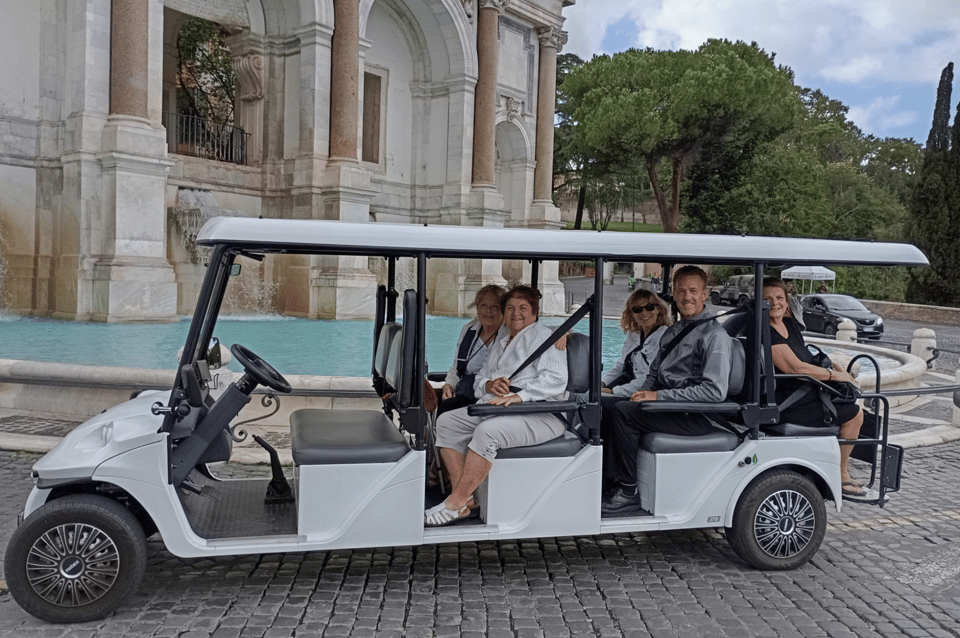
Then you hit two of Rome’s most photographed landmarks: Trevi Fountain and the Pantheon area.
At Trevi, you’ll get a photo stop and visit. The fountain is famous for a reason, but it’s also famous for crowds. This is where the tour structure helps. You’re not aimlessly circling. You know you’ll be there long enough to take your best photos, step in for a closer look, and then move on before you spiral into congestion.
The Pantheon stop is also designed for quick impact: photo stop and visit. You get a chance to appreciate the space without turning your tour into an all-day wait. If your travel style is to see the major landmarks first, then return later for deeper wandering, this pacing is a smart match.
One real-world consideration: depending on the season and maintenance schedules, you might find some iconic water features not operating normally. The tour still gives you the chance to see the site and photograph effectively, but don’t treat fountain running as guaranteed.
Vatican City photo stop and Janiculum Hill viewpoints
After the center-sight landmarks, the tour pivots toward elevated perspectives. There’s a Vatican City photo stop (so think viewpoint and photos rather than a full cathedral-style visit) and then a Janiculum Hill stop with photo time and a short visit.
This part of the route is valuable because Rome rewards altitude. From places like Janiculum, you see the city’s sprawl and structure in a way that street-level wandering can’t recreate. And since it’s part of the golf cart route, you’re not spending your whole day on uphill climbs.
If you’re traveling with limited energy, this is where the tour can feel like a cheat code—real views with far less effort.
You can also read our reviews of more city tours in Rome
Trastevere: the neighborhood stop that feels like Rome
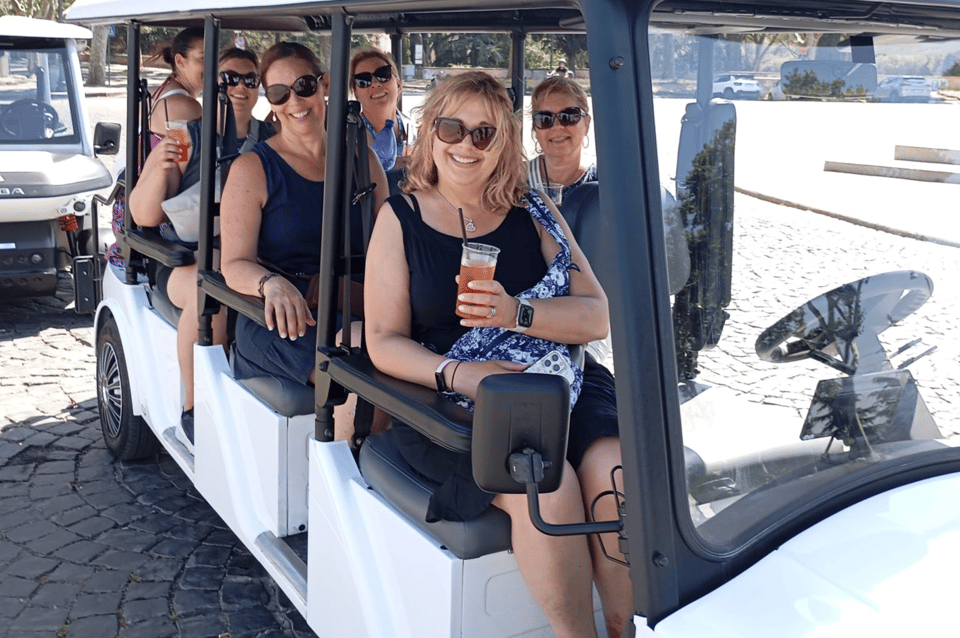
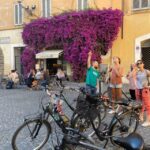
After the big monuments and viewpoints, you drop into the energy of Trastevere. You’ll have a photo stop and visit, plus the tour includes short breaks for gelato or coffee at good spots.
What makes this stop work is that Trastevere isn’t just another landmark. It’s the kind of neighborhood where the vibe is the attraction: narrow streets, lively atmosphere, and that sense that Rome is lived in, not staged.
One of the best-value moments here is the flexibility. The guide can adjust on the fly, including recommending or adding an extra stop for something sweet. In other words, you’re not stuck on a rigid script. You’re getting a mix of sights plus local flavor.
Aventine Hill, Circus Maximus, and the Colosseum arena-floor photo moment
Next comes more “Rome from above and around” time with Aventine Hill for a photo stop and visit. Aventine is a good contrast to the busier center because it gives you a calmer feel while still delivering standout views.
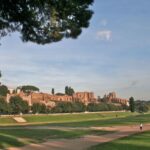
Then you roll toward Circus Maximus, again with a photo stop and short visit. This area is a reminder that Rome’s history isn’t only inside monuments. It’s also in the long lines of where the city used to gather and perform.
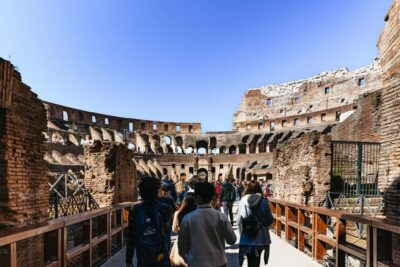
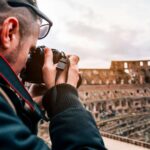
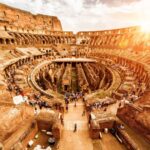
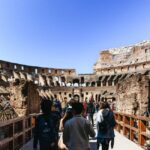
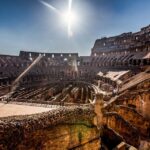
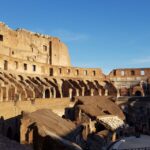
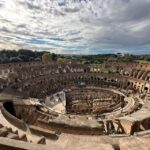
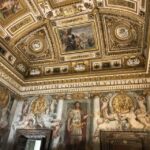
Finally, the tour reaches the Colosseum arena floor for a photo stop and visit. This is a big highlight because you get a dramatic perspective at a spot most people only see from the outside or through restricted viewing angles. The time is limited, but it’s enough to get memorable images and feel the scale.
Still, a balanced note: if your dream is to spend hours inside the Colosseum or follow a deep itinerary of its corridors, this won’t replace a full monument visit. This tour is designed to show you the best of many places in a short window.
The guide makes the difference: Andrea’s kind of Rome talk
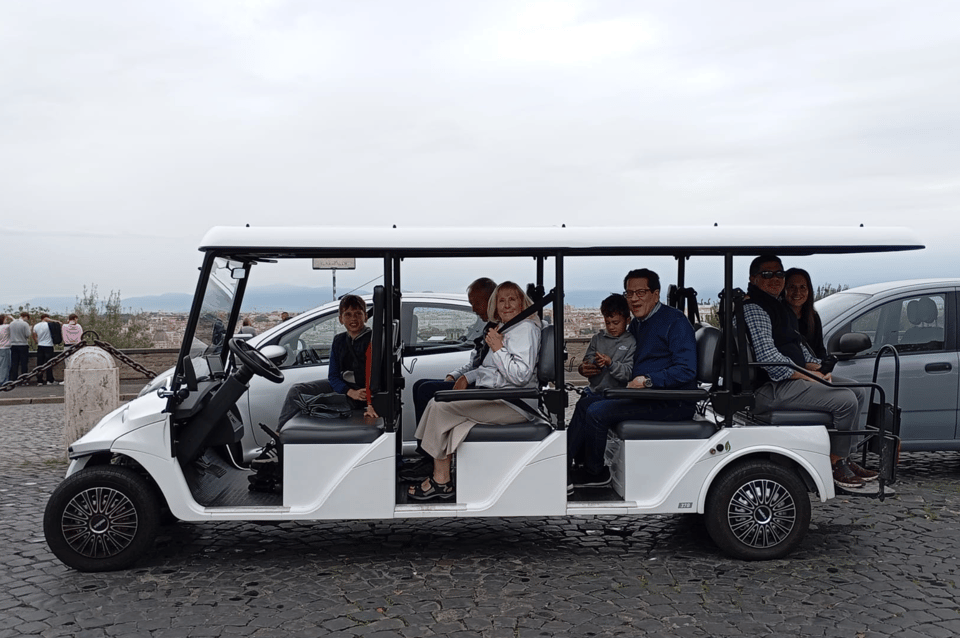
A standout part of this experience is the guide. On many tours, the guide is the difference between seeing a list of sights and actually understanding what you’re looking at. With this route, your guide shares stories and insights as you move, so you’re not just scrolling photos in real time—you’re learning why each place matters.
One name that shows up often is Andrea. The comments around him are consistent: friendly, fun, and able to explain things in a way that sticks. He also works with the group to add thoughtful extra stops when the moment is right, including helping keep the day enjoyable even when someone needs extra support.
That last part matters more than people expect. The tour is wheelchair accessible, and the guide approach can help you get as close as possible to the places on the route, which is a big deal when Rome’s streets were not built for modern mobility.
Value and price: is $135.94 per person worth it?
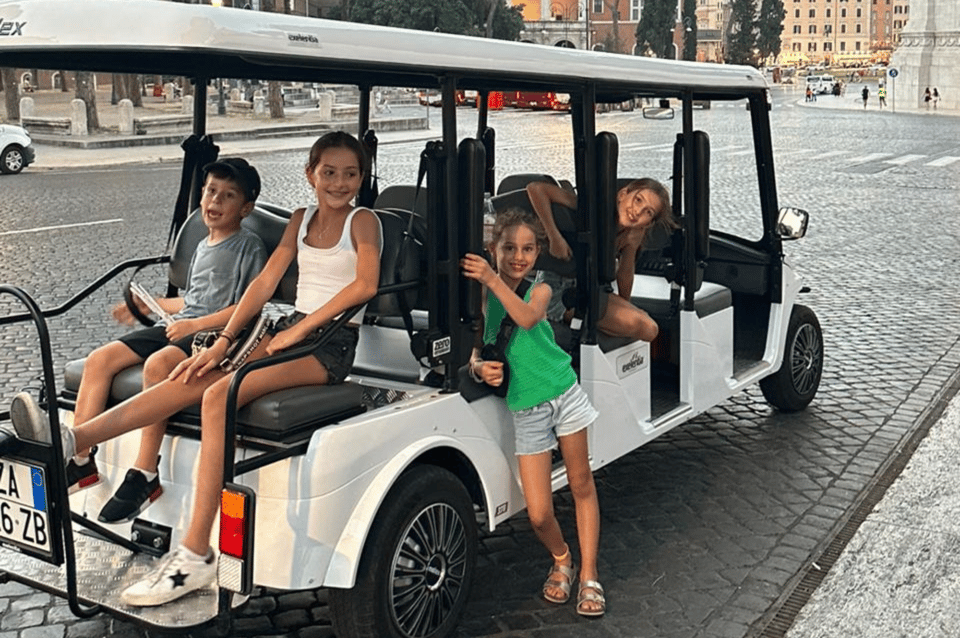
At $135.94 per person for a 3-hour tour, you’re paying for three things: time saved, positioning close to major landmarks, and a guided narrative that makes the sights easier to understand.
Here’s how I’d frame the value. If you have just 2 or 3 days in Rome, you’re likely to lose time figuring out logistics, dealing with long lines, and walking between “must-sees” that are farther apart than they look on a map. This tour compresses a lot of that friction.
You’re also paying for transport that reduces fatigue. The cart gets you near key sites and helps you reach higher viewpoints without turning your day into a stair-training session. In Rome, that energy often matters more than people realize.
So the price feels most fair if your goal is highlights plus photos, with a local guide shaping the day. If you’re the kind of traveler who prefers to wander independently for hours, this may feel like too much structure for your style.
Small-group comfort: up to 7 people changes the feel
This is a small group tour limited to 7 participants, and the guide experience benefits from that. You’re not squeezed into a crowded situation where you can’t hear explanations or where you’re always waiting for someone in front of you.
Because the group is small, it’s easier to manage quick photo moments and short visits. It also helps the guide keep a steady tempo on a route that mixes squares, terraces, and moving traffic corridors.
And because it’s private tour style with that small-group limit, you get more room for customized routing when it makes sense.
Tips to make the most of your photo stops
Even with a packed schedule, you can come away with photos that look like you actually planned them for the light and angles.
- Pay attention to where your guide tells you to stand, especially at Terrace stops like Pincio and hills like Janiculum.
- Use the cart’s 360-degree view to grab side angles, not only front-facing postcard shots.
- If you care about video, keep it short at each stop. The best results usually come from quick clips, then switching to photos when the crowd thins.
- Ask for one or two practical photo instructions rather than trying everything yourself. In Rome, the wrong spot can waste minutes.
Also, build in realistic expectations: at famous landmarks, time is the constraint. The tour’s job is to give you access and positioning; your job is to decide what angle matters most to you.
Should you book this Rome golf cart tour?
Book it if you want an efficient way to see Rome’s headline sights in a single afternoon, with guided context and built-in photo stops. It’s especially worth it if you have limited time, don’t want to spend all day walking, or you’d like to reach viewpoints like Pincio and Janiculum without paying for every uphill step.
Skip it if your main goal is slow wandering, museum-level time at major sites, or you want full-on independence with zero structure. This tour is designed for coverage and clarity, not for deep, hour-by-hour exploration of one monument.
If you fit the coverage style, this is a strong choice. The combination of an electric cart, smart routing, and a guide who can adapt (including adding gelato moments) is exactly what makes a short Rome trip feel bigger than it is.
FAQ
Where does the Rome electric golf cart tour start?
It starts in front of the Hotel Anantara Palazzo Naiadi near the Repubblica Metro stop and ends back at the same meeting point.
How long is the tour?
The tour is 3 hours.
How big is the group?
It’s a small group limited to 7 participants.
What languages is the live guide available in?
The live guide offers commentary in Italian and English.
Is the tour wheelchair accessible?
Yes, the tour is wheelchair accessible.
What’s included in the price?
Included are a private tour format, transportation by an environmentally friendly electric golf cart, a local guide, a customizable route, photo stops at iconic sites, short stops for ice cream or coffee, informative comments, and access to restricted traffic zones.