REVIEW · MUSEUMS
Florence: Uffizi Gallery Small Group Guided Tour
Book on GetYourGuide →Operated by Italy Wonders · Bookable on GetYourGuide
Art lines in Florence can be brutal. This small-group Uffizi tour cuts the wait and focuses your time on Renaissance highlights with an expert guide. You’ll get straight to the good stuff: famous works like Botticelli’s Birth of Venus and Michelangelo’s Tondo Doni.
What I love: the pace feels manageable for a big-ticket museum, and the guide’s explanations help you see connections between artists instead of just ticking names off a list. I also liked that the guide mix includes Spanish, Italian, and English, and one guide named Mateo gets called out for being excellent.
One thing to consider: even with skip-the-line entry, security checks can still take longer in busy season. And with only 1.5 hours, you’ll need to accept that you’re covering a curated slice, not the entire museum.
In This Review
- Key points to know before you go
- Skip-the-line entry at Piazzale degli Uffizi
- Uffizi in 1.5 hours: what that time buys you
- Stop-by-stop: how the tour flows in real life
- Start at the Andrea Obgagna statue
- The guided tour inside the Uffizi Gallery
- End back at the meeting point
- The masterpieces you’ll actually focus on
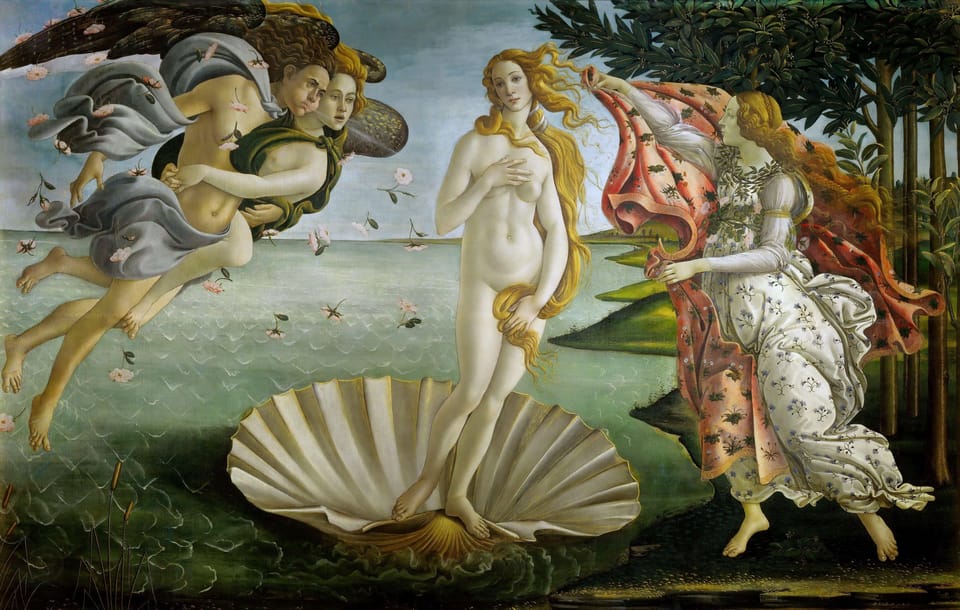
- Botticelli: The Birth of Venus and Primavera
- Michelangelo: Tondo Doni
- Caravaggio: dramatic realism
- Titian: Venus of Urbino
- Raphael: Madonna of the Goldfinch
- Guide quality: live interpretation in your language
- Pace and comfort: who this tour suits best
- Price and value: is $100.40 worth it?
- Practical checklist before you go
- Should you book the Uffizi small-group tour?
- FAQ
- Where do I meet the host?
- How long is the guided tour?
- What’s included in the price?
- Are hotel pickup or drop-off included?
- Is the tour wheelchair accessible?
- What languages are the guides?
Key points to know before you go
- Skip-the-line entrance: you enter through a separate route so you don’t lose your time camped by the main queue
- Expert, licensed guide: live interpretation during your 1.5-hour visit (Spanish, Italian, English)
- Start at Piazzale degli Uffizi: meeting is specific—by the Andrea Obgagna statue in the corner by Via della Nina
- Time-focused masterpieces: Botticelli, Michelangelo, Caravaggio, Titian, and Raphael get attention for a reason
- Arrive 10 minutes early: it’s the difference between starting relaxed or rushing the group
Skip-the-line entry at Piazzale degli Uffizi
If you’ve visited major museums in Italy, you already know the drill: lines can swallow half your day. This tour helps you by combining skip-the-line admission with a tight meeting plan at Piazzale degli Uffizi.
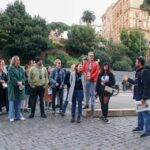
The meeting point is specific, which I appreciate when you’re trying to actually start on time. Meet the host in front of the Andrea Obgagna statue on Piazzale degli Uffizi. It’s described as the first statue on the left, sitting in the corner between Piazzale degli Uffizi street and Via della Nina street. Arriving 10 minutes early matters here—not because the tour is stingy, but because the group needs to gather and the host needs to locate everyone fast.
Once you’re in, the value of the skip-the-line part becomes obvious. You’re not spending your limited time in Florence shuffling forward behind other ticket holders. You’re trading the waiting-room feeling for time inside where the art actually is.
You can also read our reviews of more guided tours in Rome

Uffizi in 1.5 hours: what that time buys you
An Uffizi visit can go long—really long. This tour lasts about 1.5 hours, so it’s built for people who want the highlights and context without turning the day into an all-day art endurance test.
Here’s the practical truth: a museum like the Uffizi is too big to “see everything.” A guided route helps you get meaning from what you do see. Instead of wandering and hoping it all clicks, you get someone steering you toward works where the story of Renaissance painting becomes easier to understand.
Also, the “small group” setup is part of the benefit. With fewer people, it’s typically easier for the guide to keep your eyes on the same details and for you to hear the explanation without straining. (Even if you’re an independent museum walker by nature, you’ll likely find this structure saves energy.)
And yes, in high season, security lines can still be longer. That’s not the tour’s fault—it’s the city and the museum’s reality. The best move is simple: plan to be early so you can handle any slowdowns without stress.
Stop-by-stop: how the tour flows in real life
Start at the Andrea Obgagna statue
Your tour begins outside, at Piazzale degli Uffizi, in front of the Andrea Obgagna statue. This is where you’ll get organized for entry and meet the host.
I like meeting at a fixed landmark like this. It removes the guesswork that can happen when tours use vague meeting spots. Still, read the description carefully: first statue of the left, in the corner between the two streets. If you arrive and you’re not sure, don’t panic—take an extra minute to locate the correct corner before joining the group.
The guided tour inside the Uffizi Gallery
The main event is the guided portion inside the Uffizi Gallery. You’ll spend the bulk of the time walking the route while your guide explains what you’re seeing, with live commentary in Spanish, Italian, or English.
This is where you benefit most from having a professional (the tour includes a license guide). Paintings in the Uffizi can feel intimidating at first—old names, allegories, symbolism, and a lot of visual detail. A good guide helps you focus on the parts you might otherwise miss, like why a face looks the way it does, what a pose signals, or what a scene is trying to say.
You can also read our reviews of more museum experiences in Rome


End back at the meeting point
The activity finishes back where it started—again at the Piazzale degli Uffizi meeting area. That keeps things clean. No confusing handoffs, no long walk to a different drop-off point.
It also helps you plan your next move in Florence, because you know your ending location upfront.
The masterpieces you’ll actually focus on
The highlight list is the best clue for whether this tour fits your interests. This one isn’t trying to cover random rooms. It’s designed around a set of major stars and the themes they share.
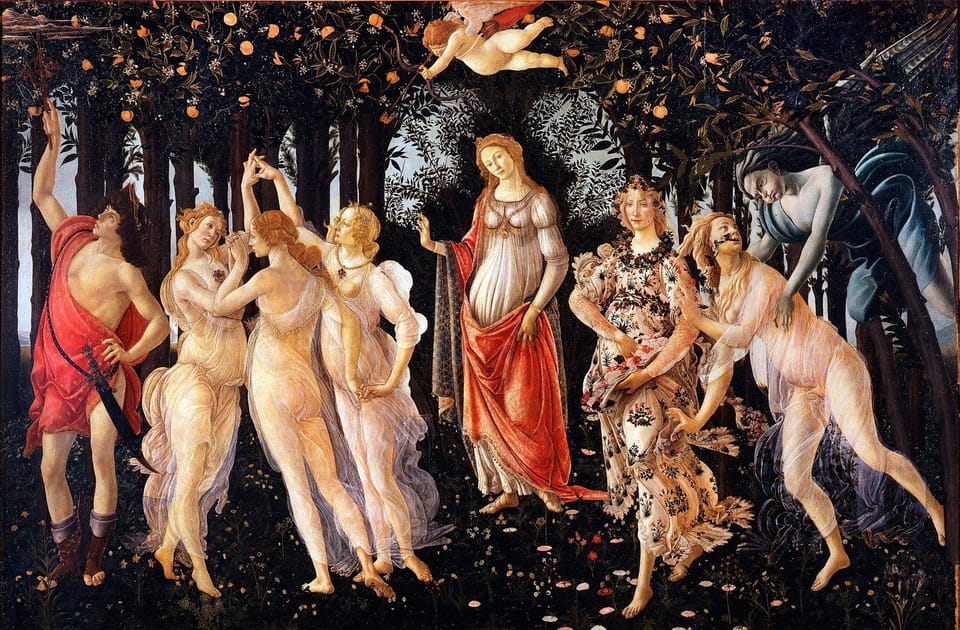
Botticelli: The Birth of Venus and Primavera
Botticelli’s work is often the reason people fall for Renaissance art in the first place. On this tour, you’ll see The Birth of Venus—and you’ll also spend time on Primavera.
What I like about this combination is that it gives you two angles of Botticelli’s imagination: one famous for myth and beauty, the other packed with symbols and seasonal mythology. With a guide, those details are less like trivia and more like a map to understanding why viewers in Botticelli’s time found these images meaningful.
Michelangelo: Tondo Doni
Michelangelo’s presence in the Uffizi can feel like a jolt—power, anatomy, and intensity in a painterly world that still shows softness and ornament.
Your tour includes Tondo Doni. A guided explanation helps you look past the headline fame and notice what makes the composition feel so alive. It’s also a smart pairing with Botticelli, because you can start to sense the shift between artists’ approaches rather than treating them like separate celebrities.
Caravaggio: dramatic realism
Even when people say they are “not really into art,” Caravaggio is often the exception. This tour includes Caravaggio’s dramatic realism, which usually means you’ll get help noticing the lighting, the emotion, and the hard-edged realism that made him different from many of his peers.
If your goal is to see why Caravaggio’s reputation is so intense, a short guided tour like this is a good fit. You’ll likely leave with at least one scene that feels emotionally specific, not just historically important.
Titian: Venus of Urbino
Titian is another name that can mean “big deal” without you knowing the why. Seeing Venus of Urbino on a guided route helps you understand what Titian was working with—style, sensuality, and the way the painting holds your attention.
When you only have 1.5 hours, choosing a Titian highlight like this is a practical move. It gives you a clear payoff and a recognizable work, without demanding you already know every Renaissance nickname.
Raphael: Madonna of the Goldfinch
Raphael’s work often feels balanced—serene composition, strong faces, and a kind of clarity. Madonna of the Goldfinch is a great choice for anchoring the Renaissance in something you can actually look at for a long time without feeling lost.
With a guide, you’ll get more out of the details than you would alone. You can focus on relationships within the scene and the gentle but purposeful way Raphael structures attention.
Guide quality: live interpretation in your language
This tour is led by a live tour guide, and the languages listed are Spanish, Italian, and English. That matters more than it sounds. In a museum, subtle wording makes a difference. If you’re reading every label but still not sure what you’re seeing, you need someone to translate the experience into plain language.
The guide name Mateo shows up in feedback as particularly strong. While you can’t predict who you’ll get, it’s a good sign that at least one guide associated with the experience has impressed people with both organization and useful information.
Also, the tour’s small-group format supports learning. It’s easier to hear the explanation, and it’s easier for the guide to adjust when someone is unsure what they should be looking at.
Pace and comfort: who this tour suits best
This is a 1.5-hour tour. That makes it especially good if you:
- love the idea of major artists in one visit
- want structure instead of wandering room to room
- plan a busy day and don’t want museum time to balloon
It may be less ideal if you’re the type who needs long stretches to study art slowly. You’ll get a guided route and key highlights, but you won’t have the freedom of a fully self-paced day.
One more practical note: unaccompanied minors are not allowed. If you’re traveling with kids, you’ll need to arrange accordingly.
The tour is also wheelchair accessible, which is a real quality-of-life detail for a museum visit.
Price and value: is $100.40 worth it?
At $100.40 per person, you’re paying for three things at once:
- skip-the-line access, which saves time and stress
- a licensed, live guide, which helps you actually understand what you’re seeing
- a focused 1.5-hour route, which is efficient in a city where time is often the limiting factor
If you were to visit the Uffizi on your own, you might be able to spend less. But you’d also risk losing time to queues and losing the explanations that turn famous works into something you can connect and remember.
In other words: this price isn’t just about entry. It’s about buying back your attention. In a museum packed with big names, that’s often the difference between a quick photo stop and a visit that sticks with you.
Practical checklist before you go
Here are the details I’d treat as non-negotiable for this specific tour:
- Arrive 10 minutes early at Piazzale degli Uffizi so you’re not hunting the group
- Look for the Andrea Obgagna statue, first statue on the left in the corner by Via della Nina
- Make sure you provide the correct email and phone number, since the tour uses them to send important updates
- In high season, expect that security may still run slower than you’d like
Also remember: food and drinks aren’t included. So if you’ll be hungry after the tour, plan to grab something nearby on your own after you finish.
Should you book the Uffizi small-group tour?
I’d book this tour if you want a smart, time-saving way to see heavyweight Renaissance art—Botticelli, Michelangelo, Caravaggio, Titian, and Raphael—with an expert guiding your attention. The skip-the-line entry and the tight 1.5-hour structure make it especially appealing when Florence is busy and your schedule is tight.
I’d hesitate if you want a long, self-directed museum day, or if you’re the kind of visitor who needs extended silence and time in front of fewer works. In that case, you might prefer doing the Uffizi more slowly on your own.
For most art lovers who want the highlights explained clearly, this is a solid value play: you’re paying for time, guidance, and a route that makes the Uffizi feel understandable—not overwhelming.
FAQ
Where do I meet the host?
Meet your host in front of the Andrea Obgagna statue in Piazzale Degli Uffizi. It’s described as the first statue of the left, in the corner between Piazzale degli Uffizi street and Via della Nina street.
How long is the guided tour?
The duration is 1.5 hours (starting times vary, so check availability).
What’s included in the price?
The tour includes skip-the-line entrance to the Uffizi Gallery and a license guide.
Are hotel pickup or drop-off included?
No. Hotel pickup and drop-off are not included.
Is the tour wheelchair accessible?
Yes, the tour is listed as wheelchair accessible.
What languages are the guides?
Guides are available in Spanish, Italian, and English.