REVIEW · BORGHESE GALLERY TOURS
Rome: Borghese Gallery Guided Tour with Tickets
Book on GetYourGuide →Operated by Crown Tours · Bookable on GetYourGuide
Baroque drama waits inside a quiet villa. With skip-the-line entry and an art historian guide, you start seeing Borghese the easy way instead of wrestling crowds.
I love that the focus stays sharp: Bernini sculpture with real emotion, plus a standout lineup of Caravaggio paintings and dramatic light.
One possible drawback: it’s only a 2-hour route, so you cover major works at a good clip rather than slow-browsing every detail.
In This Review
- Quick take: what’s especially good here
- Why this Borghese tour works (even if you’re not a die-hard art nerd)
- Entering the villa: skip-the-line access and the bag reality
- The first rooms: ground-floor sculpture and Bernini’s motion
- The Borghese Gallery rooms: Caravaggio’s drama in controlled lighting
- What to look for during the painting time
- Getting the “why” behind the works: the guide’s role is the real product
- The route flow: why you return to the ground floor
- How the 2-hour limit changes your strategy
- The works and themes you’ll likely see (and what to connect)
- Who this tour suits best (and who should skip it)
- Price and value: is $57 per person worth it?
- Should you book this Borghese Gallery guided tour?
- FAQ
- Where are the meeting points for this Borghese Gallery tour?
- How long is the Borghese Gallery guided tour?
- Does the tour include skip-the-line entry?
- What’s included in the tour price?
- What language options are available for the guide?
- Do I need an ID or passport?
- Is this tour wheelchair accessible?
- Can I bring a large bag or luggage?
- Are pets or sharp objects allowed?
- What’s the policy on last-minute changes?
Quick take: what’s especially good here
- Skip-the-line priority: express security gets you inside faster
- A tight 2-hour route: ground-floor sculpture, then upstairs paintings
- Caravaggio in one place: the gallery is famous for having a large set together
- Hearing the guide clearly: headsets and radios help a lot
- Expert storytelling: art history plus context for how/why these works were made
- Bag rules are real: small bags allowed; larger bags go to the free cloakroom
Why this Borghese tour works (even if you’re not a die-hard art nerd)
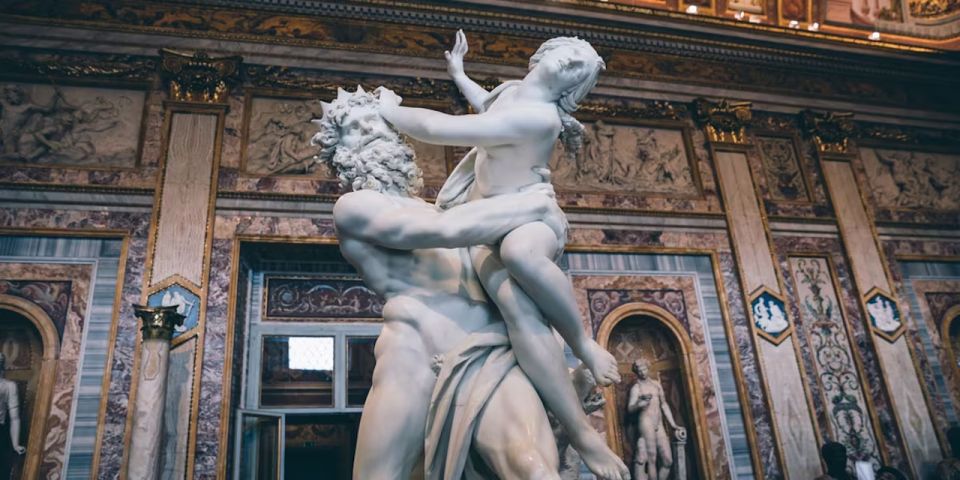
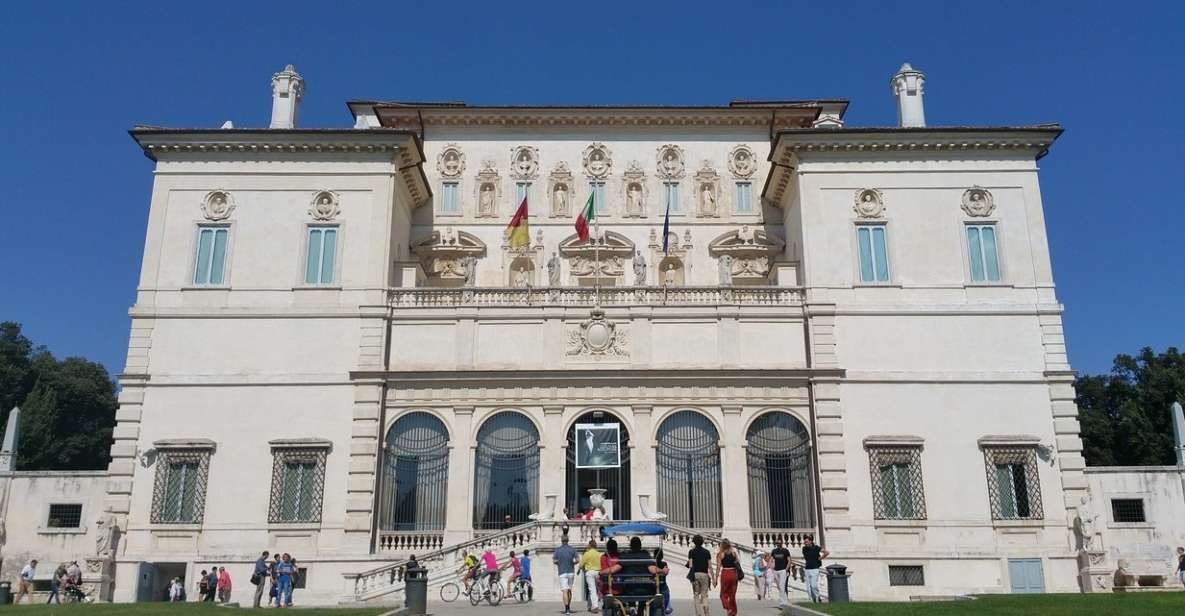
The Borghese Gallery isn’t a huge museum crawl. It’s a compact, high-impact collection in a 17th-century villa. That’s exactly why this guided format clicks: you get a curated “best of” route in about 2 hours, without wasting time trying to figure out where to go next.
I like that the experience is structured around how you actually look at art. You’re not just passing paintings like speed-walking through a slideshow. You’re given context for what you’re seeing—stories, technique, and the visual choices that make the works hit harder.
For the price ($57 per person), you’re mainly paying for two things: an art historian guide and the time you save with reserved, priority entry. If you already know you’ll want someone to explain Bernini, Caravaggio, and Raphael in a way that makes them feel alive, this is value.
You can also read our reviews of more tours and experiences in Rome
Entering the villa: skip-the-line access and the bag reality
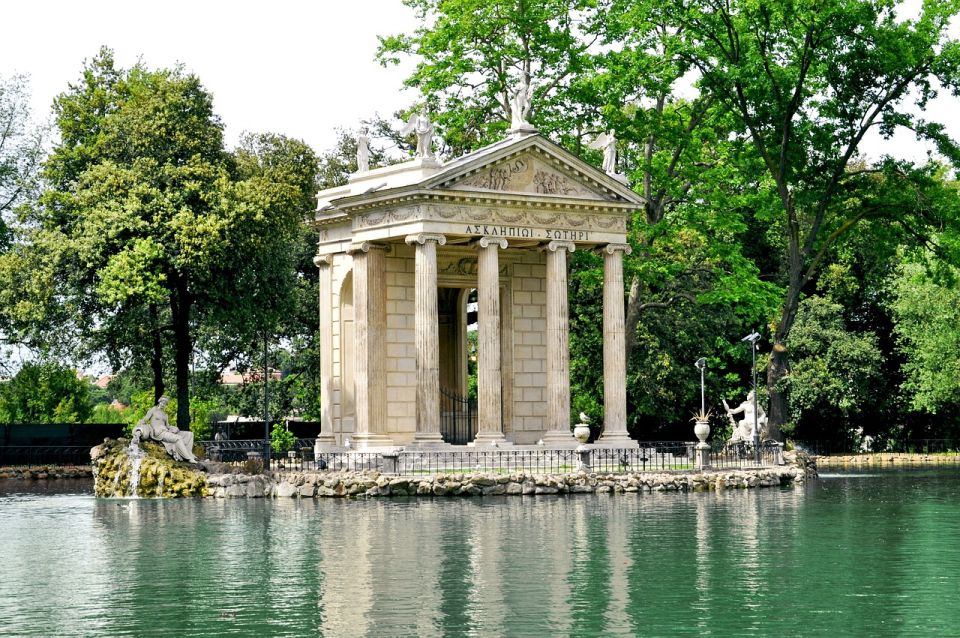
Your tour starts at the villa area, with one of two possible meeting points: Fontana dei mascheroni or Piazzale del Museo Borghese. Meeting point can vary by the option you book, so plan to arrive early enough to find your group without stress.
One practical win: you get skip-the-line access with an express security check. That matters here because this museum is timed-entry and tends to have lines. The tour also includes headsets and radios, which is a big deal in an indoor setting—your guide stays audible even when people shift around.
The bag situation is the other key thing to know. Only small bags and purses are allowed inside. If you show up with something larger, you can store it in the free cloakroom at the entrance. So don’t let “what counts as small” ruin your morning—just pack light or be ready to check the big stuff.
The first rooms: ground-floor sculpture and Bernini’s motion
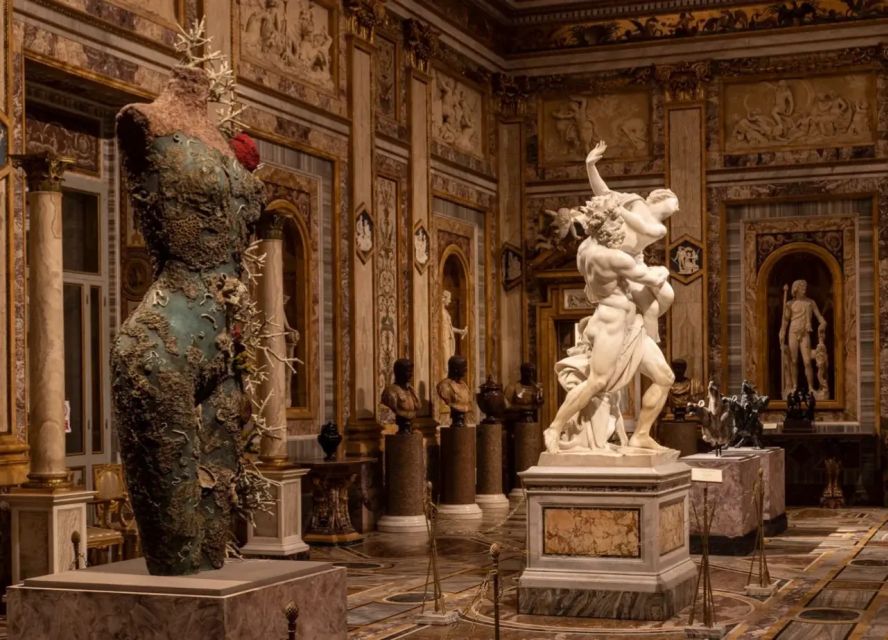
You’ll spend real time on the ground floor sculpture before moving into the rest of the collection. Expect about 50 minutes in the first sculpture stretch, then you’ll return to the ground floor again for another segment later (about 30 minutes).
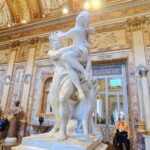
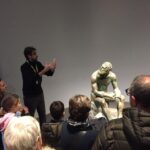
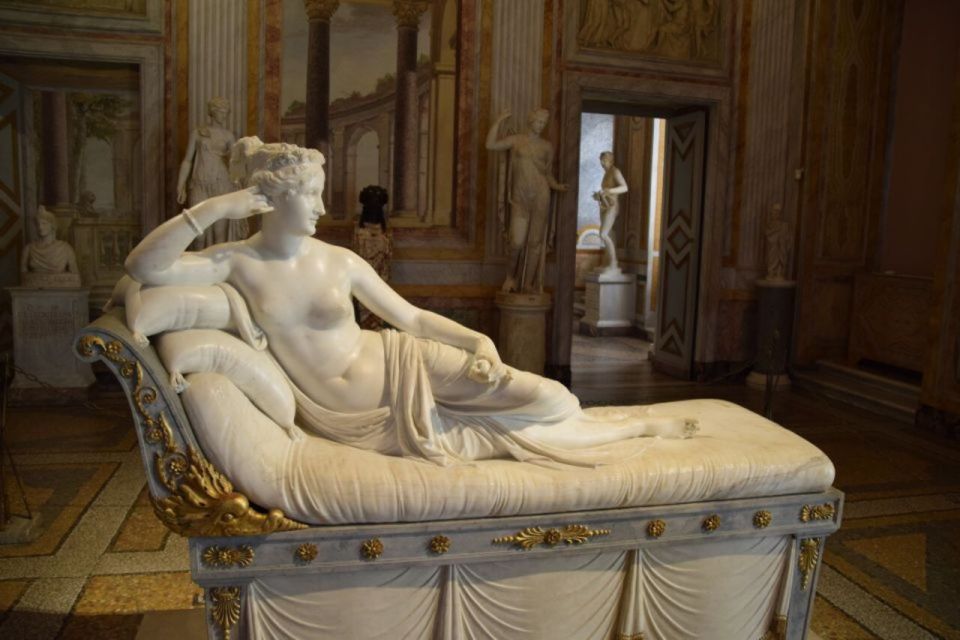
This is where the Borghese Gallery can feel like theater. Bernini’s sculptures are not passive objects; they’re built to show emotion, tension, and movement. The guide’s job is to point out what your eye might miss on a quick pass—details in posture, gesture, and how light plays across surfaces.
If you’ve heard names like Apollo and Daphne, this is where they land. You’ll also get context about the family behind the collection (Cardinal Scipione Borghese is part of the story), which helps explain why this villa became a showcase for major masterpieces. When you understand the collector’s ambition, the sculptures feel less random and more intentional.
One more thing I like about this structure: it stops the “gallery fatigue.” You’re not stuck staring at only paintings or only sculpture. The tour alternates the type of artwork, which keeps your attention from dropping.
The Borghese Gallery rooms: Caravaggio’s drama in controlled lighting
Next comes the main Borghese Gallery portion (about 40 minutes). This is where the shift from three-dimensional emotion to two-dimensional light makes a big difference.
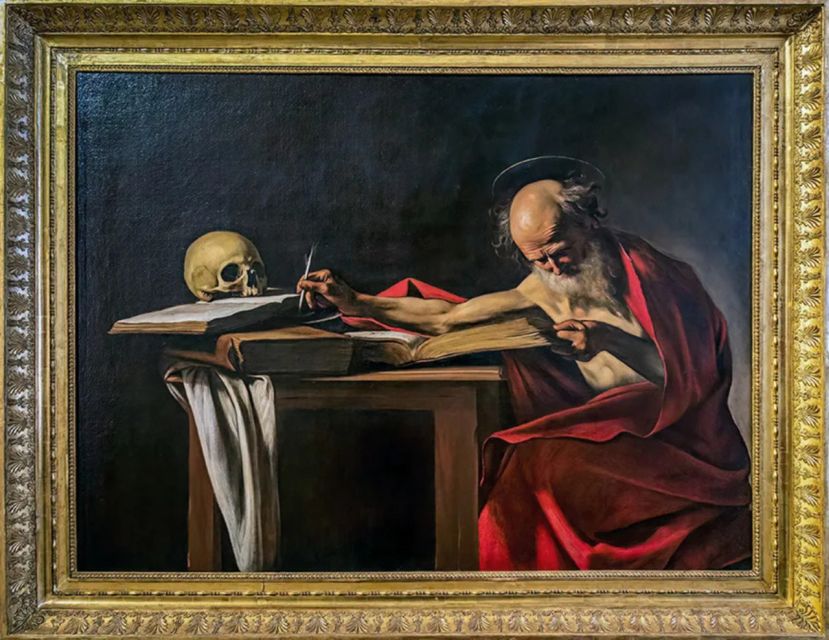
Caravaggio is the star you don’t want to miss. The tour highlights include works such as David with the Head of Goliath and Boy with a Basket of Fruit. What makes Caravaggio special is the way the painting seems to use light like a spotlight. The guide helps you connect the technique to the mood—why certain shadows feel so intense, and how the scene pushes on your attention.
This is also where you’ll encounter other major artists represented in the collection, including Raphael (known here for serene grace) plus works by Titian and Canova among others. Even if Caravaggio is your priority, the guide’s explanations help you see the broader conversation between Renaissance calm and Baroque intensity.
What to look for during the painting time
When the guide is speaking, keep one habit for yourself: pick one small detail per artwork and actually check it. Caravaggio’s power often lives in small choices—faces, hands, the geometry of bodies, and how darkness frames the subject. With a guide in your ear, you’ll understand what those details are doing.
You can also read our reviews of more guided tours in Rome

Getting the “why” behind the works: the guide’s role is the real product
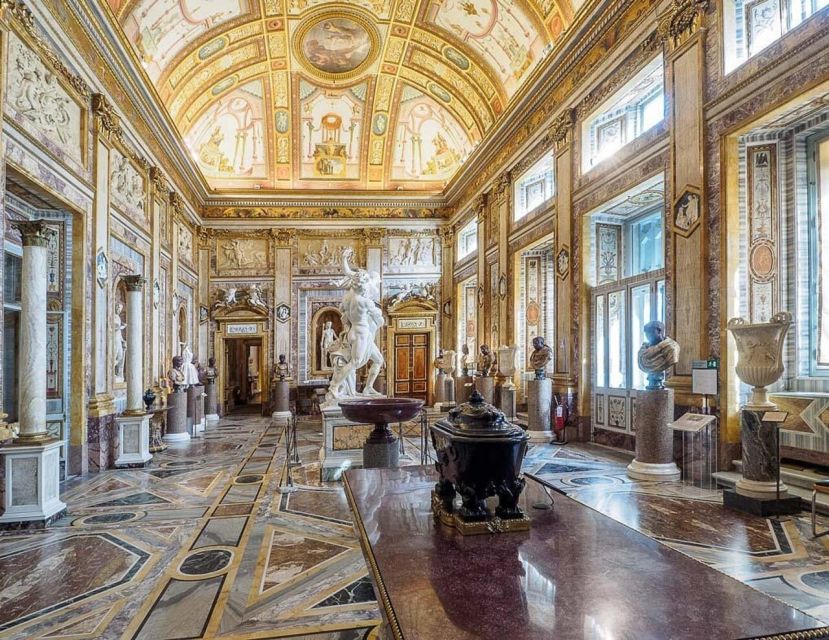
A guided visit like this is less about standing in front of art and more about learning how to read it. In the best tours, the guide ties together art, history, and what people were trying to achieve.
Many guides associated with this experience lean hard into Baroque context and the stories around acquisition and restoration. That can sound like nerd stuff until you’re in front of a sculpture and suddenly understand why a certain part looks the way it does—finished surfaces, weathering, repairs, or how the work was intended to be experienced.
You’ll also notice a theme from the guide feedback: people consistently mention how personal the stories feel, especially in small groups. Names that have come up include Henry, Enri, Gaga, Irene, Frederica, Victoria, Federico, and Ursa. You can’t guarantee any specific guide, but the pattern is clear: the tour succeeds when the guide is passionate and organized.
If you like asking questions, this kind of tour tends to work well. The pacing isn’t so rigid that you’re stuck quiet the whole time, and most guides can adjust when curiosity pops up.
The route flow: why you return to the ground floor
The itinerary returns to the ground-floor sculptures after the main gallery segment. That may sound odd at first—like you’ll be repeating yourself—but it actually helps you compare what you just learned.
After seeing the paintings’ dramatic light and the way artists build emotion on a flat surface, you’re better prepared to notice how Bernini builds it in 3D. You also get a second chance to catch details you might have missed during the first sculpture block.
If you’re the kind of person who wants to stand and stare (we all are, at least for a minute), the return visit gives you permission to slow down without derailing the full tour.
How the 2-hour limit changes your strategy
Two hours sounds short because it is short. The upside is focus. The downside is that you won’t have time to treat every masterpiece like your personal long-term relationship.
So here’s my practical advice: come in with two “must-see” priorities. For most people, that’s Bernini and Caravaggio. But if there’s another artist you’re excited about—Raphael, for example—mark that mentally too.
Then let the guide handle the rest. With the guide’s pacing and headsets, you’ll cover more emotionally important material than you would on your own in the same time window. Many people who arrive unsure about whether they’re “art people” end up happy they trusted the explanation.
If you’re the type who hates feeling rushed, keep your expectations realistic. You’ll get a strong introduction, not a slow museum day.
The works and themes you’ll likely see (and what to connect)
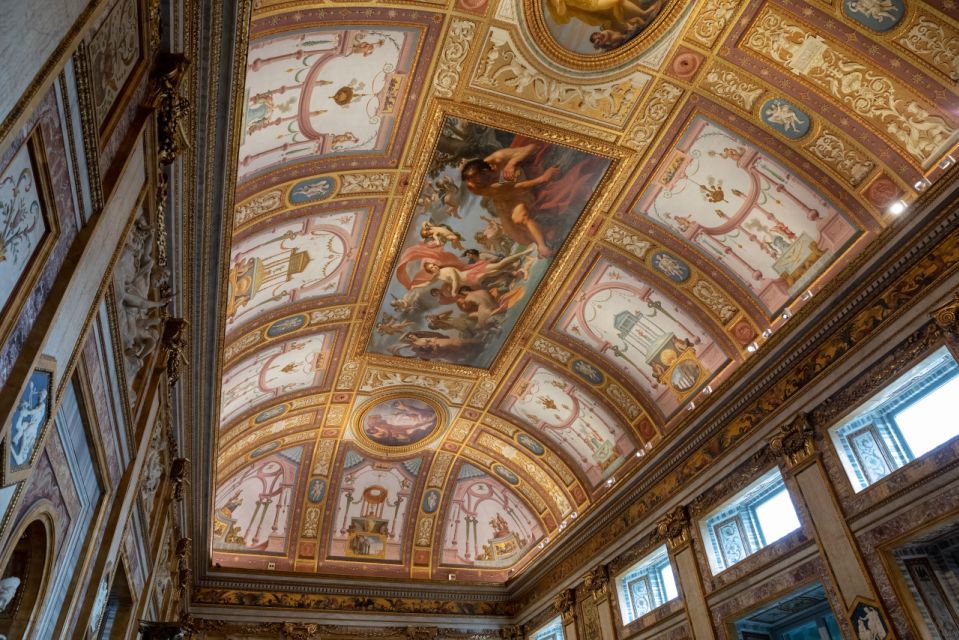
This tour is built around a collection that mixes sculpture, paintings, and decorative art in one space. You’ll run into:
- Bernini sculptures that show dramatic movement and emotion
- Caravaggio works where light and shadow do the heavy lifting (including David scenes and fruit/basket imagery)
- Raphael works with calmer, balanced grace
- Roman floor mosaics and other decorative details that make the setting feel tied to Rome itself
- Mentioned artists and styles like Titian and Canova, which help fill out the Renaissance-to-Baroque picture
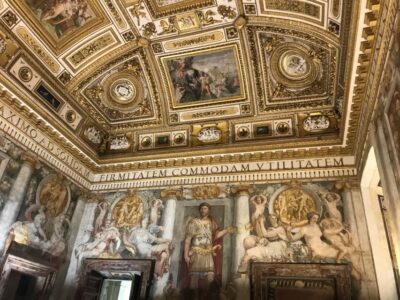
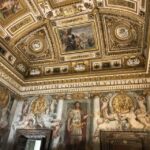
Even if you’re not memorizing names, try to notice the “mood switches.” Baroque art aims for strong feeling. Renaissance art often feels more measured. Decorative elements like mosaics and frescoes remind you the villa was designed as an experience, not just a storage room for masterpieces.
Who this tour suits best (and who should skip it)
This works best if you want:
- An efficient, high-impact Borghese visit
- A guide to explain what you’re seeing (especially Bernini and Caravaggio)
- A smaller-group feel with clear audio via headsets
It may not be the best fit if you:
- Want wheelchair access (this experience is not suitable for wheelchair users)
- Need a low-structure museum day where you linger for long periods
Also, leave the clutter at home. Pets are not allowed, and weapons or sharp objects aren’t allowed either. Alcohol and drugs are not allowed. If you’re traveling light, you’re already set.
Price and value: is $57 per person worth it?
At $57 per person for a 2-hour, art-historian-led experience, you’re paying for:
- Reserved, priority entry (skip-the-line plus express security)
- A guide who can translate technique and context into something you can actually see
- Headsets/radios, which protect the “quality of hearing” in rooms where sound can be messy
If you’re the kind of traveler who enjoys learning while sightseeing—especially with famous artists—this is a sensible way to spend time in Rome. If you’d rather wander independently with zero explanation, you might feel you’re paying mainly for structure. But Borghese isn’t the best museum to “wing” if you only have a couple hours.
Should you book this Borghese Gallery guided tour?
I’d book it if your goal is to see the major masterpieces without wasting your precious Rome time on lines and route guesswork. The combination of skip-the-line entry, an art historian guide, and the tight focus on Bernini and Caravaggio is exactly what makes Borghese special for most visitors.
I’d think twice if you’re sensitive to feeling rushed. This is a “highlights with expert context” tour, not a slow, flexible museum marathon. If that’s your style, you’ll still enjoy Borghese—just plan extra time and consider a less structured approach.
FAQ
Where are the meeting points for this Borghese Gallery tour?
The meeting point may vary depending on the option booked. Two listed starting points are Fontana dei mascheroni and Piazzale del Museo Borghese.
How long is the Borghese Gallery guided tour?
The total duration is about 2 hours.
Does the tour include skip-the-line entry?
Yes. You get skip-the-line access with a priority reserved entry ticket and an express security check.
What’s included in the tour price?
Included are an art historian guide, skip-the-line entry ticket to Borghese Gallery, and headsets and radios to hear the guide clearly.
What language options are available for the guide?
The tour is offered with live guides in English, Japanese, French, German, Portuguese, and Russian.
Do I need an ID or passport?
Yes. You should bring a passport or ID card.
Is this tour wheelchair accessible?
No. It’s not suitable for wheelchair users.
Can I bring a large bag or luggage?
Only small bags and purses are allowed inside. If you have a larger bag, there is a free cloakroom at the entrance where you can store it safely.
Are pets or sharp objects allowed?
No. Pets are not allowed, and weapons or sharp objects are not allowed.
What’s the policy on last-minute changes?
Free cancellation is available up to 24 hours in advance for a full refund.