REVIEW · CASTEL SANT'ANGELO TOURS & TICKETS
Rome: Castel Sant’Angelo Skip-the-Line Ticket & Audio Guide
Book on GetYourGuide →Operated by Doooing · Bookable on GetYourGuide
Rome’s fortress has a perfect view. Castel Sant’Angelo turns the Mausoleum of Hadrian into a maze of chambers, papal corridors, and legend, and the skip-the-line ticket helps you spend your time inside instead of stuck in a queue. I also like the optional smartphone audio guide because it lets you set your own pace while you match the story to what you’re seeing.
One thing to plan for: you’ll be climbing stairs to reach the panoramic terrace, and this site isn’t suitable for wheelchair users or people with mobility impairments. Also, entry is tied to your scheduled time, so showing up late can mean denied access without a refund.
In This Review
- Key takeaways before you go
- Castel Sant’Angelo with skip-the-line tickets: what time savings really means
- What you actually see: Hadrian’s Mausoleum to a fortress
- Papal corridors and the “why this place has a different name” moment
- The terrace climb: Rome, the Tiber, and photos from the right heights
- Audio guide on your phone: the best way to match story to stone
- Timing and tickets: how to avoid a stressful entrance
- Price and value: is $20 fair for this experience?
- Who should book (and who might not love it)
- Should you book this Castel Sant’Angelo ticket?
- FAQ
- Do I need to meet someone at the start?
- What is included in the ticket?
- Are headphones included?
- What languages are available for the audio guide?
- What time constraints should I know about?
- What do I need to bring for the experience?
- Is this suitable for wheelchair users?
Key takeaways before you go
- Skip-the-line entry saves time when queues form
- Hadrian’s tomb + papal corridors give you more than a quick look
- Michael’s legend adds meaning to the architecture and name
- Terrace views over Rome and the Tiber make the climb worth it
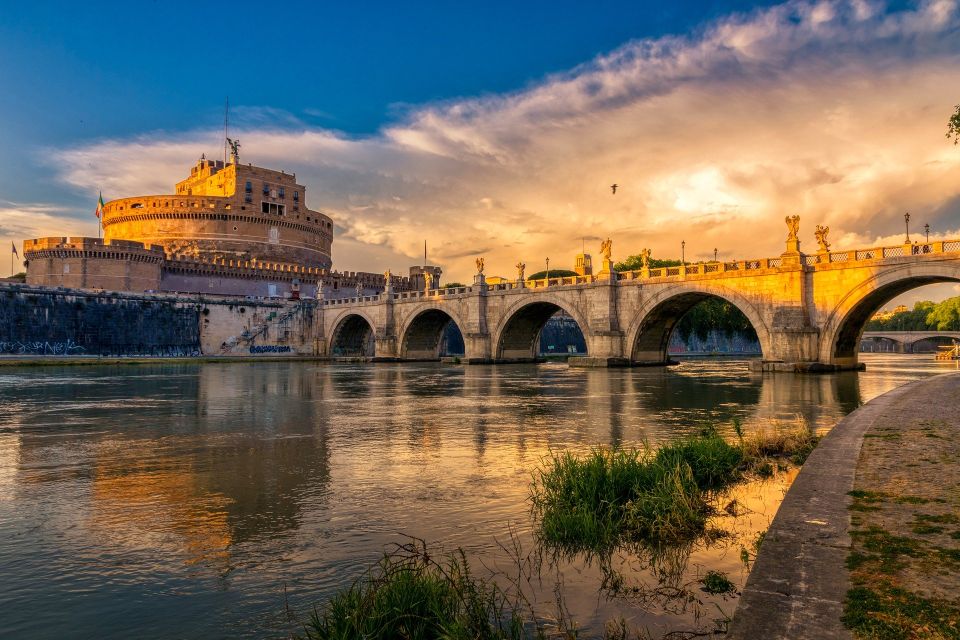
- Photo-friendly angles around Ponte Sant’Angelo (Bridge of Angels)
- Phone audio works great for self-guided wandering (bring your own headphones)
Castel Sant’Angelo with skip-the-line tickets: what time savings really means
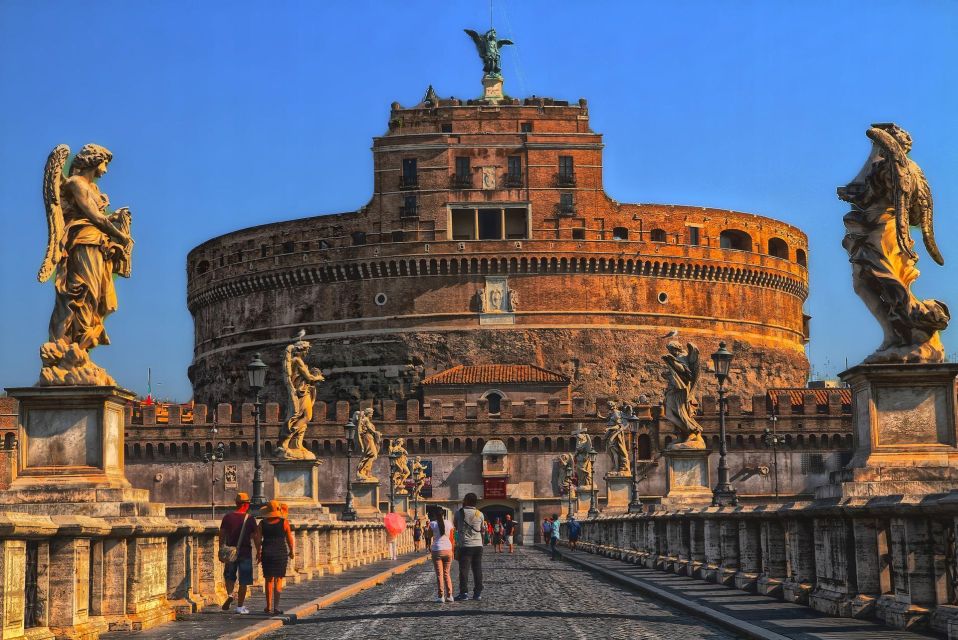
This is one of those Rome sites where the ticket line can get long enough to feel like a second attraction. A reserved skip-the-line ticket does two useful things for you. First, you get in at your scheduled time without waiting around. Second, you lose less energy to crowd flow, so you can actually enjoy the experience instead of managing it.
The ticket is valid for 1 day, and your start time depends on what’s available. That matters because Castel Sant’Angelo runs like a controlled entry attraction: you must enter at the time on your ticket, and last entry is 6:30 PM. If you’re aiming to do other Vatican-area sights the same day, this helps you plan with less uncertainty.
If you go later in the day, you still get the big moments, but you’ll have less cushion to slow down. The castle rewards time. I’d think about this as a half-day stop you can stretch when you want.
You can also read our reviews of more tours and experiences in Rome

What you actually see: Hadrian’s Mausoleum to a fortress
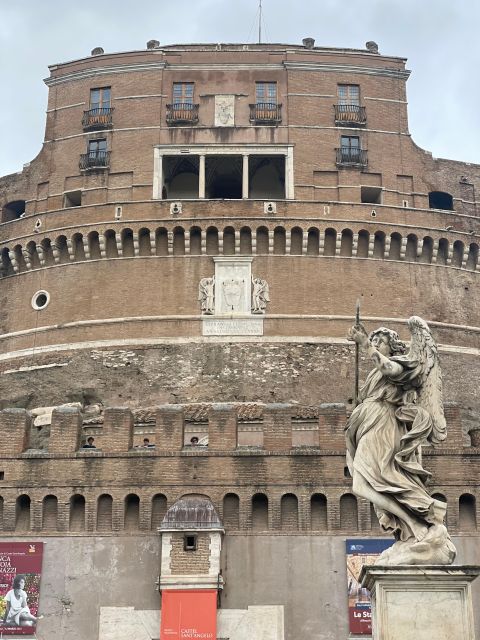
Castel Sant’Angelo starts with the story you already heard in bits: it was originally built as a tomb for Emperor Hadrian. In practice, what you experience is that the architecture keeps changing jobs over the centuries. You’re moving from Roman-scale gravitas into something more defensive and strategic, because the place became a fortress.
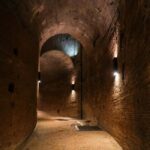
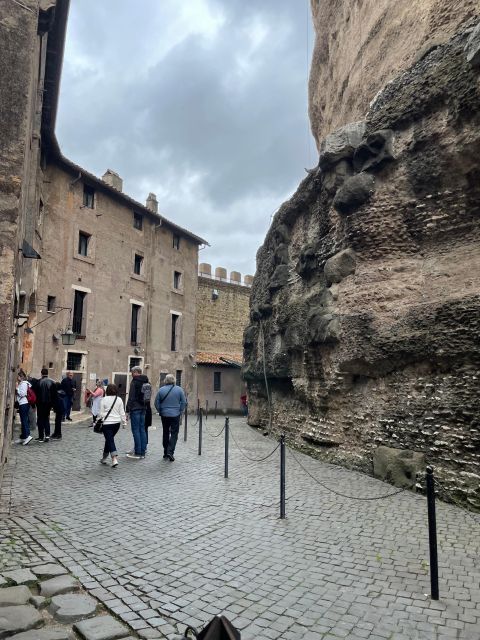
As you walk through, keep your eyes open for how the spaces are shaped for movement and control. Even without a live guide, the site layout makes you feel the logic: passages connect chambers, and you’re repeatedly funneled into the next visual payoff. The pacing is what makes it satisfying. This isn’t a single-room attraction. It’s a sequence.
You also get a built-in theme as you go: the castle is tied to emperors, the Church, and apocalyptic stories. That combination means the same stone walls feel different at each level. The tomb sections lean Roman. The corridors and later sections tilt more spiritual and political.
Papal corridors and the “why this place has a different name” moment

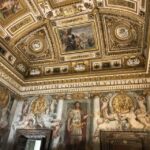
The highlight for many people is seeing the Papal corridors of Castel Sant’Angelo, because it’s where the site stops being only Roman and starts feeling like a working part of later history. These are the kinds of spaces that help you understand why the building mattered beyond its original purpose.
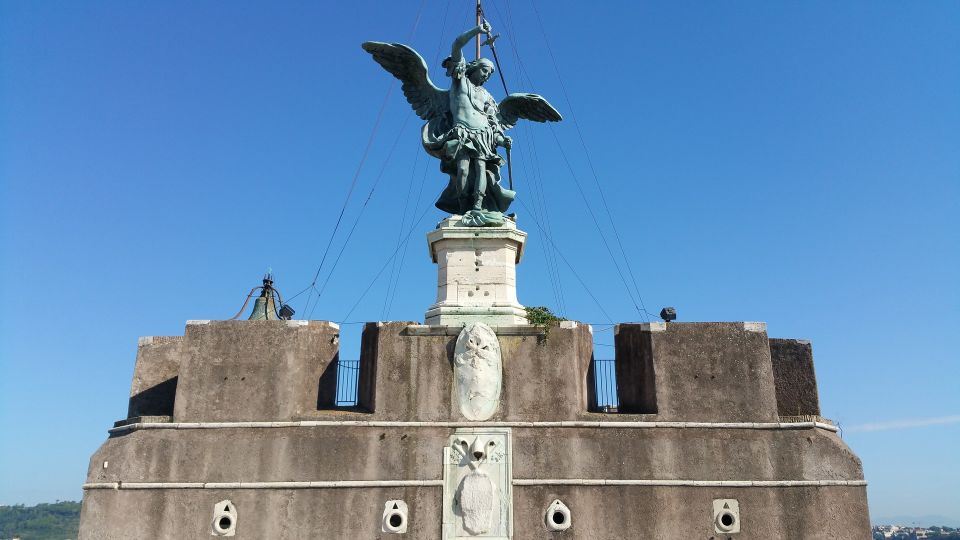
Then comes the legend that gives the castle its modern identity. The story says Archangel Michael appeared on top of the mausoleum and sheathed his sword, signaling the end of the plague of 590. Whether you treat the legend as history, symbolism, or both, it changes how you read the building. You’ll start looking for visual cues that match the story: angles, elevations, and the sense that the top matters.
If you like monuments with a strong narrative thread, this one gives you several. It’s not just Hadrian the emperor. It’s also the later meaning people attached to the structure when they needed reassurance.
The terrace climb: Rome, the Tiber, and photos from the right heights
Yes, you’ll need to climb stairs. That’s in the planning notes for a reason. The reward is the panoramic terrace and the sweeping views over Rome and the River Tiber.
This is the moment when the whole castle makes sense. Castel Sant’Angelo sits in a strategic spot on the right bank of the Tiber and relatively close to Vatican City, so the views aren’t just pretty—they help you orient the city. You’ll get a better sense of how bridges, districts, and major landmarks connect.
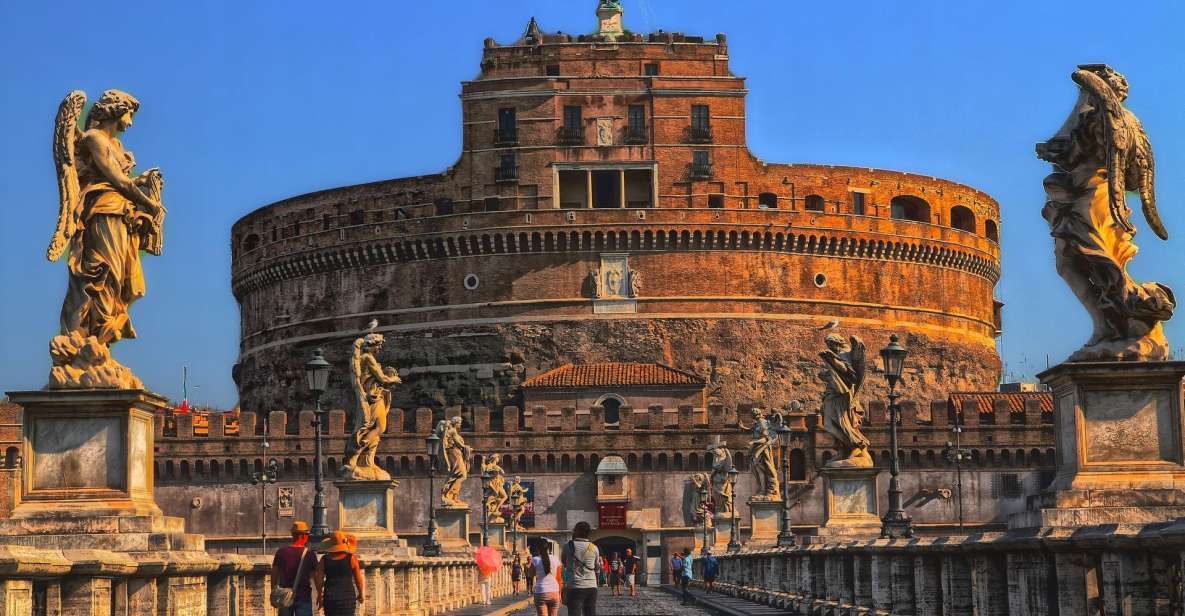
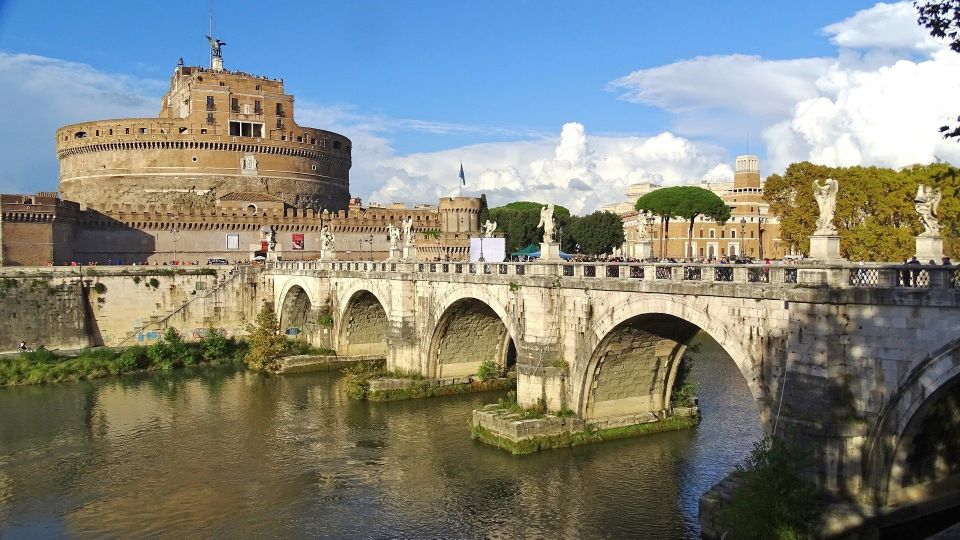
Bring your camera (or phone). The views around Ponte Sant’Angelo, also known as the Bridge of Angels, are a natural photo target. From the castle’s viewpoints, the bridge looks different than it does at street level. You see the span, the river context, and the way movement works across it.
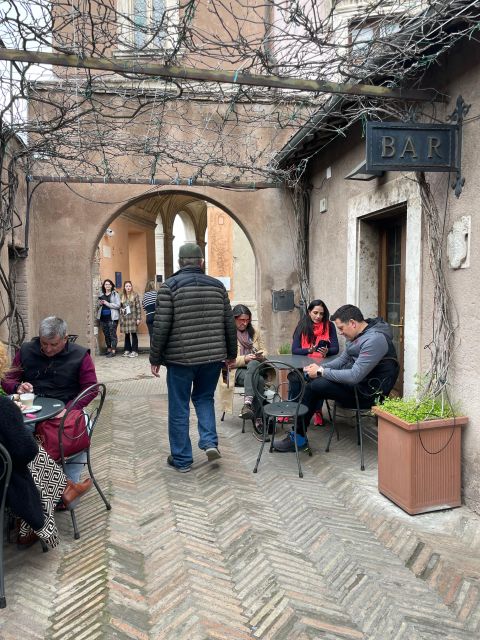
There’s also a cafe option inside the complex area. It’s one of those practical upgrades: if you want a break without leaving the grounds, you can grab a drink or something to eat while keeping Rome in your sightline. If you’re sensitive to crowds, just be ready that the most scenic spots can feel busy.
Audio guide on your phone: the best way to match story to stone
The audio guide is optional, and it’s delivered through a smartphone app. Languages include English, Italian, French, Spanish, German, and Chinese. If you enjoy understanding what you’re seeing while you walk, this format is a good match for Castel Sant’Angelo because you can pause when a detail catches your eye.
A key practical detail: headphones are not included. The instructions also tell you to bring charged phone power. So plan like a sane person—bring headphones and don’t rely on battery levels from earlier in the day.
Before you go, you must download the app. You’ll need 100–150 MB of free space. Compatibility is limited to Android (version 5.0+) and iOS devices, and it’s not compatible with older iPhones and some other device types listed in the notes. If your phone is older, double-check compatibility now rather than at the entrance.
How to use it on-site:
- Start the audio before you begin moving through key sections, so you’re listening while landmarks are still fresh.
- Don’t feel trapped in a timeline. The app works best when it’s paired with your own wandering.
- Use the audio as a “map for meaning,” especially when the site feels like corridors and chambers instead of a single iconic room.
One extra tip: even if you use the audio, you’ll still see text/signage on-site. The combination helps. When the story and the visuals line up, the architecture stops being abstract.
You can also read our reviews of more guided tours in Rome

Timing and tickets: how to avoid a stressful entrance
Your tickets are sent by e-mail or WhatsApp 24 hours before the experience, and they arrive in the late afternoon the day before the entry date. You don’t have to meet anyone. That’s convenient, but it also means you’re the manager now. Double-check your email/WhatsApp before you leave your hotel for the day.
Then follow the big rule: punctuality is essential. Entry is allowed only at your scheduled time, and late arrivals may be denied access without a refund. That’s not a small detail. It can ruin a day.
I’d aim to arrive early enough to settle in and find the entrance before your time window. Castel Sant’Angelo has stairs and routes, so you don’t want to rush at the last second.
Also note that this activity ends back at the meeting point. Since there’s no actual guided group route here, that means you plan your exit based on your own pace. If you’re moving slower, build in time.
Price and value: is $20 fair for this experience?
The listed price is $20 per person, while the official ticket price is €16. So where does the extra money go? In plain terms, you’re paying for the reserved skip-the-line access and the optional smartphone audio guide option.
That can be excellent value on a busy day. If you arrive at a time when lines form, skipping them can easily be the difference between enjoying the castle and feeling annoyed before you even start.
If you’re visiting during a low-crowd period, the value depends more on your interest in the audio guide and the convenience of timed entry. In that case, you might still be happy with the skip-the-line, but it won’t feel as dramatic.
My practical take: if you want flexibility, want the views, and like having your phone guide story matched to the building, this package makes sense. If your priority is only the basics and you’re going at an off-peak time, you might compare options. But for most Rome days, getting in smoothly is part of the value.
Who should book (and who might not love it)

You’ll likely enjoy this if you:
- want self-guided freedom with an audio layer
- care about the Hadrian + papal contrast inside one site
- want strong panoramic views and photo chances from above
- like sites where the experience is a walking sequence, not just a single highlight
You might want to think twice if you:
- need wheelchair access or have mobility limitations (stairs are required to reach the terrace, and it’s not suitable for wheelchair users)
- hate phone-based apps or have a phone that can’t reliably run the downloaded audio app
Should you book this Castel Sant’Angelo ticket?
Yes, I’d book it if you’re going on a day when you don’t want to spend time in lines and you want to understand what you’re seeing. The skip-the-line element is the big practical win, and the audio guide helps you turn the castle from impressive stone into a story you can follow at your own pace.
If you’re an early bird and you’re confident you’ll still get fast access, you could decide the skip-the-line value is less dramatic. But even then, the terrace payoff and the guided-by-audio pacing tend to make it worth it.
One last note: the notes also mention that during the Jubilee, some monuments may be under restoration and access routes can change. Before you go, check the messages you receive. It keeps you from losing time when paths reroute.
FAQ
Do I need to meet someone at the start?
No. You don’t need to meet a guide. Your entrance tickets are sent by e-mail (and/or WhatsApp) in the late afternoon of the day before your entry date.
What is included in the ticket?
You get a reserved skip-the-line entry ticket. If you choose the option, you also get the smartphone audio guide.
Are headphones included?
No. Headphones are not included, so you should bring your own for the audio guide.
What languages are available for the audio guide?
The audio guide is available in English, Italian, French, Spanish, German, and Chinese.
What time constraints should I know about?
You must enter at your scheduled time. The last entry to Castel Sant’Angelo is 6:30 PM, and late arrivals may be denied access without a refund.
What do I need to bring for the experience?
Bring a passport or ID card, comfortable shoes, headphones, and a charged smartphone.
Is this suitable for wheelchair users?
No. It is listed as not suitable for wheelchair users and for people with mobility impairments.