REVIEW · COLOSSEUM, FORUM & PALATINE TOURS
Rome: Colosseum, Palatine Hill & Roman Forum Guided Tour
Book on GetYourGuide →Operated by Show Me Italy · Bookable on GetYourGuide
The Colosseum hits hard fast. This guided tour pairs skip-the-line entry with a live guide, then strings together the Colosseum, Roman Forum, and Palatine Hill so the story of ancient Rome actually makes sense. I especially love the chance to see the first and second levels of the Colosseum with context you can’t get from wandering alone.
One thing to weigh: this option does not include access to the Colosseum underground, so if that’s on your must-do list, you’ll want a different ticket.
In This Review
- Key things to know before you go
- Why this Colosseum + Forum + Palatine Hill tour works in real life
- Entering the Colosseum: skip-the-line, Roman numerals, and two levels
- The Roman Forum: walking through power, religion, and Rome’s origin stories
- Palatine Hill: the imperial neighborhood in ruins
- Guide quality is the real value here (and it shows)
- Timing, security checks, and meeting point reality
- What you actually see, in the order that makes sense
- Price and value: is $51 worth it?
- Who should book this tour, and who might not love it
- A few smart things to bring (and avoid)
- Should you book the Colosseum, Roman Forum & Palatine Hill guided tour?
- FAQ
- How long is the Colosseum, Palatine Hill & Roman Forum guided tour?
- Does this tour include skip-the-line access?
- What parts of the Colosseum are included?
- Is the Colosseum underground access included?
- What do you see in the Roman Forum and Palatine Hill?
- Where does the tour end?
- What should I bring?
- Are there toilets available during the tour?
- Is the tour wheelchair accessible?
- What is the cancellation policy?
Key things to know before you go
- Skip-the-line entrance: you enter through a separate queue to save time at the main gate
- First and second levels of the Colosseum: you’ll see the arena world from up close
- Forum + Palatine Hill in one run: you walk the political and imperial heart of Rome
- Big-picture explanations: emperors, gladiators, and major monuments get connected into one timeline
- Multiple guide languages: live tour is offered in several major European languages
- Comfort matters: lots of walking, limited toilets, and security checks add real time
Why this Colosseum + Forum + Palatine Hill tour works in real life
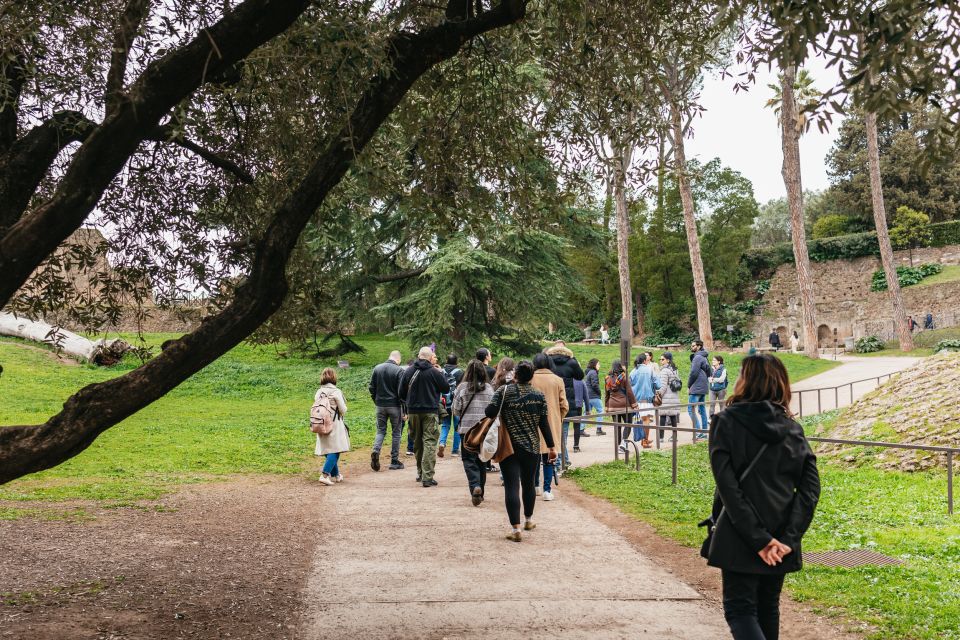
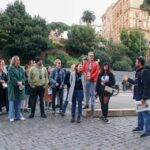
Rome’s Ancient City can feel like three different worlds—until you connect them. Here you start at the Colosseum, then move into the Roman Forum (the city’s center of power), and finish at Palatine Hill (where emperors ruled from). In about 2.5 to 3 hours, you’re not just checking boxes; you’re getting a guided thread that ties monuments, legends, and politics together.
I also like the structure of the tour because it respects your attention span. The Colosseum portion is built for big moments, then the Forum and Palatine Hill portions are built for understanding: why these places mattered, what you’re looking at, and how the layout explains Roman life. And yes, the skip-the-line part is practical—Rome queues can be brutally slow.
The tour is run by a live guide (English, Spanish, Portuguese, German, French, Italian) and you can travel with either private or small groups, which usually makes it easier to hear questions and keep the pace from feeling chaotic.
You can also read our reviews of more guided tours in Rome

Entering the Colosseum: skip-the-line, Roman numerals, and two levels
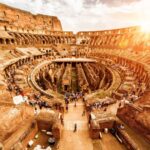
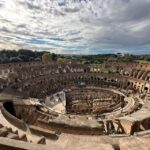
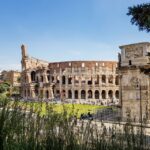
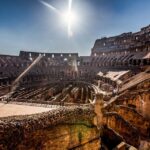
This is where the experience starts with drama and structure. You begin with skip-the-line access through a separate entrance, so you’re not stuck in the same mass line as everyone else. Once inside, your guide frames what you’re seeing—how the Colosseum was constructed, why it mattered, and why people still treat it like an engineering marvel.
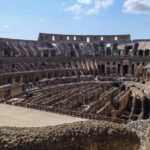
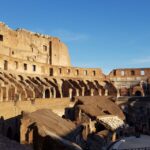
As you enter, you’ll notice the Roman numerals above the archways. It’s a small detail, but it helps you orient yourself while you’re moving through the spaces. Then you’ll tour the first and second levels of the Colosseum with commentary that connects the architecture to the human stories: emperors, gladiators, and major battles tied to the Colosseum’s reputation.
A big plus here is how the guide helps you read the building. Without explanations, the Colosseum can be all scale and stone. With the guide, you start noticing patterns—where crowds would have moved, how different sections relate, and what the design says about Roman entertainment and control.
One more practical note: your tour includes the Colosseum experience above ground only. If underground access is a must, this specific option won’t cover it.
The Roman Forum: walking through power, religion, and Rome’s origin stories
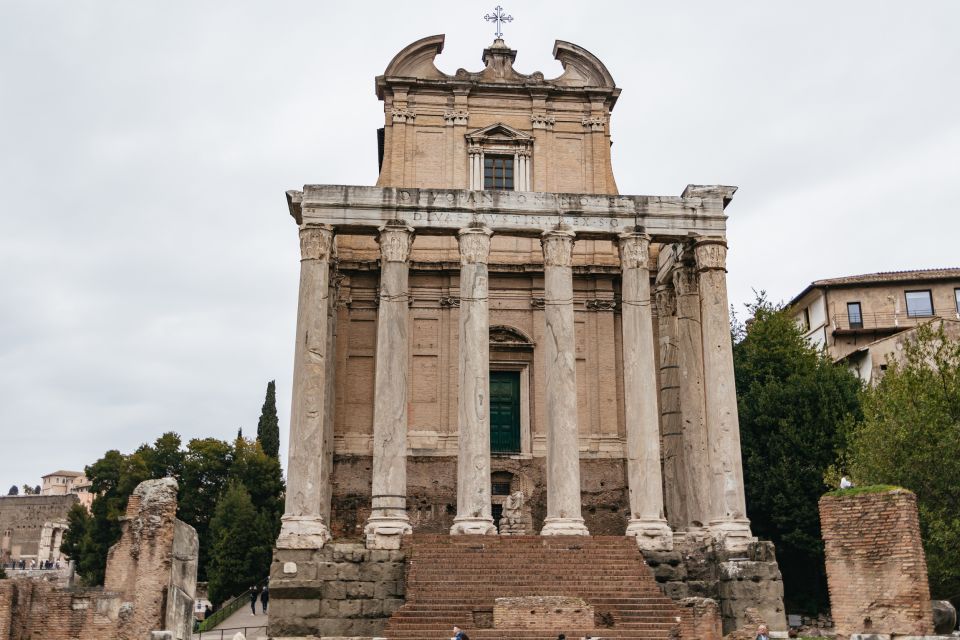
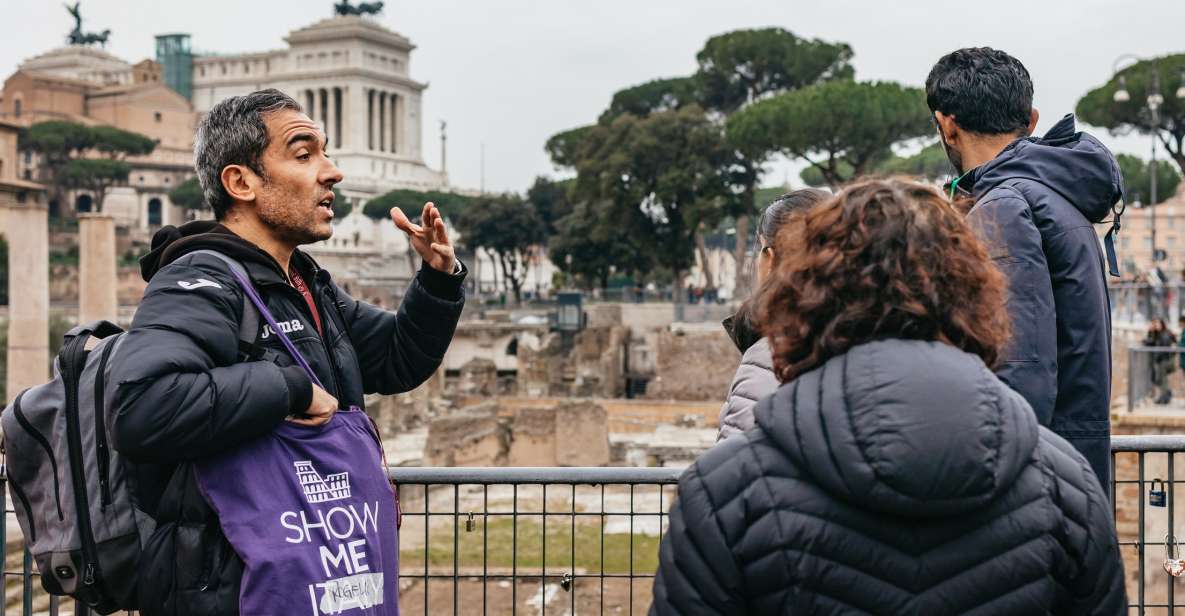
After the Colosseum, you step into a different kind of awe. The Roman Forum doesn’t overwhelm you with height—it overwhelms you with meaning. This area once served as Rome’s political and ceremonial heart, and on this tour you’ll walk key sites while your guide puts them into plain context.
You’ll pass by major monuments along the way, including the Arch of Constantine and its connection to Rome’s origin stories and legends of Rome’s legendary founders, Romulus and Remus. Then, once you’re inside the Forum area, the stops get more specific and tangible.
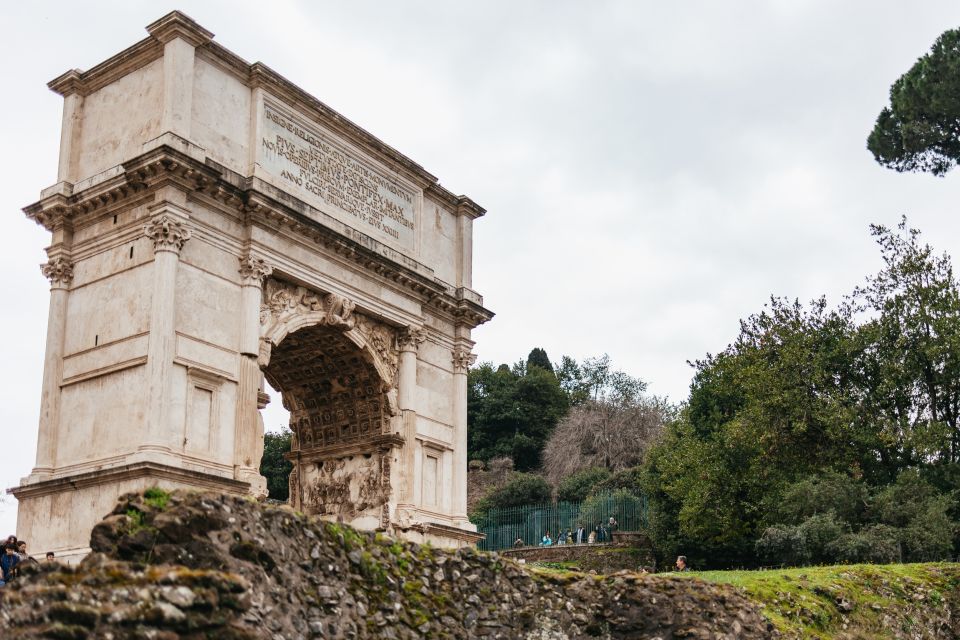
Expect to see the Arch of Titus, the House of the Vestal Virgins, and the burial site of Julius Caesar. What makes these stops valuable is that they aren’t random ruins on a map. Your guide ties them to themes: authority, faith, and the way Rome turned individuals into symbols.
Also, it’s useful to hear about the landscape itself. The Forum area you walk through sits on what was once a vast swampland, which helps you understand how Romans reshaped their environment to build the city they wanted. That kind of context changes how you see the ground beneath your feet.
The Forum walk is also one of the best places to ask questions, because your guide can usually connect what you’re seeing to how public life worked. You get the sense of a living system, not just a pile of stones.
Palatine Hill: the imperial neighborhood in ruins
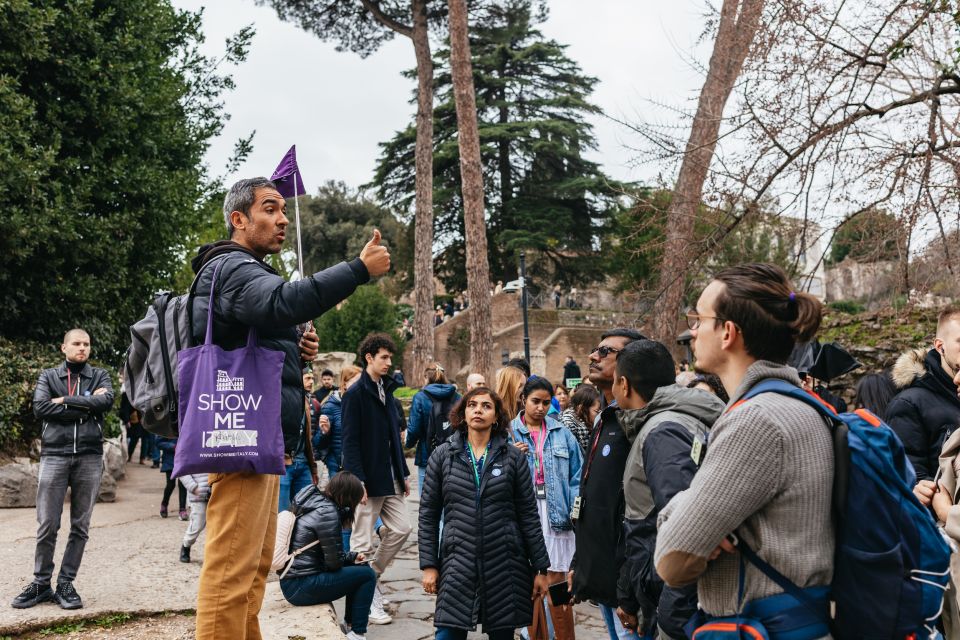
Palatine Hill is where Rome stops feeling like theater and starts feeling like administration. You’ll tour the ruins associated with the Imperial Palaces—the sprawling grounds from which emperors governed the city.
This is a walk that rewards curiosity. Your guide helps you make sense of what you’re seeing: which parts connect to grand residences, which areas feel like ceremonial space, and why Palatine Hill became the place tied to leadership. The atmosphere shifts too—Palatine Hill tends to feel more open and scenic than the densest Forum spaces, which can make the last stretch of the tour feel like a breather.
And even if you’ve never memorized a single Roman emperor, the tour helps you follow the big ideas. You’ll leave with a clearer sense of how Rome’s power worked physically: where rulers lived, where messages and rituals played out, and how the “seat of power” was built into the landscape.
Guide quality is the real value here (and it shows)
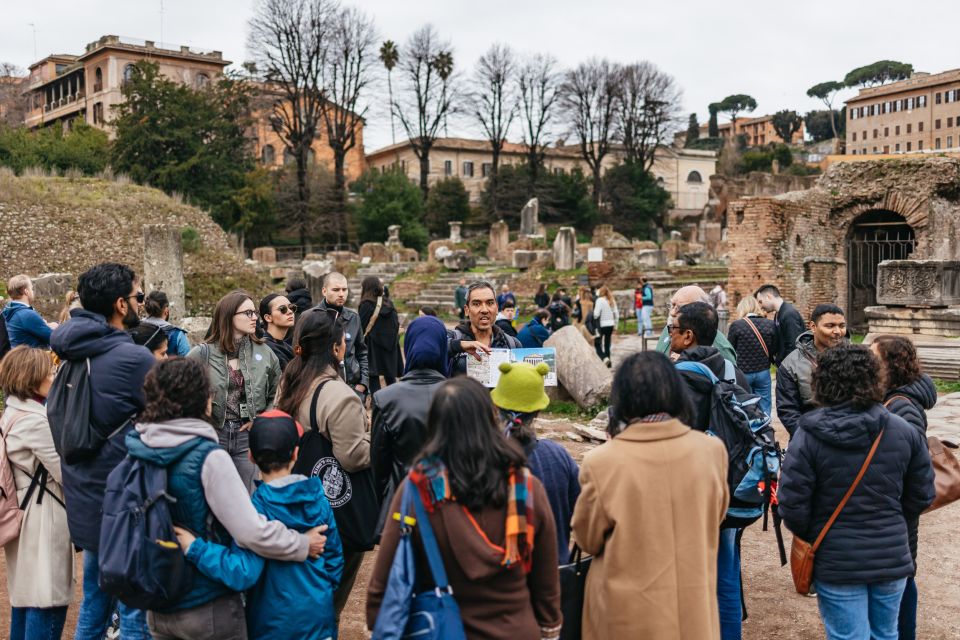
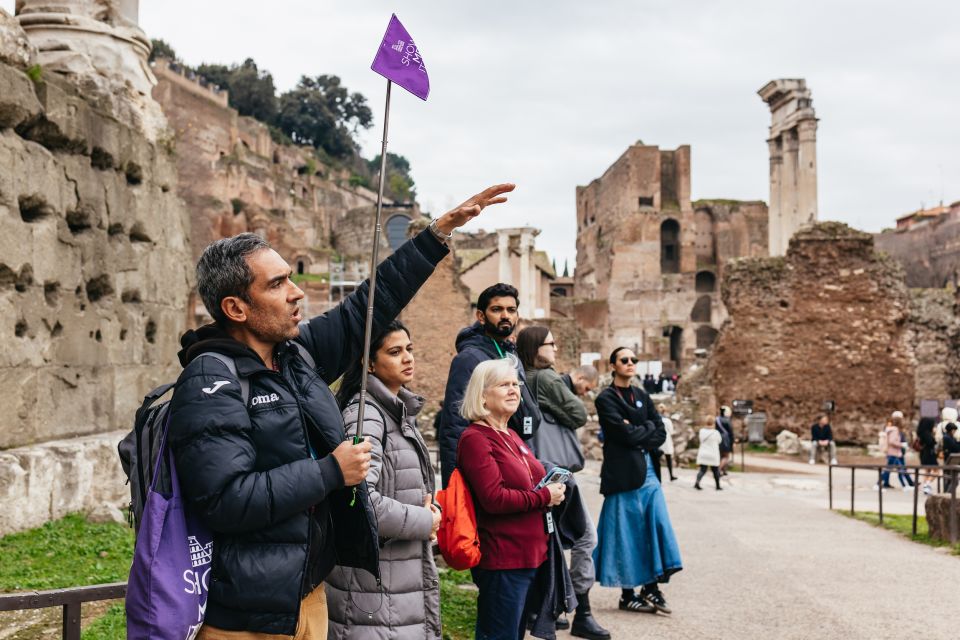
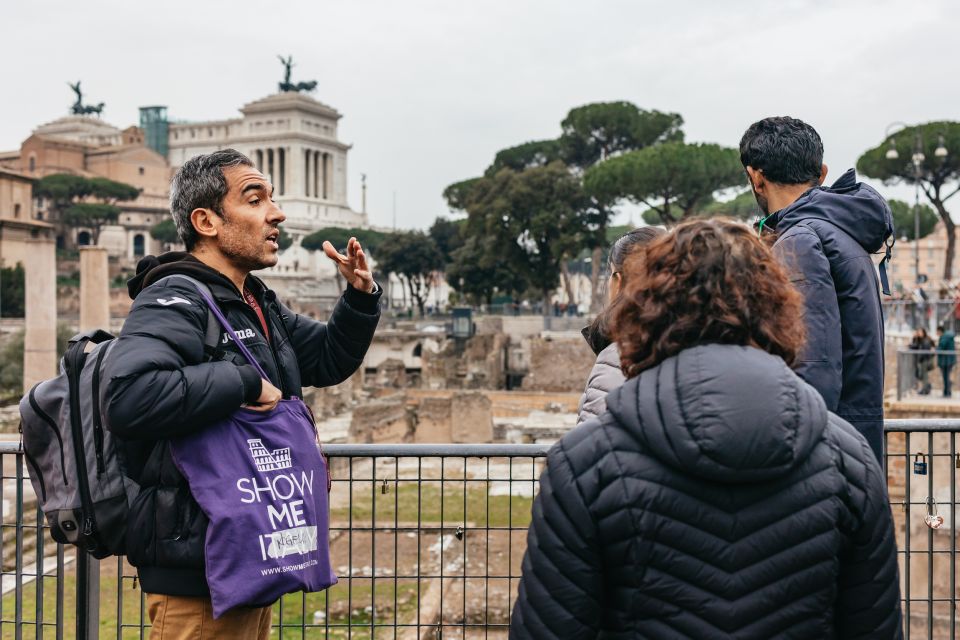
This kind of tour rises or falls on your guide. The Colosseum and Forum can be overwhelming if someone treats it like a list. The best versions of this tour keep moving, but they also stop often enough to explain what matters.
You can spot the difference in how guides handle the same landmarks. On this tour, you’re likely to hear strong narration around the Colosseum’s construction, the stories behind emperors and gladiators, and how the Forum monuments connect to Roman life and politics. Some guides you might get include names like Chiara and Georgio, and others bring very specific angles—like Magda, an archaeologist type of background, adding extra tidbits that help the ruins feel less mysterious.
It’s not just facts. It’s pacing, too. People often mention that guides make the tour feel engaging and organized, with time for pictures in the right spots. When that happens, you don’t feel like you’re getting rushed through your “once in a lifetime” landmarks.

Timing, security checks, and meeting point reality
Let’s keep it real. Even with skip-the-line tickets, there are mandatory security checks at entry points, and the wait time for security can be considerable during peak periods. That wait is separate from the ticket line, so don’t build your schedule around the idea that it will be instant.
Also, the meeting time can change, and you’ll be contacted via email if it does. And the meeting point depends on which starting option you book. Some locations can be tricky in practice because Rome’s streets change fast—construction and setup for events can affect how easy it is to find your exact start.
My practical advice: arrive a little early, keep your phone ready for the updated instructions, and wear shoes you can stand in for a while. The tour also strongly suggests bringing water, because part of the experience is out in the open.
One more tip: toilets are limited, so use them before you arrive.
What you actually see, in the order that makes sense
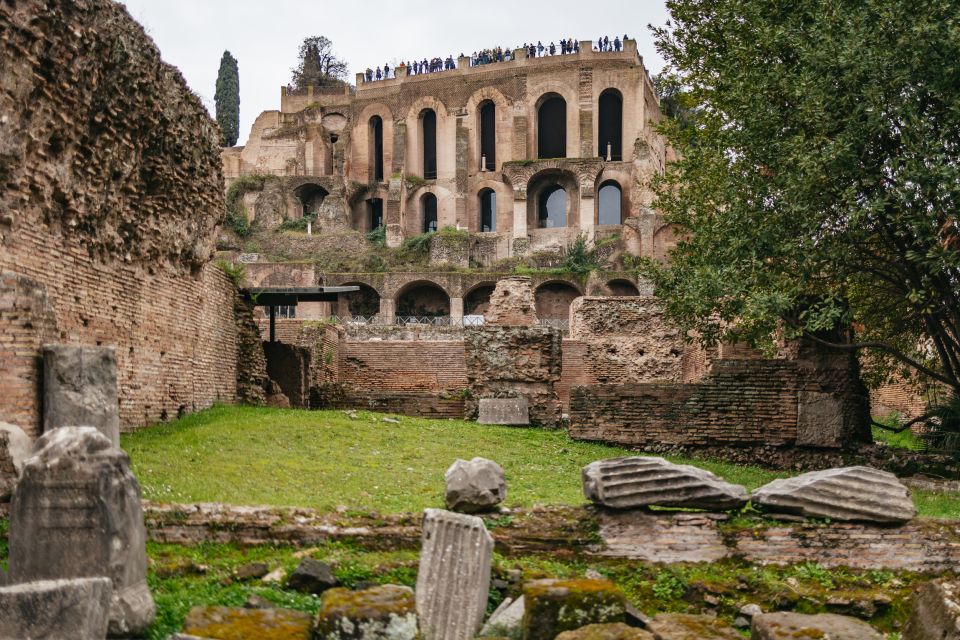
Here’s the mental map that helps you get the most out of the walk.
- Colosseum first: you get the main wow factor and the big engineering-story setup.
- Roman Forum next: your guide connects monuments to power, faith, and Roman political life, with stops like the Arch of Titus and the Vestal Virgins.
- Palatine Hill last: you end with the setting where emperors ruled, walking through the Imperial Palaces ruins and grounds.
This order matters. The Colosseum sets up Roman entertainment and spectacle. The Forum then shows Roman governance and ceremony. Palatine Hill finishes the loop by showing where elite power lived.
If you’re short on time in Rome, this is a strong combo because it hits the highest-density ancient core without requiring you to research every stone on your own.
Price and value: is $51 worth it?
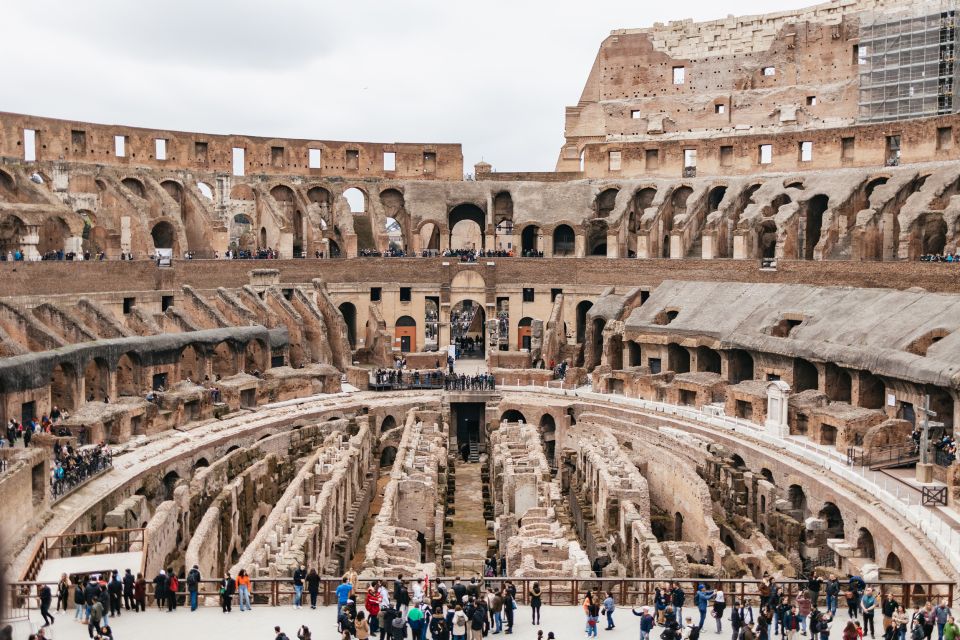
At $51 per person for about 2.5 to 3 hours, the value comes from three things you’d otherwise have to stitch together yourself.
First, you get skip-the-line tickets and priority access through a separate entrance. Second, you’re not just entering sites—you’re also getting live narration that connects multiple landmarks into one story. Third, you’re covering three major attractions in one go: the Colosseum, Roman Forum, and Palatine Hill.
Could you do some of this on your own for less? Sure, but you’d likely lose time to lines, and you’d spend that time Googling history instead of letting a guide explain what you’re looking at right in front of you.
Also, since the tour includes guided time at the Forum and Palatine Hill (not just a quick look), you’re paying for interpretation—what the ruins meant and how the places relate.
Who should book this tour, and who might not love it
I’d steer you toward this tour if you:
- want a guided, efficient way to see the Colosseum complex plus the Forum and Palatine Hill
- enjoy explanations that connect monuments to real Roman stories
- want skip-the-line help and a structured route in a short time
I’d think twice if you:
- strongly want Colosseum underground access, because it’s not included here
- have mobility needs and need wheelchair access, since the tour is not suitable for wheelchair users
- hate crowds or dislike security checks, because the area can be busy and security is mandatory
This is best for people who like big landmarks and also like being told what to notice.
A few smart things to bring (and avoid)
Bring:
- Passport or ID card
- Comfortable shoes (you’ll be walking and standing)
- Water
- a plan for weather: the tour runs rain or shine unless closed for safety reasons
Don’t bring:
- weapons or sharp objects
- luggage or large bags
- sprays or aerosols
- unaccompanied minors
This is one of those tours where showing up prepared makes the day feel smoother instead of stressful.
Should you book the Colosseum, Roman Forum & Palatine Hill guided tour?
If your goal is to see the biggest ancient Rome sites with less wasted time and more context, I’d book it. The skip-the-line access plus guided coverage of the Colosseum’s first and second levels, then the Forum monuments and Palatine Hill imperial ruins, is a solid use of a half-day.
But choose carefully if underground access is a must, because that option isn’t included. And if you’re very sensitive to crowds, security lines, or finding meeting points, plan extra time and arrive early.
Overall, this is a strong pick for first-time visitors who want the Colosseum experience to feel guided, not random.
FAQ
How long is the Colosseum, Palatine Hill & Roman Forum guided tour?
The tour runs about 2.5 to 3 hours, depending on your starting time.
Does this tour include skip-the-line access?
Yes. You get skip-the-line tickets to the Colosseum through a separate entrance with priority access.
What parts of the Colosseum are included?
You tour the first and second levels of the Colosseum.
Is the Colosseum underground access included?
No. Colosseum underground access is not included with this tour.
What do you see in the Roman Forum and Palatine Hill?
In the Roman Forum you’ll visit stops that include the Arch of Titus, the House of the Vestal Virgins, and the burial site of Julius Caesar. On Palatine Hill, you’ll see the ruins of the Imperial Palaces.
Where does the tour end?
It ends back at the meeting point.
What should I bring?
Bring your passport or ID card, comfortable shoes, and water.
Are there toilets available during the tour?
Toilets are limited, so it’s recommended that you use the toilet before the tour begins.
Is the tour wheelchair accessible?
No. The tour is not suitable for wheelchair users.
What is the cancellation policy?
You can cancel up to 24 hours in advance for a 25% refund.