REVIEW · COOKING CLASSES
Rome: Homemade Pasta and Tiramisu Cooking Class
Book on GetYourGuide →Operated by Orange Umbrella Srl · Bookable on GetYourGuide
Fresh pasta starts with simple dough. In this Roman class, you’ll make hand-cut pasta and espresso-dipped tiramisu, then eat it with a glass of wine at Osteria San Giorgio.
What I like most is how much time you spend at the worktable, not just watching. You also get practical guidance on choosing quality ingredients so the results feel less like luck and more like technique.
One thing to consider: this isn’t the best fit if you need to avoid gluten or lactose, and it’s not vegan-friendly.
In This Review
- Key Highlights Worth Your Time
- Osteria San Giorgio: A Smart Break From Rome’s Rush
- Roman Pasta Basics: From Flour-and-Water Dough to Hand-Cut Noodles
- Pappardelle vs Tagliatelle vs Tonnarelli: Learn the Logic of Each Shape
- Ingredient Sourcing Tips That Actually Change the Result
- Tiramisu in Practice: Espresso-Dipped Layers and Creamy Timing
- Wine and the Sit-Down Reward at the End
- Price, Dietary Limits, and Who This Class Fits Best
- Should You Book This Rome Pasta and Tiramisu Class?
- FAQ
- How long is the cooking class?
- How much does it cost?
- Where is the meeting point?
- Is the class taught in English?
- Is this class wheelchair accessible?
- What is included in the price?
- What will I learn to cook?
- Is it suitable for vegans or people with gluten or lactose intolerance?
- Can I pay later?
- Is there free cancellation?
Key Highlights Worth Your Time
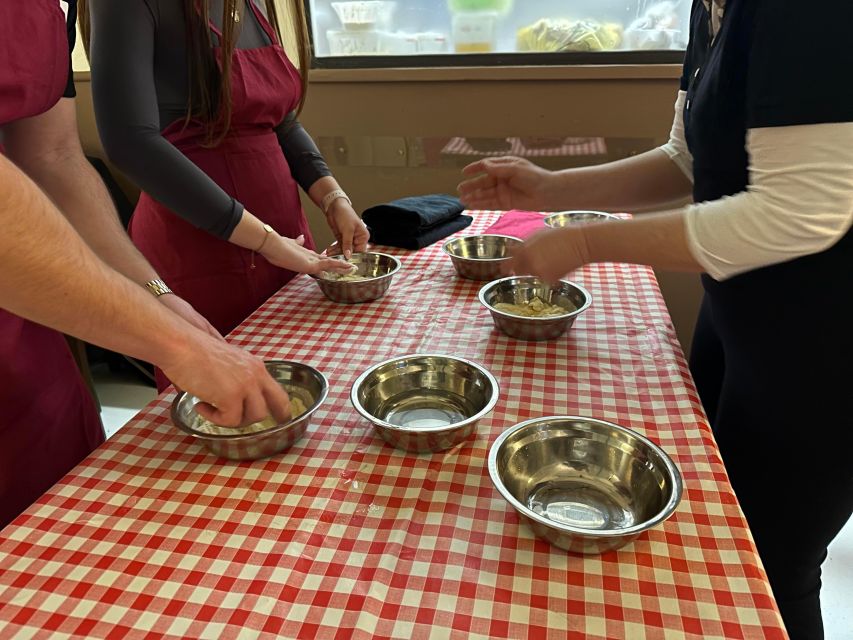
- Hands-on Roman pasta shaping: learn pappardelle, tagliatelle, and tonnarelli step-by-step.
- Ingredient shopping mindset: get insider tips for picking premium inputs for authentic flavor.
- Tiramisu technique you can repeat: learn the “secret” behind that classic espresso-and-cream balance.
- Wine + sit-down payoff: you finish by eating what you made with a glass of wine.
- Small-group energy is possible: one booking turned into a private lesson when only two people signed up.
- English instruction from real chefs: classes have been led by instructors like Kristian, Luca, Christian Simeoni, and Elisabetta/Elisabeta.
Osteria San Giorgio: A Smart Break From Rome’s Rush
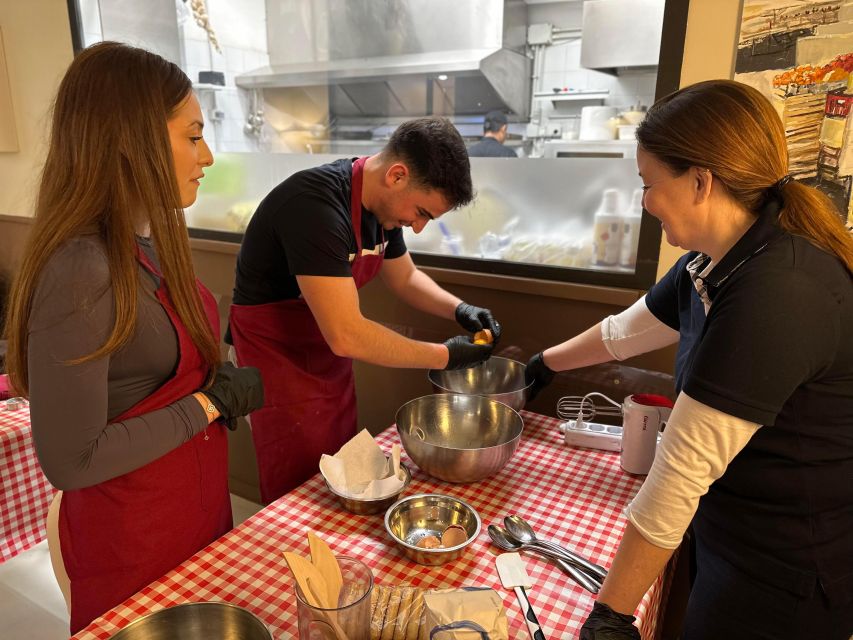
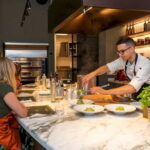
Rome can feel like non-stop walking. This class offers a different pace: a few hours in a restaurant kitchen, focused on food, not schedules. You meet at Osteria San Giorgio, a traditional setting that makes the whole experience feel like part of Roman life rather than a scripted show.
I like that you’re not just tasting. You’re making. The class is also timed well for most days: it’s 2.5 hours, so you can fit it between sightseeing blocks without losing your afternoon to a half-day tour.
Value-wise, the price is reasonable for what you’re getting. For $65 per person, you’re covered from start to finish: instructor guidance, ingredients, utensils, water, and a glass of wine with the meal.
You can also read our reviews of more cooking classes in Rome

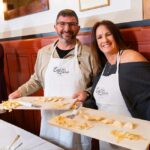
Roman Pasta Basics: From Flour-and-Water Dough to Hand-Cut Noodles
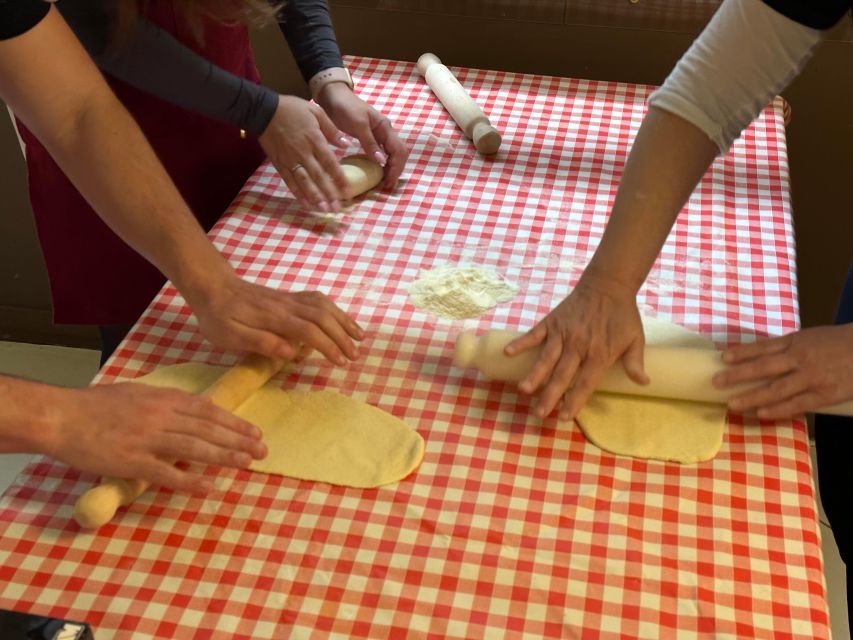
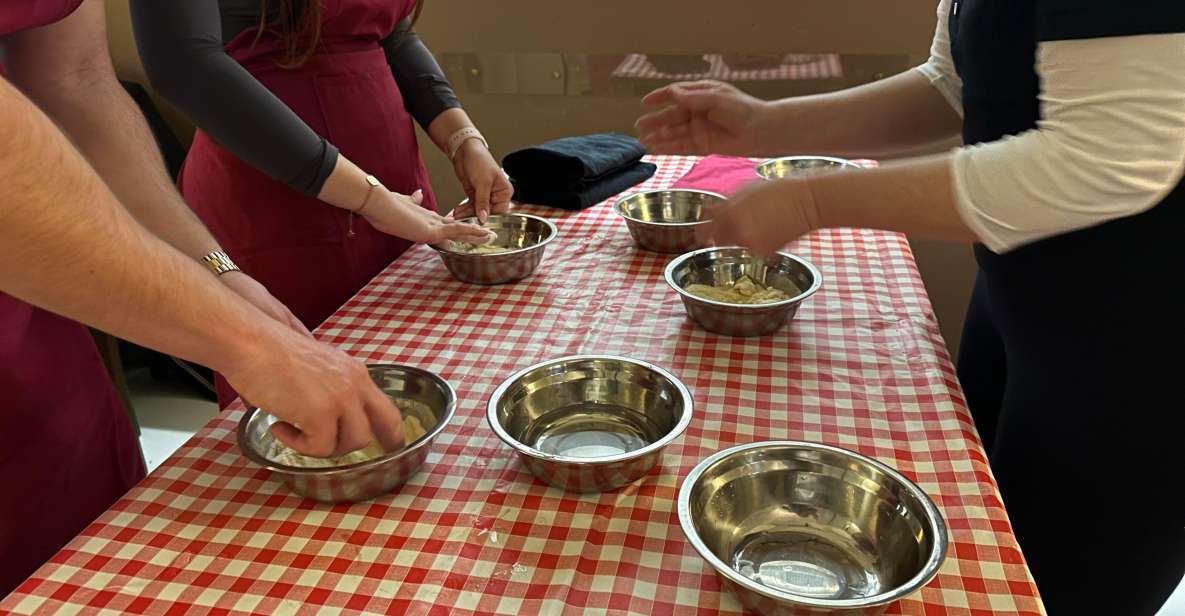
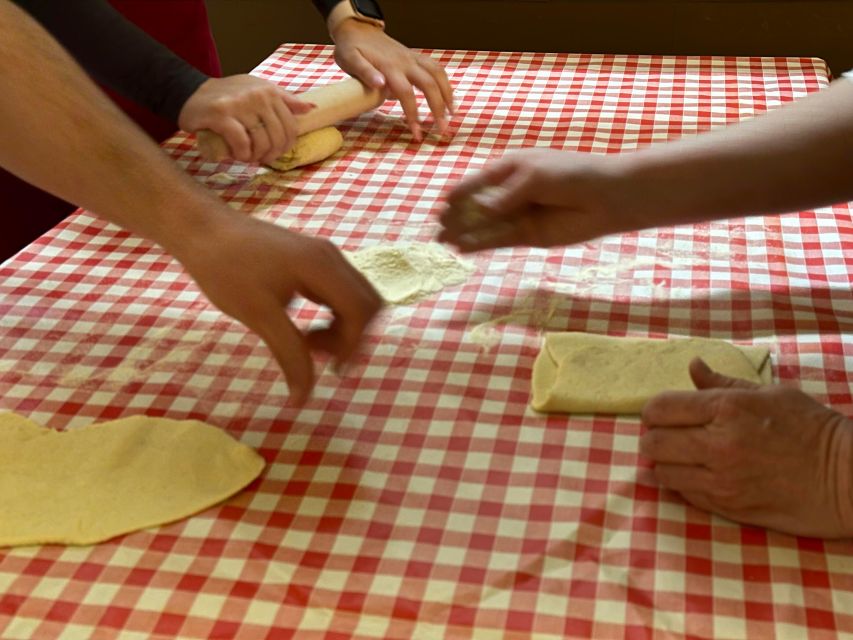
The main event is Roman pasta, and you’ll work through the process in a physical way. Expect hands-on steps like mixing flour and water, kneading the dough, rolling it out, and then cutting it by hand. That sequence matters because pasta quality is mostly texture and thickness. If your dough is off, everything else feels wrong.
What I find useful as a home cook is that the class doesn’t treat pasta as a mystery. You learn what to watch for as you go: dough feel, workable consistency, and the practical difference between shapes once you start rolling and cutting. There’s also a cultural layer woven into the lesson, including the history and meaning behind the recipes. It’s not “memorize dates.” It’s why Romans eat the way they do, and why certain ingredient choices show up again and again.
Also, English instruction helps a lot. Names of techniques, ingredient logic, and shaping differences land clearly, especially since the class is designed to be interactive.
Pappardelle vs Tagliatelle vs Tonnarelli: Learn the Logic of Each Shape
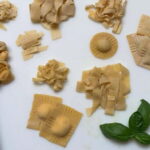
One of the best parts of this workshop is that you’re not stuck with a single noodle. You learn pasta varieties including pappardelle, tagliatelle, and tonnarelli. Even if you only make one at home later, understanding the shapes gives you a shortcut for choosing what to cook next time.
Here’s the practical takeaway I’d carry home: noodle shape affects the bite and how the pasta interacts with whatever you serve it with. When you hand-cut and pay attention to thickness, it becomes obvious why Italians care about these distinctions. You start to see the difference in structure, not just appearance.
The class also emphasizes discerning what makes each variety different. That matters because a lot of home cooks can roll dough, but they don’t know how to keep the end result consistent. Learning the “shape logic” helps you troubleshoot later when your first try at homemade pasta isn’t perfect.
Ingredient Sourcing Tips That Actually Change the Result
Homemade pasta can taste either wow or meh, and the difference is usually ingredients and handling. This class gives tips for sourcing the best materials for authentic cooking. That can mean choosing higher-quality staples and paying attention to details that don’t show up on a recipe card.
I like this approach because it’s not just, use brand X. It’s the mindset: pick ingredients that behave well and support the flavors the recipe expects. That’s especially helpful for Roman cooking, where simplicity depends on the right inputs.
You also learn the cultural significance of food in Italy, which sounds abstract until you realize it’s practical advice. When you understand why certain ingredients and techniques matter, you make better choices without needing a stack of recipes.
Tiramisu in Practice: Espresso-Dipped Layers and Creamy Timing
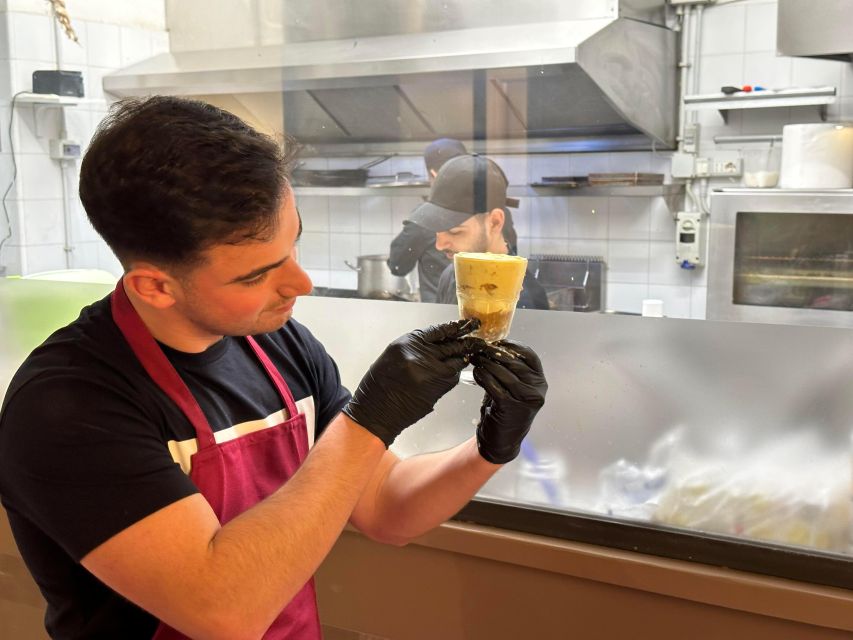
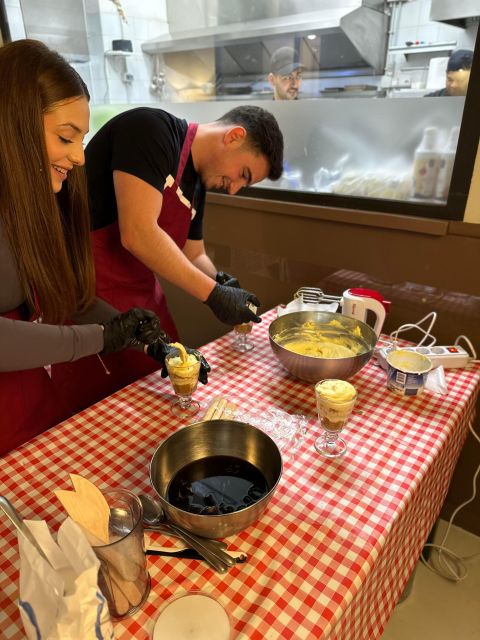
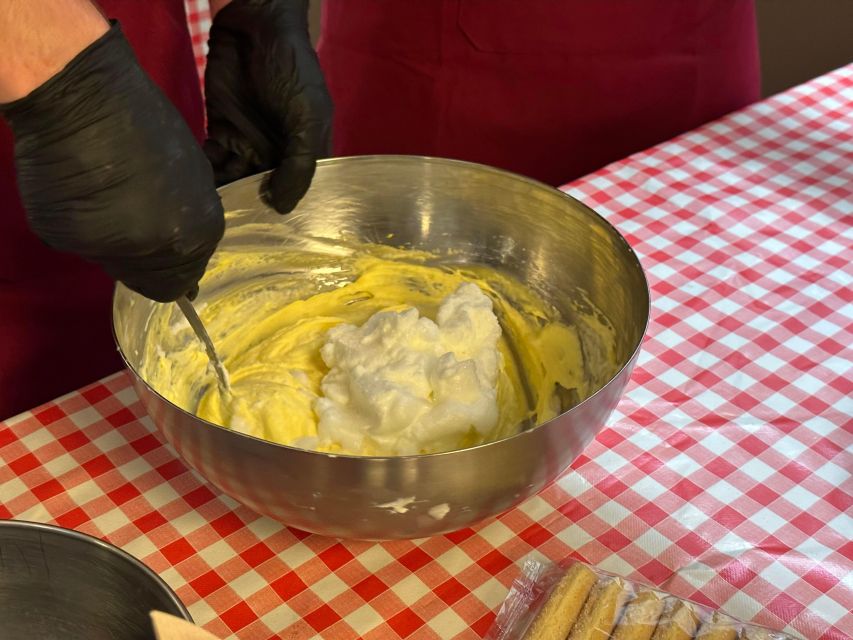
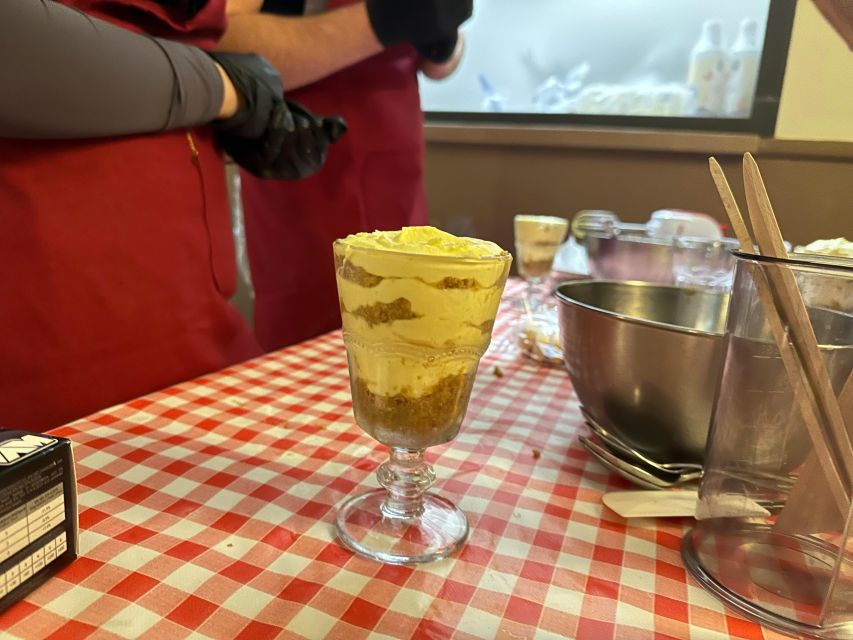
Then the focus shifts from pasta to dessert: classic tiramisu. You’ll learn how to make it to perfection, including the signature espresso-dipped element and how to get the right creamy outcome. This is where many cooking classes get vague, but here the goal is repeatable technique.
The instruction covers the process in a hands-on way, and you learn the “secret” behind what makes tiramisu work as more than a sweet idea. In practice, it’s about balance: enough espresso flavor without turning everything soggy, and cream that stays smooth instead of splitting or collapsing.
What I’d call the real win is that you leave with steps you can recreate. Tiramisu is one of those desserts people love, but it can feel intimidating. Learning it in a focused setting with guidance makes it feel doable for normal life at home, not just for special occasions.
You can also read our reviews of more tours and experiences in Rome

Wine and the Sit-Down Reward at the End
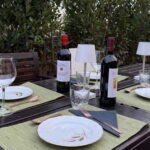
This isn’t a drop-off and “good luck” situation. You cook, then you eat. After you finish making pasta and tiramisu, you savor your creations at the restaurant with a glass of wine included.
That matters more than it sounds. Eating right away helps you connect the technique to the final result. You can taste the thickness, bite, and texture you created, and you’ll see how the tiramisu balances espresso and cream.
The wine pairing is included, and the format keeps it relaxed. It’s a nice way to slow down after your shaping hands get busy.
Price, Dietary Limits, and Who This Class Fits Best
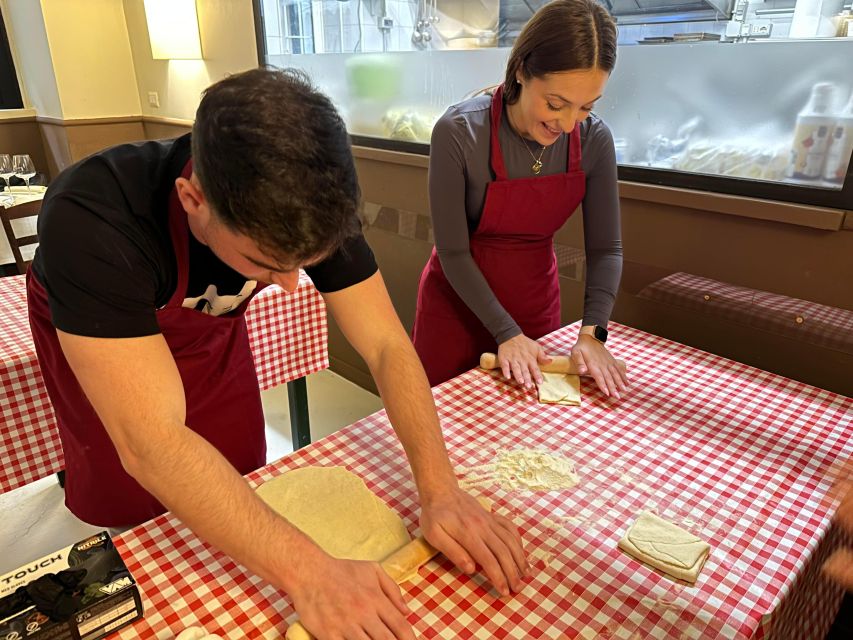
At $65 per person for 2.5 hours, this class is good value if you want a structured, hands-on cooking skill you can reuse. You’re not paying just for a meal or a performance. You’re paying for instruction, ingredients, and the chance to practice real Roman techniques in one sitting.
That said, it’s not for everyone. The class isn’t suitable for:
- Vegans
- People with gluten intolerance
- People with lactose intolerance
If any of those apply to you, this one is likely to frustrate you rather than delight you, since tiramisu and many pasta ingredients involve dairy and gluten. If you’re flexible on dietary restrictions, this is an easy pick for a fun, practical Rome afternoon.
Who I think will love it most:
- Couples who want to cook together and compare notes
- Anyone who’s tired of just walking museums and wants a hands-on memory
- First-timers to Italian cooking who still want technique, not just a guided meal
One more small consideration: the restaurant environment is a working kitchen. Some people may not love the feeling of others watching as you cook, even if staff are supportive.
Should You Book This Rome Pasta and Tiramisu Class?
Yes, if your goal is to leave Rome with skills you can actually use. The strongest reason to book is the combination of hand-cut pasta shaping plus tiramisu technique, both taught in English with an instructor-led, hands-on format.
Skip it if you need gluten-free or lactose-free options, or if vegan eating is non-negotiable. In those cases, you’ll be fighting the core ingredients rather than enjoying the teaching.
If you can swing it, this is the kind of class that gives you a story you can repeat at home: tonight, we’re making Roman pasta and tiramisu the right way.
FAQ
How long is the cooking class?
The class lasts 2.5 hours.
How much does it cost?
It costs $65 per person.
Where is the meeting point?
You meet at Osteria San Giorgio.
Is the class taught in English?
Yes, the instructor works in English.
Is this class wheelchair accessible?
Yes, it is wheelchair accessible.
What is included in the price?
You get the cooking class, instructor, all ingredients and utensils, water, and a glass of wine.
What will I learn to cook?
You’ll learn Roman pasta varieties (pappardelle, tagliatelle, and tonnarelli) and how to make tiramisu with espresso.
Is it suitable for vegans or people with gluten or lactose intolerance?
No. It’s not suitable for vegans, people with gluten intolerance, or people with lactose intolerance.
Can I pay later?
Yes. You can reserve now and pay later, with no payment required today.
Is there free cancellation?
Yes. You can cancel up to 24 hours in advance for a full refund.