REVIEW · COOKING CLASSES
Rome: Hands-On Pasta & Tiramisu Class with Unlimited Wine
Book on GetYourGuide →Operated by Crown Tours · Bookable on GetYourGuide
Fresh pasta in Rome tastes better when you make it yourself. This hands-on pasta and tiramisu class runs about 3 to 3.5 hours and mixes practical cooking with the kind of relaxed dinner vibe you want on a trip.
I love the format: you’re rolling dough, shaping ravioli, and building tiramisu step-by-step with an English-speaking chef, usually in a small-group VIP setup. I also love the payoff. You don’t just snack on something random; you eat what you cook, with free-flowing Italian wine and the recipes to repeat at home.
One drawback to plan around: this experience uses wheat and kitchen ingredients, and it’s not recommended for celiac disease. If you have severe gluten or nut allergies, you’ll need to flag it in advance (and traces of gluten and nuts may be present).
In This Review
- Quick highlights
- Entering The Roman Kitchen Near Big Sights
- What You Make: Fettuccine, Ravioli, and Tiramisu
- Fresh fettuccine (made by hand)
- Stuffed ravioli with seasonal filling
- Tiramisu done as a classic
- The Class Flow: From Dough to Dinner Table
- 1) Welcome and chef briefing in an intimate kitchen
- 2) Mix, knead, and roll your pasta dough
- 3) Shape ravioli and learn the fill-and-seal basics
- 4) Boil, cook to al dente, and plate what you made
- 5) Build tiramisu and finish with cocoa
- The Wine, Drinks, and Why the Meal Part Matters
- The Chef Experience: Attentive Teaching in English
- Price and Value: Is $112.15 Worth It?
- Dietary Limits: Gluten, Celiac, and Allergy Realities
- Who Should Book This Rome Pasta and Tiramisu Class
- Should You Book This Class?
- FAQ
- FAQ
- How long is the pasta and tiramisu class?
- What dishes will I make during the workshop?
- Is the class taught in English?
- Does the price include wine?
- Are recipes included to take home?
- Can I get gluten-free options?
- Is it safe for celiac disease?
- What about allergies like nuts?
- Is hotel pickup included?
Quick highlights
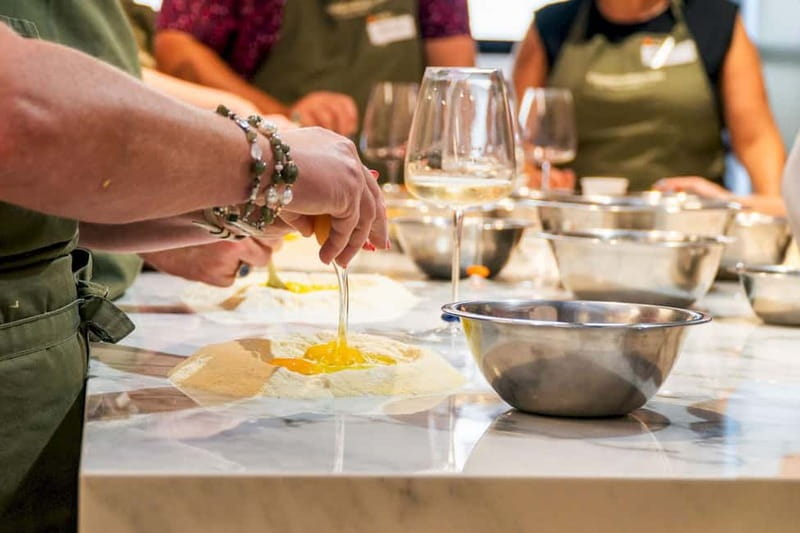
- Hands-on dough work: mixing flour and eggs by hand, then kneading and rolling to the right feel
- Two savory wins: fresh fettuccine plus stuffed ravioli with seasonal fillings
- Classic tiramisu made correctly: espresso-soaked biscuits, mascarpone, then cocoa dusting
- Wine that keeps going: bottomless Italian wine paired with coffee and nonalcoholic drinks
- Small-group energy: intimate classes where the chef can actually watch your technique
- Chef-approved take-home recipes: a booklet so you can recreate the flavors later
Entering The Roman Kitchen Near Big Sights
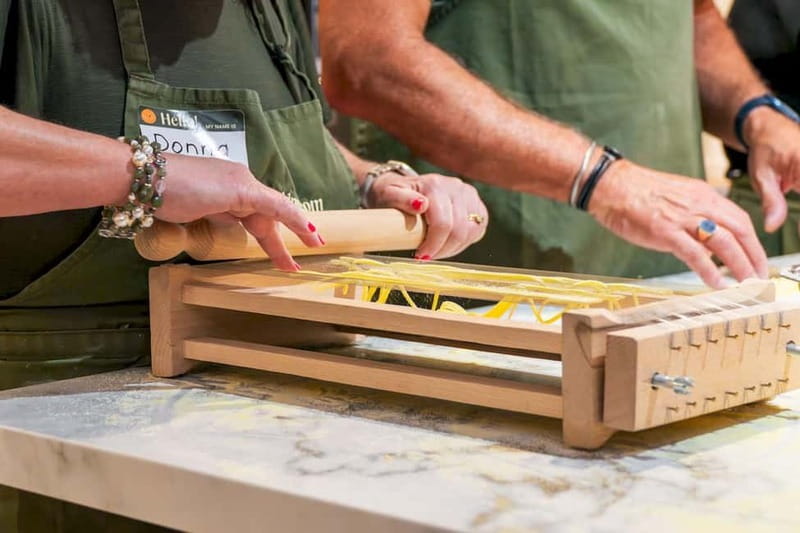
The best cooking classes in Rome have one thing in common: they put you in the real rhythm of Italian food, not a staged performance. Here, you start by meeting your chef in a kitchen environment that smells like ingredients and warm flour dust, and you’ll quickly shift from watching to doing.
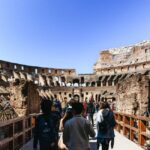
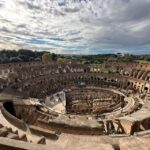
A detail I really appreciate is the location vibe. Multiple sessions are described as being close to the Colosseum area, which matters more than you’d think. When your cooking class is near the major sights, you avoid wasting half a day commuting or scrambling for dinner reservations. You also have the option to do this as an easy follow-on to sightseeing.
Timing is also simple: the class lasts 3 to 3.5 hours, and it ends back at the meeting point. That makes it a good “anchor activity” for an evening (or a morning, depending on the schedule available when you book).
What you should bring to the experience is mindset, not skill. The class is designed for total beginners and also works for people who already cook. The chef’s job is to help you nail texture, thickness, and technique—things you can’t really learn from a screen.
You can also read our reviews of more cooking classes in Rome

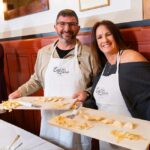
What You Make: Fettuccine, Ravioli, and Tiramisu
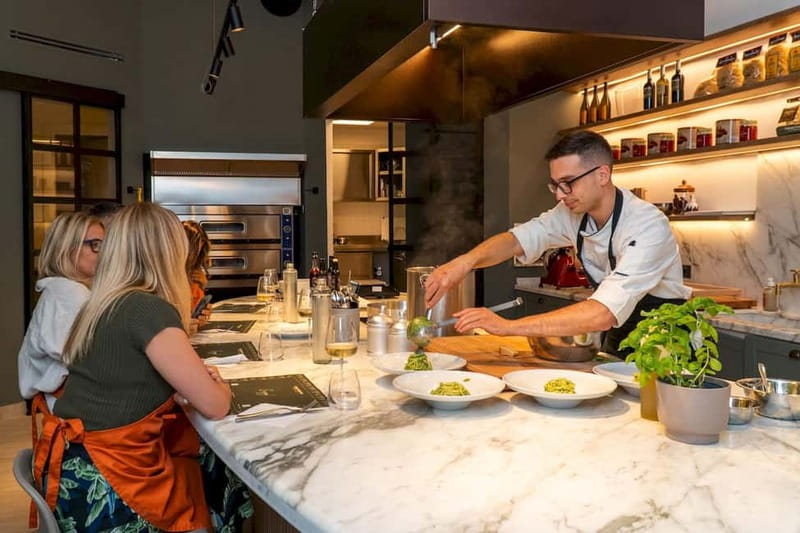
This isn’t a one-dish workshop. It’s a true 3-part masterclass: fresh fettuccine, stuffed ravioli, and tiramisu. That matters for value because you’ll leave with both savory confidence and dessert technique.
Fresh fettuccine (made by hand)
You’ll mix flour and eggs with your hands, then knead and roll the dough. That hand-on stage is the whole point. Pasta texture is mostly about hydration and gluten development, and the chef guides you toward the right feel—smooth, elastic, and not sticky.
Stuffed ravioli with seasonal filling
Next comes the ravioli work: you’ll portion and shape fillings, then assemble the pasta into little pockets. Ravioli is where you learn patience. The goal is to seal well without overstuffing and to shape so they cook evenly.
Tiramisu done as a classic
Then you move to dessert and get a straightforward path to a real Italian tiramisu: espresso-soaked biscuits layered with creamy mascarpone, finished with cocoa. You’re not just assembling; you’re learning how the layers behave (how wet is too wet, how the cream holds structure).
If you like the idea of learning how to taste and adjust, this class is built for you. You’ll work the way Italian home cooks work: practical, sensory, and focused on what matters in the mouth.
You can also read our reviews of more wine tours in Rome


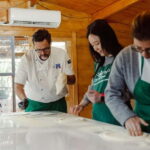

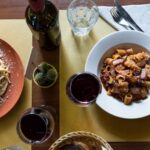

The Class Flow: From Dough to Dinner Table
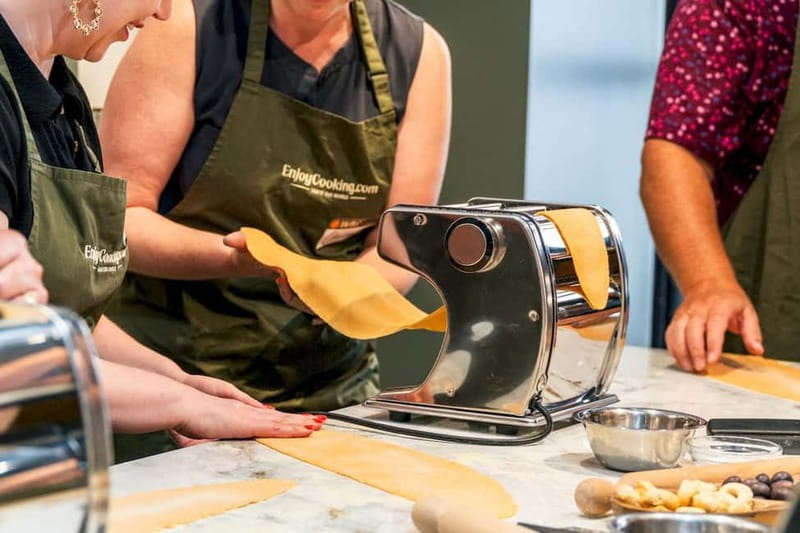
Here’s the structure you can expect, step by step, and why each part is worth your time.
1) Welcome and chef briefing in an intimate kitchen
You’ll be greeted as you arrive, then the chef walks you through what’s coming and the key technique points. This matters because pasta can go wrong fast—wrong thickness, wrong cooking time, or ravioli that open in the water. Before you touch ingredients, you’ll get the “what to watch for” cues.
2) Mix, knead, and roll your pasta dough
You start by working flour and eggs by hand. The tactile part is oddly satisfying. You’ll knead until the dough feels right, then roll it out. The chef will guide you on how to reach an even thickness, because uneven pasta cooks unevenly.
One of the best parts here is pace. In small classes, the chef can correct you quickly. Reviews highlight that instructors keep a good rhythm—teaching without rushing, but also not letting you get stuck.
3) Shape ravioli and learn the fill-and-seal basics
Then you shift from flat dough work to pocket-making. You’ll create ravioli from sheets and filling. The technique is simple to explain and tricky to execute—sealing without bulky edges and making sure the pockets stay intact.
This is where small groups win. If you’re in a group of around 5 to 8, the chef can watch your hands and step in before a whole batch becomes a mess.
4) Boil, cook to al dente, and plate what you made
Once the ravioli are shaped, they’ll be cooked. The class teaches you to get them al dente, which is the difference between pasta that tastes alive and pasta that tastes like glue.
You’ll also get time to eat the plates you made. Some instructors add a simple sauce or cooking method as part of the lesson—for example, one chef taught a method using tomatoes and pan sautéing to finish the flavor. Even when the exact sauce varies, the key takeaway stays the same: you learn how to cook pasta so it tastes right on the fork.
5) Build tiramisu and finish with cocoa
Finally, dessert. You’ll layer espresso-soaked biscuits with mascarpone and finish with cocoa dusting. Tiramisu is one of those desserts where technique matters less about fancy tools and more about timing and balance—how quickly you soak, and how you layer without turning the cream into soup.
Then you sit down with your group, wine in hand, and enjoy the fruits of your work.
The Wine, Drinks, and Why the Meal Part Matters
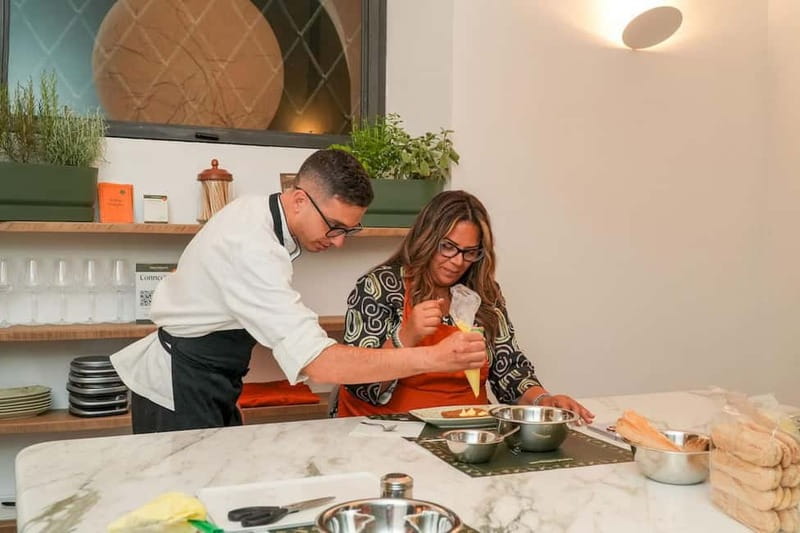
This class includes free-flowing Italian wine, plus coffee and nonalcoholic drinks. While this is obviously fun, the deeper value is that you’re eating in a relaxed setting right after cooking.
That timing improves your learning. When you taste your own pasta and tiramisu immediately, you connect technique to result. You’ll notice things like how thickness changes bite, or how dessert layer consistency depends on soaking.
A practical note: bottomless wine makes conversations great, but it can also make it easier to forget details. If you’re the type who wants to recreate recipes at home, keep a mental checklist while you cook: dough feel, how the chef handles ravioli sealing, and the tiramisu layering rhythm.
Also, this isn’t just a drinking session. The focus is still cooking. The wine is there to grease the gears, not replace the class.
The Chef Experience: Attentive Teaching in English
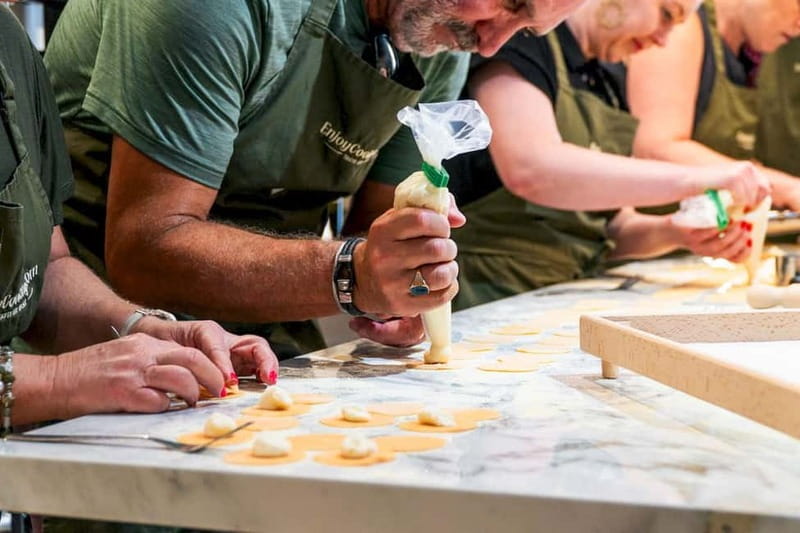
One of the most praised aspects is the teaching style. Many sessions feature chefs with names like Max and Marco, and other instructors mentioned include Jacopo, Alessandro, and Zori. Regardless of who’s at the helm, the theme is consistent: friendly, funny, and focused on hands-on guidance.
In a good class, the chef doesn’t just explain. They watch your dough. They correct rolling thickness. They show you how to avoid common ravioli mistakes. They keep the group moving at a pace that feels fun, not frantic.
You’ll also get a truly small-group environment. Reviews describe intimate groups and plenty of room to work—often around 5 to 8 people. That’s important because pasta making is awkward when there’s no space. Here, the setup is built for you to move, knead, roll, and shape without fighting for a station.
And because the class is taught in English, you get to focus on technique instead of translation gymnastics.
Price and Value: Is $112.15 Worth It?
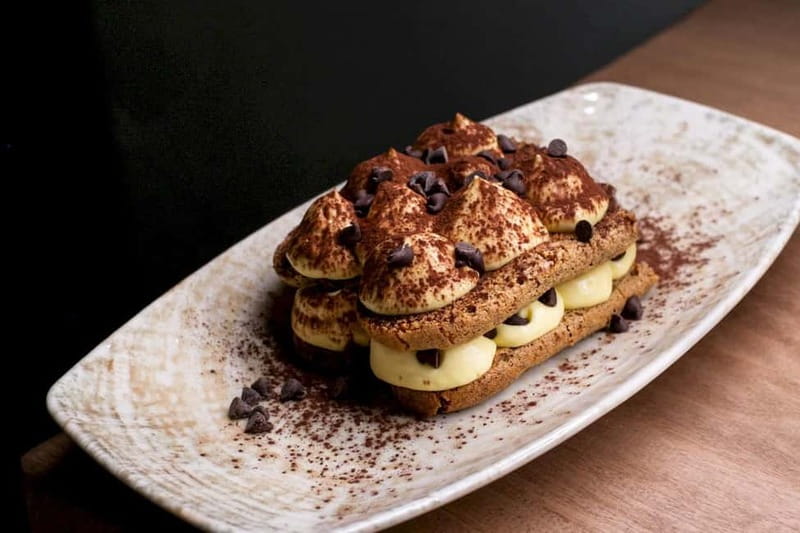
At about $112.15 per person for roughly 3 to 3.5 hours, the cost has to be judged against what you actually receive.
Here’s what makes it feel like solid value:
- You’re getting a full hands-on meal experience, not a quick demo.
- You learn three separate skills: fresh pasta (including dough texture), ravioli shaping, and classic tiramisu.
- You receive free-flowing wine, plus coffee and nonalcoholic drinks.
- You take home a recipe booklet, so you’re not leaving with memories only.
Compared with paying separately for dinner and a cooking activity, this package can be a smart deal—especially if you’re traveling with someone and can split the “activity cost” across both your enjoyment and your take-home competence.
The main reason it might not feel worth it is if you’re not into making food at all. If you prefer to watch from a distance or you already have zero interest in pasta and dessert technique, you’ll feel the time more than you’ll feel the payoff.
But if you like rolling up your sleeves and want to leave Rome with skills you can use again, this is one of the best ways to turn an evening into something useful.
Dietary Limits: Gluten, Celiac, and Allergy Realities
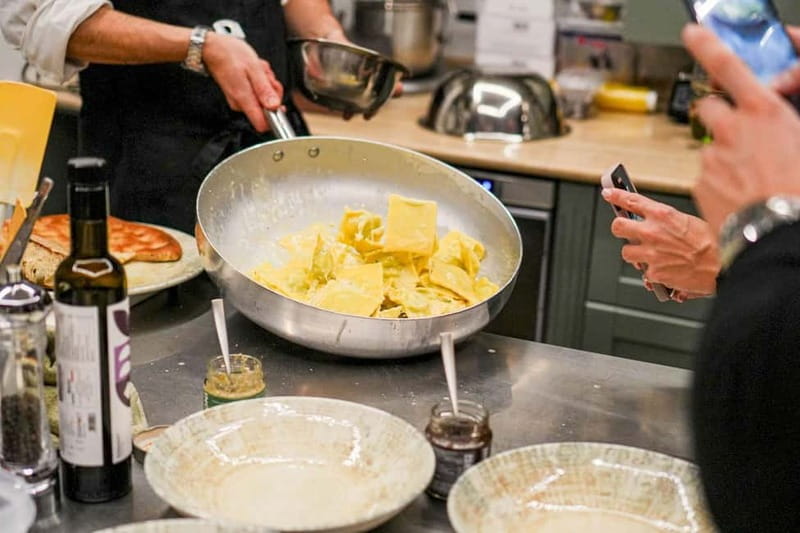
Let’s be clear and practical. This experience is not recommended for people with celiac disease. It also isn’t suitable for people with gluten intolerance, and the venue notes there may be traces of gluten and nuts.
That means if your needs are serious, you should take extra caution and contact the provider when booking. The good news is that special dietary requirements are accommodated when possible. But the class explicitly warns about celiac and gluten intolerance, so don’t assume you can swap ingredients on the fly.
If you have severe allergies, inform the team in advance so they can make arrangements. If they can’t safely adjust for your situation, it’s better to choose a different activity that’s designed for your needs.
Who Should Book This Rome Pasta and Tiramisu Class
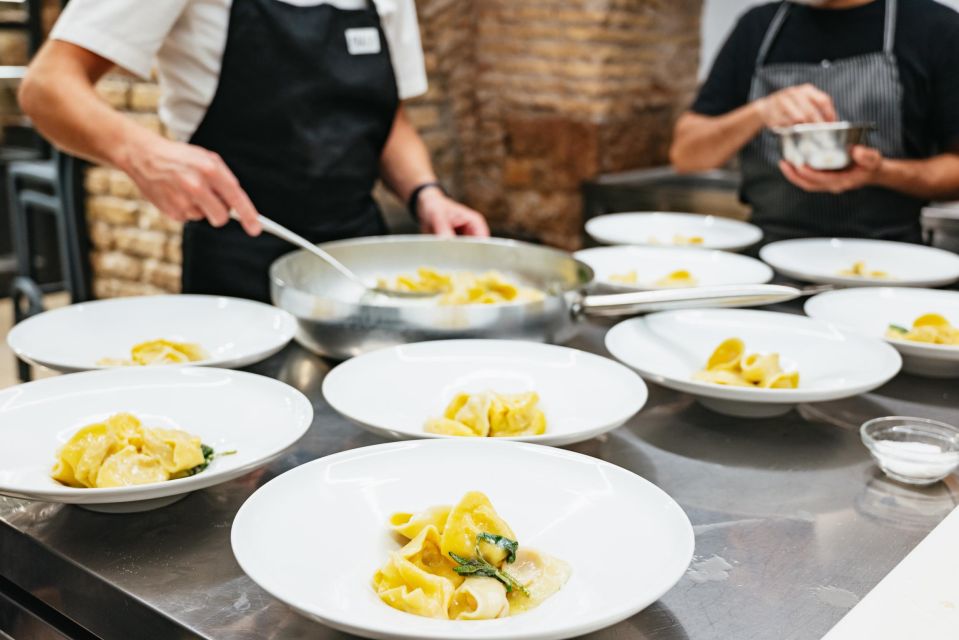
This class is a great fit if you want a few things at once:
- A hands-on Rome food experience that teaches you more than you’ll get from a tasting tour
- A relaxing meal format with the fun bonus of wine
- A small-group setting where the chef can keep an eye on your technique
- A take-home recipe booklet that makes it more than a one-night novelty
It’s also a nice choice for couples, because you’ll work side by side and then eat together. It can work for families too, since one review notes they brought a toddler and the staff accommodated them. Still, it’s an active cooking setting with hot ingredients and sharp tools nearby, so you’ll want to consider how comfortable your kids are around a real kitchen.
If you’re a pasta pro, you’ll still enjoy the structured method and the chance to compare your habits to a chef’s approach. If you’re a beginner, you’ll likely feel proud fast because each stage builds on the last.
Should You Book This Class?
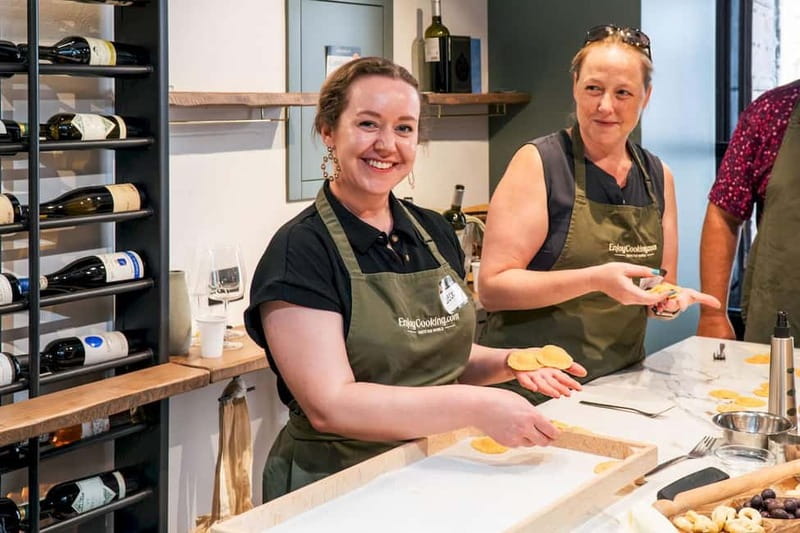
Yes, if you want a real skill-building food evening in Rome—especially one that includes fettuccine, ravioli, and tiramisu plus wine and recipes. The small-group feel, the attention to technique, and the fact that you eat what you make are the big wins.
Skip it or reconsider if you have celiac disease, gluten intolerance, or severe gluten or nut allergies, since traces may be present and the experience is not recommended for celiac.
If you’re still deciding, here’s the best test: if you’d rather spend your time learning a few repeatable techniques than just collecting photos, this class is a strong pick.
FAQ
FAQ
How long is the pasta and tiramisu class?
The class lasts about 3 to 3.5 hours.
What dishes will I make during the workshop?
You’ll make fresh fettuccine, stuffed ravioli, and tiramisu from scratch.
Is the class taught in English?
Yes. The instructor teaches in English.
Does the price include wine?
Yes. The class includes free-flowing Italian wine, along with coffee and nonalcoholic drinks.
Are recipes included to take home?
Yes. You’ll receive a booklet with chef-approved recipes.
Can I get gluten-free options?
Gluten-free options are not mentioned as available, and the experience is not recommended for celiac disease. You should notify the provider of dietary needs when booking.
Is it safe for celiac disease?
No. It is not recommended for people with celiac disease.
What about allergies like nuts?
Please inform the provider in advance if you have severe allergies. There may be traces of gluten and nuts.
Is hotel pickup included?
No. Hotel pickup and drop-off are not included. The activity starts and ends back at the meeting point.