REVIEW · CATACOMBS & CRYPTS TOURS
Rome: Dark Past Walking Tour with Capuchin Crypt Ticket
Book on GetYourGuide →Operated by Rome - Tour · Bookable on GetYourGuide
Spooky underground history is the way to start Rome. This tour pairs the Capuchin Crypt ticket with a tight route through Roman landmarks, all explained by a live guide in a small group. I like how the stories stay grounded in real places, not just generic ghost talk. I also love the pacing: you hit big sights like the Trevi Fountain and Pantheon without getting stuck in long waits.
One key catch: inside the Crypt of the Capuchins, no photos or videos are allowed. If you love documenting everything, plan on putting your phone away and just taking it in instead.
In This Review
- Key things to know before you go
- Why the Capuchin Crypt sets the tone for dark-history Rome
- Piazza Barberini to Trevi Fountain: moving through crowds with purpose
- Pantheon in 15 minutes: ancient myths meet real architecture
- Piazza Navona and Campo de’ Fiori: legends with local teeth
- Finishing at Chiesa Santa Maria dell’Orazione e della Morte
- Price and logistics: is $76 worth it?
- What to wear and bring for a smooth dark-past walk
- The guides: why the narration quality matters
- Who this tour fits best (and who should skip it)
- Should you book this dark past Rome tour?
- FAQ
- Where does the tour start?
- How long is the Rome Dark Past walking tour?
- What’s included in the price?
- Are photos or videos allowed inside the Capuchin Crypt?
- What language(s) is the tour offered in?
- Is this tour suitable for kids or wheelchair users?
Key things to know before you go
- Capuchin Crypt ticket included: Your entrance is part of the tour, and the visit is guided (about 30 minutes).
- Headsets for clarity: You’ll get audio equipment, useful on crowded streets and in noisy squares.
- A focused 2-hour route: You’ll cover Trevi, Pantheon, Piazza Navona, and Campo de’ Fiori, then finish at the Church of St. Mary of the Oration and Death.
- Major sites with a darker lens: Each stop ties into legends, local history, and eerie anecdotes.
- Dress code matters: No shorts, short skirts, or sleeveless shirts, and you can’t bring large bags.
- No late starts: Arrive on time at the meeting point, or you won’t be able to join.
Why the Capuchin Crypt sets the tone for dark-history Rome
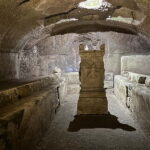
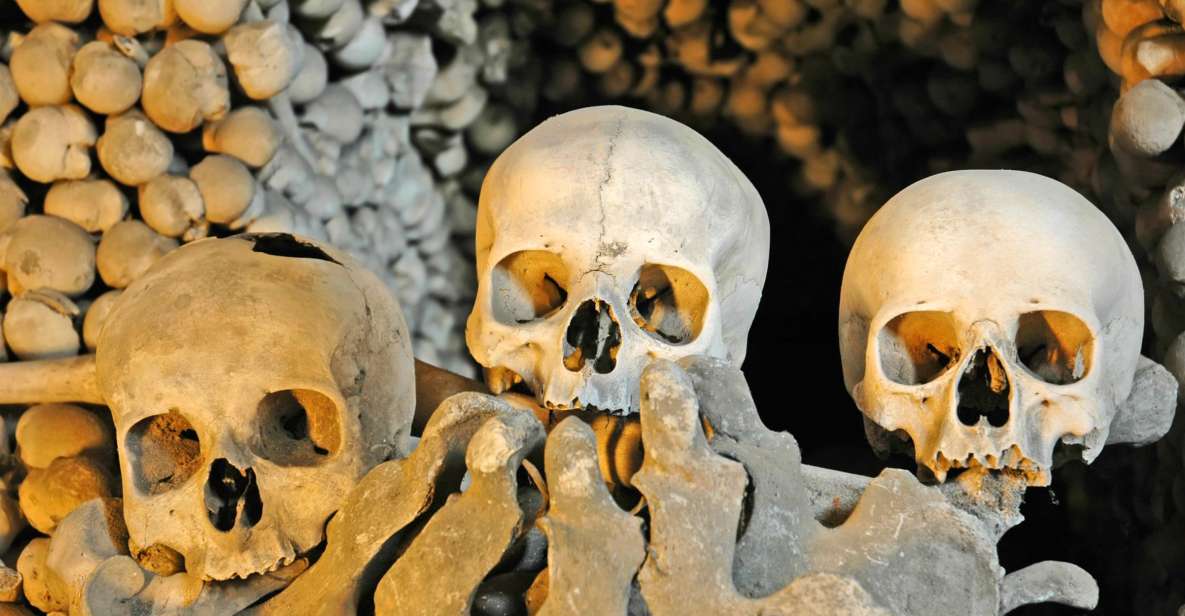
You start underground, at the Capuchin Crypt, and that shapes the whole trip. This isn’t a quick photo stop. You’re given time to step into the strange, skeletal world of the Capuchin Friars and hear what you’re looking at and why it exists.
The Crypt is one of those places where your brain keeps trying to file it under normal sightseeing. Then it doesn’t. That clash is exactly why the tour works. You’re not just told something scary; you’re walked through the setting, the symbolism, and the historical context that made the crypt possible in the first place.
Important practical note: the tour info is clear that no pictures or videos are allowed inside. I get it. The point isn’t to turn the crypt into a social-media backdrop. It’s more like a quiet, guided encounter with Rome’s darker side. If that rule bothers you, this might not be your kind of evening.
If you’re the type who likes real stories with a chill factor, you’re going to appreciate how the guide frames the crypt before you surface into daylight sights.
You can also read our reviews of more tours and experiences in Rome


Piazza Barberini to Trevi Fountain: moving through crowds with purpose
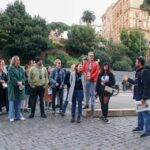
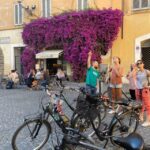
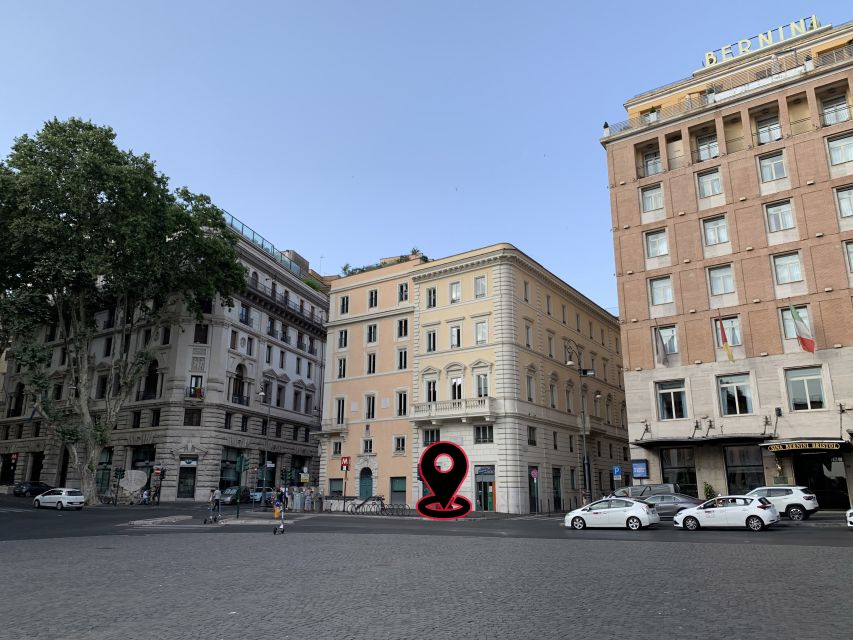
The meeting point is at P.za Barberini, 21, right by the corner with Via di S. Nicola da Tolentino (next to Hotel Bernini). That’s central enough to feel easy, but busy enough that being late can derail your spot.
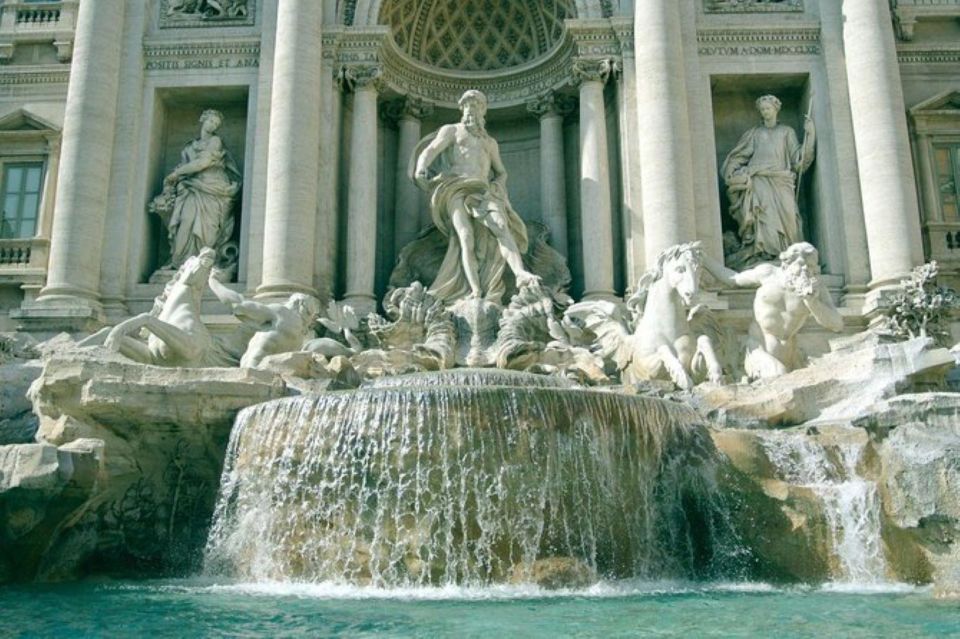
From there, you walk through Rome’s side streets to reach the Trevi Fountain. You get about 20 minutes at Trevi, and that’s plenty when a guide helps you read the scene instead of treating it like a cattle-pen. The Trevi crowd can be intense, and having a guide who knows how to position the group makes a big difference. You’re not just waiting for the perfect moment; you’re learning what the fountain means, including the tradition around wishes. You’ll even get the timing and rhythm so you can enjoy it without feeling rushed.
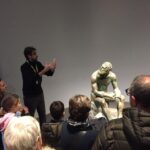
Also, you’ll have headsets, which matters more than you’d think. In open squares, voices can vanish fast. With the audio gear, the guide’s story stays with you as you move around.
If you want a Rome experience that feels like someone is showing you the city, not just letting you tag along, this first stretch sets that expectation.
Pantheon in 15 minutes: ancient myths meet real architecture
Next up is the Pantheon, with about 15 minutes on site. The Pantheon is one of those buildings you’ve seen in photos a hundred times, so the temptation is to skim. The tour approach helps you slow down. Instead of staring only at the headline features, you’re guided to notice how the space works and why it’s still famous.
The tour frames this stop in a way that blends myth and reality. That might sound like wordplay, but it translates into something practical: you’ll learn how stories attached to the Pantheon relate to the building’s actual role in Roman life, and how legend often grows where architecture is already powerful.
Fifteen minutes is not long. That’s not a bad thing here, though. It keeps the tour moving and prevents the day from turning into a “stand and wait” exercise. You’ll walk away with enough understanding to feel the Pantheon instead of just checking it off.
Piazza Navona and Campo de’ Fiori: legends with local teeth
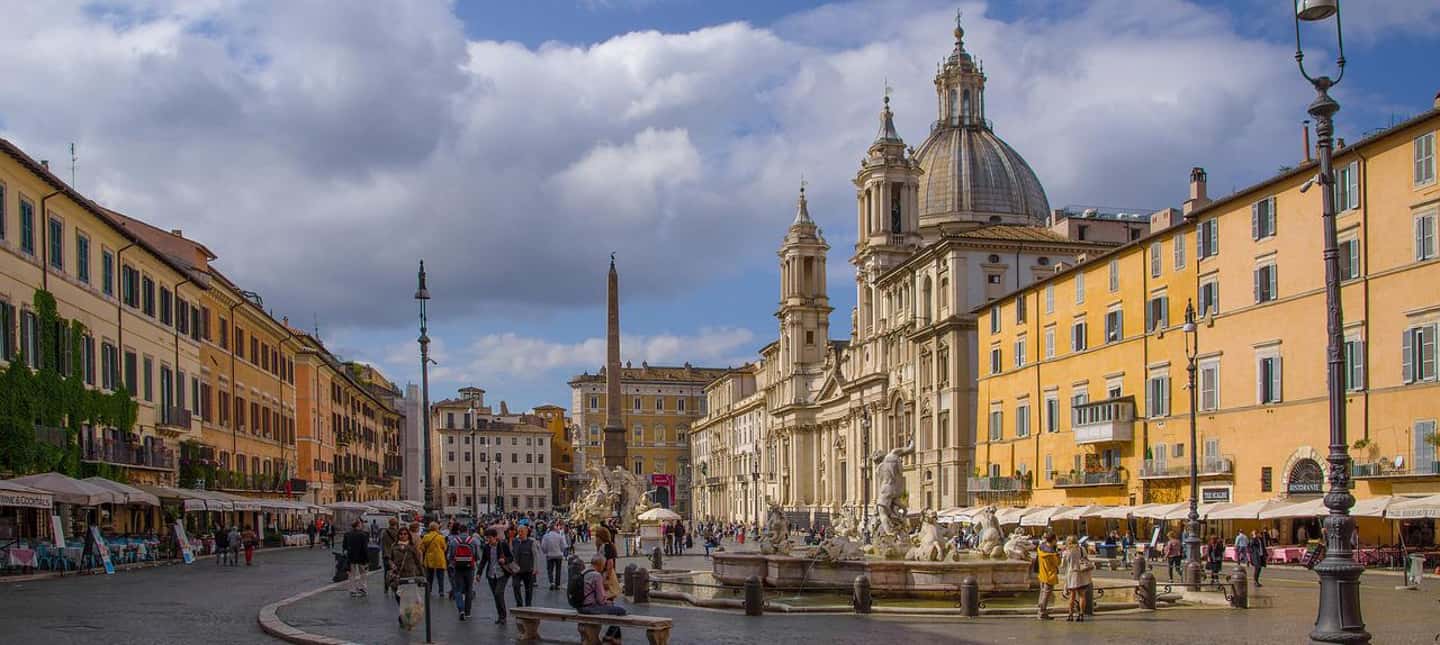
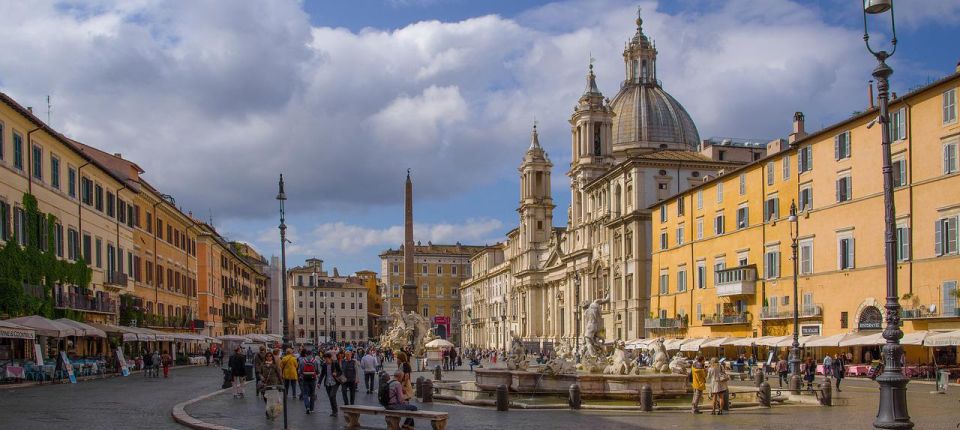
After the Pantheon, you reach Piazza Navona for around 15 minutes. Navona is Baroque theater in stone: fountains, facades, and a square that always feels busy even when you’re not there at peak hours. What the tour adds is the darker overlay. The guide talks about the kind of spectral presences people associate with the palaces facing the square, giving you a reason to look beyond the obvious beauty.
This is where I think the small group format shines. In a group that’s not huge, you can actually hear the story and still glance around at the details. You’re not lost in a wall of shoulders.
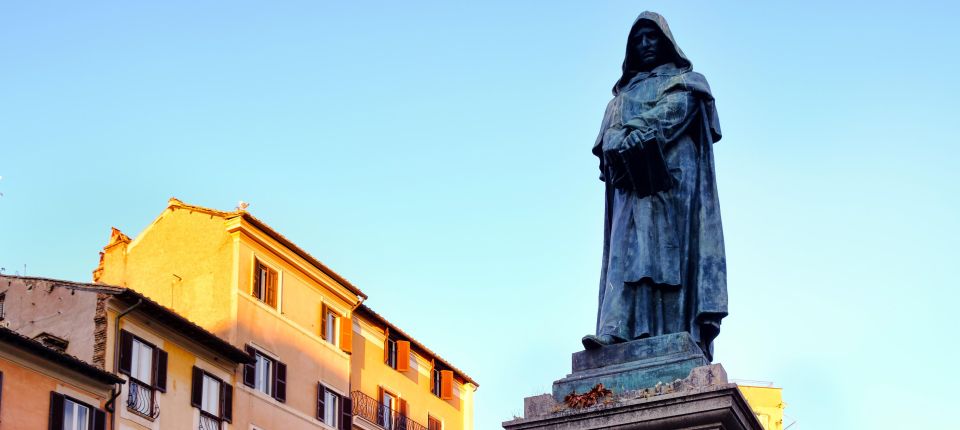
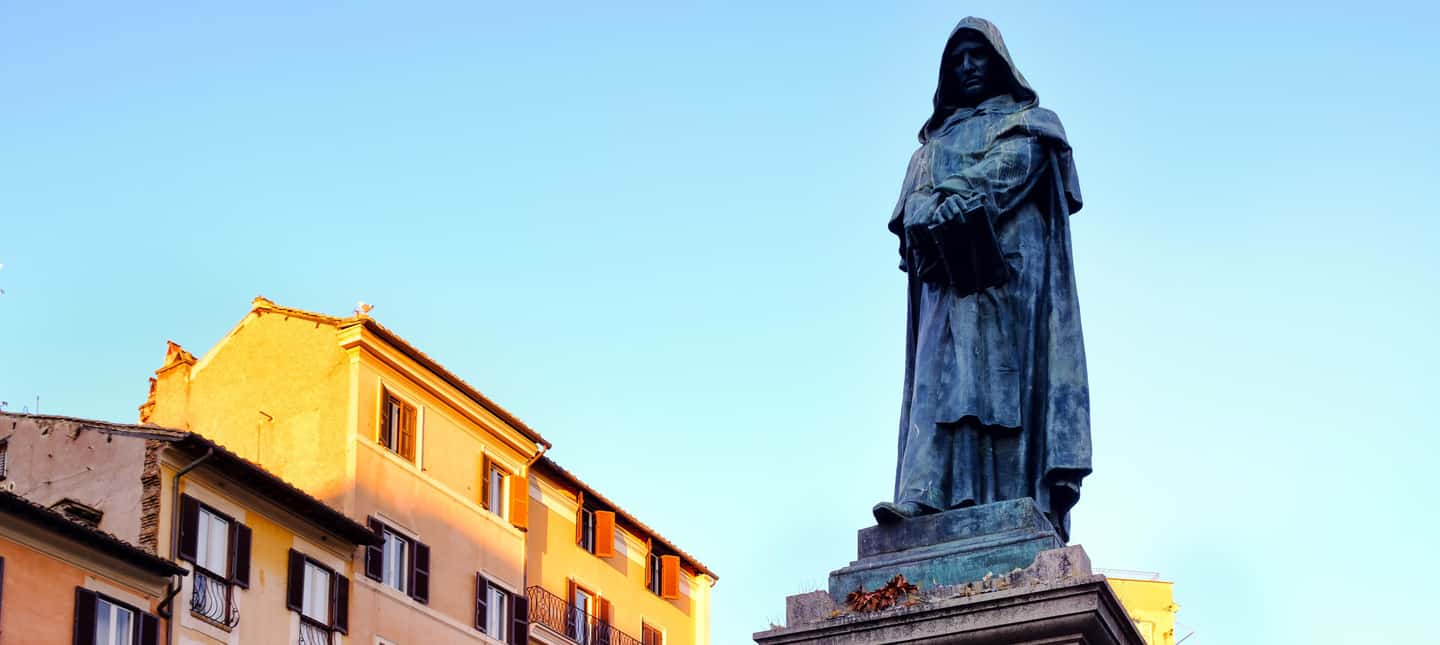
Then you head to Campo de’ Fiori for about 15 minutes. This stop is less about ghosts and more about a famous story with a sad edge. You’ll learn about Giordano Bruno and why his history matters in Rome. That’s a good balance inside a tour that starts with skeletons. It reminds you that the city’s “dark past” isn’t only macabre art; it’s also human choices, conflict, and consequences.
Finishing at Chiesa Santa Maria dell’Orazione e della Morte
The tour ends at Chiesa Santa Maria dell’Orazione e della Morte, also known as the Church of St. Mary of the Oration and Death. This is a fitting finale. You’ve moved from the underground crypt to the city’s big public monuments, and now you land in a sacred space tied to mystery and memory.
You get a guided wrap-up on the tales connected to this church, with the focus on what people believed—or feared—about what lies beneath the surface. It leaves you with that Rome feeling: the city layers aren’t just architectural. They’re emotional too.
For me, finishing at a church like this works better than ending back at a landmark. It gives the last word to atmosphere rather than foot traffic.
You can also read our reviews of more walking tours in Rome




Price and logistics: is $76 worth it?
At $76 per person for a 2-hour tour, the value comes down to what’s included. You get a live guide, a Crypt of the Capuchins entrance ticket, and headsets. For a city like Rome, the combination of a paid entry ticket plus guided time saves you the hassle of juggling schedules and figuring out where to stand while you try to hear over crowds.
This is also a smart “time investment” tour. You see several of the headline sights—Trevi Fountain, Pantheon, Piazza Navona—without spending your evening bouncing between them on your own. Since the route is compact, the guide’s storytelling is the glue that makes the sights feel connected.
You do need to note what you don’t get: food and drinks are not included. Also, there’s no hotel pickup or drop-off, so you’ll want to be comfortable reaching the meeting point on your own.
In short: I’d call it fair pricing if you want the Capuchin Crypt experience bundled with guided explanations at multiple major stops. If you only care about Trevi and the Pantheon, you can probably build a cheaper plan on your own.
What to wear and bring for a smooth dark-past walk
Small rules keep the experience running, and the tour info is specific. Here’s what I’d follow:
- Bring your passport or ID card.
- Wear comfortable shoes. Rome sidewalks can be uneven, and you’re on foot for the whole evening.
- Bring an umbrella. It’s not guaranteed you’ll need it, but you’ll be grateful if the weather turns.
- Follow the clothing limits: no shorts, no short skirts, and no sleeveless shirts. This matters because churches and certain indoor sites can be strict.
Also plan around the bag rules. The tour info says no luggage or large bags. A small day bag is usually fine, but if you’re traveling with bulky stuff, leave it at the hotel.
Finally, mentally prep for the crypt rule. Once inside, you’ll be asked not to film. Put your phone away before you get to the entrance so you’re not fumbling in a line.
The guides: why the narration quality matters
The names in the guide lineup matter here because this tour lives or dies by storytelling. People have praised guides like Fabienne for making history feel energetic, Sarah for navigating the busy Trevi Fountain area in a way that still feels enjoyable, and Célia for passion and commitment to the subject. There are also guides highlighted for mixing fact with legends and for sharing extra local tips, like food recommendations.
That matters because the itinerary is short. In just two hours, you can’t afford dull narration. A good guide helps you connect the dots: why the crypt exists, how the legends work, and what Roman power and belief looked like when life was harder and riskier.
If you care about the story as much as the sights, this is the kind of tour where you should pick the right time and show up prepared to listen.
Who this tour fits best (and who should skip it)
This is a history-and-legend walk with a heavy macabre theme. It’s a great fit if you enjoy:
- Dark history and unsettling art
- Walking between major sights while still learning
- Guides who explain context, not just place names
It’s not recommended for people with limited mobility, and it’s also not suitable for wheelchair users. It’s also not a match for children under 12. If you’re traveling with young kids or you need an accessible route, skip it and look for a different Rome tour that’s designed around easier pacing.
One more reality check: the walking parts are on normal city streets, and some stretches can feel busy. If you hate crowds, bring patience and treat this like an adult-focused city walk.
Should you book this dark past Rome tour?
I’d book it if you want a two-hour evening that mixes the Capuchin Crypt with big-name Rome stops, while a guide ties everything together with local legends and context. The ticket inclusion and headsets add real convenience, and the compact route means you won’t lose the whole night to logistics.
I’d skip it if you’re uncomfortable with the idea of skeleton imagery and you strongly prefer taking photos everywhere. Also skip it if mobility is an issue for you or if you’re bringing children under 12.
If you’re ready for Rome the way it actually is—beautiful, strange, and quietly intense—this is a memorable way to spend your time.
FAQ
Where does the tour start?
Meet at the corner of P.za Barberini, 21 and Via di S. Nicola da Tolentino (next to Hotel Bernini).
How long is the Rome Dark Past walking tour?
The tour duration is 2 hours.
What’s included in the price?
It includes a guide, the Capuchin Crypt entrance ticket, and headsets.
Are photos or videos allowed inside the Capuchin Crypt?
No. Photos or videos are not allowed inside the Crypt of the Capuchins.
What language(s) is the tour offered in?
The tour is offered in English, Italian, Portuguese, Russian, Spanish, and French.
Is this tour suitable for kids or wheelchair users?
It is not suitable for children under 12 and it is not recommended for people with limited mobility or wheelchair users.
If you want, tell me your travel dates and who you’re going with (age and mobility needs). I can suggest the best time of day to reduce crowd stress and help you plan what to do before and after the tour.