REVIEW · CITY TOURS
Rome: City Walking Tour in English or Spanish
Book on GetYourGuide →Operated by Carpe Diem Tours · Bookable on GetYourGuide
Rome can feel like a maze at first. This English or Spanish walking tour stitches together iconic monuments and the story of the city in a route you can actually follow.
What I like most is how the guide turns big stone landmarks into real, human history, from the Roman Empire’s glory days to what you see today. The other win: you finish in the Piazza Navona area, where your guide shares concrete ideas for what to eat and what to see next (including rooftop-terrace vibes).
One caution: it’s a walk with stops focused on sights and explanations, not long inside-visits. You’ll pass by some major spots like the Pantheon, so if your dream day is about buying tickets and lingering inside churches or museums, you’ll want separate time for that.
In This Review
- Key Points at a Glance
- Why This Rome Walking Tour Feels Like the Best First Day
- Price and Timing: Is $28 Good Value for 2–2.5 Hours?
- Getting Started: Piazza d’Aracoeli vs Piazza di Pasquino
- The Route Backbone: Major Monuments in the Right Order
- Stop 1: Piazza d’Aracoeli or Piazza di Pasquino to Piazza Venezia
- Piazza Venezia (Guided, about 20 minutes): Where Power Shows Up in Stone
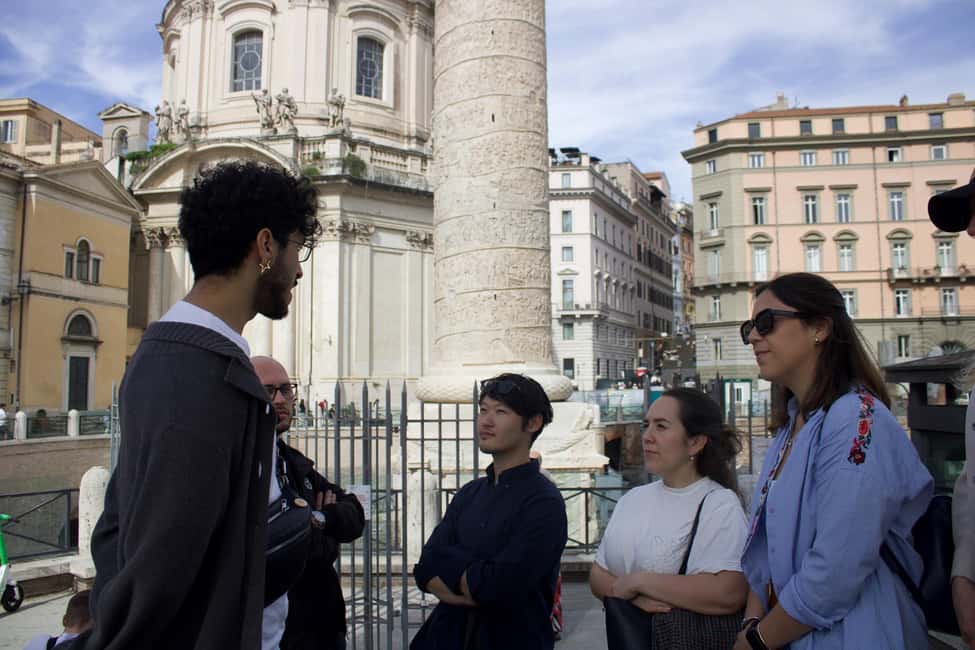
- Trajan’s Column (Guided, about 20 minutes): A Monument That Explains Itself
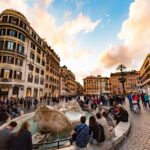
- Trevi Fountain (Guided, about 30 minutes): Your Photo Spot With Real Context
- Galleria Sciarra (Guided, about 20 minutes): A Quieter Stop With Atmosphere
- Church of Sant’Ignazio di Loyola (Guided, about 20 minutes): Art and Faith Meet
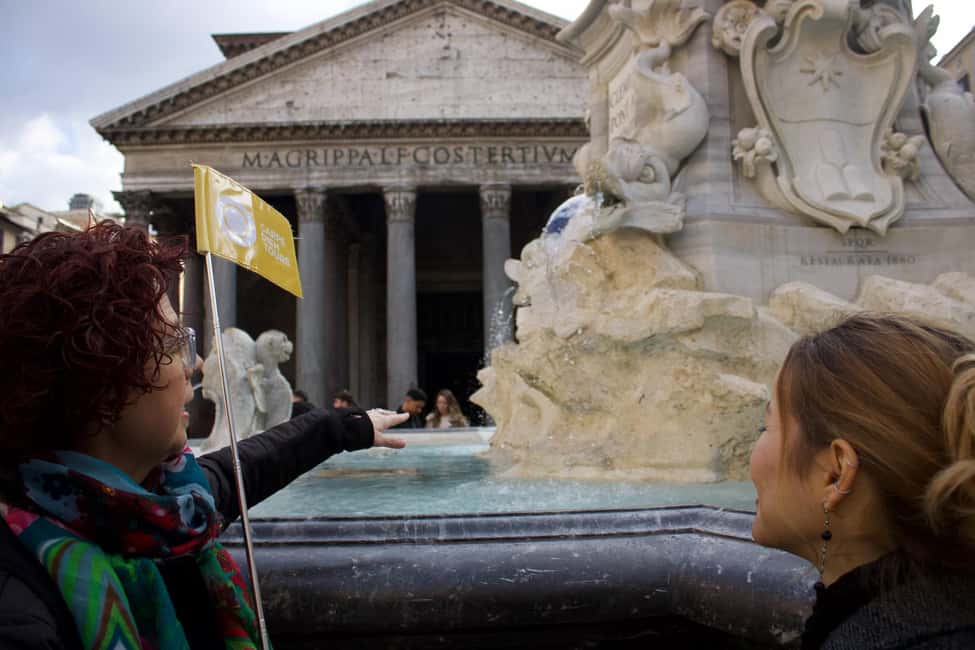
- Pantheon Area (Pass by, about 20 minutes): See It, Don’t Overstay
- Where the Tour Ends: Piazza Navona (Plus the Right Next Step for Dinner)
- The Best Part: Guides Who Actually Teach You How to Look
- What’s Included, What’s Not, and How to Plan Around It
- What to Bring for a Smooth Walk
- Who This Tour Is Best For (and Who Might Want Something Else)
- Quick Planning Tips So You Don’t Waste Time
- Should You Book This Rome City Walking Tour?
- FAQ
- How long is the Rome City Walking Tour?
- What does the tour cost?
- Which languages are available?
- Where does the tour start?
- Where does the tour end?
- Is the tour a private group option?
- Is hotel pickup included?
- Are food and drinks included?
- What sights are included along the way?
- What should I bring?
Key Points at a Glance
- Short and efficient timing: 2 to 2.5 hours is long enough for context, not long enough to burn your day.
- Major sights plus smaller stops: you cover Trevi Fountain and Trajan’s Column, and also quieter Rome corners.
- Story-driven guiding: the best guides here lean into clear storytelling and answering questions on the go.
- Two starting points: you choose between Piazza d’Aracoeli and Piazza di Pasquino depending on your booking.
- Ends near Piazza Navona: ideal for transitioning into dinner and evening walks.
Why This Rome Walking Tour Feels Like the Best First Day
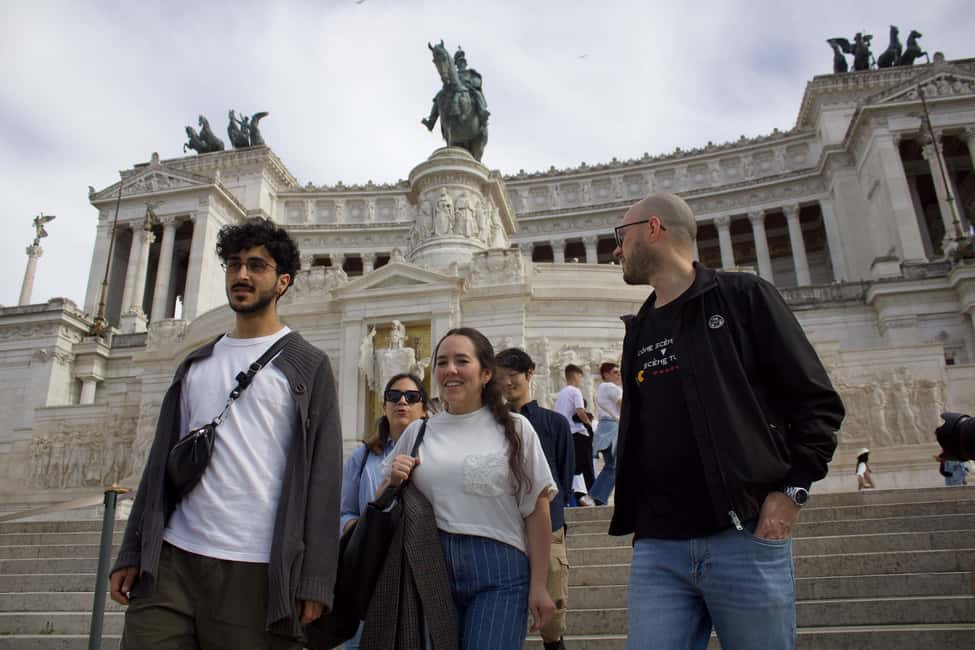
Rome looks effortless on postcards, then reality hits: streets branch, signs repeat, and landmarks crowd your vision from every angle. This tour helps you turn confusion into a mental map fast. You get a guided line through the city center that links monuments to the bigger story of Rome—how power, art, religion, and daily life evolved.
I also appreciate that the route is built for momentum. You’re not stuck in one overlong stop where everyone gets tired. Instead, you bounce between piazzas and monument areas, with guided time on the key highlights and extra stops that add texture. That blend matters, because Rome is one of those places where “just seeing” isn’t enough. You want the why, not only the what.
And yes, the finish near Piazza Navona is practical. Once you’ve walked the historic spine of central Rome, it’s smart to land somewhere designed for eating, lingering, and looking up at rooftops.
You can also read our reviews of more walking tours in Rome
Price and Timing: Is $28 Good Value for 2–2.5 Hours?
At about $28 per person for a guided walking experience lasting roughly 2 to 2.5 hours, the value is in what you avoid. You’re paying for an organized route, a local guide, and context that would take you longer to piece together on your own—especially your first day.
This length is also a sweet spot. Two hours works well if you’re jet-lagged or starting your trip mid-day. A full 2.5 hours helps if you like asking questions, checking details, and letting a guide pace the story for you. Either way, you’re not surrendering your whole afternoon to logistics.
If you want a tour that replaces doing homework, this one does that. If you want an all-day museum crawl, it won’t. It’s a city-walking overview with enough depth to point you toward the right next steps.
Getting Started: Piazza d’Aracoeli vs Piazza di Pasquino
Your starting location depends on the option you book, with two meeting points listed: Piazza d’Aracoeli or Piazza di Pasquino. That choice matters because both areas put you on the right side of the city for the monuments you’ll hit later.
The most practical advice: arrive a bit early and take a moment to confirm you’re at the correct meeting point for your language option (English or Spanish). The tour length is short enough that a late start can compress everything.
Also bring comfortable shoes. This is a walking tour through street-level Rome, and the “small” distances add up over the whole route.
The Route Backbone: Major Monuments in the Right Order
The walking plan is organized like a story arc. You begin near Rome’s viewpoint-rich areas and slide toward the historic core, where the political center, the religious center, and the “wow” monuments overlap.
Along the way, you’ll get guided explanations at several stops, plus additional time around other landmarks. The balance is good: you’re not racing through everything, but you’re also not stuck waiting for slow group pacing.
Here’s what the flow feels like on foot:
Stop 1: Piazza d’Aracoeli or Piazza di Pasquino to Piazza Venezia
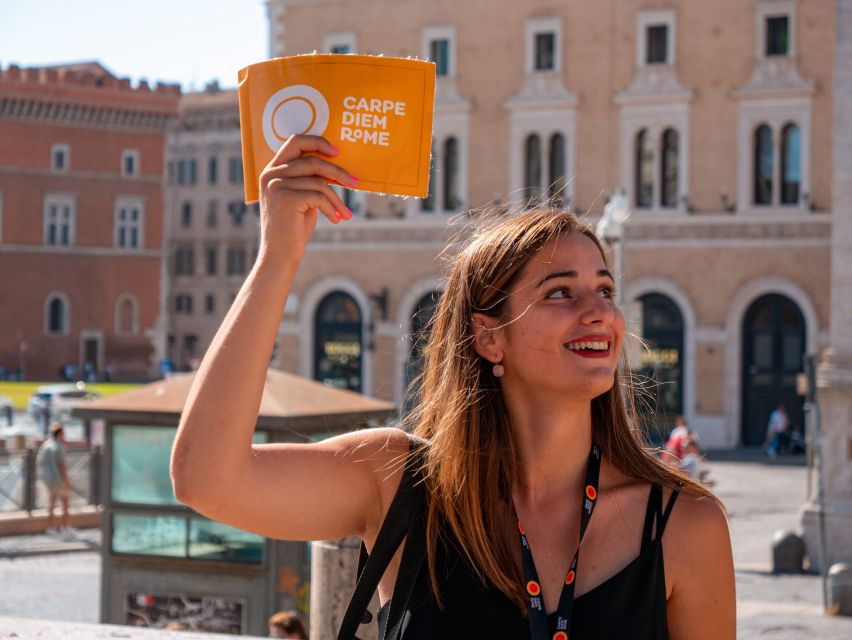
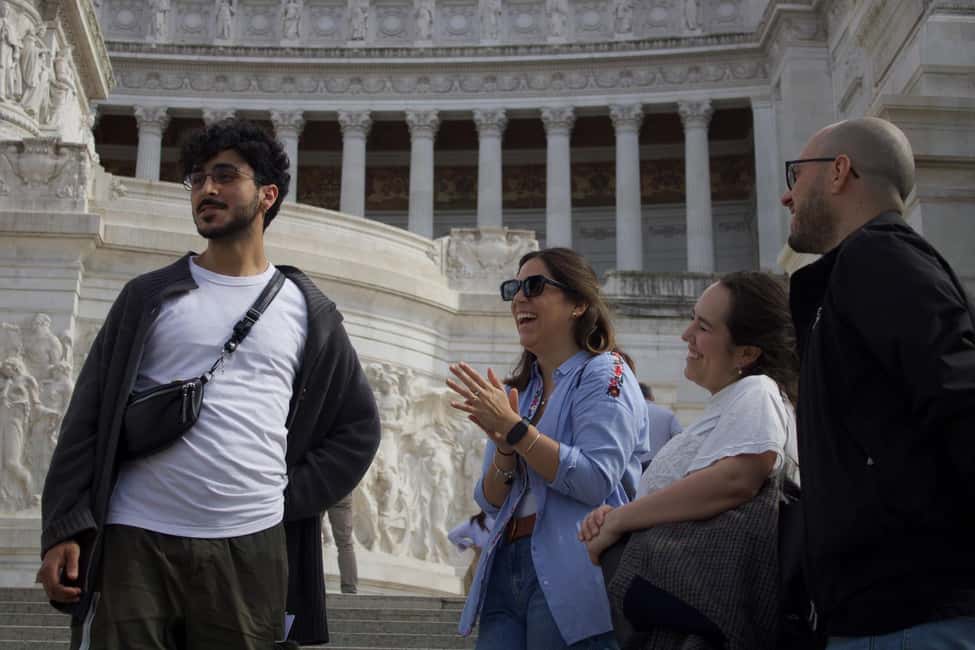
You kick off at one of two spots—either Piazza d’Aracoeli or Piazza di Pasquino. From there, the tour moves toward Piazza Venezia, one of those central areas where multiple historic themes collide in a compact space.
This first segment matters because it sets the tone. A good guide uses this time to help you understand what you’re looking at and why it’s arranged the way it is—so later stops land harder. If you like grounding a trip in context before you start snapping photos, this opening works.
You can also read our reviews of more city tours in Rome


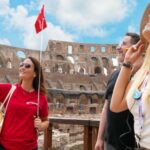
Piazza Venezia (Guided, about 20 minutes): Where Power Shows Up in Stone
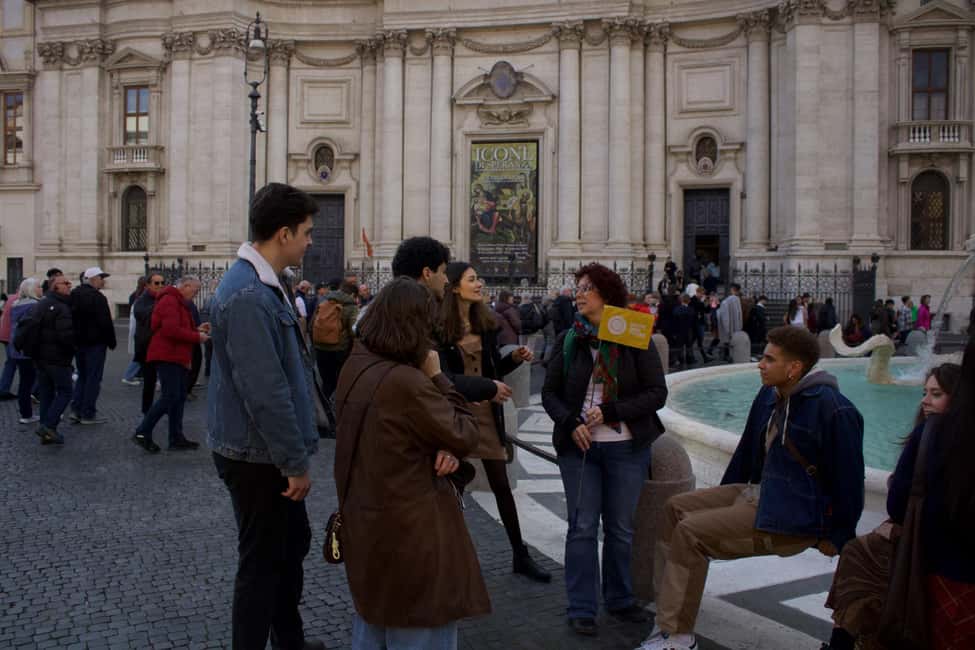
At Piazza Venezia, you’ll get a guided stop (about 20 minutes). This is a solid chunk of time for a central hub, not too short to feel rushed and not too long to lose your attention.
Expect the guide to connect what you see in front of you to Rome’s bigger engine—political authority, civic identity, and the way later eras reused and reframed earlier power. For your planning, think of this as your “anchor” stop: it gives you a mental base for the rest of the route.
Trajan’s Column (Guided, about 20 minutes): A Monument That Explains Itself
Trajan’s Column is the next guided highlight (about 20 minutes). Columns like this aren’t just impressive shapes. They’re storytelling tools in stone, and the guide’s job is to help you read what’s carved and why.
This stop is also a reminder that Rome rewards looking closely. If you tend to speed past details, a guide can slow you down in a helpful way—without turning it into a long lecture.
Trevi Fountain (Guided, about 30 minutes): Your Photo Spot With Real Context
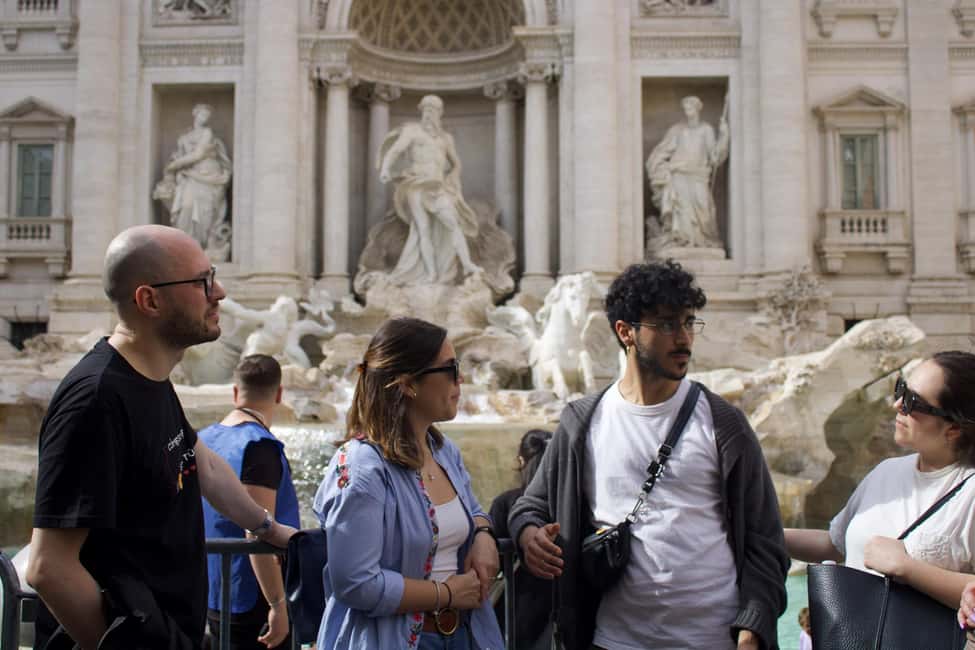
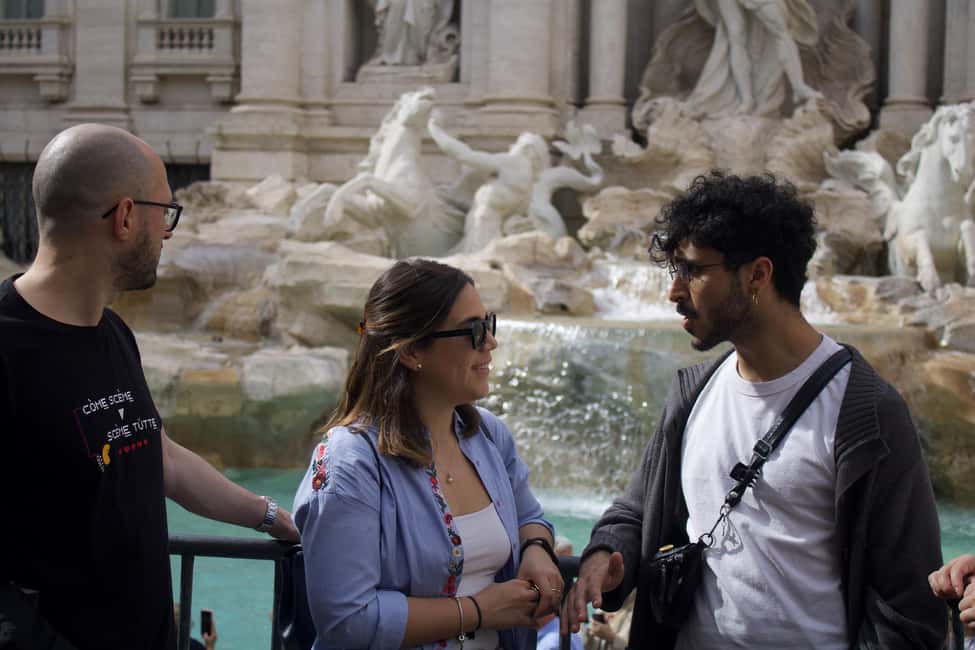
Then comes Trevi Fountain, with a guided time of about 30 minutes. Yes, it’s famous. But that doesn’t mean it’s only surface-level.
The difference on a tour is that you learn how the fountain fits into Rome’s cultural and historical layers—so you’re not only thinking, Where do I stand for a good picture? You’re also thinking, Why does this place matter in the city’s story?
For your own pacing, take 10 minutes to look around and then settle into photos. If you try to do everything at once, you’ll end up with great images and a fuzzy sense of what you just saw.
Galleria Sciarra (Guided, about 20 minutes): A Quieter Stop With Atmosphere
Next is Galleria Sciarra (about 20 minutes guided). This is one of the stops that helps break up the “big monument” rhythm. Even if you don’t know it by name, you’ll feel the shift: an enclosed, architectural change from open piazzas.
That matters because Rome isn’t only about the headline attractions. You need these side stops to understand the city’s everyday textures—how spaces connect, how designs guide movement, and how elegance can show up in smaller settings.
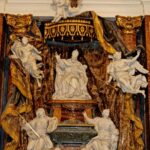
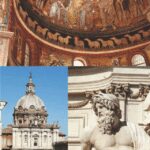
Church of Sant’Ignazio di Loyola (Guided, about 20 minutes): Art and Faith Meet
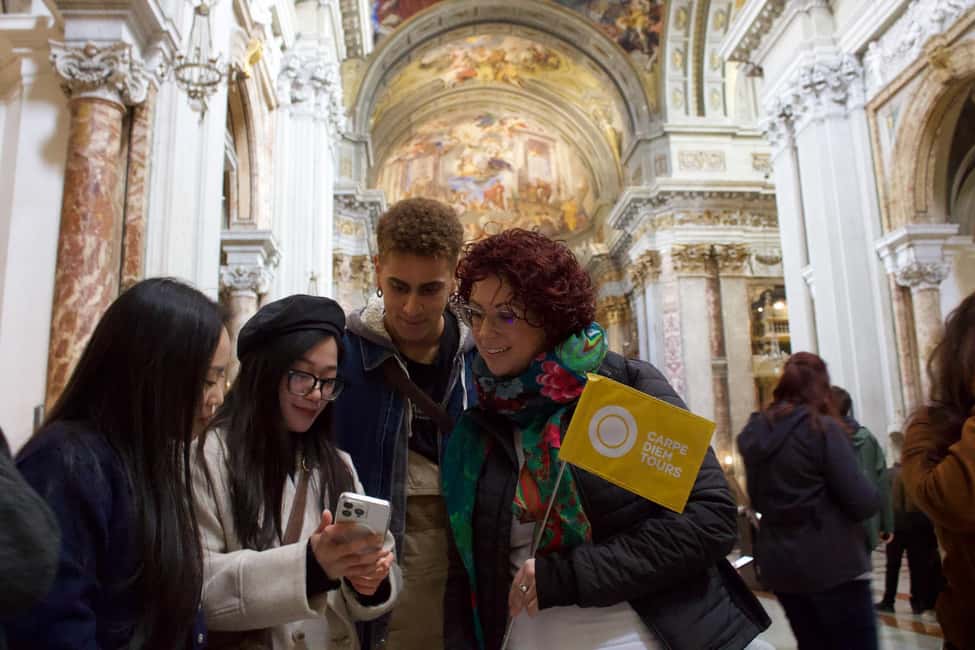
You’ll visit Church of Sant’Ignazio di Loyola with about 20 minutes guided time. Churches are a huge part of Rome, but you can easily miss the story if you treat them like photo backgrounds.
This stop should give you a way to look beyond the obvious. Even without going into technical art history, the guide can point out what to notice and how the church reflects Rome’s shifting priorities across centuries.
If you love architecture and symbolism, you’ll likely appreciate this segment more than you expected.
Pantheon Area (Pass by, about 20 minutes): See It, Don’t Overstay
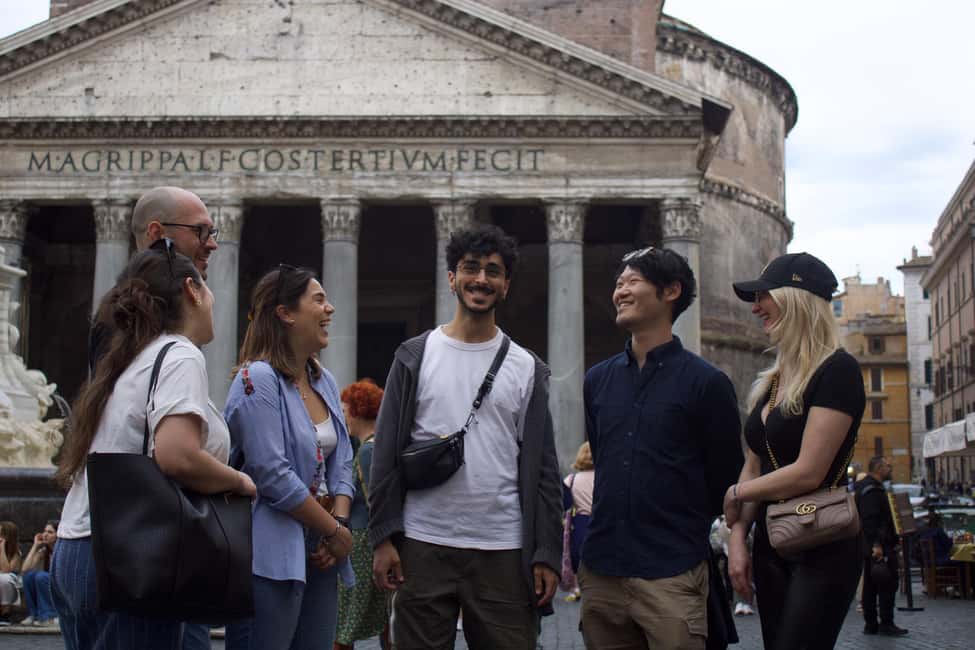
You’ll pass by the Pantheon for about 20 minutes. This is an important “expectation-setting” detail. Passing by means you’ll see it, but you’re not planning for a long visit inside on this tour.
So treat this stop as a highlight reminder. If you want a slower, ticketed Pantheon experience with extra time to read signage or get deeper into the building, plan that for a separate visit. On this tour, it’s about orientation and context.
Where the Tour Ends: Piazza Navona (Plus the Right Next Step for Dinner)
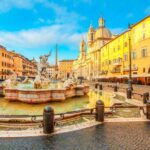
The tour comes to an end around Piazza Navona, with the guide offering recommendations right where you’ll actually use them. Piazza Navona is one of the best places to land after a walking loop because it’s lively, full of eating options, and good for night views and rooftop terraces.
There’s one logistics note to keep in mind: the activity is described as ending back at the meeting point, but the “tour comes to an end” focus is Piazza Navona. In practice, you’ll want to treat this as: you’ll finish in the central zone where you can immediately act on your guide’s food and sightseeing tips.
The Best Part: Guides Who Actually Teach You How to Look
The tour’s rating is high for a reason: many guides are praised for being clear, friendly, and easy to follow. Names that show up repeatedly include Domenica, Romani, Alina, Dan, Dinara, Paulina, Polina, Vlad, Sela, Sharon, Anna, and Clara.
What the top guides have in common in real life is not just facts. It’s delivery:
- They keep a good walking pace so the group stays together.
- They explain in a way you can use right away, not only memorize.
- They answer questions during the walk instead of saving everything for a talk at the end.
- They share practical advice, like where to eat and what to see after you’ve covered the main monuments.
One especially useful detail from guide feedback: pacing includes showing routes from the sides to reduce crowd stress when possible, so you can see without feeling trapped in the densest pockets.
If you get a guide like Dan (often noted for being a friendly history scholar who makes the time fly), or Vlad (praised for structured storytelling), you’ll likely come away with a stronger sense of Rome’s timeline than you’d get from just walking and reading plaques.
What’s Included, What’s Not, and How to Plan Around It
Included:
- Local guide
- Roman history context
- Stops that include less familiar scenic areas
- Recommendations tied to where you’ll be at the end
Not included:
- Food and drinks
- Hotel pickup and drop-off
That means you should plan to eat on your own after the tour. The good news is the guide’s suggestions land you in the right neighborhood zone—especially around Piazza Navona—so you’re not wandering hungry with a half-charged phone and too many choices.
What to Bring for a Smooth Walk
Bring:
- Comfortable shoes
- Comfortable clothes
That’s it. Simple. This tour doesn’t ask you to bring a museum tote or heavy gear. Your comfort matters more than anything, because you’re walking through Rome’s street-level layout while absorbing a lot of visual information.
Who This Tour Is Best For (and Who Might Want Something Else)
This tour is a great fit if you:
- Want a first-day overview of central Rome in about 2 to 2.5 hours
- Prefer walking plus storytelling over sitting in one place
- Like getting recommendations for your next stops
- Are traveling in English or Spanish and want a live guide
It might be less ideal if you:
- Want long interior visits to multiple major sites
- Prefer a deeper, ticketed experience at the Pantheon or other attractions rather than passing by
- Hate walking enough that even a short city loop feels like too much
Quick Planning Tips So You Don’t Waste Time
- Choose a starting point that matches where you’re staying or where you plan to be before the tour. Piazza d’Aracoeli and Piazza di Pasquino are both central, but your “last mile” will feel different.
- Plan a flexible dinner afterward. Piazza Navona is the natural landing spot, and the guide’s recommendations are meant to be used immediately.
- If you’re doing this on a darker-time-of-day schedule, arrive early and make sure you can identify your guide. Some groups note that spotting the guide can be trickier at night, so being early helps.
Should You Book This Rome City Walking Tour?
If you want a practical, time-smart way to see Rome’s core monuments and learn enough history to guide your next day, I’d book it. The route hits major landmarks like Piazza Venezia, Trajan’s Column, Trevi Fountain, and it threads in quieter, more atmospheric stops like Galleria Sciarra and Sant’Ignazio di Loyola. Plus, you end in Piazza Navona, where your guide’s food and sightseeing tips are instantly useful.
Skip it only if your priority is deep inside-visits and slow museum-style time at each major site. For that, you’ll need ticketed, longer-format tours. For a strong start, this one is a solid deal.
FAQ
How long is the Rome City Walking Tour?
The tour lasts about 2 to 2.5 hours. Starting times vary, so you’ll want to check availability for the exact slot you can book.
What does the tour cost?
The price is $28 per person.
Which languages are available?
You can book the tour in English or Spanish, with a live guide.
Where does the tour start?
There are two possible starting meeting points depending on what you book: Piazza d’Aracoeli or Piazza di Pasquino.
Where does the tour end?
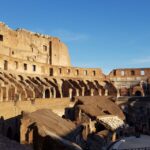
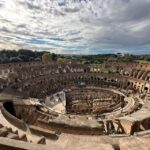
The activity ends back at the meeting point. The tour experience is described as coming to an end around Piazza Navona, with an additional reference to Colosseum as an ending option.
Is the tour a private group option?
Yes, a private group is available.
Is hotel pickup included?
No. Hotel pickup and drop-off are not included.
Are food and drinks included?
No. Food and drinks are not included.
What sights are included along the way?
You’ll visit or stop at Piazza Venezia, Trajan’s Column, Trevi Fountain, Galleria Sciarra, the Church of Sant’Ignazio di Loyola, and you’ll pass by the Pantheon.
What should I bring?
Wear comfortable shoes and comfortable clothes for walking through Rome’s city center.