REVIEW · CITY TOURS
Rome: City Highlights Golf Cart Tour with Local Guide
Book on GetYourGuide →Operated by Biga Tours · Bookable on GetYourGuide
A cart through Rome beats gridlock. You’ll cruise past the big sights in an electric golf cart with a local guide calling out what you’re seeing, from the Pantheon’s dome to the Trevi coin ritual. I like that the stops are timed for photos and stories, not long lines, and that you end up with a clear sense of where everything sits.
One thing to plan around: this is a drive-by style experience, so entrance tickets are not included, and you may still need short walks at some stops.
Small-group feel (up to 14)
Headsets keep you hearing one guide across two carts
Classic Rome route in 1.5 hours from the Pantheon to Piazza Navona
Trevi Fountain coin toss tradition over your left shoulder
Guides range from Leo to Amber and Claire and bring the stories to life
In This Review
- Why an electric golf cart tour is smart for Rome’s highlights
- Price and value: what $71 buys you in 90 minutes
- Meeting at Via Monterone 19 and how the carts run
- The Pantheon stop: dome views plus architecture talk
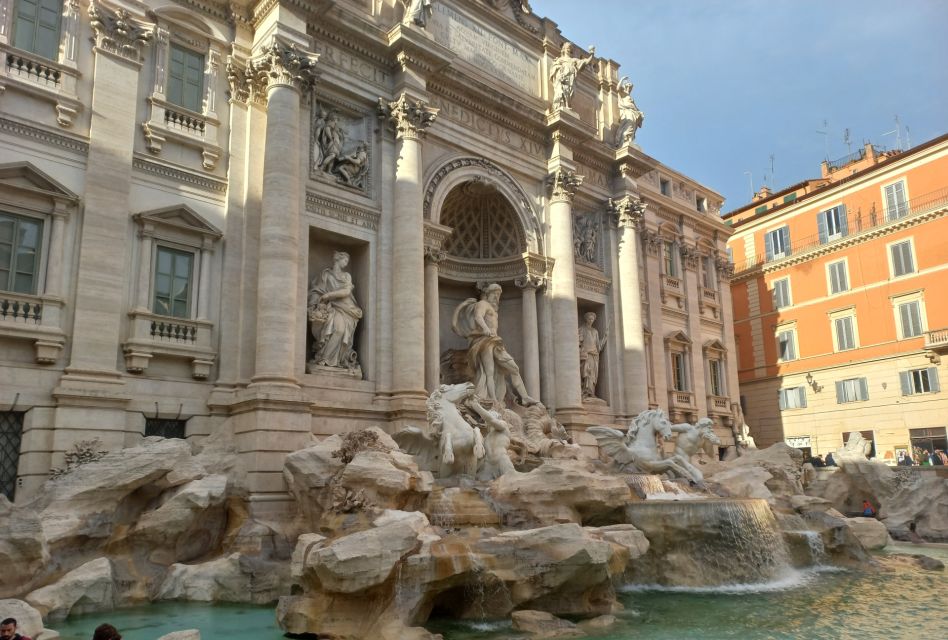
- Trevi Fountain coin toss and the ride down Via del Corso
- Piazza Colonna and the Rome you can’t see from one street
- Colosseum area: iconic views with stories you’ll remember
- Circus Maximus, Theatre of Marcellus, and Largo Argentina
- Piazza Navona finish: Bernini’s Fountain of the Four Rivers
- Guides who turn a ride into a story: names to listen for
- Getting the most out of a 1.5-hour highlights loop
- Who should book this Rome golf cart highlights tour
- Should you book Biga Tours Rome City Highlights Golf Cart Tour
- FAQ
- FAQ
- How long is the Rome City Highlights golf cart tour?
- How much does it cost?
- Where do I meet the guide?
- What landmarks are included on the route?
- Are entrance tickets included for the sights?
- What’s included in the tour besides the golf cart?
- Do I need hotel pickup?
- Is the tour wheelchair accessible?
- What ages can participate?
- Is the tour guided in English, and is it a small group?
Why an electric golf cart tour is smart for Rome’s highlights
Rome can feel like two cities at once: ancient monuments packed into tight streets, and modern crowds pressing in from every direction. This tour helps you sidestep the slow part by using an electric golf cart that can get you close to major landmarks without you doing an all-day march.
You’re also not just riding. The value here is the guided narration, delivered through headsets, so you can focus on the big picture. You’ll see the Pantheon, Trevi Fountain, the Colosseum area, Circus Maximus, Theatre of Marcellus, Largo Argentina, and Piazza Navona, usually with time for photo stops.
The whole pacing is built around orientation. If it’s your first time in Rome or you have limited daylight, this is a way to build a mental map fast. Then you can decide what’s worth a longer visit on your own afterward.
Price and value: what $71 buys you in 90 minutes
At $71 per person for about 1.5 hours, you’re paying for three things: a local guide, a small group, and transportation. What you’re not paying for is entry into any sights, so you should think of this as a guided overview plus photo-friendly stops, not a ticket-based tour.
If you’re comparing costs, it can help to break it down. For many visitors, a single fast-track ticket plus time-consuming travel around the city can eat up an evening. Here, you get coverage of multiple top-tier sights in one go, and you don’t have to fight for a parking spot or plan a route through Rome’s most congested streets.
Also, the group limit matters. With up to 14 people and vehicles that run together, you avoid the big-bus shuffle while still getting the comfort of short driving distances and photo pauses.
You can also read our reviews of more guided tours in Rome

Meeting at Via Monterone 19 and how the carts run
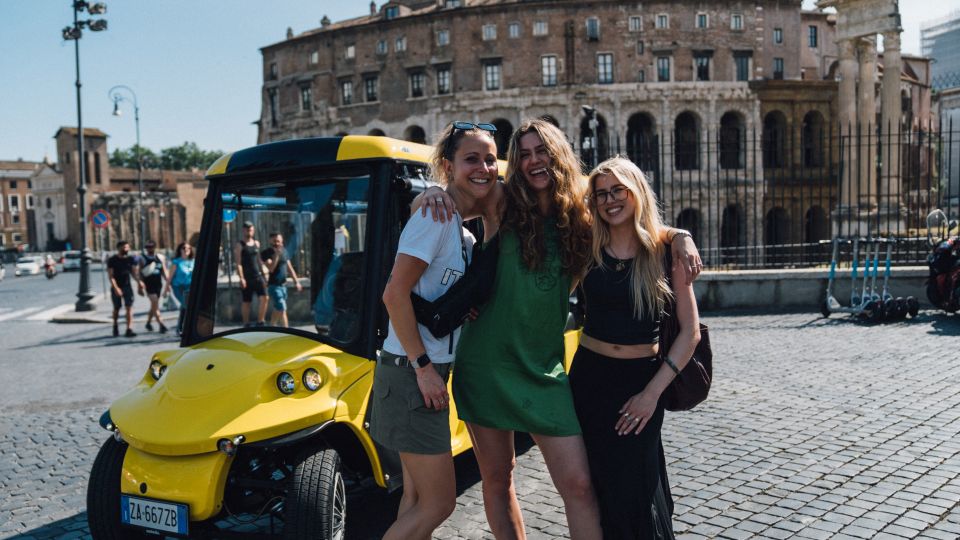
You meet in the city center at an office on Via Monterone, 19. Look for the glass doors inside the office, on the section next to Via di Torre Argentina, on the road shaped like an L.
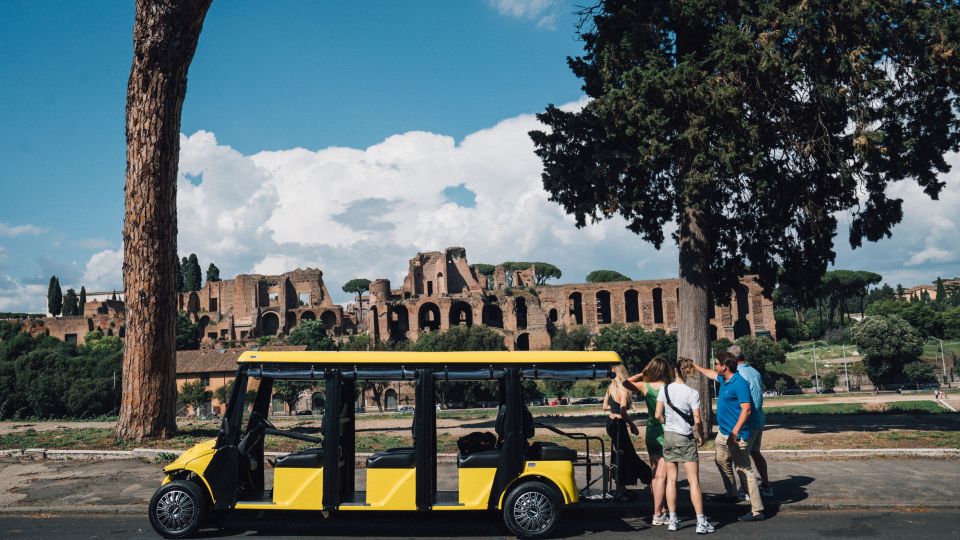
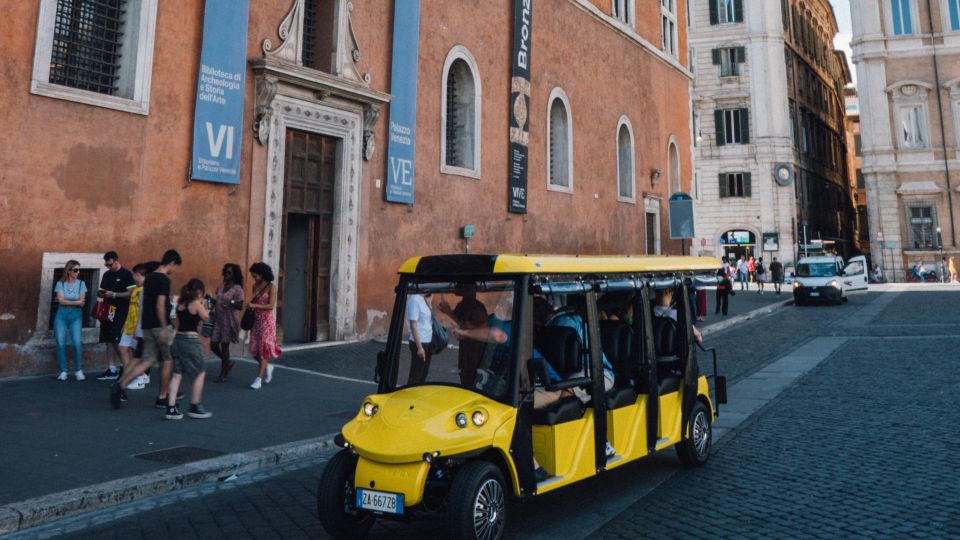
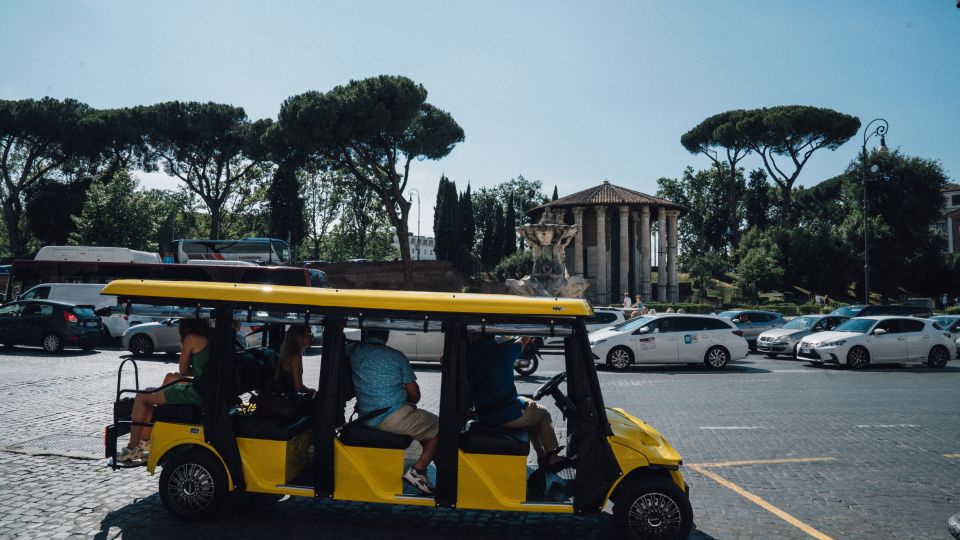
Once you’re set, you hop into your cart and follow the route. Tours can run with up to two vehicles and as many as 14 participants total. The vehicles travel together like connected cars, and you’ll all listen to the same guide through earpieces.
Two practical notes:
- If you’re in a booking group, you might still be asked to split between the two carts on some occasions.
- Sound quality matters. When you’re farther from the guide’s audio transmitter, you might catch less detail, so it helps to stay positioned well within the cart.
The Pantheon stop: dome views plus architecture talk
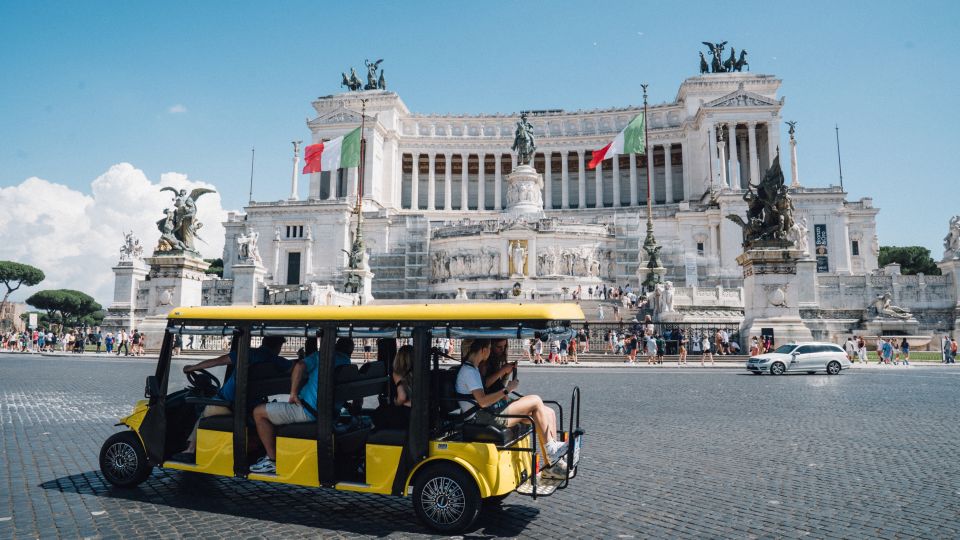
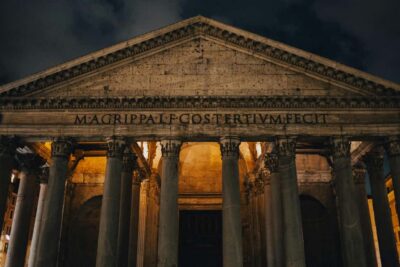
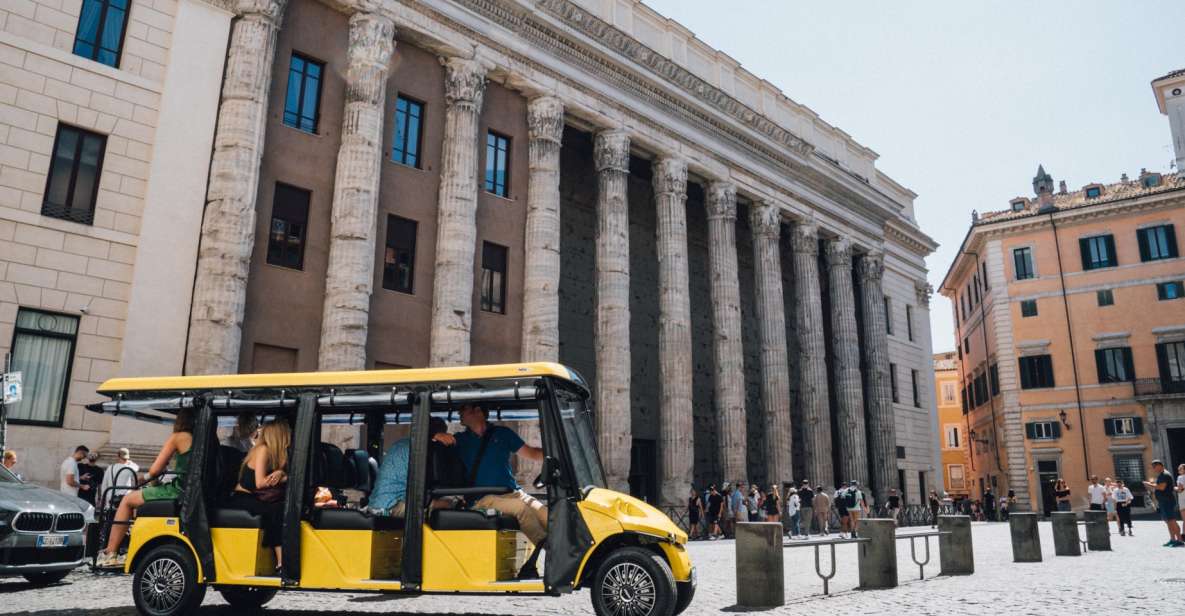
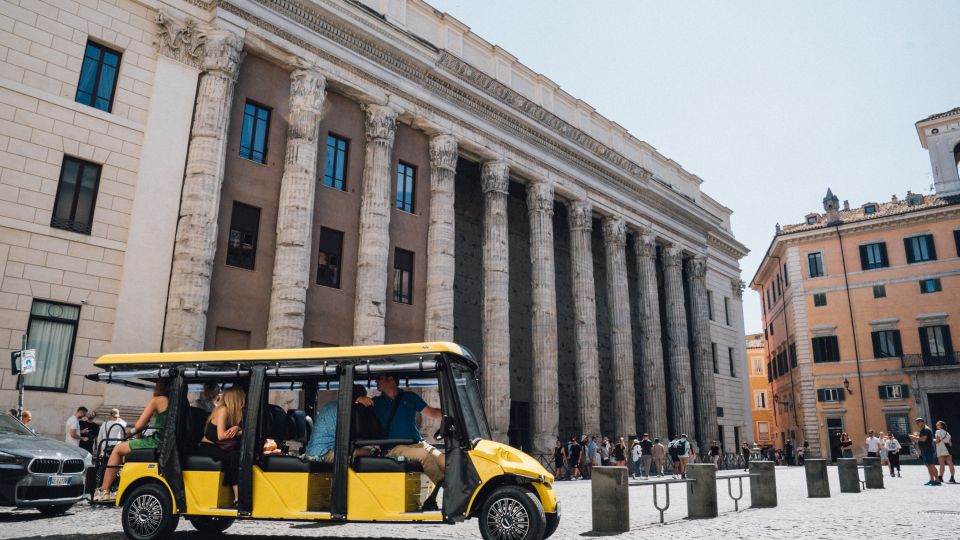
The tour starts with a stop at the Pantheon area, with time for photos and guided commentary. Even from outside, it’s hard not to get drawn in by the scale. You’ll hear the story behind the building’s purpose and why its design is so famous, including that it’s known for the largest unsupported dome in the world.
This is one of those Rome moments where a guide pays off. Without context, you might just snap a picture and move on. With narration, you start noticing what to look for: the symmetry, the monumental weight of the structure, and the way Romans used engineering to communicate power.
One more reason this first stop works: it’s a quick way to get your bearings. After you see the Pantheon, the rest of the route starts to make sense as the city’s main sights stack along a logical path.
Trevi Fountain coin toss and the ride down Via del Corso
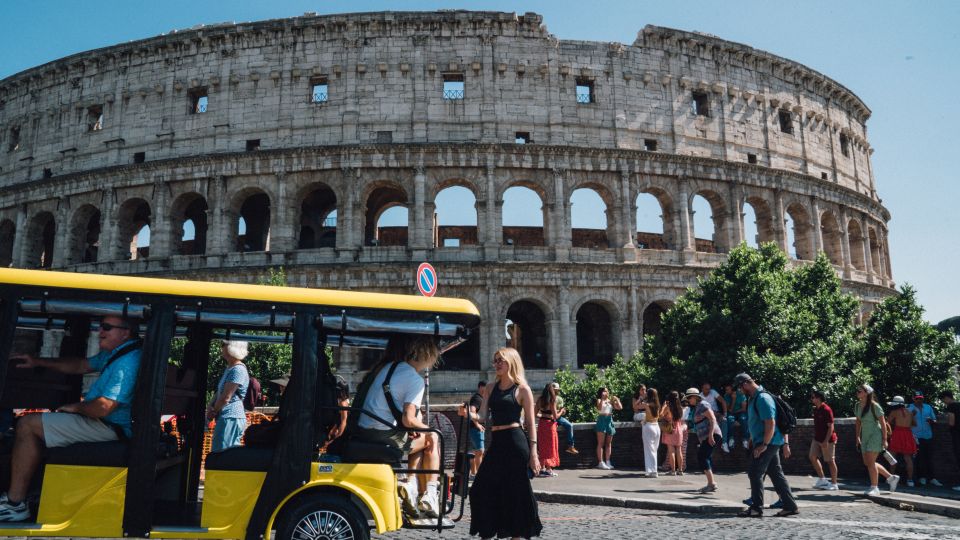
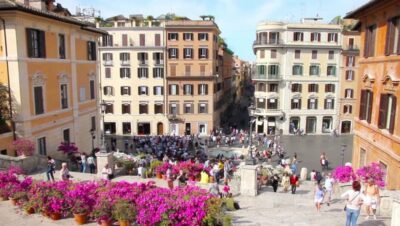
Next up is Trevi Fountain, with a guided photo stop and the famous coin tradition. The routine here is straightforward: throw a coin into the water over your left shoulder while you’re at the fountain.
You’ll also drive along Via del Corso, a well-known shopping street, so you get a sense of Rome as a living city, not just an open-air museum. Even when you’re not stopping, the movement helps you connect the dots between landmarks.
Then the tour heads toward Piazza Venezia to admire the Altar of the Fatherland. It’s a national monument dedicated to Victor Emmanuel II, and it’s one of those stops where even a quick look adds context to the city’s identity, not just its ancient past.
If you’re short on time, this portion is practical. You get multiple top sights in sequence, with enough stops to take photos without losing an hour between each.
Piazza Colonna and the Rome you can’t see from one street
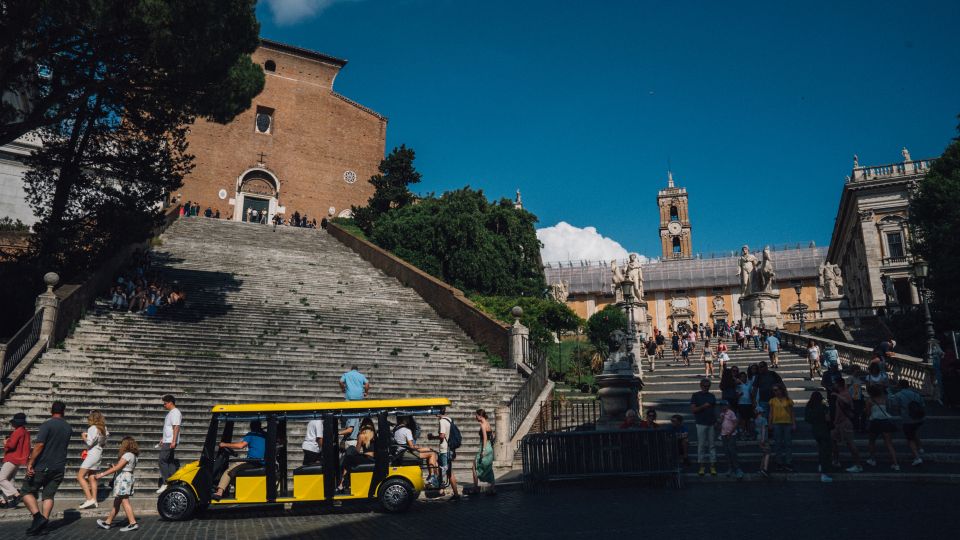
Between big-name monuments, the route includes Piazza Colonna as another photo and guided sightseeing stop. This matters because it gives you a more complete view of how these landmarks sit inside the city.
Rome’s highlights can look separate when you only see one at a time. A stop like Piazza Colonna helps you understand the spacing, the road angles, and how people actually move between these places. It’s also a breather spot in the route, where you can step out, regroup, and let the guide’s narration connect the old-to-new story.
Think of this as the glue stop: not as iconic as the Pantheon or Colosseum, but useful for building your map and helping you choose where to spend more time later.
You can also read our reviews of more city tours in Rome

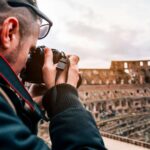
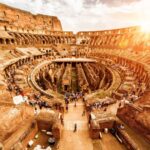
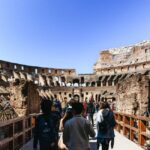
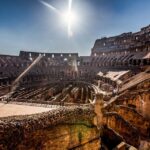
Colosseum area: iconic views with stories you’ll remember
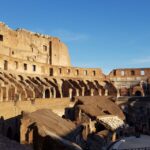
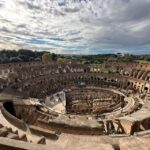
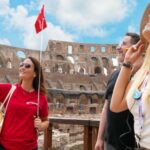
You’ll visit the Colosseum area with a guided stop for photos and commentary, but this tour does not include entrance tickets. That’s key. You’re seeing the outside and getting context, not going inside the arena floors.
Still, this is one of the best places for a storyteller. You’ll hear what made the Colosseum so gripping in its time, including references to gladiators and the kinds of people who paid to watch fights. Even if you’ve seen photos before, it hits harder when you understand the human drama that played out there.
The practical advantage is time. Instead of planning a full ticketed visit with lines and a longer on-site schedule, you get the meaning and the look in about the time it takes to take a few photos and walk a short distance.
Circus Maximus, Theatre of Marcellus, and Largo Argentina
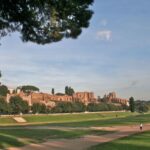
The tour keeps rolling through Roman layers, not just one era. Circus Maximus is next, with a guided visit where you can see the long, open scale that once supported major games and crowds.
After that, you’ll stop at the Theatre of Marcellus, which dates back to the first century BC. This is a solid change of pace from arenas. A theatre tells a different kind of Roman story, one built around performance and public life.
Then comes Largo Argentina, where you learn about Julius Caesar’s assassination. This stop gives the route a dramatic pivot. It’s one thing to view ancient ruins; it’s another to understand the political shock that happened right there.
What I like about this trio is that it prevents “big monument fatigue.” You’re not stuck on one theme. You see spectacle, entertainment, and political history in sequence.
Piazza Navona finish: Bernini’s Fountain of the Four Rivers
The tour ends at Piazza Navona, specifically Piazza Navona 11. This is a great way to finish because the square is lively and photogenic, with the kind of open space that works well for a final stop.
One of the anchor sights here is Bernini’s Fountain of the Four Rivers. It’s an iconic baroque centerpiece, and it makes a nice contrast to the Roman ruins you’ve been seeing earlier. By the time you arrive here, you’ll likely feel your Rome story widen from empire to art, and from ancient crowds to Renaissance-era spectacle.
If you want to keep going after the tour, finishing in Piazza Navona makes it easy to drift into nearby streets on foot. You’ll have enough orientation from the ride to choose where to head next.
Guides who turn a ride into a story: names to listen for
The difference between a good Rome overview and a great one is the guide. In this tour style, the guide is essentially your running commentary on Roman design, politics, and daily life.
From what you’ll hear from guides who have led this route, you can expect a mix of facts and energy. Names that have come up in past groups include Leo, Amber, and Claire, plus others like Valerie, Marco, Alessandro, Yuri, and Jason. Common thread: guides often keep the tone fun and upbeat, with humor and fast answers to questions.
A few practical strengths show up repeatedly:
- Guides help you find the best photo angles at each stop.
- They keep your pace comfortable rather than rushing you through every point.
- Many also offer tips for what to do after the tour, like local meal ideas or a sweet stop.
If you care about turning sightseeing into something you can actually recall later, this tour’s guide-led format is where the value lands.
Getting the most out of a 1.5-hour highlights loop
You’ll enjoy this most if you treat it like a Rome primer. Don’t force this tour to be your only stop. Use it to spot what pulls you in, then plan a follow-up visit to the places that feel personal.
A couple of tips that make the experience smoother:
- Bring a charged phone for photos at the stops where you’ll have a moment to step out.
- Keep an eye on your spot within the cart so you catch the guide through the headsets.
- Have one flexible goal for after: pick a nearby café or gelato plan near Piazza Navona so the ending feels like momentum, not an abrupt finish.
Also, remember the duration is short by design. If you’re expecting a full ticketed visit to each major monument, you’ll leave slightly frustrated. If you want the big hits with context, you’ll leave happy.
Who should book this Rome golf cart highlights tour
This works especially well if:
- You’re short on time and want a smart way to see top landmarks.
- You prefer less walking and more comfort while still getting guidance.
- You want a first-day overview to help you navigate the city later.
- You travel with kids who do better with short segments and constant movement.
It can also be a great fit for people with mobility limitations. The route uses electric carts that can get fairly close to monuments, though you should expect some short walking and the requirement that guests can get on and off the vehicle without staff assistance.
If you’re the type who wants to spend hours inside famous buildings, this won’t replace that. Think of it as the fast, guided outside view that helps you choose what’s worth the longer ticketed experience.
Should you book Biga Tours Rome City Highlights Golf Cart Tour
If your Rome plan is packed, or you want the highlights without overheating from endless walking, I think this is a smart booking. For the money, you’re buying focus: multiple major sights in a short time, with headsets and a local guide turning stops into a connected story.
I’d pass if you strongly need entrances included, or if you want deep time inside one monument instead of quick context across many. But if you want to get your bearings fast and still come away feeling like you saw real Rome, this one hits the mark.
FAQ
FAQ
How long is the Rome City Highlights golf cart tour?
It lasts about 1.5 hours.
How much does it cost?
The price is $71 per person.
Where do I meet the guide?
You meet at Via Monterone, 19, inside the office with glass doors, in the city center.
What landmarks are included on the route?
You’ll see or stop at the Pantheon, Trevi Fountain, Piazza Venezia, the Colosseum, Circus Maximus, Theatre of Marcellus, Largo Argentina, and Piazza Navona (plus Piazza Colonna).
Are entrance tickets included for the sights?
No. Entrance tickets are not included.
What’s included in the tour besides the golf cart?
A local guide and headsets to hear the guide in English are included.
Do I need hotel pickup?
No, there is no hotel pick-up or drop-off.
Is the tour wheelchair accessible?
It’s wheelchair accessible in the sense that electric carts can get close to top monuments, but wheelchair users will be asked to leave their chair in the office at the meeting point. Guests also need to be able to get on and off the vehicles without assistance from staff.
What ages can participate?
Infants under 1 year old can’t be accepted due to safety regulations. Children aged 1 to 12 are welcome.
Is the tour guided in English, and is it a small group?
Yes, it’s a live guide in English, and it runs as a small group of 14 or less.