REVIEW · CATACOMBS & CRYPTS TOURS
Rome: Catacombs of St. Sebastian Entry Ticket & Guided Tour
Book on GetYourGuide →Operated by OPERA ROMANA PELLEGRINAGGI · Bookable on GetYourGuide
Nothing prepares you for Rome underground. This guided visit takes you into the Catacombs of Saint Sebastian, a real third-century burial world where the stories of early Christians unfold beside saints, popes, and emperors. I love how the tour is short but structured, so you get the big ideas without wandering in the dark for hours.
What really works is the guided pace. A live guide explains how the catacombs grew over time, and you’re led through the site in a way that keeps things understandable even when the space feels tight. The main consideration is that this is genuinely underground: it’s not suitable if you have claustrophobia or mobility concerns, and the route can feel narrow as you move through rooms and corridors.
I also appreciate the practical side. Expect cold air deeper down, plus rules like no photography inside, so it helps to come ready and listen closely when your guide points things out.
In This Review
- Key highlights worth your time
- Catacombs of St. Sebastian: why this Rome stop feels different
- The “timeline” your guide builds underground
- What you actually see on a 30-minute guided walk
- The basilica area and photography rules you should know
- Price and value: is $16 worth 30 minutes?
- The guide experience: what makes it feel worthwhile
- What to bring: shoes, layers, and comfort tips
- Getting there and meeting on time without stress
- Who should book this tour, and who should skip it
- Should you book the Catacombs of St. Sebastian guided tour?
Key highlights worth your time
- A real third-century underground cemetery connected to martyrs like Sebastian and Eutichio
- Guided explanation of how the site evolved, from quarry to reuse of burial niches
- Small-group feel that keeps the walking manageable in narrow passages
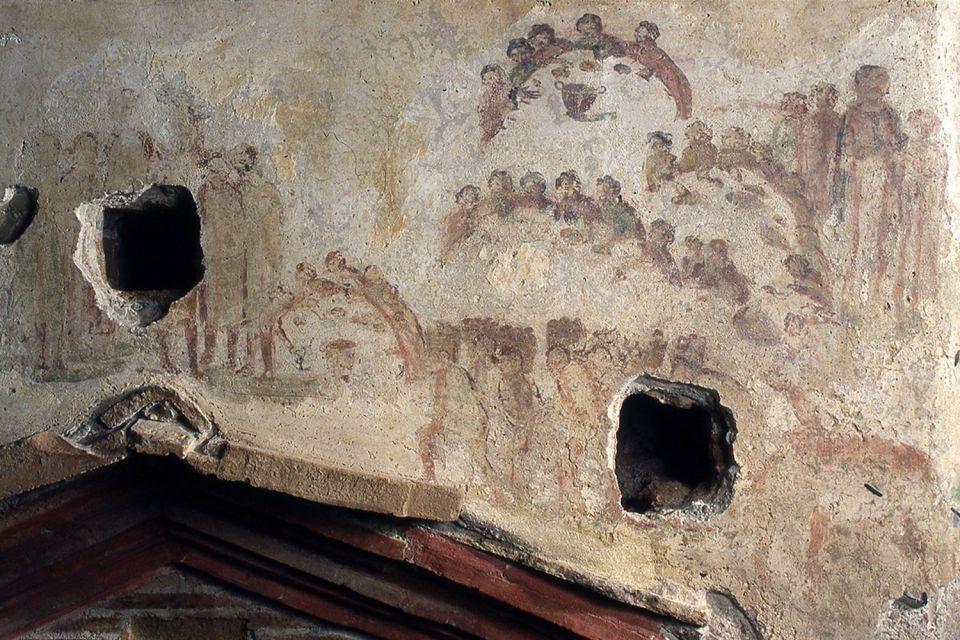
- Graffiti-era details, including invocations to SS Peter and Paul around 250
- Constantine’s influence in the story, via a circus-shaped basilica concept
Catacombs of St. Sebastian: why this Rome stop feels different
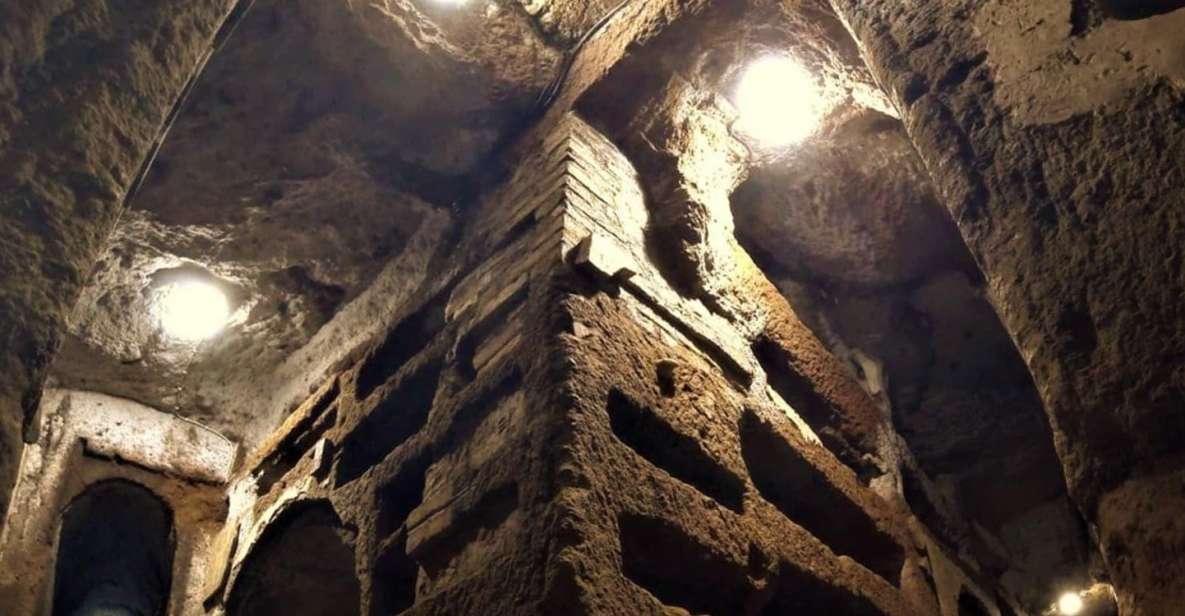
Rome has plenty of big-name ruins, but the Catacombs of St. Sebastian pull you into a different kind of history. Instead of monuments meant for crowds, you get an underground world designed for the dead—claustrophobic corridors, burial niches, and layers of reuse as generations needed space.
The site sits at a place that was once a deep depression used as a pozzolana quarry. In ancient times, people called it ad catacumbas, basically near the cavities—then the name became synonymous with an underground cemetery. That quarry origin matters because it explains why the catacombs look the way they do: they weren’t built from scratch like a theater; the underground spaces were shaped by extraction and later repurposed for burial.
And the scope surprises people. You’re not only seeing Christian burial space from one moment in time. The story spans centuries of building and reuse—from surface structures like columbaria and villas with wall paintings, to underground galleries turned into burial niches, and later developments tied to major figures in Roman and Christian history.
You can also read our reviews of more tours and experiences in Rome


The “timeline” your guide builds underground
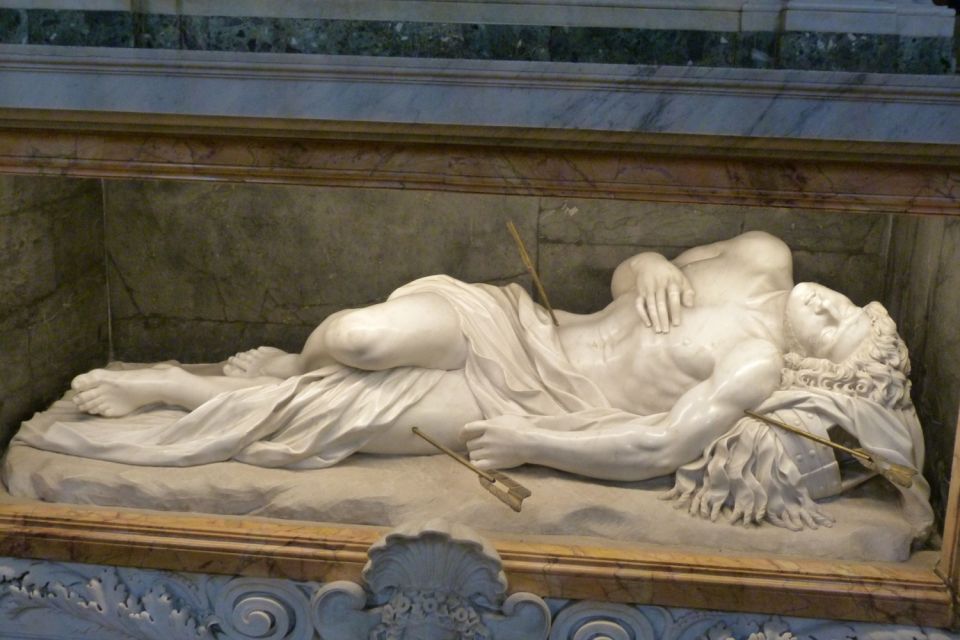
A good catacomb tour is really a history lesson with your feet moving through it. Here, your guide turns the physical layout into a timeline so the stops make sense rather than feeling random.
You start with the idea that the site was heavily exploited starting in the first century, then progressively reorganized. Underground galleries were reused to create new burial niches, while on the surface you can find evidence of more formal structures—columbaria (burial areas) and residential areas sometimes described as a small villa and a large villa, both noted for pictorial wall decorations.
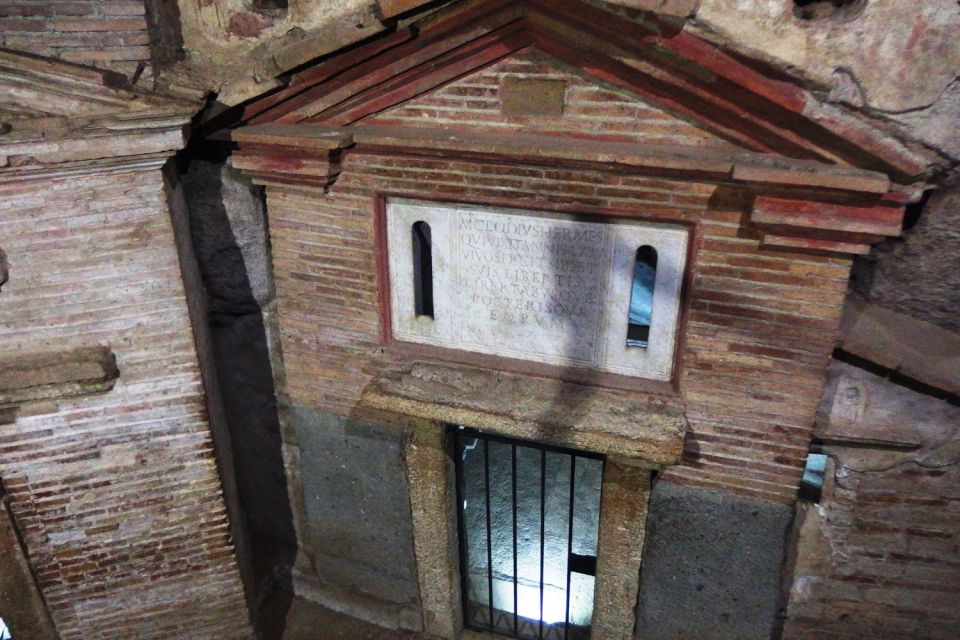
One key turning point comes around the mid–second century, when the bottom of the valley was buried to create a pitch area. On one side, three mausoleums were built in succession, linked in the record to names like Clodius Hermes, the Innocentiores, and Ax. Even if you don’t memorize the names, the payoff is understanding that these weren’t just anonymous graves. People built family or patron monuments, then the whole zone shifted again as burial needs changed.
Next in the story is a portico area associated with the triclia, bordered by a wall with graffiti-style invocations. Your guide connects this to the fact that around 250, SS Peter and Paul were venerated together in this place. That’s the kind of detail that makes the site feel human: you’re not only looking at stone; you’re hearing voices, in a way, from long ago.
Then comes the big Roman-Christian bridge: Constantine (306–337) had a basilica built in a shape described as circiform, like a Roman circus. You may not need to fully picture the architecture in your head, but it helps you understand the transition from scattered burial practice into a more recognized, institution-connected setting.
Finally, already in the third century, the catacomb that housed the tombs of the martyrs Sebastian and Eutichio begins to develop. That’s where the emphasis lands on the name you came for, and why the experience works even for first-timers.
What you actually see on a 30-minute guided walk
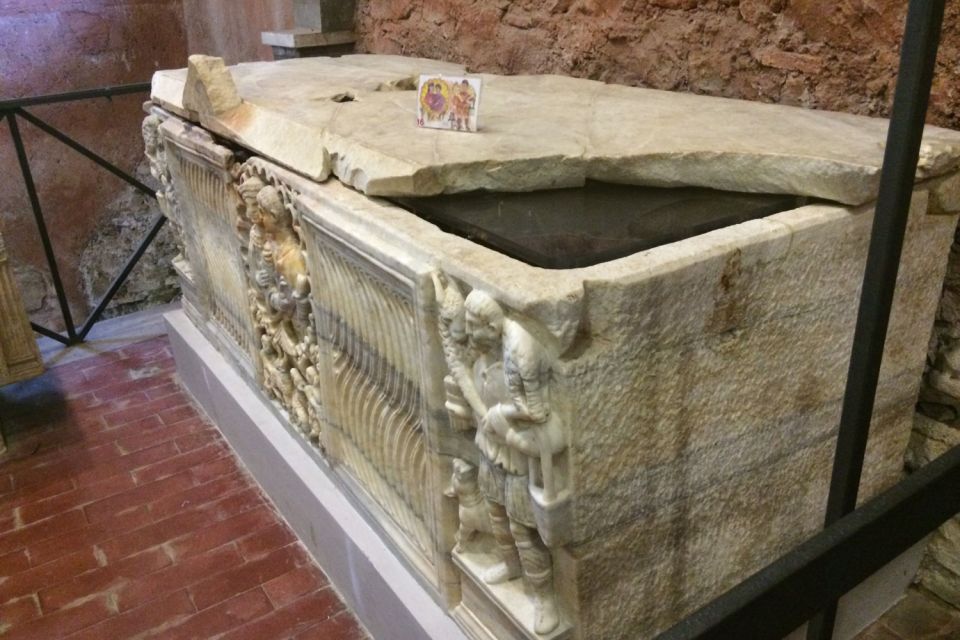
This tour is designed to be efficient. It lasts about 30 minutes, so you’re getting the essentials: enough background to understand what you’re looking at, plus enough time in the underground spaces to feel the reality of the place.
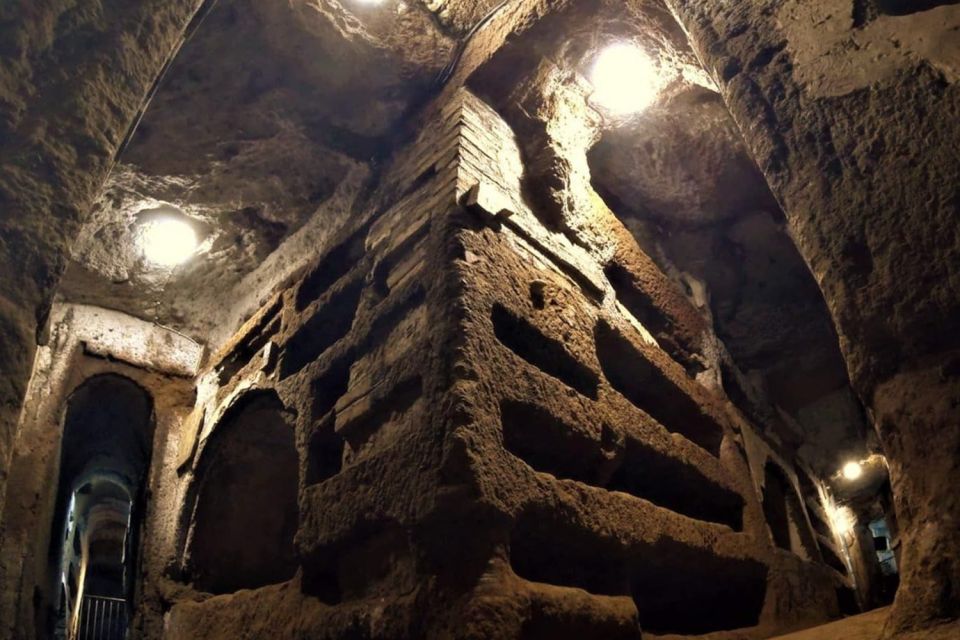
In practical terms, you’ll follow your guide through key sections that match the historical storyline: the evolution of the cemetery, the reuse of underground corridors, and the most notable Christian burial focus tied to Saint Sebastian. The route tends to move in a way that keeps the group together, and the space can be tight as you pass through narrower corridors and gather in small openings.
That’s also why the tour feels like a “walk with a purpose.” Rather than leaving you to stare at stone and guess, the guide connects the physical features—niches, passages, and markers—to the reasons the site changed over time. One big theme you’ll pick up quickly: these places weren’t frozen. They were adapted, layered, and reused, because burial space was always a real issue.
The basilica area and photography rules you should know
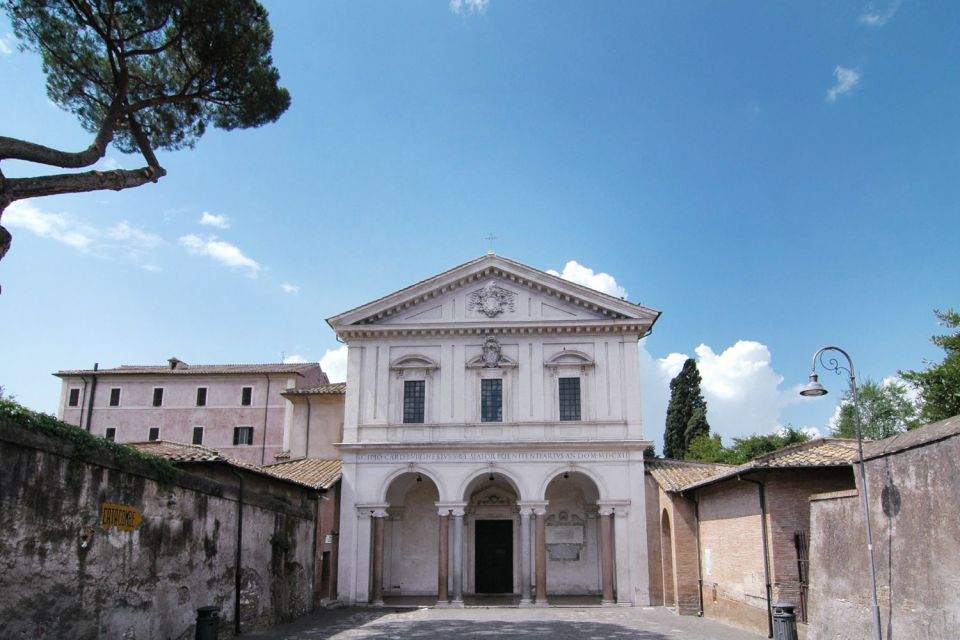
Catacombs can come with strict rules, and this one does too. Photography is not allowed inside the catacombs, and that affects how you experience the space. You’ll need to look, listen, and absorb rather than build a photo album.
On the other hand, some visitors noted that the photography restrictions differ once you’re out of the underground portion—people specifically mentioned the basilica area with its striking carved wood ceiling. I’d treat that as a reason to pay attention to what your guide points out when you shift locations. If your tour includes time in that adjacent space, you may find it’s a helpful contrast to the underground coolness: above ground feels brighter, more open, and easier for your mind to reset.
Bottom line: come ready to remember with your senses, not your camera. It makes the experience feel more respectful, and honestly more memorable.
Price and value: is $16 worth 30 minutes?
At $16 per person, this isn’t a bargain in the way a free city walk might be—but it’s also not a splurge. The value depends on what you want from your time in Rome.
First, you’re buying two things: the entrance ticket and a live guided tour in your chosen language. With underground sites, guidance matters. Without it, you can easily end up with a “seen it, don’t know what it means” feeling. Here, the guide helps you understand how and why the site changed—from quarry to cemetery, from early burials to later developments.
Second, the time is short, which can be a plus. If you’re trying to use a limited schedule wisely, 30 minutes plus walking time is manageable. It can also be a good switch-up on a hotter day, since underground spaces tend to feel cooler than street-level Rome.
One practical caution: some people felt the guided option can be priced a bit higher than buying elsewhere on the spot. If you’re the type who wants maximum flexibility, that’s a factor. But if you want the explanations and a clear flow through the underground sections, paying for the guided component is usually money well spent.
You can also read our reviews of more guided tours in Rome


The guide experience: what makes it feel worthwhile
The most consistently praised element here is the guide. People talk about the tours as informative, organized, and easy to follow, with guides who stay friendly and answer questions as you go.
You can also see a pattern in the names that come up. Guides such as Micah and Niko are mentioned for being clear and engaging, with explanations that land even when you start with little background. That matters because catacomb history can get complicated fast—names, dates, reuse of spaces, and shifting religious context. A good guide turns the noise into a timeline you can actually hold.
Small-group movement is a second big factor. Underground spaces don’t forgive large crowds. When the group stays small, you spend more time absorbing and less time waiting for the person in front of you to decide where to stand.
What to bring: shoes, layers, and comfort tips
Catacombs are cool, even when Rome is warm. Pack comfortable shoes, and bring a jacket or warm layers. Several visitors made the same point: it can get colder further down.
Also plan for a straightforward visit style:
- You’ll be walking, so don’t count on long rests.
- You’ll be standing in tight spots for explanations, so shoes with grip help.
- You’ll be following rules about what you can and can’t do, including photography limits.
One more item: baby carriages are not allowed. If you’re traveling with a stroller, plan to keep your setup minimal.
Getting there and meeting on time without stress
This is one of those experiences where timing matters because the tour start is tied to scheduled slots. Your job is simple: go directly to the ticket office of the catacomb and show your reservation at least 10 minutes before the scheduled time.
No hotel pickup is included, so you’ll need to handle your own Rome transport. Public transit can be handy—one note from visitors: bus 118 is mentioned as an easy route to the area. Also, there’s a coffee shop and souvenir shop nearby, which makes waiting more comfortable if you arrive early.
The biggest practical tip: build a small buffer into your morning. Underground tours are best when you’re not rushing, because you’ll get more out of the guide when you’re relaxed enough to listen.
Who should book this tour, and who should skip it
If you love early Christian history, you’ll likely enjoy this. It’s also ideal if you want a guided Rome underground experience without making it a half-day mission. The 30-minute format works well for travelers who want a highlight that doesn’t hijack the rest of their schedule.
It’s especially suitable if you prefer a structured walk—someone gives you context, then you see the spaces while it’s fresh. It’s also a good match for people who like museums that explain more than they display.
Skip it if you fall into these categories:
- Mobility impairments (the tour isn’t suitable)
- Claustrophobia (the underground setting is not suitable)
If you’re in that gray area, don’t “tough it out.” Underground environments can feel tighter than you expect, and the rules and movement style are part of why guides can keep the group safe and together.
Should you book the Catacombs of St. Sebastian guided tour?
I’d book it if you want a focused, guided introduction to one of Rome’s most atmospheric underground sites. For $16, you get both access and a live guide who connects the quarry-to-cemetery evolution, the Roman reuse of space, and the Christian burial significance tied to Saint Sebastian. The short 30-minute duration also makes it easy to fit into a busy Rome schedule.
I’d think twice if you need long accessibility support, if claustrophobia is a real issue for you, or if you strongly prefer unstructured free time where you can roam at your own pace. And if you’re sensitive to time pressure, treat the short tour length as a feature, not a drawback: it’s meant to be short and clear, not slow and expansive.
If you’re ready for a guided walk that turns stone and corridors into a readable timeline, this is a smart use of your time in Rome.