REVIEW · COLOSSEUM, FORUM & PALATINE TOURS
Rome: Colosseum, Palatine Hill and Roman Forum Guided Tour
Book on GetYourGuide →Operated by Rutas Romanas · Bookable on GetYourGuide
The Colosseum hits like a time machine. In just 2.5 hours, this guided loop pairs skip-the-line entry with a real guide to make the Colosseum, Palatine Hill, and Roman Forum click fast. One thing to plan for: everyone has to go through security, and on busy days that line can affect the start time since it’s unavoidable.
My favorite part is how the tour turns big ruins into a route you can follow. I especially liked getting oriented on Palatine Hill, then standing in the Forum’s central space where politics, religion, and daily power all met. If you’re sensitive to crowds, heat, or uneven ground, take the weather and walking intensity seriously—some areas may not be accessible in bad conditions, and the tour is not suitable for wheelchair users or mobility impairments.
In This Review
- Key highlights to watch for
- Why this Colosseum-Forum-Palatine route makes sense
- Getting oriented at the Colosseum before you go inside
- Arena view and the basement story (how to make it feel real)
- The arches: Constantine and Titus as Roman messaging
- Via Sacra to Palatine Hill: Rome’s oldest neighborhood
- Roman Forum in the valley: where the city ran
- Curia, arches, and the big-picture Forum core
- What the guides do well (and why headsets matter)
- Timing, weather, and the route may switch order
- Price and value: what $52 buys you in the ancient core
- Who should book this tour (and who should reconsider)
- Should you book the Colosseum, Palatine Hill and Roman Forum guided tour?
- FAQ
- How long is the guided tour?
- What’s included with the tour price?
- Do I need to buy tickets separately?
- Is this tour truly skip-the-line?
- Does the tour run in bad weather?
- What languages are offered for the live guide?
- Is there a headset for hearing the guide?
- Is the tour suitable for wheelchair users or mobility impairments?
- Can I cancel and get a refund?
Key highlights to watch for
- Real on-site interpretation at the Colosseum, not just plaques and photos
- Arena and (optionally) underground views plus a panoramic terrace stop
- Imperial Palatine sites like Domus Augustana and Domus Flavia
- Via Sacra monuments from Basilica of Maxentius to the House of the Vestals
- Central Roman Forum focus at the heart of ancient civic life
- Headsets included so you can actually hear the guide through the noise
Why this Colosseum-Forum-Palatine route makes sense
Rome’s ancient core is dense. If you wander on your own, you can end up with a “cool, but what did I just see?” feeling. This tour is built to prevent that. You’re moving through three of the biggest sites in the Roman world, but the guide keeps the story tight and geographic: where you are, why it mattered, and how the pieces connect.
You also get help with one of Rome’s biggest practical problems: time. The tour includes entry tickets for the Colosseum, Roman Forum, and Palatine Hill, and it’s designed to skip the ticket line. In other words, you spend your energy looking at the ruins, not waiting around.
The best value here is the “translator” effect. The Colosseum isn’t just a big stadium shell. The Forum isn’t just scattered columns. With an informed guide, you start seeing structures as systems—crowd flow, power display, ceremony, and daily governance.
You can also read our reviews of more guided tours in Rome
Getting oriented at the Colosseum before you go inside
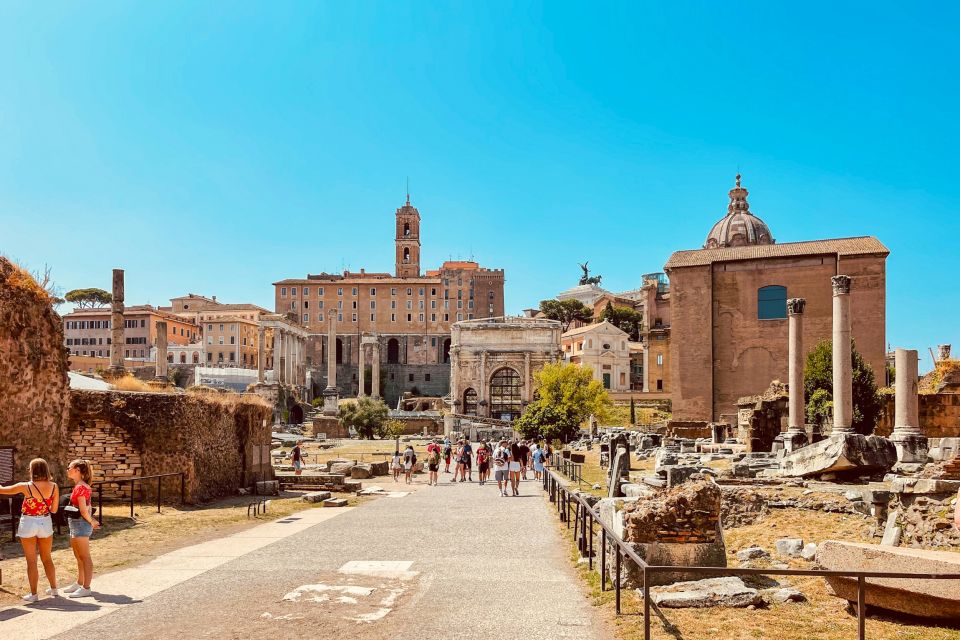
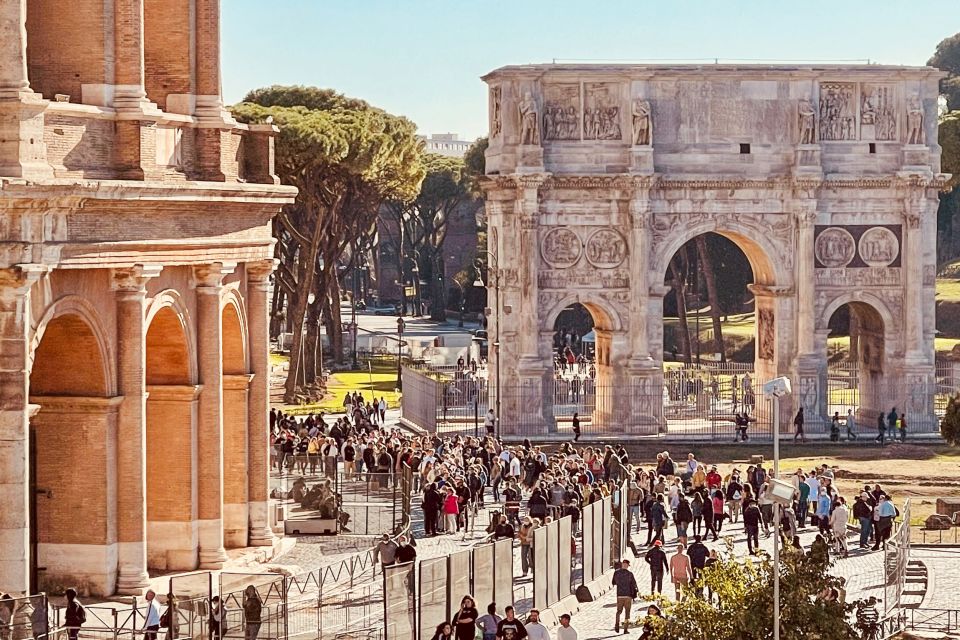
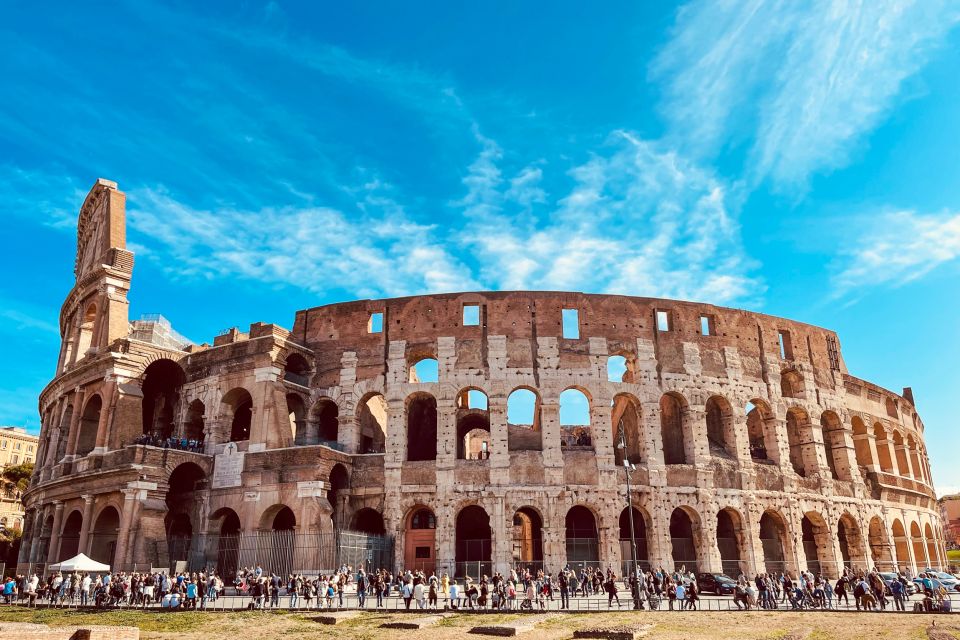
The tour usually begins with a look outside the Colosseum. You’ll get context first—its place in Roman public life and why emperors and lawmakers cared so much about mass entertainment. Then you enter after security checks.
Plan on a security checkpoint as the main slowdown. The tour says the queue may happen on busy days and can delay the actual start. That’s normal for Rome. What matters is that once you’re through, the schedule is structured so you still cover Palatine Hill and the Forum in the remaining time.
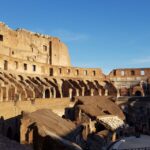
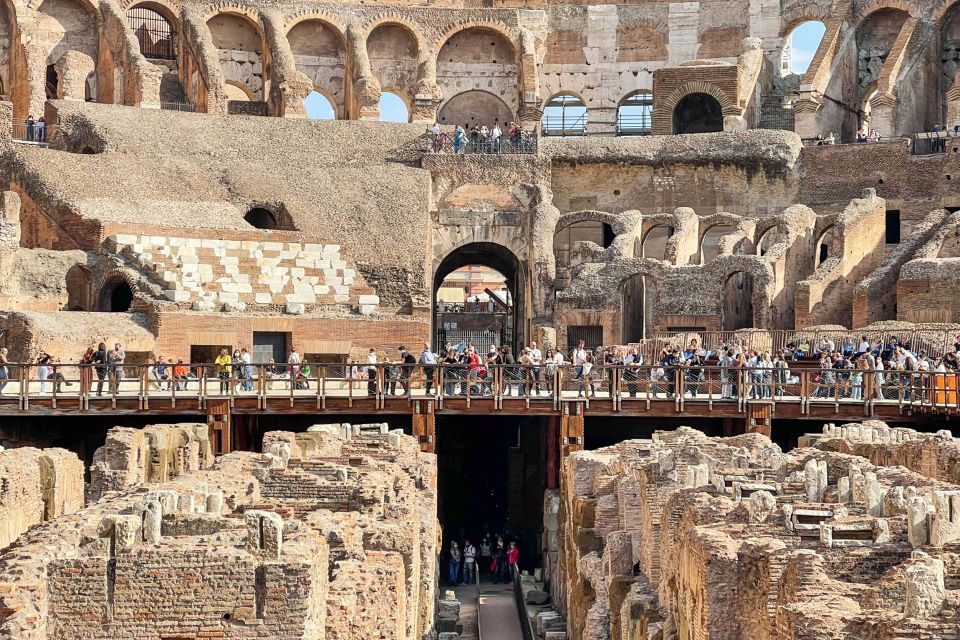
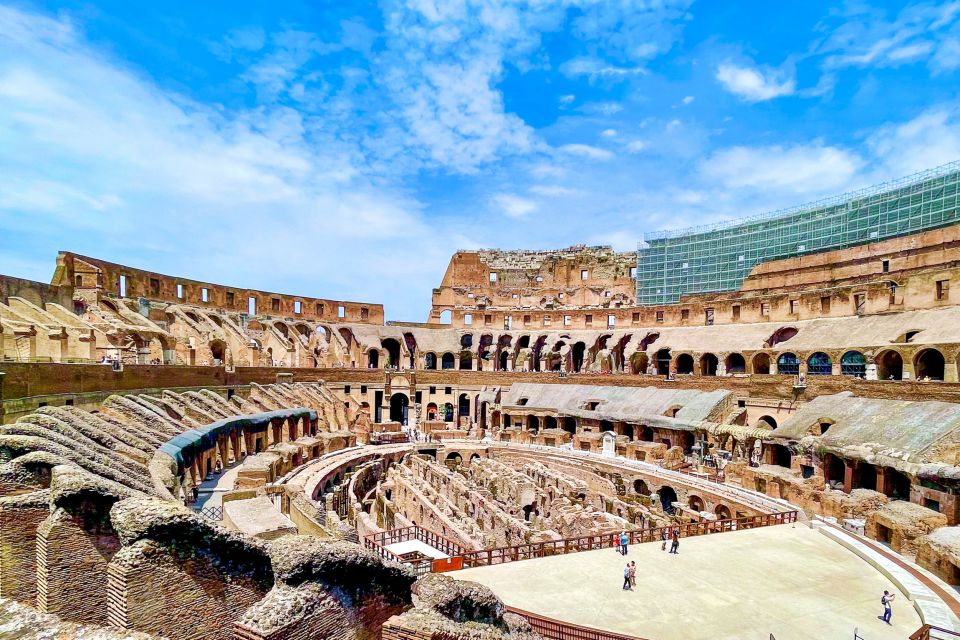
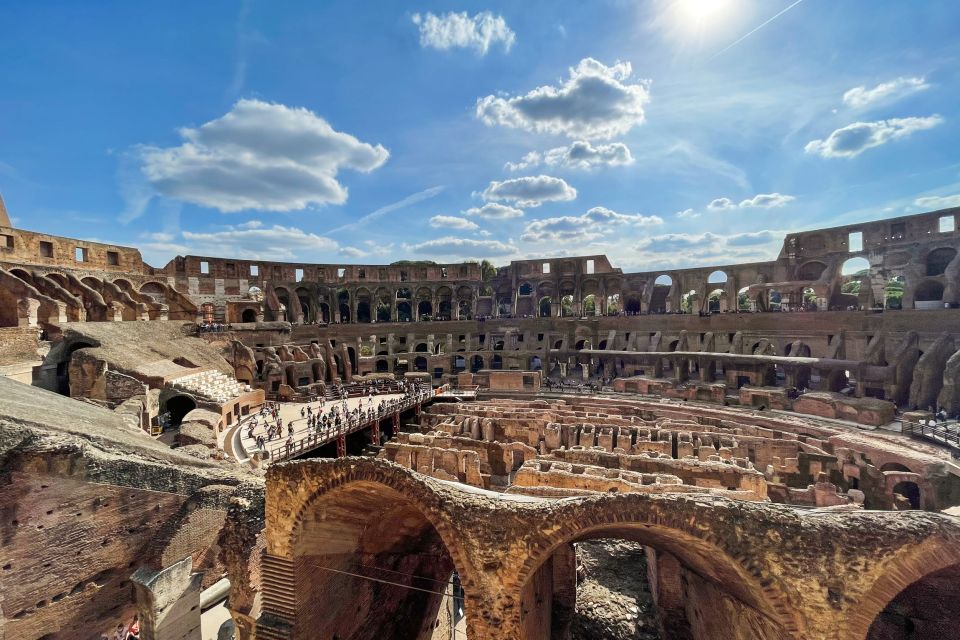
Inside, the tour is all about understanding what the Colosseum allowed Romans to do. You go through security, then you see areas that most visitors never connect to the full story. The tour notes first-floor access and time to admire the interior, and it also mentions arena access and underground access when selected in the tour title. If those add-ons are part of your booking, this is one of the best chances to see the building’s interior logic instead of only the outer walls.
Arena view and the basement story (how to make it feel real)
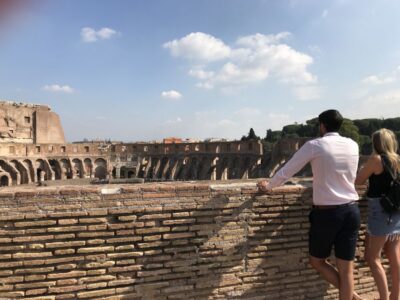
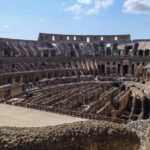
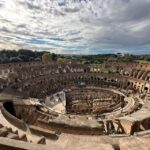
The tour description includes a stop on a panoramic terrace where you can see the arena and basement floor. That perspective is crucial. From ground level, the Colosseum can feel like empty seating around a hole. From above, you see how the space was staged—where the action happened, where people would have moved, and why sightlines mattered.
This is also where the guide’s storytelling becomes the difference between seeing and understanding. You’re not just looking at stonework. You’re connecting it to entertainment, logistics, and Roman engineering choices.
If you didn’t select arena or underground access, you’ll still learn a lot from the interior stops and viewpoints listed. But if those options are available to you when booking, it’s worth checking them carefully. That’s the difference between viewing the Colosseum as a monument and experiencing it as a working venue.
The arches: Constantine and Titus as Roman messaging
You won’t just walk past triumphal monuments like they’re background scenery. You’ll stop in front of the Arch of Constantine while the guide explains its history and key features. Later, you’ll see the Arch of Titus up close after another security checkpoint.
These arches matter because they’re propaganda you can walk through. The tour framing helps you notice the message: who was praised, what victories were emphasized, and how Rome used stone to sell authority across generations.
It’s the kind of stop that’s easy to miss on your own—especially if you’re focused only on the largest “headline” ruins. Here, you get it in a sequence, which makes the details stick.
Via Sacra to Palatine Hill: Rome’s oldest neighborhood
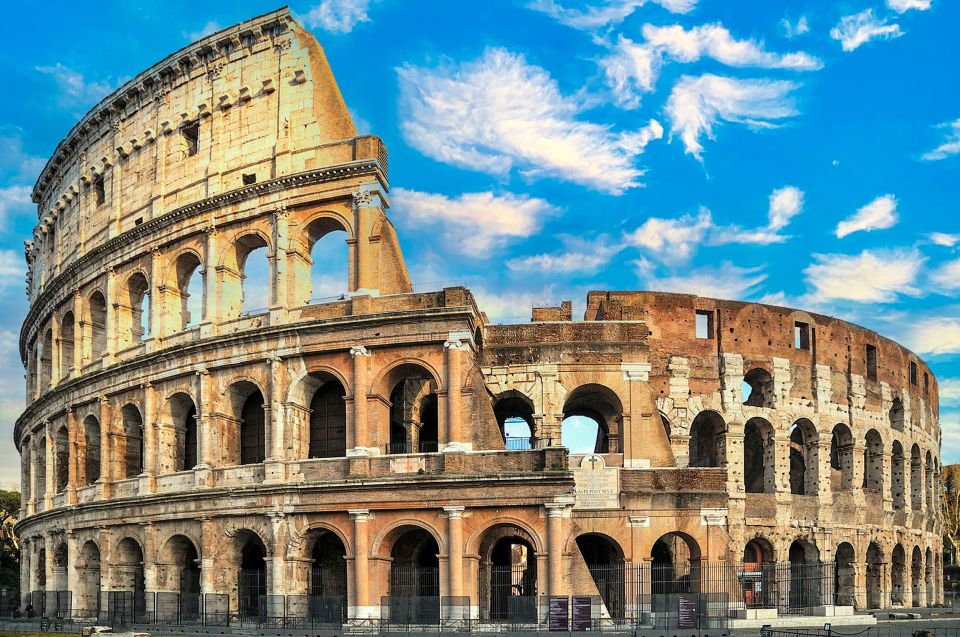
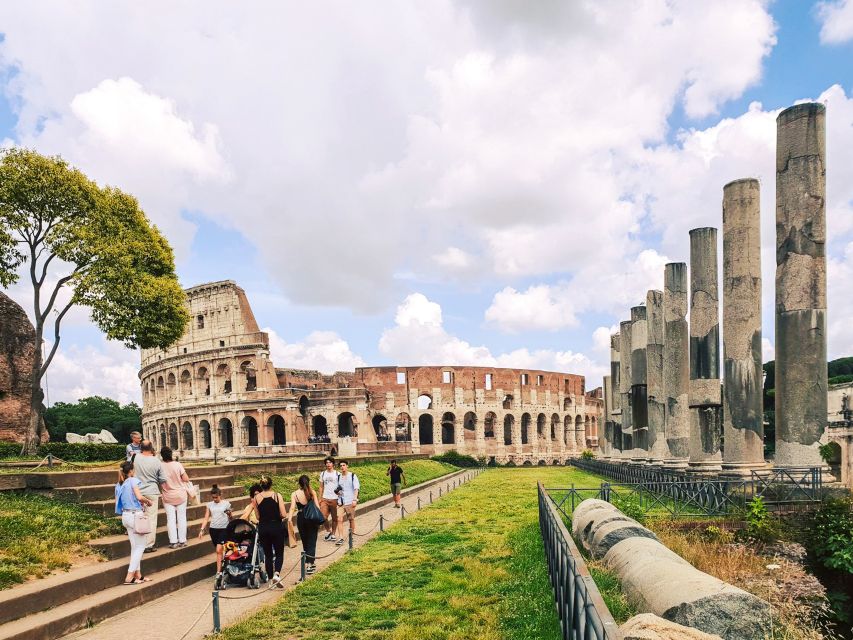
From the Colosseum area, you walk along the Via Sacra to reach Palatine Hill and the Roman Forum. That route isn’t random. It’s the ceremonial spine of the ancient city, so your feet follow a road that was meant for important movement and public visibility.
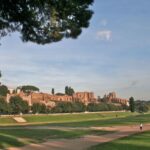
On Palatine Hill, the tour highlights that you’re walking in the remains of the oldest settlement in Rome. That single detail changes how you look at the hill. Instead of picturing “royal ruins,” you’re thinking continuity—where early Rome grew into imperial Rome.
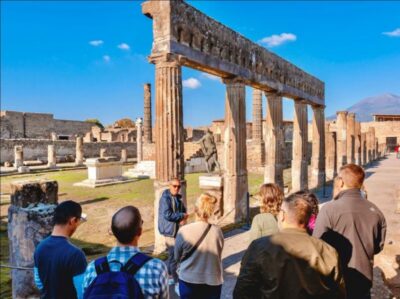
The tour then moves through major imperial residences, including the Palatine Stadium, Domus Augustana, and Domus Flavia. These stops are great for two reasons. First, you get specific names instead of generic “royal palace” talk. Second, the guide’s interpretation helps you understand how elite homes weren’t private in the modern sense. They were political stages.

Roman Forum in the valley: where the city ran
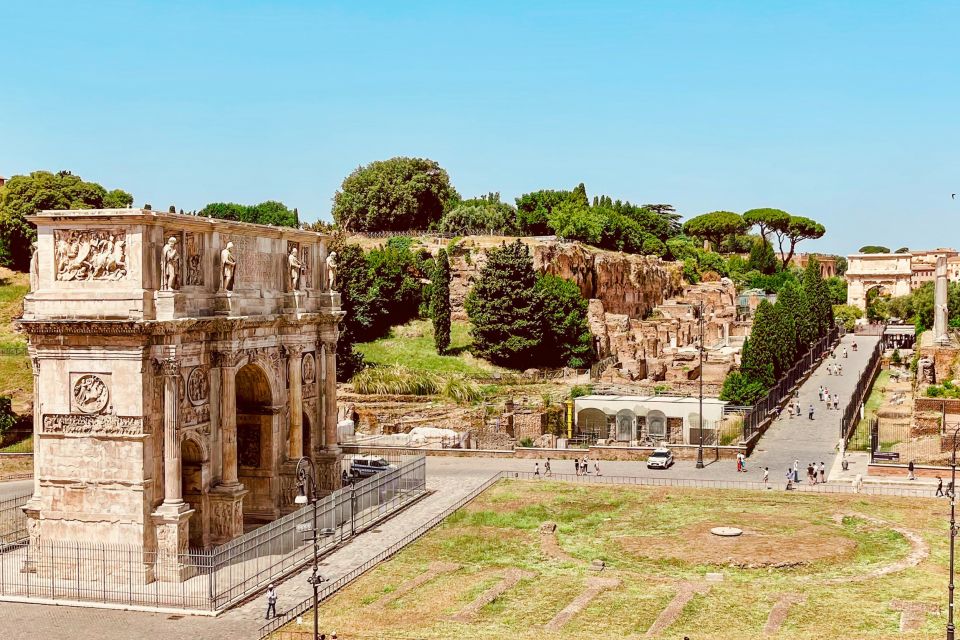
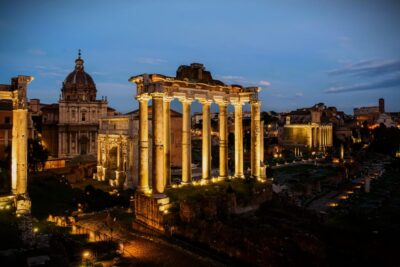
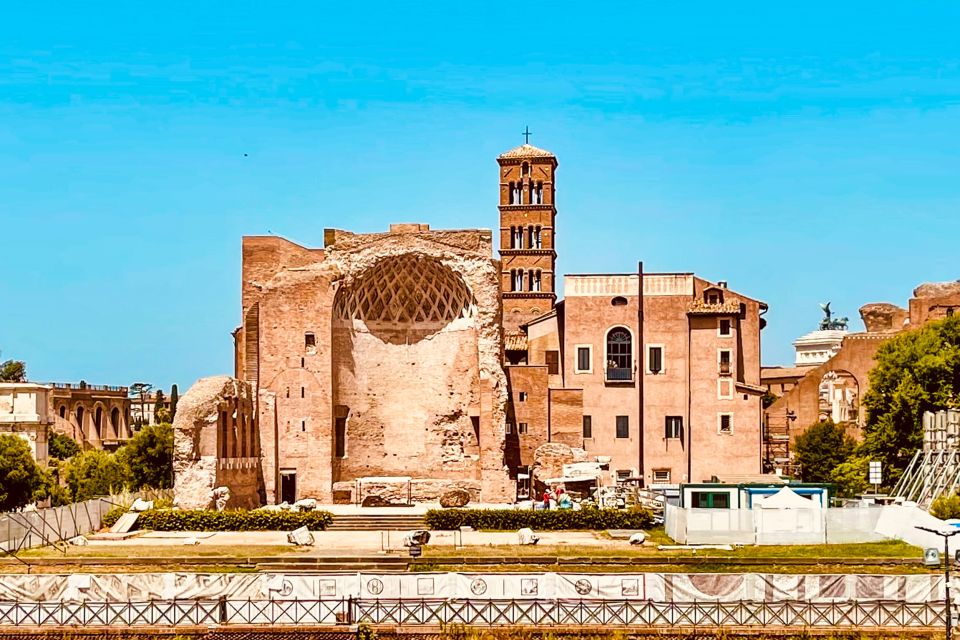
After Palatine, you move down toward the Roman Forum, described as the political, religious, economic, and legal center of ancient Rome. The tour keeps your walking aligned with the most recognizable Forum elements, so you don’t feel lost in a maze.
Along the Via Sacra on the way in, you’ll see a sequence of major monuments, including:
- Basilica of Maxentius
- The bronze door of the Temple of Romulus
- The “curious” suspended door of the Temple of Antoninus and Faustina
- The Temple
- The House of the Vestals
Those details are exactly what you want from a guided tour. Some of this is hard to decode if you just read signs at your own pace. With a guide, you connect objects to function and symbolism: entrances that represent power, temple spaces tied to Roman belief, and public buildings built to handle ceremonies and civic life.
The tour ends at the central area of the Forum, described as the Forum’s core gathering space across centuries. That’s the moment when it clicks for most people—this wasn’t only religious Rome and it wasn’t only government Rome. It was both, often overlapping.
Curia, arches, and the big-picture Forum core
In the central Forum area, the tour includes several anchor points: the Curia, the Arch of Septimius Severus, the Tabularium, the temple of Saturn, and more.
These names are useful because they’re the ones you’ll keep encountering afterward when you read about Rome. If you visit without guidance, you might remember the look of the place, but not its “who did what” structure. Here, you get the basics that turn the ruins into an actual map of Roman civic life.
This is also where you feel the value of a guide who can keep a group moving without rushing. The tour format is designed for a full arc—from amphitheater to palaces to the center of civic power—so the story doesn’t stop halfway through.
What the guides do well (and why headsets matter)
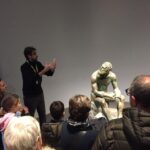
This operator’s guides appear repeatedly in the feedback with a consistent theme: energy plus clarity. You’ll see names like Henry, Leo, Aphrodite, Alessandra, Alexandra, Henri, Max, Ledion, Bárbara, and Marielle credited for making the sites feel alive. Many comments mention the guides being friendly, engaged, and able to answer questions, including for younger visitors.
Headsets are included, and that’s not a small detail. The Colosseum and Forum get loud. Without audio, you miss the exact explanations that make arches, doors, and building layouts meaningful. With headsets, you can focus on the guide even when the group is turning corners or pausing for photos.
For families, one of the strongest practical wins is that a good guide can make the pace feel inclusive. Some reviews specifically mention kids feeling included. If you have children, that can be the difference between a “we survived it” visit and a “we learned it” visit.
Timing, weather, and the route may switch order
The tour is scheduled for 2.5 hours, and the itinerary notes an important flexibility: on some tours you may start at the Colosseum and end at Palatine Hill and the Roman Forum. Other times, the order can begin at the Palatine Hill/Forum area and end inside the Colosseum.
That matters because it affects how you manage your day. If you’re planning other timed sights nearby, check your booking’s starting point and final stop so you’re not sprinting across the city.
Weather is another reality check. The tour runs rain or shine, but some areas of the Roman Forum and Palatine Hill might not be accessible in bad weather. If you’re going in a season with frequent showers or slick sidewalks, wear clothes you can handle and expect a bit of change in what you can physically reach.
Price and value: what $52 buys you in the ancient core
At $52 per person for a 2.5-hour guided tour, the real question is value, not just cost. Here’s what you’re paying for:
- Three major sites’ entry tickets bundled together (Colosseum, Palatine Hill, Roman Forum)
- Skip-the-ticket-line design, which helps a lot during peak hours
- Headsets so you can follow the guide on-site
- A guide who ties the monuments into a coherent story while you walk from stop to stop
If you try to do these sites alone, you can spend serious time working out tickets, entrances, and order. Even when you manage all that, you still miss the “what am I looking at and why?” layer that turns ruins into understanding. For many first-timers, the guided format is the most efficient way to see the big names and get your bearings fast.
Who should book this tour (and who should reconsider)
This tour is a good match if you want:
- A guided orientation across the Colosseum, Palatine Hill, and the Forum
- A structured way to see major landmarks without feeling overwhelmed
- A guide who can answer questions and keep the pace readable
It’s not suitable for:
- People with mobility impairments
- Wheelchair users
- Anyone dealing with altitude sickness
It also has rules that can affect comfort: no pets, no luggage or large bags, no drones, and no weapons or sharp objects. If you travel light and follow site rules, you’ll have a smoother experience.
Should you book the Colosseum, Palatine Hill and Roman Forum guided tour?
I’d book it if this is your first time in Rome’s ancient center and you want your visit to make sense. The combination of ticketed access, a guide-led walking route, and headsets is exactly how you get the most out of a short stay.
Skip this tour if your ideal day is slow wandering with no guidance, or if you know walking on uneven ground and crowded sites will be uncomfortable for you. Also consider booking carefully if your schedule is extremely tight—security queues can shift the start time on busy days.
If you want the quickest route to understanding Rome’s power history, this is a strong pick. You’ll leave with names you can recall—Constantine, Titus, Vestals, Vestal House—plus a mental map of where Roman public life actually happened.
FAQ
How long is the guided tour?
It lasts about 2.5 hours.
What’s included with the tour price?
You get entry tickets for the Colosseum, Roman Forum, and Palatine Hill, plus a live guide (for the live-guide option) and headsets to hear the guide clearly. Arena access and underground access are included only if selected in the tour title.
Do I need to buy tickets separately?
No. Entry tickets for the listed sites are included with the tour.
Is this tour truly skip-the-line?
Yes, it’s designed to skip the ticket line, though you still must pass through security.
Does the tour run in bad weather?
Yes, rain or shine. Some areas of the Roman Forum and Palatine Hill might not be accessible during bad weather.
What languages are offered for the live guide?
German, English, Spanish, Portuguese, Italian, and French.
Is there a headset for hearing the guide?
Yes. Headsets are provided so you can hear the guide clearly.
Is the tour suitable for wheelchair users or mobility impairments?
No. It is not suitable for people with mobility impairments or wheelchair users.
Can I cancel and get a refund?
You can cancel up to 7 days in advance for a full refund.