REVIEW · COLOSSEUM
Rome: Colosseum, Palatine Hill & Roman Forum Guided Tour
Book on GetYourGuide →Operated by City Wonders Ltd. · Bookable on GetYourGuide
Colosseum time travel is easier with a live guide. I like the way this tour turns the Colosseum, Palatine Hill, and Roman Forum into a connected story, and I also like that you can upgrade to Arena Floor access for a short, unforgettable feel of gladiator-era ground.
One thing to plan for: this is a walking-and-steps experience, and you’ll need to travel light. No baby strollers, no luggage/large bags, and no backpacks, with no cloakroom to store things.
In This Review
- Key things to know before you go
- Why This Colosseum–Palatine–Forum Route Works
- Inside the Colosseum: What the Guide Helps You See
- Arena Floor Access: The Short Walk That Changes Everything
- Palatine Hill: Legends, Palaces, and Wide Rome Views
- Roman Forum and Via Sacra: Walking Through Daily Power
- Pace, Headsets, and Practical Tips for Smooth Entry
- Price and Ticket Value at a Glance
- Who This Tour Fits Best (and Who Might Rethink It)
- Should You Book This Colosseum Tour?
- FAQ
- How long is the Rome Colosseum, Palatine Hill, and Roman Forum guided tour?
- Is the tour guided in English?
- What’s included in the ticket for this tour?
- Is Arena Floor access included?
- Do you provide headsets for hearing the guide?
- What should I bring?
- Are strollers or large bags allowed?
- Can wheelchair users join this tour?
- Can I cancel for a full refund?
Key things to know before you go
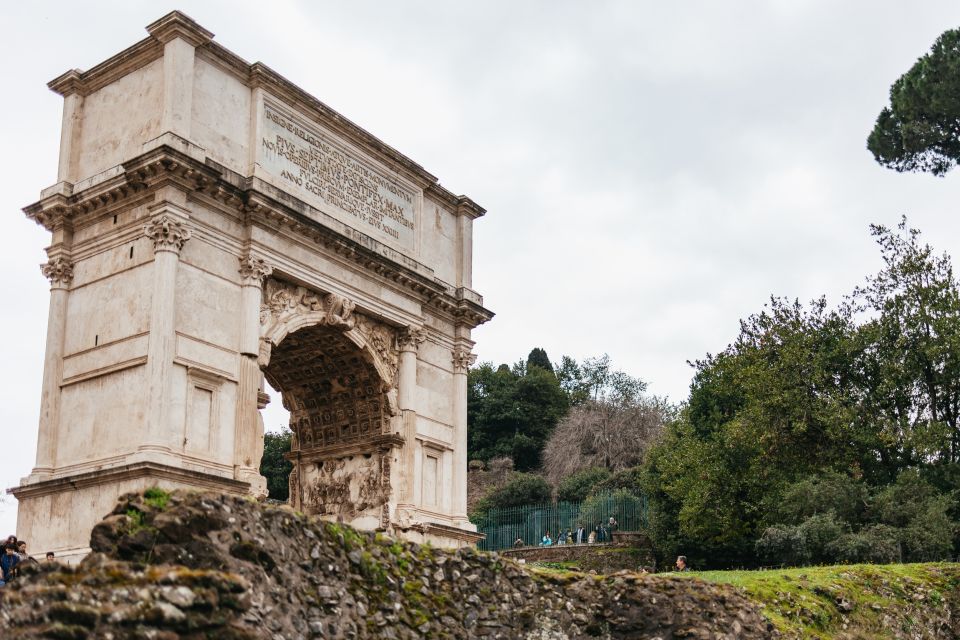
- Optional Arena Floor access adds a quick step onto the gladiator-level for the full wow-factor.
- Guided time at each site is paced to cover the main sights without feeling like a stamp-collecting tour.
- Headsets help when you need them, so you can actually follow the story through crowds.
- IDs must match booking names for entry, and name changes aren’t allowed after booking is confirmed.
- Your route order can vary on the day to improve flow, so stay flexible.
Why This Colosseum–Palatine–Forum Route Works
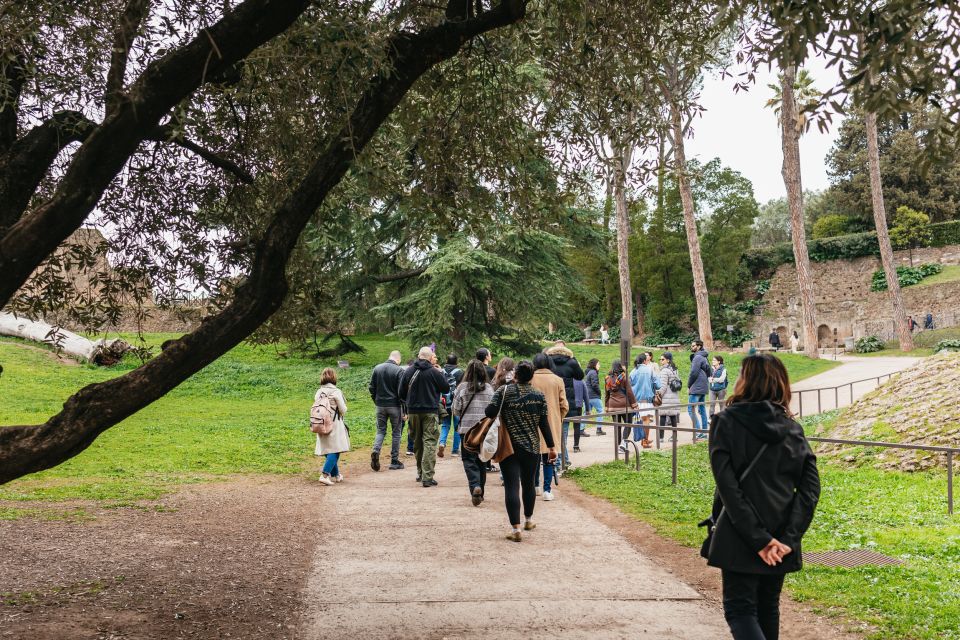
This tour stacks three of Rome’s loudest ancient sites into one efficient loop. The Colosseum gives you the stage. Palatine Hill explains why Rome started feeling like a serious power. The Roman Forum shows how daily politics, religion, and commerce ran right in the middle of all that spectacle.
I like that the sites aren’t treated like separate photo stops. A good guide keeps pointing out relationships: how crowds moved, where authority sat, and why certain monuments matter when you’re standing in their exact context. You get the sense that gladiators weren’t just entertainment. They were part of the bigger Roman machine—status, propaganda, and public life all tangled together.
Also, the tour has different starting points (meeting locations can vary). That helps you avoid needless wandering on arrival, though it means you should check your exact meeting pin before you leave your hotel.
You can also read our reviews of more guided tours in Colosseum


Inside the Colosseum: What the Guide Helps You See
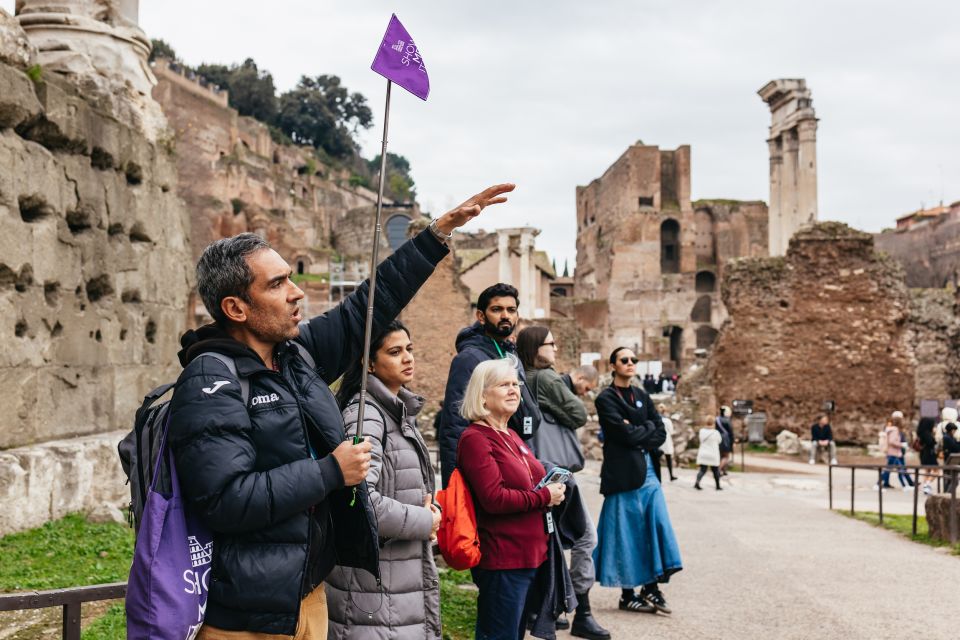
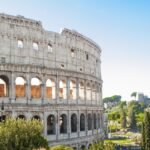
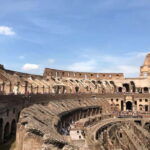
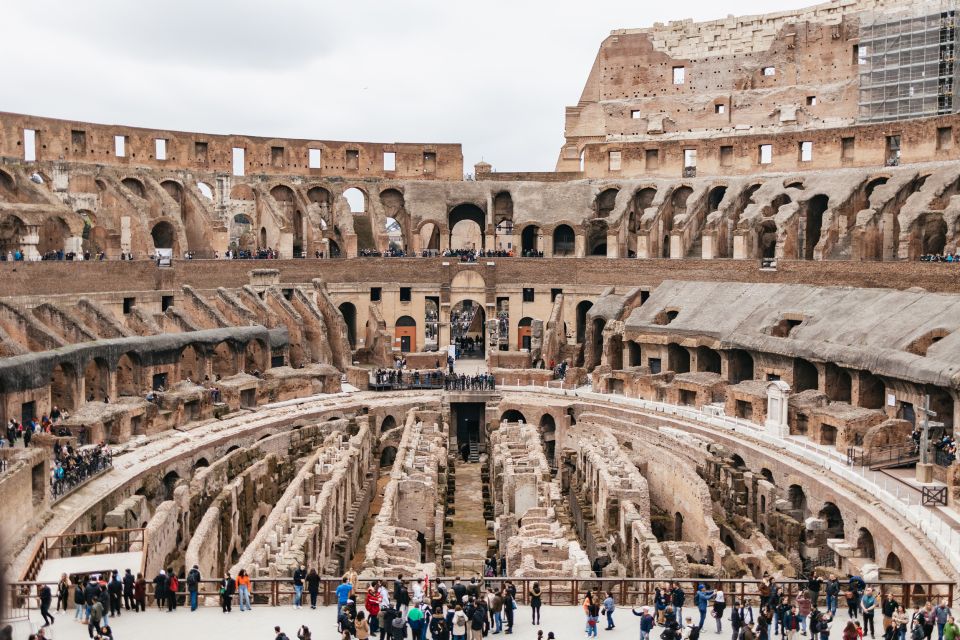
The main event starts with a guided visit inside the Colosseum, typically around 2 hours. This is the part where a guide earns their pay. Without context, you’re mostly looking at arches and stone. With a guide, you start seeing the building’s logic: entrances and circulation, how the space was organized, and why people were placed where they were.
One reason this tour scores so high is the way guides explain what’s hard to picture today. Many areas are worn down or missing, so it helps when your guide uses visual aids to reconstruct what you’re looking at—especially the parts that don’t survive. On top of that, live storytelling makes the myths and gladiator tales feel grounded in what the architecture suggests.
Practical reality check: expect many steps and uneven ground inside. If you’re the kind of person who hates climbing, build in time and take it slow when you can. The tour does aim to keep things moving, but the physical effort is still part of the deal.
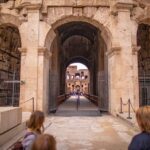
And yes—there’s an entry process involved. When you travel with the right ticket setup and a guide on hand, things can feel smoother once you’re in the system. Just don’t treat it like a zero-line fantasy. Rome is still Rome.
Arena Floor Access: The Short Walk That Changes Everything
If you choose the Arena Floor option, you add a guided 15-minute walk on the Colosseum floor. This is the upgrade you’ll remember later, even if the rest of the tour is the same sites.
Why it matters: you stop looking up at the ruins and start standing where the action happened. From that level, the building’s height and geometry click faster. You can better imagine what a crowd-facing performance felt like, and it’s easier to connect the story to the real measurements of the space.
This option is ideal if you’re a visual person, or if you’ve visited major ruins before and felt like you were missing the feeling of the place. Even a short time down here gives you a new reference point for everything else you see.
The trade-off is time and stamina. Add-ons always mean more transitions and more time outdoors. If it’s hot, choose smart breaks and water. Guides in past tours have done thoughtful things like working to keep the group in shade when possible—small moves that make a noticeable difference.
Palatine Hill: Legends, Palaces, and Wide Rome Views
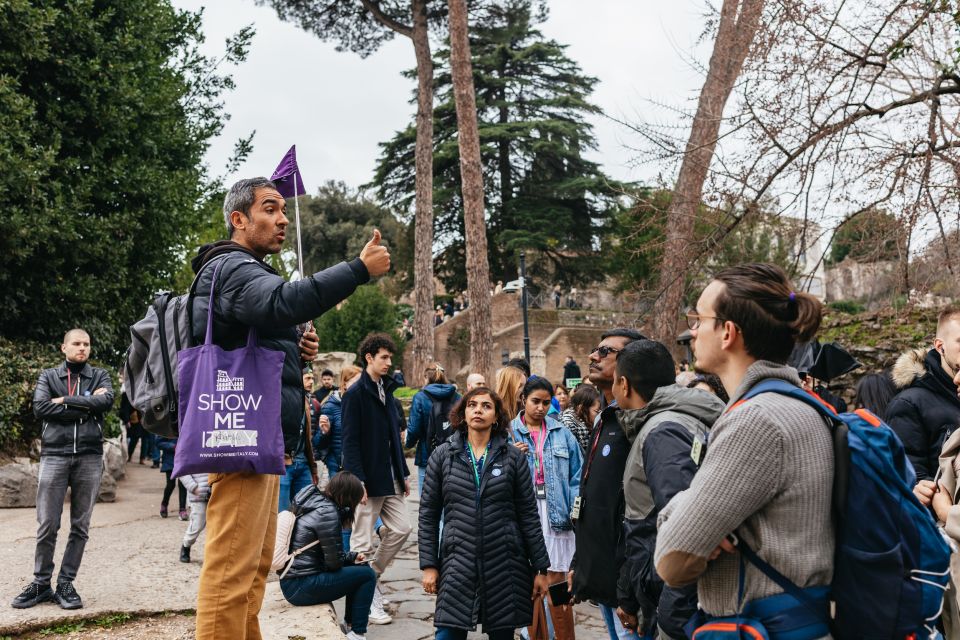
After the Colosseum, you head to Palatine Hill, usually around 30 minutes on the ground with a guide. Palatine is where Rome’s origin stories begin getting serious. You’ll hear how Romulus is tied to the hill’s earliest legend, and you’ll see why emperors later favored it—because high ground is power, and the views are basically a built-in excuse for ruling.
What you really get here is perspective. The hill helps you understand scale: where ancient Rome spread out, how the Forum relates to the hill above it, and why certain spots became political and symbolic centers over time.
Even when the ruins are limited, Palatine can feel like a viewpoint museum. You’ll also enjoy the contrast: you move from the public roar of the Colosseum to a hill associated with beginnings, status, and authority.
If you’re pressed for time, this is still worth doing. The hill isn’t just scenic. It’s interpretive. A good guide connects the legend to the physical geography, so you leave with a clearer map in your head.
Roman Forum and Via Sacra: Walking Through Daily Power
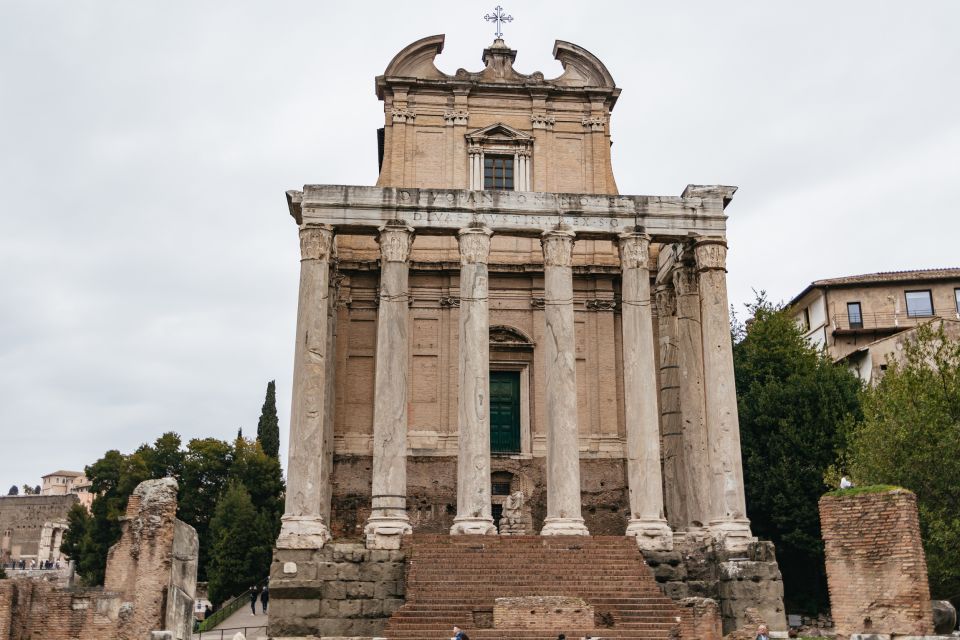
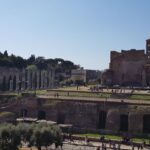
The final major stop is the Roman Forum, typically 30 minutes with a guide. This is where Rome’s story stops being about stadium drama and starts being about how power worked day to day.
You’ll walk key stretches like the Via Sacra, the Sacred Way. That name isn’t just poetic. It signals that this route mattered for rituals and processions, not only for people passing through. As you move through the Forum, your guide points out how the space functioned as a marketplace of ideas and influence—commerce, politics, and sacred activity overlapping in one crowded core.
This is the stop that helps many people understand Rome beyond the postcard. In the Forum, you start noticing patterns: where people would gather, where attention would be directed, and how the built environment supports the kinds of events Romans believed were meaningful.
One consideration: crowds can be intense in this zone. A guided format with headsets (when necessary) helps you keep following the story without falling behind or losing the thread.

Pace, Headsets, and Practical Tips for Smooth Entry
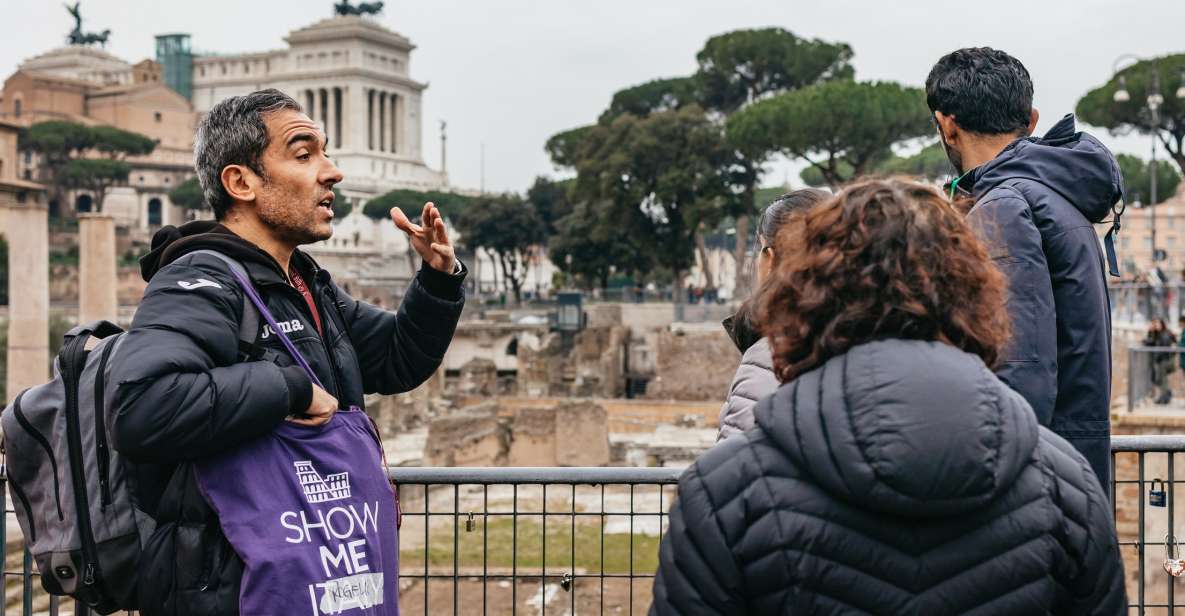
The tour is typically 1.5 to 3 hours, depending on the option you pick—especially if you select Arena Floor access. Your visit order can also vary based on the day’s flow, which is a smart approach in a place where bottlenecks are real.
A few practical points that matter a lot:
- Headsets are provided when necessary. This is a huge help in the Colosseum area, where voices compete with crowds.
- Show up early. You’re expected to be at the meeting point 15 minutes before departure. Late arrivals can’t count on a refund.
- Bring an ID that matches your booking names. All participant names are required at booking for entry, and you must carry valid ID matching the ticket. Name changes aren’t permitted after confirmation.
- Travel light. Baby strollers aren’t allowed, and there’s no place to store large bags or backpacks. Plan on wearing what you need and carrying only essentials.
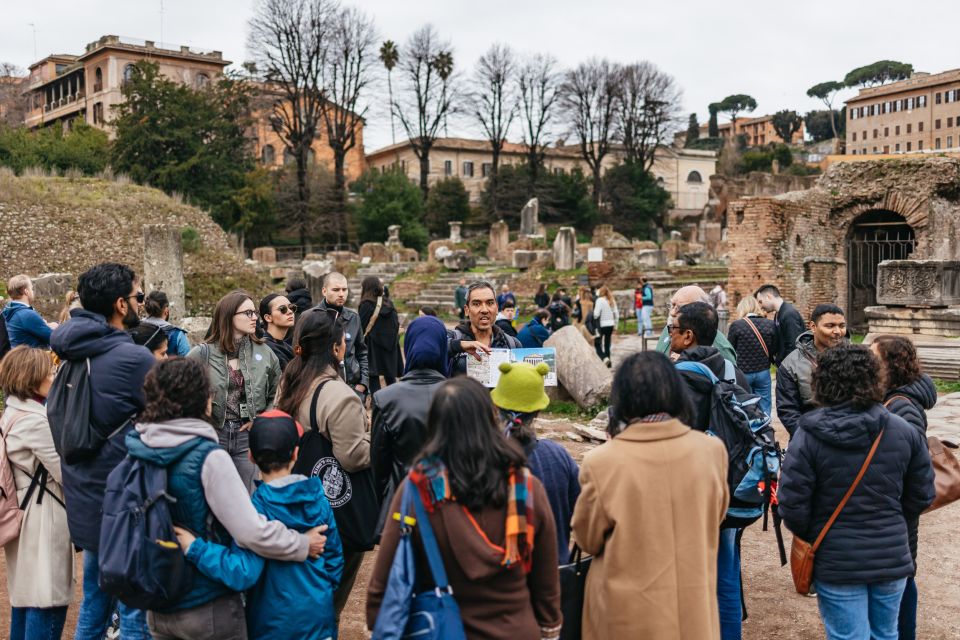
On guide style: I like that the narration is built to help you picture what’s gone. Some guides have a flair for making details stick, like using tablets with reconstruction images when the ruins don’t provide enough information by themselves. Others keep the tone playful. You might even get an accent that makes the whole thing warmer—some guides, like Barbara, have been described as especially pleasant to listen to.
And yes, there are breaks built into the experience. Even when the pace is fairly brisk, a guide who watches the group and keeps you moving with intent is better than one who treats it like a race.
Price and Ticket Value at a Glance
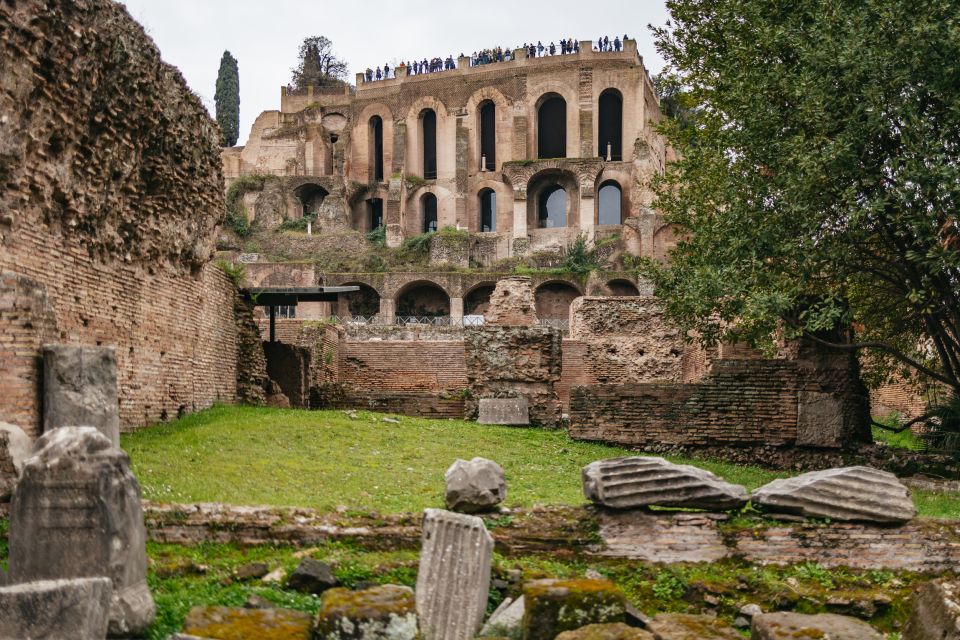
The tour price is listed at $53 per person, for guided experiences plus a ticket included to the Colosseum, Roman Forum, and Palatine Hill. The ticket value can vary depending on which option you choose (€18 or €24), and Arena Floor access is included only if you select the Arena Floor option.
So what are you really paying for?
- A live guide who explains what you’re seeing (and how to see it)
- Ticket access bundled into the experience
- Headsets when needed
- The optional Arena Floor walk, which is the main “upgrade that changes your photos and your memory”
For value, I think this works best if you’re the type who likes understanding as much as sightseeing. If you’re going to wander on your own without much context, you may feel like the ruins are just that—stone. But if you want the stories stitched into the places, the guide factor is the difference.
Also, small-group options are available, which usually means more room for your question and less chaos than the biggest bus-style crowds.
Who This Tour Fits Best (and Who Might Rethink It)
This tour is a smart match for first-timers who want the Colosseum, Palatine Hill, and Roman Forum covered in a focused session, without spending your energy figuring out routes and meanings.
It’s also good if you care about the people side of ancient Rome—gladiators, public life, politics, and rituals—and you like hearing how legends connect to real buildings.
Who might rethink it? The tour is not suitable for wheelchair users, and the experience involves a lot of steps. If you have mobility limits, you’ll need a plan that’s designed for accessibility rather than hoping Rome’s stairs will be flexible.
Finally, it’s not a “carry everything” tour. You’ll move through places where bags are a pain, and there’s no cloakroom to fix that.
Should You Book This Colosseum Tour?
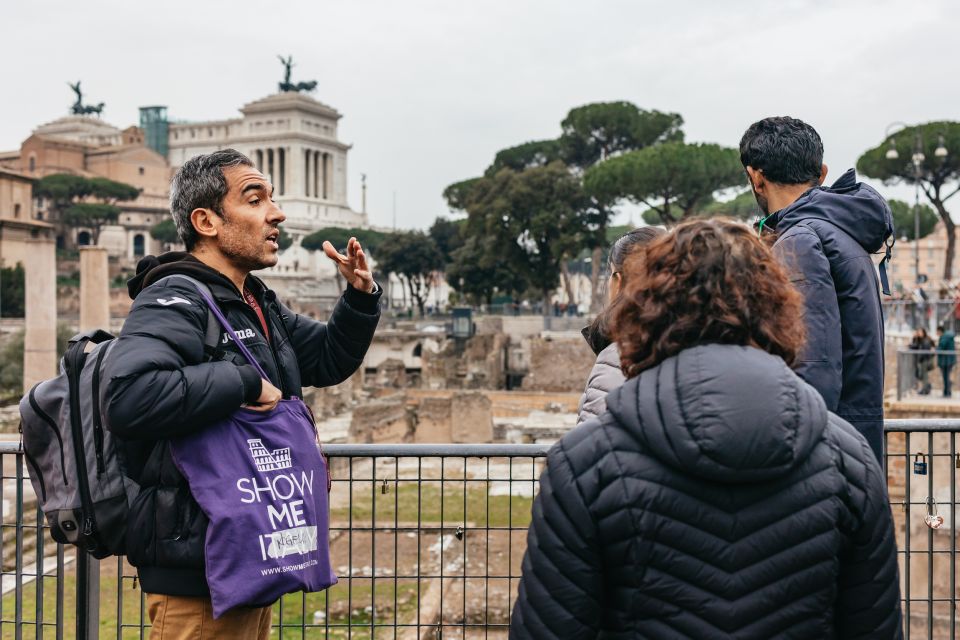
I’d book it if you want a guided walkthrough that links the Colosseum, Palatine Hill, and Roman Forum into one coherent Rome story. The optional Arena Floor is especially worth considering if you want to stand on the gladiator-level rather than just look at it from below.
Book with confidence if:
- You want an English live guide and you like guided explanation
- You can follow the ID rules and travel with minimal bags
- You’re okay with a walking schedule and steps
Skip (or choose a different format) if:
- You need wheelchair accessibility
- You’re not willing to travel light
- You prefer a slow, self-paced ruin stroll without guided narration
If you’re standing in Rome with limited time, this is one of the cleaner ways to get maximum meaning from the sites everyone came to see.
FAQ
How long is the Rome Colosseum, Palatine Hill, and Roman Forum guided tour?
The duration is typically 1.5 to 3 hours, depending on the option you select and the starting time availability.
Is the tour guided in English?
Yes. The tour includes a live tour guide in English.
What’s included in the ticket for this tour?
Your ticket includes entry to the Colosseum, Roman Forum, and Palatine Hill. The ticket price can vary (€18 or €24) depending on the option selected.
Is Arena Floor access included?
Arena Floor access is included only if you select an Arena Floor option. That part of the tour is about 15 minutes.
Do you provide headsets for hearing the guide?
Yes. Headsets are provided when necessary so you can hear your guide.
What should I bring?
Bring a passport or ID card and wear comfortable shoes.
Are strollers or large bags allowed?
No. Baby strollers are not allowed, and you also can’t bring luggage, large bags, or backpacks. There is no cloakroom for storage.
Can wheelchair users join this tour?
No. This tour is not suitable for wheelchair users.
Can I cancel for a full refund?
Yes, there is free cancellation up to 4 days in advance for a full refund.