REVIEW · COLOSSEUM
Colosseum Gladiators Gate & Arena Express Guided Tour
Book on GetYourGuide →Operated by LivTours - We craft tours, you live them · Bookable on GetYourGuide
Stand on the gladiators path at the Colosseum. This tour is interesting because it pairs Arena floor access with skip-the-line priority tickets, so you spend less time queued and more time seeing what Rome built for spectacle. I also like that it runs with an expert English guide and a small semi-private group, which makes the stories feel personal instead of rushed.
The main tradeoff is time: you get a tight 1-hour experience, so it is not the kind of visit where you drift slowly and read every inch. Plan ahead too, because the Colosseum requires photo ID for entry.
In This Review
- Key Points I’d Aim For
- Why the Gladiators Gate Changes the Colosseum
- Meeting at the Colosseum Metro SOS Sign and Getting In
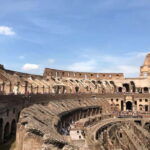
- Stepping Onto the Arena Floor: What You’ll Actually See
- Gladiator Life and the Violence Spectacle You Can Picture
- The Flavian Emperors and the Name Colosseo
- Ending at the Arch of Constantine (and What to Do Next)
- Price and Value: Is $123.48 Reasonable?
- Who This Tour Suits Best
- Should You Book the Colosseum Gladiators Gate & Arena Express Tour?
- FAQ
- How long is the Colosseum Gladiators Gate & Arena Express Guided Tour?
- Where do we meet for the tour?
- Does the tour include skip-the-line entry?
- Will I be able to access the Arena floor?
- What language is the guide?
- What group size is this tour?
- What ID do I need to enter?
- Where does the tour end?
- Is food included?
- Is there a cancellation option?
Key Points I’d Aim For
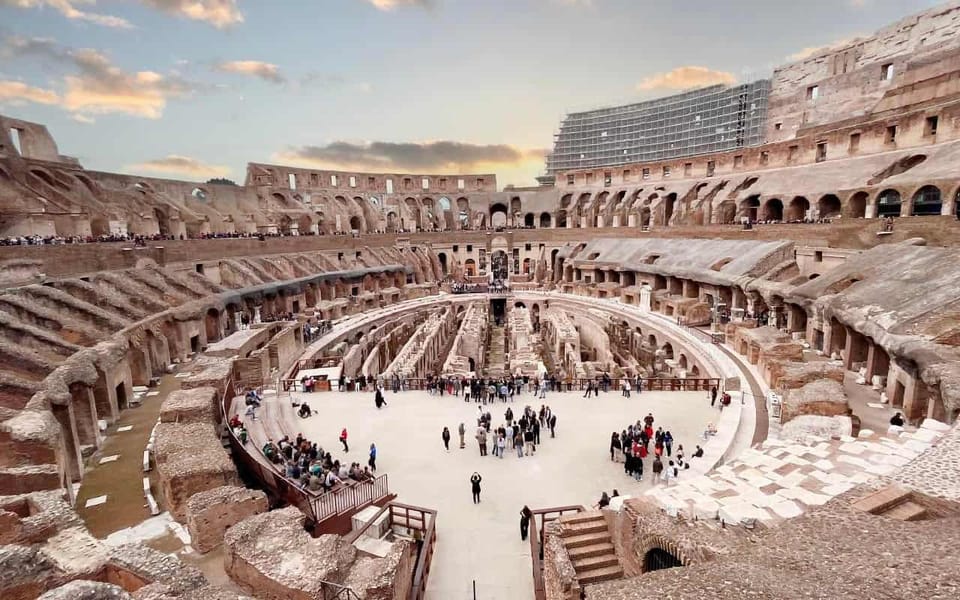
- Gladiators Gate route: you go beyond the usual viewpoint and follow the path tied to the performers’ entrance
- Arena floor priority access: the view changes completely when you stand where the action happened
- Small semi-private group (up to 6): easier questions and a smoother flow through security
- Expert English guide: the narration connects architecture, gladiator life, and imperial politics
- Arch of Constantine stop: the tour ends at another major monument, so your photos and context close nicely
Why the Gladiators Gate Changes the Colosseum
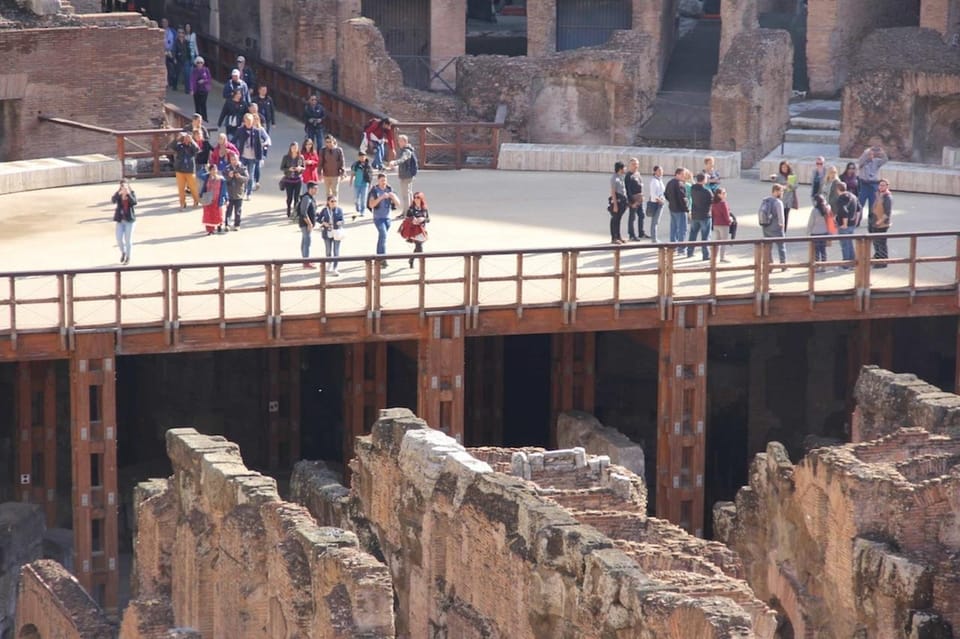
Most Colosseum visits teach you how to look up. This one teaches you how to look level—at the same ground the gladiators once stood on. That shift matters. When you step onto the Arena floor, you understand scale fast: the seating height, the sweep of stone, and how crowds would have framed the action. It is one of those rare moments where the site stops being a postcard and becomes a real arena.
The tour also goes through the Gladiators Gate, which gives the visit a storyline. You are not just touring ruins; you are walking a route that connects directly to the people the Romans came to watch. And because it is guided, you do not need to be a Roman history expert to follow along. You get explanations for what you’re seeing and why it mattered.
I’m especially drawn to tours that keep the group small. With a semi-private group of 6, the guide can slow down when questions pop up, and you are less likely to feel like you are being marched through. That is a big value difference compared with large groups where the timing becomes the whole experience.
You can also read our reviews of more guided tours in Colosseum

Meeting at the Colosseum Metro SOS Sign and Getting In
Logistics can make or break ancient-site days. This tour’s meeting point is specific, so you can start stress-free if you follow it exactly.
You meet in front of the SOS sign outside the Colosseum Metro station upper floor entrance, located in Largo Gaetana Agnesi. The station has both upper and lower entrances, and both have SOS signs—so you want the upper level. If you arrive early, you’ll have time to confirm you’re at the right side before the group funnels in.
From there, the tour begins at Piazza del Colosseo, 23, and the visit proceeds to the Colosseum. The key advantage is that you use skip-the-line tickets via a separate entrance and priority access. That is where a guided, timed tour earns its keep: security and entry at the Colosseum are not casual, and saving time lets you use your one-hour window where it counts.
One other practical point: all Colosseum tours require photo ID. Bring your passport or your ID card. A copy is accepted as well, but the safest move is to have your original documents with you and keep them easy to reach.
Stepping Onto the Arena Floor: What You’ll Actually See
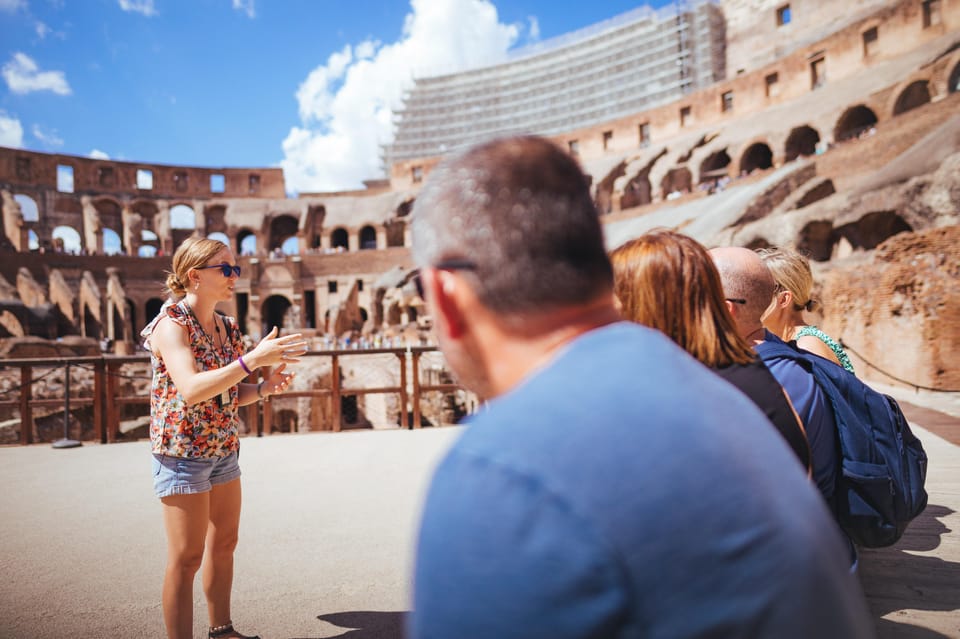
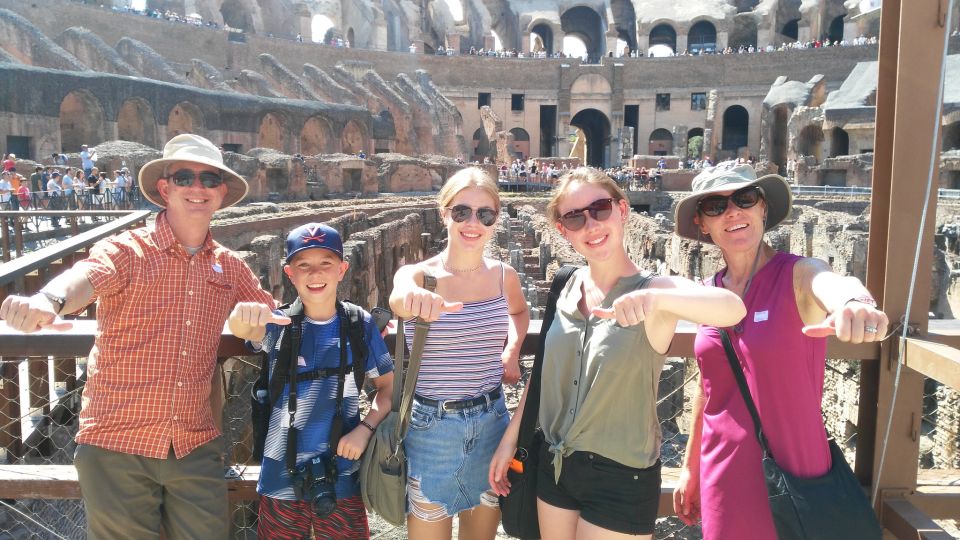
The highlight is straightforward: you step onto the Colosseum Arena floor with priority access. Even if you’ve seen the Colosseum from the ground before, the arena level is different. You see how the space funnels attention, and you can picture the performers arriving and the crowd reacting.
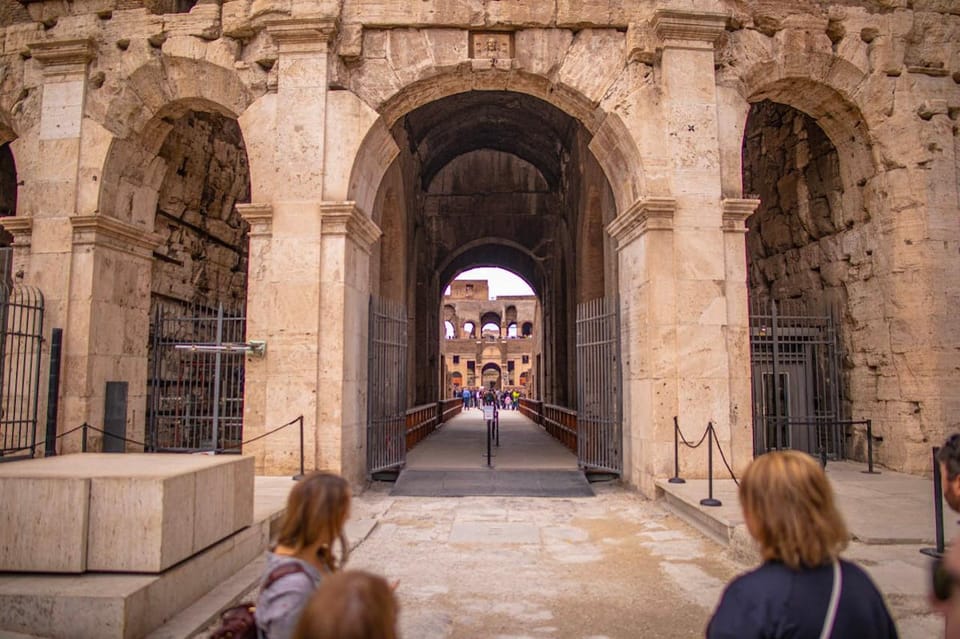
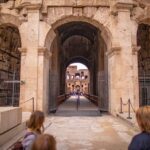
Your guided path starts with getting through security, then moving through the large arches into the heart of the amphitheater. Once you are on the floor, the guide helps you read what you’re looking at: the remains of the stands, the arena’s shape, and the feeling of being inside a machine built for public entertainment.
This is also why the tour length works. It is about 1 hour, focused on a sequence: enter smoothly, walk the arena floor, learn as you go, then move on. You are not stuck listening to a long lecture before you see anything. The explanations are tied to what you can look at right now, which makes them easier to remember.
And because the group is semi-private (6 people), the pacing tends to feel more “guided walk” than “queue survival.” You still have to stay moving—this is ticketed—but you get a better rhythm.
Gladiator Life and the Violence Spectacle You Can Picture
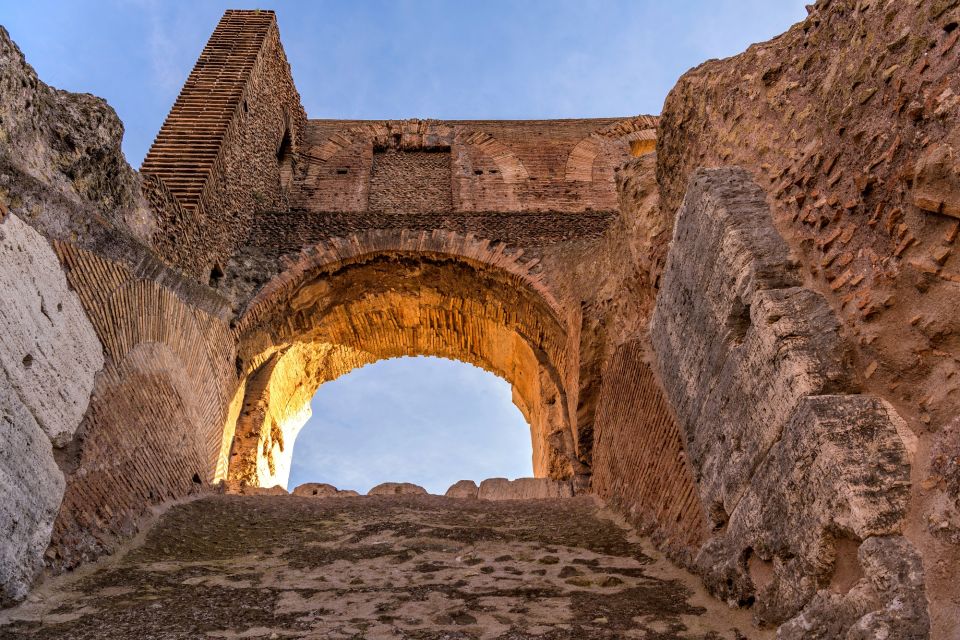
What I like most about this tour is that it doesn’t treat gladiators as generic warriors. You get specific themes that help you imagine everyday realities—training, equipment, and the kind of performance Romans expected.
On the arena floor, the guide covers:
- how gladiators trained and used combat techniques
- their dietary regimen for performance
- the design and function of armor and weaponry
- savage animal contests as part of the spectacle
- staged naval skirmishes, a dramatic twist meant to amaze crowds
These details matter because they turn the Colosseum from a single famous scene into a whole system of staged entertainment. You can look at the stone and then connect it to the human work behind the show: discipline, gear, and choreography. Without that, the arena is just an open space. With it, you get a clearer idea of why thousands would gather for a day of curated violence.
The story also reaches beyond fighters. You hear accounts involving emperors, slaves, vestal virgins, and celebrated gladiators. That broad cast helps you understand the Colosseum’s role in Roman society. It wasn’t only sport. It was power, religion, politics, and spectacle all mixed into one public event.
The Flavian Emperors and the Name Colosseo
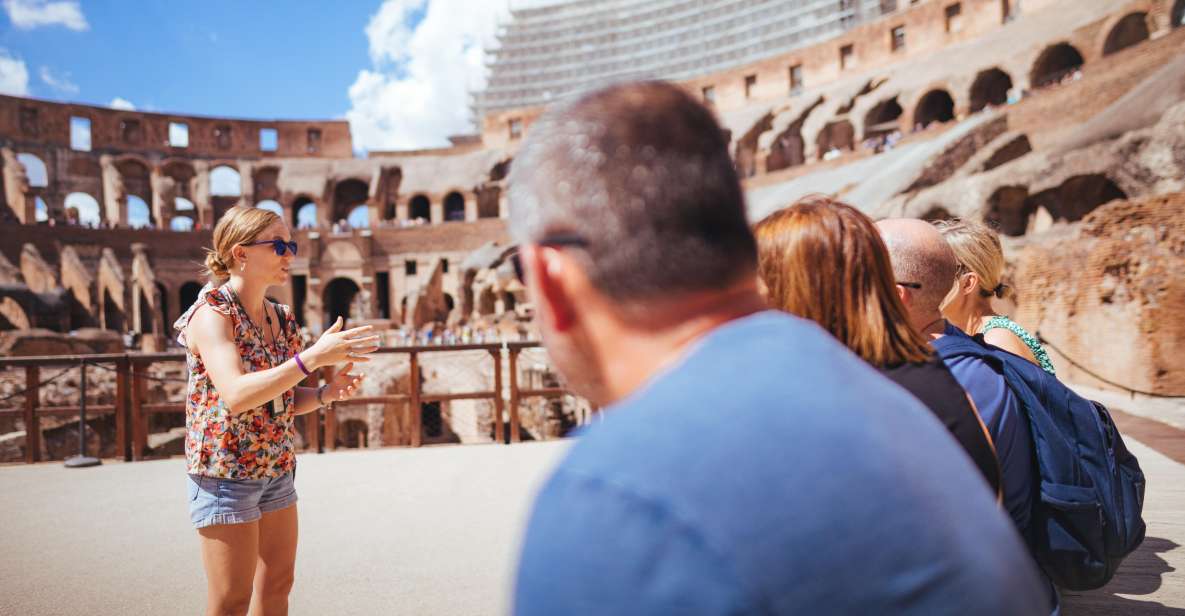
Architecture helps you date the place, and this tour gives you the dates that anchor everything. You learn that the Colosseum was constructed in the 1st Century AD under the Flavian Emperors—Vespasian, Titus, and Domitian.
You also get the explanation behind the name. The amphitheater was called Colosseo because it was near a massive golden statue associated with the sun god Apollo. That kind of detail is useful because it gives you a mental map: the Colosseum was not isolated. It lived in a larger urban and symbolic world.
While the arena floor provides the action, this historical framing makes the experience make sense. It answers the question you’ll likely have while standing there: how did this building fit into Rome’s larger story?
And it keeps the focus sharp. In just an hour, you’re not trying to cover every emperor and every battle Rome ever staged. Instead, you get the fundamentals that let you understand why this monument became such a lasting symbol.

Ending at the Arch of Constantine (and What to Do Next)
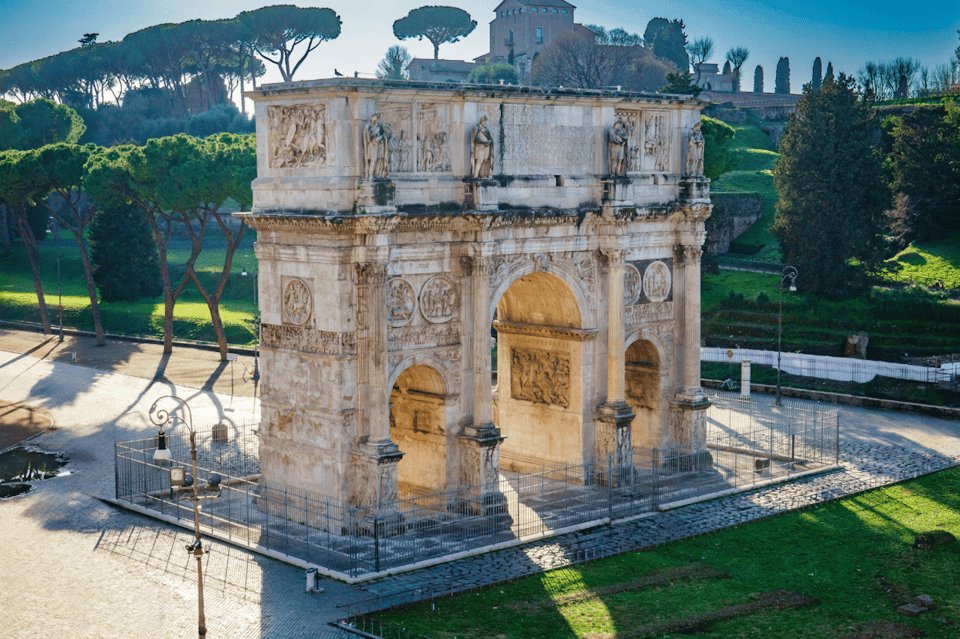
The tour’s finish is built for momentum: you end at the Arch of Constantine. This monumental arch was erected in 312 AD to commemorate Constantine the Great’s victory over Maxentius at the Battle of the Milvian Bridge. Even if you only glance at it at first, the arch reads like a message—Roman imperial ideology made stone.
The guide’s stop here gives you a clean bookend. You started with the Flavian era and gladiator spectacle, and you end with an emperor and a victory narrative. It helps connect the Colosseum to the broader idea that Rome liked to write its legitimacy into public monuments.
After the tour concludes, you are free to explore further—particularly the Roman Forum at your own pace. That matters because the Colosseum itself takes time, and many people want to keep going once they’ve understood what they came for. This tour gives you the spark; then you can decide how long to linger in the surrounding ruins and streets.
One practical note: although the guided visit ends at the arch, the activity overall is described as returning back to the meeting point. So you’re not left stranded—you’ll have a clear way to finish the experience and reset your plans.
Price and Value: Is $123.48 Reasonable?
At $123.48 per person, you are paying for more than a ticket and a guide. You’re paying for:
- priority access that helps you skip long waits
- arena floor priority entry, which most basic tickets do not provide
- an English-speaking expert guide who stitches together what you see with what it meant
If your goal is to stand on the Arena floor and learn while you’re there, this price can feel fair. The Colosseum is a high-demand site, and time spent in line eats into your day fast. When a tour protects your schedule and adds access, the cost is often less painful than it sounds at first glance.
If you’re the type who wants to explore at your own pace and read everything slowly, you might wonder if one hour is enough. But for most people—especially first-timers—this format is efficient and high impact. You get the signature experience (arena floor) and a strong historical walkthrough without turning the day into a marathon.
Also, the semi-private group of 6 helps justify the guide cost. It’s harder to replicate that kind of attention in a large-group tour.
Who This Tour Suits Best
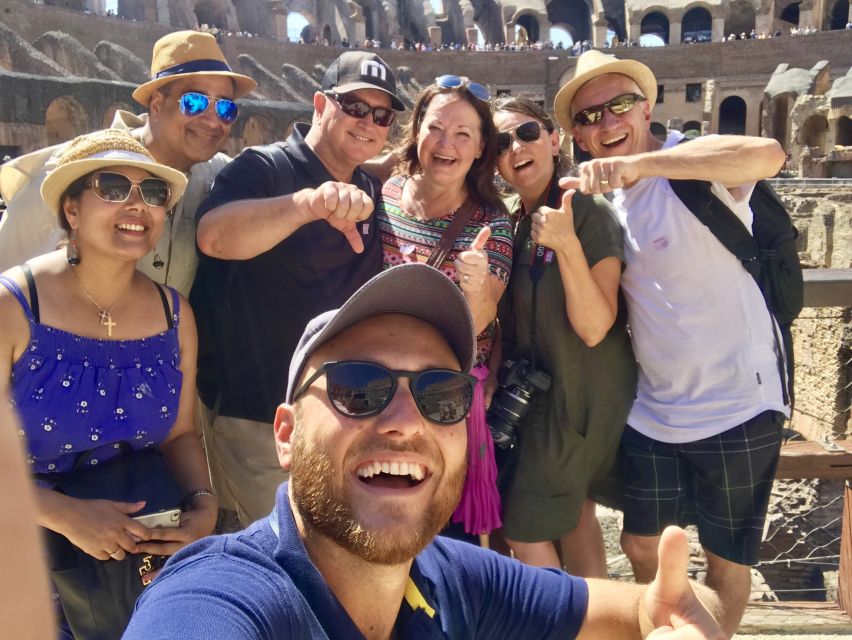
This tour is a smart match if you:
- want the Colosseum experience that includes stepping onto the Arena floor
- prefer small-group guidance rather than a big bus-style march
- like explanations that connect gladiators, emperors, and the public entertainment machine
- have limited time in Rome and want a focused, 1-hour visit
There’s also a practical takeaway from the guide style shared in past feedback: the pacing and storytelling can work well even if someone in your group has mobility challenges. You should still plan with realistic expectations—this is a walking site—but the tour is described as well paced for people who need a gentler rhythm than the typical frantic sightseeing sprint.
Should You Book the Colosseum Gladiators Gate & Arena Express Tour?
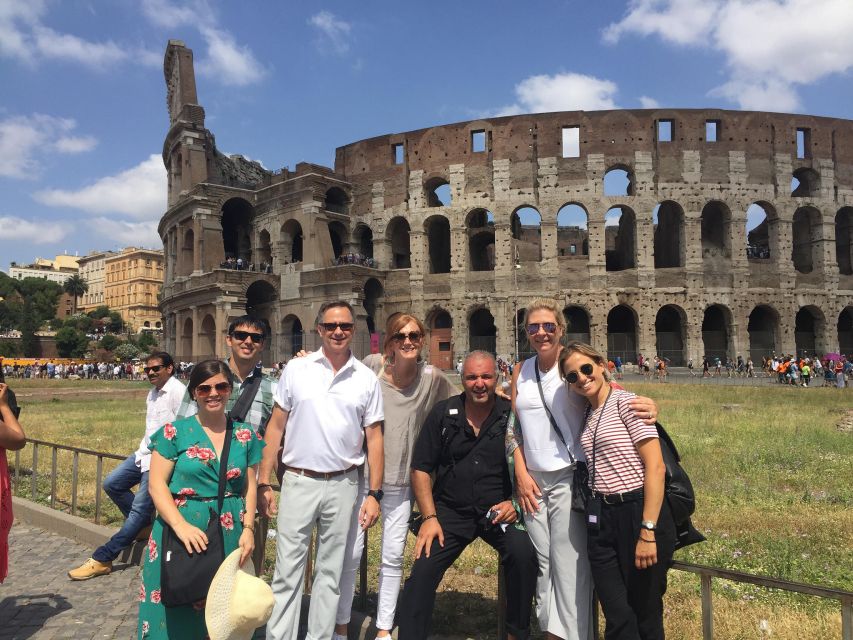
If you want a Colosseum visit that feels like you entered the story, book it. This tour’s value comes from access (Arena floor via Gladiators Gate) and time control (skip-the-line priority entry) paired with an English guide who explains what you’re seeing as you go.
The only serious reason to hesitate is the time box. With just 1 hour, you will not get an all-day, slow, museum-style experience. If you want to linger and explore every corner at length, consider pairing this with extra independent time afterward.
My recommendation: pick this tour when you care most about the signature arena view and you want to leave with understanding, not just photos.
FAQ
How long is the Colosseum Gladiators Gate & Arena Express Guided Tour?
The tour duration is 1 hour.
Where do we meet for the tour?
You meet in front of the SOS sign outside the Colosseum Metro station upper floor entrance in Largo Gaetana Agnesi. Make sure you are at the upper level.
Does the tour include skip-the-line entry?
Yes. The tour uses skip-the-line tickets via a separate entrance and includes priority access to the Colosseum.
Will I be able to access the Arena floor?
Yes. The tour includes priority access to the Arena floor.
What language is the guide?
The live guide is English.
What group size is this tour?
It is described as a semi-private group of 6 people.
What ID do I need to enter?
You must bring photo ID to guarantee entry. Passport or ID card is required, and a copy is accepted.
Where does the tour end?
The finish point is the Arch of Constantine, and the activity ends back at the meeting point.
Is food included?
No. Food and drinks are not included.
Is there a cancellation option?
Yes. Free cancellation is available up to 24 hours in advance for a full refund.
If you tell me your travel dates and whether you’re aiming for morning or afternoon, I can help you choose the best time slot strategy for the Colosseum.