REVIEW · FOOD
Roman Vegetarian Food Tour
Book on GetYourGuide →Operated by walkingourmet · Bookable on GetYourGuide
Vegetables get the star treatment in Rome. This Roman Vegetarian Food Tour turns seasonal produce into the main event, then adds big neighborhood flavor with stops around Campo de’ Fiori and the Jewish ghetto. I like that you’re not just eating sweets and snacks; you’re also hearing why this food makes sense for Rome, including the way wheat and street staples become craft.
Two things I’d highlight right away: the mix of savory bites (including Jewish-Roman specialties like artichokes) and the dessert-and-coffee lineup, especially the Sicilian patisseries and real Italian espresso. One consideration: it’s a 2.5-hour tasting tour with snacks and coffee, not an all-you-can-eat meal, and there’s no alcohol included.
In This Review
- Key things that make this tour worth your time
- Why vegetarian food feels especially Roman here
- Meeting near Giordano Bruno and walking into real neighborhoods
- The seasonal produce lesson: how Rome thinks about what to eat
- Savory stops: Jewish-Roman artichokes and classic Roman street flavors
- Pizza, wheat, and craft: why the starchy parts matter
- Sicilian patisserie in Rome: cannoli pistacchio and ricotta
- Gelato stop: how to spot real quality
- Cheese’n’Pear: a pairing that feels simple, then isn’t
- Espresso time: the real Roman coffee attitude
- What the guides get right (Vincenzo, Orso, Viola, Lana)
- Price and value: why $81 can make sense
- Who this tour is best for
- Should you book the Roman Vegetarian Food Tour?
- FAQ
- FAQ
- How long is the Roman Vegetarian Food Tour?
- Where does the tour meet?
- How much does it cost?
- Is the guide private?
- What group size should I expect?
- What languages are available?
- What’s included in the price?
- Are alcoholic beverages included?
- Is the tour wheelchair accessible?
- What are the cancellation and booking options?
Key things that make this tour worth your time
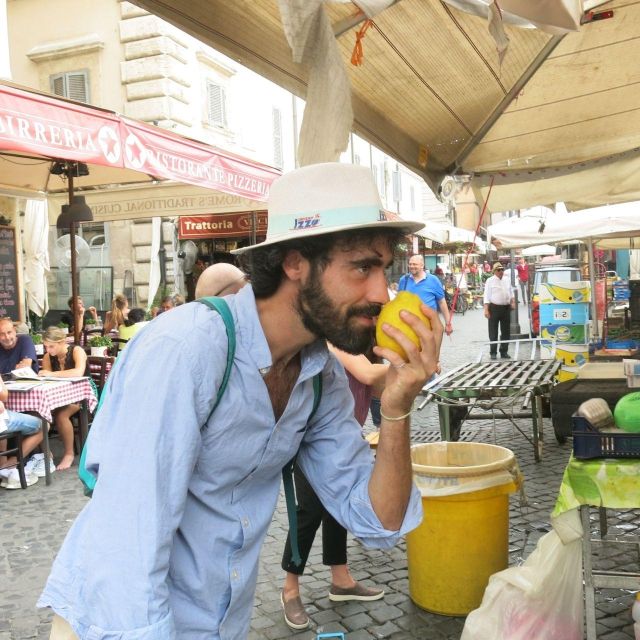
- Seasonal Roman focus: you’ll taste what fits the season in Lazio, not a random lineup
- Jewish-Roman flavor connections: you get specific cultural notes tied to dishes like artichokes
- Sicilian patisserie stops: you’ll try standouts like cannoli pistacchio and ricotta
- Cheese’n’Pear pairing: a simple-sounding combo that gets treated like a serious pairing
- Gelato and chocolate craftsmanship: you learn what to look for in Rome’s best-style sweets
- A guide who ties streets to food: expect context on neighborhoods and the meaning of what you’re eating
Why vegetarian food feels especially Roman here
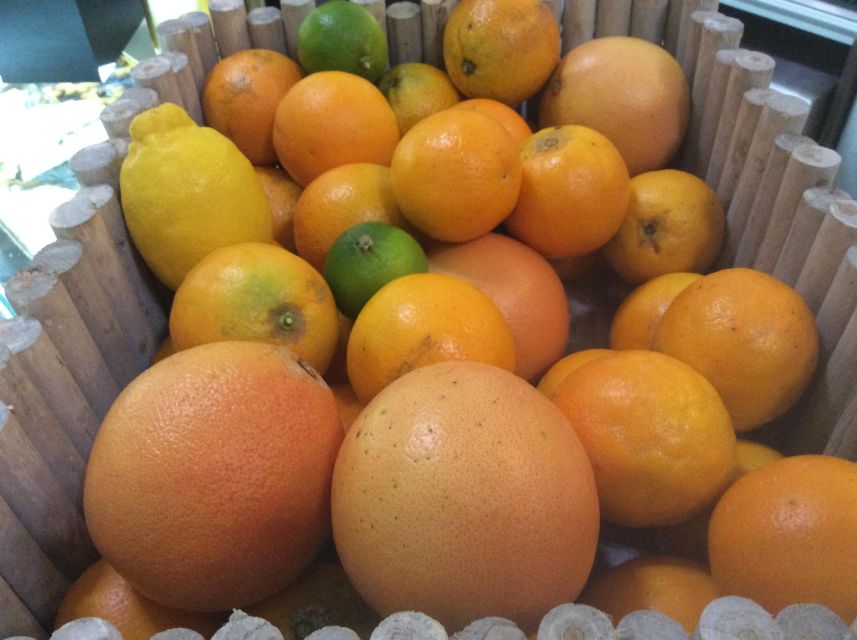
Rome is famous for meat, but that doesn’t mean vegetarian food is a compromise. The tour leans into a real part of Roman culinary logic: meat could be a weekly luxury, while vegetables and grains carried the everyday load. So you’re tasting a cuisine built on resourcefulness.
I like that the tour doesn’t treat vegetables as a side dish. You’re taught to see them as the center, with seasonal produce moving from market life to kitchen craft. That mindset makes even a simple bite feel purposeful, not random.
You can also read our reviews of more food & drink experiences in Rome



Meeting near Giordano Bruno and walking into real neighborhoods
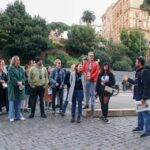
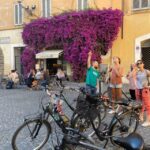
You meet at the Giordano Bruno statue area. From there, you’re on foot for about 2.5 hours, which is a sweet spot for tasting without turning Rome into a full-day workout.
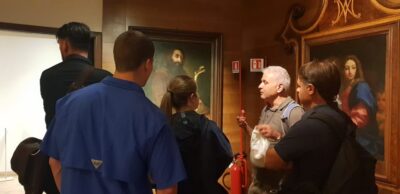
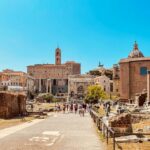
Expect the walking route to connect a few key Rome areas, including Campo de’ Fiori and the Jewish ghetto. In at least some runs, the guide also stops inside a few churches to look at art while the story stays attached to the neighborhood. It’s a smart way to break up the eating with something visual, and it helps you remember where you are.
The small group size matters here. With up to 10 participants, it’s easier to ask quick questions and keep the pace comfortable while you’re eating more than once.
The seasonal produce lesson: how Rome thinks about what to eat
One of the clearest themes is seasons. In December, for example, the guide’s commentary can shape the whole tasting menu around winter-appropriate ingredients. That’s a practical advantage for you: you go home knowing what to look for in markets later, not just what you ate on one afternoon.
Here’s what this kind of season-led tour does well:
- It gives context for why an ingredient tastes the way it does at that time of year
- It helps you compare flavors across stops, instead of treating each bite as separate
- It nudges you to notice textures and simplicity, not only sweetness
I also like that the tour connects produce to the bigger Roman table. You’ll see how wheat and staples are treated like craft, not just background carbs.
Savory stops: Jewish-Roman artichokes and classic Roman street flavors

The tasting list is vegetarian, but it doesn’t feel generic. You’ll encounter distinctly Roman-flavored items, plus cultural dishes that tell you something about how communities mixed food traditions in the city.
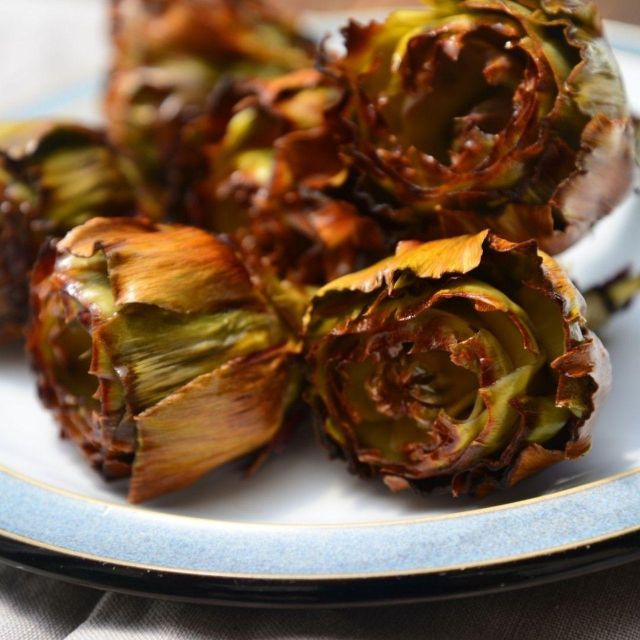
A key highlight is the Jewish-Roman artichokes. The tour frames them as a culinary fusion you can taste, which is exactly the kind of detail that turns food from entertainment into understanding. You’re not just learning names—you’re learning why the dish exists.
You may also see Roman-style favorites in the savory mix. One run includes things like Roman pizza rossa, suppli, and a fried zucchini blossom with cheese and anchovy. That tells you the guide isn’t avoiding flavor depth just because the tour is vegetarian-first.
If you’re worried about vegetarian-only being too light: don’t. This tour leans into bold Roman comfort food made without meat, so you still get that satisfying street-food feel.
Pizza, wheat, and craft: why the starchy parts matter
Roman food often gets reduced to myths and stereotypes, but wheat-based cooking is where the real skill shows. The tour talks about the transformation of wheat into an art form, which lines up with how Rome treats flour, baking, and dough.
In practical terms for you, this means you’ll pay attention to:
- the structure of dough and baked items
- how simple toppings work because the base is done well
- how texture changes across sweet and savory stops
If you’re a foodie who loves bread, pastry, or any dough-based food, this section is where the tour clicks into full gear.
You can also read our reviews of more tours and experiences in Rome
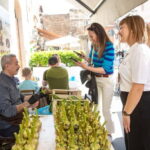
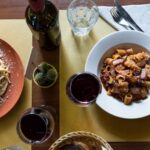

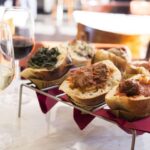
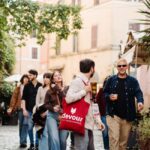
Sicilian patisserie in Rome: cannoli pistacchio and ricotta
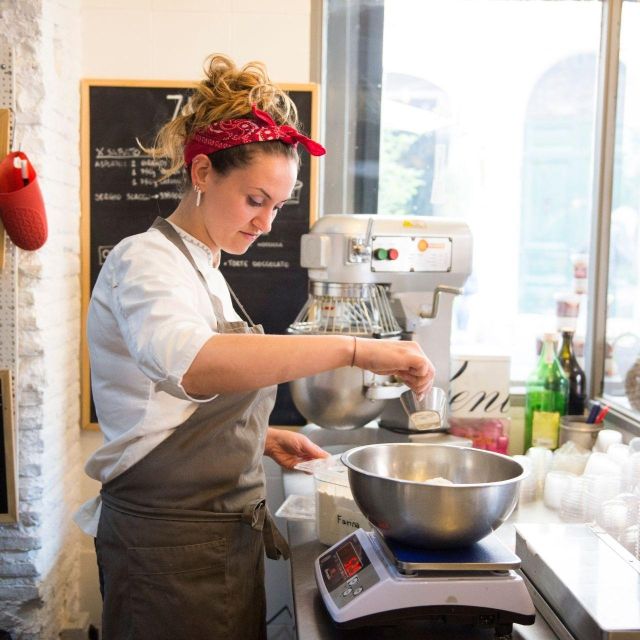
Then you hit the dessert zone, and it’s not an afterthought. The tour highlights the best Sicilian patisserie style, with standout sweets like cannoli pistacchio and ricotta.
Sicilian desserts in Rome can feel like a detour at first, but that’s the point. You get a broader view of Italian pastry craft without leaving the city’s walking-friendly core. And because the savory stops set up the meal first, the sweetness lands as a finish, not a distraction.
I like when a tour takes pastry seriously. Here, the focus stays on quality and technique—homemade-style chocolate also shows up later, not just store-bought desserts.
Gelato stop: how to spot real quality
The tour also includes a stop for the best gelateria in town, framed as a search for authenticity rather than hype. Gelato is one of those foods where people often “know they like it,” but don’t know why.
So you’ll taste, then you’ll learn what makes the texture and flavor work. That matters because you can repeat the skill later when you’re wandering on your own—knowing what to look for saves you from the watery stuff.
If you’re traveling in a group that includes a mix of sweet lovers and less-obsessed eaters, gelato is the one stop that keeps everyone happy without long waits.
Cheese’n’Pear: a pairing that feels simple, then isn’t
One of the more interesting callouts is the Cheese’n’Pear pairing. It sounds like a gimmick until you realize it’s built on contrast: fruit brightness next to cheese depth.
This is where the tour’s food education pays off. You get a pairing that helps you taste balance—salt, sweetness, and creaminess in the same bite. It’s the kind of pairing you can actually use later at markets and specialty shops.
And since the rest of the tour is about seasonal Roman thinking, pairing becomes part of that seasonal logic, not just a fun detour.
Espresso time: the real Roman coffee attitude
No Roman food review is complete without coffee. The tour includes real Italian espresso, described as bold and robust. You’re not just getting a caffeine break; you’re getting a flavor ending that matches the savory-sweet rhythm of the tastings.
Practical tip for you: if you’re sensitive to strong coffee, ask for a smaller drink when you’re ordering. The tour includes coffee/tea, so you’re not stuck with espresso if it’s not your thing. If you are a coffee person, this is likely the most satisfying finish to the whole walk.
What the guides get right (Vincenzo, Orso, Viola, Lana)
The best food tours sound like talking with a local who actually cares. In the guides listed from recent experiences—Vincenzo, Orso, Viola, and Lana—the common thread is clear: they connect the food to the streets and the neighborhoods.
You’ll hear history and context that stays attached to what you’re eating. One guide-style focuses on seasonal meaning and Roman legends you’d never pick up on your own. Another keeps the mix simple and direct: history behind the food, then a menu of small, tasty stops from artisan places.
This matters for value. A guided tasting can feel expensive if it turns into a long sales pitch. Here, the guide role stays practical—what you’re tasting, where it fits, and what to eat next while you’re still in Rome.
Price and value: why $81 can make sense
At $81 per person for 2.5 hours, the price is really about what you get, not just the clock time. This isn’t only a single snack. You get a private guide, plus snack items, coffee and/or tea, and bottled water.
Also, because alcohol isn’t included, you’re not paying extra for drinks you might not want. If you’re trying to keep your Rome food budget sane, that’s a plus.
The small group cap (10) also helps you feel less like you’re being herded. For many people, that experience quality is the real reason food tours cost more than random street eating.
Who this tour is best for
This tour fits you best if:
- you want Roman food lessons without hunting down restaurants
- you prefer vegetarian food that still feels deep and satisfying
- you like pastry and coffee as much as savory bites
- you enjoy walking and short story stops around specific neighborhoods
It’s also a good choice if you’re traveling with someone who likes structure. You get a planned route, tastings in a logical order, and recommendations at the end.
If you only eat very strict vegetarian (no anchovy, no anything fish-adjacent), you’ll want to clarify any ingredients right at the start. One described savory item includes anchovy alongside zucchini blossom, so ingredient checking is worth your time.
Should you book the Roman Vegetarian Food Tour?
Yes, you should book it if you want Rome that tastes like real daily life—vegetables, grains, pastry craft, and coffee—told through neighborhood storytelling. The blend of Roman classics with Jewish-Roman and Sicilian influences is a smart way to expand your palate without changing your travel plans.
Skip it (or at least ask a lot of ingredient questions) if you’re expecting a wine-soaked party vibe, or if you need a full sit-down meal. This is a tasting walk: fun, focused, and designed to leave you hungry for the next stop on your own terms.
FAQ
FAQ
How long is the Roman Vegetarian Food Tour?
It lasts 2.5 hours.
Where does the tour meet?
The meeting point is the Giordano Bruno Satue.
How much does it cost?
The price is $81 per person.
Is the guide private?
Yes. The tour includes a 100% private guide.
What group size should I expect?
It’s a small group limited to 10 participants.
What languages are available?
The live guide is available in English, French, German, Italian, and Spanish.
What’s included in the price?
Included are the snack, coffee and/or tea, bottled water, and the private guide.
Are alcoholic beverages included?
No. Alcoholic beverages are not included.
Is the tour wheelchair accessible?
Yes, the tour is wheelchair accessible.
What are the cancellation and booking options?
You can cancel up to 24 hours in advance for a full refund. You can also reserve now & pay later (pay nothing today).