REVIEW · APPIAN WAY BIKE & E-BIKE TOURS
Rome:Appian Way E-bike Tour with Catacombs, Aqueducts & Food
Book on GetYourGuide →Operated by ESBIKE TOURS & EXPERIENCES · Bookable on GetYourGuide
Rome’s quieter side runs on two wheels. This 5-hour Rome Appian Way e-bike tour pairs a catacombs visit with a countryside ride along the ancient road and into the Parco degli Acquedotti for aqueduct remnants, with a guide who keeps you informed and moving. I like that you’re not just getting views on a screen—you’re actually pedaling the same kind of routes Romans walked and marched. And with guides like Bruno and Sylvia leading groups safely, the day feels both adventurous and well handled.
Two things I really liked: first, the double-suspension CUBE PRO 120 electric mountain bike makes rougher, uneven tracks feel far more manageable than a basic e-bike. Second, the mix of underground history and outdoor Rome gives you variety in a single stretch—catacombs first, then ruins and water ways in open air. The food stop is also a genuine break, not an afterthought.
One drawback to plan for: some road segments can include stretches with more real traffic than you might expect from photos, so you’ll want at least basic-medium comfort riding and keeping pace with the group, especially if you’re used to calmer bike paths.
In This Review
- Key highlights to look for on this Appian Way e-bike day
- Why the Appian Way feels different on an E-bike
- The CUBE PRO 120 setup: comfort and control on uneven ground
- Catacombs first: San Callisto or San Sebastiano
- Pedaling the ancient route: Maxentius and Cecilia Metella
- Parco degli Acquedotti: aqueduct remnants you can actually feel
- Lunch or aperitivo: a real break, not a box-check
- What 5 hours on the move feels like
- Price and value: what you’re really paying for at about $96
- Who this tour suits best (and who should skip it)
- Should you book the Rome Appian Way e-bike tour with catacombs and aqueducts?
- FAQ
- How long is the Rome Appian Way e-bike tour?
- Which catacombs are visited on different days?
- Are catacombs included on holidays?
- What’s included in the tour price?
- What level of bike riding skills do I need?
- What should I bring, and is there a weather backup?
Key highlights to look for on this Appian Way e-bike day
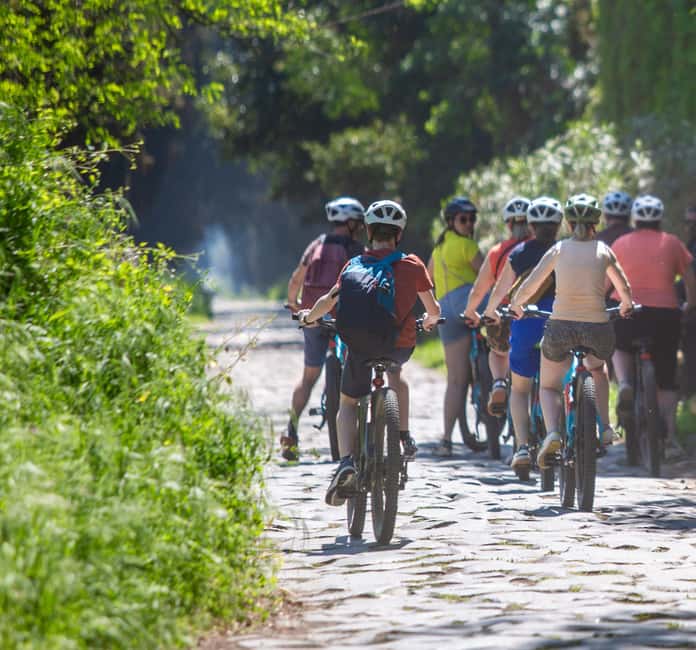
- Double-suspension CUBE PRO 120 for rougher ground and off-the-beaten-track sections
- Catacombs scheduling that changes by weekday: San Callisto most days, San Sebastiano on Wednesdays
- Parco degli Acquedotti riding among long-gone water infrastructure and dramatic ruins
- Classic Appian Way landmarks along the route, including the Villa of Maxentius and the Mausoleum of Cecilia Metella
- Lunch or aperitivo with local product tasting, plus the kind of Roman restaurant-style stop that feels like a reward
- Guides in multiple languages (English, French, Italian, Spanish) and a safety-first pace for small groups
Why the Appian Way feels different on an E-bike
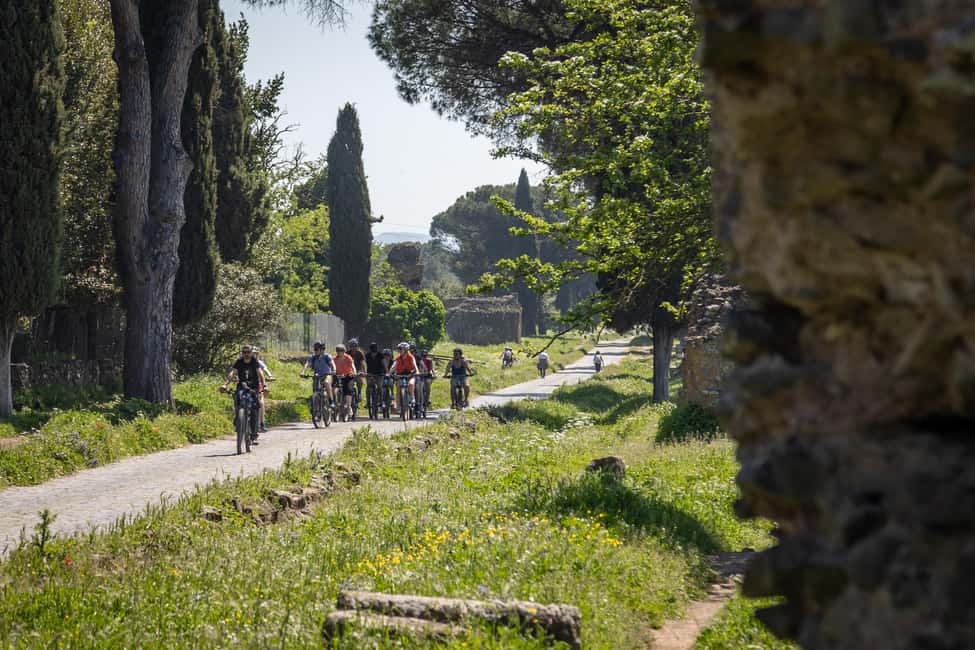
If you only do Rome inside the historic center, you’ll miss a big part of what makes the city special: its edge. This tour helps you slide from traffic and tour groups into something that feels older, slower, and more open. The Appian Way is famous for a reason, but the real magic is how quickly the atmosphere changes once you’re out of the center and onto the Natural Park stretches.
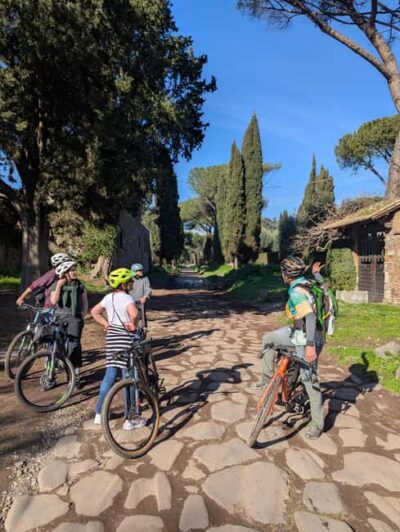
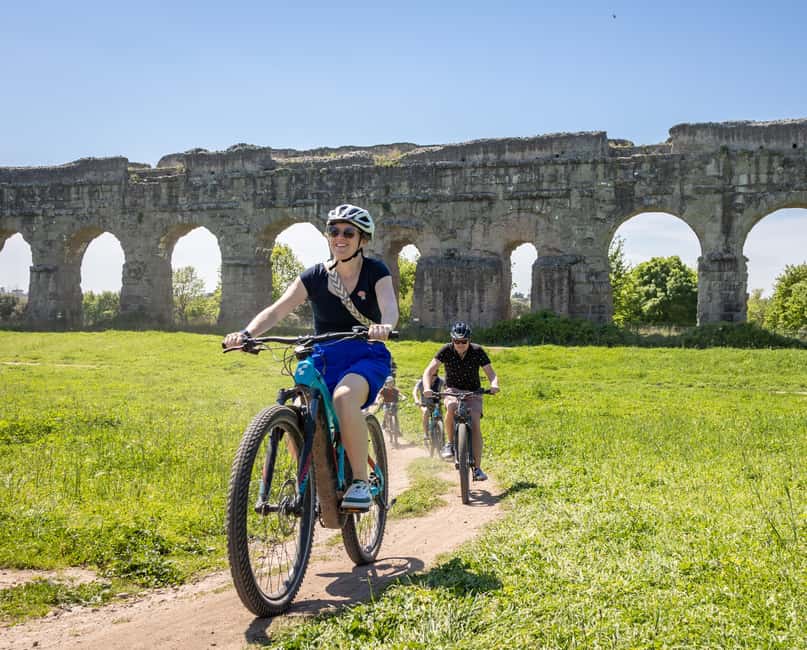
An e-bike changes the math. You still get the exercise and the sense of movement, but you’re not burning your legs fighting every bump. That matters because the route is not purely smooth pavement. You’ll be riding along countryside tracks and paths where a good suspension setup keeps the ride controlled and less exhausting.
And since you’re with a guide, you’re not left guessing what you’re looking at. You stop to see big pieces of the ancient world, but you also get the context that turns scattered ruins into one connected story.
You can also read our reviews of more food & drink experiences in Rome

The CUBE PRO 120 setup: comfort and control on uneven ground
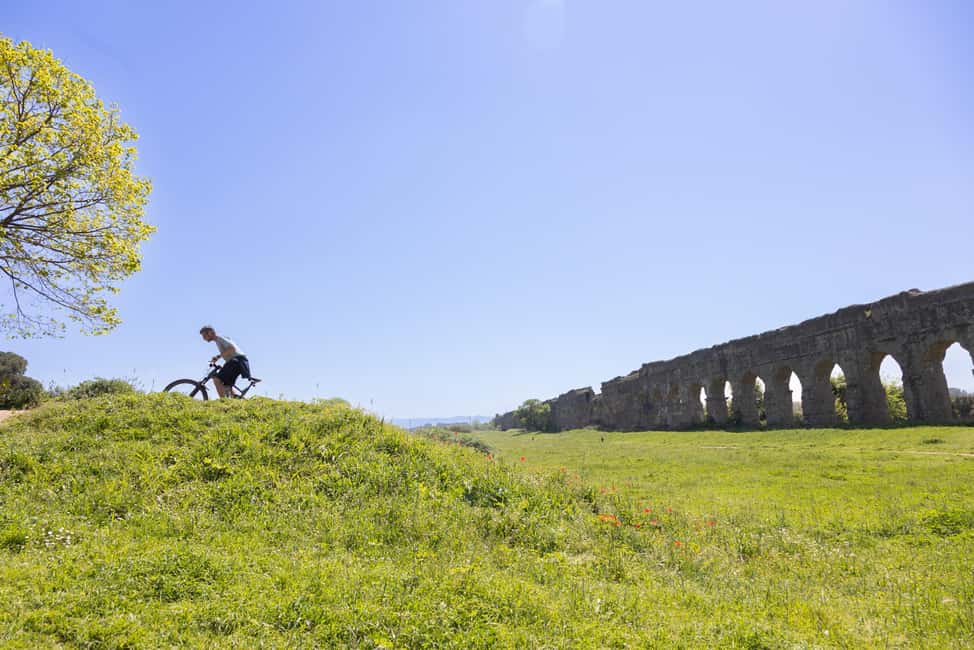
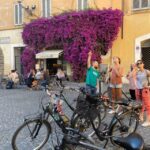
You’ll start by meeting your guide right outside the departure point and then getting matched with your bike. The tour provides a double-suspension CUBE PRO 120 electric bike (a full-suspension style setup). That’s not a luxury detail—it’s one of the most practical reasons this works well on the Appian Way.
Suspension helps when you hit:
- uneven ground or rougher tracks
- small ruts and texture changes you’d feel on a rigid bike
- the kind of surfaces that would make a normal rental feel tense
Before you go, wear comfortable clothes and plan for active riding. This tour asks for basic-medium bike riding skills because it includes off-the-beaten-track segments and countryside sections. If you can ride a bike confidently in real places—turning, braking, holding your line—you’ll be in the sweet spot.
Do also note the limits: it’s not suitable for children under 12, not for pregnant women, not for people who can’t ride a bike, and there’s a height cutoff of 150 cm / 4 ft 9 in. If any of those apply, it’s better to pick a different Rome day that fits your comfort level.
Catacombs first: San Callisto or San Sebastiano
The day kicks off with a catacombs visit, and the timing is part of the plan. Getting underground early helps you focus without rushing later in the ride. Entry tickets are included for the catacombs of Saint Callixtus / San Callisto.
Here’s the practical scheduling piece you should know:
- Monday, Tuesday, Thursday, Friday, Saturday, Sunday: you go to the catacombs of San Callisto
- Wednesday: you go to catacombs of San Sebastiano because San Callisto is closed
- The tour visits catacombs except on Christmas, Easter, and New Year
What you’ll get in the catacombs is a guided look into underground burial spaces. The experience tends to land with people because it’s not just a quick photo stop—you’re being walked through what you’re seeing and why it mattered. From the way guides like Sylvia handle things, it also sounds like the experience is managed to keep the group together and the explanations clear.
One good tip for mental prep: go in ready for something quieter and darker than the outside world. Comfortable shoes and a calm pace matter more than trying to sprint for photos.
Pedaling the ancient route: Maxentius and Cecilia Metella
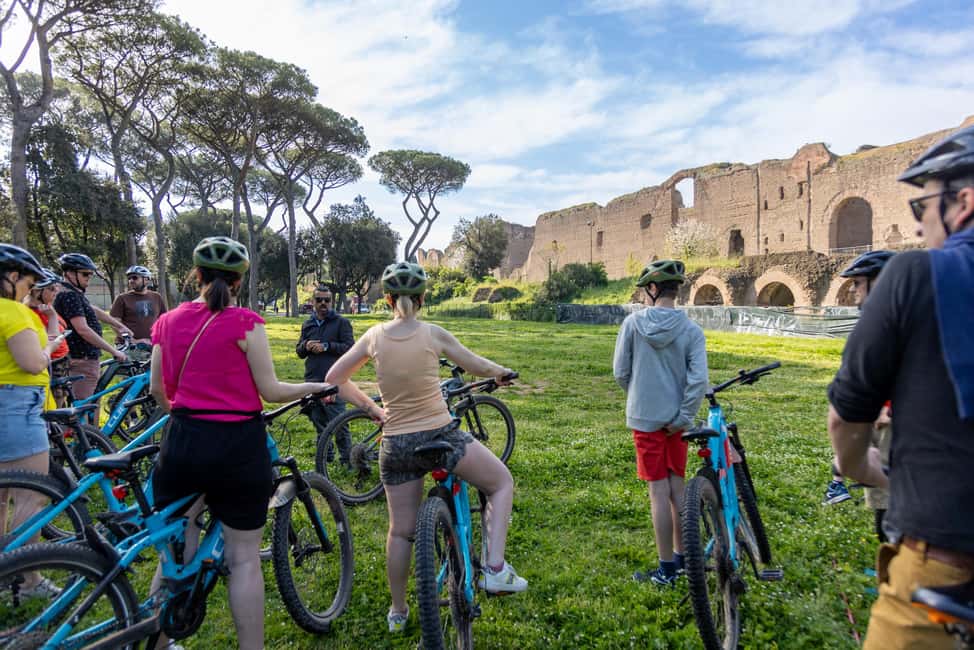
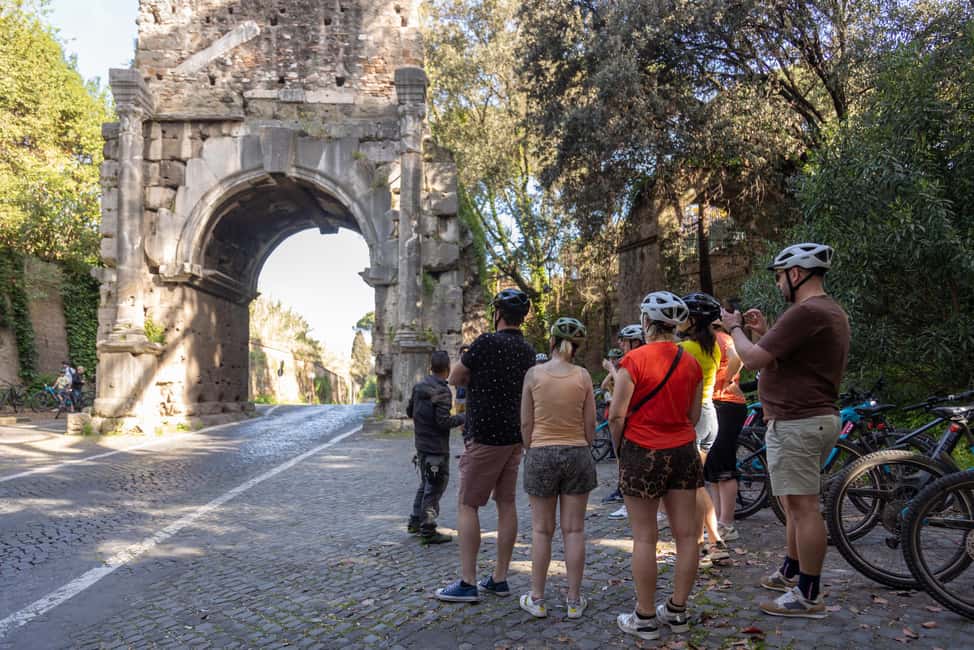
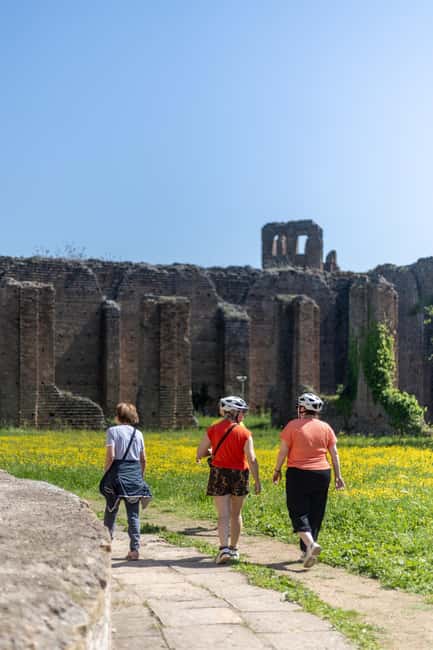
After the catacombs, the ride becomes the payoff: the Appian Way stretches out, and you start noticing how the modern world shrinks while ancient Rome stays visible in pieces. Along the way, you pass major sights such as the Villa of Maxentius and the Mausoleum of Cecilia Metella.
This is where the e-bike earns its keep. Those ruins are best seen slowly. From the saddle, you naturally move at a human pace—stopping when the guide tells you to, then rolling again when you’re ready. It’s a more physical way to take in the scale than standing still.
There’s also a reality check from rider feedback: some portions can include sections with real traffic rather than being entirely off-road and separated. Translation: if you’re brand-new to riding in Rome traffic, you should think twice. If you’re a steady city rider, the route is manageable—but it still needs attention.
When you keep that in mind, the ride feels like the best kind of Roman compromise: not a cramped museum day, not a long-distance bike trip where you’re wrecked by the end.
Parco degli Acquedotti: aqueduct remnants you can actually feel
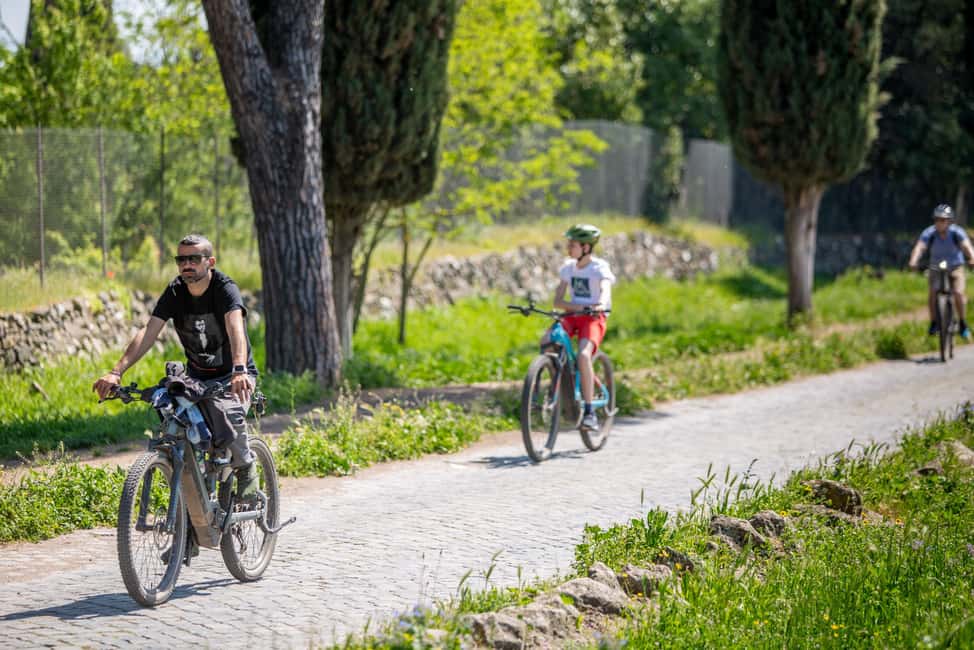
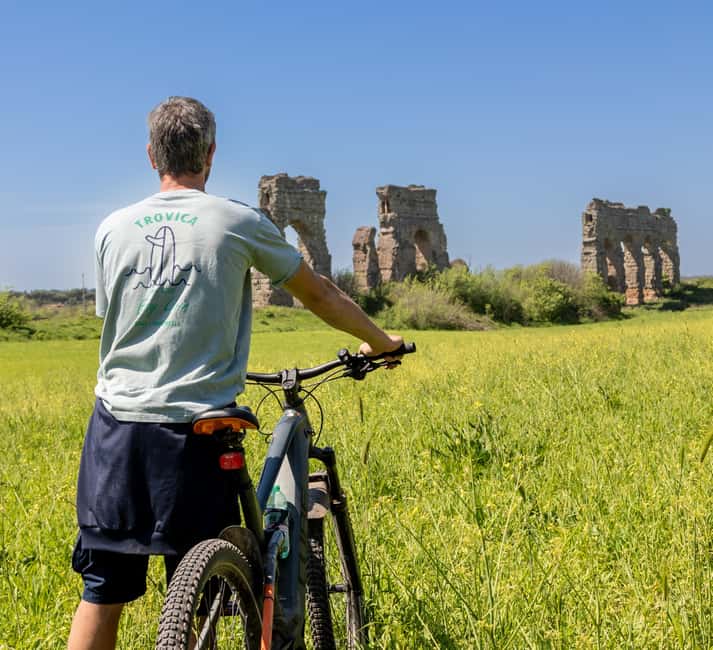
Once you’re in the Parco degli Acquedotti, the tour shifts into its most cinematic mode. These are the remnants of Rome’s aqueduct system, and seeing them in the park setting hits differently than looking at them from a distance in the city.
Here’s why this stop works:
- You get open-air views that make the aqueduct remains feel like infrastructure, not just “old walls.”
- The atmosphere tends to be calmer than the center, which gives your brain a break.
- Your ride supports the sightseeing. You’re moving along the park while you look, instead of stopping, starting, stopping again like a walking tour.
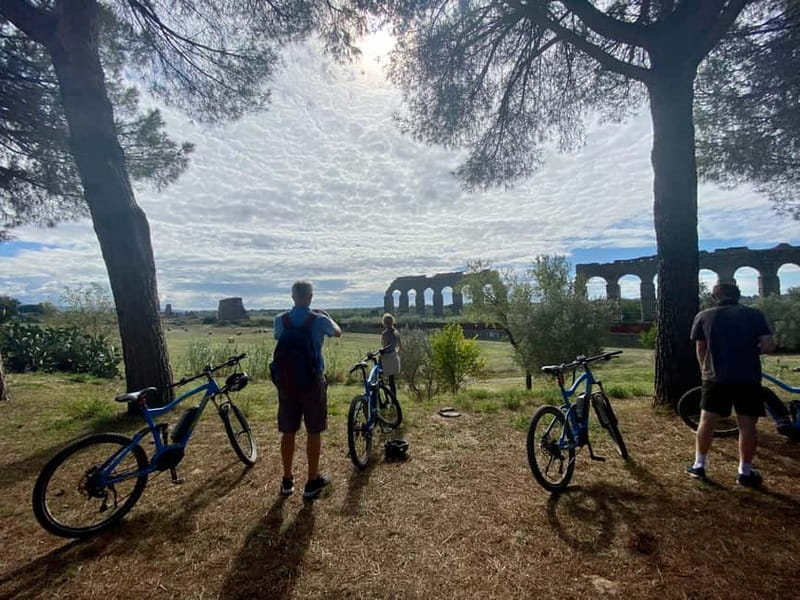
If you like the idea of Rome as an engineering story—how water, roads, and settlements connected—this part delivers. The aqueducts are also visually striking because they frame the landscape with geometry and long lines, even when only parts remain.
You can also read our reviews of more tours and experiences in Rome






Lunch or aperitivo: a real break, not a box-check
A big reason this tour scores high is that it doesn’t treat food as a vague “refreshment stop.” You’ll get a food tasting of local products either for lunch or an aperitivo, and the timing gives you a chance to recover from riding without losing momentum for the day.
Based on experience shared during the tour, the food stop can include items like meat, cheese, salad, and a small dessert. Some groups even mention an espresso-and-sambuca moment. It’s the kind of place where you sit down, taste local food, and feel like you’re part of a Roman day, not just passing through a checkpoint.
For value, this matters. If you tried to do this on your own, you’d spend time arranging transport, buying tickets, and finding a suitable countryside meal. Here, the day already has that built in.
What 5 hours on the move feels like
Five hours sounds short until you add: catacombs, a guided ride with stops, and food. Then it feels just right—long enough to feel like you got out of the center, not so long that the day turns into a grind.
Timing details you should plan around:
- The activity lasts about 5 hours (check availability for start times)
- You need to arrive 15 minutes before departure
- The tour will leave no later than 5 minutes after the departure hour
- It ends back at the meeting point
This “punctual but not aggressive” structure is helpful. You’re not spending your day waiting around, but you also aren’t being pushed into unsafe rushing.
Also, bad weather happens. The tour will be rescheduled or canceled if conditions are poor, so check the day-of reality if you’re booking near rainy or stormy forecasts.
Price and value: what you’re really paying for at about $96
At around $96.29 per person for a roughly 5-hour experience, this isn’t priced like a basic sightseeing walk. You’re paying for several things bundled together:
- a double-suspension electric mountain bike (not just a generic e-bike)
- catacombs entry tickets
- a multilingual live guide
- a local food tasting for lunch or aperitivo
If you priced that out separately—bike rental, guided time, underground entry, and a proper countryside meal—you’d likely spend more once you factor in time and coordination. This is the kind of day where the cost makes sense because it removes friction.
That said, it’s worth being honest: this is best value when you actually want the combination. If your top priority is a slower, indoor-only day, you might not get your money’s worth from the riding component.
Who this tour suits best (and who should skip it)
This is a strong fit if you want:
- an active day with history outside the city center
- a ride that makes rougher paths more comfortable through full suspension
- a guide-led route that shows you landmarks like Maxentius and Cecilia Metella
- a catacombs visit plus aqueduct park time in one compact schedule
It’s not a good fit if:
- you can’t ride a bike comfortably
- you’re under 12 years old, over your comfort limit for active days, or under 150 cm
- you’re pregnant (listed as not suitable)
- you dislike any sections where you might encounter real traffic during transitions
Also, pick a morning or an easier weather window if possible. Several rider notes point to the ride feeling best in comfortable conditions, because you’re outdoors for a good chunk of the day.
Should you book the Rome Appian Way e-bike tour with catacombs and aqueducts?
I’d book it if your Rome wishlist includes one or more of these: catacombs, aqueducts, and getting out of the noise. The CUBE PRO 120 bike setup is a big part of why this tour feels doable, even on uneven ground. And the itinerary logic makes sense: start underground, then pedal into the open-air parts of ancient Rome that people often skip.
Skip it if you want only traffic-free paths, or if you’re not comfortable keeping pace with a group. Also skip it if you’re hoping for a purely leisurely ride—this is a guided, active day.
If you’re a reasonably confident rider, though, this is one of the smarter ways to do Rome that doesn’t feel like everyone else’s route.
FAQ
How long is the Rome Appian Way e-bike tour?
The tour lasts about 5 hours. Start times vary, so you’ll need to check availability for the exact departure schedule.
Which catacombs are visited on different days?
On Monday, Tuesday, Thursday, Friday, Saturday, and Sunday the tour goes to the catacombs of San Callisto. On Wednesday it visits the catacombs of San Sebastiano because San Callisto is closed.
Are catacombs included on holidays?
Catacombs are not visited on Christmas, Easter, and New Year.
What’s included in the tour price?
The package includes a double-suspension CUBE PRO 120 electric bike, entry tickets to the Catacombs of Saint Callixtus, a multilingual guide, and a food tasting for lunch or an aperitivo.
What level of bike riding skills do I need?
The tour requires basic-medium bike riding skills because it takes place off the beaten track and in the countryside. It’s not suitable for people who can’t ride a bike.
What should I bring, and is there a weather backup?
Bring comfortable clothes. If weather is bad, the tour will be rescheduled or canceled.