REVIEW · FOOD
Rome: Eat Like a Roman Ghetto & Campo de’ Fiori Food Tour
Book on GetYourGuide →Operated by Hili srl · Bookable on GetYourGuide
Rome’s alleys come with a menu. On this Campo de’ Fiori and Jewish Ghetto street-food walk, you get Roman favorites like supplì and pizza, plus famous Carciofo alla Giudia. I love how the food stops feel practical (you’re fed, not lectured), and I love the way the guide links dishes to what happened in these streets.
One thing to plan around: it’s not suitable for vegans and it’s not for gluten intolerance, and drinks aren’t included. If you’re good with fried, cheesy, and classic Roman flavors, though, this tour makes a fun start to your trip.
In This Review
- Quick hits
- Starting at Piazza di San Simeone: your Roman bite-sized orientation
- Campo de’ Fiori (morning only): market energy and real ingredients
- Supplì and pizza: why these are more than just snacks
- The route between stops: Teatro Marcello, Passetto del Biscione, and more
- Jewish Ghetto time: fried artichokes and the Portico d’Ottavia area
- Julius Caesar’s end at Largo di Torre Argentina
- Gelato finale at Gunther Gelateria: end sweet, not sleepy
- Price and value at around $36: what you’re really paying for
- Who should book this Rome food tour (and who might skip it)
- Practical tips to get the most from your 2.5 hours
- Should you book this Rome street-food and Jewish Ghetto tour?
- FAQ
- How long is the Rome: Eat Like a Roman Ghetto & Campo de’ Fiori Food Tour?
- Where does the tour start?
- What food tastings are included?
- Does the tour include a visit to Campo de’ Fiori?
- Is the tour suitable for vegetarians?
- Is the tour vegan-friendly?
- Is it suitable for people with gluten intolerance?
- Are drinks included?
- Is the tour guided, and what language is it in?
- Is this tour wheelchair accessible?
Quick hits
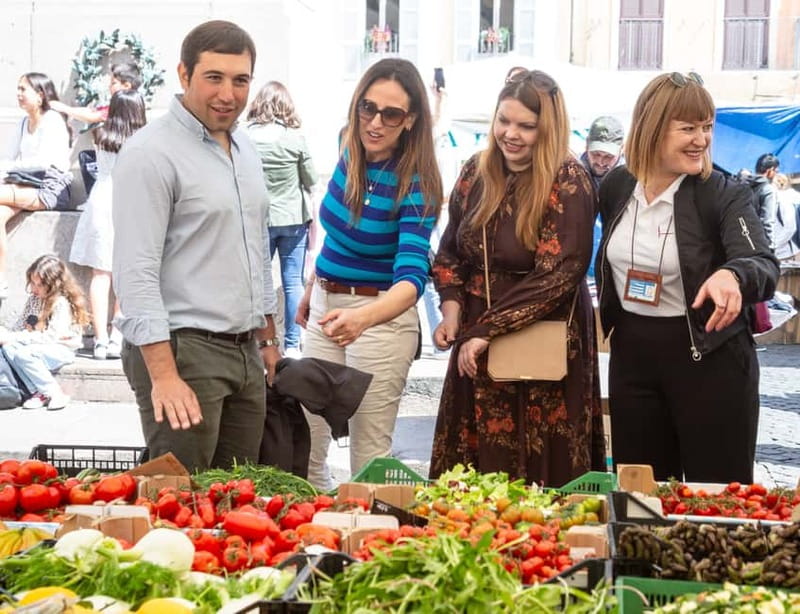
- Five food tastings that actually fill you up during a 2.5-hour walk
- Campo de’ Fiori market morning stop on morning departures only
- Jewish Ghetto classics including fried artichokes (Carciofo alla Giudia)
- History built into the route, with stops near major Roman sites
- Gelato finale at Gunther Gelateria, timed as a sweet ending
- Vegetarian options available, but not vegan-friendly
Starting at Piazza di San Simeone: your Roman bite-sized orientation
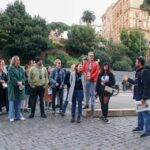
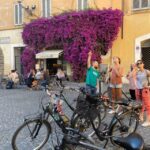
The tour begins at the fountain in the center of Piazza di San Simeone. That matters more than it sounds: you start in the city center area, so you’re not spending your limited time on transit. In about 2.5 hours, you cover food stops and key sights in a way that’s easy to repeat later on your own.
Right away you’ll start walking. You pass a few notable sights along the way, including the Chiostro del Bramante area. It’s the kind of route that helps you understand how these neighborhoods stitch together, instead of seeing Rome as separate postcards.
You can also read our reviews of more food & drink experiences in Rome


Campo de’ Fiori (morning only): market energy and real ingredients
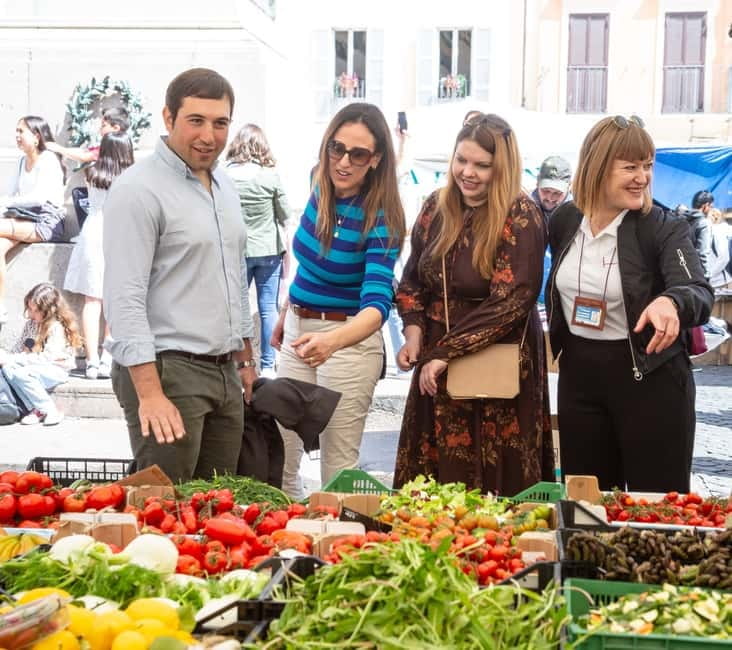
If you book a morning tour, one of the best parts is the stop at the Campo de’ Fiori market and a local fruit market. This is where the tour earns its keep. You’re not just eating; you’re seeing where food culture starts, and you’re picking up a sense of what Romans buy and cook with.
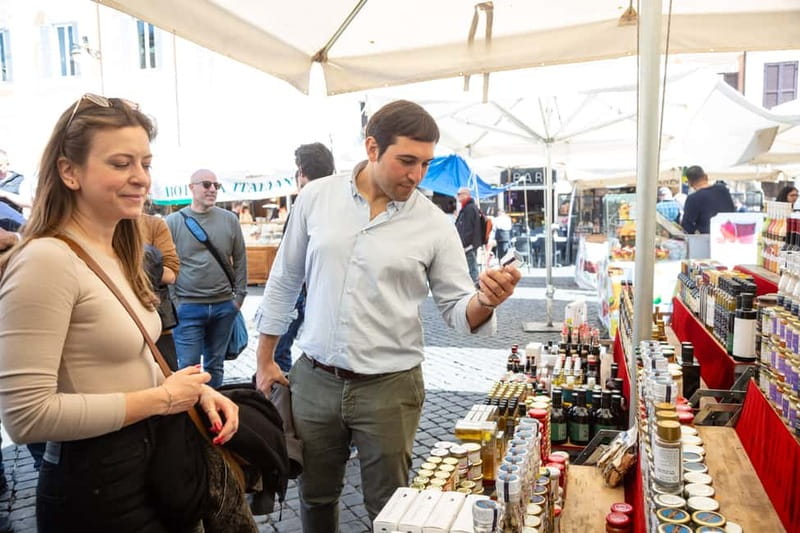
On morning departures, you may also taste olive oil, truffle, and vinegar. That trio is a smart setup for understanding Roman flavors, because it’s not just about heat and cheese. It’s about acidity, fragrance, and finishing touches that make simple bites feel intentional.
Then the tour transitions from market to street food. You’ll taste panini with porchetta, which is a very Roman move: pork, salty goodness, and a bread format that fits into the rhythm of a walk. If you’re used to eating on a schedule, this tour trains you to eat like Rome does—quick, social, and right where you are.
Supplì and pizza: why these are more than just snacks
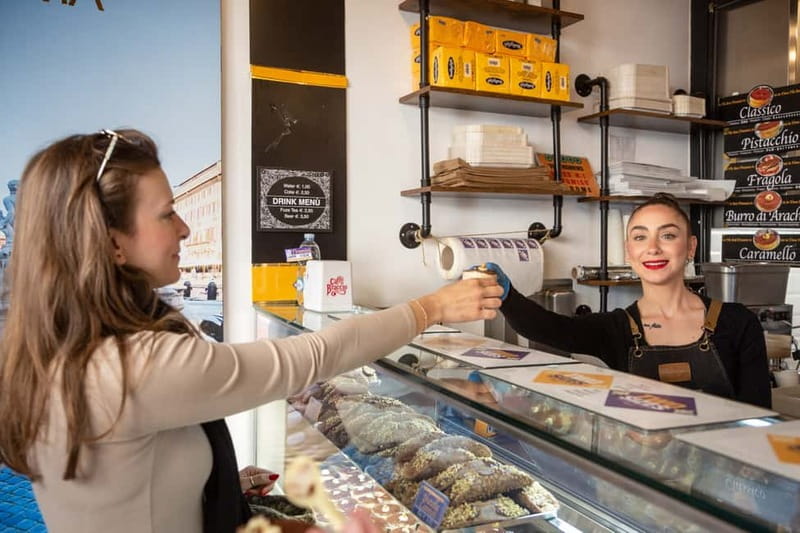
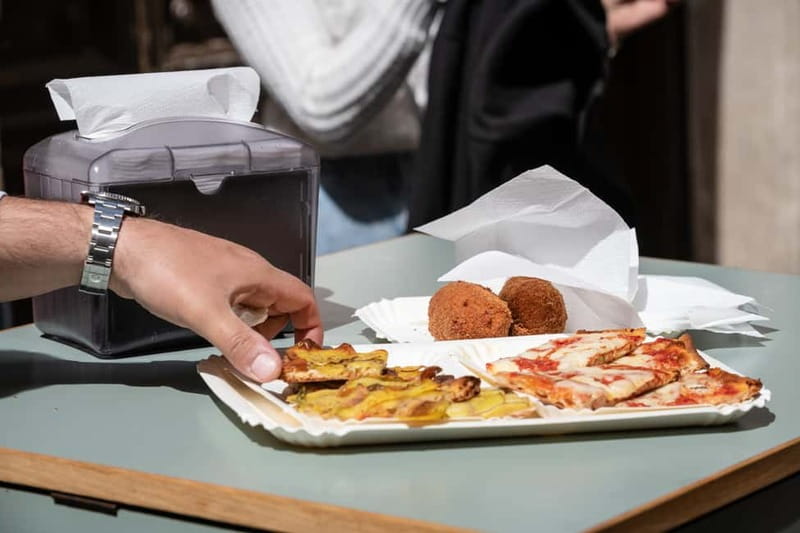
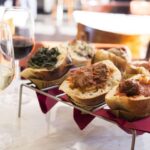
One of the tour’s strengths is that it focuses on foods you’ll actually want to seek out again after you leave. Supplì shows up early in the lineup: a deep-fried rice ball with a crispy shell. It’s the kind of bite that makes sense in Rome because it’s portable, forgiving, and built for street eating.
Next comes Roman-style pizza. This isn’t fancy sit-down pizza. It’s the kind of slice that belongs in the middle of a day of walking, with enough structure to eat with one hand while you listen to stories with the other.
You’ll also get context for how these foods became everyday classics. Guides on this tour often do a great job explaining the difference between Roman staples and broader Italian food patterns, which helps you avoid ordering the same thing everywhere. If you like tasting your way through a place, this is the right approach.
The route between stops: Teatro Marcello, Passetto del Biscione, and more
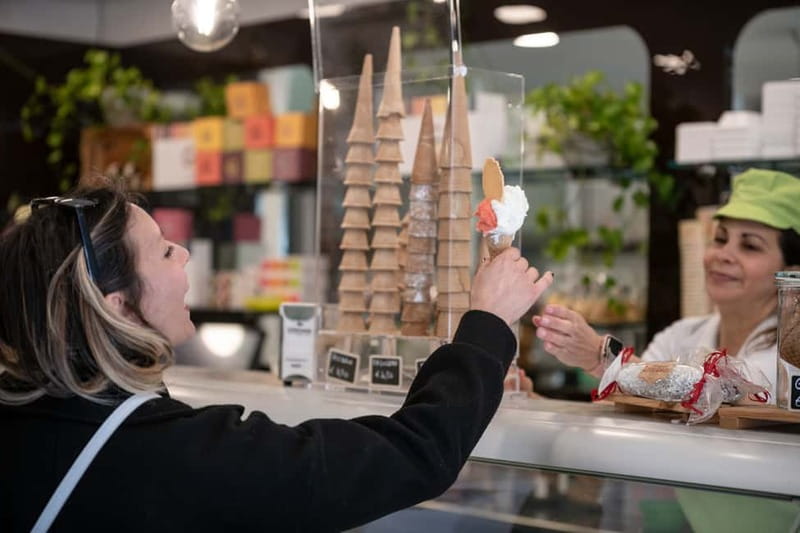
The walk isn’t random. It’s built to connect food with place. Along the way, you’ll pass or see sights tied to how Rome developed over time, including Teatro Marcello and Passetto del Biscione. You don’t need to be a Roman-studies major to get it; you just need a guide who can turn street corners into useful context.
There are also a few shorter pass-by moments and one or two quick photo-friendly stretches. Even when the tour isn’t stopping, it gives you landmarks to anchor your memory. That’s practical because Rome has a way of blurring together after a few days.
And yes, you’ll keep moving between neighborhoods. That walking rhythm is part of why the 2.5-hour timing works. You’re always either eating or about to eat, and the history pieces land right when your brain is ready for them.
Jewish Ghetto time: fried artichokes and the Portico d’Ottavia area
The Jewish Ghetto segment is the emotional and culinary center of the tour. You’ll spend time in the Jewish Ghetto and see landmarks such as Portico d’Ottavia. The guide brings the area to life with stories tied to culture and food traditions, and it doesn’t feel like a textbook stop.
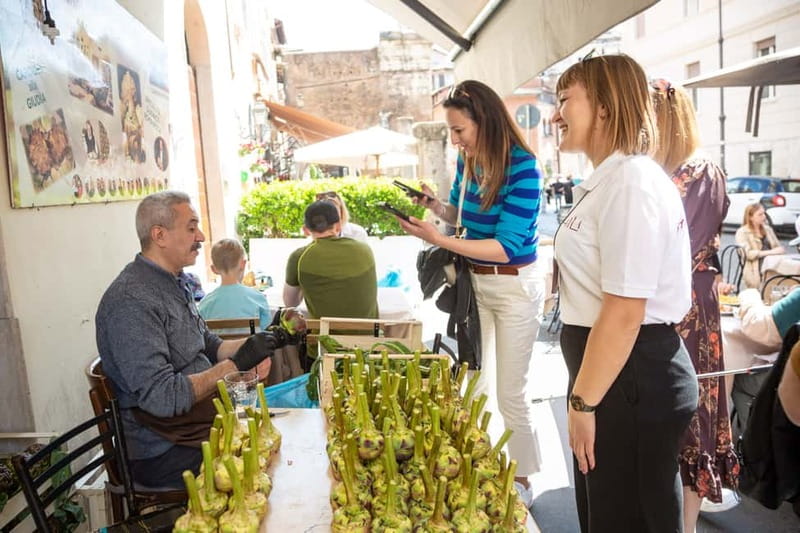
Most importantly, you’ll taste fried artichokes (Carciofo alla Giudia). This is the signature dish that makes the tour worth it even if you’ve done other food walks. The flavor is concentrated and a bit dramatic: crisp outside, tender inside, and definitely not a snack you can recreate from a supermarket pantry.
If you’re curious about why certain dishes belong to certain communities, this stop gives you a framework. It’s not just fried food; it’s a way of understanding how people cook and celebrate within a shared history.
You’ll also pass by Piazza and Passetto del Biscione earlier on the route and later see other neighborhood details tied into the walk. One of the consistent themes from guides is that they connect these streets to real events and cultural shifts, instead of just pointing and moving on.
You can also read our reviews of more tours and experiences in Rome

Julius Caesar’s end at Largo di Torre Argentina
Near the end of the walk, you’ll reach Largo di Torre Argentina, famous for the site connected with the assassination of Julius Caesar. The tour doesn’t linger long here, but it gives you enough story to understand why this spot keeps turning up in Rome conversations.
This is the kind of stop where a good guide changes how you look at the city. After you hear the context, you’ll walk away with a mental map, not just a list of attractions. And since you’re already full from tastings, you can take in the square without that mid-afternoon hangry spiral.
If you’re the type who enjoys history but hates long museums, this is a strong compromise: short, meaningful, and tied to the same route as your food.
Gelato finale at Gunther Gelateria: end sweet, not sleepy
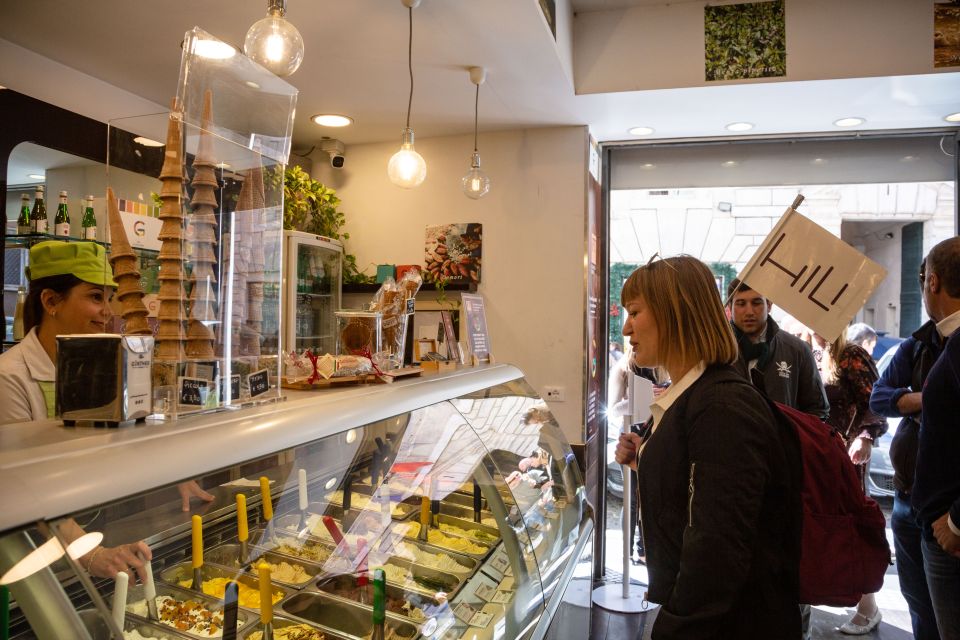
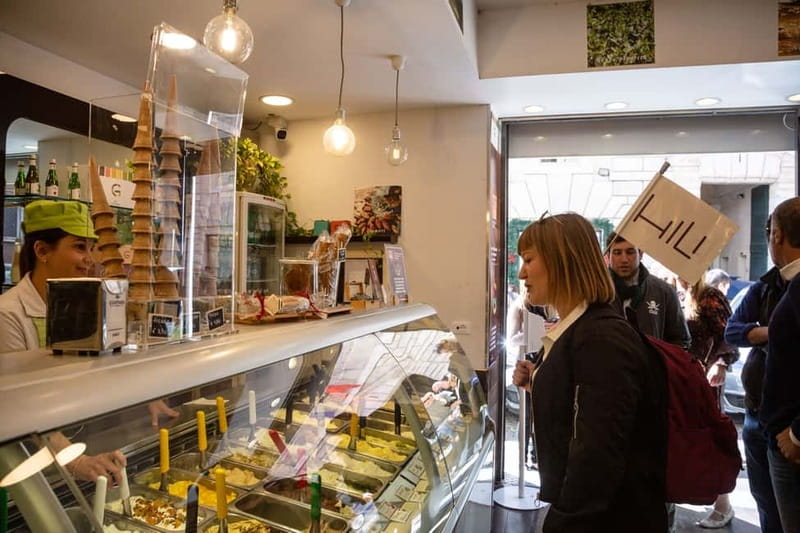
At the end, you’ll head to Gunther Gelateria for dessert—artisanal gelato as the final tastings. This is timed well. You’ve walked a bunch, you’ve tasted the salty and fried stuff, and then you get something clean and cooling to reset your palate.
It’s also a smart ending location for planning the next step of your day. You finish back around central meeting area zones, so you can keep exploring without feeling stranded. If you want to continue eating after the tour, you’ll be better at spotting good gelato and street-food choices because you’ve already tasted what matters.
Price and value at around $36: what you’re really paying for
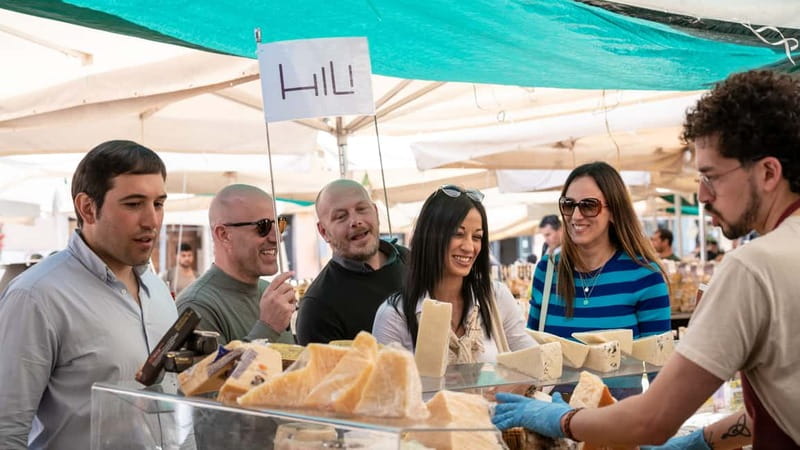
At $36 per person for a 2.5-hour guided walk, you’re paying for three things: a local guide, multiple tastings, and a route that connects food with specific neighborhoods. The tour includes five delicious food tastings, plus a visit through Campo de’ Fiori and the Ghetto area.
What’s the value angle? You’re not paying for a long sightseeing bus tour. You’re paying to eat in places you might miss and to learn what to try next. And the guide part is real here: the top feedback you’ll hear about this experience is how guides add stories in a way that stays friendly and useful, not stiff or dramatic.
It’s also good to notice what’s not included. Drinks aren’t included, so if you like water or coffee, plan for that separately. If you have dietary needs, plan carefully too, because the tour is not suitable for vegans and not suitable for people with gluten intolerance.
Who should book this Rome food tour (and who might skip it)
This tour is a great match if you want:
- Roman street food you can’t easily recreate at home
- A guided route that includes both Campo de’ Fiori and the Jewish Ghetto
- History moments tied to real places, including Largo di Torre Argentina
- A food plan that works well for families and mixed-age groups
It may be less of a match if:
- You’re vegan (the tour is not suitable)
- You need a gluten-free option (it’s not set up for gluten intolerance)
- You’re traveling with very strict allergies and you don’t want to confirm ingredients with the guide ahead of time
If you’re vegetarian, you should be in good shape because vegetarian options are available—just make sure you tell your guide about dietary needs so the tastings match what you can eat.
Practical tips to get the most from your 2.5 hours
First, book this tour early in your trip. It helps you learn what to look for when you’re eating on your own later. After the tour, you’ll know how Roman flavors tend to show up in the places around you.
Second, if you want the market and the olive oil/truffle/vinegar tasting, choose a morning departure. Those add-ons don’t show up on later departures, so timing can change the experience.
Third, wear comfortable shoes. The route is mostly on foot, and you’ll be moving between a lot of small stops. This isn’t a slow dinner crawl; it’s a focused walk with tastings.
Finally, if you have allergies or dietary restrictions, let the tour team know in advance. The tour asks you to share restrictions, which is exactly what you want with food-based travel.
Should you book this Rome street-food and Jewish Ghetto tour?
Yes, if you want a smart mix of food you’ll remember and places you’ll actually understand. The standout combination is the focus on Roman street staples (supplì, panini, pizza) plus the Jewish Ghetto specialty of Carciofo alla Giudia, all tied into a walk that also touches major sights like Teatro Marcello and Largo di Torre Argentina.
If you can’t do gluten or you’re vegan, skip it. If you’re vegetarian and flexible, it’s a very strong value for $36 and a fun way to start seeing Rome as a set of neighborhoods with food identities—not just monuments.
FAQ
How long is the Rome: Eat Like a Roman Ghetto & Campo de’ Fiori Food Tour?
The tour lasts about 2.5 hours.
Where does the tour start?
Meet your guide at the fountain in the center of Piazza di San Simeone.
What food tastings are included?
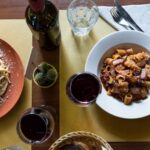
Tastings include panini with porchetta, supplì, Roman-style pizza, fried artichokes (Carciofo alla Giudia), and artisanal gelato. Morning tours may also include olive oil, truffle, and vinegar tasting.
Does the tour include a visit to Campo de’ Fiori?
Yes, it includes Campo de’ Fiori and its lively market, but the market stop is for morning tours only.
Is the tour suitable for vegetarians?
Yes. Vegetarian options are available.
Is the tour vegan-friendly?
No. It is not suitable for vegans.
Is it suitable for people with gluten intolerance?
No. It is not suitable for people with gluten intolerance.
Are drinks included?
No. Drinks are not included.
Is the tour guided, and what language is it in?
It includes a live guide and the tour is in English.
Is this tour wheelchair accessible?
Yes. It is listed as wheelchair accessible.