REVIEW · VATICAN & SISTINE CHAPEL TOURS
Full day in Rome with Jubilee path and Pope Francis Tomb
Book on GetYourGuide →Operated by Forever holidays · Bookable on GetYourGuide
Rome in a day can work, if planned. This tour stacks 4 holy doors on the Jubilee path with a visit to the Pope Francis tomb, then rolls it into a guided whirlwind of Rome’s biggest landmarks from the rail station. My only real caution is meeting-point reliability: a few people reported no guide showing up, so you’ll want to confirm the exact pickup details the day before.
I like how direct the pacing is: start from Firenze Santa Maria Novella, take the train to Rome, get a 4-hour guided block, then have 2 hours to wander on your own. It’s a good fit if you want major sights plus the spiritual stops without planning a whole day yourself.
There’s also one practical downside to budget for: no food is included. If you’re the type who snacks while walking, plan ahead so the day doesn’t turn into hunger math on the cobblestones.
In This Review
- Key Highlights Worth Your Attention
- How the Florence-to-Rome Train Day Works
- Jubilee Path and the 4 Holy Doors: What You’re Getting Into
- Rome’s Top Sights in One Guided Block (Colosseum, Trevi, Steps, Pantheon, Navona)
- St. Peter Area Time: Linking the Holy Doors to the Big Landmarks
- Pope Francis Tomb: A Meaningful Stop (When You Treat It Like More Than a Photo)
- Your 2 Hours of Free Time: Make It Count Without Getting Stuck
- Price and Value: Is $180.80 Worth It for This Format?
- Languages and Comfort: English/Spanish Guide, German Audio
- Main Risk to Watch: Meeting Point and Guide Reliability
- Should You Book This Rome Jubilee Day Trip?
- FAQ
- What is the starting point for this tour?
- How long is the full experience?
- Is the train between Florence and Rome included?
- How much time do you get for guided sightseeing in Rome?
- Do you get time to explore Rome on your own?
- Are meals included on the tour?
- What languages are available during the tour?
Key Highlights Worth Your Attention
- Jubilee path experience with 4 Holy Doors as part of a guided day
- Pope Francis tomb visit built into the same itinerary
- Big Roman sights handled efficiently with a guide
- One-day format from Florence with train rides included
- Clear speaking support: English or Spanish guide, plus German audio
How the Florence-to-Rome Train Day Works
This is set up as a straight-through day trip. You begin at Firenze Santa Maria Novella, then you’re on the train to Rome for about 2 hours. Once you arrive, the day shifts from transit mode to sightseeing mode: a 4-hour guided tour through Rome’s major highlights, then 2 hours of free time before you return to the original meeting point in Florence.
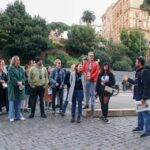
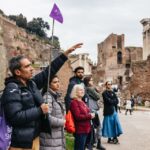
What this means for you: you’re not just seeing Rome, you’re also doing it with training wheels. The guide manages the flow—where to go next, what to notice, and how to move through the city efficiently. For first-timers, that’s a big deal. Rome can be overwhelming fast, especially if you’re trying to line up major sights, Vatican-area stops, and the Jubilee elements all on your own.
It also means you’re committing to a pace. Eight and a half hours total is enough time to hit the highlights, but it’s not enough time to settle into any one neighborhood for long. If you’re the sort of traveler who likes to linger over one museum room or one plaza corner, you’ll want to keep expectations flexible and treat the free time as your chance to slow down.
And yes—this is a day that involves walking. Comfortable shoes are not optional. Even if the tour is paced, Rome’s surfaces are uneven and the distances add up once you’re doing multiple iconic stops.
You can also read our reviews of more tours and experiences in Rome
Jubilee Path and the 4 Holy Doors: What You’re Getting Into
The headline spiritual experience here is the Jubilee path with 4 Holy Doors. Even if you’re not deeply plugged into the Jubilee tradition, this is the kind of stop that changes how you experience Rome. Instead of only looking at history from a distance, you’re stepping into a devotional, ritual-style part of the city—guided, structured, and intentionally focused.
The value for you is twofold. First, the Holy Doors stop you from treating the Vatican area like just another photo circuit. Second, having it bundled into a guided program means you’re less likely to lose time trying to figure out logistics while you’re surrounded by crowds.
Practical tip: when religious spaces are involved, dress and behavior matter. Cover up appropriately, keep your voice down, and follow what your guide asks in the moment. If you go in expecting a quick sightseeing stop, you’ll miss why it feels different. If you go in ready to slow your pace a notch, it lands better.
Also, plan for the “crowd reality” of a major pilgrimage moment. Even without exact crowd counts, Holy Door events typically bring foot traffic. Your best weapon is to stay close to the guide, move when asked, and keep your timing flexible.
Rome’s Top Sights in One Guided Block (Colosseum, Trevi, Steps, Pantheon, Navona)
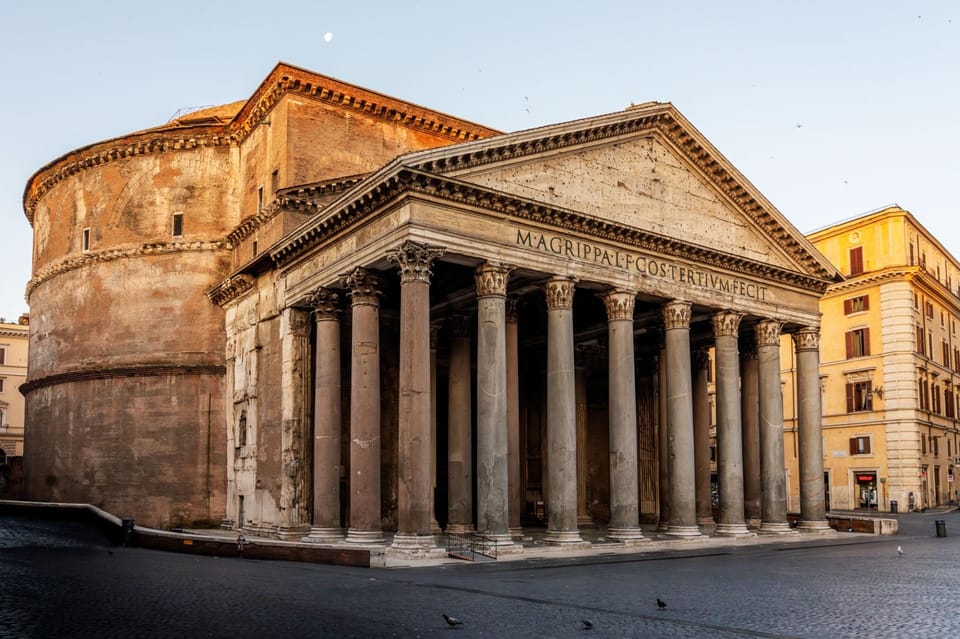
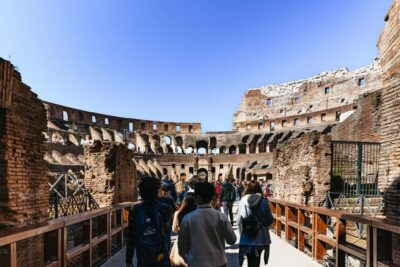
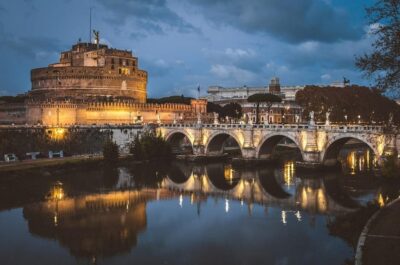
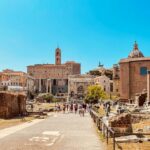
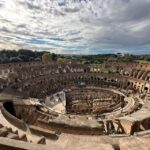
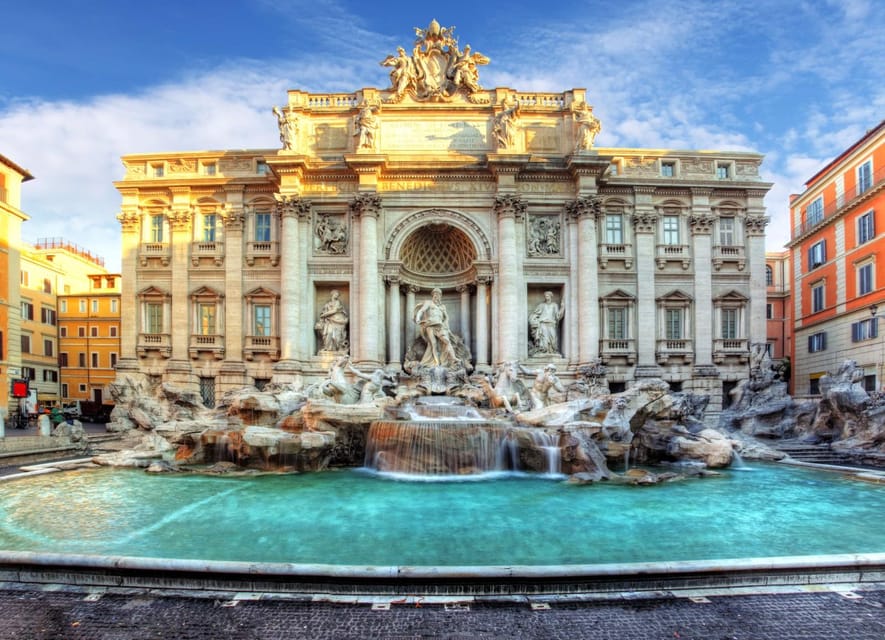
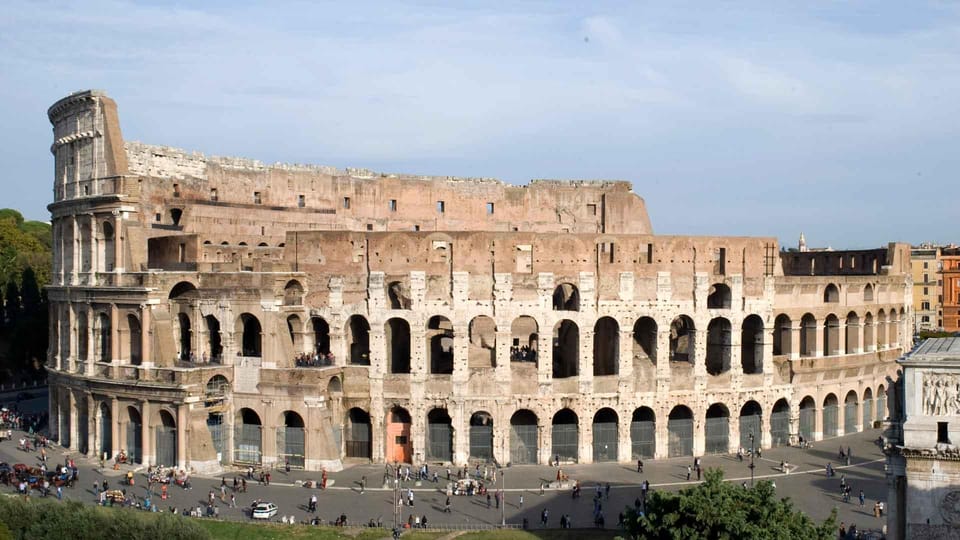
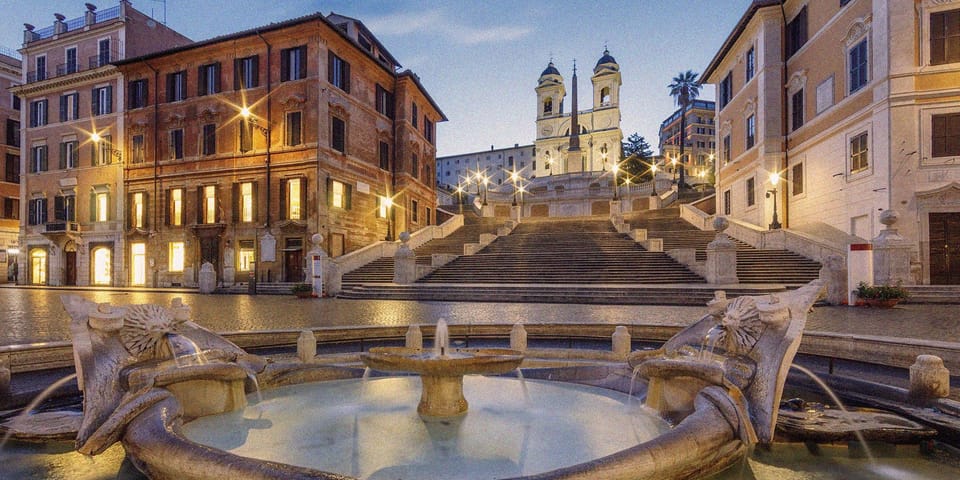
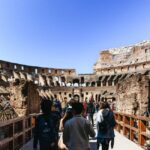
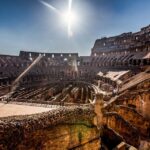
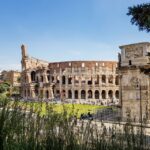
In the guided portion of the day, you’ll be shown a long list of Rome essentials: the Colosseum, Trevi Fountain, the Spanish Steps, the Pantheon, Piazza Navona, and stops around St. Peter. That’s a lot of Rome squeezed into about four hours.
Here’s how to make that work for you. Don’t try to “finish” every stop with the same level of intensity. Instead, pick your Rome priorities mentally before you arrive. For example:
- If the Pantheon is your must-see, treat the moment as a single anchor and let the rest be faster.
- If you care most about landmarks for photos, you’ll still benefit from the guide because you’ll know where to stand and what to notice.
- If you’re more into street-level atmosphere, use the guided time to get your bearings, then use free time to circle back.
The guide’s role is especially helpful for places like the Trevi Fountain and the Spanish Steps, where people tend to scatter and chaos takes over quickly. A guide helps you avoid aimless wandering and get the “this is what you’re looking at” context fast.
The tradeoff is that this is a highlights drive-by, not a slow museum day. You’ll get orientation and story, but you won’t have hours at each location. If that sounds like your ideal “Rome starter course,” you’ll likely enjoy it. If you want detailed time at fewer sites, this format may feel rushed.
St. Peter Area Time: Linking the Holy Doors to the Big Landmarks
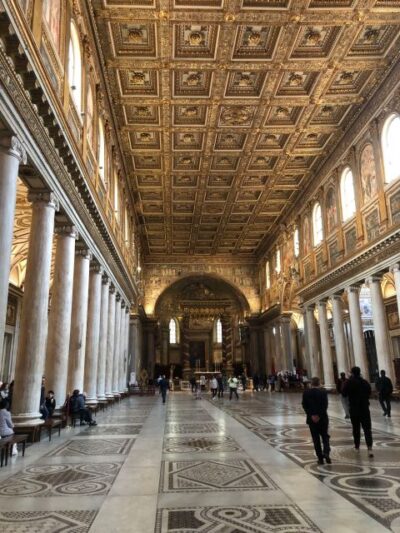
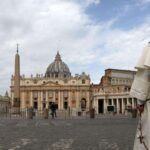
The itinerary includes St. Peter as part of the guided run, which is a smart pairing with the Holy Doors portion. Even when you don’t know every detail of Vatican history, being guided through the area while you’re already in pilgrimage mode helps the day feel coherent.
What I like about this pairing for you: it turns isolated landmarks into a single narrative arc. You’re not jumping randomly between “ancient Rome” and “church Rome.” You’re crossing into a zone where religious meaning is front and center, right when you’re already walking through a devotional experience.
One thing to keep an eye on is timing. Stops around St. Peter and the Holy Doors can be more sensitive to crowd flow and movement rules. Your best approach is to follow the guide’s pace even when you feel like you’re not done looking. In a day trip format, waiting too long usually turns into missing the next segment.
If you’re traveling with someone who gets tired easily, plan a micro-break mindset. Water in a small bag, a quick sit when offered, and quick decisions about where you’ll focus during the guided window.
Pope Francis Tomb: A Meaningful Stop (When You Treat It Like More Than a Photo)
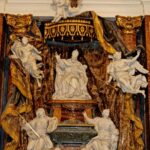
A major reason this day trip stands out is the visit to the Pope Francis tomb. This isn’t framed as a casual add-on. It’s one of the core promises of the experience.
For you, the biggest value is that the tomb visit gives the day emotional weight. You’re spending time in a place with deep personal and spiritual significance, and it’s not only about architecture and artwork. Even if you’re coming for religious curiosity, it can feel grounding amid the bigger-sight intensity of central Rome.
How to get the best out of it: be respectful, keep your movements slow, and don’t treat it like a timed checkpoint. The best moments at sites like this happen when you pause and actually let the space register.
Also, don’t forget the physical side of the day. When you’re close to the Holy Doors and tomb area, it’s usually not a “sit down and rest” kind of stop. The day is built for walking. Pace yourself earlier so you don’t run out of energy right when the tomb visit arrives.

Your 2 Hours of Free Time: Make It Count Without Getting Stuck
After the guided section, you get 2 hours of free time. That’s a useful chunk in a day trip, but it’s also exactly where people can waste time if they don’t decide what they want from it.
Since no food is served, your first job is to plan for a meal or a solid snack run. If you don’t, Rome’s walking pace will make you cranky fast.
Then choose one of these strategies:
- Pick one nearby landmark to revisit for photos, now that you know where everything is.
- Walk toward a quieter stretch and do slow street-level sightseeing rather than chasing the biggest queue magnets.
- If you care about shopping or browsing, treat this as your practical window. Just don’t wander too far. Day-trip timing is tight.
One more thought: you’ll likely be tired. Free time isn’t always restful; it’s often just less structured. If you want a calmer end to the day, head toward areas that are close to where you already were during the guided segment.
Price and Value: Is $180.80 Worth It for This Format?
The price is $180.80 per person, and the tour includes train transportation between Florence and Rome plus a guided tour for the all day (with the Rome portion specifically structured into guided time and free time).
So what are you really paying for?
- The convenience of a coordinated day trip from Florence (train included)
- A guided route through major sights
- The Jubilee components: 4 Holy Doors plus the Pope Francis tomb
- Language support: a live guide in English or Spanish, with German audio included
The math gets interesting when you compare it to doing the day yourself. If you were to plan train tickets, then piece together timing for a Vatican-area religious experience, then stitch together a route for the big Rome sights, you’d spend time (and often stress) getting it right. This tour buys you reduced planning time and a structured flow.
Where value can drop: if your main goal is slow, deep exploration of just a couple sites. This format gives you breadth over depth. You’ll see a lot, but you won’t linger as long at any single stop.
And then there’s the no-food detail. You’re not paying for meals here, which can either be fine (if you plan to eat out anyway) or annoying (if you expected it included). The way to make it good value is to budget for at least a snack and a meal during free time.
Languages and Comfort: English/Spanish Guide, German Audio
The tour offers a live guide in English and Spanish, and it includes an audio guide in German. That’s helpful if you’re traveling with someone whose comfort language is different.
In practice, what matters most for you is clarity while moving. Rome’s quickest-learning moments happen when a guide explains what you’re looking at while you’re already standing there. If the language support works for you, the guided portion will feel more rewarding, not just like a “walk and wait” experience.
Also consider this: day trips can be exhausting for your ears as much as your legs. If you’re juggling background noise from crowds, choose the language you’ll stick with and listen actively. It improves your mental picture of the day.
Main Risk to Watch: Meeting Point and Guide Reliability
Here’s the part I won’t soften: there have been reports of serious meeting-point problems, including instances where no one was at the stated location and where the tour guide reportedly never showed up. In at least one case, people said the train station staff didn’t recognize the group.
That kind of failure can ruin a day you already spent money and time on.
So here’s what you should do to protect yourself:
- Contact the company the day before and confirm the meeting point and time. The tour info specifically says this step is important.
- Arrive early enough to handle confusion without rushing.
- Keep any written instructions you receive in your phone offline.
On the positive side, there’s also a mention of a guide named Matteo being amazing and giving a great one-day experience for a Florence-based trip. That suggests the concept can work well when the setup runs smoothly and you get a strong guide.
Your job is to make sure you’re not the one caught by logistics. Confirming the details is your biggest lever.
Should You Book This Rome Jubilee Day Trip?
I’d book this only if your priorities match the format. This is a strong choice if you want:
- 4 Holy Doors as part of the Jubilee experience
- A visit to the Pope Francis tomb
- Major Rome sights in one guided day from Florence
- A structured day where you’re not designing the whole route from scratch
I’d hesitate if:
- You hate tight schedules and prefer slow, long stays in a few places
- You’re expecting food to be handled for you (it isn’t)
- You’re the type who needs a very low-stress start and would struggle with meeting-point uncertainty
If you do book, do it with a plan: confirm the meeting details the day before, show up early, wear comfy shoes, and budget for a snack or meal during free time. When the logistics are right, this is the kind of day trip that gives you both the big Roman landmarks and a spiritually focused stop without requiring expert planning.
FAQ
What is the starting point for this tour?
The tour starts at Firenze Santa Maria Novella.
How long is the full experience?
The total duration is 8.5 hours.
Is the train between Florence and Rome included?
Yes. Train transportation between Rome and Florence is included.
How much time do you get for guided sightseeing in Rome?
You get 4 hours of guided tour in Rome.
Do you get time to explore Rome on your own?
Yes. There is 2 hours of free time in Rome.
Are meals included on the tour?
No. No food is served on this tour.
What languages are available during the tour?
The live guide is available in English and Spanish, and an audio guide is included for German.