REVIEW · CASTEL SANT'ANGELO TOURS & TICKETS
Castel Sant’Angelo Skip-the-Line ticket
Book on GetYourGuide →Operated by Explore Rome Tours · Bookable on GetYourGuide
Skip-the-line makes this place feel instantly manageable, and the terrace view is the kind you remember later. Castel Sant’Angelo sits on the Tiber with St. Peter’s and the Vatican Museums nearby, so it fits neatly into a Vatican-area day. I like that this ticket is designed for a short, focused visit (about 1 to 1.5 hours), and you get to explore the monument’s big story: Hadrian’s mausoleum, later a papal fortress, and then even a prison. The main drawback is simple: this is not a full guided tour, and it is not suitable for wheelchair users.
This castle-turned-museum has layers you can feel as you move through it. You’ll hear about the Passetto di Borgo, the secret-sounding escape route the popes used, plus the supernatural legend of the archangel Michael tied to a plague scare at the end of the 6th century. If you’re the type who likes your Rome with a side of fear (without actually being in danger), you’ll appreciate the darker prison context, including cells named Sammalò and San Marocco.
A quick practical note: the ticket is skip-the-line, but you still need to arrive ready to go in. Bring a passport or ID for adults and children, skip the big bags, and expect a self-guided pace with an optional audio guide.
In This Review
- Key points I’d plan around
- Castel Sant’Angelo on the Tiber: why it feels different
- Skip-the-line entry near St. Peter’s: how the ticket really helps
- Inside the Mausoleum of Hadrian: from tomb to papal fortress
- The terrace view and Sant’Angelo Bridge photo stops
- Michael’s plague legend: the supernatural layer that’s part history
- Prison cells and the darker side of the fortress
- Audio guide option: how to make 1–1.5 hours feel worth it
- Price and value: is $17 a fair deal?
- Who should book this ticket (and who should reconsider)
- Should you book Castel Sant’Angelo Skip-the-Line?
- FAQ
- How long does the Castel Sant’Angelo visit take?
- What’s included with the skip-the-line ticket?
- Is a guide tour included?
- How do I receive my tickets?
- Is this activity suitable for wheelchair users or limited mobility?
- Can children go for free?
Key points I’d plan around
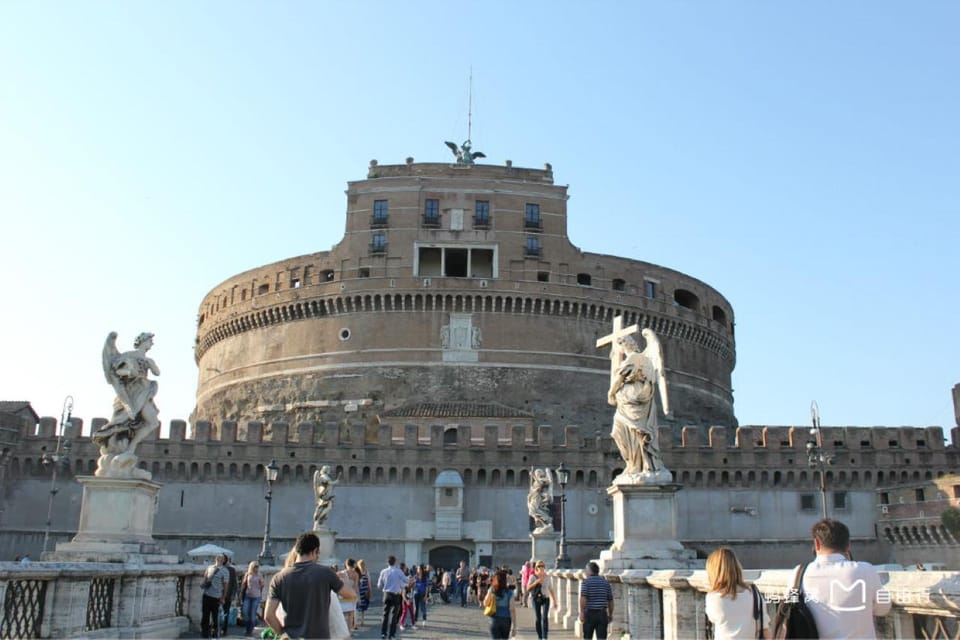
- Skip-the-line entry so you can go straight to the entrance with your ticket.
- Vatican-area location near St. Peter’s Basilica and the Vatican Museums for easy pairing.
- Terrace + Sant’Angelo Bridge photos for the payoff view.
- Hadrian to papal fortress to museum, with the Passetto di Borgo story built in.
- Prison rooms you’ll recognize by name, including Sammalò and San Marocco cells.
- Fast visit length (about 1–1.5 hours) that works when your day is already packed.
Castel Sant’Angelo on the Tiber: why it feels different
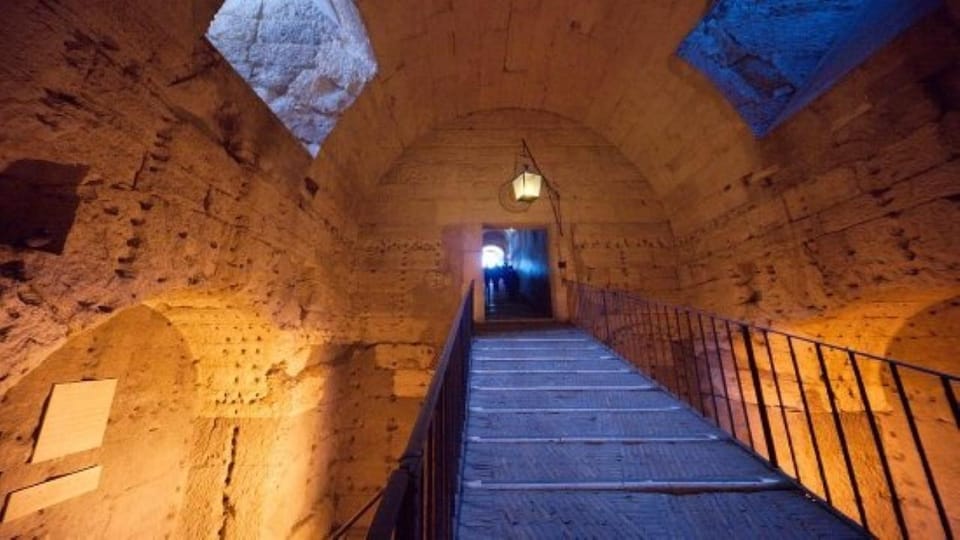
Castel Sant’Angelo, also known as the Mausoleum of Hadrian, has a shape that makes it hard to ignore. It sits along the Tiber River, and even before you’re inside, you get that Rome-meets-fortress feeling. This isn’t just a building you pass by; it’s a massive structure that has been used and reused as the city’s needs changed.
That reuse is part of why I like it. Rome loves a layer-cake of time, but here the layers are unusually dramatic: it starts as a mausoleum, becomes a papal fortress, and later turns into a museum. When you visit, you’re not only looking at rooms. You’re walking through changing purposes—graves, refuge, confinement, then public history.
The story also connects to the broader Vatican area without needing extra travel. Because it’s close to St. Peter’s Basilica and the Vatican Museums, it’s an easy add-on when you want more than churches and galleries. If you’re doing a Vatican day, this lets you keep the historical theme but change the mood.
You can also read our reviews of more tours and experiences in Rome


Skip-the-line entry near St. Peter’s: how the ticket really helps
This ticket is built for time-saving. You get your entry ticket sent directly to your email and/or WhatsApp the day before your activity, and with that ticket you can go straight to the entrance. For a place like Castel Sant’Angelo, where lines can be a hassle, this matters more than it sounds.
The visit duration is short and realistic—about 1 to 1.5 hours, depending on your pace and the starting time you choose. That’s a sweet spot. Long enough to take in the main sights, short enough that you won’t feel you’re sacrificing the rest of your day.
A couple of practical things to plan for:
- Bring a passport or ID card (including for children).
- Don’t bring pets, weapons/sharp objects, baby strollers, or luggage/large bags.
- Wear shoes you’re comfortable in. The site is not listed as suitable for people with mobility impairments or wheelchair users, so you should assume there may be stairs and uneven steps.
Also, small group is available. That doesn’t mean you’re stuck in a long conga line of people; it usually just means the experience feels more controlled than major bus-group tourism.
Inside the Mausoleum of Hadrian: from tomb to papal fortress

Once you’re in, you’re stepping into a monument that was originally designed as a tomb. Mausoleum of Hadrian is the key phrase here, and it sets the tone. Even if you’re not a hardcore Roman history fan, you’ll likely find yourself reading the structure as a statement—big, deliberate, and built to last.
Then comes the shift: the mausoleum was transformed into a papal fortress. The popes didn’t treat this place like a decorative relic. They used it as refuge—an active, defensive option during dangerous times.
One of the story elements you’ll want to pay attention to is the Passetto di Borgo. This passage helped facilitate escapes from the Vatican to the castle during the invasion of Rome. The name alone sounds dramatic, but the practical value is what hits: this is how Rome’s power centers connected under pressure. If you’re visiting while also seeing Vatican sites, the Passetto story gives context to what those areas were prepared to do in crisis.
If you like your sightseeing with plot points, this section delivers. It’s not just architecture. It’s architecture with a mission.
The terrace view and Sant’Angelo Bridge photo stops
The headline payoff is the view from the terrace. Castel Sant’Angelo is one of those Rome spots where the building itself is impressive, but the real reward comes from looking out over the city from up high.
This is also where you’ll want to be a little proactive. Plan to slow down once you reach the view level. Take a few photos, sure—but also take a moment to line up what you’re seeing with the Vatican-area landmarks you’ve already visited.
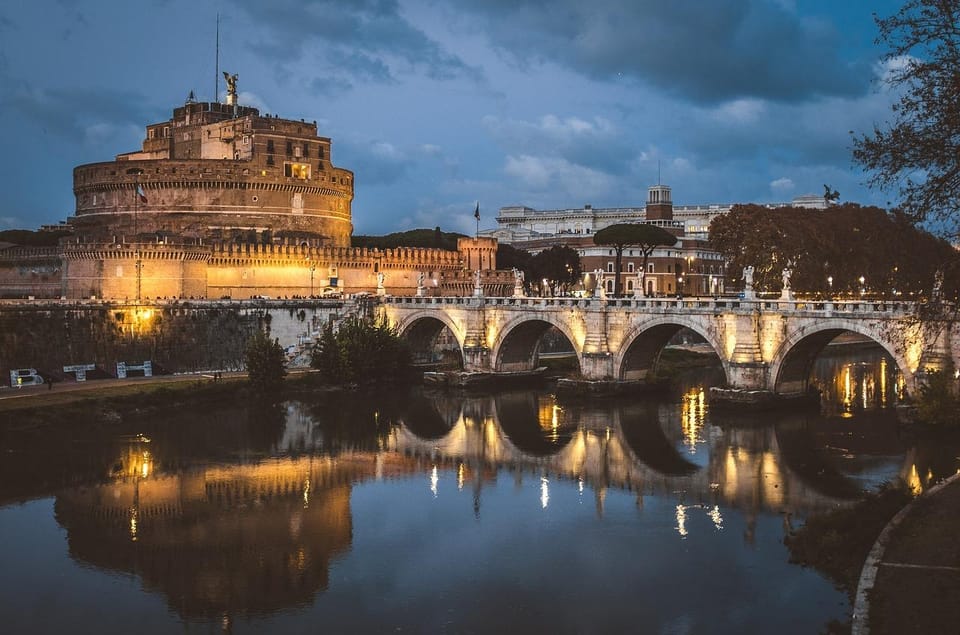
The ticket also points you toward picture moments around the Sant’Angelo Bridge. That makes sense. The river setting turns even a quick photo stop into something more memorable than a generic street snapshot. If you’re walking this area anyway, this is one of the easiest ways to come away with images that look like you planned the day carefully—even if you didn’t.
Michael’s plague legend: the supernatural layer that’s part history
Castel Sant’Angelo has an extra story layer that goes beyond emperors and popes. There’s a supernatural legend connected to the archangel Michael, tied to saving Rome from the plague at the end of the 6th century.
Even if you don’t treat legends as facts, I think the value is how the legend shaped the way people understood the place. A monument doesn’t become iconic only because of how it was built. It becomes iconic because people use it in their beliefs and fears.
When you hear this story, it also helps explain why Castel Sant’Angelo is often talked about with more emotion than a typical ruin. It’s not only a container for artifacts; it’s a stage where spiritual meaning and public events got attached over time.
You can also read our reviews of more tours and experiences in Rome


Prison cells and the darker side of the fortress
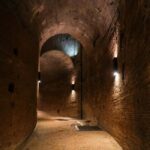
Castel Sant’Angelo wasn’t just a refuge. It was used as a prison starting in the mid-fourteenth century. That’s when the tone shifts from power and escape to confinement and punishment.
The ticket info calls out frightening cells, including rooms called Sammalò and San Marocco. If you’re the kind of traveler who likes history that feels human—rather than polished—you’ll probably appreciate this section. It’s a reminder that fortress buildings weren’t only about dramatic escapes. They were also about holding people away from influence.
Prison stories can be heavy, so keep your pace kind to yourself. You don’t need to force it all in. If you feel you’re getting spooked, step back, regroup, and come back when you’re ready to keep going.
Audio guide option: how to make 1–1.5 hours feel worth it
This experience includes skip-the-line entry, and an audio guide ticket if you select that option. No guide tour is included. That changes how you should approach the visit.
With no live guide, your job is to set your own tempo. For a time-boxed visit, I’d do this:
- Start with the audio guide turned on early so you know what you’re looking at.
- Save your questions for later moments. If you stop and read everything like a scholar, you may end up rushing at the end.
- Aim to hit the terrace and the bridge photo stop before you feel tired. That’s usually the easiest win for satisfaction.
Also, because the monument has multiple identities (tomb, fortress, prison, museum), an audio guide helps you stitch the story together while you walk. Without it, you can still enjoy the architecture, but you might miss some of the specific narrative threads like Passetto di Borgo and the archangel Michael story.
Price and value: is $17 a fair deal?
At $17 per person, this ticket is priced for a focused hit of Rome history without a long, expensive program. What you’re paying for is mainly time savings plus the core self-guided visit.
Here’s the value math in plain terms:
- Included: skip-the-line entrance.
- Optional/if selected: audio guide ticket.
- Not included: guide tour.
If you’re already planning to spend time near St. Peter’s and the Vatican Museums, skipping extra time in queues can be the difference between seeing one more highlight or cutting something else. That’s the real value of a skip-the-line ticket in this area: it buys you flexibility.
If you’re hoping for a storyteller in front of you, you may feel slightly underpowered since a guide tour is not included. In that case, consider pairing this with another guided experience elsewhere on your trip, then use Castel Sant’Angelo as your self-paced, dramatic “walk and absorb” stop.
Who should book this ticket (and who should reconsider)
This works best if you:
- Want a short visit that still feels like you covered real ground.
- Like a mix of political and supernatural story threads (papal fortress and archangel Michael legend).
- Plan a Vatican-area day and want an easy extra stop close by.
It may be less ideal if you:
- Need wheelchair access or have mobility limitations. The activity is not suitable for wheelchair users or people with mobility impairments.
- Prefer a full guided experience. This is not a guide tour; it’s skip-the-line with self-guided exploration and optional audio.
Also, the ticket format matters. Since tickets are sent via email and/or WhatsApp the day before, you’ll want your phone and inbox to be ready.
Should you book Castel Sant’Angelo Skip-the-Line?
I’d book it if you want a high-impact Rome stop in a limited amount of time. Castel Sant’Angelo gives you three big wins in one: fast entry, serious “Rome was strategic about everything” history, and a terrace view that earns its keep. The fact that the monument’s story includes escape routes, legends, and prison cells means you won’t just wander through empty-looking stone.
I would think twice if you strongly prefer a live guide or if mobility is an issue. In those cases, your best move is to look for an alternative format that matches your needs, then still plan Castel Sant’Angelo for when you can enjoy it comfortably.
If your day is already full of Vatican sights, this is one of the better-value ways to add a darker, more dramatic side of Rome without spending your evening in line.
FAQ
How long does the Castel Sant’Angelo visit take?
The duration is listed as 1 to 1.5 hours, and you should check availability to see starting times.
What’s included with the skip-the-line ticket?
The ticket includes skip-the-line entry. An audio guide ticket is included only if you select that option.
Is a guide tour included?
No. A guide tour is not included with this activity.
How do I receive my tickets?
Your tickets are sent directly to your email and/or WhatsApp the day before your activity. If you have trouble downloading the PDF, you can contact the provider via email or WhatsApp for help.
Is this activity suitable for wheelchair users or limited mobility?
No. It is not suitable for people with mobility impairments and it is not suitable for wheelchair users.
Can children go for free?
Under 18 years tickets are free. The price you pay is only for the service fee. You still need to include the child’s full name in English when collecting participant details.