REVIEW · BORGHESE GALLERY TOURS
Rome: Borghese Gallery Guided Tour with Skip-the-Line Entry
Book on GetYourGuide →Operated by Doooing · Bookable on GetYourGuide
Art in Rome, timed and explained. This small-group Borghese Gallery tour uses skip-the-line entry and gets you into the villa’s 20-room art world fast, with a guide who can bring the collection to life. If you get a guide like Alessandra (many visitors rave about her energy), you’ll hear the stories behind the works instead of just ticking off names.
I also love how the tour zooms in on a few must-see masters—especially Bernini’s Apollo and Daphne and Caravaggio’s Young Sick Bacchus—so you actually know what you’re looking at. One consideration: you’re not allowed to bring food, and you can’t bring luggage or large bags (and the tour is not suitable for wheelchair users), so plan light.
In This Review
- Key takeaways before you go
- The Borghese Villa vibe: art, air, and a short walk away from the crowds
- Skip-the-line entry: where the value really shows up
- Meeting at Piazzale del Museo Borghese: find the guide, then breathe out
- Inside the Borghese: a guided tour through the rooms that matter
- The 20-room pace: not rushed, not stalled
- Bernini’s sculptures: Apollo and Daphne plus the threads that connect them
- Why this focus is worth paying for
- Caravaggio paintings: seeing Young Sick Bacchus with new context
- Canova and Raphael: finishing the story with variety
- After the tour: use the Borghese grounds like part of the day
- Is it worth $83? Value, compared to a solo visit
- Heads up: closed rooms, changing routes, and arrival rules
- Should you book this Borghese Gallery skip-the-line tour?
Key takeaways before you go

- Skip-the-line entry keeps the morning from turning into a line-management exercise
- Small-group pacing gives time for questions and close looking
- Headsets if needed help you hear the guide clearly during the walk-through
- The route covers major works by Caravaggio, Bernini, Canova, plus Raphael
- You’ll learn the story behind Apollo and Daphne, not just the title
The Borghese Villa vibe: art, air, and a short walk away from the crowds
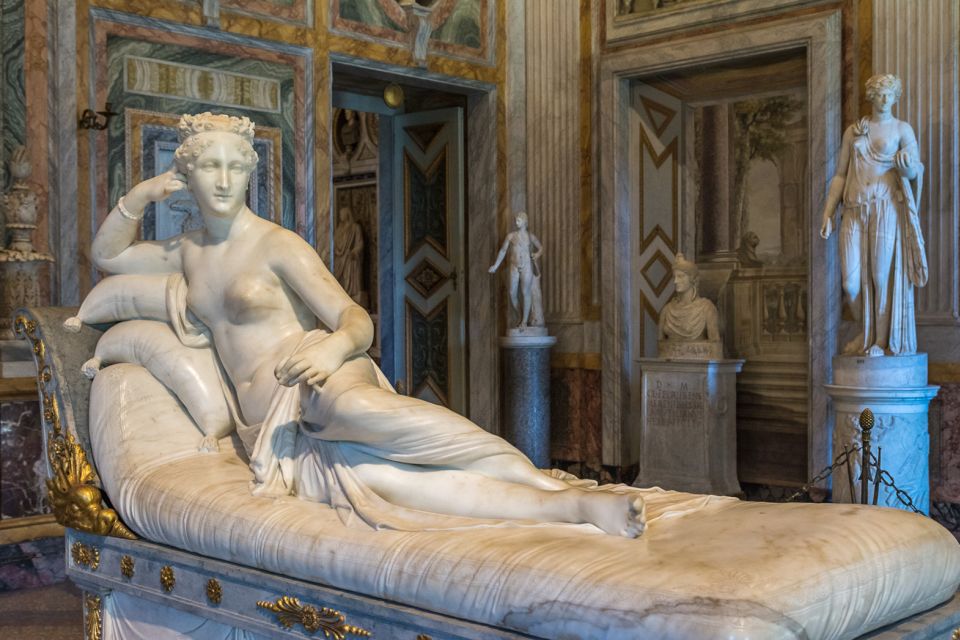
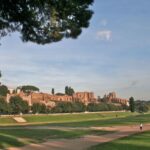
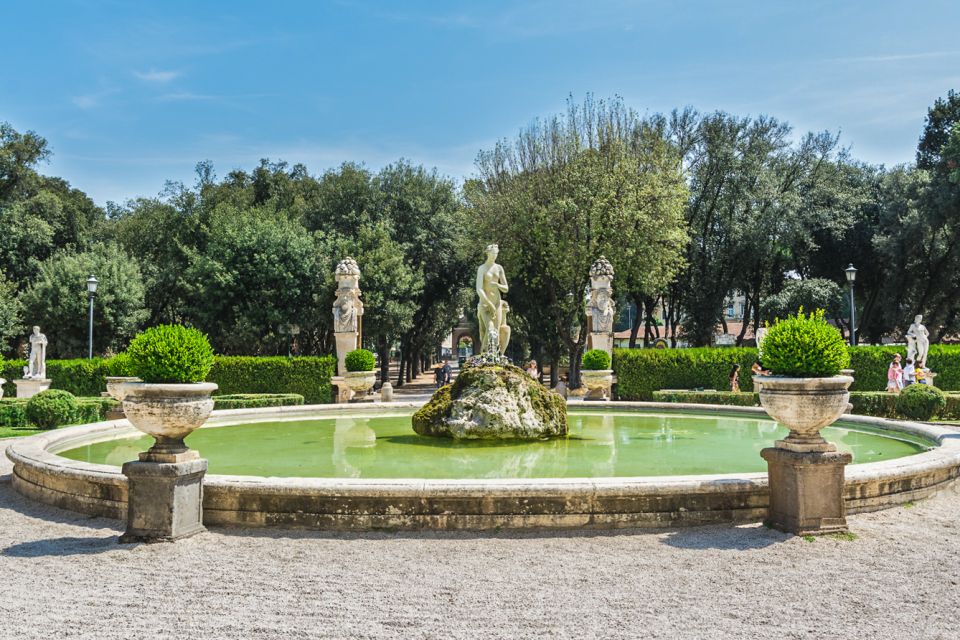
The Borghese Gallery experience starts before you even reach the first room. The museum sits inside the Borghese estate, so the visit feels like a real place—not just a storage unit for masterpieces. After the tour, you may find yourself wanting to linger in the grounds. One visitor even walked out and spent hours in the park-like areas, treating it like a breather after the art intensity.
This tour is sized to stay manageable. In practice, that means you’re not fighting for elbow room at every painting and sculpture. Instead, you get a guided flow through the highlight rooms, with enough time to stop and look properly.
If you’re the type who likes museums but hates the feeling of standing there guessing, this setting helps. You’re in a villa atmosphere with a guide steering you toward what to notice, and you’re not trying to “figure it out” while everyone shuffles behind you.
You can also read our reviews of more guided tours in Rome

Skip-the-line entry: where the value really shows up
The Borghese Gallery is famous for limited access, and that can translate into heavy demand. The big payoff of this tour is that you get skip-the-ticket-line entry, so your time stays focused on the art. When people say they would not have gotten in without the guided option, it’s usually because the gallery can sell out or time slots fill quickly.
Also, timing matters here. The tour runs about 1.5 to 2 hours, which is a sweet spot. Long enough to build meaning and not just sprint through the highlights. Short enough that you’re not museum-weary by the end.
One more practical point: you’ll want to arrive early. Late arrivals are not accommodated, and late guests won’t get a refund. If you want the smooth version of this experience, aim to be there at least 15 minutes before the scheduled start.
Meeting at Piazzale del Museo Borghese: find the guide, then breathe out
Your tour begins at Piazzale del Museo Borghese, meeting the guide in front of the gallery entrance. The guide will be holding a sign with the logo of the agency Doooing Experience.
This is one of those Rome moments where being a little early saves you from stress. The area can be busy, and guides are easy to miss if you show up at the exact minute the tour is supposed to start.
Wear comfortable shoes. The Borghese route is indoors, but the walk between stops and the general museum movement adds up. And keep your bag situation simple. The activity doesn’t allow luggage or large bags, and it also doesn’t allow backpacks or bags. Plan to travel light so you can move without awkward bag checks or waiting around.
If you’re sensitive to noise, note that headsets are included if needed. That helps you stay tuned to the guide’s commentary instead of straining to hear over a crowd.
Inside the Borghese: a guided tour through the rooms that matter
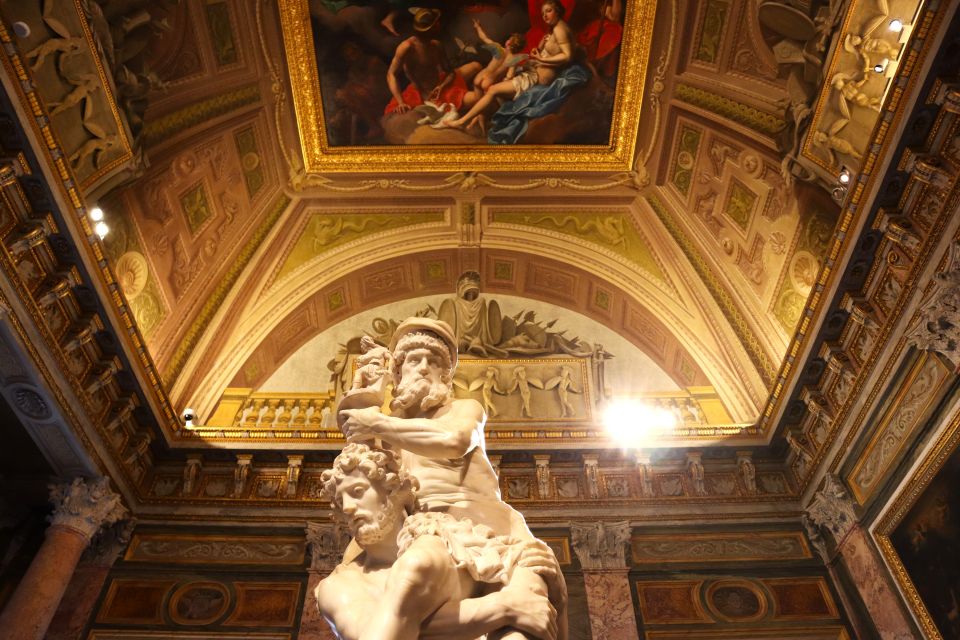
The tour takes you into the Borghese Gallery for a guided walk, spending time in the key rooms where the collection hits its biggest notes. You’ll see major works connected to Caravaggio, Bernini, Canova, and Raphael.
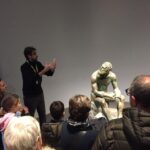
What makes this format work is that it’s built to help your eyes. Instead of treating each artwork like a separate lottery ticket, the guide connects themes: myth, power, and the way art was used to impress. That’s where a good guide earns their fee.
You also get a focused, story-driven approach. Visitors consistently highlight that the best part wasn’t simply listing what artists created—it was learning what to look for and why the works mattered. For a first-timer, that’s gold. For an art fan, it’s a fast way to deepen your appreciation without turning your visit into homework.
The 20-room pace: not rushed, not stalled
The tour moves through roughly 20 rooms at a pace that feels designed for listening. You won’t get stuck in one corner for 30 minutes. You’ll stop long enough to absorb details, then move on to the next “why this matters” moment.
Some rooms can close due to refurbishment works, and access routes may change because of special circumstances. If a room you were hoping for is closed, the guide will generally keep the route moving around what’s available during your time slot.
You can also read our reviews of more museum experiences in Rome

Bernini’s sculptures: Apollo and Daphne plus the threads that connect them
Bernini is where a lot of people start smiling during the tour. This itinerary leans hard into his sculpture highlights, and it gives context that makes the works feel less like statuary and more like drama frozen in marble.
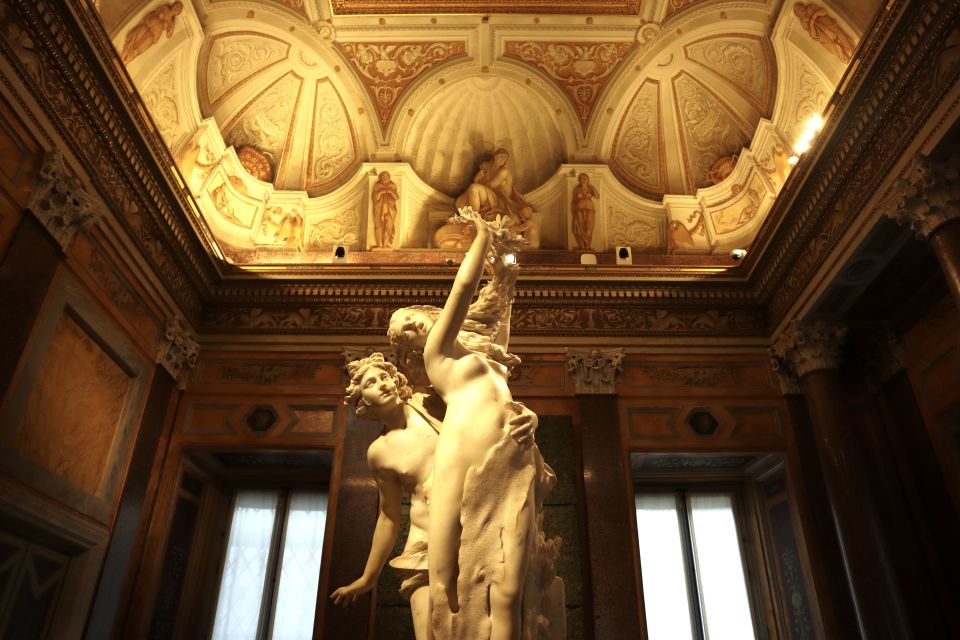
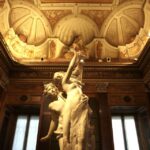
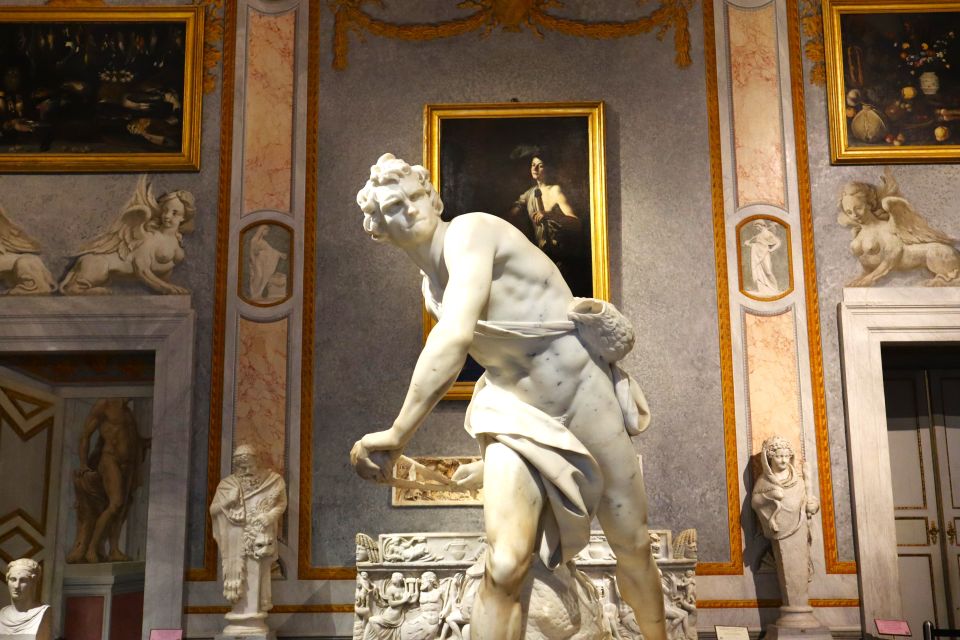
The star mentioned again and again is Bernini’s Apollo and Daphne. You’ll hear the story behind the sculpture, including how Bernini’s secular sculpture reached for intensity and movement. The guide also points you toward how to look at the composition so your brain stops thinking of it as one statue and starts seeing the moment it captures.
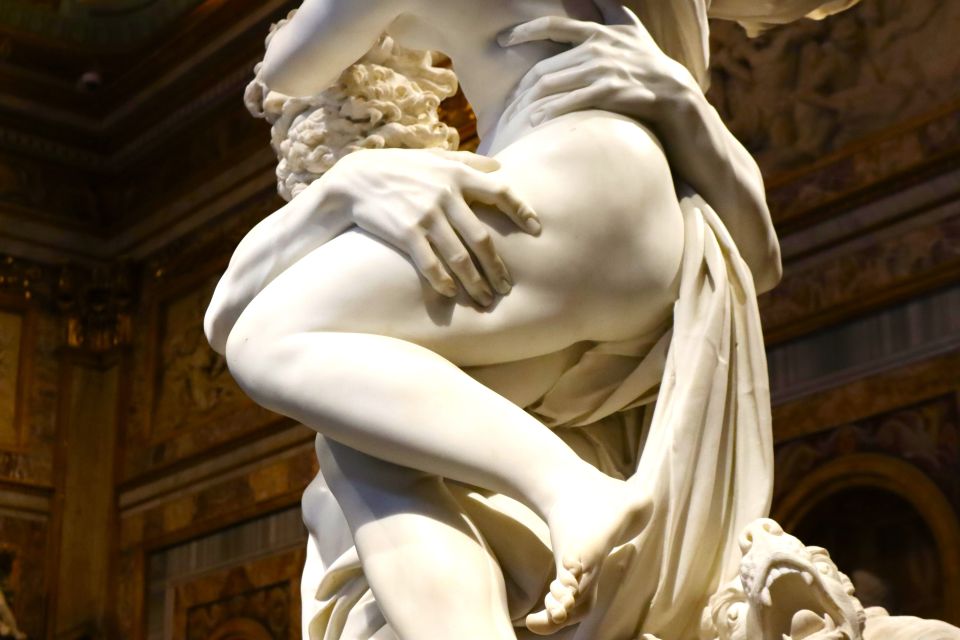
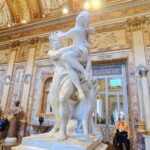
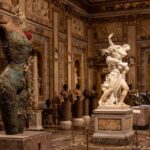
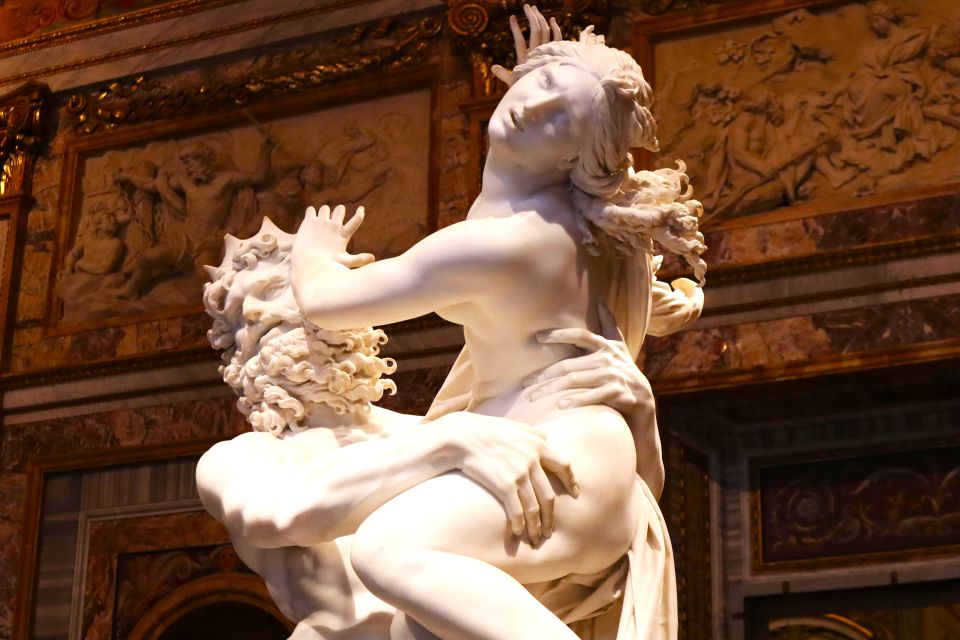
But Bernini doesn’t start and stop with Apollo and Daphne. The tour also includes early and later works, such as Goat Amalthea with Infant Jupiter and Faun and the Rape of Proserpine. Seeing multiple works across Bernini’s career helps you understand the evolution in his approach, instead of treating each piece like an isolated trophy.
Even if Baroque art isn’t your thing, this tour format helps. You’re not left staring and hoping something clicks. The guide’s job is to help it click.
Why this focus is worth paying for
You can walk through Borghese on your own, sure. But you’ll likely miss the connections: how a myth becomes political language, how sculptural choices communicate emotion, and how the collection tells a consistent story. With a guide steering your attention, your visit turns from “look at art” into “read art.”
And that’s exactly what people mean when they say the tour enhanced their experience beyond what they could get on their own.
Caravaggio paintings: seeing Young Sick Bacchus with new context

Caravaggio takes the tour from “myth and marble” to “painting that hits you with atmosphere.” You’ll spend time with major works, including Young Sick Bacchus and Boy with a Basket of Fruit .
The important part isn’t just seeing the paintings. The tour gives you a way to look. You learn what details to focus on and how to understand what you’re seeing in the context of the collection. One common theme in the guide praise is that people felt they noticed more—nuances, not just overall impressions—because the guide told them where to aim their eyes.
If you tend to skim museum labels, this is the opposite approach. You listen first, look next, and your attention gets sharper. It also helps you avoid the classic museum trap: thinking you “don’t get it” just because you’re staring at the surface.
Canova and Raphael: finishing the story with variety

This tour doesn’t ignore the other anchors of the collection. You’ll also see major works attributed to Canova and spend time with Raphael paintings as part of the guided route.
For many first-timers, that variety matters. After you’ve been shaken awake by Caravaggio and pulled in by Bernini, Canova and Raphael provide contrast and balance. The guide’s storytelling helps those later rooms feel connected rather than like a random detour between the big names.
After the tour: use the Borghese grounds like part of the day
One of the nicest bonuses here is what happens right after. Because the gallery is in the Borghese estate grounds, you’re not forced to immediately run back into the city crush.
Plan a little unstructured time. Even if you only have 45 minutes, stepping outside can help you digest what you saw. If you have more time, you might end up doing what at least one visitor did: staying longer in the grounds and enjoying the quieter outdoor atmosphere after the museum.
It’s a smart way to make the experience feel bigger than the 1.5 to 2 hour ticket.
Is it worth $83? Value, compared to a solo visit
At $83 per person, this isn’t a bargain-basement ticket. So the question becomes: what are you buying?
You’re buying three things that matter in the Borghese context:
- Skip-the-line entry so your time goes into the galleries, not waiting
- A guided story that helps you actually see more inside the rooms
- A small-group format so you’re not treated like a numbered head
That combo is why people keep calling it one of the best things to do in Rome. If you’re the kind of traveler who wants more than a selfie at the headline works, the guide’s explanations turn the price into something closer to a value-per-minute decision.
If you’re perfectly happy reading labels and moving at your own pace, you might feel the cost is unnecessary. But if you want your eyes trained—especially on Apollo and Daphne, Bernini’s other key works, and Caravaggio’s major paintings—this tour is built to pay off.
Heads up: closed rooms, changing routes, and arrival rules
Rome can be unpredictable, and this tour has a few practical “know before you go” points.
Some monuments may be under restoration due to special circumstances, and access routes can change. Also, some rooms of the gallery might be closed due to refurbishment works. That means your exact set of rooms could vary a bit based on what’s open during your visit date.
Opening hours can also change due to special events. So once you book, check your messages for updates.
Finally: you must arrive on time. Late arrivals aren’t accommodated or refunded. If your Rome day has a shaky schedule (late breakfast, tram delays, you know how it goes), pick a meeting time earlier than you think you need.
Also, this tour is not suitable for wheelchair users, based on the activity’s information.
Should you book this Borghese Gallery skip-the-line tour?
Book it if you want a clear route through the museum’s big hitters, plus a guide who helps you focus on what makes the art powerful. This is especially smart if you’re curious about Bernini’s Apollo and Daphne story, or if you want Caravaggio to land with context instead of just name recognition.
I’d skip it if you already feel comfortable visiting Borghese on your own and you don’t care much about guided interpretation. The gallery is famous, but the real edge here is the way the guide turns the collection into a connected narrative.
If you’re deciding between a solo ticket and this guided option, I’d choose this one when you can. The skip-the-line entry, the small-group feel, and the chance to learn what to notice in Young Sick Bacchus and Bernini’s sculptures make it a strong Rome use of time.