REVIEW · CITY MUSEUMS & MONUMENTS TICKETS
Rome: Bioparco di Roma Zoological Garden Entry Ticket
Book on GetYourGuide →Operated by C-WAY Srl Unipersonale · Bookable on GetYourGuide
Bioparco di Roma is one of Rome’s easiest animal days. You get 1,200 animals across about 200 species in a 42-acre park that sits on part of the Villa Borghese estate, so it feels like a real stroll, not a rushed checklist. My favorite part is the variety, from lemurs and chimpanzees to tigers, bears, and birds, plus the big educational focus on endangered species and conservation work.
The main drawback to plan around is that not every enclosure is guaranteed to look or feel perfect in person. On some visits, a few areas may be under construction, some enclosures can look tight, and some animals may be sleeping or out of sight—zoo life, not movie life.
In This Review
- Key highlights you’ll care about
- Why Bioparco di Roma feels different from a regular zoo
- Price and logistics: what your $25 skip-the-line ticket buys
- Getting there and picking the right time to start
- How the park layout helps you stay oriented
- Reptile House: the stop most people build their day around
- Lemurs, chimpanzees, tigers, and bears: what your viewing day looks like
- Conservation and learning: the signs actually help
- Food, breaks, and picnic strategy across 42 acres
- How to get the most out of your walking time
- Who should buy this ticket?
- Should you book the Bioparco di Roma skip-the-line ticket?
- FAQ
- How long can I spend at Bioparco di Roma with this ticket?
- Does the ticket include skip-the-line entry?
- What animals and how many species can I expect to see?
- Is food included in the ticket price?
- Are the animal information signs available in English?
- How does the child ticket work?
- Is there free admission for disabled people?
- Where can I pick up the Tramezzino during the day?
Key highlights you’ll care about
- Skip-the-line entrance: use a separate ticket line at the gate to save time
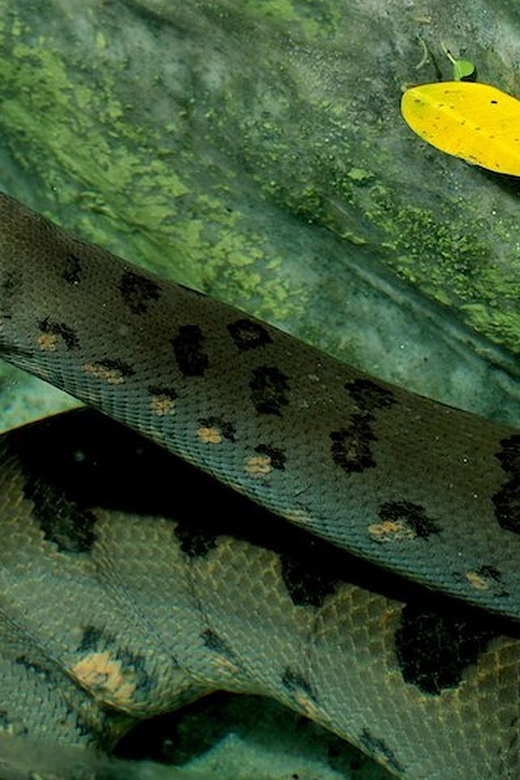
- Reptile House focus: many visitors treat it as the day’s top stop (iguanas, snakes, lizards)
- Big park energy: expect a lot of walking in a green setting, not a quick loop
- English + Italian signs: most animal info boards are set up for easy reading in both languages
- Food is limited inside: bring a plan for snacks and meals if you’re picky or hungry
Why Bioparco di Roma feels different from a regular zoo
Bioparco di Roma isn’t just a place to see animals. It’s a real Roman green pocket: a 42-acre zoological park set on part of the original Villa Borghese estate. That matters because your day feels like a walk through gardens with exhibits, not like you’re trapped in a big cage-block maze.
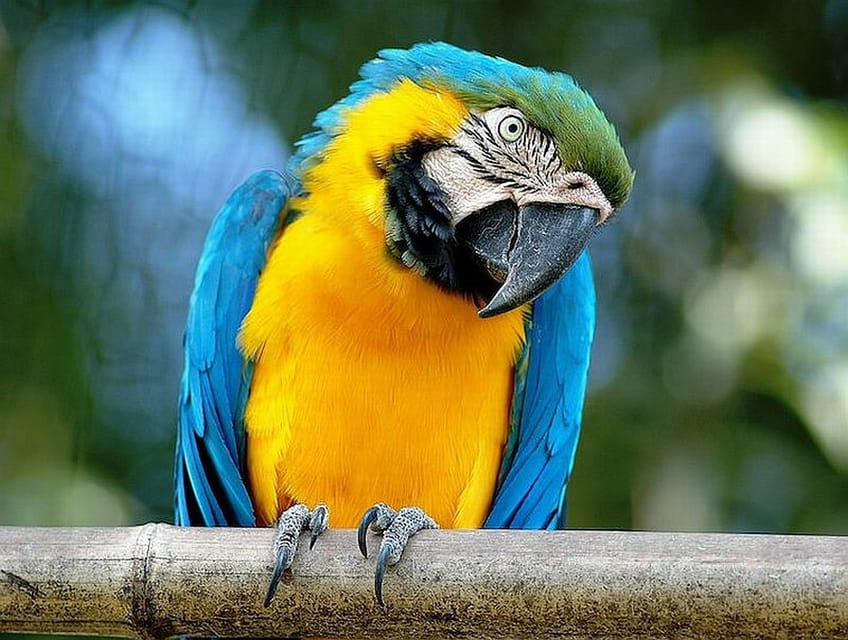
Another reason I like it for Rome is the “world animal” scale. You’re looking at over 1,200 animals representing around 200 species from 5 continents, covering mammals, birds, reptiles, and amphibians. You’ll see plenty of familiar animals, but it’s the less-common species that make people slow down and actually pay attention.
And there’s a conservation angle that’s not just printed on a sign and forgotten. The park is active in endangered species work, environmental education, and scientific research. In practice, it means many exhibits are built to help you understand not only what an animal is, but why it matters.
You can also read our reviews of more tours and experiences in Rome



Price and logistics: what your $25 skip-the-line ticket buys
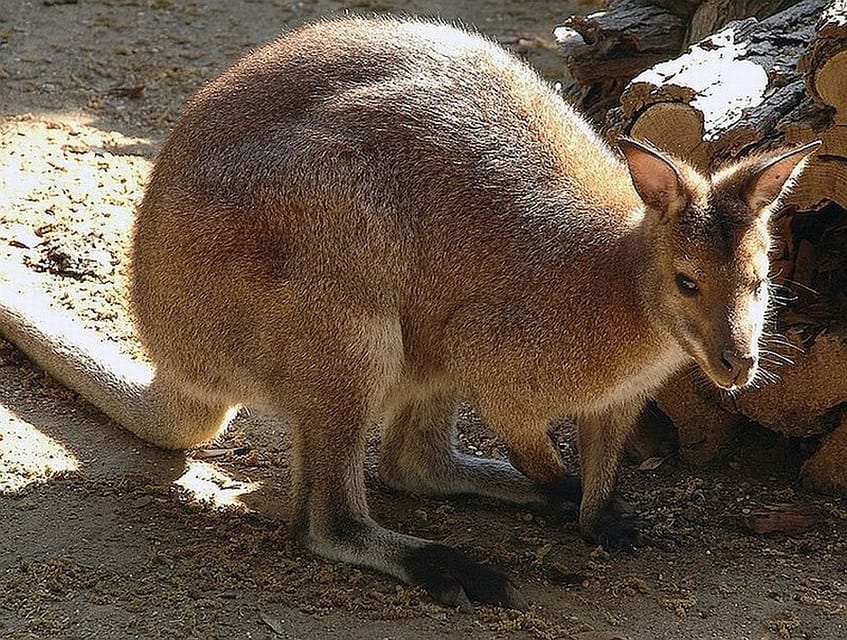
This ticket costs about $25 per person and is valid for one day. The big practical win is that it includes skip-the-line entry through a separate entrance and ticket line at the gate. That’s not just “nice to have.” In a large park, saving even 10–20 minutes at the start helps you spend more time where it counts: actually watching animals.
One thing to keep straight: food and drinks are not included. The park does have cafés and snack stations, but options are limited inside, and costs are often “zoo prices.” If you want better value (and less decision fatigue), plan a picnic or buy food outside the park before you go.
Also note the ticket is non-refundable, so only book if you’re confident you’ll make it. For most people, this is an easy “yes” because you can use the whole day if you pace yourself.
Getting there and picking the right time to start
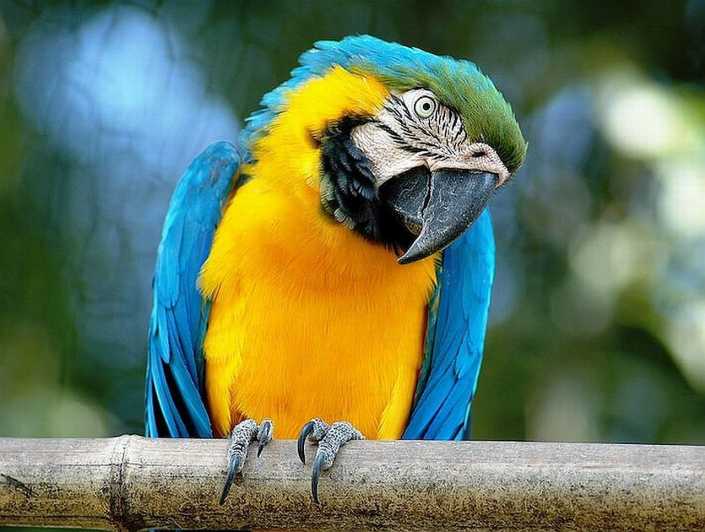
Bioparco sits in Lazio, and the park is popular enough that you’ll want a smooth arrival. I’ll be honest: public transit can be doable, but many visitors end up using taxis. One practical tip from people who’ve gone: if you take a cab, use an app-style option (and avoid the notorious white-taxi scams people warn about). You’ll likely spend less energy fighting the “wrong route” problem.
Timing is your secret weapon. If you go earlier, you have a better shot at seeing animals more active. Multiple visitors specifically recommend going in the morning because animals tend to be awake and moving then. On hot days, late afternoon can feel smarter too—one person warned that midday sun can be brutal.
As for how long it takes: don’t plan on a quick stop. Many visits run about 2–4 hours, but the park can easily stretch longer, especially if you like reading the signs, watching animals swim, or letting kids roam the open areas a bit.
How the park layout helps you stay oriented

Bioparco covers 42 acres, so you need to expect a real walking day. The good news is the layout is designed to be followable. Reviews mention it being well laid out with an easy route that avoids endless backtracking, and people often describe it as straightforward to navigate with a map.
What this means for you: you can plan a simple rhythm. Start at the major highlights, then work your way through the rest without constantly doubling back. If you’re visiting with kids, this matters because it reduces the “we’re lost” melt-down energy.
One more honest detail: the park is big enough that some visitors clock around 6 miles of walking. Wear comfortable shoes. Bring water. Even if you’re only staying a few hours, you’ll feel the distance.
Reptile House: the stop most people build their day around
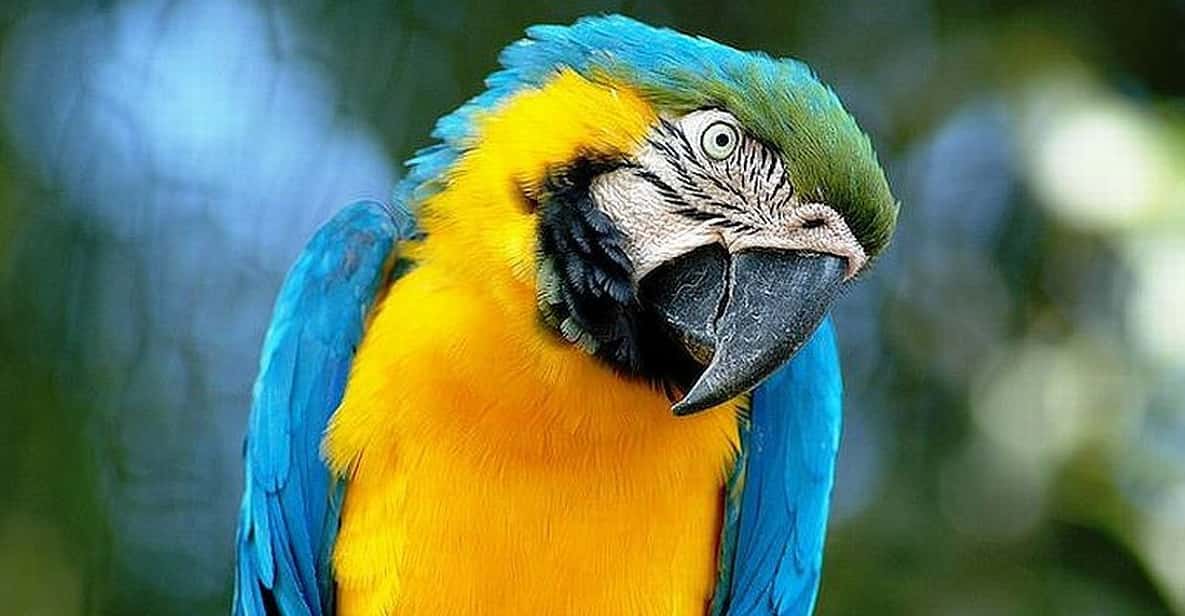
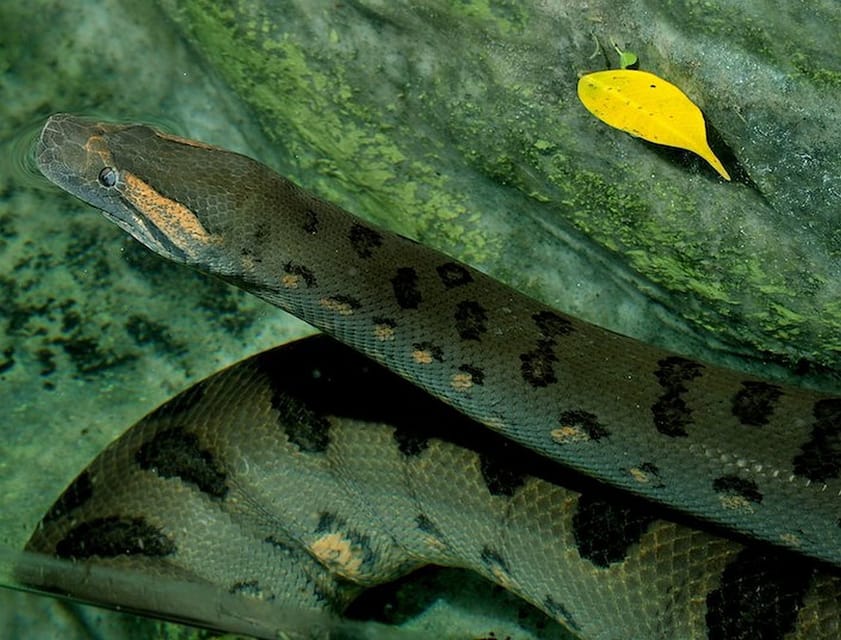
If you want one exhibit to treat like a priority, make it the Reptile House. It’s one of the most frequently mentioned highlights, and the reason is simple: the variety is strong. You’re not just seeing one or two species. You’ll likely spot iguanas, snakes, and lizards, plus the whole “reptiles have their own vibe” factor.
This is also a good place to slow down. Reptiles don’t always move like mammals do, so viewing can be more about observation than excitement bursts. If you like learning what you’re seeing, the info boards help you connect the animal name to the animal behavior.
Also, it’s a smart break. You can reset your legs and your head in one focused stop, then head back out for larger animal areas.



Lemurs, chimpanzees, tigers, and bears: what your viewing day looks like
Bioparco gives you a classic “animal kingdom” day: lemurs and chimpanzees for primate lovers, birds scattered through the grounds, and big cats like tigers plus bears. You’ll also find animals presented across multiple types—mammals, birds, reptiles, and amphibians—so you’re not locked into one section.
Now here’s the balanced reality check: not all animals are guaranteed to be visible all the time. Some visitors note that certain animals were asleep or hidden. That doesn’t mean something is wrong with the park—most zoos have this day-to-day animal behavior.
What you can do instead is build a patience strategy:
- Go early for more chances of activity.
- Revisit key areas later if you miss an animal the first time.
- Accept that some enclosures look different when animals pick quiet spots.
One more note: a few visitors felt some enclosures could offer more space or enrichment for certain species, while others thought the animals looked healthy and well cared for. That mix is common at zoos, and it’s worth holding in mind as you view.
Conservation and learning: the signs actually help
One of the nicest surprises is that the animal information boards are set up in Italian and English. That makes a big difference in Italy, where you often end up translating everything in your head on the fly. Here, it’s easier to understand what you’re seeing without stopping every five steps.
In terms of content, the park emphasizes endangered species and conservation efforts. It also highlights environmental education and scientific research. You don’t need to be a wildlife expert to get value here. The signs and exhibit framing help you connect the animal to a bigger theme: habitat loss, survival, and why conservation isn’t just a feel-good slogan.
If you’re traveling with kids, this is also a win. Kids can read or listen to you explain, and adults can get something real beyond simple photos.
Food, breaks, and picnic strategy across 42 acres
Let’s talk food, because it can make or break a zoo day. While there are places to buy food and drink inside the park, people often describe the inside options as limited. Some visitors even suggest buying food outside the zoo before you arrive.
If you want the best balance of cost and energy, bring a picnic. Multiple people specifically recommend taking a picnic and noted there are lots of places to sit. That turns the park into a longer day, not just a quick viewing session.
What’s available inside:
- Cafes and snack stations scattered around
- Ice cream and snack options (varies by vendor)
- Soft drinks and some vending machines in areas
One practical tip: plan for hydration early. People advise bringing water, especially because the park involves lots of walking and Rome weather can be intense.
There’s also mention of a small gift shop, which can be fun at the end if you want a souvenir that doesn’t feel like a random impulse buy.
How to get the most out of your walking time

In a park this size, the best day is usually the one with a simple plan and a few smart decisions, not one that tries to “see everything perfectly.”
Here are tactics that match what works for people:
- Go early if you want animals active and fewer crowds.
- If you prefer a quieter vibe, consider weekdays. Visitors often describe it as calm and easy to stroll.
- If you’re going on a hot day, you might prefer later time slots so you’re not walking in peak sun.
- Give yourself time for the smaller moments: birds roaming freely and animals that are visible in calmer behavior.
Also, plan bathroom breaks. Reviews note there are plenty of toilets around the site, so you won’t feel stuck searching.
Who should buy this ticket?
This is a great fit if you want:
- A break from Rome’s classic sites and crowds
- A family-friendly day that still feels big and interesting
- Rare animal viewing you might not see in your home country
- A calm, green place to reset your pace for a few hours
It works for adults too. People without kids still enjoy it because it’s wide-ranging and well organized, and the Reptile House is genuinely memorable.
If you’re traveling with a toddler or young child, it can be a good energy release day before you tackle history later. Just expect height-based ticket rules for children, and don’t assume age equals price.
Should you book the Bioparco di Roma skip-the-line ticket?
I think you should book this ticket if you want a full animal day in a park setting that feels like more than cages and labels. The value comes from two things working together: a skip-the-line start and a big, varied animal collection spread across lots of exhibits.
If you hate walking, you might find it tiring—this isn’t a quick drive-by zoo. And if you’re expecting every animal to be visible at every moment, adjust your expectations. Some animals will be asleep or hiding. That’s normal zoo behavior, and it’s also why going early (when you can) helps.
My recommendation: buy the ticket and plan for a longer visit than you think—bring water, consider a picnic, and treat the Reptile House as your “do not miss” moment.
FAQ
How long can I spend at Bioparco di Roma with this ticket?
The ticket is valid for one day, and many visitors spend about 2–4 hours, though you can make it a longer outing if you pace yourself and include breaks.
Does the ticket include skip-the-line entry?
Yes. Your ticket includes skip-the-line entry through a separate entrance and ticket line at the gate.
What animals and how many species can I expect to see?
You can see over 1,200 animals representing around 200 species from 5 different continents, including mammals, birds, reptiles, and amphibians.
Is food included in the ticket price?
No. Food and drinks are not included, though there are cafes and snack options inside the park.
Are the animal information signs available in English?
Most animal info boards are conveniently available in both Italian and English.
How does the child ticket work?
Children are priced by height. Children under 1 meter enter for free. Children over 1 meter and up to 10 years old should select the child rate, and height is checked on site at entry.
Is there free admission for disabled people?
Yes, free entrance is available for people with a disability of 100% and certified, and for a companion. Free tickets can be collected at the Bioparco ticket office with the required documents.
Where can I pick up the Tramezzino during the day?
Pickup is available from 11:00 AM to 5:00 PM, and it can be collected at Bar Ninfeo, Ristorante Mascagni, Chiosco Oasi del Lago, or Bar Voliera inside the park.