REVIEW · CASTEL SANT'ANGELO TOURS & TICKETS
Official Castel Sant’Angelo Ticket
Book on GetYourGuide →Operated by The Roman Experience Tours · Bookable on GetYourGuide
If you like history you can walk through, this is your place. Castel Sant’Angelo changes jobs over time—mausoleum, papal residence, fortress, and prison—and you can see the evidence with your own eyes as you move at your pace. I really liked the official host check-in before you enter, plus the payoff: viewpoints over Rome that feel worth the climb.
Two things I like a lot: first, the host assistance at the meeting point helps you get inside without guessing what to do first. Second, you’re not just seeing a museum label—you’re touring spaces connected to Hadrian’s monument and later uses, including papal chambers and prison cells. One possible drawback: this isn’t a full guided tour once you’re in. You’ll explore on your own after the entry support.
In This Review
- Key things I’d plan for (so it goes smoothly)
- What you’re really buying for $32 (and why it’s fair)
- Entry support that actually helps you start (not just stand around)
- Your self-guided walk: the main areas and what to look for
- Hadrian’s Mausoleum: start with purpose
- Papal chambers: how religion and power shaped the space
- Prison cells: the mood turns, and that’s the point
- Historical exhibits and passages: your shortcuts to understanding
- Terrace views over Rome and the Tiber: why you should save energy
- Timing: how to use the 1.5 hours without feeling rushed
- Rules that affect your comfort (and your photos)
- Small group + wheelchair accessible: what that means for your plan
- Price vs. alternatives: when this ticket choice is best
- A real-world caution: ticket delivery and missed starts
- Should you book Castel Sant’Angelo with this official entry ticket?
- FAQ
- How long is the Castel Sant’Angelo entry included?
- Do I get a guided tour inside?
- What language is the host?
- Will I need an ID to enter?
- When do I receive my tickets?
- What should I do if I don’t have my ticket right away?
- Is photography allowed?
- Can I eat or drink inside?
- Is this activity wheelchair accessible?
- How many people are in the group?
Key things I’d plan for (so it goes smoothly)

- Official host assistance at the meeting point so you start your visit with clear directions
- Swift access ticket built for a faster entry flow
- Self-guided touring of Hadrian’s Mausoleum, papal areas, and prison cells
- Terrace views overlooking Rome and the Tiber River
- Rules that matter: ID required, no flash photography, no food/drinks inside
What you’re really buying for $32 (and why it’s fair)

At about $32 per person for a 1.5-hour visit, you’re paying for more than a basic entrance ticket. The big value is that you’re getting an official ticket plus host help right at the start, which can save time and stress when you’re dealing with a popular site.
Then, once inside, the tour format is simple: you get a self-guided exploration across the major areas included. That matters because Castel Sant’Angelo is the type of place where you’ll want to linger. If you’re into architecture and how a building’s purpose changes over centuries, you’ll be able to spend time where you care and skip what you don’t.
You can also read our reviews of more tours and experiences in Rome



Entry support that actually helps you start (not just stand around)
Before you go, the key practical detail is ticket delivery. Your entrance tickets are sent within 24 hours of your selected date, and they’re sent by email and also to the phone number you provided. That means you should do two things when you get the message:
- check your email inbox and spam folder
- keep your phone handy in case you need to reference the ticket later
At your arrival, you meet an official host/greeter in English at the designated meeting point. Your host provides entry assistance and gives you important context about what you’re about to see—its historical, artistic, and strategic significance. The purpose of this part is to help you get oriented fast so the self-guided part feels easy.
One more detail that can prevent headaches: the activity requires a valid identification document for entry. The rules also say a copy can be accepted, including for children. Bring the required ID (passport or ID card), even if you’re only wearing your “I’m a tourist” face.
Your self-guided walk: the main areas and what to look for

This is a self-guided experience, but it’s not random wandering. The included areas are clear: Hadrian’s Mausoleum, papal chambers, and prison cells, plus historical exhibits and terrace viewpoints.
Hadrian’s Mausoleum: start with purpose
Castel Sant’Angelo began as Emperor Hadrian’s monumental mausoleum. That original purpose is the foundation for everything that comes after. When you’re moving through the earlier sections, I’d focus on the idea that you’re not just touring a “Roman monument.” You’re stepping into a structure that later had to be adapted for completely different needs.
As you walk, look for how the site’s design supports flow and movement. Mausoleums weren’t built for daily traffic, but Castel Sant’Angelo later became a place people lived, guarded, and incarcerated. That change in role is what makes the building feel alive rather than static.
Papal chambers: how religion and power shaped the space
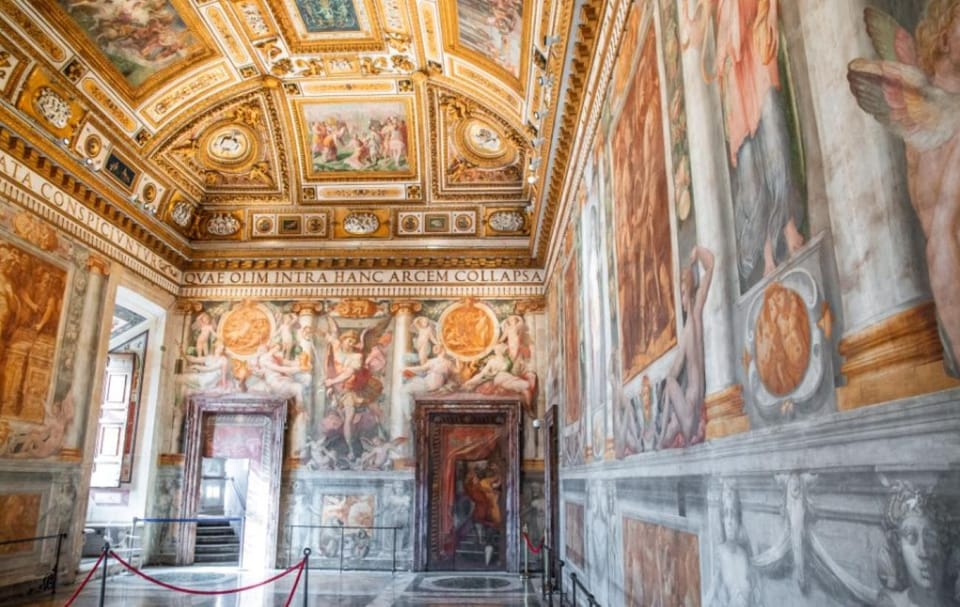
The included papal areas are where you can connect the dots between Rome’s changing eras and the building’s changing jobs. Instead of thinking of “church rooms,” think of settings for authority. These spaces help you understand why the building became a papal residence after it stopped being just a tomb.
What I’d do here is slow down and read what the displays and exhibits tell you. The host gives you background before you enter, and once you’re in the papal sections, that context makes the architecture and function click faster.


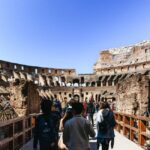



Prison cells: the mood turns, and that’s the point
Then you reach the prison cells. This part can feel heavier, simply because the building’s history isn’t only about art and ceremony—it also includes confinement and punishment. If you’re the type who appreciates how places carry multiple stories, this is often the segment that sticks in your memory.
Practical note: there may be areas where you can’t do much with photography or where you’ll want to keep your movements careful. The rules are straightforward—flash photography isn’t allowed, and you can’t touch artifacts—so plan to enjoy the spaces with your eyes and your camera turned off where needed.
Historical exhibits and passages: your shortcuts to understanding
Between the major areas, you’ll also find historical exhibits and connections through passages and architecture. This is the part that turns a “walk-through building” into an experience where you understand what you’re seeing.
If you’re trying to get value out of 1.5 hours, this is where you should focus when you only have a little time. Use exhibits to anchor the story, then let the rooms do the rest.
Terrace views over Rome and the Tiber: why you should save energy
The terrace is included, and it’s the kind of payoff you don’t want to rush. You’ll get panoramic views over Rome and the Tiber River, which means you’re getting a wide context for the city while you’re standing in one of its historic power centers.
Tip: if you can, pace yourself so you don’t arrive winded. Castel Sant’Angelo is a fortress-type structure, and you’ll likely be moving between levels and sections. Wear comfortable shoes and treat the terrace as a mini reward at the end.
Timing: how to use the 1.5 hours without feeling rushed

You get a 1.5-hour window for your visit. That’s enough time if you keep your plan realistic:
- Start with the orientation the host gives you.
- Spend a solid chunk on the major included areas.
- Do the terrace last, when you know what you’ve already seen.
This is one of those Rome sites that can be busy, so I recommend an early visit if your schedule allows. The fewer crowds you’re dealing with, the easier it is to enjoy views and absorb the exhibits at your own pace.
Rules that affect your comfort (and your photos)
Castel Sant’Angelo has a few clear restrictions, and knowing them ahead of time means you won’t get stopped mid-visit.
- Photography is allowed, but no flash.
- No touching artifacts.
- No food or beverages inside.
- No weapons or sharp objects.
- Alcohol and drugs aren’t allowed.
Also, remember you need to provide the full name and surname of all participants so the ticketing process goes smoothly.
If you’re the kind of person who always wants a snack while touring, grab food before you go and plan to drink water outside. Inside, think “museum mode,” not “picnic mode.”
Small group + wheelchair accessible: what that means for your plan

This experience is listed as a small group with an English host. A small group matters because it typically helps your entry experience feel less chaotic at the meeting point.
It’s also wheelchair accessible, which is great news if you need step-free or mobility-friendly logistics. The data doesn’t list details like elevator routes, so if you have specific mobility needs, it’s smart to ask ahead when confirming your plans.
Price vs. alternatives: when this ticket choice is best
You’re paying for:
- an official ticket
- host assistance at the meeting point
- entry support so you can start quickly
- access to major site areas and terrace views
- customer support before your visit
This is a strong fit if you:
- want to do it on your own, with context provided at the start
- care about getting the important areas (Hadrian’s Mausoleum, papal chambers, prison cells, terrace)
- would rather spend time looking than waiting in line for figuring things out
If your dream version of Castel Sant’Angelo includes a fully guided, narration-heavy walkthrough, then you may feel mismatched. This experience is built for self-guided exploration after entry help, not a live commentary tour.
A real-world caution: ticket delivery and missed starts
Most visits will go fine. Still, two practical issues are worth taking seriously because the rules are clear about how tickets are delivered and referenced.
1) Tickets are sent in the 24 hours before your date.
If you don’t see them, check email and your phone details right away.
2) If there’s any trouble with timing, your instructions say to wait at the designated meeting point and check for tickets via email or WhatsApp.
One unlucky situation can mean you lose time, so treat the pre-visit messages like a calendar appointment, not a maybe.
Should you book Castel Sant’Angelo with this official entry ticket?

I’d book it if you want a practical, well-scaffolded visit: official ticket + host help + self-guided exploring with terrace views included. It’s also a good option if you like historical context delivered quickly, then you want control over how long you spend in each space.
Skip it (or consider a different format) if you’re expecting a guided tour throughout. Here, the host’s role is mainly the start—then you explore on your own.
If you can visit earlier in the day, even better. Castel Sant’Angelo rewards calm pacing, and that terrace view over the Tiber is the kind of moment you’ll want time to actually enjoy.
FAQ
How long is the Castel Sant’Angelo entry included?
Your ticket is valid for 1.5 hours.
Do I get a guided tour inside?
No. You get official host assistance at the meeting point, and then you do self-guided exploration.
What language is the host?
The host/greeter support is English.
Will I need an ID to enter?
Yes. A valid passport or ID card is required for entry, and the rules also mention that a copy can be accepted (including for children).
When do I receive my tickets?
Tickets are sent within 24 hours before your selected date, by email and to the phone number you provided during booking.
What should I do if I don’t have my ticket right away?
If there are delays or you don’t see your ticket, the instructions say to wait at the designated meeting point and check for your tickets via email or WhatsApp.
Is photography allowed?
Yes, photography is allowed, but no flash.
Can I eat or drink inside?
No. Food and beverages inside are prohibited.
Is this activity wheelchair accessible?
Yes, it’s listed as wheelchair accessible.
How many people are in the group?
It’s listed as a small group.