REVIEW · CITY TOURS
Rome: City Sightseeing Hop-on Hop-off Bus with Audioguide
Book on GetYourGuide →Operated by Sightseeing Experience · Bookable on GetYourGuide
Rome is big, ancient, and slightly chaotic. This hop-on hop-off open-top bus is a smart way to see the main sights without planning every turn yourself. I like the flexibility of a 24-, 48-, or 72-hour ticket (ride the full loop or jump off as you please), and I like the audio guidance in 8 languages plus onboard Wi‑Fi and a sightseeing app. One thing to keep in mind: Rome can throw special events at you, so a stop might be missed or timing can shift, and one loop can feel tight if you’re expecting long museum-style visits from the bus alone.
You’ll cruise past the icons with a 100-minute loop. The bus lets you build your day around your energy—slow coffee breaks, quick photo stops, or a longer wander off-grid. Just remember this is sightseeing transit, not entrance tickets to attractions, so you’ll still need to plan for timed tickets where required.
In This Review
- Key Highlights Worth Knowing
- How the Hop-On Hop-Off Bus Works (and Why It’s So Useful)
- Getting On: Start Point and the Line A Setup
- The Full 100-Minute Loop: What You See at a Glance
- Stop by Stop: What to Do at Each Major Sight
- Basilica Papale di Santa Maria Maggiore
- Basilica di San Giovanni in Laterano
- Colosseum
- Circus Maximus
- Piazza Venezia
- Largo di Torre Argentina
- Piazza Navona
- Vatican City (Castel Sant’Angelo area)
- Villa Borghese
- Piazza di Spagna (Fontana di Trevi) and Piazza Barberini
- Roma Termini (and getting back to Via Marsala, 7)
- Audio Guide, Wi‑Fi, and the Reality of Hearing It All
- Value for Money: When This Bus Makes Sense
- The Jubilee Line Bonus You’ll Want to Understand
- Best Ways to Use This Ticket in Real Life
- Use the full loop once, then choose your favorites
- Don’t schedule museum-level expectations at every stop
- Expect Rome to be flexible
- Use multiple boarding points
- Who Should Book This Bus (and Who Might Skip It)
- Should You Book Rome City Sightseeing Hop-On Hop-Off Bus?
- FAQ
- FAQ
- How long is the full loop?
- Do I need to buy tickets for attractions?
- How many hours or days is the ticket valid?
- What languages are available for the audioguide?
- Can I hop on and off at any stop along the route?
- Is the Jubilee Line included?
- Is the route and timing fixed?
Key Highlights Worth Knowing
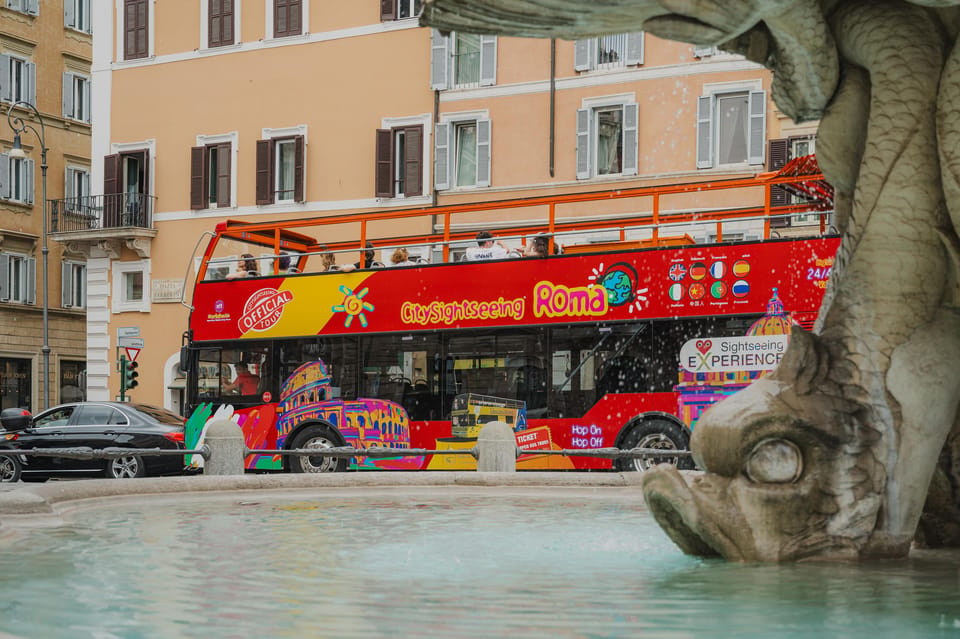
- Hop on and off for 24, 48, or 72 hours so you can pace your day instead of racing it
- Full loop runs about 100 minutes, handy for a first-day orientation
- Audioguide in 8 languages plus onboard Wi‑Fi and a sightseeing app
- Stops that match major Rome landmarks, from Santa Maria Maggiore to the Vatican area and Piazza di Spagna
- Jubilee Line included with your City Sightseeing ticket (operated by Vatican & Rome Open)
- Route changes can happen, so plan for a backup walk if a stop isn’t guaranteed
How the Hop-On Hop-Off Bus Works (and Why It’s So Useful)

I love tours that act like a flexible backbone. This one does. You get an open-top, double-decker bus ride where you can stay seated for the big overview loop or hop off at any of the stops to explore on foot.
Your ticket gives you time-based access (1 loop within 24/48/72 hours depending on the option you choose). That matters because Rome rewards slow roaming. If you want to linger near fountains, churches, and piazzas, you’re not stuck with a fixed itinerary.
Also, I recommend treating the bus as your “Rome map with wheels.” The audio commentary helps you connect what you’re seeing with what it means—while you keep moving when your feet start plotting an escape.
One practical note: the tour product here is hop-on hop-off. A separate option called a one-loop tour exists in the same family of products, but it’s not the same thing. If you want the freedom to get on and off repeatedly, make sure you booked the hop-on hop-off ticket.
You can also read our reviews of more city tours in Rome

Getting On: Start Point and the Line A Setup
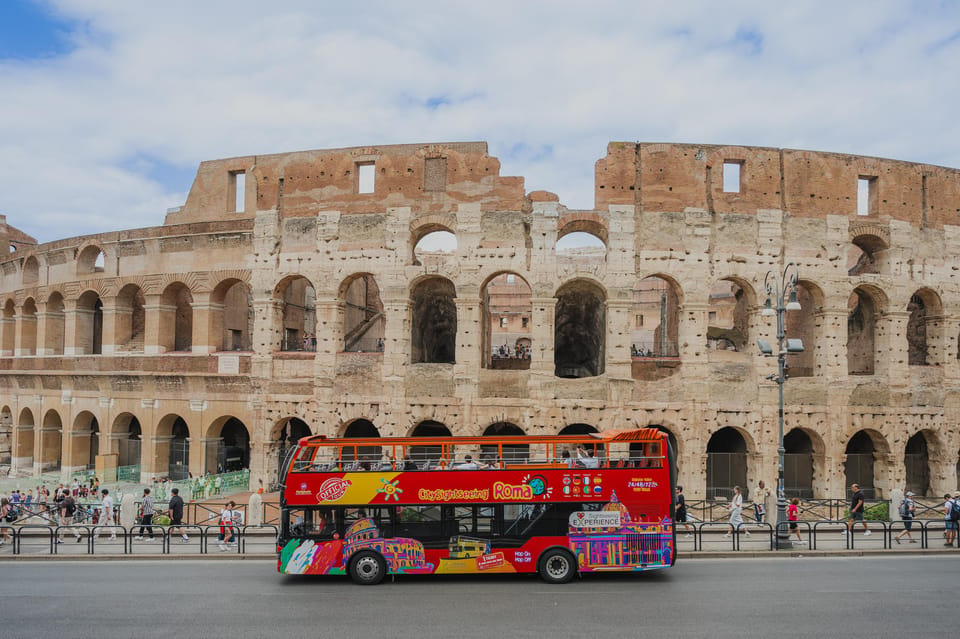
You can start at any stop of City Sightseeing Rome Line A. The route begins at Via Marsala, 7, and the loop circles through the city with a set list of major stops.
If you’re arriving by train, you’ll like that Roma Termini is on the route. If you’re starting near the center, other stops make sense too—like Piazza Venezia, Piazza Navona, or the Vatican-area stop near Castel Sant’Angelo.
Because this is a hop-on hop-off service, the “best” start point is the one closest to where you’ll actually be. Rome travel planning is easier when you don’t add extra transfers just to save a few euros.
The Full 100-Minute Loop: What You See at a Glance

The full loop takes about 100 minutes. That gives you a realistic sense of scale. Rome landmarks don’t sit beside each other like they do in some cities. You’ll get the feel of the city’s geography—so when you hop off, you know what’s nearby and what’s going to require a walk or a separate stop later.
It also helps if you’re doing this as your first day. I like riding the whole loop at least once to avoid “Where am I?” moments later.
Stop by Stop: What to Do at Each Major Sight
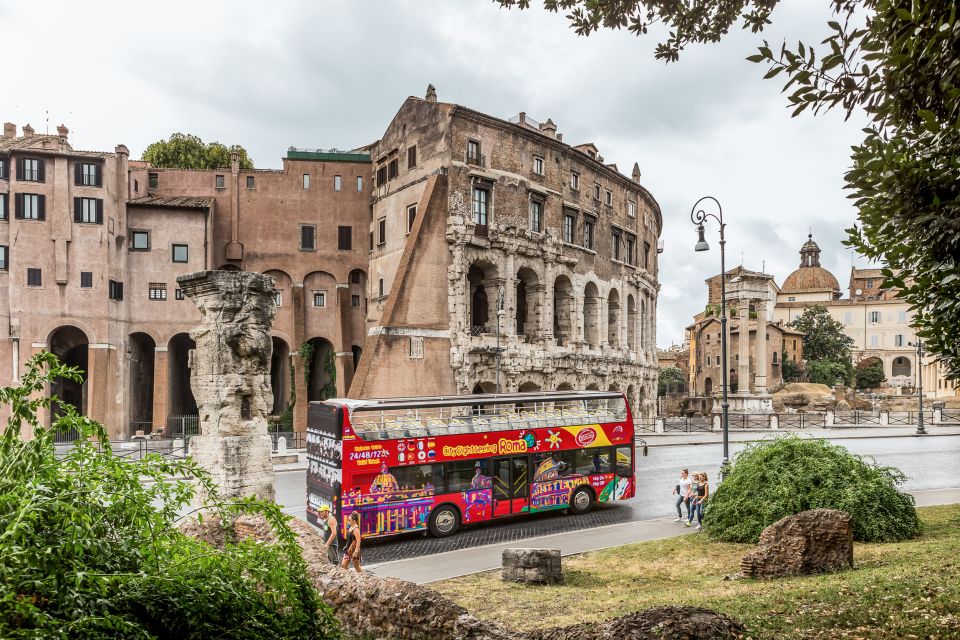
Below is the order of the loop and what each stop area is good for. Think of this as a menu. Use it to decide where you’ll hop off today versus where you’ll just admire from the bus.
Basilica Papale di Santa Maria Maggiore
This stop is a strong early hit because it’s central and memorable. If you like classic Rome church interiors and a quick change of pace from outdoor wandering, this is a good first hop-off point.

Basilica di San Giovanni in Laterano
This is one of Rome’s big heavyweight churches. Even if you don’t go inside every time, the area gives you a sense of how the city’s religious landmarks shape neighborhood life.
Tip: if you’re trying to fit a lot into one day, churches are where audio helps most. The bus narration can keep you from passing by important details you’d otherwise miss.
Colosseum
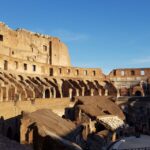
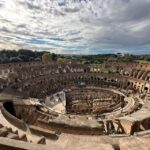
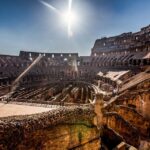
The Colosseum stop is a must on paper—and it often delivers great views. One key caution: stops can be affected by on-the-ground circumstances and special events, so getting off at every stop isn’t something to assume blindly.
Still, even when you can’t step off exactly where you want, you’re in the right corridor for photos and quick sight checks.
Circus Maximus
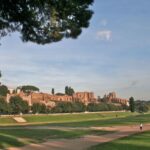
This stretch is long, dramatic, and made for imagining the old spectacle. Even from the bus, you can grasp the scale. If you hop off, it’s a great place to stretch your legs and take in the open space.
Piazza Venezia
Piazza Venezia is a handy “Rome crossroads” stop. It’s useful if you’re planning to walk toward nearby sights afterward. You also get a good feel for how roads funnel traffic into the historic core.
Largo di Torre Argentina
This is a smart hop-off if you like quirky, unexpected stops. It’s not the kind of place you usually plan for first in Rome, but it’s a nice change from the more obvious hits—and it can turn your day from checklist sightseeing into actual Rome wandering.
Piazza Navona
Piazza Navona is one of those stops where just being there feels like a win. If you want lively street energy and a strong chance to photograph fountains and façades, this is a solid place to linger.
I like using Navona as a “rest stop.” You hop off, you walk a little, you grab a snack, then you get back on when your feet are ready.
Vatican City (Castel Sant’Angelo area)
The Vatican-area stop is ideal when you’re ready to go bigger. It’s also useful because Castel Sant’Angelo is a familiar reference point in the narration for this area.
This is where you’ll likely decide: do I want to spend more time now, or do I want to save it for a dedicated Vatican half-day? Either way, the bus gets you into the right orbit.
Villa Borghese
This stop works best when you want space. Villa Borghese is a good “walk break” option—especially if you’ve been on buses and in crowds. It’s also a convenient stop for people who want a bit of greenery in the middle of all the stone.
Piazza di Spagna (Fontana di Trevi) and Piazza Barberini
These are your classic Rome photo and stroll zones—shopping streets, scenic walks, and all the famous corners people come for. The route labels the Piazza di Spagna area along with Fontana di Trevi, then continues to Piazza Barberini, which keeps you close to central Rome’s meandering lanes.
If you’re short on time, I’d treat these stops as “aim for the vista, then walk toward what you actually want next.” Rome rewards that kind of flexible approach.
Roma Termini (and getting back to Via Marsala, 7)
Termini is excellent for getting back on track if your day ended elsewhere. Then you’ll loop back toward Via Marsala, 7 to finish the circuit.
Audio Guide, Wi‑Fi, and the Reality of Hearing It All
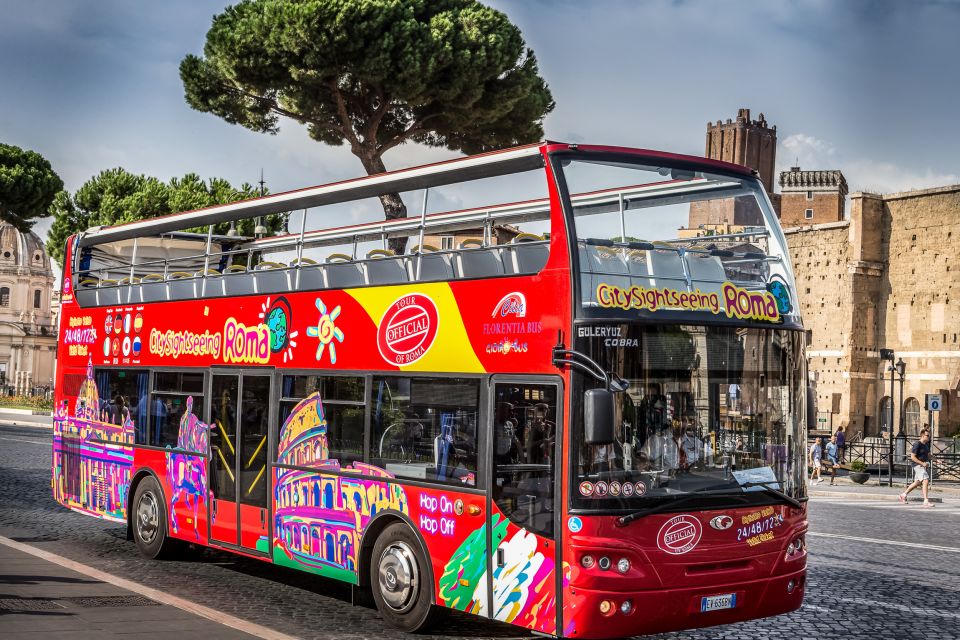
This bus includes an onboard audio guide in Spanish, Chinese, English, French, German, Italian, Russian, and Portuguese. I like that it gives you context without needing to stare at a screen.
Also included: headphones for the open bus (when applicable) and onboard Wi‑Fi, plus a sightseeing app. That combination is helpful because you can check what stop you’re near and plan your next move while you ride.
That said, one practical downside is that the narration can be interrupted at times and may not run to full completion in every situation. If you’re the kind of person who wants every word, don’t count on the audio being uninterrupted the entire ride. The fix: hop off at the stops you care about most, then use the audio to guide your walk.
Value for Money: When This Bus Makes Sense
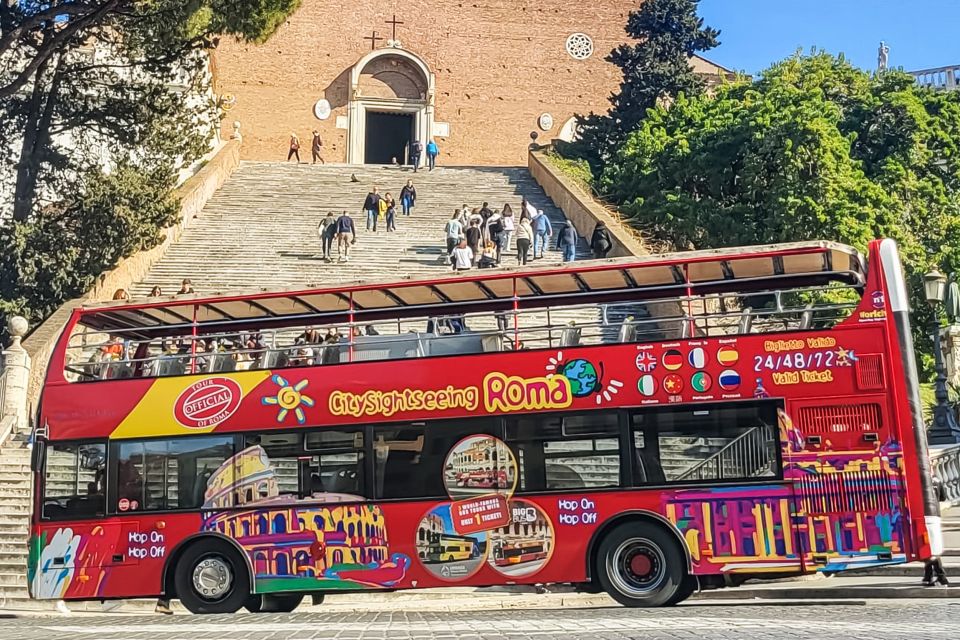
At around $15 per person, this is one of those purchases that can quietly save your day. The real question isn’t just price—it’s whether the bus prevents wasted time.
This is a great fit if:
- You have limited time and want to see the big-name sights without complex logistics
- You want a “first day” overview while you figure out where things are
- You prefer independent exploring, not waiting around for a group schedule
It’s also a smart choice if you want both sightseeing and recovery time. The hop-on format lets you swap between quick looks from the upper deck and longer foot time when you find something you actually like.
And you’re not just paying for the ride. You’re paying for route planning that’s already done for you, plus 8-language audio and onboard features that keep you informed.
The Jubilee Line Bonus You’ll Want to Understand
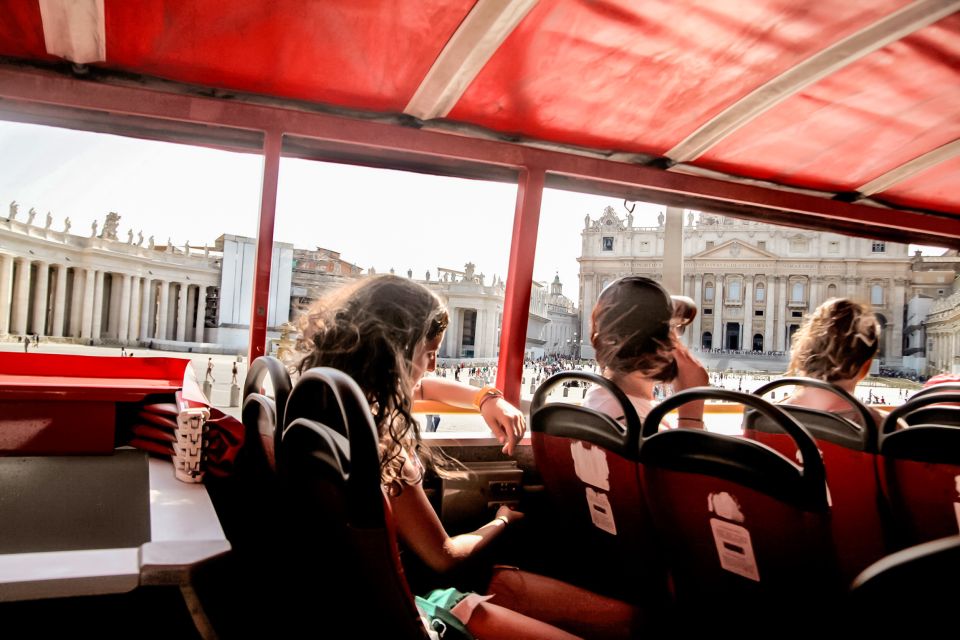
A standout part of this ticket is the Jubilee Line, included exclusively with the City Sightseeing pass. It’s operated by Vatican & Rome Open.
You don’t need to overthink it: just know your ticket isn’t only for the main loop bus. If you want access to that Jubilee Line option during your time window, this is where the added value shows up.
If you’re building your Rome days around Vatican-related planning, this inclusion can be useful—especially when you want to reduce how many separate tickets you’re buying.
Best Ways to Use This Ticket in Real Life
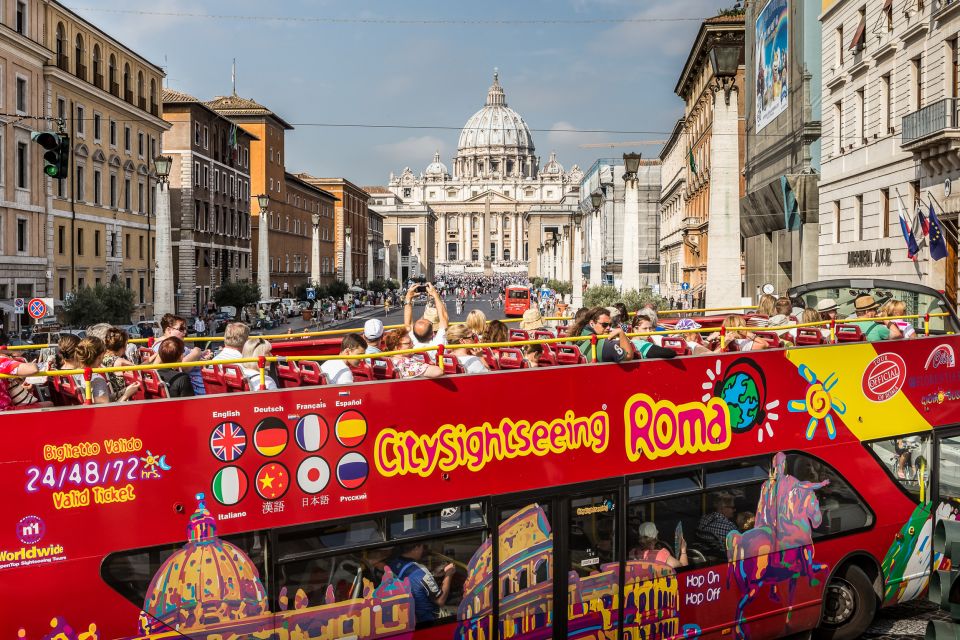
Here’s how I’d run it if I were trying to get the most out of it without burning out.
Use the full loop once, then choose your favorites
Ride the loop so you get the big picture. On your next ride window, hop off where you want a second look.
Don’t schedule museum-level expectations at every stop
The bus is for sightseeing flow. Attraction entry tickets aren’t included. So treat stops like a starting point, not the entire experience.
Expect Rome to be flexible
The route may change and some stops may not be guaranteed due to special events. If a stop isn’t available, you’ll still be in a sightseeing corridor. In Rome, a short walk can turn into a better plan.
Use multiple boarding points
Because you can start at any Line A stop, you can match the bus to your day—not the other way around.
Who Should Book This Bus (and Who Might Skip It)

This works best for:
- First-timers who want a practical overview
- People who hate over-planning and want to follow their curiosity
- Families who can adapt plans on the fly
- Anyone who wants an easy way to cover distant sights like the Vatican, Colosseum area, and central piazzas
You might consider skipping if:
- You already know exactly where you’re going and prefer direct, on-foot routes
- You want deep, guided time inside major attractions (because tickets aren’t included)
- You’re hoping the audio will be perfectly uninterrupted for the entire ride (it can be interrupted)
Should You Book Rome City Sightseeing Hop-On Hop-Off Bus?
If you’re spending 1 to 3 days in Rome and want a low-stress way to hit the biggest highlights, I think this is a solid booking. The combination of hop-on freedom, 8-language audio, and the included Jubilee Line gives you more flexibility than many simple sightseeing options.
My main caution is practical: don’t treat every stop as guaranteed, and don’t assume the bus ride equals attraction entry. Use it for positioning, views, orientation, and quick exploration—and then decide what deserves your longer attention once you’re on the ground.
FAQ
FAQ
How long is the full loop?
The full loop takes about 100 minutes.
Do I need to buy tickets for attractions?
No. Attraction tickets are not included, so you’ll need to purchase those separately if you want to enter.
How many hours or days is the ticket valid?
Your pass is valid for 1 to 3 days, depending on which option you choose (24, 48, or 72 hours).
What languages are available for the audioguide?
Audio is available in Spanish, Chinese, English, French, German, Italian, Russian, and Portuguese.
Can I hop on and off at any stop along the route?
Yes. You can leave the bus at the listed stops and hop back on the next bus when you’re ready to continue.
Is the Jubilee Line included?
Yes. The Jubilee Line is included with your City Sightseeing ticket, and it’s operated by Vatican & Rome Open.
Is the route and timing fixed?
Not always. The route may change, and some stops may not be guaranteed due to special events.