REVIEW · CATACOMBS & CRYPTS TOURS
Rome: Catacombs of Saints Marcellino and Pietro Guided Tour
Book on GetYourGuide →Operated by OPERA ROMANA PELLEGRINAGGI · Bookable on GetYourGuide
Two saints, silent tunnels, and vivid wall art. The Catacombs of Saints Marcellino and Pietro don’t feel like a rushed hallway stop; with a live guide you get the story behind the paintings and the persecution-era burials, all within a calm small-group visit.
I love the wall work here: ancient frescoes and paintings from the 3rd and 4th centuries, including scenes tied to biblical figures. I also like how this tour keeps attention on your group, not a crowd. The main drawback is simple: photography is not allowed inside, and the visit is short—about 30 minutes—so you’ll want to listen closely if you’re coming for details.
In This Review
- Key takeaways before you go
- Catacombs of Saints Marcellino and Pietro: a Rome site few people see
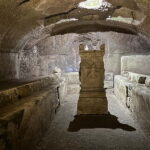
- What you’ll actually see underground: frescoes, paintings, and story scenes
- The timeline the guide connects: from imperial property to Christian catacombs
- Diocletian-era martyrs and why the paintings survived
- What’s above ground matters, but your ticket keeps you focused
- 30 minutes, small group size, and how to get the most from it
- Price and value: why $16 can feel like a bargain here
- Getting there from Termini: bus 105 or tram
- Meeting point and the one rule that affects your visit
- Who this tour suits best
- Should you book the Catacombs of Saints Marcellino and Pietro tour?
- FAQ
- How long is the guided tour of the Catacombs of Saints Marcellino and Pietro?
- What is included in the price?
- Are there language options for the tour?
- Is photography allowed inside the catacombs?
- Where do I meet for the tour?
- Is entry to Constantine’s Mausoleum included?
Key takeaways before you go
- Small group (max 10) means more Q&A time and less crowd-pressure underground
- Frescoes from the 3rd and 4th centuries are a highlight, and the site is known for bright, well-preserved wall art
- A strong narrative connects the catacombs to early Christian history and Diocletian-era martyrs
- Laser-assisted restoration has helped bring some paintings back to clearer visibility
- Constantine’s above-ground complex isn’t included, so your focus stays underground
Catacombs of Saints Marcellino and Pietro: a Rome site few people see
Rome has a lot of catacomb options, and most first-time visitors aim for the famous ones. That’s exactly why this tour feels like a different experience: you get the importance of the place without the usual crush.
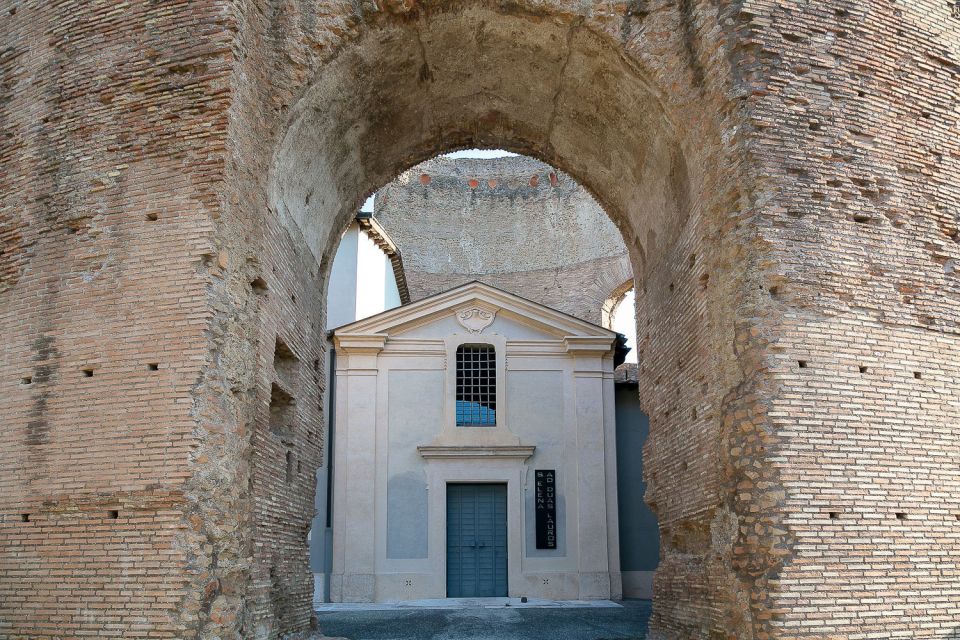
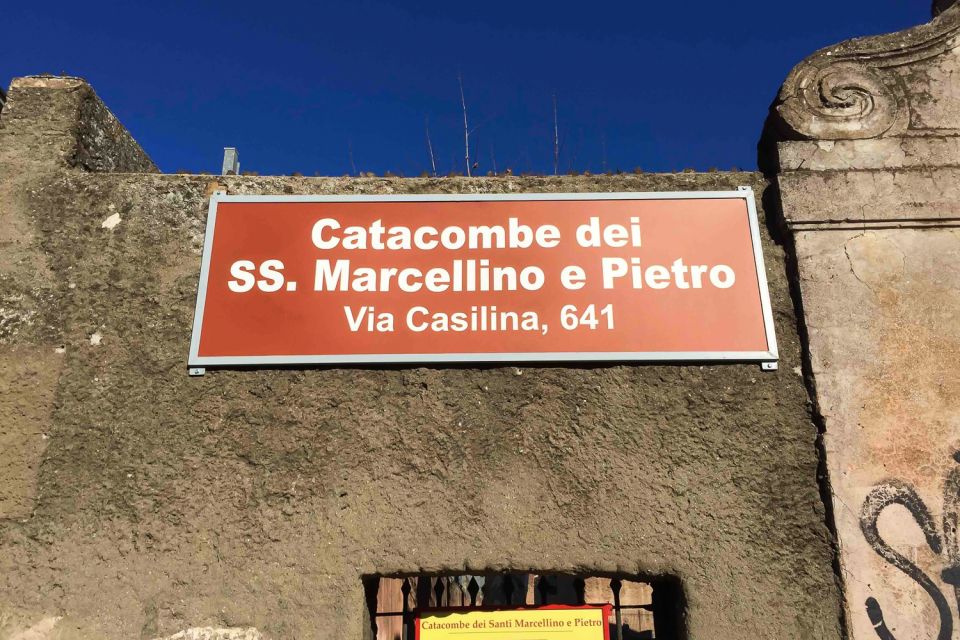
The underground catacombs sit on the old via Labicana area—now via Casilina. In ancient times, the location was tied to a specific place-name, ad duas lauros, linked to imperial land ownership. Your guide turns that geography into meaning. You’re not just standing in a hole in the ground; you’re moving through a real landscape where emperors, soldiers, cemeteries, and early Christians all overlapped over centuries.
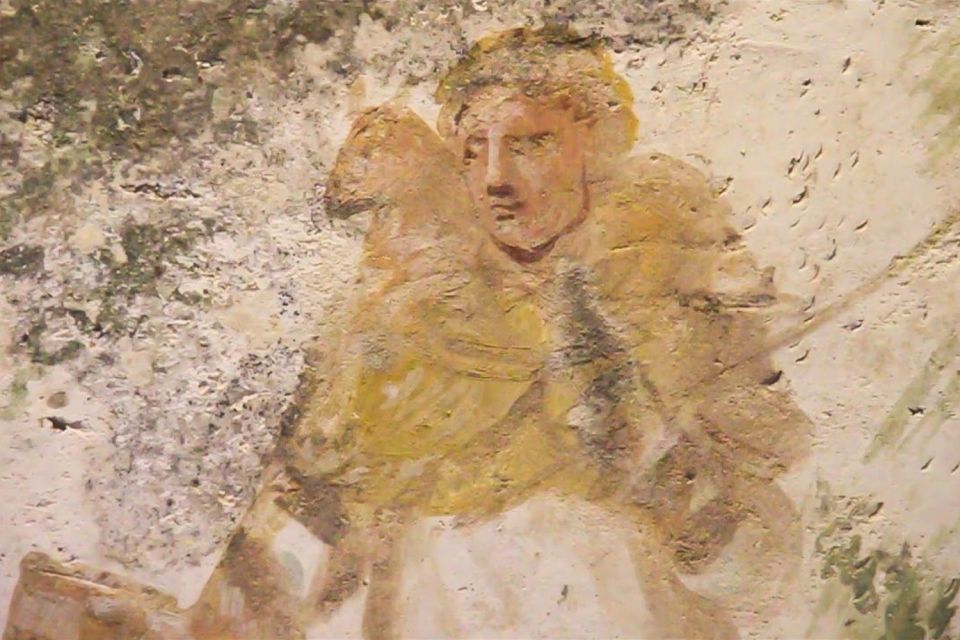
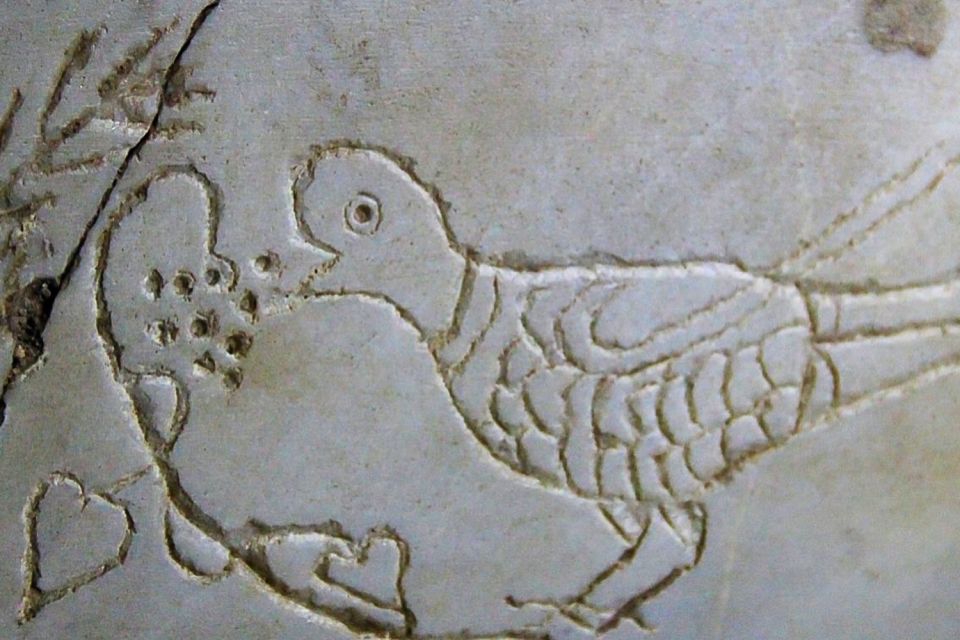
You’ll also appreciate the scale of what you’re seeing, because the site preserves a large body of artwork. The catacombs hold paintings datable to the 3rd and 4th centuries, and some have been partly restored with laser technology. That detail matters when you visit—because it explains why some wall scenes look clearer than you might expect from age alone.
You can also read our reviews of more guided tours in Rome

What you’ll actually see underground: frescoes, paintings, and story scenes
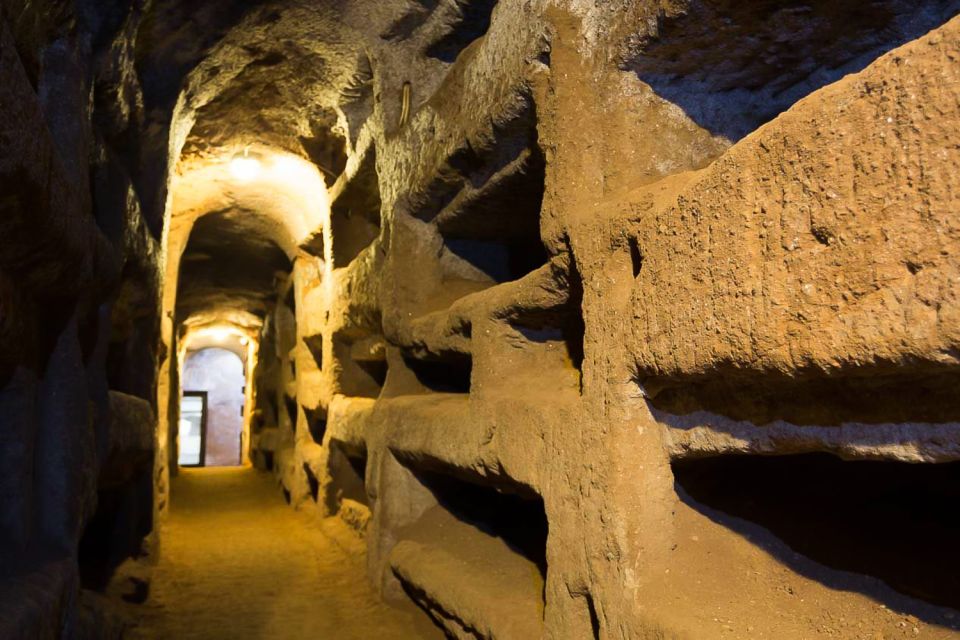
The heart of this tour is the guided walk through the catacombs of Saints Marcellino and Pietro. The experience is brief, so the guide’s role is crucial: you’ll get a structured path through the spaces and a clear explanation of what you’re seeing.
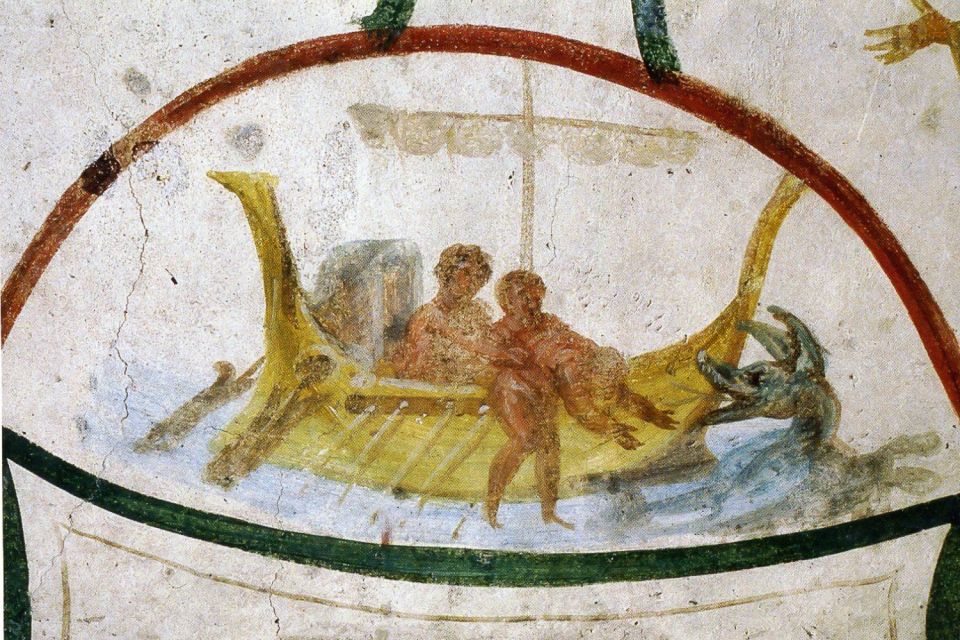
Here’s what tends to make people remember it. The walls are decorated with ancient frescoes and paintings, not just bare burial niches. In particular, you may see biblical-style scenes—people often highlight imagery connected to Noah in the ark, the prophet Jonah, and other narratives. You may also hear about portrayals linked to Lazarus. Even if you’re not a Bible-knowledge person, the guide helps you read the visuals as part of early Christian identity rather than random decoration.
One of my favorite things about catacombs is that they show both faith and community life. The artwork isn’t staged for modern tourists—it was part of how people marked memory and meaning underground. That’s why the frescoes feel personal, even though the people are long gone.
A practical note: since photography isn’t allowed inside, plan to rely on what your guide shows you and what you can remember from your own eyes. If you’re the type who likes to take visual notes for later, take a moment before you enter to decide what you want to focus on—faces in frescoes, symbols, or specific scenes the guide points out.
The timeline the guide connects: from imperial property to Christian catacombs
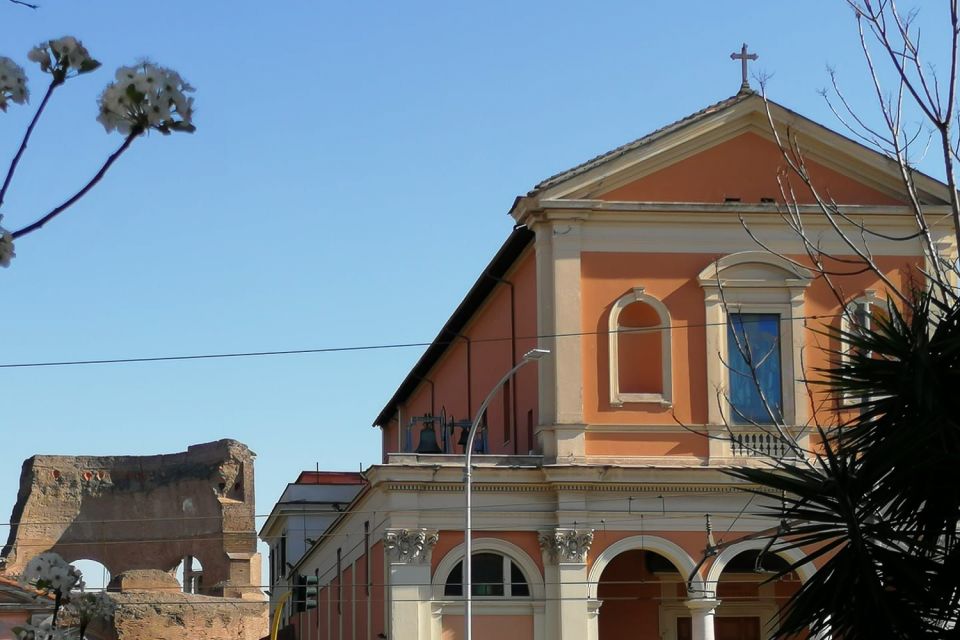
One reason this tour works well is that it doesn’t treat the catacombs like an isolated curiosity. Instead, your guide connects the underground spaces to a wider timeline in Roman life.
Long before the Christian community established this catacomb, the area was tied to imperial land management. The term ad duas lauros referred to land marked by two laurel shrubs at an entrance—basically a locator for an imperial property boundary. That kind of naming sounds almost poetic until you realize it’s practical. It tells you the site was defined and used in an official way.
Then your guide brings in another piece: a necropolis of the Equites Singulares Augusti, the emperor’s mounted guards, active from the 2nd century. This matters because it places the catacombs in a region where Roman power literally sat beside burial grounds.
After that groundwork, the Christian catacomb arrives. It was installed in the second half of the 3rd century and became associated with martyrs linked to Diocletian’s persecution. The catacomb takes its name from Saints Marcellino and Pietro, whose bodies are part of the reason this place is still recognized today. Your guide helps you understand why names like these mattered to early Christians and how sites became anchors for remembrance.
Diocletian-era martyrs and why the paintings survived
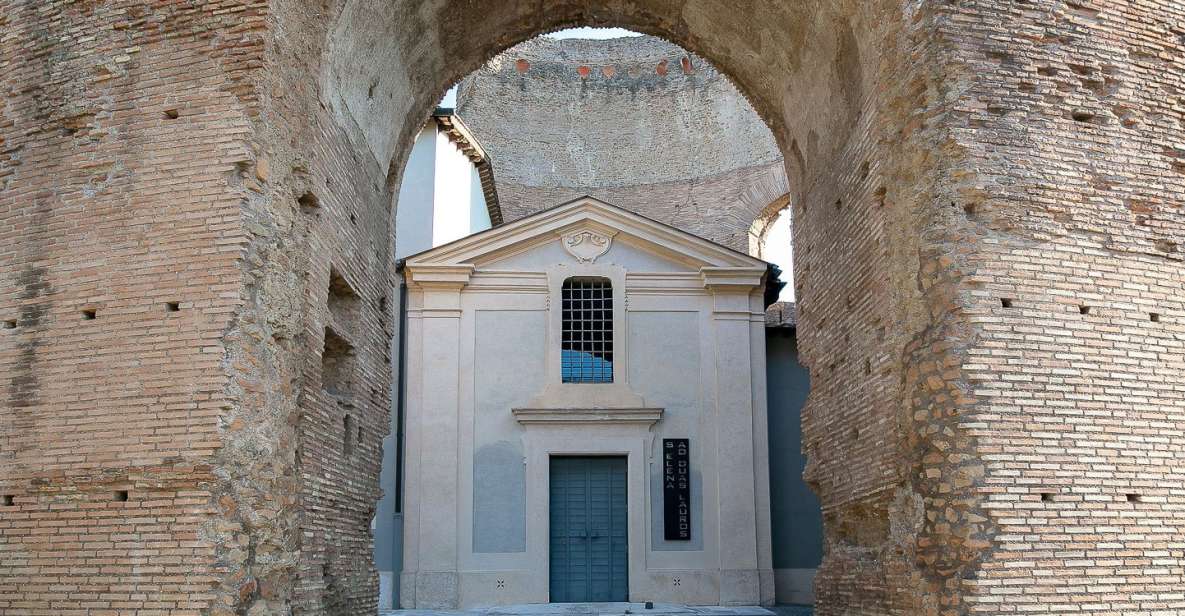
The Diocletian persecution is one of those topics that can sound abstract until you see how the community responded physically. In this catacomb setting, your guide explains how the burials associated with Marcellino and Pietro connect to a broader history of early Christian communities under pressure.
What I like here is the balance between tragedy and ordinary human continuity. Yes, the persecution story is heavy. But the artwork—frescoes from the 3rd and 4th centuries—also shows people building meaning, not just enduring danger.
Then there’s the restoration aspect. Some paintings have been partly restored with laser technology. That doesn’t mean everything looks brand-new. Instead, it helps preserve visibility of the artwork so modern visitors can actually read the paintings rather than only catching faint outlines. In a place like this, that difference can turn a confusing wall of color into a clear scene with recognizable themes.
What’s above ground matters, but your ticket keeps you focused
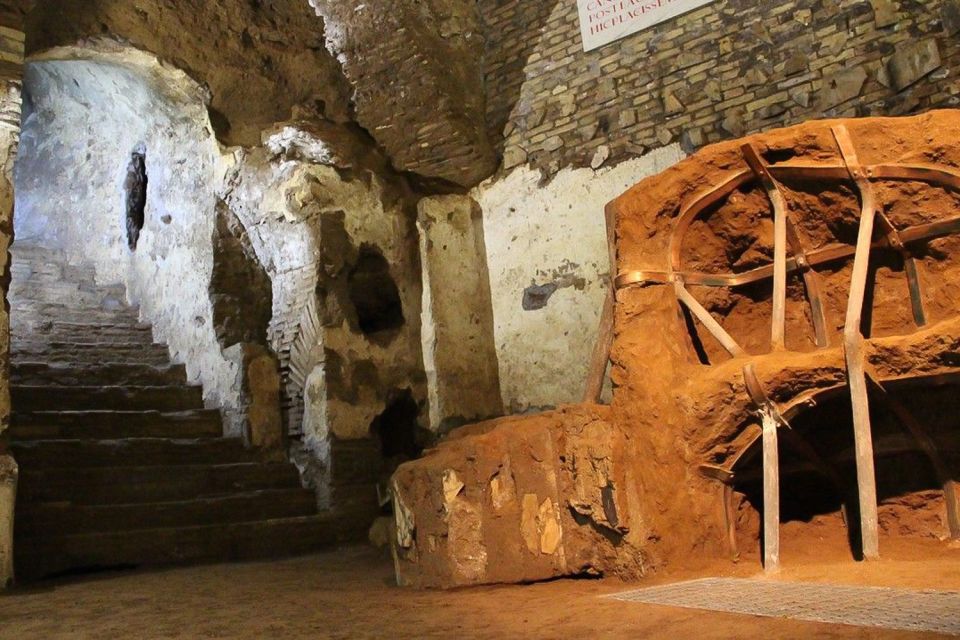
Rome’s Christian sites often include what happened above ground too. Your guide will likely reference that larger context, because the Constantinian-era monumental complex is part of the story.
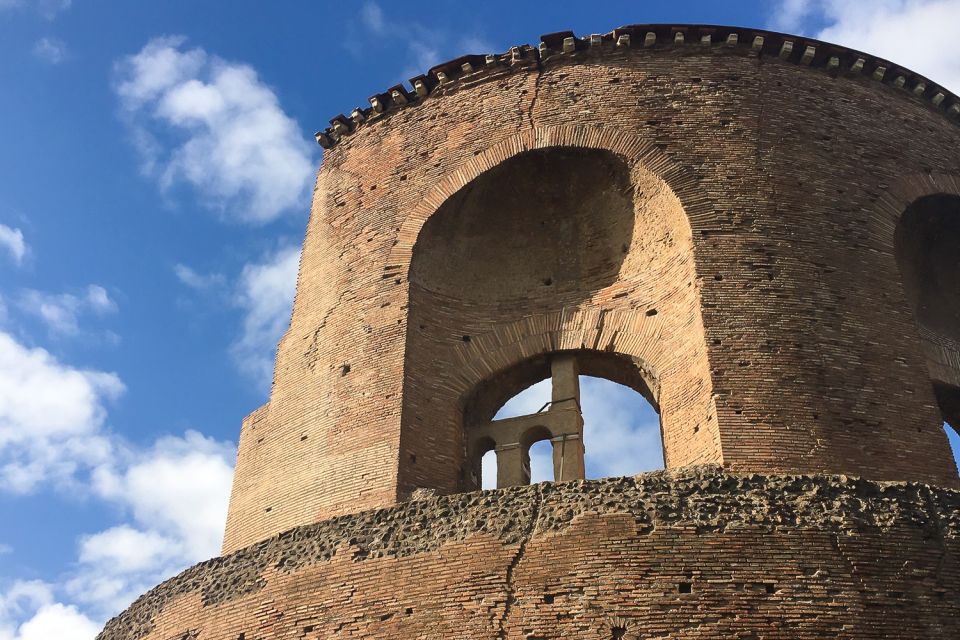
During the Constantinian period, an above-ground complex was built. It included a large basilica designed in the shape of a Roman circus (described as circiforme), connected to a mausoleum. The mausoleum was likely built by Constantine for himself, but later repurposed for his mother, Augusta Elena.
There’s a famous artifact connected to her remains: they were kept in a large red porphyry sarcophagus, which you can see today in the Vatican Museums.
Here’s the important part for your planning: while this context is part of the interpretation, entry to Constantine’s Mausoleum isn’t included in your ticket. So if you’re hoping to cover both underground and above-ground buildings in this same stop, you’ll need to plan extra time and a separate ticket for that.

30 minutes, small group size, and how to get the most from it
This tour runs about 30 minutes, with starting times you’ll need to check for availability. The upside of that short format is that it fits well into a day packed with ancient sights. The downside is that you’ll have less time for wandering or lingering.
Because the group is limited to 10 participants, the guide can keep the flow controlled. In practical terms, that usually means:
- You get a calmer pace through the underground spaces
- You can ask questions and still stay on track
- You’re less likely to feel like you’re just squeezed into a line of people
In a city where many tours start feeling like stampedes, this is a real comfort.
My advice: arrive ready to listen. Since photography isn’t allowed, don’t treat your visit like a shoot-and-ditch photo trip. Instead, treat it like a story walk—follow the guide’s pointing, and you’ll leave with clearer memories than you’d expect from a short tour.
Price and value: why $16 can feel like a bargain here
At about $16 per person, this guided catacomb tour can feel like good value, mainly because you’re buying two things you usually can’t get for cheap: interpretation and access.
First, the entrance ticket matters. Catacombs aren’t like a public park where you can just roam. You’re relying on this specific guided setup to get you into the right spaces at the right time.
Second, the guide is doing the heavy lifting. When you visit artwork from the 3rd and 4th centuries, context is everything. A live guide helps you connect scenes to Christian history, Roman history, and the site’s role in persecution-era memory.
Third, the small group likely reduces wasted time. If the catacombs are less crowded than other big-name sites, you spend more minutes seeing and understanding instead of waiting in lines. That’s the kind of value that doesn’t show up in the price tag, but it shows up in your mood.
The only time $16 might feel less worth it is if you’re looking for a full “Rome archaeology day” with lots of stops. This is focused. It’s short. Plan it as one strong experience, not a whole afternoon.
Getting there from Termini: bus 105 or tram
The location is manageable using public transit. If you’re starting from Roma Termini, you can reach the area with bus number 105 or a tram (as noted, trams can be their own adventure).
Leave a little buffer in your schedule, because Rome transit times can be time-variable. Once you’re close, you’ll still need the last leg on foot, and catacomb areas don’t always feel like they’re right next to the biggest landmarks.
Tip for smoother arrival: plan to get to the meeting point with time to spare so you’re not stressed when it’s time to show your voucher.
Meeting point and the one rule that affects your visit
You’ll meet at the ticket office of the catacomb, and you should show your voucher at least 10 minutes before the scheduled tour. The activity ends back at the meeting point, so this isn’t a “drop you off somewhere else” kind of tour.
The big rule to remember is that photography is not allowed inside. That changes how you should prepare. If you love capturing every view, you’ll want to set expectations now so you don’t feel frustrated once you’re underground.
If you like, wear comfortable walking shoes and keep your plan simple: this is a tight 30-minute experience, so you’ll get the best results by staying present rather than multitasking.
Who this tour suits best
This is a great fit if you:
- Want early Christian history in a smaller, quieter setting
- Like guided storytelling tied to specific art on the walls
- Prefer a short, efficient stop that still feels meaningful
It’s also a strong option if you’re comparing Rome catacombs and want one where frescoes are a major focus. If you’re chasing crowds and long time underground, this may feel too short. If you want the opposite—less time overhead, more time understanding what you’re seeing—this works.
One more match question: this tour is not suitable for people with mobility impairments, so if that’s relevant for you, you’ll want to look for an alternative format.
Should you book the Catacombs of Saints Marcellino and Pietro tour?
I’d book it if your ideal Rome day includes guided access, strong interpretation, and impressive wall paintings without turning into a waiting-line experience. The combination of frescoes from the 3rd and 4th centuries, the story tied to Marcellino and Pietro, and the small group (10 max) is a practical recipe for a satisfying visit at a reasonable price.
I’d think twice if you need: unlimited time underground, photo-friendly conditions, or a combined visit that includes Constantine’s Mausoleum. This ticket keeps things focused, and that’s either perfect or not for your style.
If you want one catacomb stop that feels more personal than the big-name options, this one is a smart pick.
FAQ
How long is the guided tour of the Catacombs of Saints Marcellino and Pietro?
The tour lasts about 30 minutes.
What is included in the price?
The included items are the entrance ticket and a live guide.
Are there language options for the tour?
Yes. The live guide is available in Italian and English.
Is photography allowed inside the catacombs?
No. Photography inside the catacombs is not allowed.
Where do I meet for the tour?
Go directly to the ticket office of the catacomb and show your voucher at least 10 minutes before the scheduled tour.
Is entry to Constantine’s Mausoleum included?
No. Entry to Constantine’s Mausoleum is not included.