REVIEW · HOP-ON HOP-OFF BUS TOURS
Rome:Hop-On Hop-Off Panoramic Open Bus Ticket 3 Circuits x 1
Book on GetYourGuide →Operated by Green Line Tours · Bookable on GetYourGuide
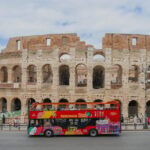
Rome hits different when you can see it slowly. This open-top panoramic bus ticket lets you hop on and off across Rome’s biggest sights with multilingual audio guiding your route. You get an easy orientation loop plus extra legs into neighborhoods you’d otherwise skip.
I love two things right away: the way the bus keeps you moving on a regular schedule (about every 20 minutes), and how the audio commentary helps you understand what you’re looking at as you pass it. You’ll also appreciate the basics that make this smooth—live bus tracking, an assistant on board, and onboard Wi‑Fi for those moments you need a map refresher.
One thing to keep in mind: the headphones and audio can be hit or miss. Some people report that certain audio ports don’t work or that sound quality isn’t perfect, so plan to troubleshoot on the spot if needed.
In This Review
- Key Things You’ll Like
- Why a 3-Circuit Hop-On Hop-Off Ticket Works So Well in Rome
- Price and Value: Is This Ticket a Good Deal at About $20?
- Where You’ll Board: Piazza dei Cinquecento, Terminal 1/A
- The Hop-On Hop-Off Rhythm: How to Plan Your Day Without Guessing
- Green, Orange, and Blue Routes: What Each Circuit Feels Like
- Using the 16-Language Audio Guide (and Making It Actually Useful)
- Santa Maria Maggiore and the Colosseum Edge
- Circus Maximus to Piazza Venezia: Big Views, Big Time
- Vatican City and St. Peter’s: See It First, Decide Next
- Villa Borghese and Barberini Square for a Softer Pace
- Testaccio Quarter, Pyramid of Cestius, and Eataly Rome for Everyday Rome
- Borghese Gallery, Bioparco, and Villa Giulia for the “Other Rome”
- Auditorium Parco della Musica and MAXXI for Modern Rome
- Extra Stops Nearby: Spanish Steps, Trevi Fountain, and Via del Corso Walks
- What You’ll Notice on the Ride (Views, Comfort, and Practical Comfort Stuff)
- Who This Ticket Suits Best
- Should You Book This Hop-On Hop-Off Panoramic Bus Ticket in Rome?
- FAQ
- Where does the hop-on bus tour start?
- How many routes do I get with this ticket?
- What’s the validity of the ticket?
- How often do the buses run?
- Are audio guides included, and in how many languages?
- Is Wi‑Fi available on the bus?
- Is live bus tracking included?
- What’s not included in the price?
- Is the tour suitable for wheelchair users?
- Is the ticket cancellation flexible?
Key Things You’ll Like
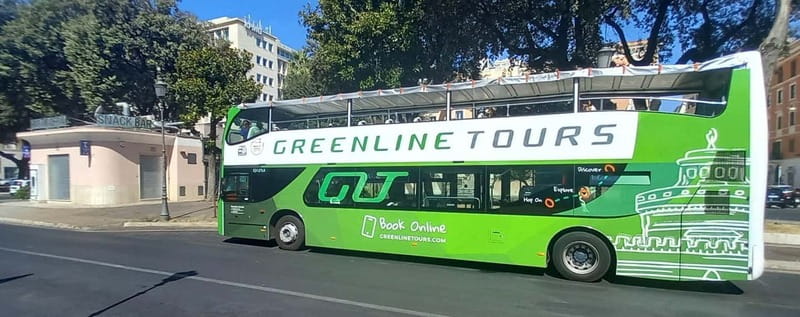
- Three circuits on one ticket so you’re not stuck with a single boring loop
- 16 audio guide languages to match how you actually like to learn
- Hop on and off as many times as your ticket allows for flexible planning
- Frequent departures so you’re not waiting around for hours
- Popular stops placed near major landmarks so your walking makes sense
- Onboard extras like live tracking, an assistant, and free Wi‑Fi
Why a 3-Circuit Hop-On Hop-Off Ticket Works So Well in Rome
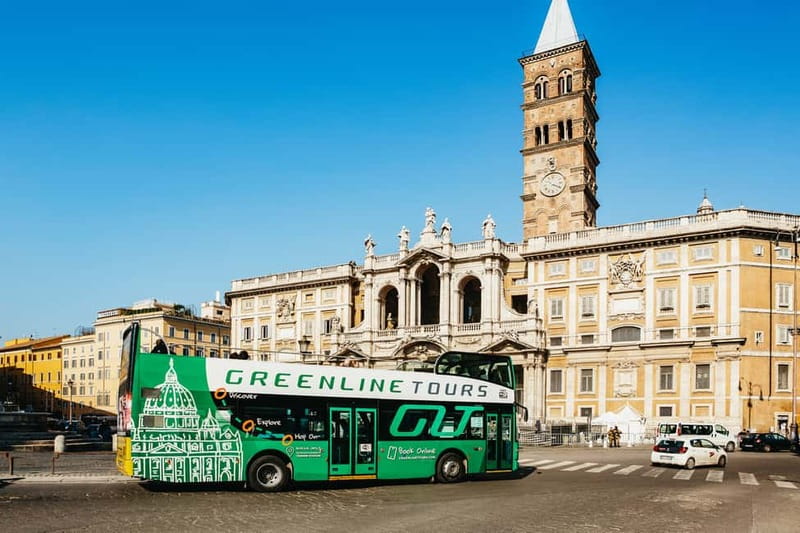
Rome is big, layered, and often confusing on foot. This bus ticket is a smart way to stitch the city together without spending your whole trip in taxis or playing “where is this street?” with blisters. You can start where you want, stay on the top deck for views, and then hop off when a stop matches the vibe you’re after.
What makes this version especially useful is the setup: you get three circuits under one ticket. That means you can hit classic Rome (think imperial monuments and Vatican area) and then keep going into places that feel more like daily city life—markets, museum districts, and food-focused areas.
It also helps that this is designed for self-guided touring. You’re not locked into one rigid order. If you finish a stop early, you can roll right to the next one. If you want to linger, you’re not trapped either.
You can also read our reviews of more tours and experiences in Rome


Price and Value: Is This Ticket a Good Deal at About $20?

At roughly $20 per person, the biggest value is not “seeing everything in one day.” It’s using one paid pass to cover a lot of ground with far less effort. With the frequency at about every 20 minutes, you can plan around your energy rather than around schedules.
This is also one of the more flexible ways to get a first-day or second-day overview. When your time is limited, the bus helps you decide what deserves a return visit on foot—especially if you’ll later add paid entry tickets for specific monuments or museums.
Just be realistic: the ticket covers the bus experience and audio, not the entrance costs. So if you want to go inside the Colosseum, St. Peter’s, major museums, or the Borghese Gallery, you’ll need to budget for those separately.
Where You’ll Board: Piazza dei Cinquecento, Terminal 1/A
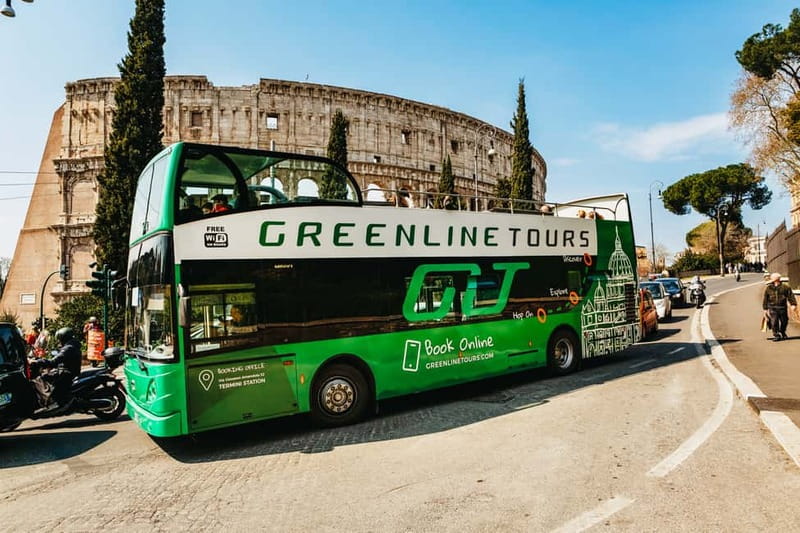
Your starting point is Piazza dei Cinquecento and Via Cavour, Terminal 1/A. This matters more than people think. If you begin in the right place, you avoid the first-day chaos that can turn a fun plan into a stressful scavenger hunt.
The good news is that the route is built around a set of clear stops. On a busy city day, that confidence helps. You’re also close enough to start orienting yourself toward both the historic center and the directions you’ll likely want later.
If you’re sensitive to logistics, show up a bit early. Buses run frequently, but Rome is busy and curbside can get crowded.
The Hop-On Hop-Off Rhythm: How to Plan Your Day Without Guessing
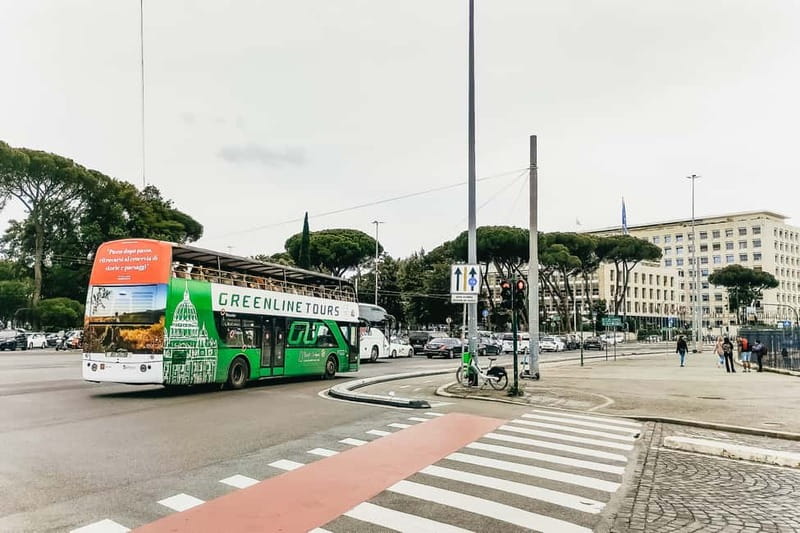
Buses run about every 20 minutes, and you can ride for the duration shown as valid 9 hours to 3 days depending on what you select. Once you validate your ticket, your hop-on hop-off window is active for that period.
Here’s how to make it work in real life:
- Start in the morning when streets feel easier and you can grab daylight views from the top deck.
- Pick 2–4 stops you truly want to explore on foot. Treat the rest as “preview” stops.
- Use the bus to move between areas. Your feet will thank you.
One small timing note from rider experience: departures are often smooth, and many people report they weren’t waiting long. Still, if you’re traveling in peak season, leave a little buffer.
Green, Orange, and Blue Routes: What Each Circuit Feels Like
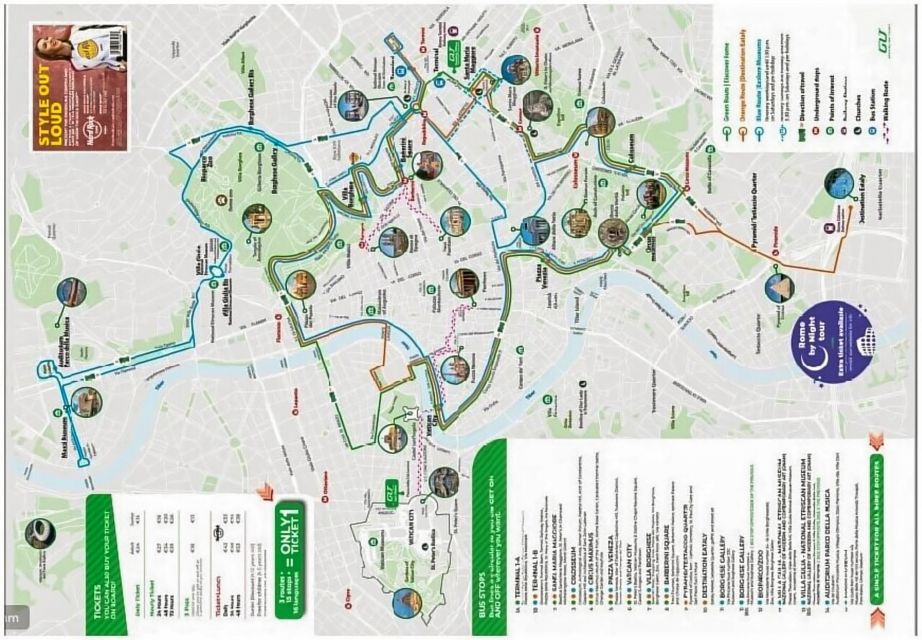
This ticket includes three routes (circuits). The names matter less than what each one is trying to do:
- Green Route: designed to hit the core highlights—big-name monuments and the classic Rome story.
- Orange Route: leans into Italian tastes and central neighborhoods, so you get more food-and-street-life energy.
- Blue Route: focuses on sites that feel a bit more off the beaten path.
You’ll feel the difference as you move across the city. The big monuments give you instant recognition. The other circuits help you understand where you’d actually want to wander later.

Using the 16-Language Audio Guide (and Making It Actually Useful)
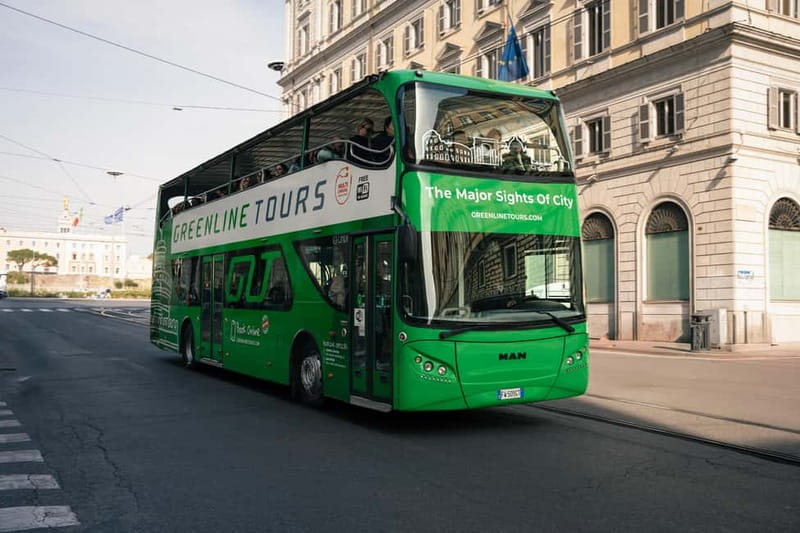
The bus includes a multilingual audio commentary (16 languages), plus single-use earphones. This is the main reason the bus feels more than just sightseeing from a moving seat. The audio helps you connect names to what’s in front of you.
Two practical tips:
- If you’re on the upper deck, keep your volume up a bit and watch for street noise. Some people report that commentary can be harder to hear when the bus is noisy.
- If an earphone port doesn’t work, you may need to share your headphones with someone nearby or ask the assistant for help. That’s a real-world fix some riders have used.
If you’re the kind of traveler who likes context—why something was built, what happened to it—you’ll get a lot out of this audio during the ride segments, not just at the stops.
Santa Maria Maggiore and the Colosseum Edge
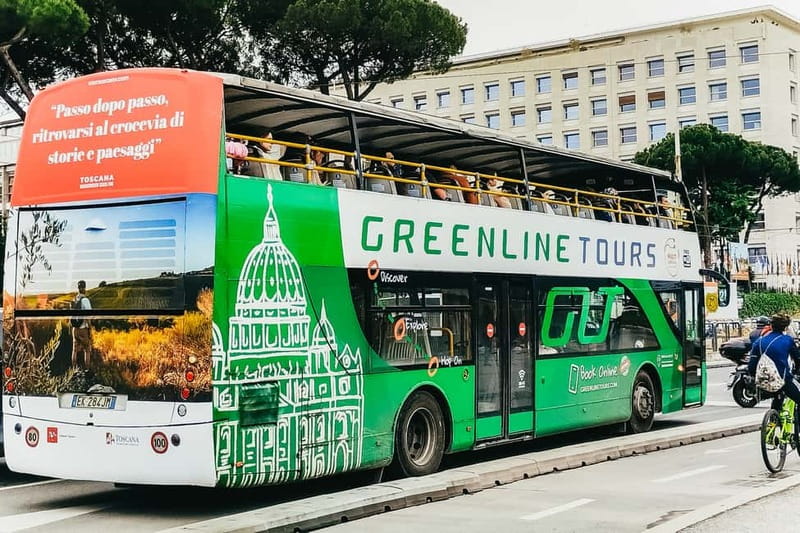
One early stop is Basilica Papale di Santa Maria Maggiore. Even if you’re not going inside, the area gives you a solid “Rome beyond the postcard” feel. It’s a good way to start when your brain is still fresh and you’re building a mental map of the city.
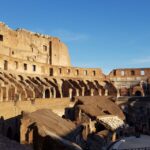
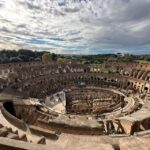
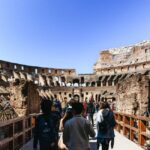
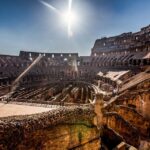
Then you reach the Colosseum area, with a stop described as near the entrance to Palatine. This is a smart placement because it’s close to where you’ll want to be if you plan to pay to enter or at least get a closer view.
What to do here:
- Use the bus ride to get your bearing, then hop off to decide later if you want tickets for a deeper visit.
- If you do go inside, plan for separate tickets and time. The bus ticket alone won’t cover entry.
A small consideration: this is one of the busiest sight zones in Rome. Even with frequent bus service, walking crowds can slow you down.
Circus Maximus to Piazza Venezia: Big Views, Big Time
Next up is Circus Maximus. It’s one of those ancient places that feels huge in scale even when you’re looking from the bus or from nearby sidewalks. If you like imagining how the city used to function, this stop helps your brain connect the dots between stadium life and emperors.
From there, you arrive at Piazza Venezia. This is a classic Rome hub and an excellent pause point. You’ll be in the thick of the city’s layers, and it’s a natural place to decide: do you want to jump back on quickly, or do you want to spend time walking and crossing between lanes and viewpoints?
Two smart ways to use these stops:
- Treat them as “photo anchors,” then use the bus later to reach the places you want for a longer stop.
- If you’re tired, stay on the bus for the next segment. It’s an easy way to recover while still seeing landmarks.
Vatican City and St. Peter’s: See It First, Decide Next
Your bus route includes Vatican City, with a stop listed on Lungotevere Tor di Nona. St. Peter’s Square and St. Peter’s Basilica are the headline here, and the bus gives you a clear way to approach the area without wrestling with multiple transfers.
Here’s how to make this stop work for you:
- Get off to orient yourself to the square and the approach routes.
- If you want to go inside key areas, remember that entrance tickets are not included, so you’ll need a plan and budget for that.
One practical note: Vatican-area foot traffic can be intense. The bus doesn’t remove crowds, but it reduces the stress of getting there and leaving.
Villa Borghese and Barberini Square for a Softer Pace
After Vatican City, you head toward Villa Borghese (the listed stop is Via Ludovisi). This is a nice contrast to the heavier monument zones. Even if you don’t go into everything, the area gives you a more “Rome living space” feel.
Then there’s Barberini Square. This stop is useful if you want to mix sightseeing with calmer wandering and shopping streets. It also sets you up well for museum-area directions depending on how your day is going.
If you’re traveling with kids or you just need a break from constant standing in crowds, this is a good place to reset.
Testaccio Quarter, Pyramid of Cestius, and Eataly Rome for Everyday Rome
One of the more interesting route segments is the Pyramid/Testaccio quarter. The bus description includes landmarks and reference points like the Pyramid of Cestius and nearby areas around the city gates and cemeteries. This is a great reminder that Rome isn’t only ancient marble—there’s real neighborhood life here.
Then you reach Eataly Rome. This stop is a practical win. If you need food planning that doesn’t require a lot of research, having a known, central place like Eataly near the route is handy.
A simple strategy:
- Hop off here when you want a predictable meal option.
- Then use the bus to return to the big sights when you’re ready to ramp back up.
Borghese Gallery, Bioparco, and Villa Giulia for the “Other Rome”
Your route continues with more museum-and-interest stops:
- Borghese Gallery (near Via Pinciana): great if you’re prioritizing art. But expect separate entry planning.
- Bioparco di Roma (listed near Via Mercadante): a strong choice if you’re traveling with a family or you want a change from ruins and churches.
- Villa Giulia / National Etruscan Museums: useful for a different angle on Rome’s past, beyond the emperor-era headlines.
- National Gallery of Modern and Contemporary Art is also referenced as part of the Villa Giulia area.
These stops are where the bus feels like more than a highlights tour. They help you build a trip that matches your interests—art, animals, or a broader sense of what the city preserves.
Auditorium Parco della Musica and MAXXI for Modern Rome
Two later stops include Auditorium Parco della Musica and MAXXI. This is important because Rome can feel like two worlds: ancient and everything else. These stops give you a peek at the modern side of the city, and they’re especially good if you like architecture and contemporary design.
If you’re deciding between more ancient sights and some modern stops, don’t feel guilty choosing modern. The city is still Rome. It’s just a different timeline.
Extra Stops Nearby: Spanish Steps, Trevi Fountain, and Via del Corso Walks
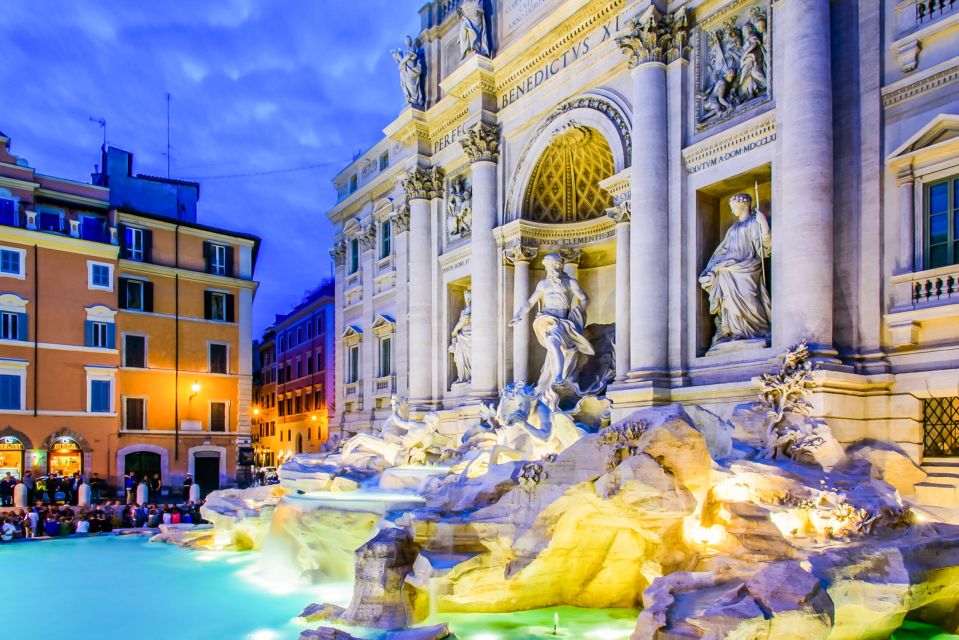
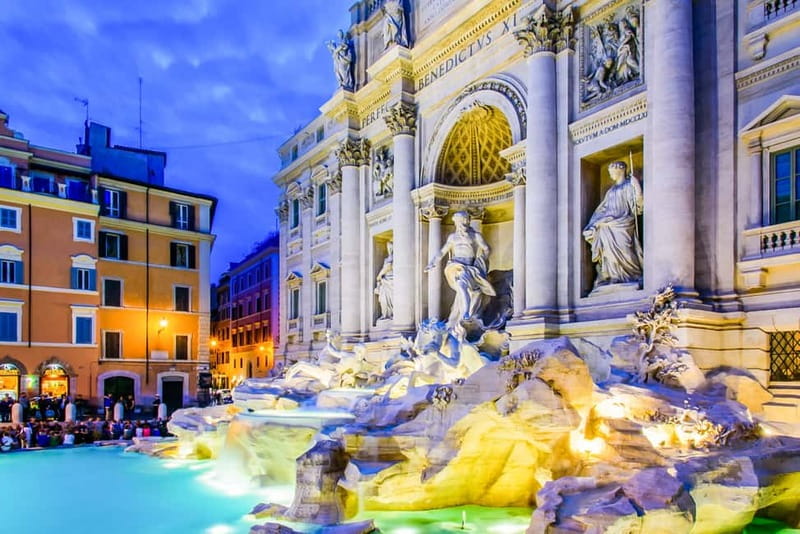
The bus tour is also described as easy for walking to classic landmarks like the Spanish Steps and the Trevi Fountain. That’s where the hop-on hop-off logic really shines: you don’t need the bus to stop directly on every spot. You just need it close enough that a short walk gives you a great payoff.
You’ll also be in the right areas for strolling along Via del Corso, with boutique stores, cafés, and those little piazzas that make Rome feel personal instead of staged.
What You’ll Notice on the Ride (Views, Comfort, and Practical Comfort Stuff)
The biggest quality-of-life factor is that the bus is panoramic and open-top. Even when you’re not getting off, you’ll see the city unfold in front of you. For your first day, that’s huge. It helps you understand distance and direction, so the next day’s walking feels less like guesswork.
Some rider notes also point out that the bus can be comfortable even in cooler months, and it’s nice to sit up near the front for the best views. If you like a quick start, doing a loop early helps you later when you’re making decisions about which neighborhoods deserve more time.
Bad weather happens in Rome. If rain starts late, you’ll have to adjust your pacing, but the bus still acts as your safety valve between wet stops.
Who This Ticket Suits Best
This ticket is a great fit if you:
- Want a first-day overview without committing to a strict guided tour
- Prefer flexibility over fixed timing
- Like audio learning and want context as you move
- Want to mix big sights with neighborhoods and modern stops
It’s less ideal if you:
- Only want one or two very specific monuments and you don’t need the rest of the route
- Have limited tolerance for crowded stop areas around the big landmarks
- Use a wheelchair, since it’s listed as not suitable for wheelchair users
Should You Book This Hop-On Hop-Off Panoramic Bus Ticket in Rome?
I think you should book this if you want an easy, low-stress way to cover a lot of Rome quickly—especially at the start of your trip. The combination of three circuits, 16-language audio, and frequent bus service makes it practical for real schedules, not just ideal ones.
Skip it only if your plan is already tightly focused on a couple of ticketed sights and you’re comfortable navigating on foot the whole time. In that case, you might spend your money more directly on entrances and private transport.
If you’re unsure, this is one of those Rome purchases that usually pays off because it helps you plan the rest of your trip with clearer eyes.
FAQ
Where does the hop-on bus tour start?
The starting point is Piazza dei Cinquecento, corner Via Cavour, Terminal 1/A on the Green Line Tours bus route.
How many routes do I get with this ticket?
You get access to 3 circuits with a single ticket (described as Green, Orange, and Blue routes).
What’s the validity of the ticket?
The ticket is valid for 9 hours to 3 days, depending on what you choose and availability for starting times.
How often do the buses run?
The buses run approximately every 20 minutes.
Are audio guides included, and in how many languages?
Yes. You get multilingual audio commentary in 16 languages, and single-use earphones are provided.
Is Wi‑Fi available on the bus?
Yes. There is free Wi‑Fi onboard.
Is live bus tracking included?
Yes. Live bus tracking is included.
What’s not included in the price?
The ticket does not include entrance tickets, and it does not include food and drinks.
Is the tour suitable for wheelchair users?
No. It is listed as not suitable for wheelchair users.
Is the ticket cancellation flexible?
Free cancellation is available up to 24 hours in advance for a full refund, and you should present your original booking (not a screenshot) on the day.