REVIEW · COOKING CLASSES
Fettuccine, Ravioli and Tiramisu Pasta Making in Rome
Book on GetYourGuide →Operated by Eat and Walk Italy · Bookable on GetYourGuide
Homemade pasta turns Rome into something real. This hands-on class teaches you fettuccine and stuffed ravioli from scratch, then wraps it up with a make-your-own tiramisù at a cozy central spot. I like that you get real technique (not just a demo), and I also like that the meal is built from what you make. The one drawback: it’s a full 3 hours, so you’ll want to avoid overstuffing your evening right after.
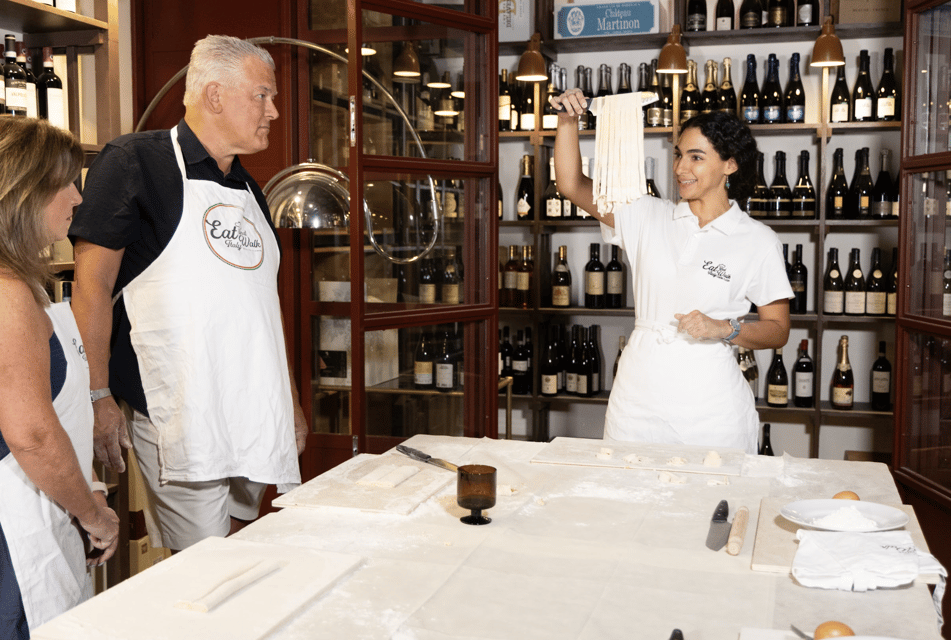
You meet your chef at Gusto Restaurant in the center of Rome (Via Giuseppe Zanardelli 14), and you’ll work in English throughout. Chef Andre is a big part of the fun vibe, keeping things cheerful while you roll, shape, and assemble. If you’re short on patience for flour-covered hands, this might test your tolerance a bit—but it’s also where the satisfaction comes from.
In This Review
- Key things I’d focus on before booking
- A 3-hour Rome cooking class that’s actually hands-on
- Meeting at Gusto Restaurant: where you start, what to expect
- Tiramisu first: building the dessert step by step
- Fettuccine from flour and eggs: the technique you can repeat later
- Ravioli: shaping stuffed pasta without turning it into a mess
- Dinner time: sauce choices for fettuccine and the meal you create
- Wine, limoncello, and why the shared meal matters
- Price and value: is $82 worth it in Rome?
- Who this experience fits best (and who might not love it)
- Practical tips so you get the most from the class
- Should you book the Rome fettuccine, ravioli, and tiramisu class?
- FAQ
- How long is the pasta and tiramisù class?
- Where do I meet the chef?
- What dishes will I make?
- Is the class taught in English?
- What drinks are included?
- Is it wheelchair accessible, and are small children allowed?
Key things I’d focus on before booking
- Three dishes, made start-to-finish: fettuccine, ravioli, and tiramisù, all from scratch
- Begin with flour and eggs for the pasta: you learn the fundamentals the way Italians do
- Pick your fettuccine sauce: choices include cacio e pepe, tomato and basil, or Amatriciana
- Ravioli gets classic butter and sage: simple, letting the pasta shine
- You eat and drink what you make: wine or non-alcoholic drink plus limoncello or coffee
A 3-hour Rome cooking class that’s actually hands-on
Rome is full of impressive food stops, but this experience works differently: you’re not just eating. You’re creating. In about 3 hours, you’ll go from ingredients to plated results, and that makes it easier to remember Rome in a very specific way—your own pasta, your own dessert.
I also like the time-frame. Three hours is long enough to learn real steps, but short enough that it won’t wreck your sightseeing plans. If your Rome schedule is packed, this is the kind of activity that fits without turning into a whole vacation within your vacation.
One more practical plus: it’s set in a central, cozy restaurant location, so you’re not commuting across the city for a quick lesson. You’ll also be in a controlled environment where you can focus, learn, and ask questions in English.
You can also read our reviews of more cooking classes in Rome

Meeting at Gusto Restaurant: where you start, what to expect
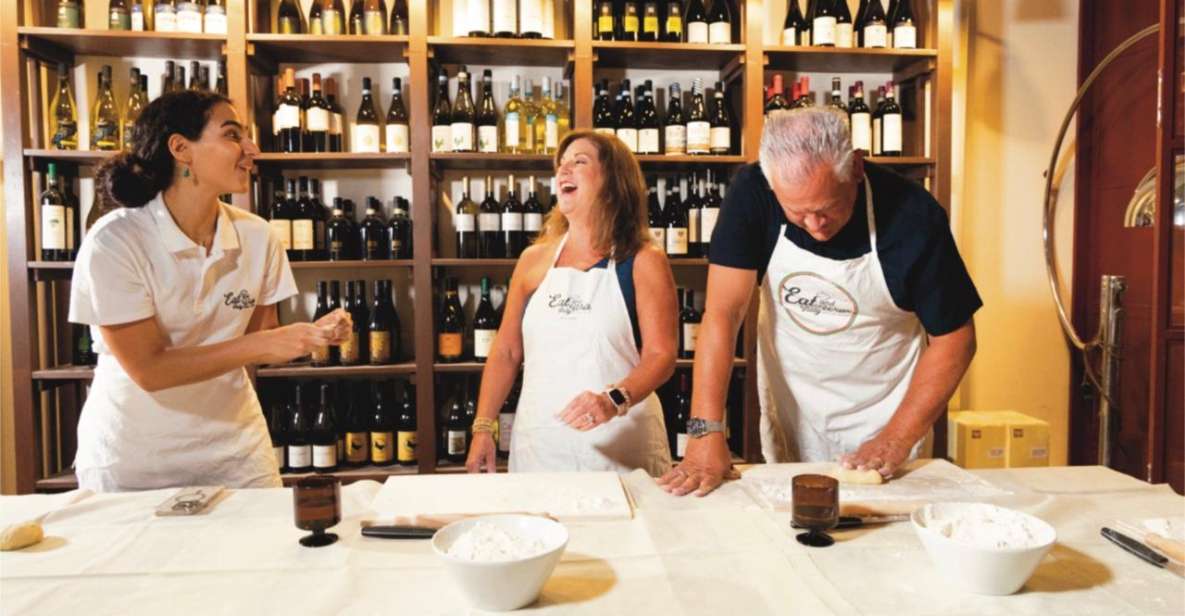
Your meeting point is Gusto Restaurant, Via Giuseppe Zanardelli 14. Plan to arrive about 10 minutes early so you can settle in and start on time without rushing.
This matters more than it sounds. Pasta-making runs on rhythm. If you show up late, you’ll lose the easiest part of learning—getting comfortable with dough texture and pacing your steps.
Once you’re in, the structure is clear: you’ll begin with tiramisù, then move into the pasta work. By the end, you’ll sit down to enjoy everything you prepared, including the sauce pairings and your finished tiramisù.
Tiramisu first: building the dessert step by step
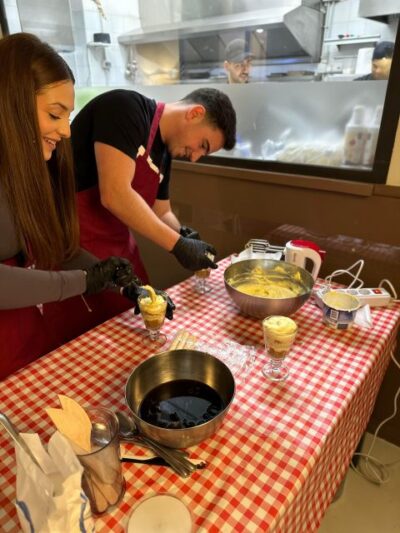
The workshop starts with tiramisu. You’ll learn how to make it using the necessary ingredients and tools provided for the class. That early start is smart because tiramisù isn’t just about mixing—it’s about getting the components and assembly right, and then letting it all come together.
In practical terms, this portion teaches you how Italians think about dessert: clean structure, correct proportions, and careful layering. Even if you’ve had tiramisù a hundred times, the homemade version tends to teach you what you previously couldn’t “see” from a restaurant plate.
And because this comes first, you don’t spend the rest of the evening just waiting. You’ll be in the flow: pastry/dessert steps now, pasta steps next, and then you get to taste your own tiramisù at the end with your class.
Fettuccine from flour and eggs: the technique you can repeat later
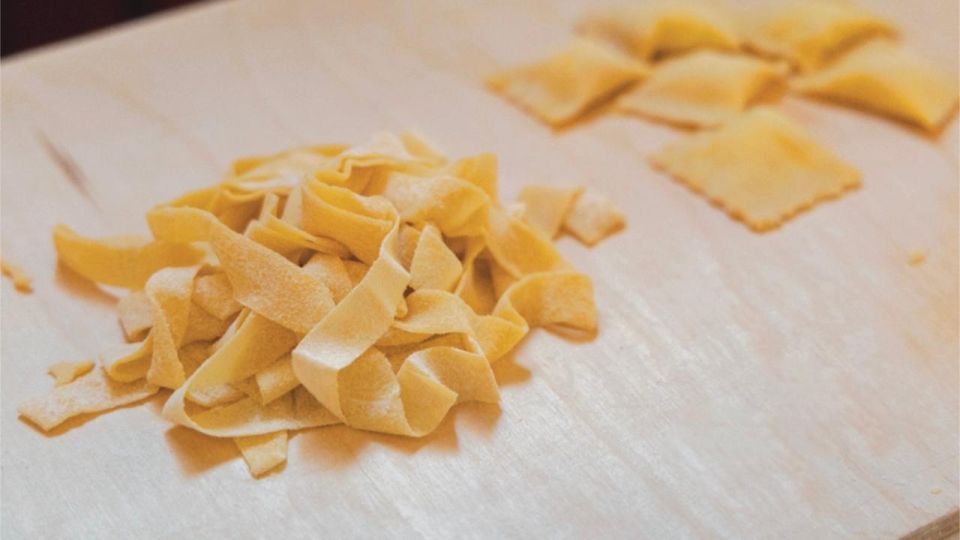
After tiramisù, the class shifts into pasta mode. You’ll learn to create two kinds of pasta, starting with flour and eggs—which is where the real skill is.
For the fettuccine, you’ll focus on turning dough into something workable and consistent. Rolling and cutting pasta is physical work, and that’s exactly why it’s valuable. You’ll learn what different dough textures mean, and you’ll quickly understand why “homemade” is less about magic and more about technique.
This part also sets you up for success later with ravioli. The better your dough handling, the easier everything else becomes—especially when you start working with portions and shapes.
Ravioli: shaping stuffed pasta without turning it into a mess
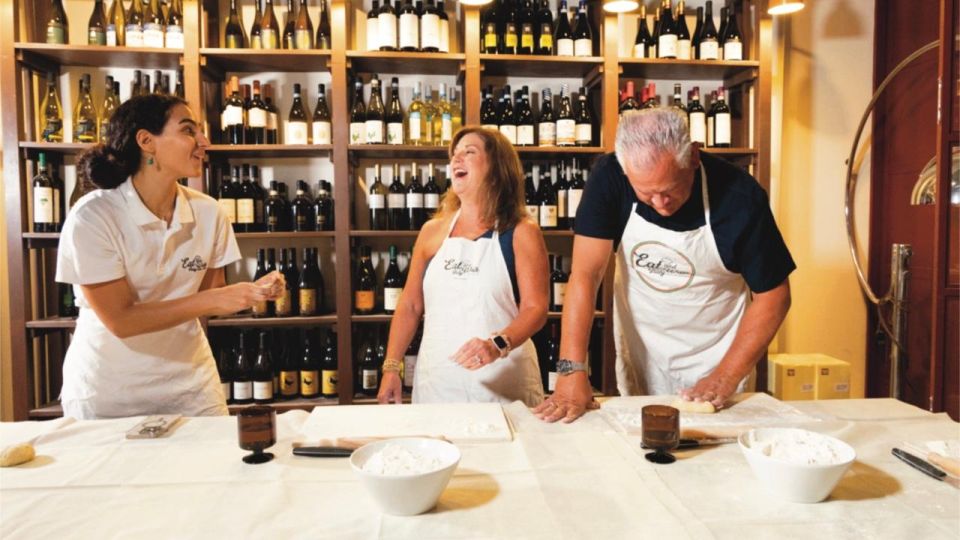
Then comes stuffed ravioli. You’ll craft ravioli as part of the pasta-making section, so you’re not just learning dough—you’re also practicing the whole “make it edible” process: shaping and forming portions so they hold together.
Stuffed pasta can feel intimidating before you start. But in a guided class, the steps become manageable because you’re not inventing anything. You’re following technique, learning what to aim for, and then correcting in the moment.
When you’re ready to eat, your ravioli is served with butter and sage. That’s a good match for what you learn here. It keeps the focus on the pasta quality and the filling, rather than burying everything under a heavy sauce.





Dinner time: sauce choices for fettuccine and the meal you create
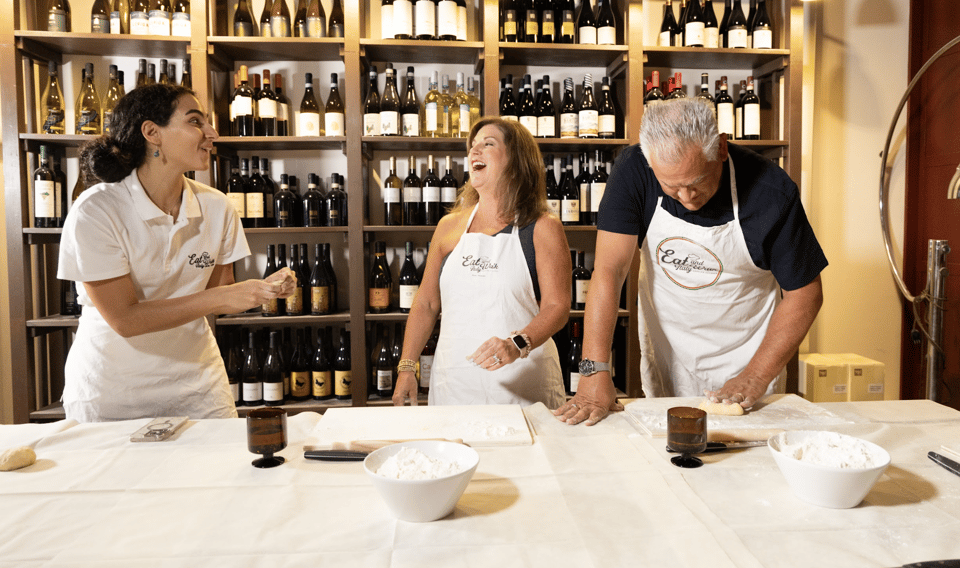
Once the cooking is done, the tasting is built directly around your work.
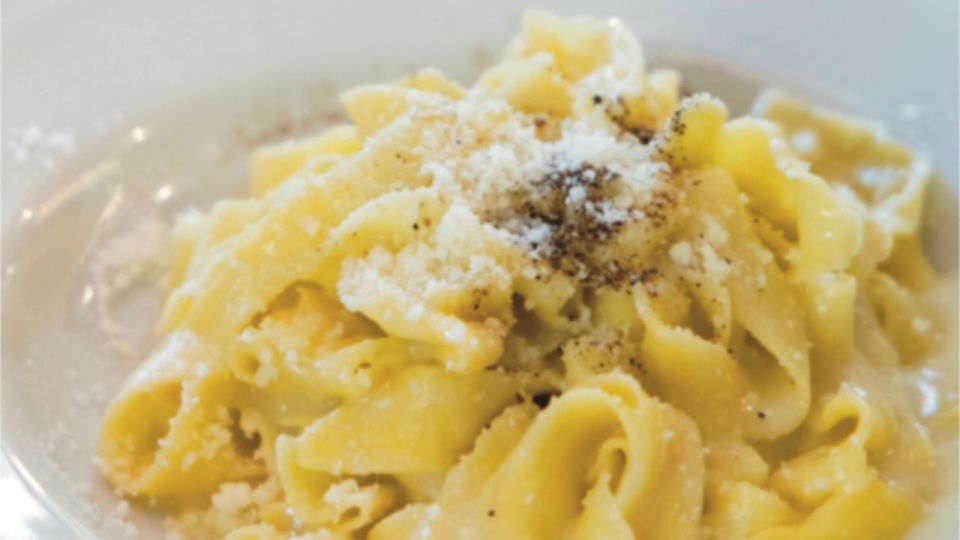
Your fettuccine comes with a sauce of your choice from three options: cacio e pepe, tomato and basil, or Amatriciana. This is a nice detail because it gives you control over how you want your plate to taste. If you want something pepper-forward and simple, go cacio e pepe. If you want brighter and herb-led, tomato and basil fits. If you want smoky-savoury comfort, Amatriciana is the move.
Your ravioli is served with butter and sage, which is classic for a reason: it highlights the pasta and keeps the flavors coherent.
You’ll also get drinks during the experience. A glass of wine or a non-alcoholic beverage is included. You’ll finish with a glass of limoncello or coffee, plus water. Alcoholic beverages are not included for participants under 18, which is clearly handled.
Also, no extra food is included beyond what’s listed. That keeps the class price tied to the experience itself: make the dishes, then eat them.
Wine, limoncello, and why the shared meal matters
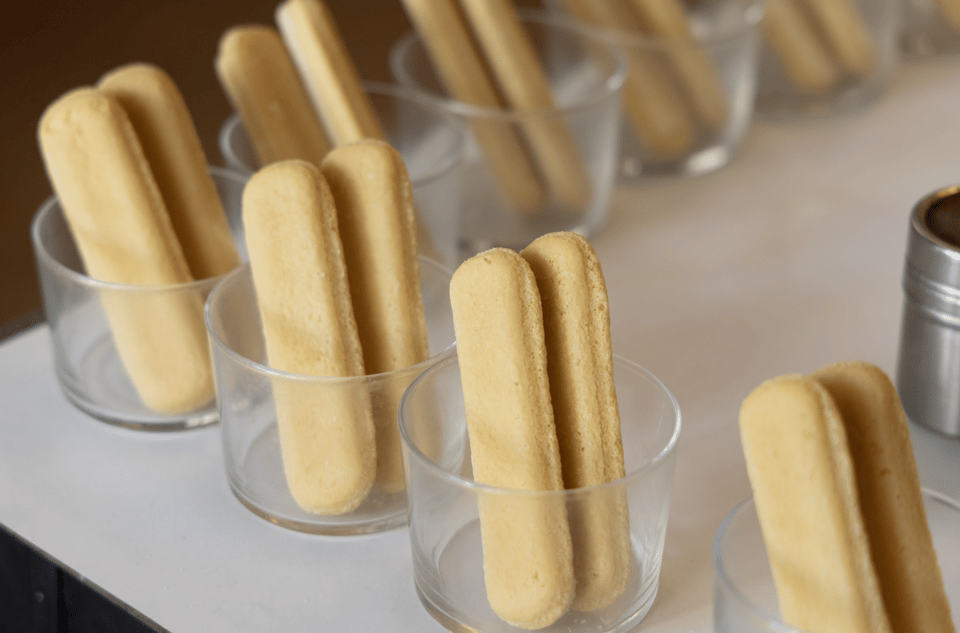
Cooking classes can be awkward if everyone leaves without talking. Here, the format encourages a shared moment at the end. You’ll taste what you made and then conclude by savoring the tiramisù together.
That social piece matters for the quality of the evening. Even if you travel solo, you’ll have a natural reason to chat—What sauce did you pick? Did your dough feel right? How did your ravioli seal?
And the drinks help smooth the transition from work to enjoyment. With wine or a non-alcoholic option included, you can keep things comfortable regardless of your preference. Then finishing with limoncello or coffee gives you a clean, Italian-style close.
Price and value: is $82 worth it in Rome?
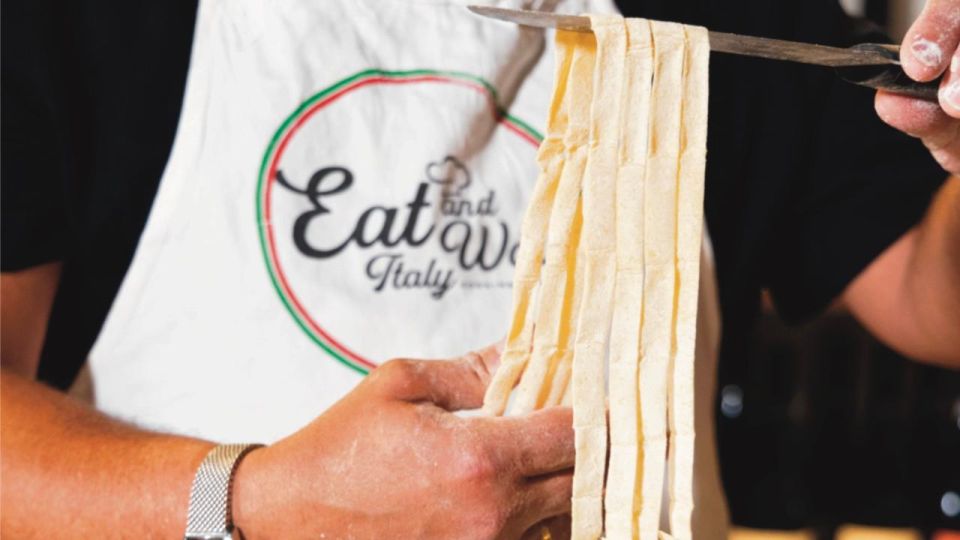
At $82 per person, this isn’t a “snack class.” It’s a paid food experience that includes real ingredients, instruction, and the meal (plus beverages) built around what you make.
Here’s why I think it’s good value. First, you’re paying for guided learning on three dishes: fettuccine, ravioli, and tiramisù. That’s more than many single-dish pasta activities. Second, the included wine/non-alcoholic drink and the final limoncello or coffee makes the evening feel complete without extra spending.
Third, you’re leaving with a skill you can repeat. Even if you don’t make pasta every week at home, you’ll understand dough, portioning, and assembly enough to upgrade your cooking. That kind of knowledge usually costs more than a meal when you try to learn it elsewhere.
The one cost to keep in mind: tips/gratuity aren’t included, and the experience doesn’t list extra drinks or food beyond what’s covered. If you like to add on, budget a bit. Otherwise, it’s nicely self-contained.
Who this experience fits best (and who might not love it)
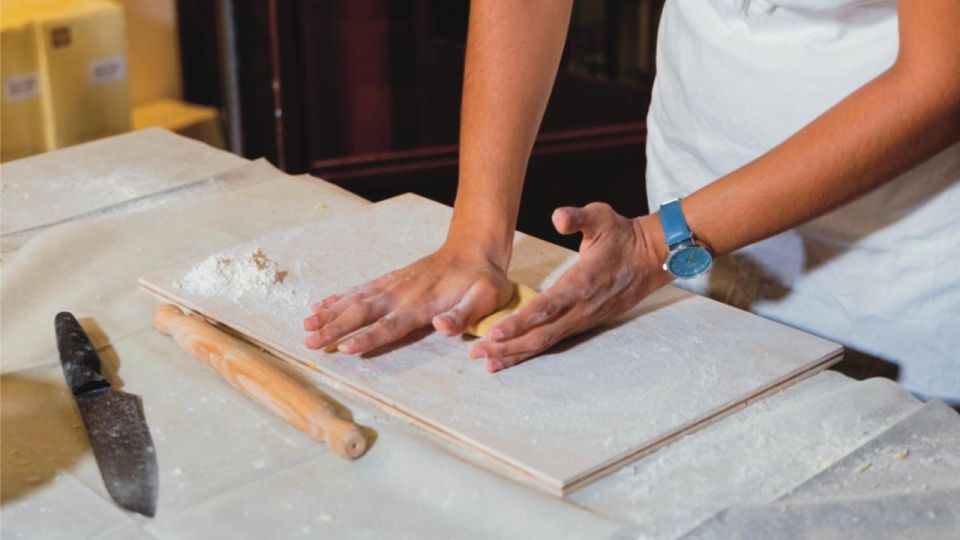
This class is a strong match if you want an authentic, practical food experience in Lazio/central Rome. You’ll get English instruction, and the workshop is designed for people who want to do the cooking themselves rather than just watch.
It’s also a good option for:
- Couples or friends who like interactive activities
- Travelers who want something more memorable than another sit-down dinner
- Anyone who enjoys Italian comfort flavors like cacio e pepe and Amatriciana
It’s not a fit for:
- Children under 4 years (not suitable)
- People traveling with pets (not allowed)
- Anyone who strongly dislikes hands-on food work, since pasta dough can get messy
Wheelchair accessibility is listed, which is great to see. If mobility is a concern for you, it’s worth confirming any practical details directly with the provider when you book.
Practical tips so you get the most from the class
Plan your evening with a little breathing room. This is a 3-hour commitment, and you’ll likely want time afterward to unwind (and wash off some flour).
Wear something comfortable. You’ll be working with dough, and you don’t want restrictive clothes slowing you down.
If you care about the final flavor, think ahead about your sauce choice. You can choose among cacio e pepe, tomato and basil, or Amatriciana, so pick the one that matches your mood for the meal.
Finally, go in with curiosity, not perfectionism. Homemade pasta is part technique, part feel. Your “good enough” effort is still the point because you’ll be tasting your own work at the end.
Should you book the Rome fettuccine, ravioli, and tiramisu class?
I’d book it if you want a genuinely hands-on Rome food experience that teaches you more than just what to order. The dish lineup is a winner—fettuccine + ravioli + tiramisù—and the structure gets you from learning to eating within the same evening.
It also feels like a smart use of time. Central location, English instruction, and a clear 3-hour schedule means it fits well into most itineraries.
Skip it only if you’re looking for a passive cultural activity or you’re short on time and can’t spare an evening. If you’re ready to roll dough, form ravioli, and finish with your own tiramisù, this is the kind of Rome moment that sticks.
FAQ
How long is the pasta and tiramisù class?
The experience lasts 3 hours.
Where do I meet the chef?
Meet at Gusto Restaurant, Via Giuseppe Zanardelli 14, and arrive 10 minutes before the class.
What dishes will I make?
You’ll make homemade fettuccine, stuffed ravioli, and tiramisu from scratch.
Is the class taught in English?
Yes, the instructor provides instruction in English.
What drinks are included?
A glass of wine or a non-alcoholic beverage is included, along with water. At the end, you’ll also get a glass of limoncello or coffee.
Is it wheelchair accessible, and are small children allowed?
The experience is listed as wheelchair accessible. It is not suitable for children under 4 years.