REVIEW · COLOSSEUM, FORUM & PALATINE TOURS
Ancient Rome Half-Day Segway Tour
Book on GetYourGuide →Operated by Rolling Rome Segway & Golf-Cart · Bookable on GetYourGuide
A few minutes on a Segway and Rome feels brand-new. This half-day tour has you gliding through Imperial Rome using an easy, futuristic self-balancing ride, while your guide stitches together major sights of the Caesars’ city. I love the way it turns big landmarks into a smooth route you can actually keep up with, and it’s especially fun when Nico (and other guides) explain what you’re seeing in plain, practical terms.
I like that you get a quick training session first, so first-timers aren’t left to figure it out on busy streets. I also love the sight mix: big hitters like the Colosseum and Palatine Hill, plus Rome details you might otherwise miss, like the Mouth of Truth at Santa Maria in Cosmedin. The result is a “see a lot, understand enough” kind of tour.
One consideration: you’re covering real Rome streets and viewpoints in about 3 hours, so if you get nervous on two wheels or you’re sensitive to crowds and sun, you’ll want to plan accordingly.
In This Review
- Key highlights that make this Segway tour worth your time
- First, your Segway comfort check at Piazza del Gesù
- Your 3-hour route through Imperial Rome: what you’ll actually see
- Palatine Hill: panoramic views and the Romulus and Remus story
- Circus Maximus to Aventine Hill: a classic route with Roman scale
- Santa Maria in Cosmedin and the Mouth of Truth: a stop with famous details
- Capitoline Hill: Michelangelo’s redesign meets the Roman core
- Imperial Forum to the Colosseum: the big finish
- Why the Segway matters more than you think
- Value check: is $100 per person worth it?
- Guides make or break it: Nico, Julio, and the patience factor
- Small group pace: what it feels like on the ground
- Weather, crowds, and comfort: how to plan like a local
- Should you book this Ancient Rome Segway tour?
- FAQ
- FAQ
- Where does the tour start?
- How long is the Ancient Rome half-day Segway tour?
- How much does the tour cost?
- Is there Segway training before you start sightseeing?
- What sights does the tour include?
- How big is the group?
- What language is the tour guide?
- What’s the meeting time and does it run at different times?
- What are the cancellation terms?
- Can I reserve without paying immediately?
Key highlights that make this Segway tour worth your time
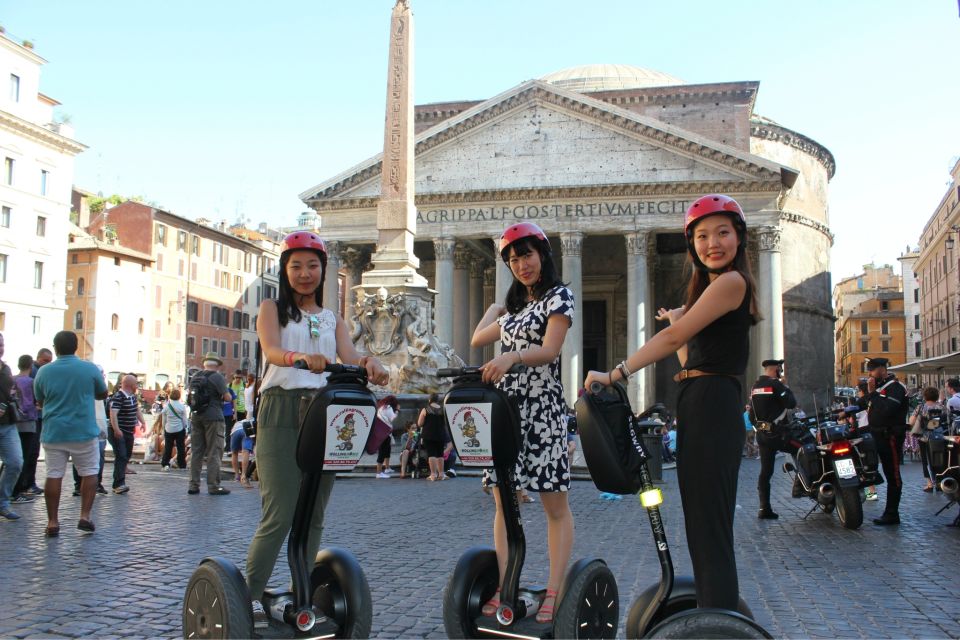
- Self-balancing ride plus training so you can get moving fast and feel safe
- 7 Hills viewpoint stops with Palatine Hill panoramas and legend storytelling (Romulus and Remus)
- Iconic monuments in one route including the Colosseum and the Imperial Forum
- Michelangelo at Capitoline Hill paired with Roman context you can actually connect
- Santa Maria in Cosmedin stops featuring San Valentino remains and the Mouth of Truth
- Small group size (limited to 8) keeps it feeling personal, not chaotic
First, your Segway comfort check at Piazza del Gesù
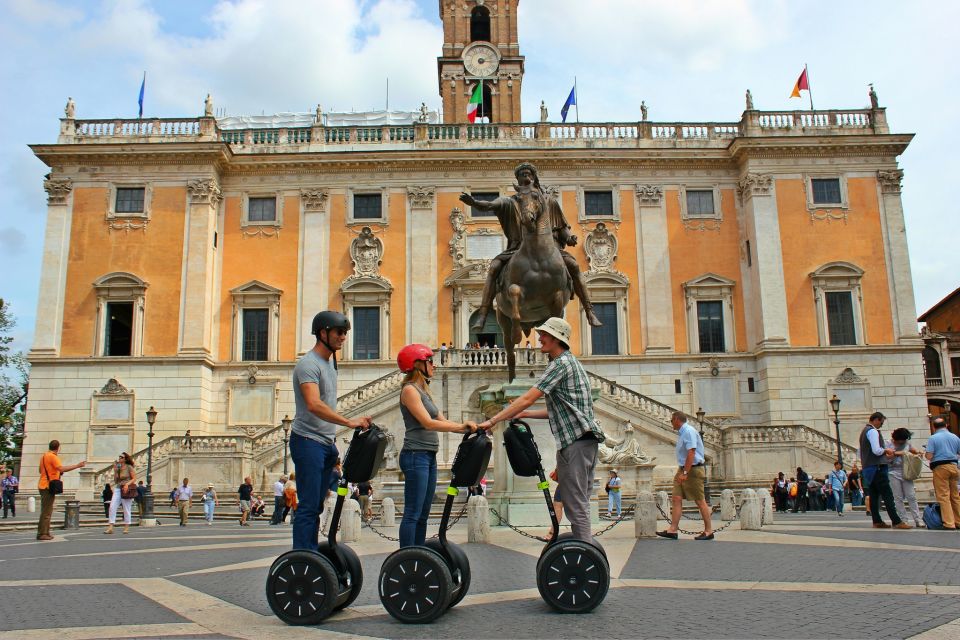
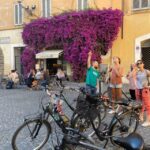
The tour meets at Piazza del Gesù, 47, in central Rome. From there, the experience starts with hands-on time getting used to the Segway—an important detail, because the rest of your ride depends on feeling steady and confident.
This isn’t a long technical lesson. It’s the right kind of practical instruction: how the self-balancing vehicle responds, how to slow down and turn, and how to follow your guide’s pace. In the reviews, guides like Nico and Julio come up again and again for their patience with people learning for the first time, which matters a lot when you’re riding on uneven sidewalks and through lively areas.
You’ll also get a sense early on that this tour is designed for flow. You’re not standing around waiting for your group to catch up with every photo angle. Instead, you’re moving between viewpoints and monuments while the guide connects the dots.
You can also read our reviews of more tours and experiences in Rome
Your 3-hour route through Imperial Rome: what you’ll actually see
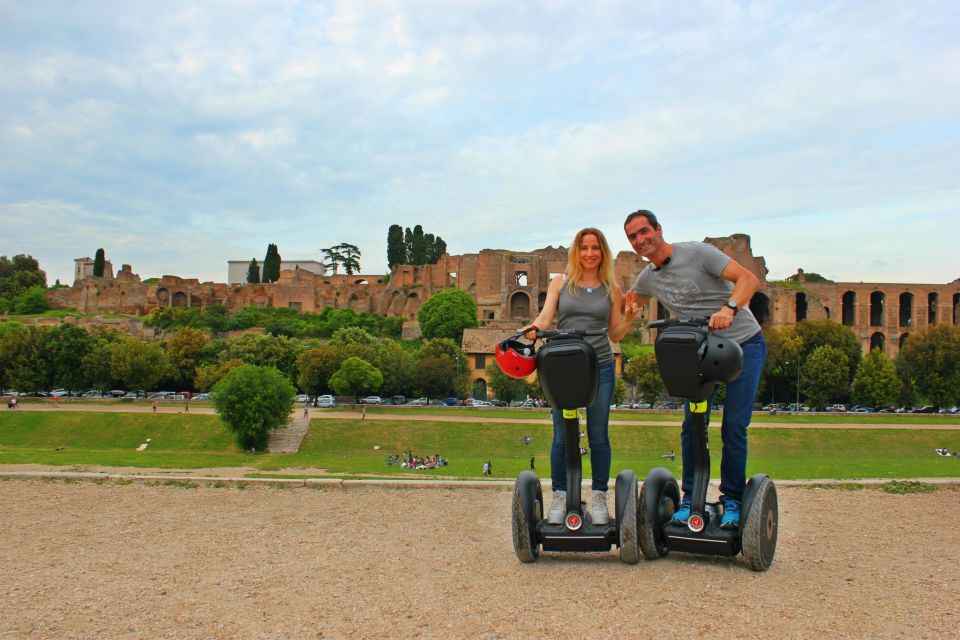
This is a half-day tour of about 3 hours, built to cover a lot of ground without turning into a marathon. The big idea is simple: you’ll ride along historic streets and hit key stops tied to the Roman Empire and the famed hills of Rome.
Below is how the tour’s stops tend to land—and why each one is worth your attention, not just your camera.
Palatine Hill: panoramic views and the Romulus and Remus story
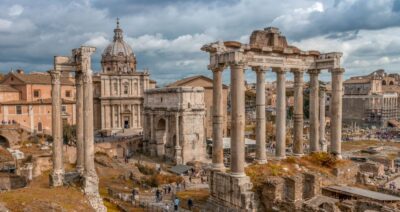
You’ll spend time on Palatine Hill, one of the essential vantage points for understanding how Rome was laid out. The views here are the payoff: you can look across the city and see how the hills and central areas relate to each other.
Your guide also connects the scenery to the legend of Romulus and Remus. That storytelling piece is one reason I like these tours: when you hear the legend while standing in the right neighborhood, it stops being a generic myth and starts to feel like part of the landscape’s original identity.
Circus Maximus to Aventine Hill: a classic route with Roman scale
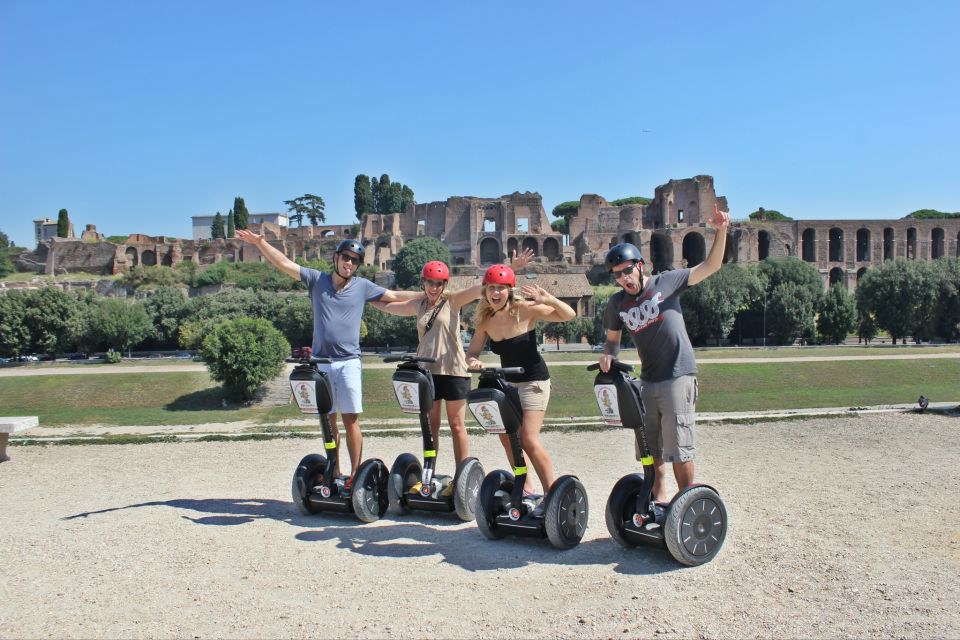
Next comes the run along the stretch near Circus Maximus, then continuing toward Aventine Hill. This is a smart sequence because it helps you shift from viewpoints to motion. Riding between these areas makes the distances feel shorter, and the guide’s commentary helps you picture what these spaces were for.
The tour also includes time around the Orange Grove, which gives you a change of rhythm. Instead of only moving from one monument to another, you get a different kind of Roman “scene”—a quieter break where the area feels less like a checklist and more like a place.
Santa Maria in Cosmedin and the Mouth of Truth: a stop with famous details
One of the most memorable segments is the area around Santa Maria in Cosmedin. This church stop brings in two very specific, very Roman elements: the remains of San Valentino and the marble mask known as the Mouth of Truth.
The Mouth of Truth is one of those objects that people recognize instantly from stories and pop culture, but it lands differently when you’re there in person. Instead of reading about it, you can see the setting and understand why it became a landmark people talk about for centuries.
If you like your Rome stops with a story attached to the object—not just a photo—you’ll probably enjoy this part. It’s a great contrast to the louder, more colossal sites later on.

Capitoline Hill: Michelangelo’s redesign meets the Roman core
Then you head to Capitoline Hill, described as the most important hill of imperial Rome. What makes this stop especially interesting is that you’ll also see how Michelangelo’s Renaissance work reshaped the area.
This is a valuable pairing. You’re not just looking at one era. You’re seeing how later artists and planners reused the Roman idea of power and civic space. And when a guide points out how the design supports the monumental feel of the area, it clicks into place.
Imperial Forum to the Colosseum: the big finish
The ride brings you toward the Imperial Forum, following in the footsteps of emperors. This stretch helps you understand why the Forum mattered: it’s not just a pile of ruins. It’s a core stage for governance, ceremony, and public life.
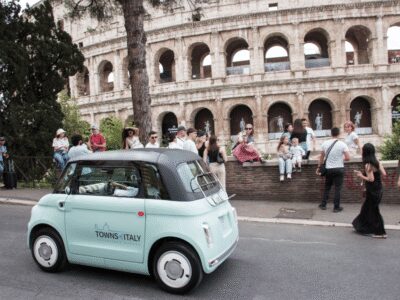
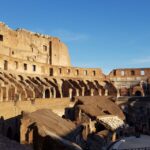
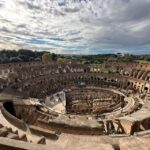
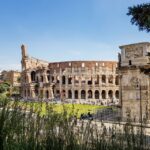
And then—yes—the tour includes the Colosseum, one of the world’s most recognizable Roman sights. You’ll see it as part of a larger story, not as a stand-alone photo moment. That makes the experience feel more complete: you’re moving from civic spaces into entertainment, and you get a clearer picture of what Rome’s power looked like in daily life.
Why the Segway matters more than you think
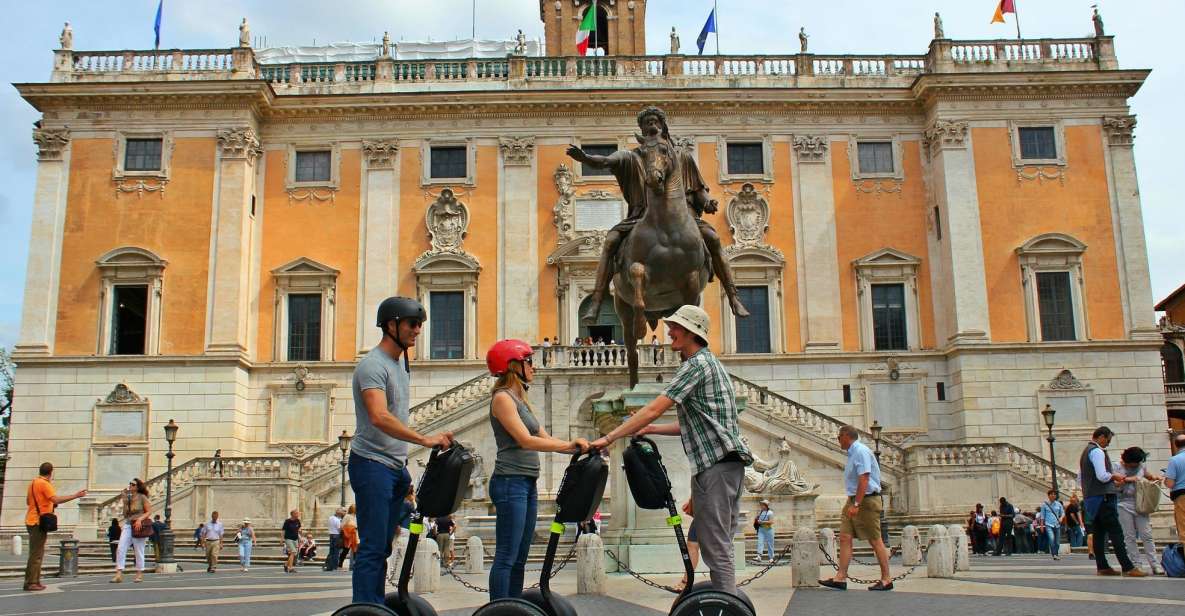
It’s easy to assume that a Segway tour is just about being fun. It is fun, but the real value is practical. In Rome, the big monuments are spread out, and traffic (and the sheer number of walkers) can make traditional sightseeing slow.
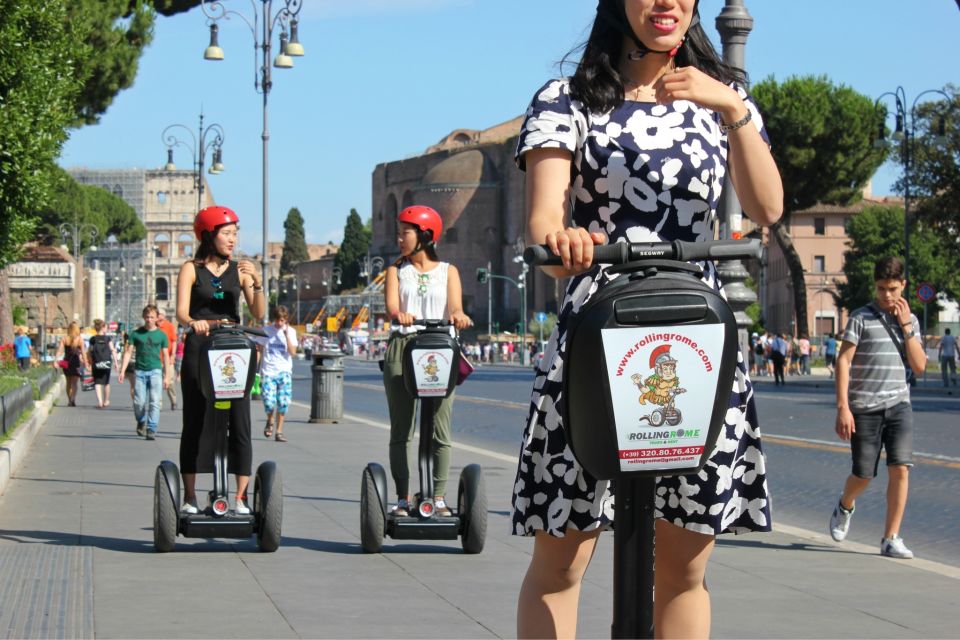
Here, you get a “cover ground without fatigue” solution. You’re gliding between stops, which helps you spend time hearing the guide and taking photos without getting exhausted from constant walking. That’s one reason this tour works well for people who want to see major highlights in a short amount of time.
Also, the company uses an eco-friendly, modern approach. The Segway itself is the standout experience, but it also changes the feel of the day. You’re in motion through Rome’s streets and hills in a way that walking alone can’t replicate.
Value check: is $100 per person worth it?
At $100 per person for about 3 hours, this is not the cheapest way to see Rome. But it is designed for concentrated sightseeing with an included guide, training, and transportation.
For value, I weigh three things:
- Time saved versus doing stops independently
- Guide context so ruins and landmarks make more sense
- Comfort level because the Segway reduces walking strain for many people
If you’re the type of traveler who likes history explained as you move—rather than reading from placards or doing long museum-style time slots—this price can feel fair. Add in the small group limit (up to 8), and you’re getting a more controlled experience than the big-bus version.
In short: it’s a splurge compared to DIY walking, but it’s a smart trade when you want the highlights plus real interpretation in half a day.
Guides make or break it: Nico, Julio, and the patience factor
The tone of this tour often comes down to the guide. Names like Nico and Julio appear repeatedly, and the recurring theme is how they explain Rome in an easy, understandable way while also keeping riders safe.
What I especially appreciate from the pattern of feedback: the guides don’t rush first-time riders. They take time to make sure people can handle the Segway confidently before moving into heavier traffic zones. That patience matters because the tour includes a lot of transitions—turns, crossings, and stops where you’ll want to be steady.
If you’re nervous about riding a Segway, this is the kind of tour where that worry is more likely to fade quickly.
Small group pace: what it feels like on the ground
With a group limited to 8 participants, the tour doesn’t feel like a cattle call. You can hear the guide, the pacing stays manageable, and the attention can shift if someone needs a moment.
That small-group structure also helps with the photo problem. Rome is photo-happy, and iconic stops can cause slowdowns. A small group means you spend less time waiting and more time actually enjoying the stops the guide is taking you to.
Weather, crowds, and comfort: how to plan like a local
Even the best tour can get hot or crowded. Rome in warm months can be intense, and at hill viewpoints you’ll feel it. One review specifically highlights the guide finding shade, which is a nice reminder to come prepared.
I’d plan for:
- Comfortable shoes for boarding and off-vehicle walking
- Water, especially for sunny days
- Sunscreen and a hat for hill stops
Also, the tour duration is tight enough that you won’t want to start your day late. If you’re stacking multiple activities, treat this as a centerpiece, not a last-minute add-on.
Should you book this Ancient Rome Segway tour?
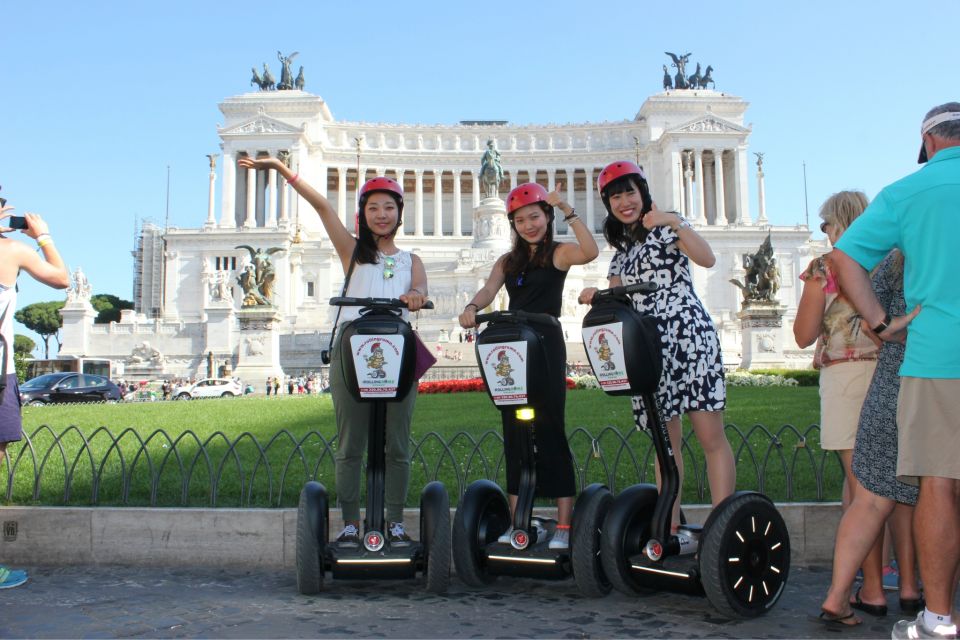
You’ll like this tour if you want:
- Big Roman highlights (Colosseum, Imperial Forum, Capitoline Hill, Palatine Hill) in one smooth half-day
- A guided story tied directly to where you’re standing
- A fun ride that reduces the walking burden in a city full of walking
You might skip it if:
- You’re not comfortable on a self-balancing vehicle, even after training
- You’re looking for a slow, museum-style day where you can linger for long stretches
My take: this is a strong choice for first-time Rome visitors who want the essentials and a bit of extra personality—especially if you value a guide who keeps the pace friendly and the history understandable.
FAQ
FAQ
Where does the tour start?
Tours start at Piazza del Gesù, 47.
How long is the Ancient Rome half-day Segway tour?
The duration is 3 hours.
How much does the tour cost?
The price is $100 per person.
Is there Segway training before you start sightseeing?
Yes. There’s a Segway training session before the tour begins.
What sights does the tour include?
You’ll see major Imperial Rome highlights including the Colosseum, the Imperial Forum, and views from Palatine Hill and Capitoline Hill. The tour also includes Santa Maria in Cosmedin, where you’ll see the Mouth of Truth area and San Valentino remains.
How big is the group?
It’s a small group, limited to 8 participants.
What language is the tour guide?
The live tour guide is English.
What’s the meeting time and does it run at different times?
The tour lists starting times based on availability for the 3-hour duration.
What are the cancellation terms?
You get free cancellation up to 24 hours in advance for a full refund.
Can I reserve without paying immediately?
Yes. You can reserve now & pay later.