REVIEW · CITY TOURS
Rome: City Highlights Moonlight Walking Tour
Book on GetYourGuide →Operated by Carpe Diem Tours · Bookable on GetYourGuide
Rome at night feels like a different city. This guided moonlight walking tour strings together Roman landmarks with a relaxed pace, so you’re seeing Piazza Navona, Trevi Fountain, and the Colosseum area in one smooth evening. I especially like how the guide storytelling style can make big sights feel human, from how Pauline/Paulina guided details to how Sila connected small architecture to the bigger Rome picture.
You’ll also appreciate the timing: the Trevi stop happens when crowds thin out, so photos look cleaner and the fountain’s symbolism actually lands. One caution: this tour is all about seeing from the outside. Entry tickets for sites are not included, so if you want to go in (or spend extra time inside), plan that separately.
In This Review
- Key things to know before you walk at night
- A night walk through Rome’s brightest highlights
- Starting near Piazza Navona: where ancient Rome left a footprint
- Piazza Navona to the Pantheon area: the dome that still puzzles people
- Church of Sant’Ignazio di Loyola: a detour that adds real Rome texture
- Galleria Sciarra: the in-between stop that makes the route feel alive
- Trevi Fountain in moonlight: quieter photos, clearer symbols, and a coin
- Piazza Venezia and Trajan’s Column: empire power at street level
- Via dei Fori Imperiali and the Colosseum glow outside
- How the guide style shapes the whole experience
- Price and value: why $28 can be a smart first-evening spend
- When this tour is the right fit (and when it’s not)
- What to bring for a comfortable night walk
- Should you book this moonlight walking tour?
- FAQ
- FAQ
- How long is the Rome City Highlights Moonlight Walking Tour?
- Where does the tour start?
- Is the tour in English or Spanish?
- What does the tour include?
- Are entrance tickets included for attractions?
- Which major sights do you see during the walk?
- What’s the cancellation policy?
Key things to know before you walk at night
- Trevi Fountain at the quietest time of day for photos and symbol talk, plus the coin moment
- Piazza Navona’s ancient stadium story makes the Bernini centerpiece feel less random
- Pantheon area and dome facts explained as you pass by, without needing tickets
- Church of Sant’Ignazio di Loyola + Galleria Sciarra add texture beyond the postcard stops
- Colosseum in moonlight from the outside zone gives that wow factor without rushing
A night walk through Rome’s brightest highlights
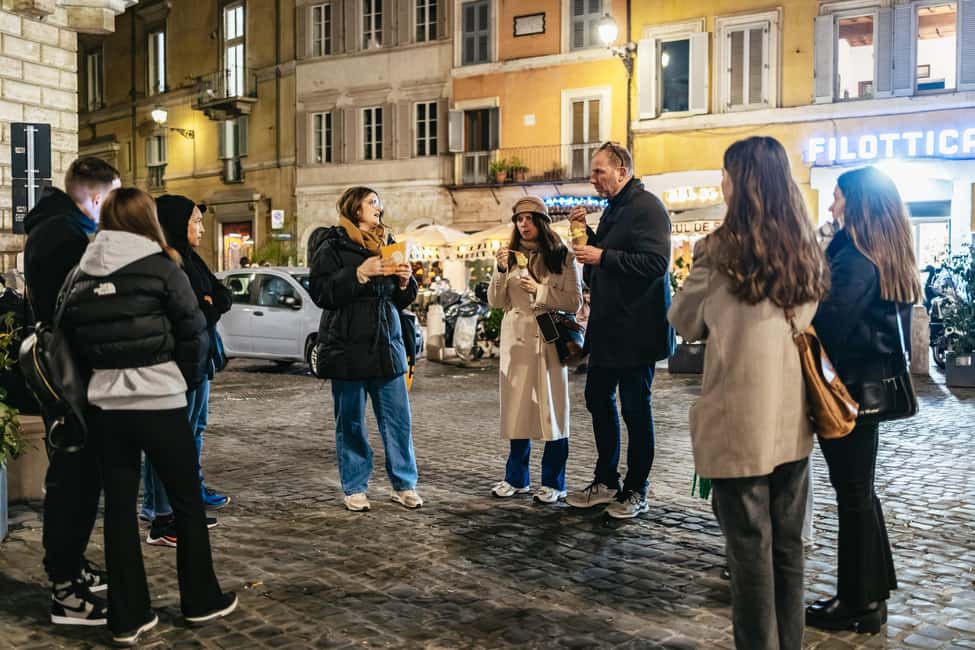
Rome looks best after dark, when the streets slow down and the monuments stop competing for attention with daylight crowds. This is a short, focused evening walk that gives you a strong sense of where things sit, especially if you’re doing the city in a hurry or you want a calmer first approach.
The value here is the way the guide stitches places together. Instead of a checklist, you get a storyline that moves from ancient Rome to modern Rome while you’re actively walking. That matters because Rome is spatial. Once you understand how areas connect, you can enjoy the rest of your trip more without constantly re-orienting.
And yes, the lights help. The tour leans into that. The Trevi Fountain moments, the Piazza Venezia view angles, and the way the Colosseum lights up at night are exactly the kind of payoff that feels worth doing even if you’ve seen photos before.
You can also read our reviews of more walking tours in Rome
Starting near Piazza Navona: where ancient Rome left a footprint
Depending on the option you book, you’ll start from Piazza d’Aracoeli or Piazza di Pasquino. Either way, the early part of the walk aims you toward Piazza Navona, which you’ll reach fast.
When you arrive, Piazza Navona isn’t just a pretty square. It sits above an older Roman stadium area where athletics were staged. Your guide uses that layer to set the tone. The guide talk often centers on what you’re looking at right in front of you, not just distant facts.
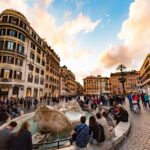
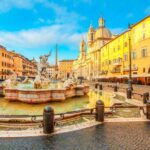
Then there’s Bernini’s Fountain of the Four Rivers, the visual anchor of the piazza. At night, the fountain has a softer look—less glare, more glow—and you get a bit of guided time to actually notice details. This stop is guided for about 20 minutes, which is long enough to get the story but not so long that you lose the flow of the evening.
Piazza Navona to the Pantheon area: the dome that still puzzles people
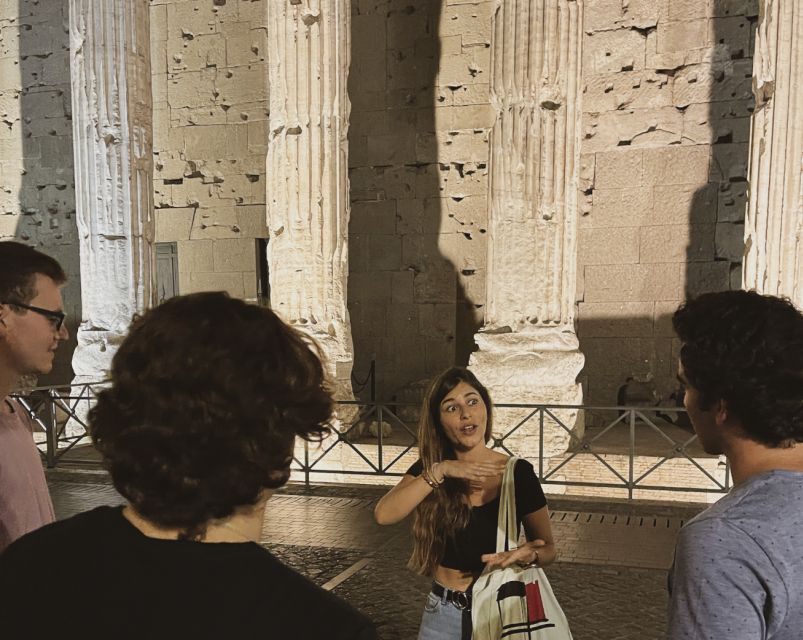
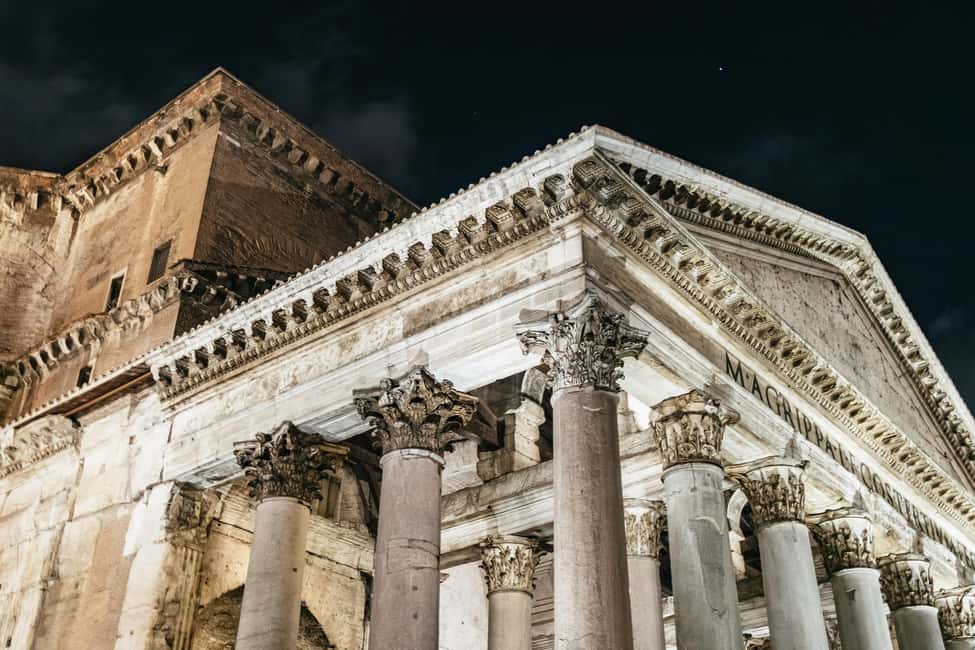
From Piazza Navona, the Pantheon is close on foot—your route keeps things easy so you’re not spending half the tour in transit. You don’t go in here; you pass by with guided context for around 20 minutes.
The big draw is the Pantheon dome itself, a structure that’s still a head-scratcher for architects. Your guide’s job is to translate what you see into why it matters. Even without entering, you can appreciate the building’s scale and the confidence of Roman engineering from the outside.
This is a useful stop for first-timers because it also helps you understand how the city’s architecture communicates power and permanence. You see the monument, then you learn how and why it became one of the Roman Empire’s best-preserved statements.
If you’re the type who wants to walk inside major churches and monuments, treat this as an outside-and-explanation moment. You’ll leave knowing what to look for later—inside or on a return visit.
Church of Sant’Ignazio di Loyola: a detour that adds real Rome texture
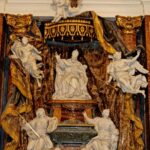
After the Pantheon area, the tour heads toward Church of Sant’Ignazio di Loyola. This is one of the longer guided segments (about 30 minutes), and it’s a smart choice for a night tour.
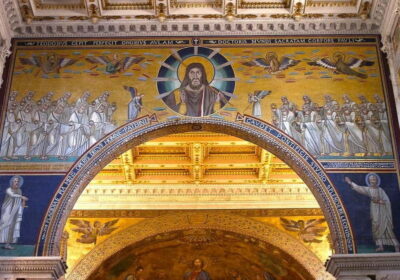
Why? Because daytime Rome can feel like a parade of identical big stones. A church stop breaks that rhythm. Even if you’ve seen lots of Roman sites before, a guided visit here helps you pay attention to facades, artworks, and the way religious buildings reflect the eras that shaped them.
The key point: you’re not just moving past. The guide gives you time to look, ask questions, and make sense of what you’re seeing. Reviews frequently praise guides for connecting visual details to stories, and this is exactly the kind of stop where that approach shines.
Wear good shoes. Churches usually mean a bit of standing and looking around. It’s worth it, though. This is where the tour adds depth without turning into a long museum day.
Galleria Sciarra: the in-between stop that makes the route feel alive
Next comes Galleria Sciarra, guided for about 20 minutes. This kind of stop is easy to underestimate because it doesn’t have the name recognition of the Trevi Fountain. But Rome is full of places like this—semi-hidden corridors, covered passages, and architectural moments that help you feel the city’s daily flow.
This is where a guide’s style matters. Some guides are great at pointing out features you’d otherwise miss. That can turn a quick walk into a “wait, look at that” moment—especially at night when lighting changes how you see stone, glass, and shadows.
If you like architecture, small surprises, and the feeling of walking through a real neighborhood fabric (not just a highlight circuit), this is the stop that tends to deliver.
You can also read our reviews of more city tours in Rome




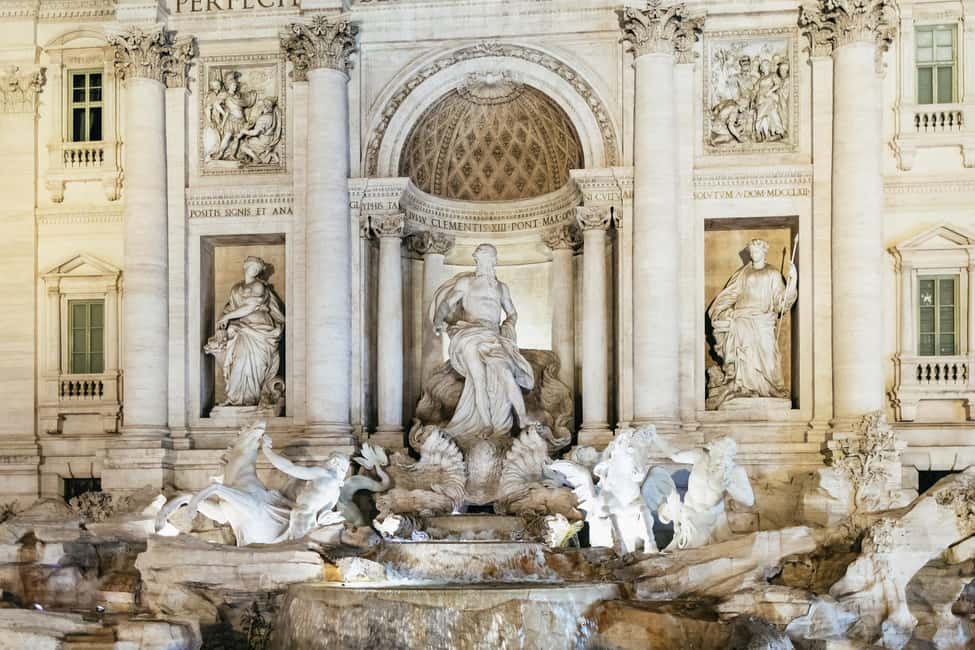
Trevi Fountain in moonlight: quieter photos, clearer symbols, and a coin
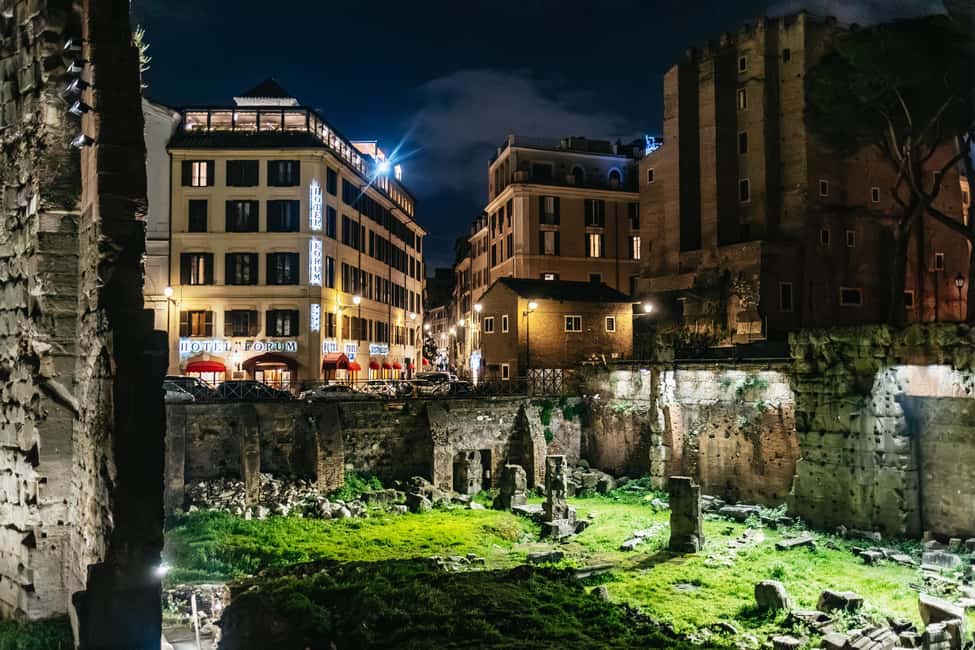
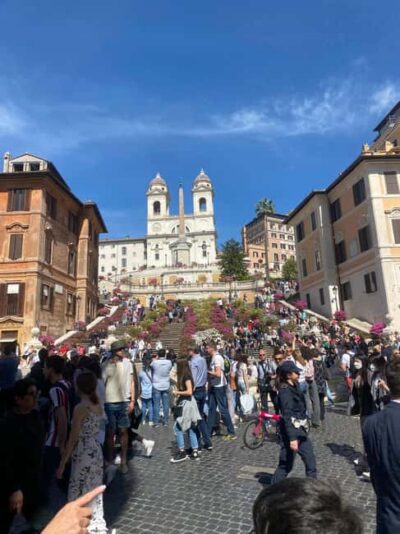
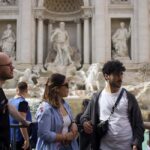
Then it’s the stop most people come for: Trevi Fountain. You get about 30 minutes, and the tour specifically schedules it for the quietest time of day—so you’re not fighting shoulder-to-shoulder crowds.
This is one of the best ways to enjoy Trevi without feeling like you’re just waiting for your turn. You can actually frame a photo. You can step back to take in the whole composition. And you can listen to the guide explain the fountain’s symbols, which is usually what separates a random snapshot from a meaningful moment.
The coin tradition is part of the experience. You’ll toss your coin over your shoulder, a cue that you’re not just sightseeing—you’re participating in the Rome of stories and rituals.
Practical tip: this is where you’ll want your camera ready. Low light means you’ll likely need steadier shots (lean on a wall if the space allows, and keep your movements slow). Moonlight makes the fountain look cinematic, but it also means you’ll want to be patient for good framing.
Piazza Venezia and Trajan’s Column: empire power at street level
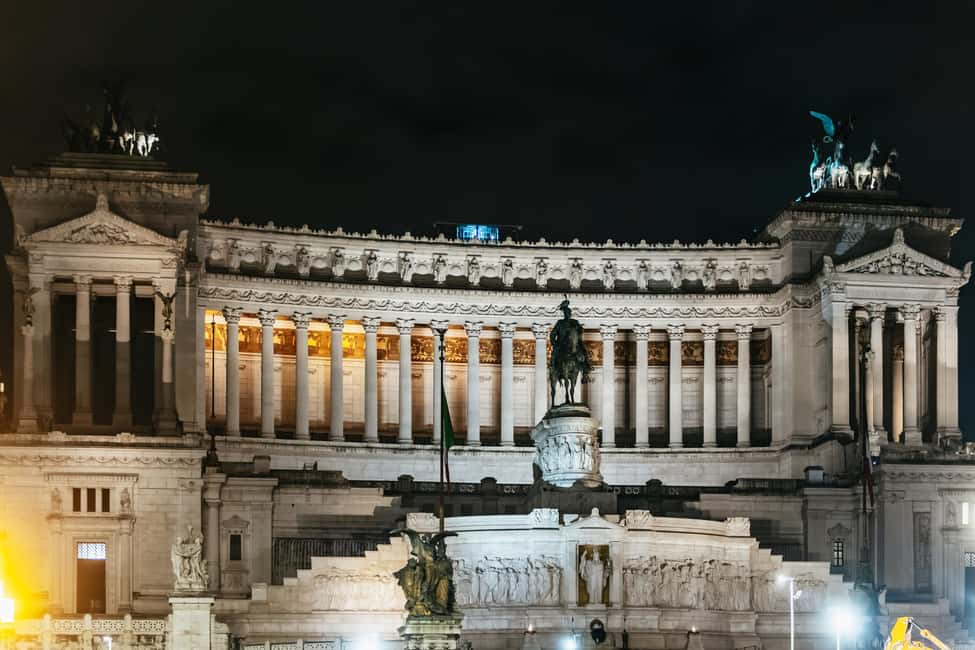
After Trevi, you transition to Piazza Venezia, guided for about 20 minutes. This is a major visual crossroads at the foot of Capitoline Hill, with the Altar of the Fatherland nearby. The guide helps you connect the square’s modern monuments to the historic importance of the area around the Capitoline zone.
At night, Piazza Venezia often feels like a stage: wide open space, big sightlines, and lighting that makes stone look even more dramatic. It’s also a spot that helps you build a mental map. Once you can locate Piazza Venezia in your head, the rest of central Rome becomes easier.
Then you pass by Trajan’s Column (about 20 minutes). Even without a deep stop, it’s a strong marker of where power lived and how Rome advertised its victories in stone. Your guide’s talk helps you look past the fact that it’s just a tall column.
This portion of the route is also pacing-friendly. You get enough guided explanation to make the monuments stick, but you’re still moving toward the big ending.
Via dei Fori Imperiali and the Colosseum glow outside
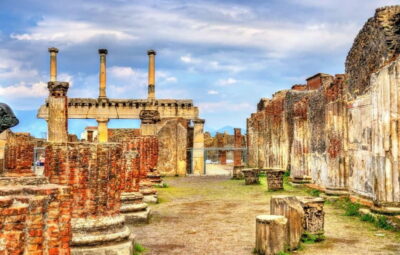
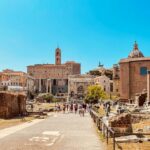
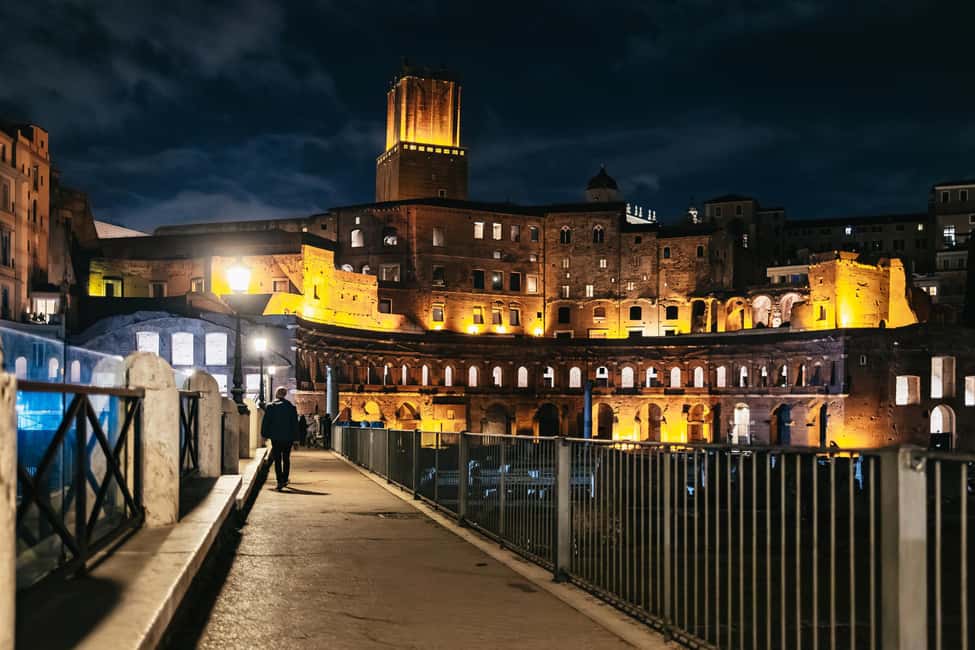
The final stretch includes Via dei Fori Imperiali, guided for about 20 minutes. This boulevard cuts through ancient Rome, passing major forum areas linked to Trajan, Augustus, and Nerva. Walking it gives you a sense of scale that you don’t always get from looking up at monuments from a single spot.
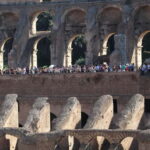
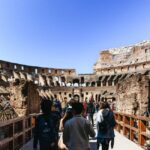
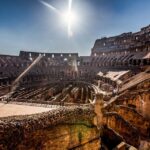
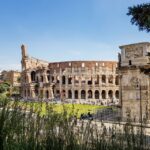
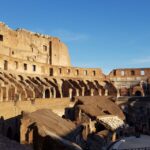
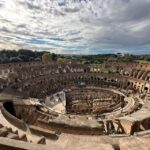
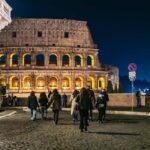
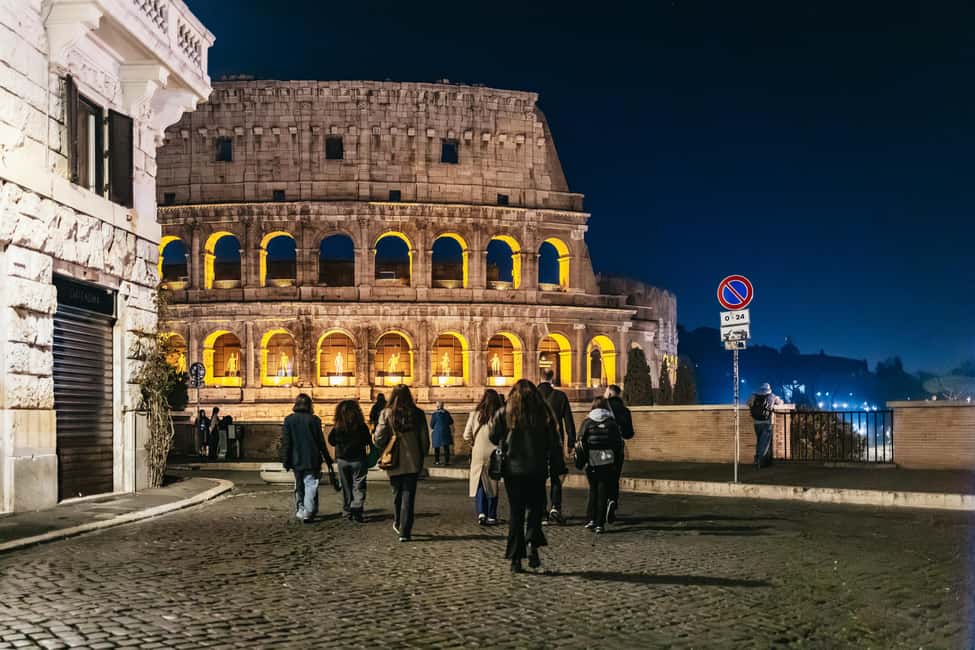
The ending is outside the Colosseum, where you’ll wrap the tour with illuminated views under night skies. This is the payoff many people want: that famous silhouette lit up, the feeling of Rome’s grandeur without the time pressure of a daytime queue.
Important note: the tour is not framed as an entry-to-everything plan. You’re there for orientation and night atmosphere, plus the big photo moment. If you want to go inside, you’ll need a separate ticket plan.
How the guide style shapes the whole experience
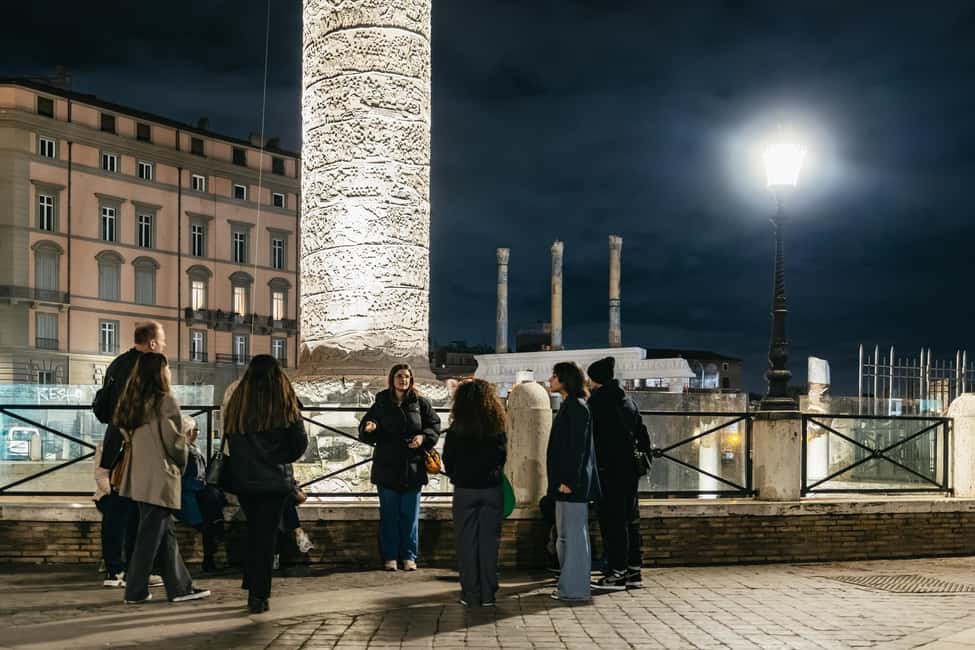
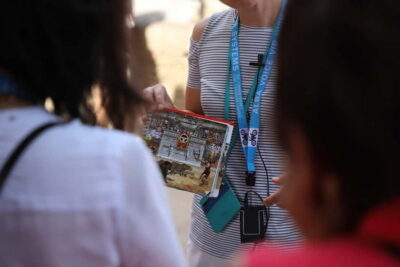
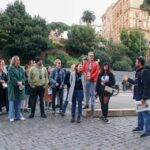
A night tour is only as good as the guide. What stands out here is that guides are praised for making the walk feel like a narrative instead of a series of stops. Names that come up often include Domenica, Vladimir, Chenge, Sila, Sarah, Alina, and Csenge, along with references to guides like Pauline/Paulina and Anna.
Across these different people, the common theme is that you get more than dates. You get explanations tied to what you’re seeing in front of you. People also note humor, good pace, and how the guide manages crowd movement so you don’t feel stuck.
That matters because Rome at night can still be busy. You’re not escaping everything. But with a guide setting the timing and pace, the experience feels controlled rather than chaotic.
Price and value: why $28 can be a smart first-evening spend
At $28 per person, this is priced like a true walking experience: you’re paying mainly for expert guidance and route planning, not for ticketed entry. Since entrance fees are not included, the value depends on whether you’re okay with outside viewing at a few headline sites.
If you want to see the Trevi Fountain, understand what you’re looking at, and finish with moonlit Colosseum vibes, the price starts to make sense fast. You also save energy by doing a tight loop of major areas in a single evening rather than stitching it together on your own.
If you’re the type who always insists on entry for top sights, you might find yourself wishing you could go inside during this walk. In that case, you’ll likely treat this as an orientation tour that prepares you for your ticketed visits later.
When this tour is the right fit (and when it’s not)
This tour is ideal if:
- You’re short on time and want a fast, organized way to connect Rome’s central zones
- You hate daytime crowds and want Trevi and the main monuments in a quieter mood
- You’re new to Rome and want the guide to help you place landmarks in a bigger story
- You want a manageable 2 to 2.5 hour walk with frequent points of interest
It may be less ideal if:
- You plan to do inside entry for everything, especially the big-ticket sites
- You’re not comfortable walking a continuous route at night (even at a relaxed pace, it’s still walking)
The private group option can help if you prefer a quieter rhythm or you want more flexibility with questions. If you’re traveling with friends or family and want tailored pacing, it’s a good fit.
What to bring for a comfortable night walk
Bring comfortable shoes. Rome’s stones are not forgiving, and night lighting can make slick spots harder to spot. Wear comfortable clothes too, since you’ll be out for close to 2 to 2.5 hours.
Also, consider your camera strategy. Low light means slower photos, so leave a little slack in your schedule and don’t stress about getting the perfect shot at every stop.
If you get chilly easily, you might want a light layer. The tour doesn’t mention specific weather gear, but Rome nights can change fast once the sun drops.
Should you book this moonlight walking tour?
Yes, if you want an efficient, story-led introduction to Rome’s core monuments with the bonus of night atmosphere. It’s a strong choice early in your trip because it helps you understand where everything sits, so you can plan the rest of your days with less guesswork.
Book it if you like guides who explain symbols and architecture, and if you value seeing Trevi Fountain when it’s calmer. Skip it only if you’re primarily chasing inside access for every major sight. In that case, use this as your orientation tour, then schedule ticketed visits separately.
FAQ
FAQ
How long is the Rome City Highlights Moonlight Walking Tour?
It runs about 2 to 2.5 hours, depending on the starting time you book.
Where does the tour start?
The meeting point may vary based on the option booked, with starting locations including Piazza d’Aracoeli and Piazza di Pasquino.
Is the tour in English or Spanish?
Yes. The live guide offers English and Spanish.
What does the tour include?
You get a live tour guide and the walking tour itself.
Are entrance tickets included for attractions?
No. Entry to attractions is not included.
Which major sights do you see during the walk?
You’ll visit Piazza Navona and the Trevi Fountain with guided time, pass by the Pantheon, stop at the Church of Sant’Ignazio di Loyola and Galleria Sciarra, and then reach Piazza Venezia and the Colosseum area.
What’s the cancellation policy?
You can cancel up to 24 hours in advance for a full refund.