REVIEW · CATACOMBS & CRYPTS TOURS
Rome: Catacombs & St Clement’s Underground Semi-Private Tour
Book on GetYourGuide →Operated by Touriks · Bookable on GetYourGuide
Roman underground feels like a different city. What makes this one click is the one-two punch of two sites under Rome, plus clear headsets so you don’t miss a word underground. I like that the pace is guided and practical, not you-wandering-around-in-the-dark.
My favorite part is the way St. Clement’s 3-level underworld tells layered Roman-and-Christian stories, and the standout scenes like the Mithraic temple and the underground stream. One consideration: this is not for everyone. If you’re claustrophobic, or if you expect walls full of dramatic bone displays, the catacombs may feel a bit more repetitive than you imagined.
In This Review
- Key highlights worth marking on your map
- Meet at St. Clement’s: the start is simple
- The van + luggage deposit combo: why this matters in Rome
- St. Clement’s Underground: the 3-level story under your shoes
- The Mithraic temple + the underground stream: the surprise moments
- The 4th-century basilica remains: frescoes and martyr scenes
- Domitilla catacombs: big labyrinth energy, at a comfortable pace
- Pacing and comfort underground: lighting helps, ceilings are low
- Price and Logistics: $134.81 worth it for two major sites
- The tour guide effect: clear audio, firm storytelling
- Who this tour suits best (and who should skip it)
- Should you book this tour?
- FAQ
- How long is the Rome Catacombs & St Clement’s Underground tour?
- Where do I meet the guide?
- Do you offer hotel pickup?
- What underground sites are included in the tour?
- What’s the group size limit?
- Are headsets provided?
- What should I wear?
- Is the tour wheelchair accessible?
- Is it okay to bring luggage?
Key highlights worth marking on your map
- St. Clement’s Basilica beneath the basilica: multiple historical layers stacked under your feet
- Mithraic temple + underground water: a rare cult site you usually only read about
- Domitilla catacombs circuit: a long, atmospheric walk through accessible burial galleries
- Small groups (max 10) or private options: more breathing room and better questions
- Headsets for every stop: you hear the guide clearly even in low, echo-y tunnels
- Time-savers: city-center transport plus luggage deposit so you travel lighter
Meet at St. Clement’s: the start is simple
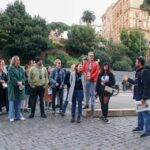
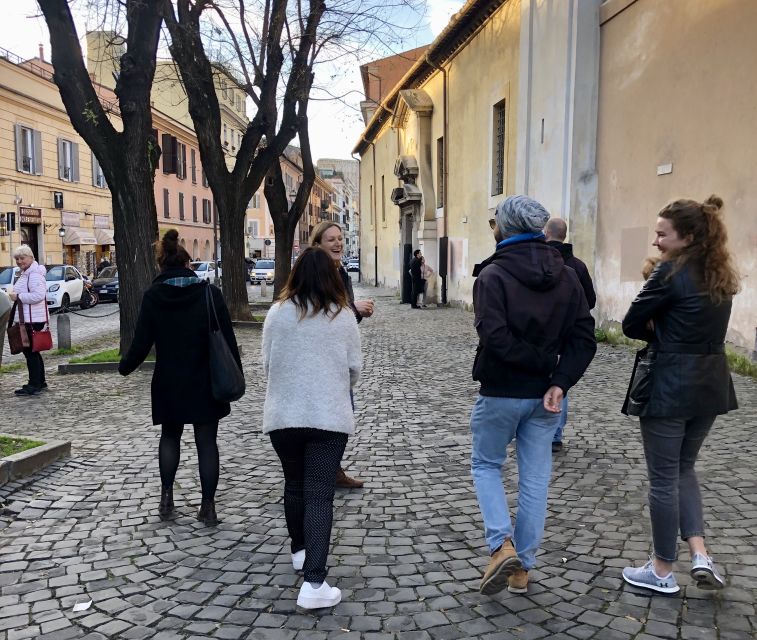
The tour begins at the TouriksPoint at Via di San Giovanni in Laterano 132, just about a short walk from St. Clement’s Basilica. You’ll want to show up early so you’re not rushing through the last-minute stuff (finding the meeting spot, checking dress code, getting comfortable shoes on). Plan to arrive about 15 minutes early, then be ready to meet the group about 5 minutes before departure.
One practical bonus here is that you’re not starting the day by juggling Rome logistics. The tour is designed to move you from the surface to the underground efficiently, with help on the ground.
You can also read our reviews of more private tours in Rome

The van + luggage deposit combo: why this matters in Rome
This isn’t hotel pickup, which actually helps set expectations. Instead, you meet in the city center area and then use transport during the tour.
What I like: you get luggage deposit support at the office for the duration of the tour. That means you can ditch bulky bags before you go underground, instead of dragging them around churches and tunnel entrances. If you’ve ever done Rome with rolling suitcases and then realized you’re suddenly standing in a narrow entry corridor, you know why this counts.
You’ll also use a van between the two underground experiences. That keeps the day from turning into a long walk across traffic-heavy streets, and it helps you arrive at each site less winded.
A small caution based on operational realities: the schedule depends on people being on time. If you’re the kind of person who wants cushion time because taxis can be unpredictable, build it in. One late arrival can slow things down for everyone, and the end-of-tour transfer can get tense if the timing slips.
St. Clement’s Underground: the 3-level story under your shoes
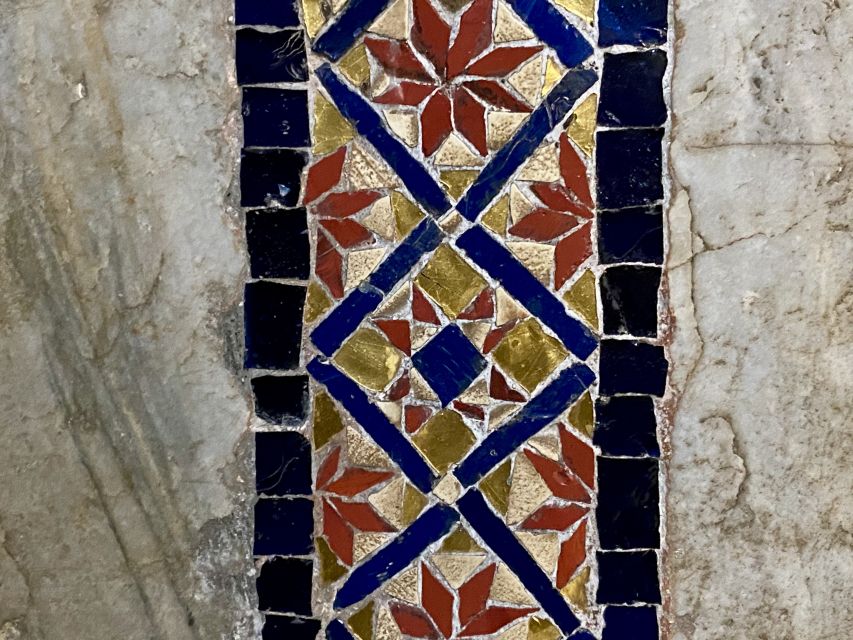
St. Clement’s is the headline for a reason. Instead of just one “wow” moment, you get a whole set of layers showing how Rome built over itself.
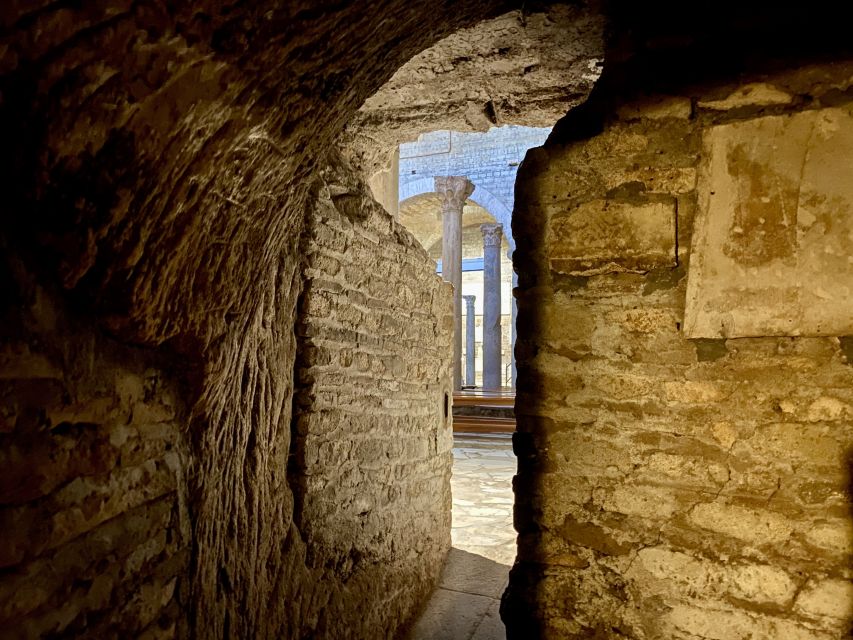
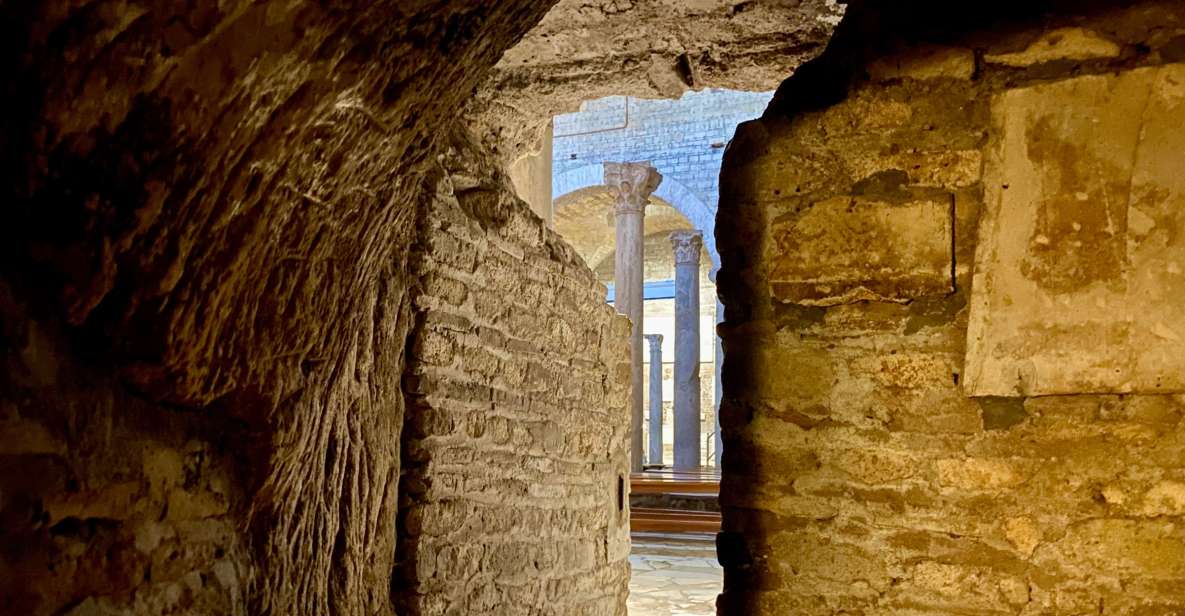
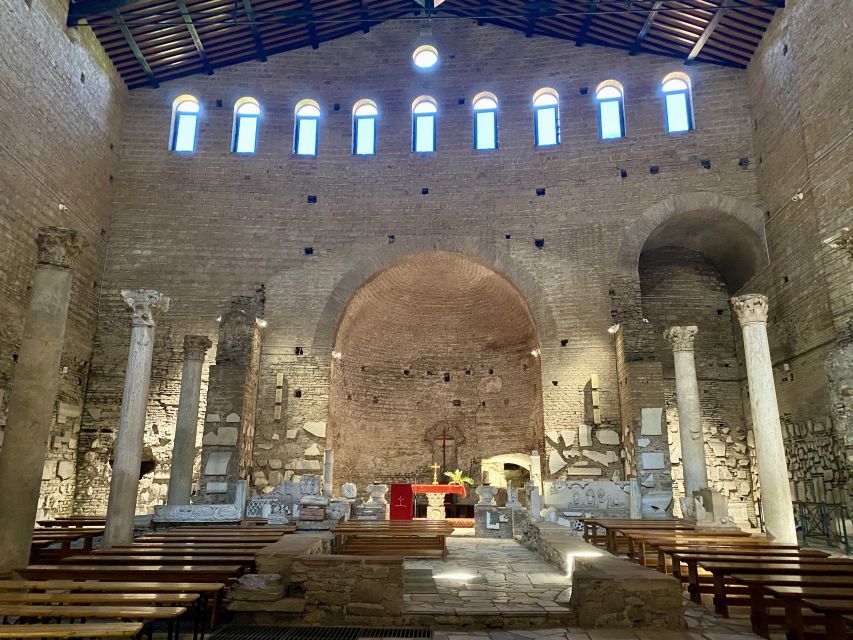
From the surface, you descend into the world 14 meters below ground. The experience is staged like a vertical history lesson: you move down into an earlier world, then rise back up through later structures built on top of it. That up-and-down rhythm is what makes the site feel alive rather than just dark hallways.
During this portion, you tour the underground reaches connected to:
- the martyr’s house area
- the 4th-century Basilica built above it
- and the actual basilica’s earlier layers, all stacked across time
If you like architecture and how cities evolve, you’ll probably find yourself staring at the walls longer than you planned. The key is that the guide gives context so the changes you see start to make sense.
The Mithraic temple + the underground stream: the surprise moments
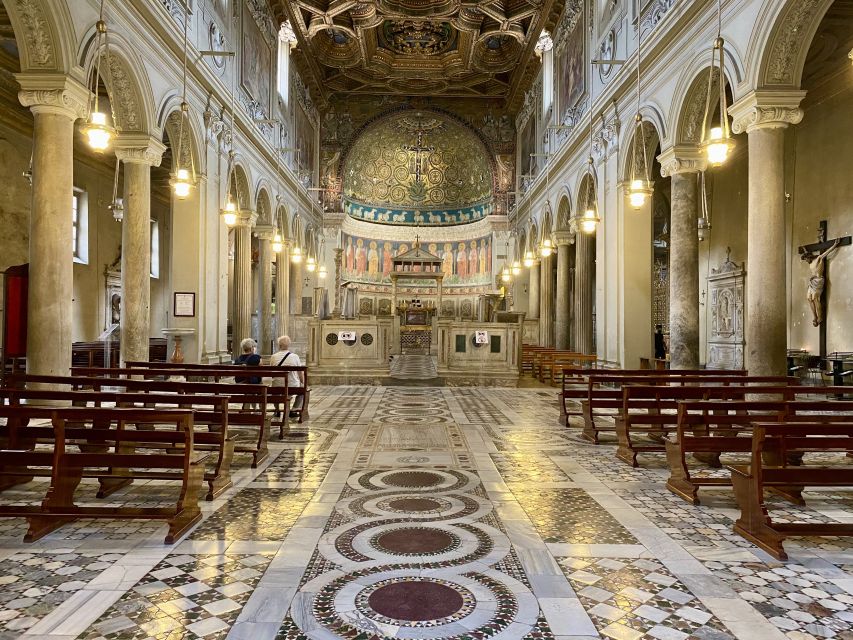
This tour doesn’t just stick to Christian sites. One of the most memorable parts is the inclusion of a Mithraic temple and an underground river/stream.
Why it’s worth getting excited about: Mithraism is one of those ancient faiths that can feel distant until you’re physically in a space connected to it. Here, it’s not a theory. It’s a real underground setting tied to the religious cults and legends that circulated in old Rome.
You’ll also get a chance to connect the story to what’s physically there—touching the waters of an underground stream is the kind of moment that makes the history feel less like a museum script and more like lived experience. (Assuming the guide permits it and the site rules allow it, since the tour is guided on-site.)
The 4th-century basilica remains: frescoes and martyr scenes
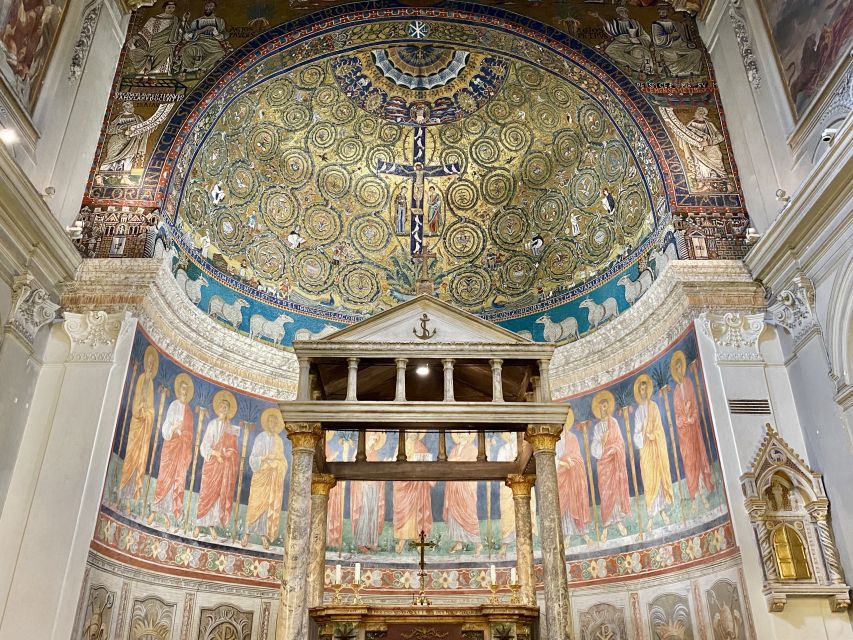
As you work your way back upward, you reach the remains of the 4th-century Basilica. This is where the tour turns from “corridors and rooms” into something more visual and human.
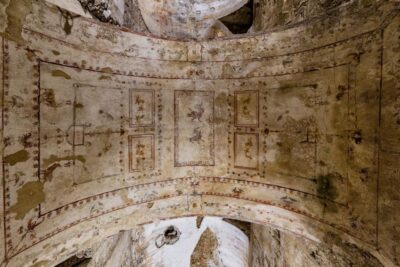
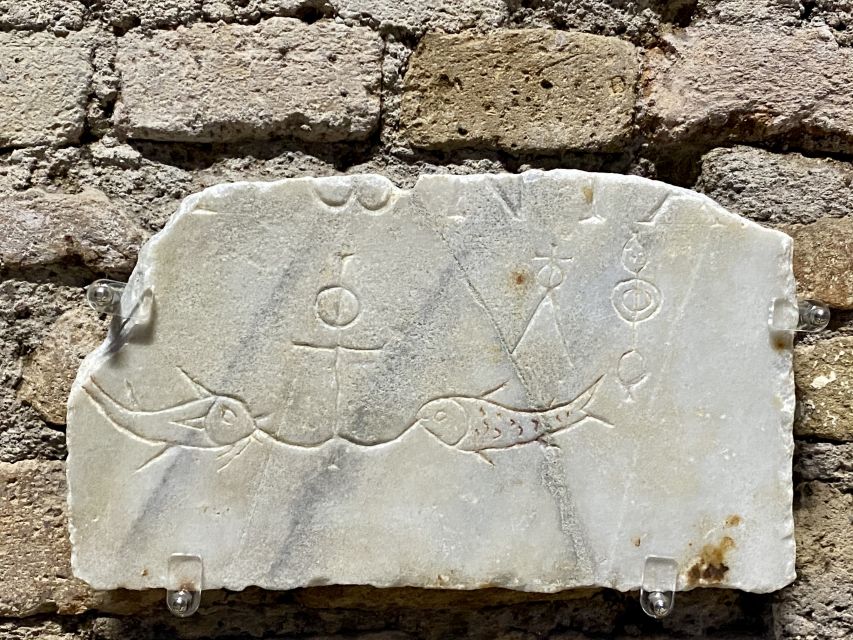
You’ll walk along imposing walls and learn about frescoes and the scenes they depict—martyr stories told through artwork. The effect is part architecture, part guided storytelling, with the guide helping you connect what you see to the people and beliefs behind it.
I also like that the guide’s pacing leaves room to actually look. Some underground tours rush you through the good parts. Here, the tour gives you enough time to absorb what’s in front of you, especially the painted scenes.
One more thing: the churches have a dress requirement, so make sure your outfit isn’t a last-minute problem. Knees and shoulders need to be covered for entry areas connected to the church sites.

Domitilla catacombs: big labyrinth energy, at a comfortable pace
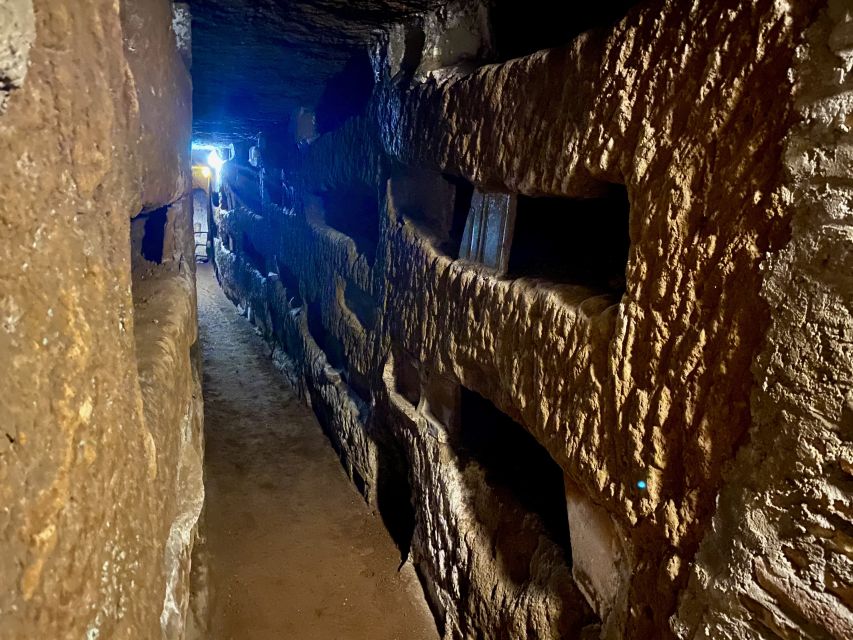
After St. Clement’s, you head to the Catacombs of San Domitilla outside the city walls for another guided visit.
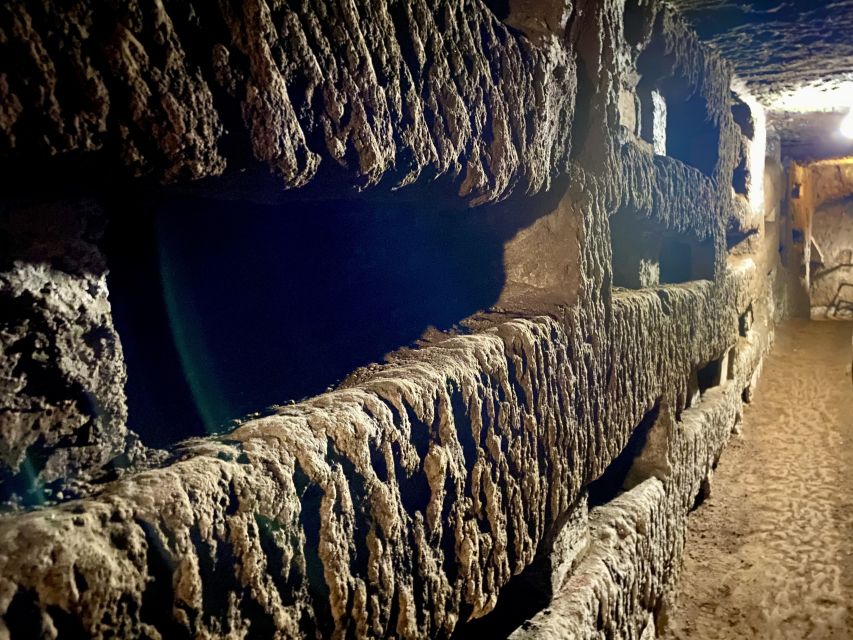
You descend 16 meters below the surface and explore an accessible portion of a vast labyrinth of burial chambers and galleries. The tour focuses on the shift in faith over time, including how burial traditions relate to the movement from paganism to Christianity.
What you can expect on the ground:
- long, winding corridors
- low-ceiling spaces
- a guided route that keeps the experience from feeling like a maze with no exit
If you love atmosphere, this part delivers. The tunnels feel like they belong to a different world, not a staged attraction.
One expectation check, based on real opinions people shared: some parts of the catacombs can feel more about the structure and layout than dramatic visual bone displays. If you’re hoping for a nonstop parade of striking skeletons, you might be slightly disappointed. The church portion and the under-basilica layers often provide the bigger “wow” factor.
Pacing and comfort underground: lighting helps, ceilings are low
Underground can trigger stress fast—mainly because ceilings are low, and the spaces are tight.
A detail I find useful: the catacombs section can involve time spent in spaces that are small-feeling, with low ceilings that remind you of a narrow bathroom-like scale. The upside is that it’s well lit, and the guide is there to help you manage nerves if you’re a bit uneasy.
That said, the tour is not suitable for claustrophobia. Even with good lighting and supportive guidance, you’ll be in enclosed underground areas for a meaningful chunk of time.
If you know you get anxious in tunnels, don’t gamble. Choose a different Rome plan that stays above ground more.
Price and Logistics: $134.81 worth it for two major sites
At $134.81 per person for a roughly 3-hour experience, the key value question is what’s included—and you do get a lot for the money.
You get:
- entrance and transport fees on-site
- a live professional guide for both underground stops
- sterilised headsets so you hear instructions clearly
- luggage deposit in the office
- full on-site assistance
What you do not get is hotel pickup, so you’re paying for the underground access, guided time, and coordination more than convenience from your hotel door.
Is it good value? For most people, yes—because you’re bundling two major underground experiences with expert context, clear audio, and transportation between them. The price also reflects that this isn’t just a quick walk-by. You’re paying for guided time in two separate subterranean sites, with careful route control.
If you’re the type who loves reading about ancient Rome but hates planning logistics, this kind of organized underground day is a strong match.
The tour guide effect: clear audio, firm storytelling
The guide matters here. The strongest praise centers on how detailed the explanations are and how supportive the guide can be, especially when someone in the group gets nervous as you go lower.
Headsets are a real quality-of-life upgrade. Underground echoes can make voices hard to follow, and the tour provides sterilised headsets so you can focus on the story instead of straining to hear.
There’s also a style note: some guides can come across as a bit intense or esoteric in their storytelling approach, even when they’re friendly and passionate. If you like straightforward explanations, you may still enjoy it, but don’t expect a purely neutral lecture vibe.
Who this tour suits best (and who should skip it)
This experience fits well if you:
- want two underground Rome sites in one compact day
- like religious and architectural layers (Rome built over itself, literally)
- appreciate a small group setting, ideally max 10 or private
You should think twice if you:
- are claustrophobic
- need a wheelchair-friendly route (the tour is not suitable for wheelchair users)
- prefer open-air sightseeing with lots of space
Also, come prepared with comfortable shoes. You’ll be walking moderately, and you’ll be on your feet for both guided underground sections.
Should you book this tour?
Book it if you want a tight, well-run underground day that connects St. Clement’s layered world with Domitilla’s sprawling catacombs. The combination of multiple historical levels, the Mithraic temple, and the guided route makes it feel more like a curated story than a random underground walk.
Skip it (or choose another option) if tunnels make you anxious, or if you’re chasing a catacomb experience that’s mostly bone-and-art spectacle. In this format, the bigger “wow” often comes from the architecture, the faith shift story, and the surprising cult-site details rather than nonstop dramatic visual remains.
If your Rome goal is to understand what’s under the city, this tour does that job fast.
FAQ
How long is the Rome Catacombs & St Clement’s Underground tour?
It’s about 3 hours.
Where do I meet the guide?
Meet at the TouriksPoint at Via di San Giovanni in Laterano 132, about 15 meters from the Basilica of St. Clement.
Do you offer hotel pickup?
No. Hotel pickup and drop-off are not included.
What underground sites are included in the tour?
You visit St. Clement’s underground area and the Catacombs of San Domitilla.
What’s the group size limit?
The tour has a maximum of 10 participants.
Are headsets provided?
Yes. You receive sterilised headsets so you can hear the guide clearly.
What should I wear?
Wear comfortable shoes. For church entry, knees and shoulders must be covered (short skirts and sleeveless shirts are not allowed).
Is the tour wheelchair accessible?
No, it is not suitable for wheelchair users.
Is it okay to bring luggage?
No luggage or large bags are allowed on the tour, but you can deposit luggage in the office for the duration of the visit.