REVIEW · GUIDED
Rome: Murder Mysteries of Rome Guided Walking Tour
Book on GetYourGuide →Operated by Carpe Diem Tours · Bookable on GetYourGuide
Roman streets turn sinister after dark. This 2-hour walk mixes famous landmarks with grim tales of executions and crime.
It’s an easy way to see central Rome while the day-trippers thin out, and the stories give familiar sights a whole new shadow.
I especially like the small group size (max 20) and the pace that keeps you moving without feeling rushed. I also like how the tour uses “real” locations in the city, like Ponte Sant’Angelo area views and the narrow lanes near Via Giulia, so the history feels grounded, not like a lecture.
One thing to consider: this tour leans seriously dark. If you’re sensitive to morbid imagery or want a light, cheery evening walk, you may not enjoy the chapel with human bones and the gruesome details.
What makes this tour worth your night
- Moonlit routing through central Rome so you dodge heat and daytime crowd chaos
- Local English guide storytelling, with some groups using audio help (radio/Bluetooth-style) in louder spots
- Bone chapel stop at Chiesa di Santa Maria dell’Orazione e Morte
- Landmarks you’ll recognize, like Ponte Sisto and Via Giulia, but explained through crime and punishment
- Finish near Castel Sant’Angelo, so you end with a dramatic finale
In This Review
- Why a murder-mystery walk works better in Rome after dark
- Start at Campo de’ Fiori: the yellow flag moment
- Piazza Farnese to the lanes of Via del Mascherone and Vicolo dei Venti
- Ponte Sisto: where a bridge becomes a crime scene
- The Fountain of the Mask and the power of a street-level clue
- Chiesa di Santa Maria dell’Orazione e Morte: the bone chapel stop
- Via di Monserrato and Santa Maria in Monserrato degli Spagnoli
- Via Giulia and Via dell’Arco dei Banchi: crime hiding in plain sight
- Finishing near Castel Sant’Angelo: a dramatic last note
- Price and value: what $28 buys you in Rome at night
- Practical tips so you enjoy it (not just survive it)
- Should you book the Murder Mysteries of Rome at Night?
- FAQ
- Where do I meet the guide?
- Where does the tour end?
- How long is the walking tour?
- How much does it cost?
- Is the tour in English?
- Is transportation included?
- Does the tour run in bad weather?
- How big is the group?
- What should I wear or bring?
- Is there a separate entrance to skip lines?
- Can I cancel for a refund?
Why a murder-mystery walk works better in Rome after dark
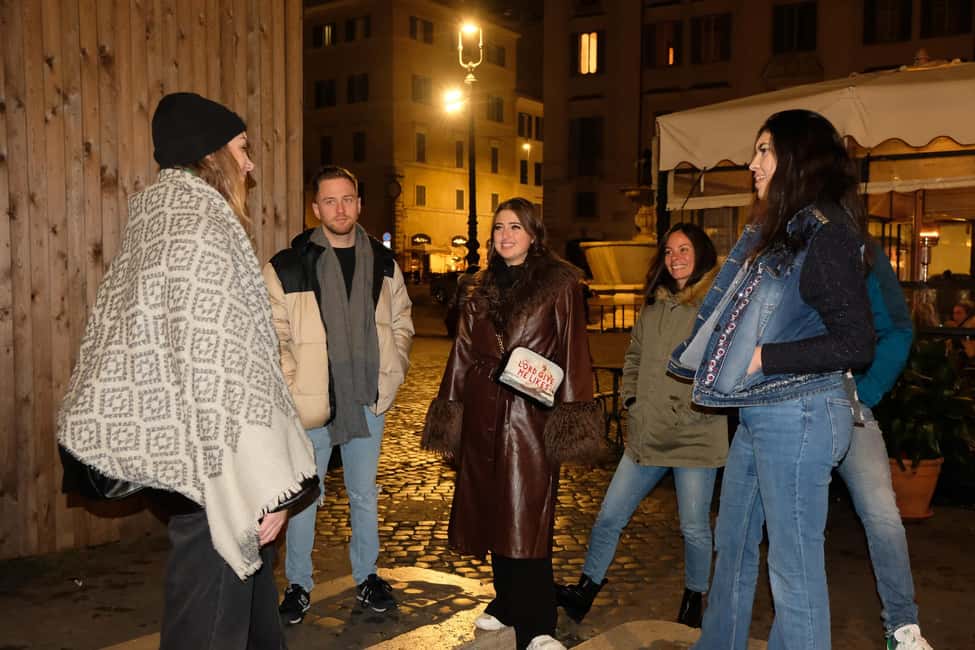
Rome changes character when the sun drops. The streets aren’t calmer everywhere, but the whole center feels more atmospheric. With this tour, you’re not just “wandering.” You’re walking with a guide who connects locations to executions, murders, and the city’s darker habits of keeping records in stone, street names, and architecture.
I like that it’s built around the idea of night-time viewing: you get the benefit of seeing places like Campo de’ Fiori and the bridges with fewer crowds, and you’re not stuck in the worst afternoon temperatures. The 2-hour format also matters. You still get a full storyline and multiple stops, but it doesn’t swallow your entire evening.
There’s also a practical angle. Meeting in the Campo de’ Fiori area puts you in the thick of sights you’ll likely want to visit anyway. Then the guide steers you through the streets you might otherwise walk past without realizing how much is going on around the corners.
Start at Campo de’ Fiori: the yellow flag moment
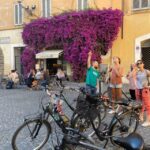
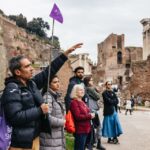
The tour begins in the middle of Campo de’ Fiori, where your guide holds a yellow flag in front of the Monumento a Giordano Bruno statue. This is a simple, clear meeting point, which I appreciate on a night tour when it’s easy to lose time.
This opening stretch is more than “finding the group.” It sets the tone. Campo de’ Fiori is the kind of place where you can see the city’s mix of daily life and old-world symbolism. As you start, your guide’s job is to make you look at what you’re walking past: street geometry, building facades, and the way a square connects to alleyways.
If you’re someone who likes to orient fast, the start helps. In the first minutes you begin to understand the route logic: you’ll be moving from broad squares into narrower streets, then toward bridges and major corridors like Via Giulia.
You can also read our reviews of more walking tours in Rome
Piazza Farnese to the lanes of Via del Mascherone and Vicolo dei Venti
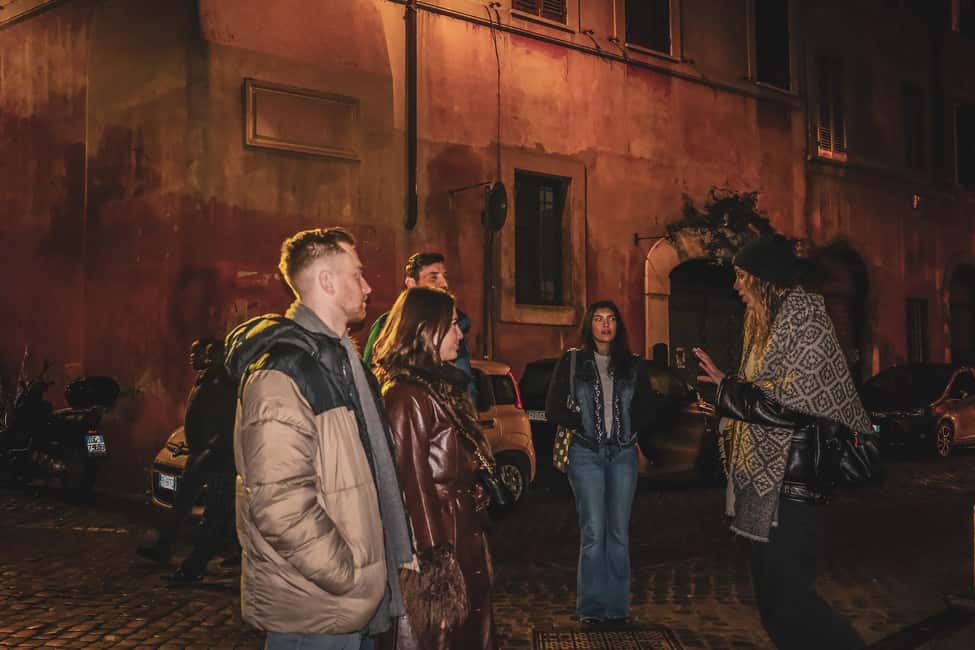
From Campo de’ Fiori, you move to Piazza Farnese for a short guided stop. Even if you’ve seen the building in daylight, nighttime changes how you read it. Your guide uses the place to talk about power, politics, and the kinds of people Rome historically shaped through patronage and punishment. It’s not just “this is a pretty square.” You get the human story behind the stones.
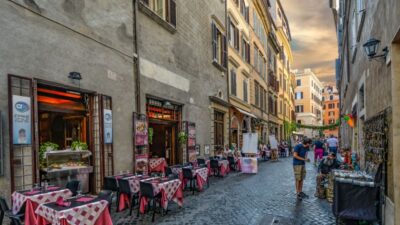
Then comes one of the best parts for anyone who likes atmosphere: the route down Via del Mascherone and into Vicolo dei Venti. These are the kinds of streets where you can feel the scale shift. Narrow lanes make shadows bigger and sounds carry differently, which fits the tour theme.
A short stop here is the right choice. You can’t control the weather or the crowd flow outside. But having a quick guided moment means you keep the momentum without getting stuck waiting too long. The “drawback” is that if you want lots of time to wander, these lane stops will feel brief. The tour is designed for story delivery, not browsing.
Ponte Sisto: where a bridge becomes a crime scene
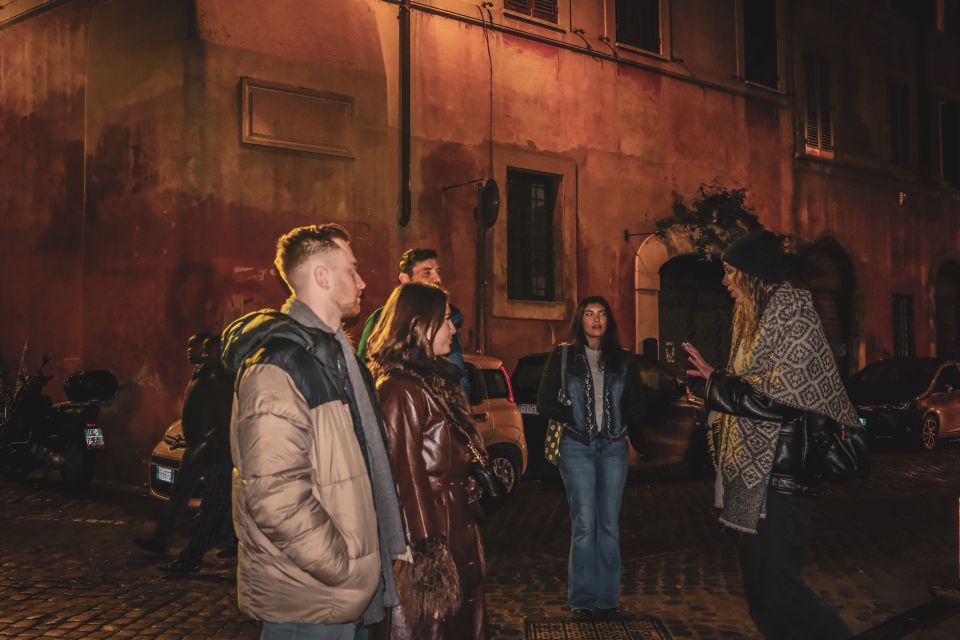
Next you head to Ponte Sisto for another guided segment. Bridges are great tour stops because they’re both physical and symbolic. People cross them quickly, but historically, bridges were also thresholds—between neighborhoods, between social worlds, and between “before” and “after” in a city full of public consequences.
Your guide ties the bridge into the tour’s central theme: violence and punishment as public events, not hidden tragedies. Even if you don’t catch every detail in the dark, you’ll leave with a stronger sense of why Rome’s waterways and bridges show up in so many grim stories.
If you’re taking photos, remember this is a night walk. Street lighting can flicker or feel uneven, so bring patience and choose shots where your footing is stable. The tour keeps you moving, so you shouldn’t expect long “stand-and-shoot” breaks.
The Fountain of the Mask and the power of a street-level clue
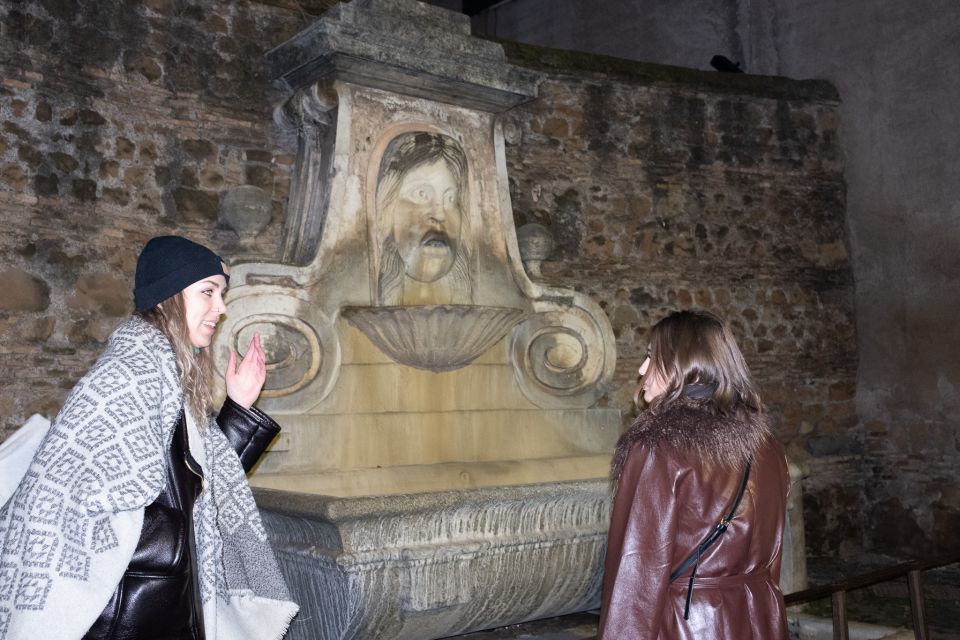
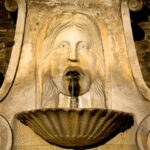
After Ponte Sisto, you pass the Fountain of the Mask. A fountain might sound like a random “cute stop,” but on this tour it’s more like a clue. Rome’s public art and markings often acted as signals—names, symbols, and references that people understood. In a murder-mystery context, those signals can become part of the detective work your guide walks you through.
This is also a nice pause in the route rhythm. Earlier you were in squares and lanes. Here you get a landmark you can frame visually. You’ll also be able to look around and take stock of what surrounds it.
If you have motion sickness or you don’t like stopping in busy pockets, keep your expectations realistic. The tour does short guided segments, so you’ll get the main story beats, but you won’t turn this into a long self-guided fountain break.
Chiesa di Santa Maria dell’Orazione e Morte: the bone chapel stop
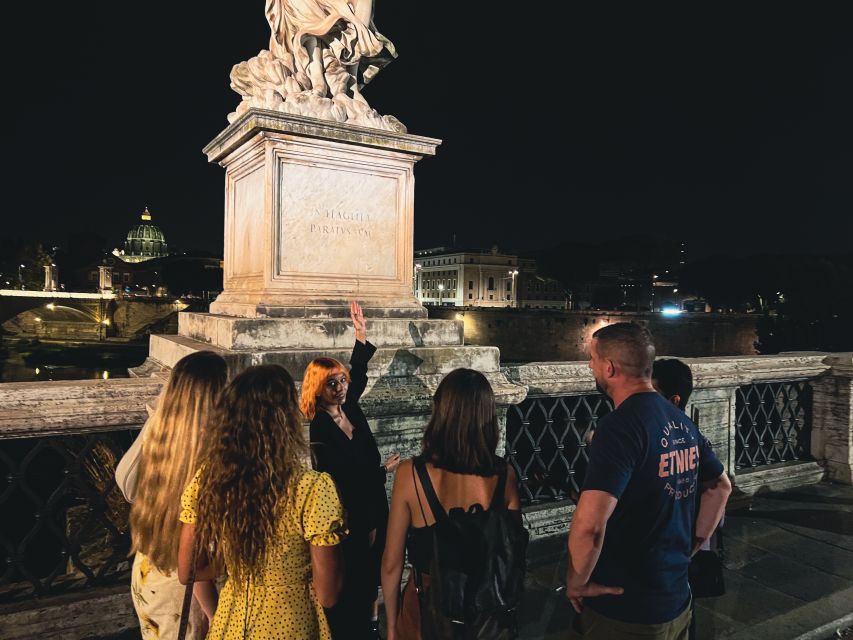
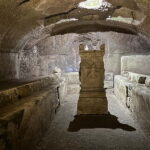
One stop you’ll remember is Chiesa di Santa Maria dell’Orazione e Morte. This is where the tour earns its reputation. The chapel is known for its disturbing presentation of human bones, and the guide connects it to Rome’s history of death, religious ritual, and public memory.
This isn’t a “jump-scare” style haunted tour. It’s closer to the idea that death in Rome wasn’t always private. In a city where the church and state blended power, the way bodies were treated—and displayed—told people who held authority and what society expected.
Practical tip: if you’re cold easily, a chapel stop can feel cooler than the street. Bring a layer if you’re touring later in the evening. Also, wear shoes you trust. Even if you’re indoors for a short segment, the route is still a night walk overall.
You can also read our reviews of more guided tours in Rome
Via di Monserrato and Santa Maria in Monserrato degli Spagnoli
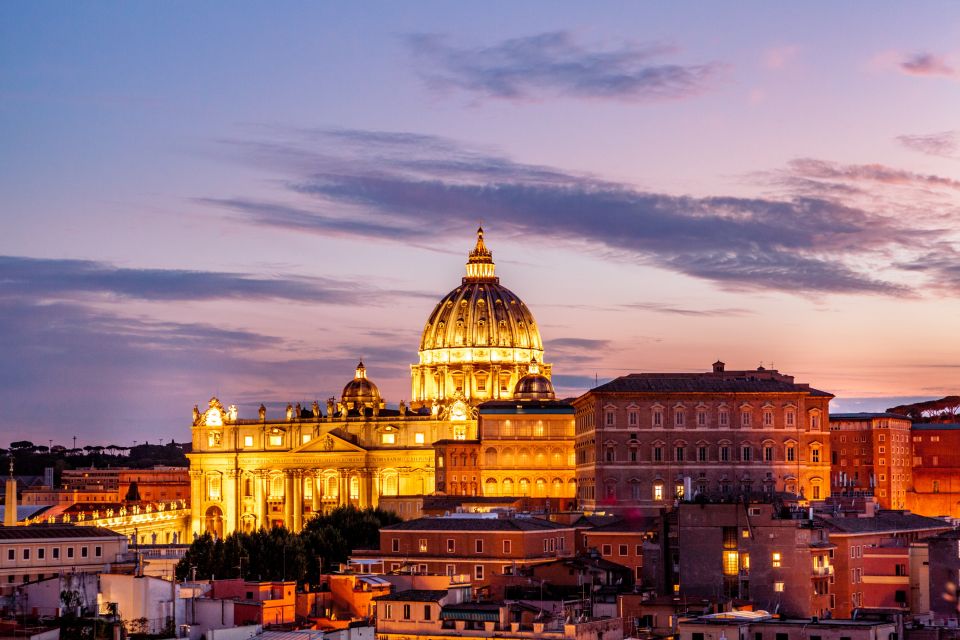
Next you move to Via di Monserrato, then on to Santa Maria in Monserrato degli Spagnoli for another guided segment. These stops build out the “Rome is layered” feeling. Even when you’re talking about crime and execution, you’re also walking through religious spaces where grief, legend, and power overlap.
I like how the tour doesn’t treat the church as only an art-history stop. Here, the guide frames sacred spaces as part of the city’s story machinery. A church can be a refuge, but it can also be a witness. That’s the angle that makes the dark theme feel less like gimmick and more like interpretation.
Because these are longer-sightline areas than the tight lanes, you also get a chance to see how the city transitions between districts. If your feet are tiring, this portion is also a good time to slow down slightly mentally and focus on the guide’s pacing rather than matching every step like you’re in a race.
Via Giulia and Via dell’Arco dei Banchi: crime hiding in plain sight
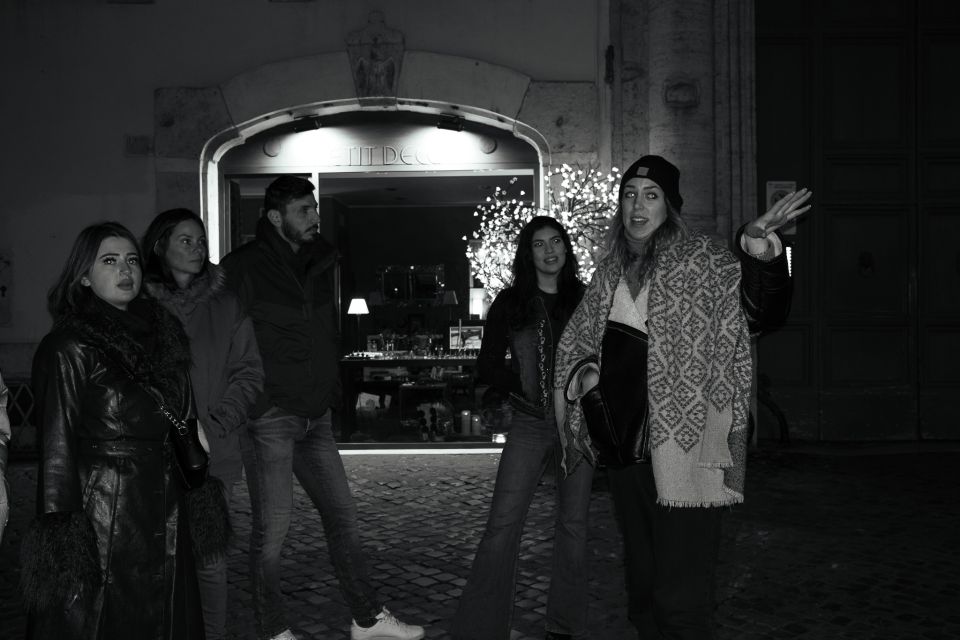
Then you reach Via Giulia, one of the more prominent streets on the route. The guide uses it to show how Roman history “maps” onto the city layout. When you hear the stories tied to a street like Via Giulia, you start noticing details you would’ve ignored earlier: alignments of buildings, the sense of movement, and why certain places became associated with particular people and events.
After that, you continue to Via dell’Arco dei Banchi. This area keeps the tour grounded. It’s the kind of street where the stonework and street pattern feel old, but the experience is still tactile and real. A dark story told in a narrow, specific street feels more believable than the same story told in an empty classroom.
One limitation here is timing. The guided segments are relatively short, so you’ll get a lot of context but not a deep, stop-by-stop “everything” breakdown. Still, that’s part of the value. You end the tour with a mental map, not a pile of facts you can’t use.
Finishing near Castel Sant’Angelo: a dramatic last note
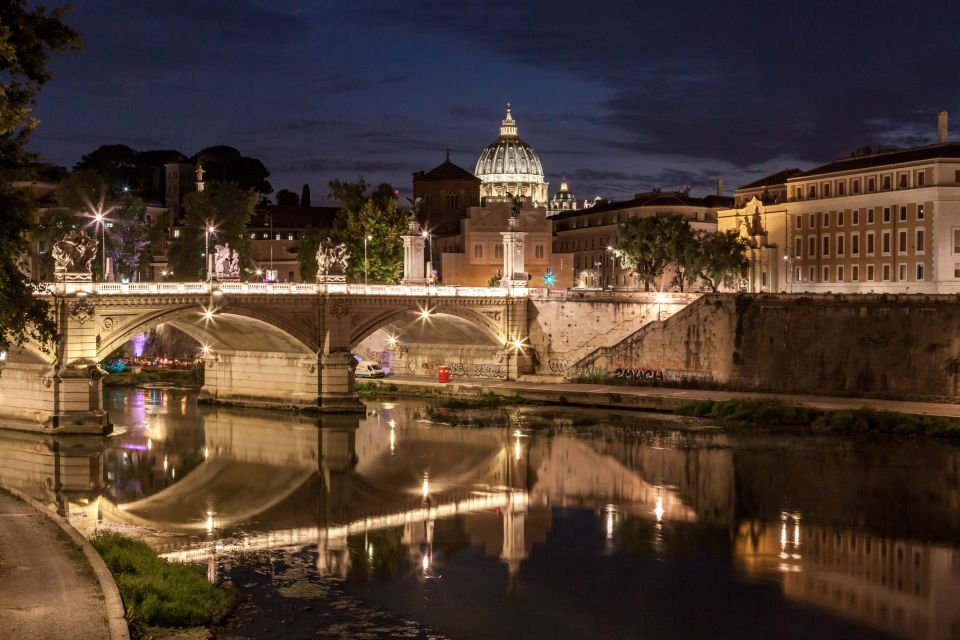
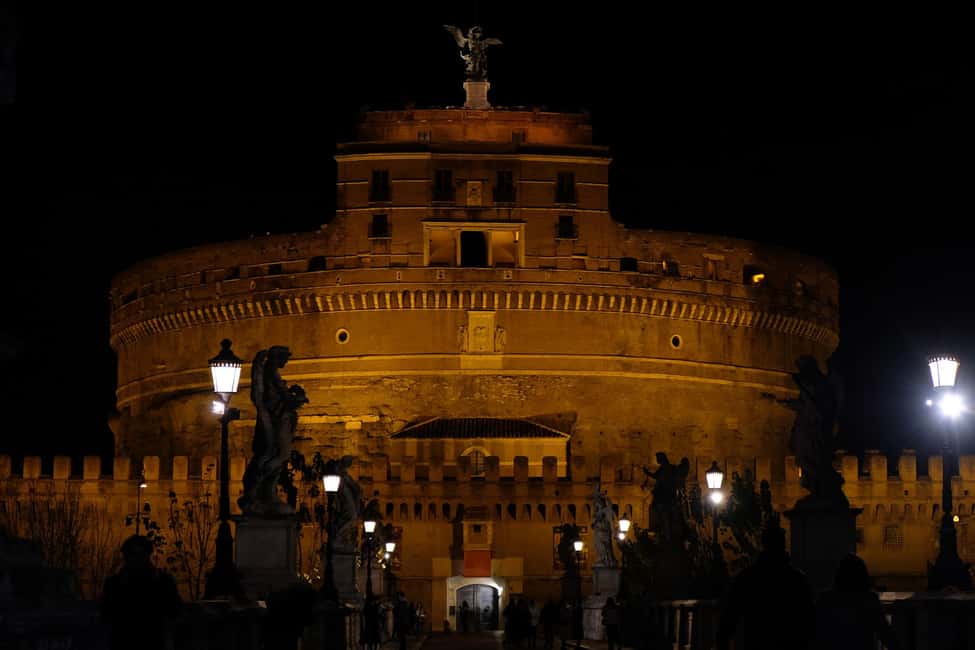
The route finishes at Castel Sant’Angelo. Even from a distance, it works as a fitting ending: a place built to be seen and remembered, tied to the kind of power shifts Rome loved.
If you’re trying to decide what to prioritize after the tour, this is the moment. Castel Sant’Angelo is one of those landmarks where you can either keep walking for views, or park yourself for photos and a short pause. The tour itself gives you the story context; you decide how much extra time you want for the scenery.
There’s one logistics detail to double-check: the meeting-point info says the activity ends back at the meeting point, while the route notes a finish at Castel Sant’Angelo. Either way, plan your evening with a little flexibility and confirm the exact end point with your guide when you meet.
Price and value: what $28 buys you in Rome at night
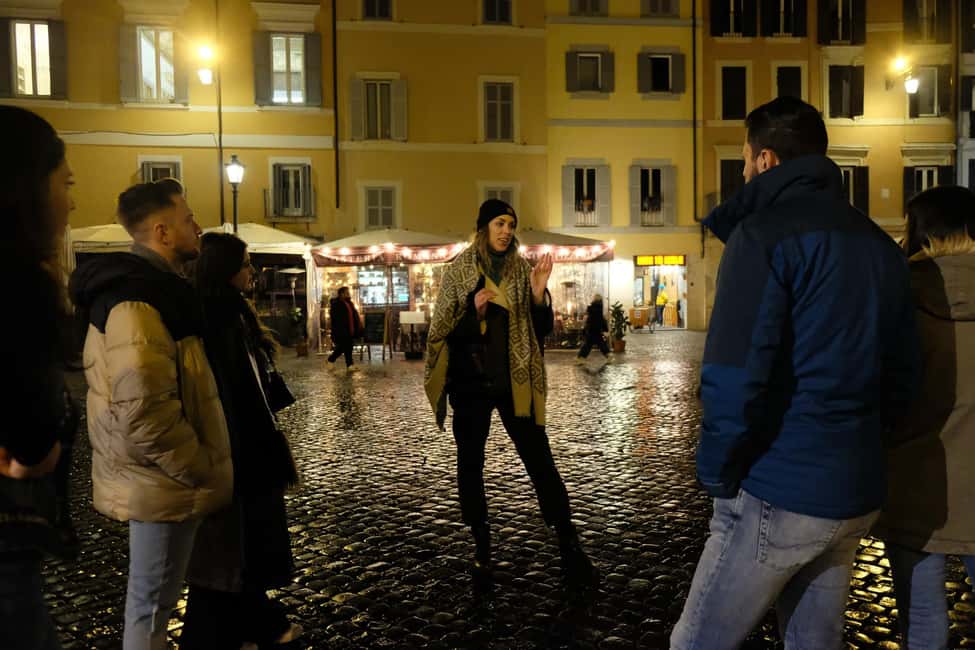
At $28 per person for about 2 hours, this tour is priced for people who want value beyond a single attraction ticket. You’re paying for:
- a live English guide who links stories to specific locations
- a small group cap (max 20), which makes it easier to hear and follow
- skip-the-line entry via a separate entrance for the chapel-style stop
You also get a “useful night” benefit. If you’re already spending evenings in central Rome, this gives you a structure. Instead of wandering without a plan, you get a guided route that hits multiple sights you’d otherwise spread across different trips.
Is it perfect value for everyone? Not if you’re allergic to dark themes. Also, since it’s a walking tour, the best value comes when you’re comfortable standing and walking at night for the full duration.
Practical tips so you enjoy it (not just survive it)
Comfort is key. You’ll want comfortable shoes and comfortable clothes. This is a “rain or shine” tour, so a light rain layer or compact umbrella can save your mood.
If you’re hard of hearing in noisy areas, I’d take advantage of any audio help the guide offers. Some guides use audio transmitters or Bluetooth-style equipment, and that can make the story much easier to follow when you’re near streets with traffic or crowds.
Finally, match the tour to your mindset. This is for people who like true crime energy, eerie legends, and the idea that history includes people doing terrible things. If you want pure architecture and art commentary, you’ll probably be happier with a different kind of walking tour.
Should you book the Murder Mysteries of Rome at Night?
Book it if you want a guided after-dark route with recognizable sights explained through crime, punishment, and the way Rome remembers its dead. You’ll likely enjoy it if you prefer small groups and you like story-driven history more than museum-style lectures.
Skip it if you’re easily unsettled by morbid details, including the chapel stop featuring human bones. And if you dislike walking at night in the rain, be ready for weather to be part of the experience.
FAQ
Where do I meet the guide?
Meet in the middle of Campo de’ Fiori square in front of the Monumento a Giordano Bruno statue, where the guide holds a yellow flag.
Where does the tour end?
The tour ends at Castel Sant’Angelo. The meeting-point info also states it ends back at the meeting point, so it’s a good idea to confirm the exact end location with the guide.
How long is the walking tour?
It’s listed as 2 hours.
How much does it cost?
The price is $28 per person.
Is the tour in English?
Yes, it’s a live tour guide in English.
Is transportation included?
No, transportation is not included.
Does the tour run in bad weather?
Yes. It takes place rain or shine.
How big is the group?
The tour is capped at 20 people max.
What should I wear or bring?
Bring comfortable shoes and comfortable clothes.
Is there a separate entrance to skip lines?
Yes, there is skip-the-line access through a separate entrance.
Can I cancel for a refund?
Yes. Free cancellation is available up to 24 hours in advance for a full refund.