REVIEW · DOMUS AUREA TOURS
Rome: Domus Aurea Guided Group Tour
Book on GetYourGuide →Operated by Through Eternity Tours · Bookable on GetYourGuide
Nero’s palace is literally under Rome. This guided walk through the Domus Aurea brings you face-to-face with excavated rooms and frescoes, plus a virtual reality segment that makes the scale and layout finally make sense. Two big wins for me: the chance to see this site as a real, working excavation, and the quality of the visuals that reconstruct Nero’s world. One thing to keep in mind: it’s a stair-and-uneven-surface underground tour, so wear sturdy shoes and expect some physical effort.
You start at Oppio Caffè, meet your guide in front of the café, then head down into the Golden House for a structured 2-hour visit. The experience is priced at $55 and includes exclusive access, an English-speaking guide, and your VR set-piece, so it’s not just a quick look. If you’re short on time in Rome, plan your day so you’re not rushing—this is the kind of ticket that pays off when you can slow down and actually look.
In This Review
- Key Things to Know Before You Go
- Nero’s Golden House Under Rome: What Makes This Tour Special
- From Oppio Caffè to the Underground Rooms: Meeting Point and Walk Plan
- Entering the Domus Aurea: The Excavation You Don’t See From the Street
- Nero’s Palace, Room by Room: Architecture and Fresco Highlights
- VR and Multimedia: How the Palace Becomes Understandable
- A History Timeline You’ll Actually Remember
- Who Will Enjoy This 2-Hour Tour Most
- Price and Value: Is $55 Worth It?
- Practical Tips That Improve Your Tour Day
- Should You Book This Domus Aurea Guided Group Tour?
- FAQ
- Where do I meet the guide for the Domus Aurea tour?
- How long is the guided tour?
- Is the virtual reality experience included?
- Is the tour easy on my feet?
- Is this tour wheelchair-friendly?
- Is it refundable if I need to cancel?
Key Things to Know Before You Go
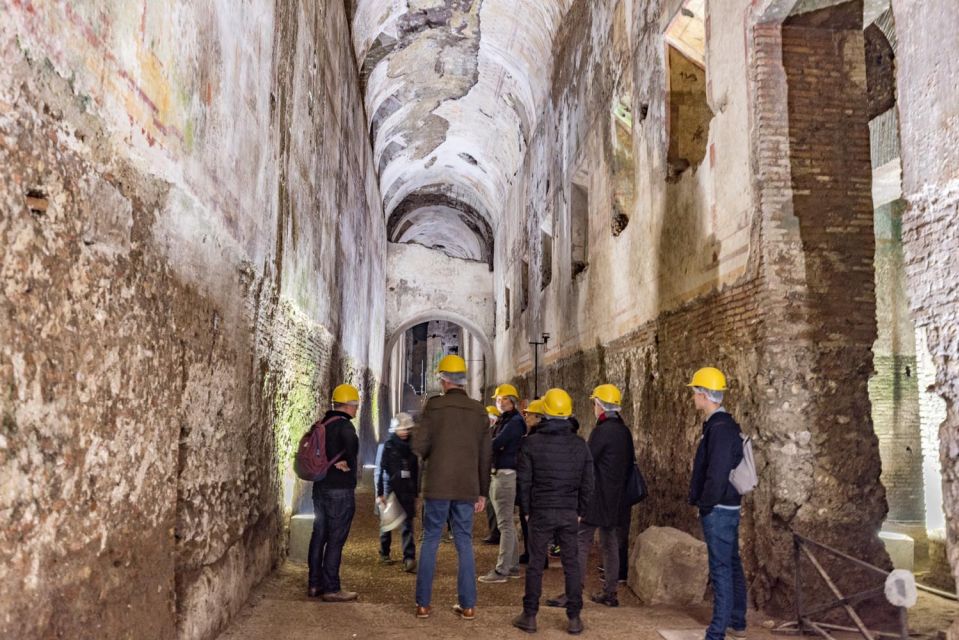
- Active excavation access: You’re touring a site that’s still being worked on, not just a polished museum set.
- VR that explains the rooms: The virtual component helps you understand how the palace looked, based on the surviving architecture.
- English-speaking archaeologist guide: You’ll get historical context from someone trained in archaeology (and you’ll likely get plenty of questions answered).
- Frescoes and vaulted architecture: Expect soaring spaces and surviving wall decoration that still look startling today.
- Limited on-site time: The tour is 2 hours, so keep your expectations realistic and focus on the highlights.
Nero’s Golden House Under Rome: What Makes This Tour Special
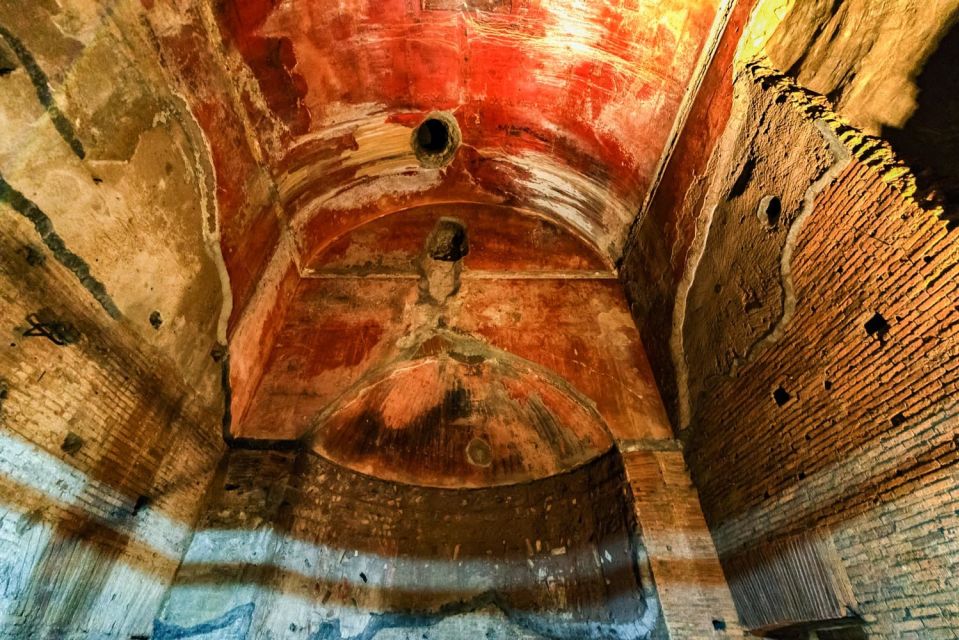
The Domus Aurea, or Nero’s Golden House, is the kind of Roman site that changes how you picture the city. You’re not just looking at stones—you’re stepping into part of a massive palace complex built after the city’s destruction and later buried for centuries.
What I like most is the combination: real excavated remains plus reconstruction tools that connect those remains to how they once worked. The result is less confusion and more understanding, especially when it comes to how large the palace was and how the design aimed to impress.
And yes, the history behind it is wild. After a fire devastated Rome in 64 A.D., Nero had architects build over the ruined parts of the city. In the stories around the palace, you’ll hear about the palace’s jaw-dropping features—like a dining space designed to open to the night sky and an artificial lake—followed by Nero’s dramatic end in 68 A.D. and the later destruction of much of the complex.
You can also read our reviews of more guided tours in Rome



From Oppio Caffè to the Underground Rooms: Meeting Point and Walk Plan
The meeting point is easy to miss if you’re not watching street corners. Your guide stands on the corner of Via Nicola Salvi and Via delle Terme di Tito, in front of Oppio Caffè. If you’re using GPS, Via delle Terme di Tito 72 is the exact address, and the guide carries a Through Eternity sign or flag.
This tour is built around a walking route with stairs, staircases, and uneven surfaces. That’s not a small detail—it’s the difference between enjoying the site and feeling stressed before you even start looking. I strongly recommend comfortable shoes you can trust on stone steps, and I’d bring water even if you think you won’t need it.
Also, avoid showing up with big bags. Luggage or large bags aren’t allowed, so plan to travel light. If you’re doing this on the same day as other major sites, keep your carry-ons minimal.
Entering the Domus Aurea: The Excavation You Don’t See From the Street
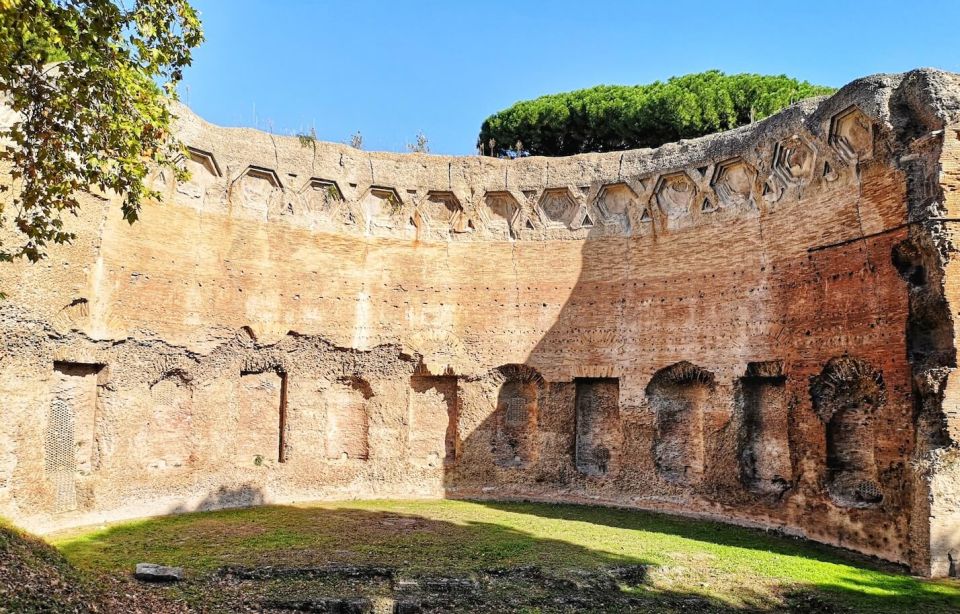
Domus Aurea is one of those Rome attractions that feels like a secret until you’re standing there. You’ll descend into an eerie, controlled underground world where the excavated remains are part of the live archaeological process.
The tour’s focus is on how the palace complex developed and what survives today—so you’ll spend your time where the story is physically present. You’ll hear about the design choices that made the palace famous, and you’ll also get a sense of why the site remained hidden for so long.
One practical point: underground temperatures can feel cooler than you expect, especially compared with Rome’s brighter street-level air. Bring warm clothing, even if the day is hot outside. It’s one of those small comfort moves that makes the entire 2-hour visit better.
Nero’s Palace, Room by Room: Architecture and Fresco Highlights
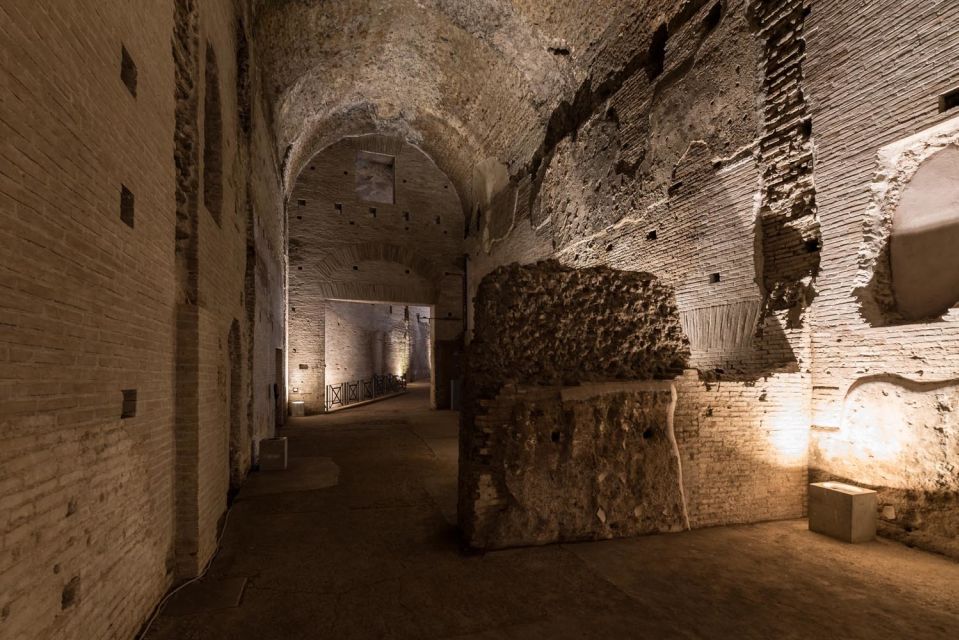
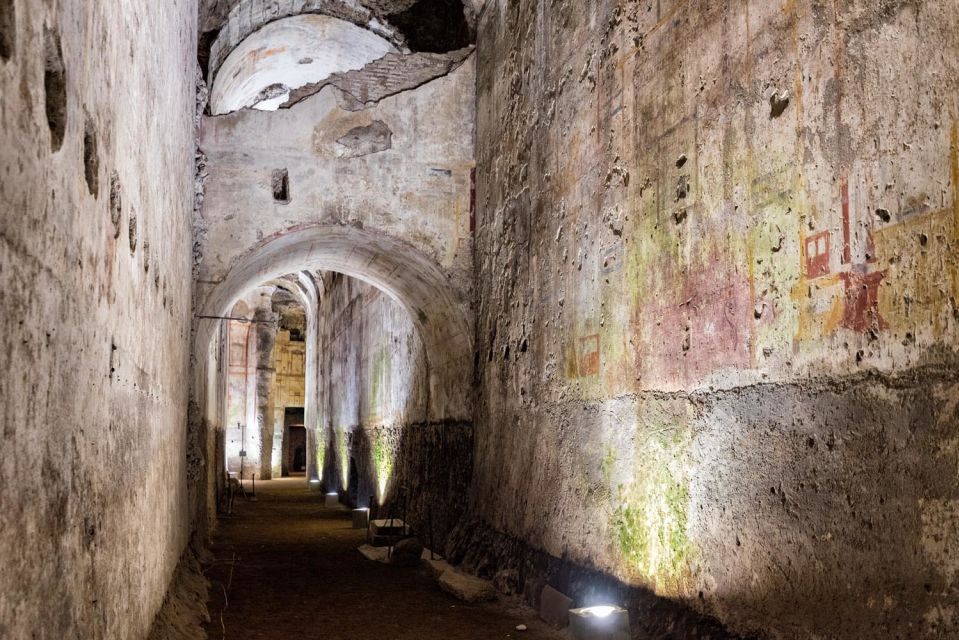
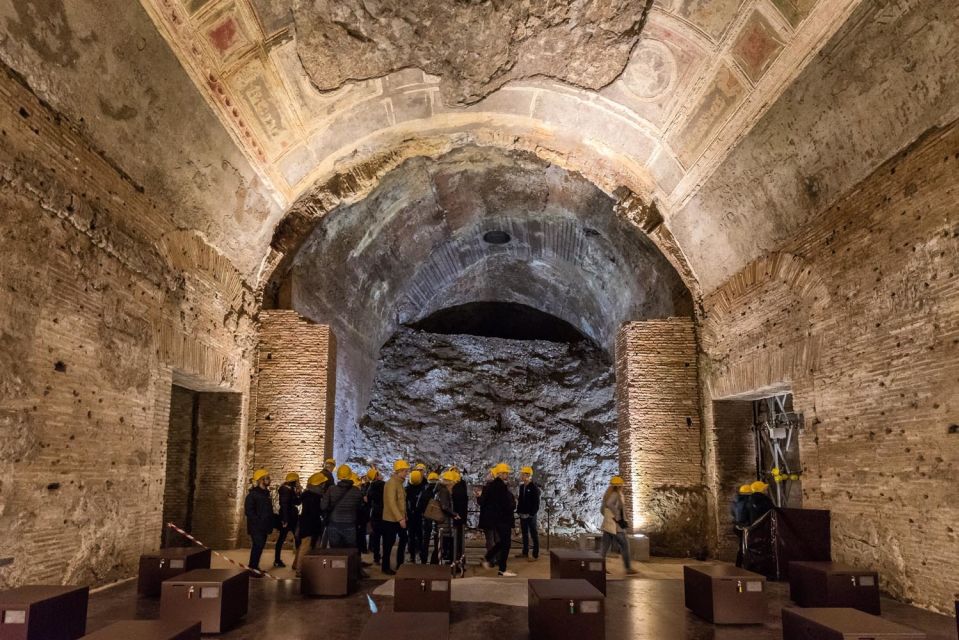
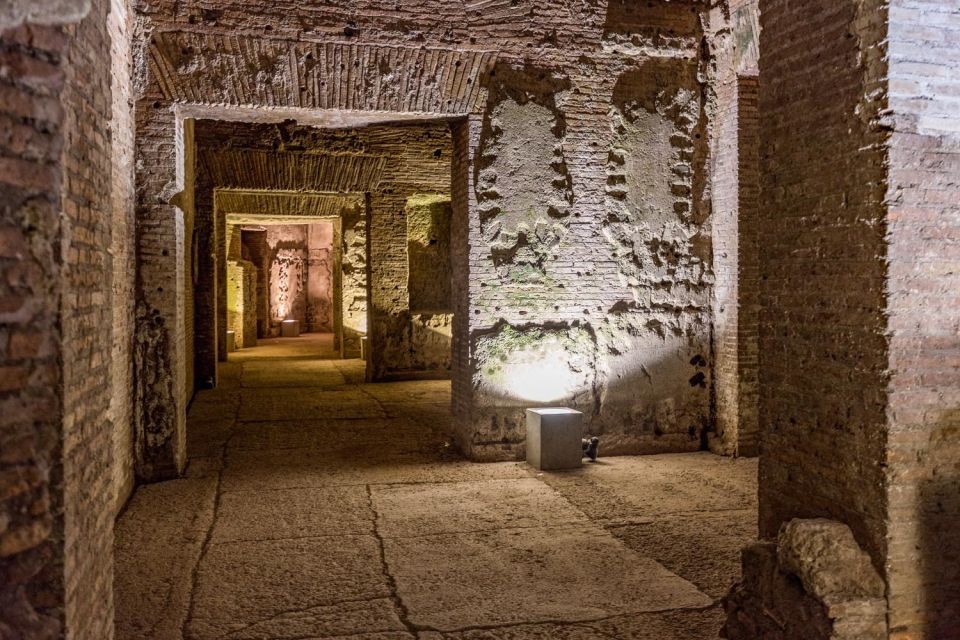
Inside the Domus Aurea, the architecture does a lot of the talking. Look for the spacious rooms and soaring vaults, because those elements are what make it feel like a real palace instead of a collection of ruins.
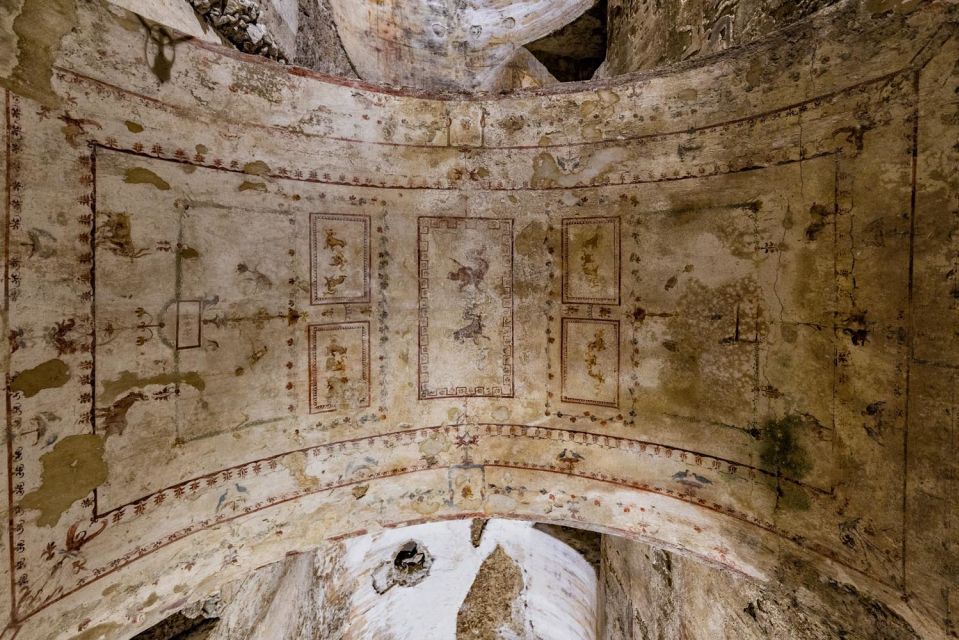
A huge part of the experience is the surviving decoration—especially frescoes and wall surfaces that can still look astonishing. The goal of the guide is to help you connect the decoration to the spaces, so it doesn’t become just a blur of color. When you understand where you are and what you’re looking at, the frescoes stop feeling random.
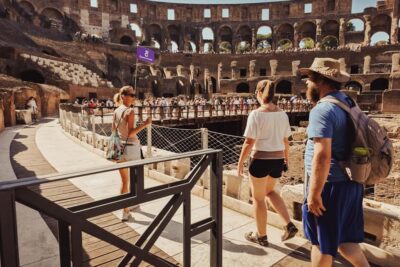
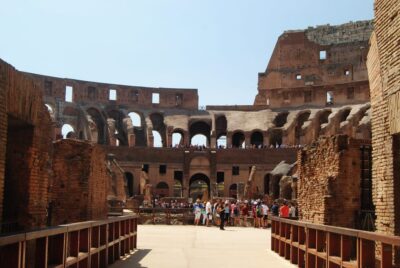
Scale matters here. Even if you’ve seen other Roman power-projects like the Colosseum, Domus Aurea can surprise you with how big the palace design was meant to be. Several guides on past departures have emphasized that sense of size, using reconstructions to clarify how the rooms fit together.
If you love architecture and Roman interior design, this is a strong match. If you only want the biggest public monuments, you may need to adjust your mindset: this is about underground space, surviving details, and design intent.
VR and Multimedia: How the Palace Becomes Understandable
The VR experience is the part of the tour that often turns confusion into a clear picture. You’re not just watching a screen; you’re comparing reconstructions to what you can see around you. That “match-up” is the magic, because you leave with the layout in your head, not just facts.
In particular, the virtual segment helps you visualize the buildings and terrain during Nero’s time. A recurring theme in guide-led feedback is that the VR makes it easier to understand what the palace looked like at full height—plus how the spaces related to each other.
There’s also a multimedia approach beyond pure VR. People have praised the overall tech used in the experience, including visual tools that support how Renaissance-era thinking later interpreted or connected to Roman remains. In practice, it means the tour doesn’t treat Domus Aurea as a standalone artifact.
If you’re traveling with kids, teens, or anyone who learns best by seeing, this technology is a big reason the experience feels modern without losing its historical core.



A History Timeline You’ll Actually Remember
This tour doesn’t just list dates. It connects events to what you’re standing in.
Here’s the storyline you’ll likely hear during your visit:
- After the 64 A.D. fire, Nero orders a palace built over the damaged city. The idea is power through rebuilding, but also spectacle.
- Nero’s “party pad” era reaches its height as the palace design leans into extremes—floating luxury, engineered features, and the kind of scale meant to impress.
- By 68 A.D., Nero is gone, and later successors work to erase the memory by bulldozing much of what they could.
- The artificial lake doesn’t last, because later development fills it in and places the Flavian Amphitheatre (the Colosseum) in its context.
Once you understand that chain, the excavated rooms feel less like random ruins and more like a cultural aftershock. The palace isn’t only a Roman “what if.” It’s a window into how quickly power changes and how cities rewrite their own past.
Who Will Enjoy This 2-Hour Tour Most
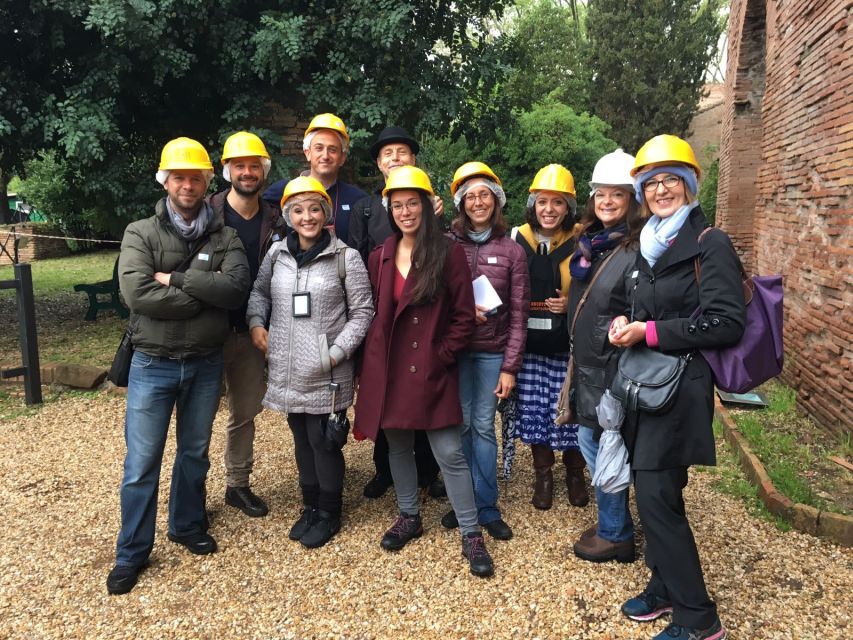
This is a strong choice if you:
- love archaeology and want a sense of how excavation works
- care about interior Roman design, not just exterior ruins
- want a guided explanation fast enough for a busy Rome itinerary
It’s also a good pick for mixed-age groups. Several guides have received praise for handling questions from children, and the pacing generally works well as a focused 2-hour block.
But it’s not ideal for everyone. Wheelchair users can’t be accommodated, and the physical demands (stairs and uneven surfaces) are real. If anyone in your group has mobility concerns, you should mention it during booking so the provider can check what accommodations are possible.
Price and Value: Is $55 Worth It?
At $55 per person for a 2-hour guided visit, this isn’t a “free-flow” budget spend. But the value is pretty clear when you add up what you’re getting:
- Exclusive access to the Domus Aurea rooms during guided time
- An English-speaking archaeologist guide
- Tickets and reservation fees included
- VR experience included
- Express security so you don’t waste time at the start
For Rome, that package matters. Many sites charge for entry and then add a separate guide cost. Here, the structure is built in, so you’re paying for a complete experience rather than piecing it together yourself.
My advice: treat this as one of your “anchor” activities for the day. If you stack it back-to-back with other crowded sites without breaks, you’ll feel rushed underground. If you build in breathing room, the ticket feels like a smart buy.
Practical Tips That Improve Your Tour Day
A few small moves can make the difference.
- Wear comfortable shoes built for stone steps and uneven surfaces.
- Bring warm clothing. Underground can be cooler than you expect.
- Bring water. Even in 2 hours, you’ll want it once you start walking.
- Keep belongings light because large bags and luggage aren’t allowed.
- Go in with curiosity. Domus Aurea is famous for excess, but the guide’s job is to translate that spectacle into architecture and history you can actually picture.
If you like to match guide energy to your own style, it helps to know that guide personalities vary. On past departures, names like Elena, Monica, Renarta, Thomas, Valentina, Brandon, Federico, Patrick, and Frank have been mentioned as tour leaders. You’re not guaranteed a specific person, but the consistency across guides is that the palace is explained with real storytelling and strong focus on the site itself.
Should You Book This Domus Aurea Guided Group Tour?
If you want one Rome experience that feels both ancient and newly readable, I’d book it. Nero’s Golden House is too unusual to treat as a casual stop, and the combination of an archaeologist guide plus VR makes the site far easier to understand than a self-guided walkthrough.
You should skip or reconsider if stairs and uneven ground would make you uncomfortable, or if you’re looking for a quick photo stop with minimal walking. Otherwise, for $55 and a tight 2-hour window, this is a very good use of time—especially because it’s exclusive access to a working archaeological site, not just a view from the top of history.
FAQ
Where do I meet the guide for the Domus Aurea tour?
You’ll meet your guide on the corner of Via Nicola Salvi and Via delle Terme di Tito in front of Oppio Caffè. If you’re using GPS, the address is Via delle Terme di Tito 72, and your guide will have a Through Eternity sign or flag.
How long is the guided tour?
The Domus Aurea guided group tour lasts 2 hours.
Is the virtual reality experience included?
Yes. The virtual reality experience is included with the tour.
Is the tour easy on my feet?
It’s a walking tour with steps, staircases, and uneven surfaces. Comfortable walking shoes are recommended, and warm clothing and water are also suggested.
Is this tour wheelchair-friendly?
No. It is not suitable for wheelchair users.
Is it refundable if I need to cancel?
No. The activity is non-refundable.