REVIEW · BORGHESE GALLERY TOURS
Rome: Borghese Gallery Guided Tour with Skip-the-Line Entry
Book on GetYourGuide →Operated by Loving Rome · Bookable on GetYourGuide
Bernini comes alive fast. This skip-the-line Borghese Gallery tour is built for people who want more than labels, with a small group and live guide time focused on the biggest works. You also get a walk into the Villa Borghese Gardens area right after, which makes the whole outing feel like a complete Rome art day.
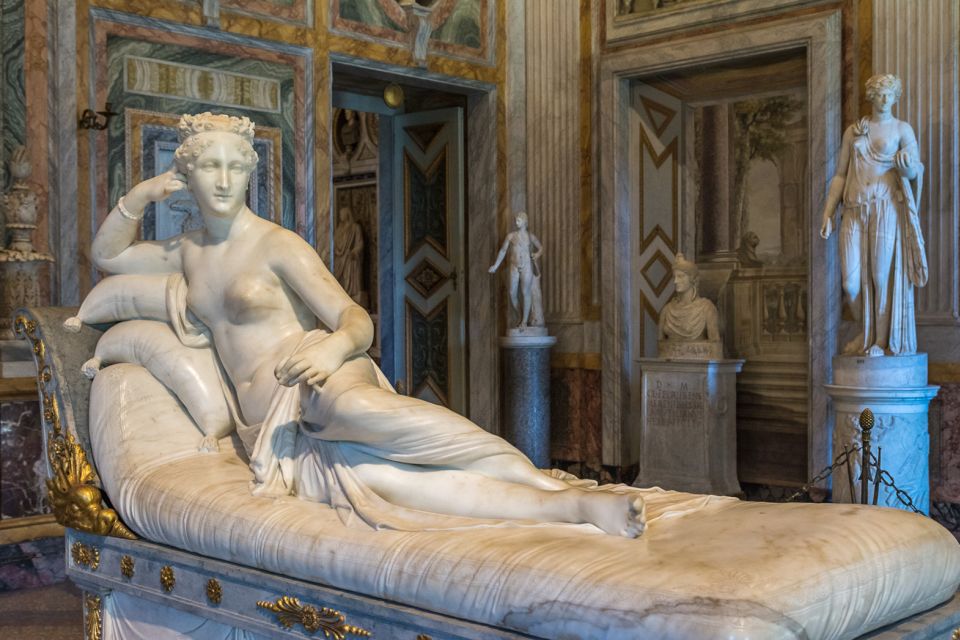
I love two things most here. First, you’re ushered past the long waiting lines, so you actually spend your energy looking at art instead of standing around. Second, the tour is guided in a way that makes the collection feel legible fast, with stops on marquee pieces like Caravaggio’s Young Sick Bacchus and Boy with a Basket of Fruit, plus Bernini’s Apollo and Daphne and Paolina Bonaparte.
One thing to consider: the museum is strict about bag rules. No luggage or large bags are allowed inside, so you’ll need the cloakroom check-in process before you start. Also, show up on time for the meeting spot, because late arrivals can’t be folded into the group.
In This Review
- Key highlights I’d prioritize
- Why this Borghese tour works better than winging it
- Meeting point and what to do before you start
- First room focus: Caravaggio in the middle of the story
- Bernini’s “wow,” explained with specifics
- Canova and the contrast of styles
- Raphael and the “center of the frame” feeling
- Casina Borghese rooms: frescoes as the bonus
- Villa Borghese Gardens walk: why you’ll want shoes
- How the best guides change the whole visit
- Price and value: $84 for the right kind of time
- Who should book this (and who might not)
- Booking checklist: small steps that prevent stress
- Should you book the Borghese Gallery skip-the-line guided tour?
- FAQ
- What does the skip-the-line entry mean for this tour?
- How long is the Borghese Gallery guided tour?
- Where do I meet the tour guide?
- Is the tour limited to a small group?
- Are bags allowed inside the Borghese Gallery?
- What’s included besides the museum visit?
Key highlights I’d prioritize
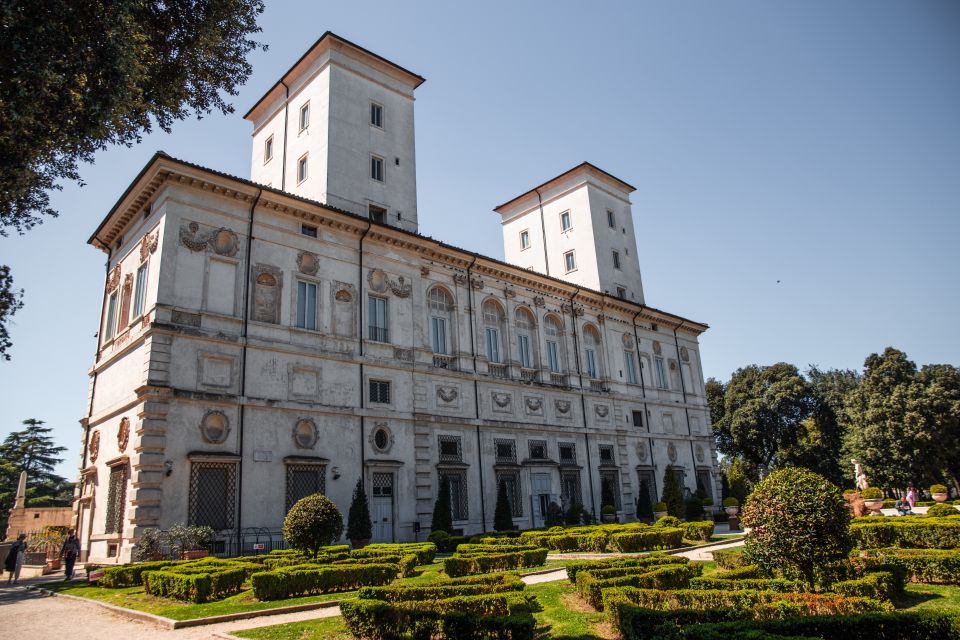
- Skip-the-line access to a museum that often sells out in advance
- Small groups up to 15 for easier pacing and more chances to ask questions
- Caravaggio + Bernini + Canova in one route, with key works named in the tour
- Casina Borghese rooms and frescoes, so you don’t just see the gallery halls
- English live guide (reviews consistently mention standout guides by name)
- Villa Borghese Gardens walking time included after the gallery visit
Why this Borghese tour works better than winging it
If you’ve ever tried to plan the Borghese Gallery on your own, you already know the vibe: tickets can disappear, and waiting lines can eat your afternoon. This is built for the reality of Rome logistics. You get guaranteed skip-the-line entry and a clear start at the main entrance, which means you spend your limited vacation time where it matters: in front of the art.
The other reason I like this format is the group size. With a maximum of 15 people, your guide can keep everyone together without the frantic “follow me” sprint you get in larger tours. That matters in the Borghese because the details are part of the point. If you move too fast, you miss why sculptures and paintings here feel so forceful and personal.
Finally, this tour isn’t only about seeing famous names. It’s about being able to read what you’re looking at—how artists built drama in stone, how painters used light and shadow to pull you into a scene, and why patrons cared enough to collect these works.
You can also read our reviews of more guided tours in Rome
Meeting point and what to do before you start
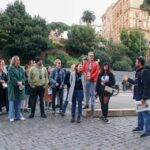
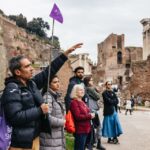
Plan to arrive 15 minutes early at the main entrance to the Borghese Gallery. Your meeting point is in front of the entrance, and the staff will be holding a “Loving Rome” flag. This sounds simple, but it’s worth taking seriously because strict museum timing rules apply. Your tour can’t wait, and missed tours aren’t refunded.
Now the practical bit: bag rules. The gallery does not allow luggage or large bags inside. You’ll need to check them at the cloakroom and collect them later. If you’re traveling light, you’ll have less friction. If you’re not, expect a quick stop for the cloakroom process before the guide begins.
Good move: keep your essentials accessible—water, a phone with battery, and whatever you need for notes. Once you’re inside, the pace is set by the guide, not by you.
First room focus: Caravaggio in the middle of the story
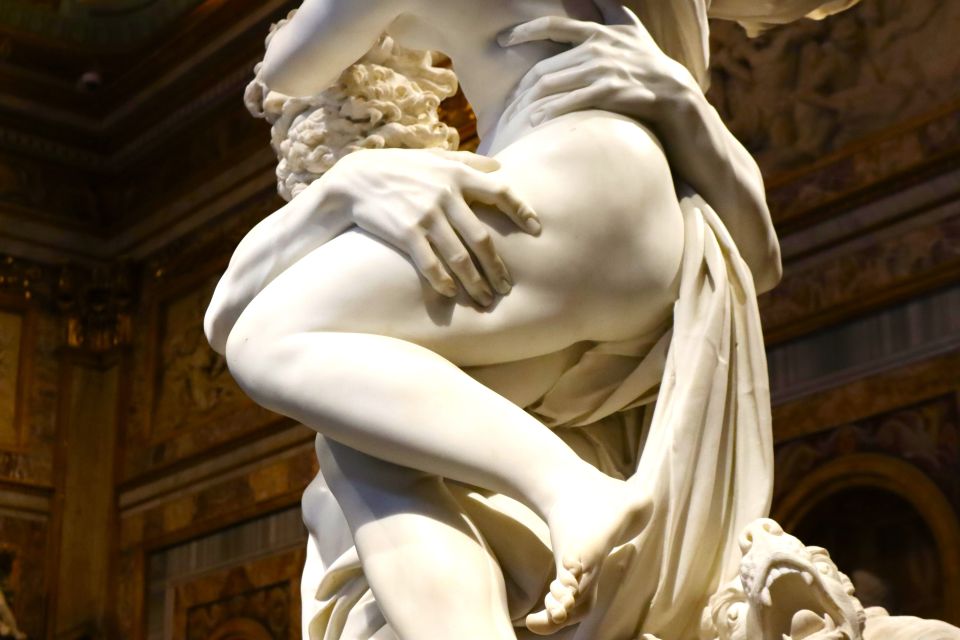
Caravaggio can be a shock in the best way. The Borghese Gallery is one of those places where his paintings don’t feel like museum objects. They feel like scenes that happened and left their trace. This tour makes sure you get to the Caravaggio works that people come for.
You’ll see Young Sick Bacchus and Boy with a Basket of Fruit, and your guide will talk through what you’re looking at rather than treating them like static images. That context matters. Caravaggio is all about impact—light shaped like a spotlight, expressions pulled tight, and a sense that the story is happening right in front of you.
Here’s what I think you’ll appreciate: when a guide connects the painting to the artist’s methods and the era’s values, you start noticing details you’d otherwise miss. A hand gesture stops being random. A face stops being just “sad” or “beautiful.” It becomes a crafted moment.
And since the tour is limited to 15 people, you’re less likely to get stuck craning your neck from the edge of the group. That’s key for paintings, where small shifts in viewing distance can change what stands out.
Bernini’s “wow,” explained with specifics
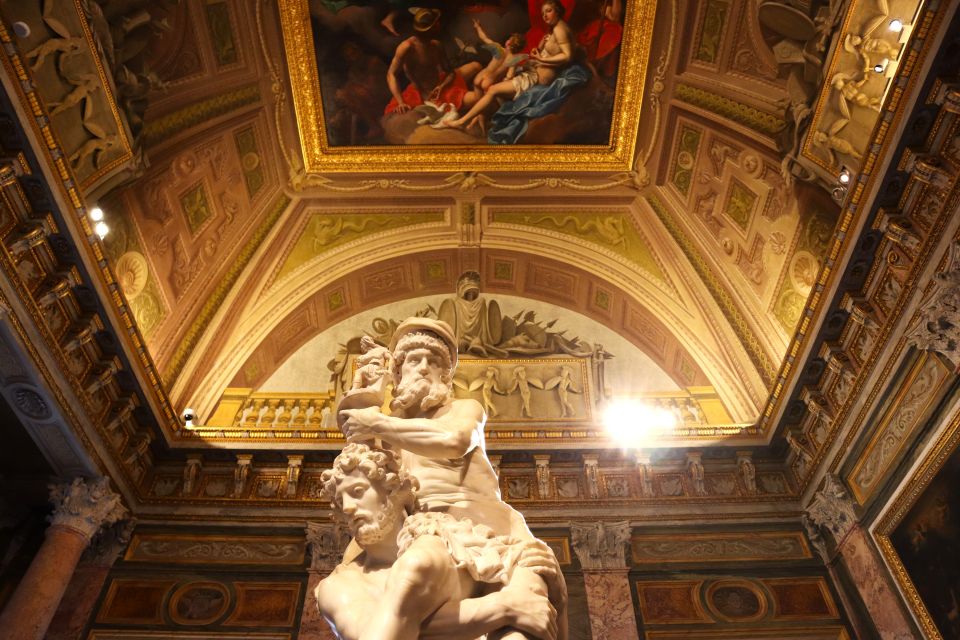
Bernini is why a lot of people book the Borghese Gallery. But Bernini is also why some people get disappointed on a first visit—because he’s famous, yet the experience can still feel like a blur of marble.
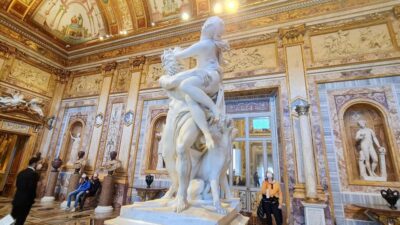
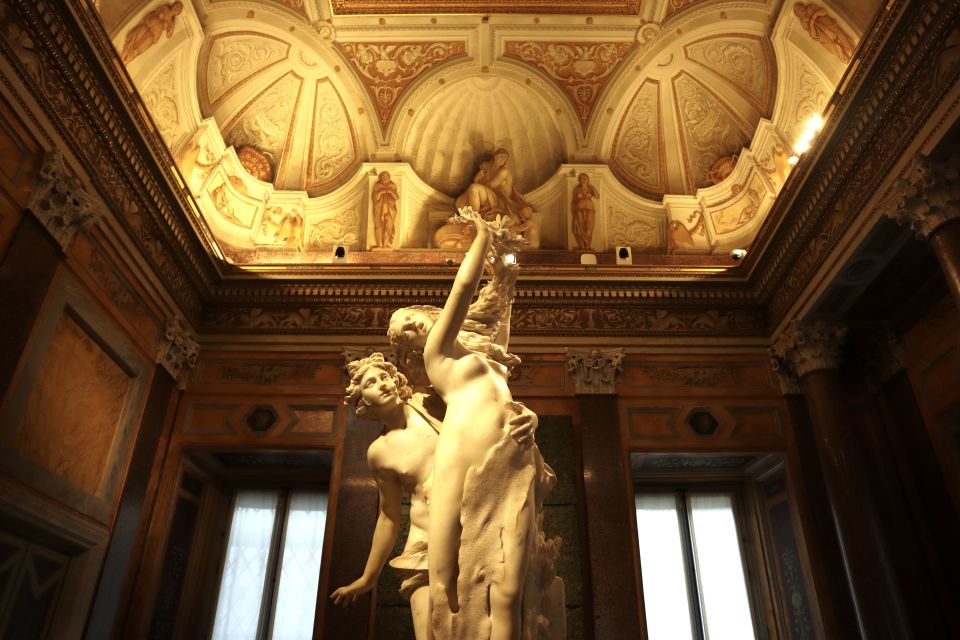
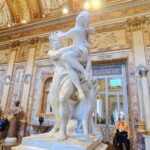
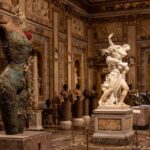
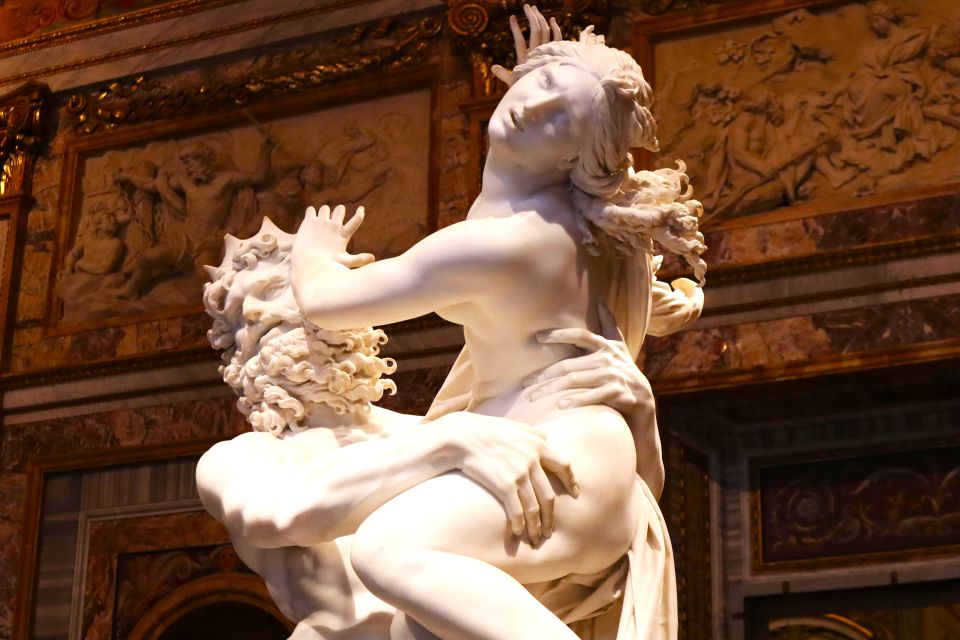
This tour aims to fix that. You’ll focus on Bernini masterpieces such as Apollo and Daphne and Paolina Bonaparte, and your guide’s job is to help you see what makes them work.
What I like about guided Bernini is the way it turns attention into understanding. You start to notice the illusion the sculptor created: movement captured mid-action, emotion staged in pose, and textures that trick your eye into expecting skin or fabric. When you get the context—who commissioned what, why that subject mattered, and how the artist achieved the effect—you stop thinking of these as just famous sculptures. They become performances.
In reviews, guides like Clarissa, Agnese, Emily, Frederico, and Matias get repeated praise for bringing Bernini into focus with stories that connect the figures to the people around them. That’s what you want from a tour like this: not more facts, but better focus.
Canova and the contrast of styles
Bernini takes the emotional volume up. Canova (also represented here) gives you another kind of pull: polished classical beauty and a smoother sense of idealized form. The Borghese collection is strong because it places different artistic languages side by side.
So if you go in thinking you’ll only care about the loudest Baroque drama, give yourself permission to slow down for the sculptural contrast. It helps you understand why the Borghese collection is considered a “complete” experience—big names, yes, but also variety in how artists aimed for impact.
Your guide will keep the route moving logically, so you don’t get stuck only chasing the most obvious headlines. That pacing is one reason people call the tour the best way to see the museum in the 2-hour window.
You can also read our reviews of more museum experiences in Rome
Raphael and the “center of the frame” feeling
You’ll also see Raffaello’s Entombment of Christ. This is a different kind of viewing experience from Caravaggio. It’s about composition, gravity, and the way figures arrange themselves to communicate emotion and narrative at once.
In a guided visit, the value is clarity. Instead of looking at the painting as a whole, you learn what to track first and why. You’ll likely be encouraged to look at faces, the arrangement of bodies, and how the scene is staged to feel both theatrical and intimate.
If you’re not the type who reads about art ahead of time, that’s fine. The guide’s role here is to help you find the main thread quickly, so your brain isn’t just collecting impressions for 2 hours.
Casina Borghese rooms: frescoes as the bonus
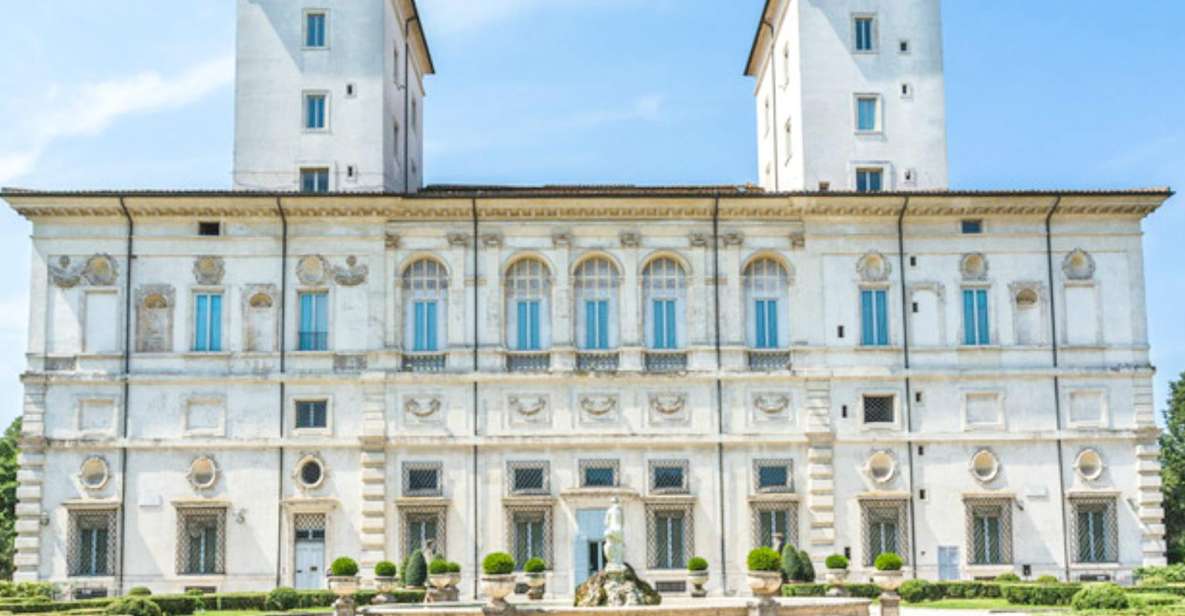
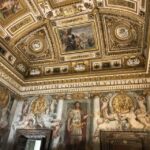
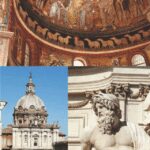
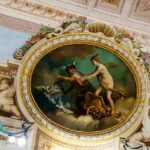
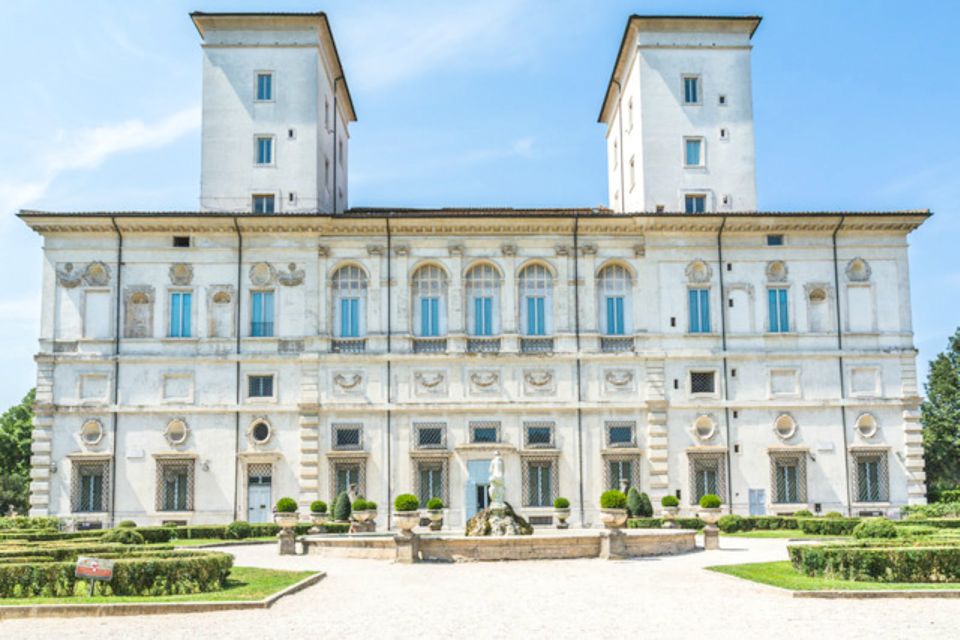
One of the nicest surprises of this tour is that it doesn’t end when the gallery ends. You’ll walk through the beautiful rooms of Casina Borghese, including its frescoed spaces.
This part matters because it shifts the experience from “museum viewing” to “palace atmosphere.” You’re not only looking at art on walls and in display spaces. You’re moving through rooms that were designed as part of the setting. The frescoes add context for the kind of world this collection belonged to.
It’s also a good mental reset. After the intensity of Baroque sculpture and dramatic painting, these rooms help you come up for air without losing the thread of the day.
Villa Borghese Gardens walk: why you’ll want shoes
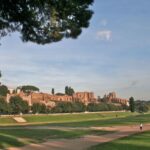
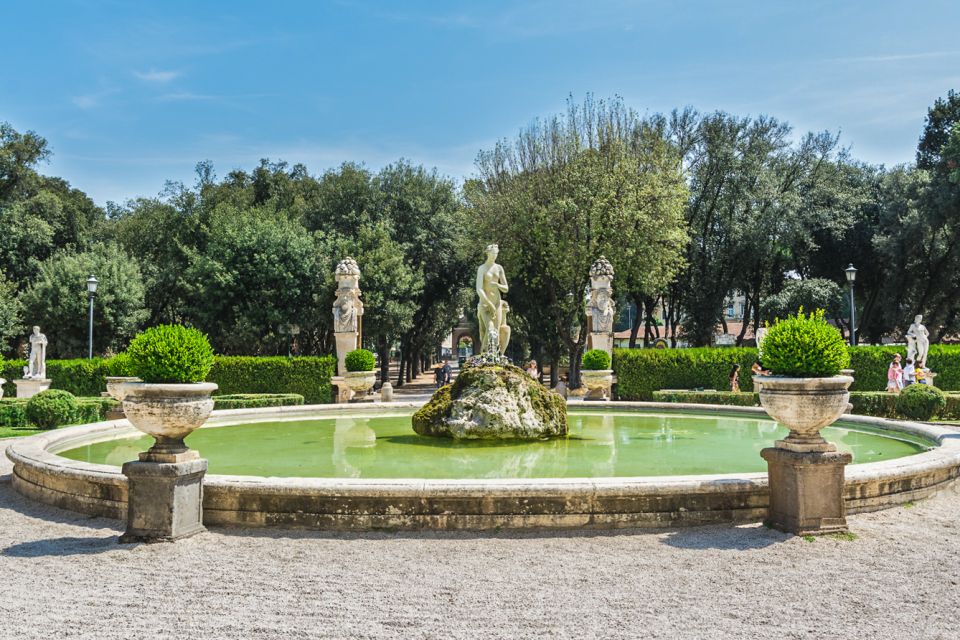
After the gallery visit, you’ll get a walking tour of the Villa Borghese Gardens (without a guide). That’s an important detail. You’re not being guided through the garden by a person telling you where to stand. Instead, think of it as a flexible window to stretch your legs and enjoy the Rome greenery.
Even without a guide, this is valuable because it turns your Borghese visit into a half-day feeling rather than a single indoor sprint. The Borghese area is a classic Rome contrast: high drama inside, softer landscape outside.
Practical note: wear comfortable shoes. Even if you don’t walk far, you’ll want stability for cobblestones and changing ground underfoot.
How the best guides change the whole visit
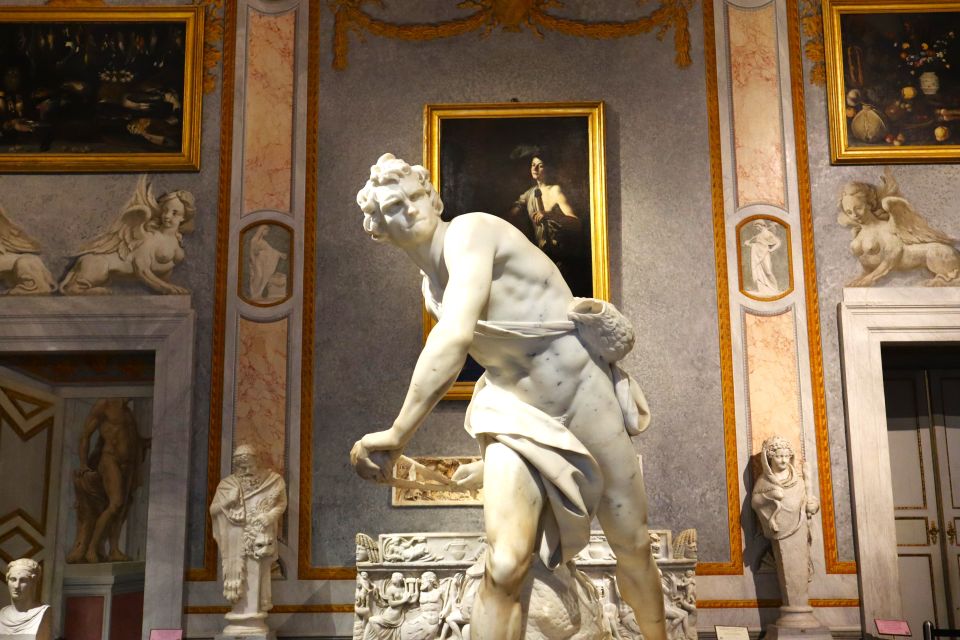
A 2-hour tour can either feel like a rushed highlight reel or a guided “instruction session” in how to look. The reviews for this experience lean strongly toward the second option, and it shows in the specific guide names people call out—Clarissa, Matias, Agnese, Emily, Alicia, Serena, Frederico, Virginia, Genie, and others.
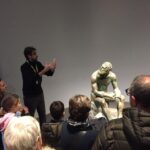
What you’ll likely notice once you’re in the group: the guide doesn’t just announce the work and move on. They point out what to look for, explain why the subject was chosen, and share details about technique. That’s what makes Borghese feel easier to understand.
Some reviewers also mention audio aids like headphones or microphones being used during the tour. If you’re offered them, use them. Indoors, they help you hear the guide without crowd noise stealing your attention.
Price and value: $84 for the right kind of time
At $84 per person for about 2 hours, this isn’t a bargain ticket. But in Rome, Borghese is one of those museums where price reflects access and time management.
Here’s how the value math works for you:
- Skip-the-line entry saves energy and protects your schedule.
- You get a live guide for the highest-demand collection in a compact window.
- The group limit to 15 people improves the experience quality.
- You also get the Casina Borghese rooms and a garden walk afterward, turning it into more than a single gallery stop.
If you’re going to the Borghese anyway, this tour is a way to buy back focus. Instead of spending 2 hours trying to decide what matters most, you’re guided to the works that carry the collection’s themes and the artistic techniques you’d otherwise miss.
Who should book this (and who might not)
This tour is a strong fit if you:
- Love Bernini and Caravaggio and want to see key works with context
- Want a guide to help you understand sculpture and painting details
- Prefer a smaller group and a structured route inside the museum
- Are trying to fit Borghese into a busy Rome trip without wrestling crowds and sold-out tickets
You might want to think twice if you:
- Want total freedom to wander slowly without a guided route
- Travel with heavy luggage (because cloakroom logistics are unavoidable)
- Are extremely timing-sensitive and hate the idea of arriving 15 minutes early for a firm meeting point
Booking checklist: small steps that prevent stress
Before you go, do these simple things:
- Arrive at the meeting spot 15 minutes early and look for the “Loving Rome” flag.
- Keep baggage minimal so you can handle the cloakroom check quickly.
- Wear comfortable shoes for the garden walk afterward.
- Bring a fully charged phone if you like to photograph, but remember the priority is looking, not scrolling.
Once inside, let the guide set the pace. In the Borghese, speed is the enemy of noticing.
Should you book the Borghese Gallery skip-the-line guided tour?
I’d book this if you want your Borghese visit to feel structured, meaningful, and efficient. The combination of skip-the-line access, a small group up to 15, and a guide-led route that centers on Caravaggio, Bernini, Canova, and Raphael is exactly the formula that turns a famous museum into a memorable one.
If art is your main goal, this tour protects that goal. You’ll spend the time you paid for looking at the works that matter most, with explanations that help you actually see what you’re seeing. Just go prepared for the bag rules and show up on time, and you’re set for one of Rome’s best art experiences.
FAQ
What does the skip-the-line entry mean for this tour?
It’s guaranteed priority admission to the Borghese Gallery so you don’t have to wait in the long ticket line before entering.
How long is the Borghese Gallery guided tour?
The total duration is 2 hours.
Where do I meet the tour guide?
Meet in front of the main entrance to the Borghese Gallery, about 15 minutes before the activity starts. Staff will be holding a “Loving Rome” flag.
Is the tour limited to a small group?
Yes. It’s a small group tour with a maximum of 15 people.
Are bags allowed inside the Borghese Gallery?
No. Luggage or large bags (and bags) are not permitted inside the Borghese Gallery. You’ll need to check them at the cloakroom before the tour and pick them up afterward.
What’s included besides the museum visit?
The included items are the entrance ticket and the Borghese Gallery guided visit, plus a walking tour of the Villa Borghese Gardens without a guide.